The Park Grill
The Park Grill occupies a prominent position on Gatlinburg's main Parkway, drawing on the culinary traditions of the Southern Appalachian region. The dining room leans into the mountain setting that defines this corner of Tennessee, placing it alongside peers like Calhoun's Gatlinburg and Cherokee Grill and Steakhouse in the town's mid-to-upper casual dining tier. Visitors planning an evening here should expect a menu grounded in regional American cooking with strong local character.
Pearl is the En Primeur Club membership app — saves, bookings, and concierge access live there. Same editors, same standards.
- Address
- 1110 Parkway, Gatlinburg, TN 37738
- Phone
- +18654362300
- Website
- parkgrillgatlinburg.com
- Directions
- Get directions
 Saves & bookings on Pearl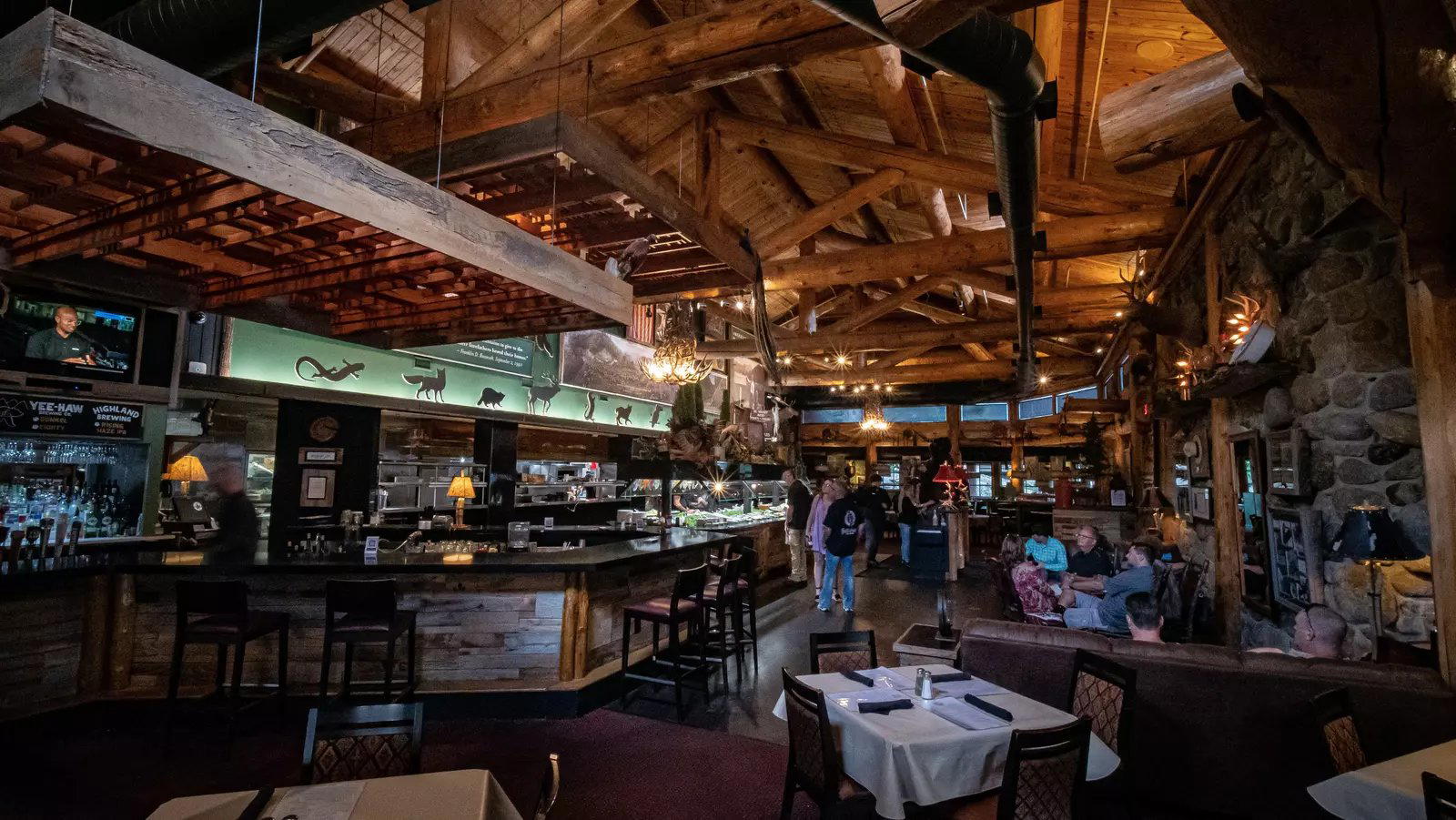
Where the Smokies Meet the Table
Gatlinburg sits at the entrance to Great Smoky Mountains National Park, one visited national park in the United States, and that geographic fact shapes everything about how the town's restaurants operate. The dining scene here is not driven by tasting-menu ambition or imported culinary theory. It runs on a different logic: proximity to one of America's great wild landscapes, a deep regional pantry of Appalachian ingredients and techniques, and a visitor economy that demands consistency over experimentation. The Park Grill, at 1110 Parkway in Gatlinburg, sits squarely inside that tradition.
The Parkway address is itself a signal. Gatlinburg's main artery concentrates foot traffic from the park's gateway in a way that few American small towns can match, and restaurants here operate at a volume and visibility that requires a clear identity. The Park Grill has built its reputation within that environment, occupying a position comparable to peers like Calhoun's Gatlinburg and Cherokee Grill and Steakhouse in serving the town's appetite for Southern American cooking with mountain inflection.
Southern Appalachian Cooking as a Distinct Tradition
The culinary tradition the Park Grill draws from is older and more specific than the broad category of Southern American food suggests. Appalachian cooking developed in relative isolation across the mountain chain that runs through Tennessee, North Carolina, Virginia, and Kentucky, producing a cuisine defined by foraged ingredients, preserved meats, open-fire techniques, and a pantry built around what the forested mountain terrain could provide. Ramps, pawpaws, sourwood honey, country ham cured in mountain air, trout pulled from cold-water streams: these are not decorative regional flourishes but the actual foundations of a cooking tradition that predates most American restaurant culture by a century or more.
In recent years, that tradition has attracted serious culinary attention. Chefs at destination restaurants like Blue Hill at Stone Barns in Tarrytown and Single Thread Farm in Healdsburg have built national reputations around similarly rooted, terrain-specific cooking philosophies. The argument those places make, that a landscape's ingredient ecology should shape what appears on the plate, is one that Appalachian cooking made implicitly for generations before the farm-to-table vocabulary existed to describe it.
Gatlinburg's restaurant scene engages with this tradition at a different register than the destination-dining tier. Restaurants here, including the restaurant alongside The Greenbrier and Wild Plum Tea Room, serve a population that arrives primarily for the park and treats a good dinner as part of the broader experience rather than the destination itself. That context rewards approachability and regional authenticity over formal ambition, and it produces a dining tier that is genuinely distinct from what you find at restaurants like Alinea in Chicago, Le Bernardin in New York City, or The French Laundry in Napa, where the meal is the destination. Neither register is inherently superior; they serve fundamentally different traveller needs.
The Physical Environment and What It Signals
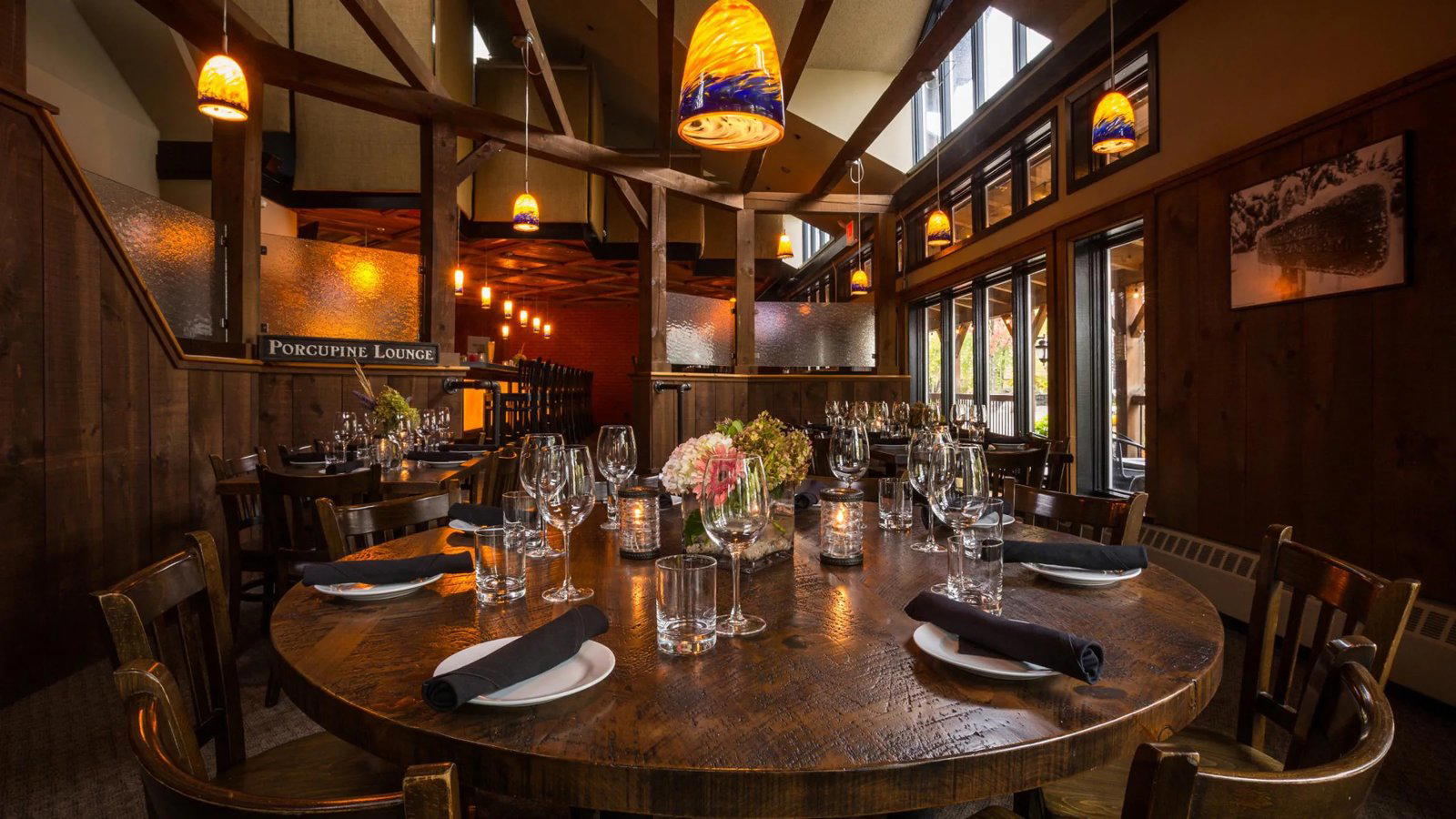
Approaching any restaurant along the Gatlinburg Parkway, the visual density of the strip is the first thing to reckon with. The town packs a notable number of attractions, shops, and dining options into a compact stretch of road, and restaurants here must work harder than their square footage suggests to create an atmosphere that reads as distinct from the commercial noise outside. Log construction, stone fireplaces, exposed timber beams, and materials that reference the mountain building vernacular are the dominant vocabulary of Gatlinburg's better dining rooms, and they function as a form of placemaking: a reminder that you are in a specific mountain landscape rather than a generic American tourist corridor.
That design language is not merely decorative. In a region where Appalachian craft traditions, including woodworking, stonework, and textile arts, have roots going back to early European settlement, a dining room that deploys those materials thoughtfully makes an implicit argument about belonging to the place. It sets a tone that a stripped-down metropolitan interior would not, and it frames the regional menu in a way that reinforces the culinary logic of the food itself.
Gatlinburg in the Wider American Dining Picture
Gatlinburg sits outside the circuits that produce American restaurant recognition. The cities where national attention concentrates, New York, Los Angeles, Chicago, San Francisco, Atlanta, New Orleans, produce the critics, the award bodies, and the media coverage that determines which restaurants enter the national conversation. Restaurants like Providence in Los Angeles, Lazy Bear in San Francisco, Bacchanalia in Atlanta, Emeril's in New Orleans, Atomix in New York City, Addison in San Diego, and The Inn at Little Washington operate within those networks of recognition. Even internationally, a restaurant like 8 1/2 Otto e Mezzo Bombana in Hong Kong benefits from a cosmopolitan critical infrastructure that mountain Tennessee simply does not have.
That absence of formal recognition infrastructure does not diminish what Gatlinburg restaurants do. It means that the standard of evaluation shifts: consistency for a high-volume park-gateway town, meaningful regional identity, and the ability to give visitors a genuine sense of place through food become the relevant measures. By those standards, the restaurant's Parkway address and its place in the town's mid-to-upper casual dining tier carry real weight. The restaurant is located at 1110 Parkway, Gatlinburg, TN 37738.
For a fuller picture of where the restaurant sits among Gatlinburg's options, the our full Gatlinburg restaurants guide maps the town's dining scene across price points and styles.
Cost and Credentials
Comparable venues nearby, for context on price, style, and recognition.
| Venue | Cuisine | Price | Notes |
|---|---|---|---|
| The Park GrillThis venue — the venue you are viewing | Not listed | $$ | Not listed |
| Calhoun's Gatlinburg | Not listed | $$ | Downtown Gatlinburg, Southern BBQ & American Grill |
| The Greenbrier | Not listed | $$$$ | Greenbrier, Polished Appalachian Steakhouse |
| Wild Plum Tea Room | Not listed | $$ | Great Smoky Arts & Crafts Community, American Tea Room |
| Cherokee Grill and Steakhouse | Not listed | $$$ | Calhoun’s Village, Classic American Steakhouse |
| Local Goat New American Restaurant | Pigeon Forge Parkway, New American | $$ | Not listed |
Continue exploring
More in Gatlinburg
Restaurants in Gatlinburg
Browse all →
Bars in Gatlinburg
Browse all →
At a Glance
- Rustic
- Cozy
- Family
- Casual Hangout
- Historic Building
Current opening hours
- Monday
- 11:30 AM–9 PM
- Tuesday
- 11:30 AM–9 PM
- Wednesday
- 11:30 AM–9 PM
- Thursday
- 11:30 AM–9 PM
- Friday
- 11:30 AM–9 PM
- Saturday
- 11:30 AM–9:30 PM
- Sunday
- 11:30 AM–9 PM
Hours can change for holidays and private events. Last verified .
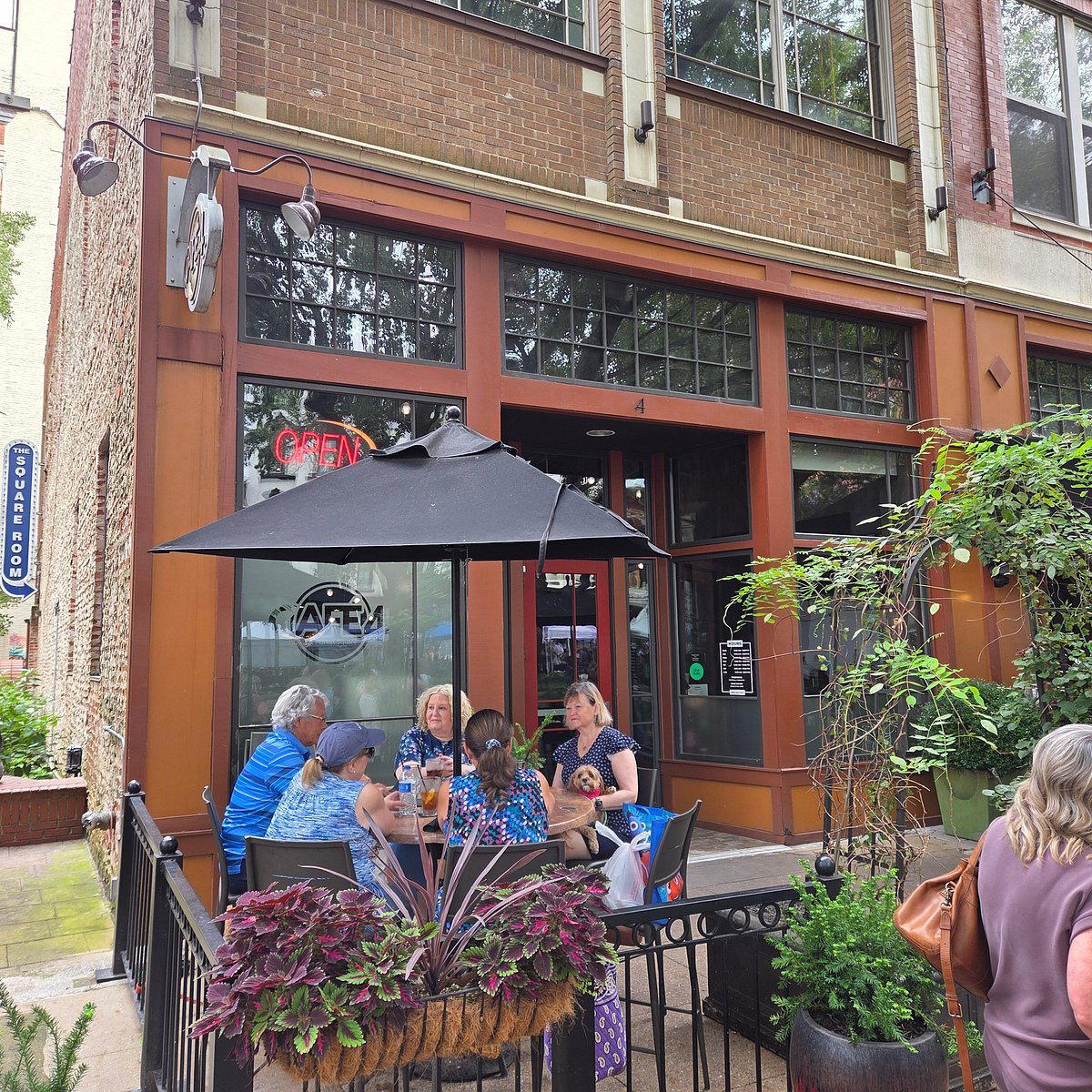
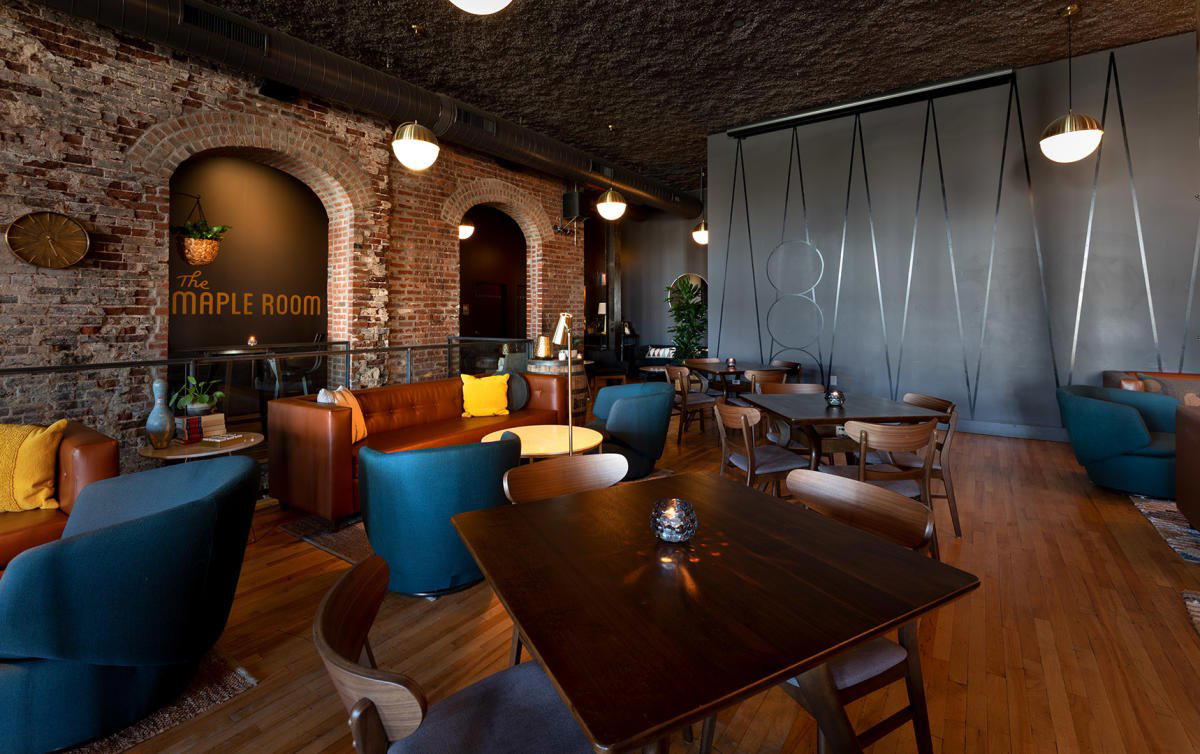
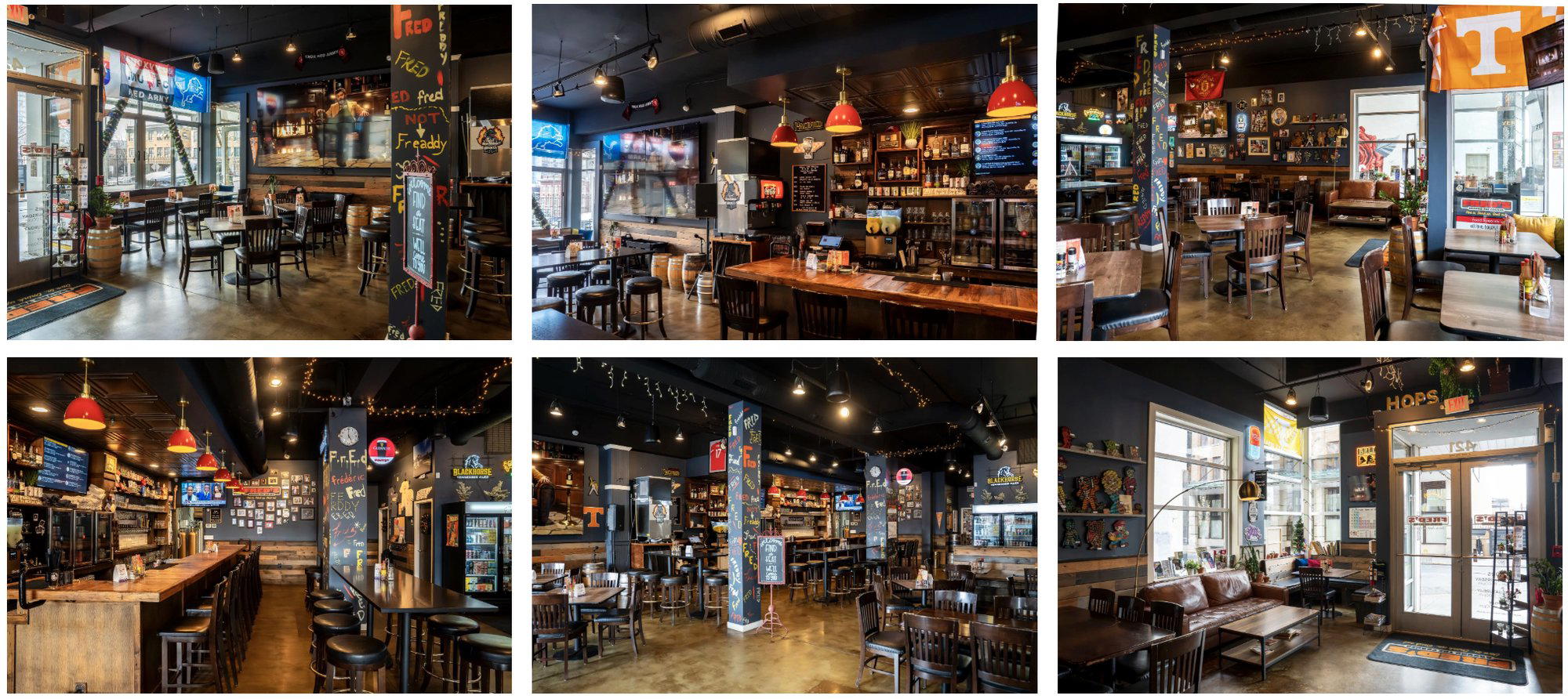
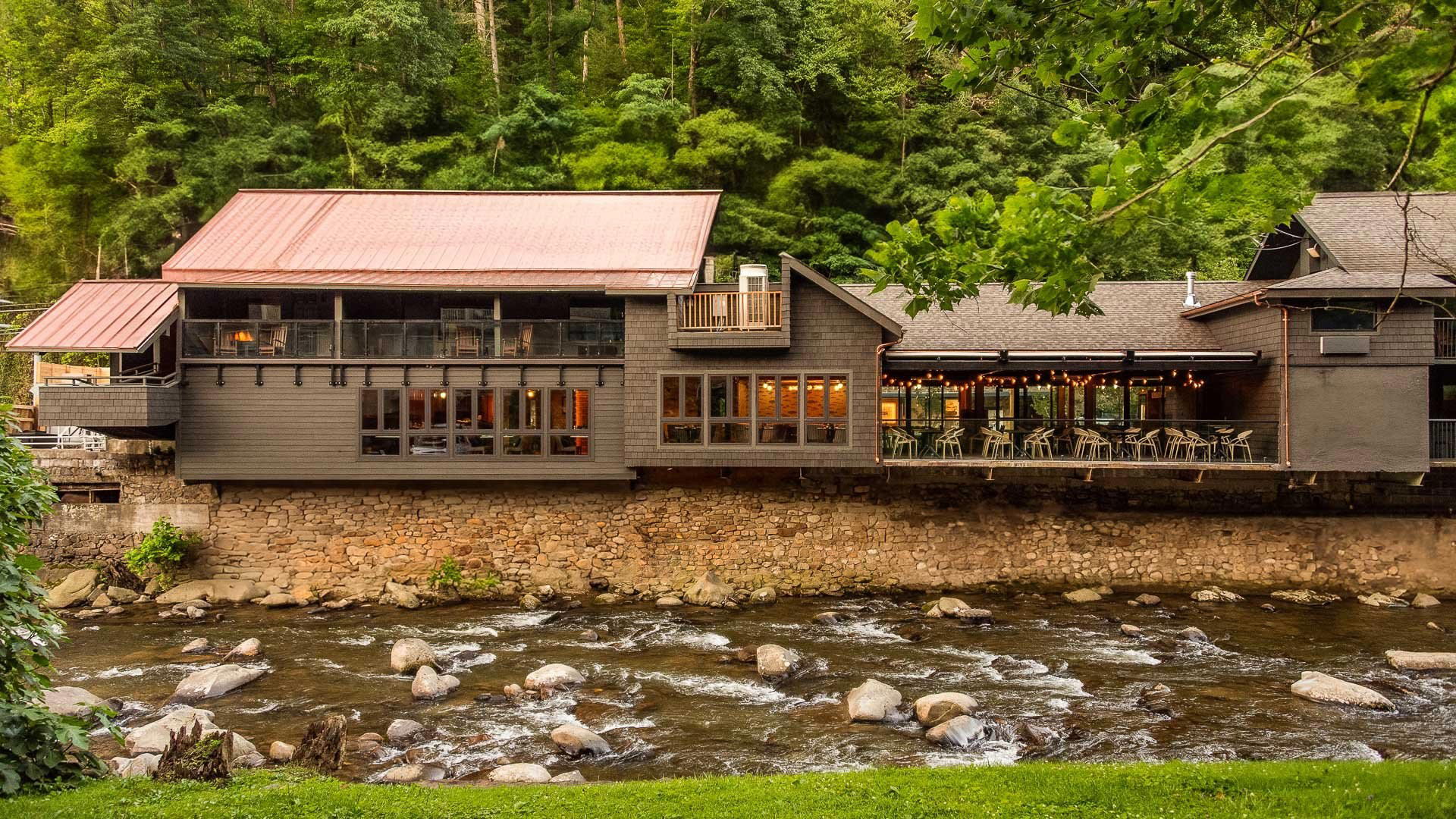
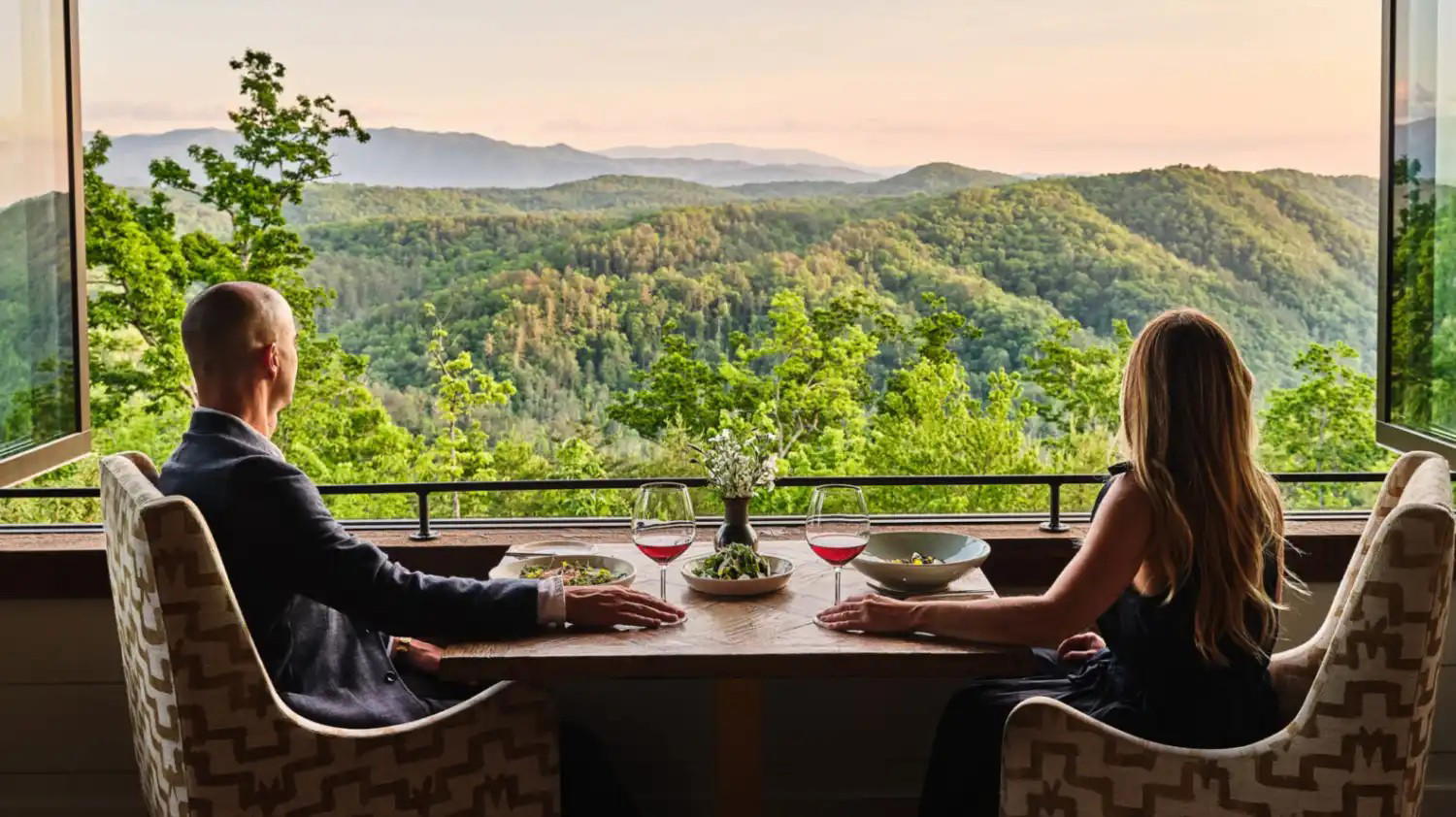
Rustic mountain lodge atmosphere with warm wood and stone interior evoking the Smoky Mountains.