Applewood Farmhouse Restaurant
Our verdict
Applewood Farmhouse Restaurant on Apple Valley Road has anchored Sevierville's farm-to-table tradition for decades, drawing on the agricultural heritage of the Smoky Mountain foothills to serve Southern Appalachian cooking in a setting that feels closer to a working homestead than a tourist-strip dining room. The sourcing philosophy here is the story: local orchards, regional smokehouse traditions, and scratch preparation distinguish it from the chain-heavy corridor nearby.

Pearl is the En Primeur Club membership app — saves, bookings, and concierge access live there. Same editors, same standards.
- Address
- 240 Apple Valley Rd, Sevierville, TN 37862
- Phone
- (865) 428-1222
- Hours
- Mon–Thu 8 AM–8 PMFri–Sat 8 AM–8:30 PMSun 8 AM–8 PM
- Website
- applewoodrestaurant.com
- Directions
- Get directions
The menu
What to order
- Chicken and Dumplings
- Fried Chicken
- Apple Fritters
- Apple Cobbler
Where the Food Comes From First
The Smoky Mountain foothills have always been farming country. Long before Tennessee became a tourism economy, the valleys around Sevierville supported apple orchards, cornfields, and hog operations that fed families through hard winters. The farm-to-table movement that swept urban American dining in the 2010s was, in this part of Appalachia, less a trend than a description of how people had always eaten. Applewood Farmhouse Restaurant on Apple Valley Road sits squarely in that tradition, drawing its identity from the agricultural character of the surrounding land rather than from the resort-adjacent dining strips a few miles east toward Gatlinburg.
That distinction matters when you're reading a menu here. In cities like San Francisco, where Lazy Bear builds elaborate progressive tasting formats around local sourcing, or in Tarrytown, where Blue Hill at Stone Barns operates its own working farm as a kind of living supply chain, ingredient sourcing arrives with a premium price point and a conceptual framework. Applewood's version is less theatrical: the sourcing is built into the name, the location, and the format, and the price point reflects a regional diner's expectations rather than a destination restaurant's.
The Approach and the Setting
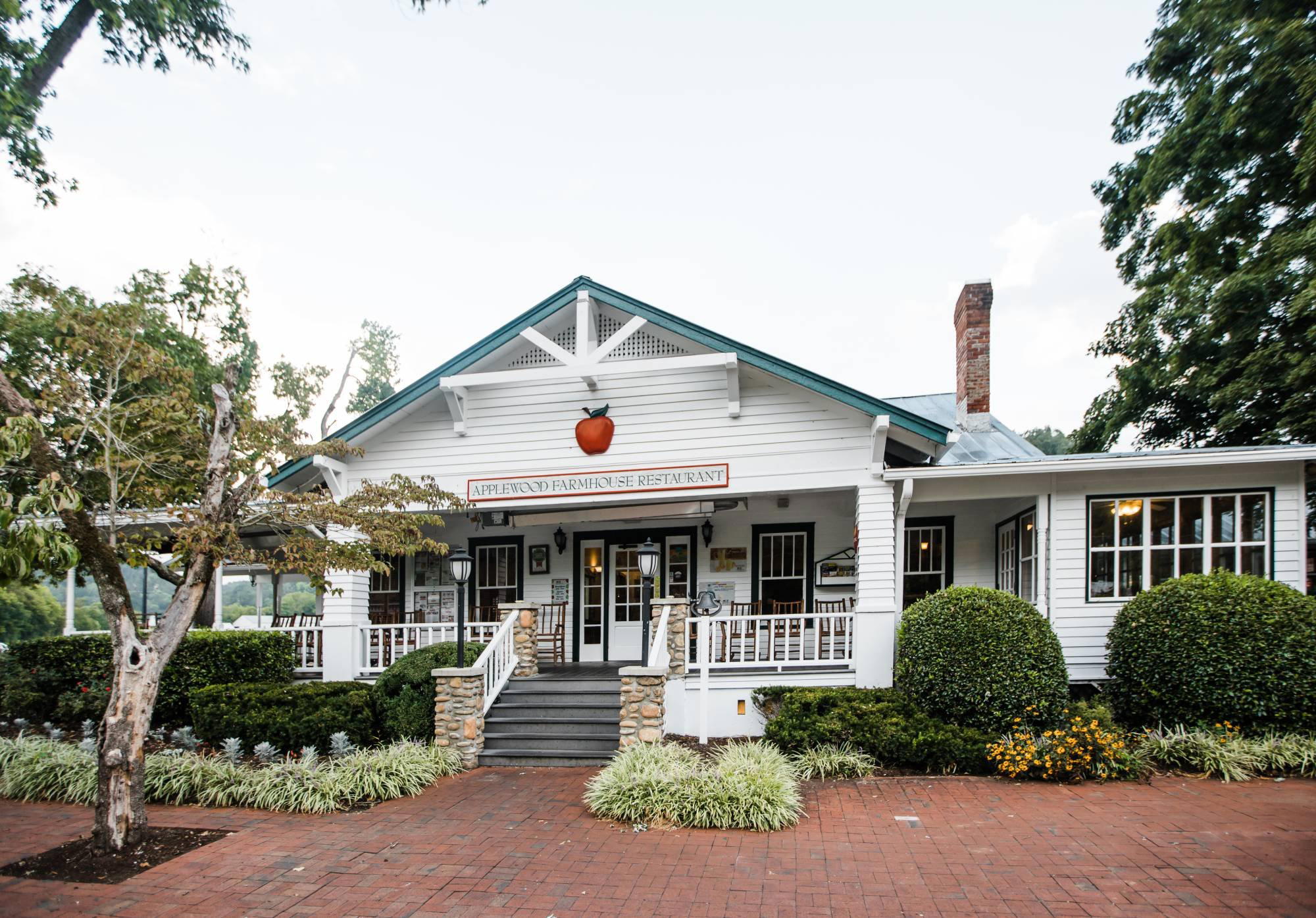
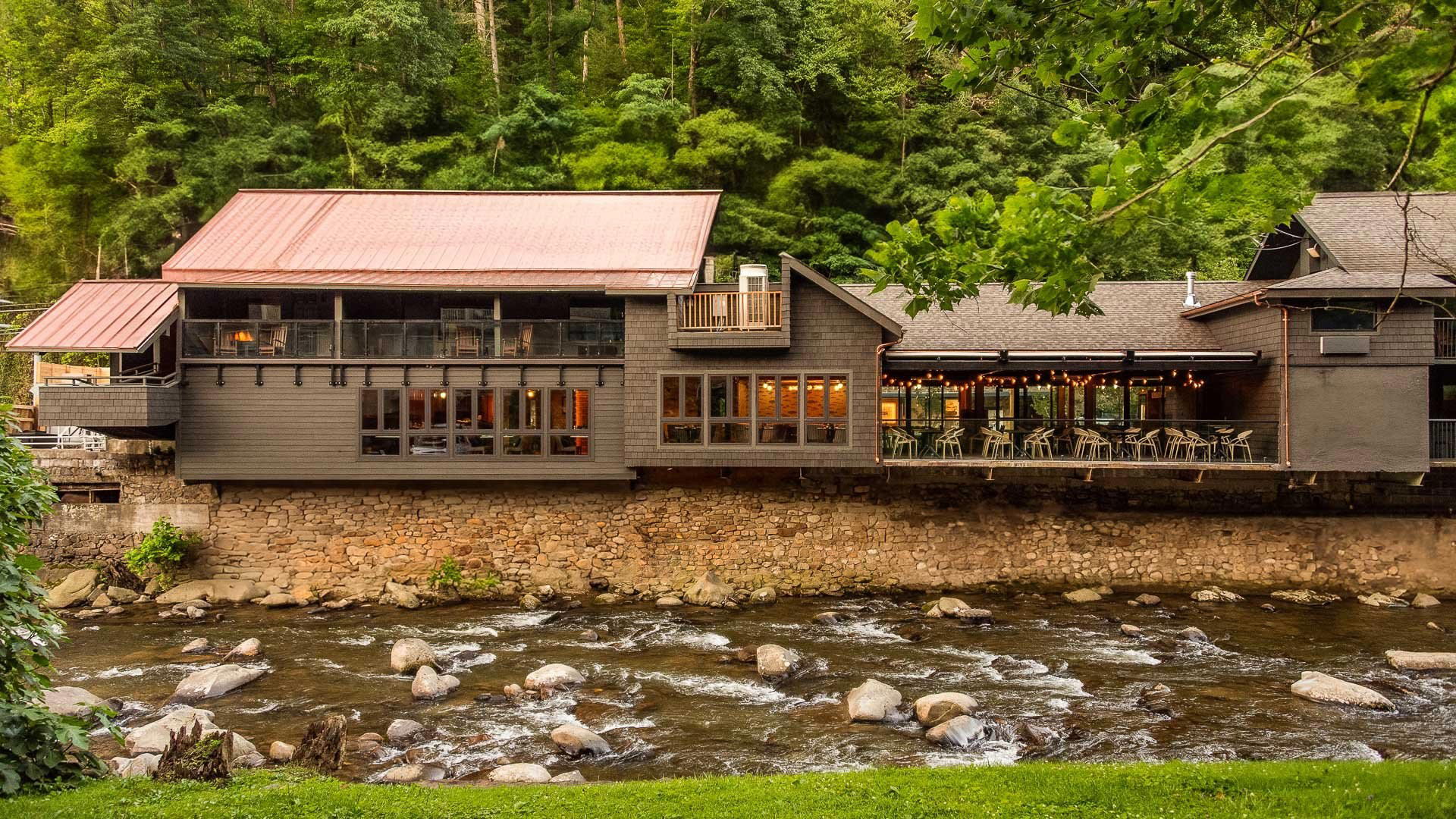
Arriving at the Apple Valley Road address, the visual vocabulary is immediately rural. The property reads as a working farmhouse property rather than a purpose-built dining venue, which is the point. In a region where so much of the built hospitality environment signals theme-park proximity, a setting that looks like it predates the tourism economy carries real meaning. The Smoky Mountain corridor has no shortage of places that perform Appalachian rusticity; what differentiates the better ones is whether the performance has any agricultural substance behind it.
At Applewood, the orchard connection is structural, not decorative. Apple production in Sevier County has deep roots, and restaurants that anchor their identity to local orchard output are making a sourcing commitment that shapes what actually arrives on the table, from fresh-pressed ciders to fruit preserves and apple-based baked goods that appear throughout the menu. This is the kind of sourcing specificity that separates a regional restaurant with genuine provenance from one that simply markets itself using agrarian imagery.
Southern Appalachian Cooking in Context
Southern Appalachian food is a distinct tradition within American regional cooking, separate from the lowcountry cuisine of coastal South Carolina, the Creole complexity found at places like Emeril's in New Orleans, or the refined agricultural formats of Single Thread Farm in Healdsburg. It draws on a larder of cornmeal, cured pork, dried beans, wild greens, and preserved fruit that reflects the isolation and self-sufficiency of mountain communities. The cooking tends toward warmth and abundance: biscuits made from scratch, country ham alongside eggs, bean soups thickened with smoked pork, apple butter as a condiment that spans breakfast through dessert.
What the better Appalachian kitchens understand is that this tradition is a serious regional cuisine, not a simplified or rustic approximation of something more sophisticated happening elsewhere. The same seriousness about terroir that drives the tasting menu programs at The French Laundry in Napa or the ingredient-forward work at Smyth in Chicago applies here at a completely different price register and format. The logic is the same even if the expression is different: food that comes from a specific place and reflects a specific way of living on that land.
For readers who have tracked how American restaurants are increasingly anchoring menus to local agricultural identity, from Addison in San Diego to Providence in Los Angeles to Frasca Food and Wine in Boulder, Applewood represents what that commitment looks like when it has been embedded in a regional tradition for generations rather than introduced as a contemporary culinary framework.
Where It Sits in Sevierville's Dining Scene
Sevierville's restaurant scene is built primarily around visitor traffic, and the dominant format is casual family dining that prioritizes accessibility and volume. Within that context, restaurants that maintain genuine sourcing commitments and scratch preparation occupy a distinct tier. Seasons 101 and The Appalachian represent different angles on Sevierville dining, and our full Sevierville restaurants guide maps the broader picture. Applewood operates in a different register from both: its value is in the depth of the agricultural connection and the cooking format that expresses it, not in tasting menus, extensive wine programs, or chef-driven fine dining ambition.
That makes it a different kind of destination than internationally recognised farm-to-table addresses like The Inn at Little Washington or programs built around global sourcing precision like Atelier Moessmer Norbert Niederkofler in Brunico. It is also not attempting to be any of those things.
Planning Your Visit
Apple Valley Road is accessible from central Sevierville and sits away from the Parkway's peak-traffic density, which makes arrival and parking considerably less fraught than venues closer to the Gatlinburg corridor. The restaurant draws heavily from the visitor population moving between Sevierville and Pigeon Forge, so peak season timing, particularly summer weekends and the October leaf-season window, brings the kind of wait times that reward either early arrival or off-peak scheduling. Families with children fit naturally into the format: the setting, the food tradition, and the serving style are all calibrated for broad accessibility rather than a narrow dining demographic. For those who prefer the area in quieter conditions, the shoulder periods of early spring and late November offer substantially more relaxed pacing.
Frequently asked questions
Would Applewood Farmhouse Restaurant be comfortable with kids?
The farmhouse setting on Apple Valley Road — a working property rather than a polished dining room concept — lends itself to relaxed, all-ages visits. The format and atmosphere align with the broader Sevierville dining scene, which is built around family visitor traffic. Nothing in the venue's profile suggests any age restriction or formality barrier.
What is the atmosphere like at Applewood Farmhouse Restaurant?
The Apple Valley Road address sits away from the Parkway's peak-traffic corridor, and the property reads as a genuine rural farmhouse rather than a themed recreation of one. Expect a casual, unhurried pace that reflects the agricultural character of the Smoky Mountain foothills around Sevierville. The setting prioritizes accessibility and comfort over formality.
How does Applewood Farmhouse Restaurant reflect the food traditions of the Smoky Mountain region?
Southern Appalachian cooking draws from a specific agricultural history — the farming valleys around Sevierville produced the ingredients that shaped the tradition long before Tennessee became a major tourism destination. Applewood's farmhouse setting on Apple Valley Road connects directly to that context, positioning it within a regional culinary lineage rather than the generic casual dining formats that dominate most of the Sevierville visitor corridor.
What's the must-try dish at Applewood Farmhouse Restaurant?
Applewood's kitchen works within the Southern Appalachian tradition, a regional cooking lineage distinct from lowcountry or Gulf Coast Southern food, with its own preserved, smoked, and grain-forward vocabulary.
In Context: Similar Options
| Venue | Cuisine | Price | Awards | Notes |
|---|---|---|---|---|
| Applewood Farmhouse RestaurantThis venue — the venue you are viewing | Southern Comfort Food | $20–30 | Not listed | Not listed |
| Le Bernardin | French Seafood Fine Dining | $300–500 | 3 Michelin Stars · World's 50 Best #13 | French, Seafood |
| Lazy Bear | Modern American Tasting Menu | Not listed | 2 Michelin Stars · World's 50 Best #25 | Progressive American, Contemporary |
| Atomix | Modern Korean Tasting Menu | $300–500 | 2 Michelin Stars · World's 50 Best #7 | Modern Korean, Korean |
| Per Se | French Fine Dining Tasting Menu | $300–500 | 3 Michelin Stars · World's 50 Best #40 | French, Contemporary |
| Masa | Traditional Japanese Omakase | $500+ | 2 Michelin Stars · World's 50 Best #27 | Sushi, Japanese |
Continue exploring
More in Sevierville
Restaurants in Sevierville
Browse all →
Bars in Sevierville
Browse all →
Details
- Rustic
- Cozy
- Classic
- Family
- Casual Hangout
- Brunch
- Historic Building
- A La Carte
- Vegetarian Friendly
- Vegan Options
- Gluten Free Options
Current opening hours
- Monday
- 8 AM–8 PM
- Tuesday
- 8 AM–8 PM
- Wednesday
- 8 AM–8 PM
- Thursday
- 8 AM–8 PM
- Friday
- 8 AM–8:30 PM
- Saturday
- 8 AM–8:30 PM
- Sunday
- 8 AM–8 PM
Hours can change for holidays and private events. Last verified .
Cozy, nostalgic farmhouse atmosphere evoking 'good ole days' Southern hospitality with home-style comfort.