Blackberry Mountain

Blackberry Mountain sits in the Great Smoky Mountains outside Walland, Tennessee, with rates from US$2,689 per night placing it firmly in the upper tier of American wilderness retreats. Stone-and-wood cabins, nature programming, and a wellbeing focus define the format. Fly into Knoxville (TYS) and follow GPS coordinates 35.7520, -83.7630 for the approach through the Millers Cove valley.
Pearl is the En Primeur Club membership app — saves, bookings, and concierge access live there. Same editors, same standards.
- Address
- 1507 E Millers Cove Rd, Walland, TN 37886
- Phone
- +1 800-993-7824
- Website
- blackberrymountain.com
- Directions
- Get directions
 Saves & bookings on Pearl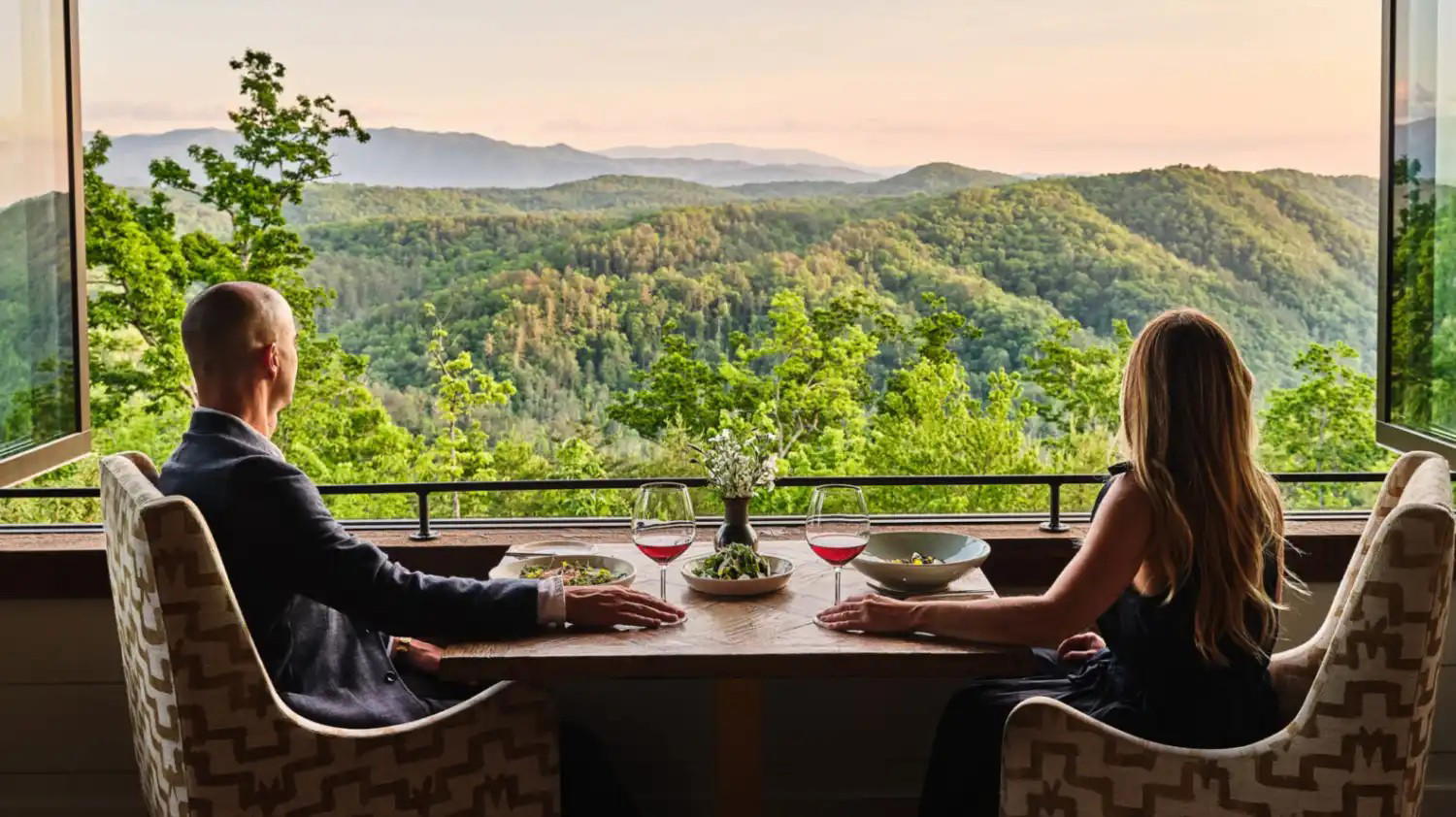
Where the Smokies Set the Programme
The American wilderness resort has split into two recognisable camps over the past decade: properties that use landscape as backdrop and properties that treat it as the actual product. Blackberry Mountain, at 1507 E Millers Cove Road in Walland, Tennessee, belongs unambiguously to the second category. The entry price reflects what the format demands: privacy, staffing ratios, and a physical plant designed around outdoor access rather than ballroom capacity.
The approach from Walland through Millers Cove already signals what kind of property this is. GPS coordinates 35.7520, -83.7630 put you on the eastern edge of the Great Smoky Mountains National Park boundary, and the elevation change on the final stretch makes the arrival feel earned. That sense of remove is a deliberate part of the proposition, one shared by a small cohort of American retreats, including Sage Lodge in Pray and Amangani in Jackson Hole, that treat geographic difficulty as a feature rather than an inconvenience.
Stone, Wood, and the Architecture of Seclusion
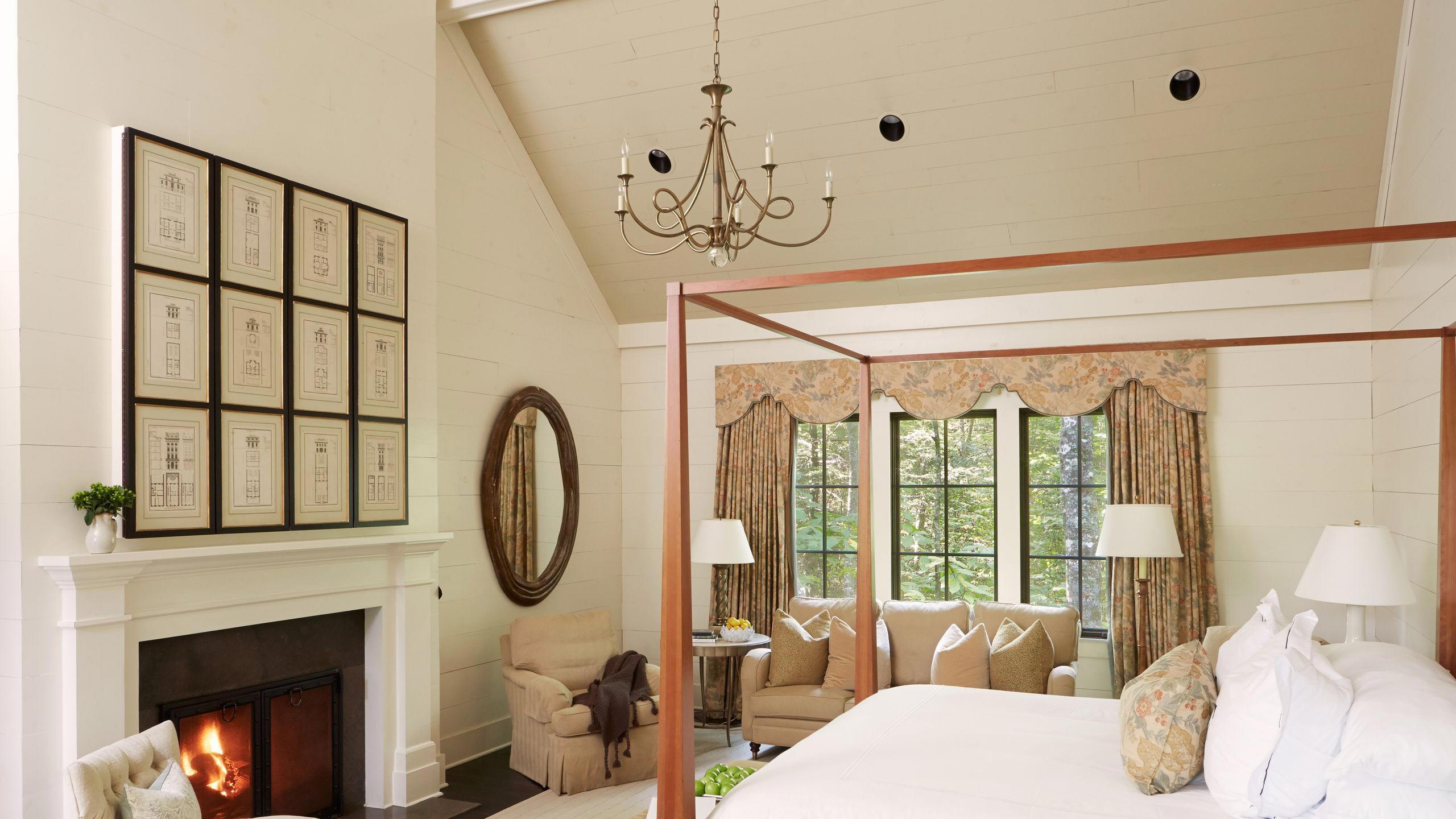
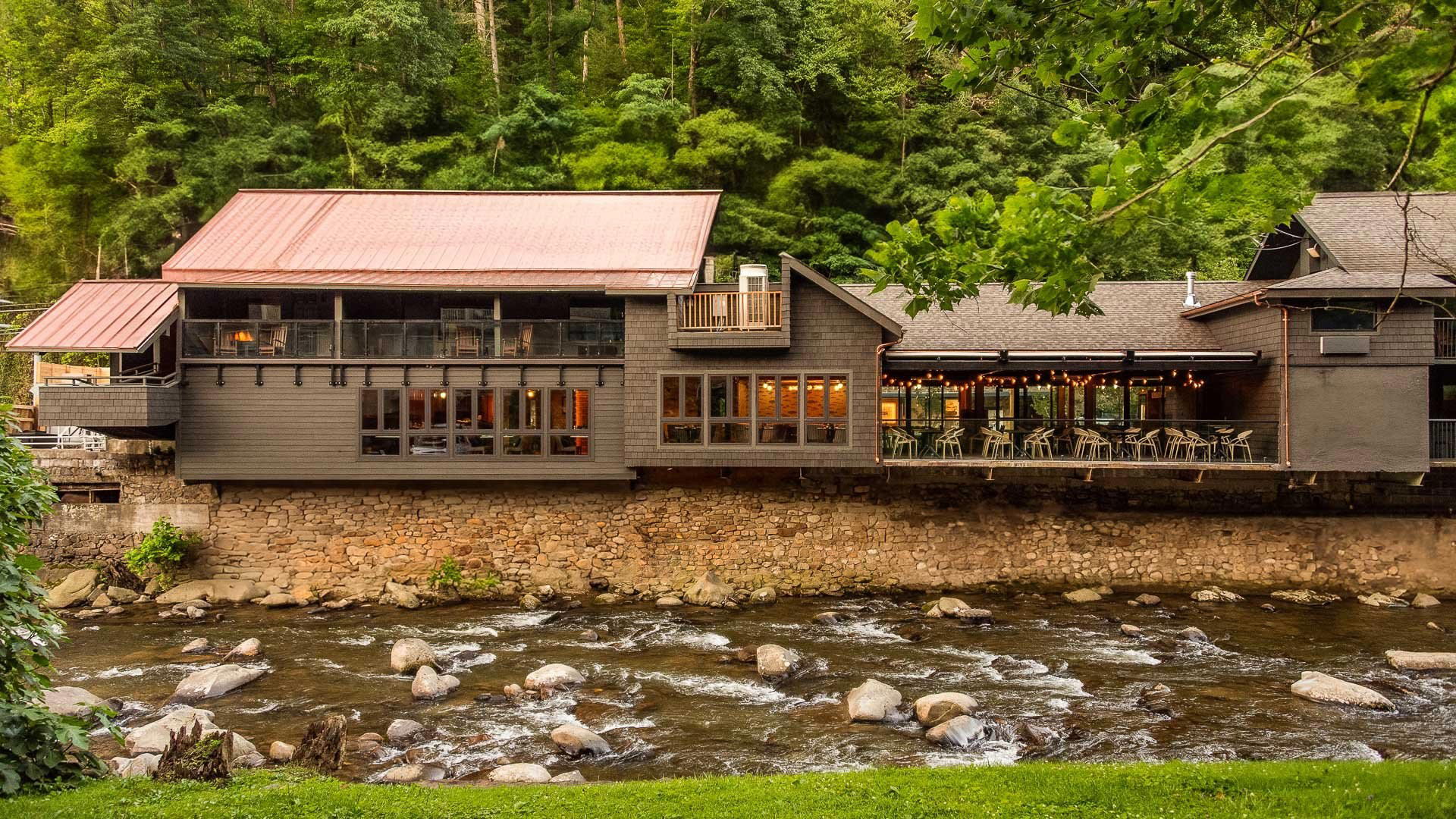
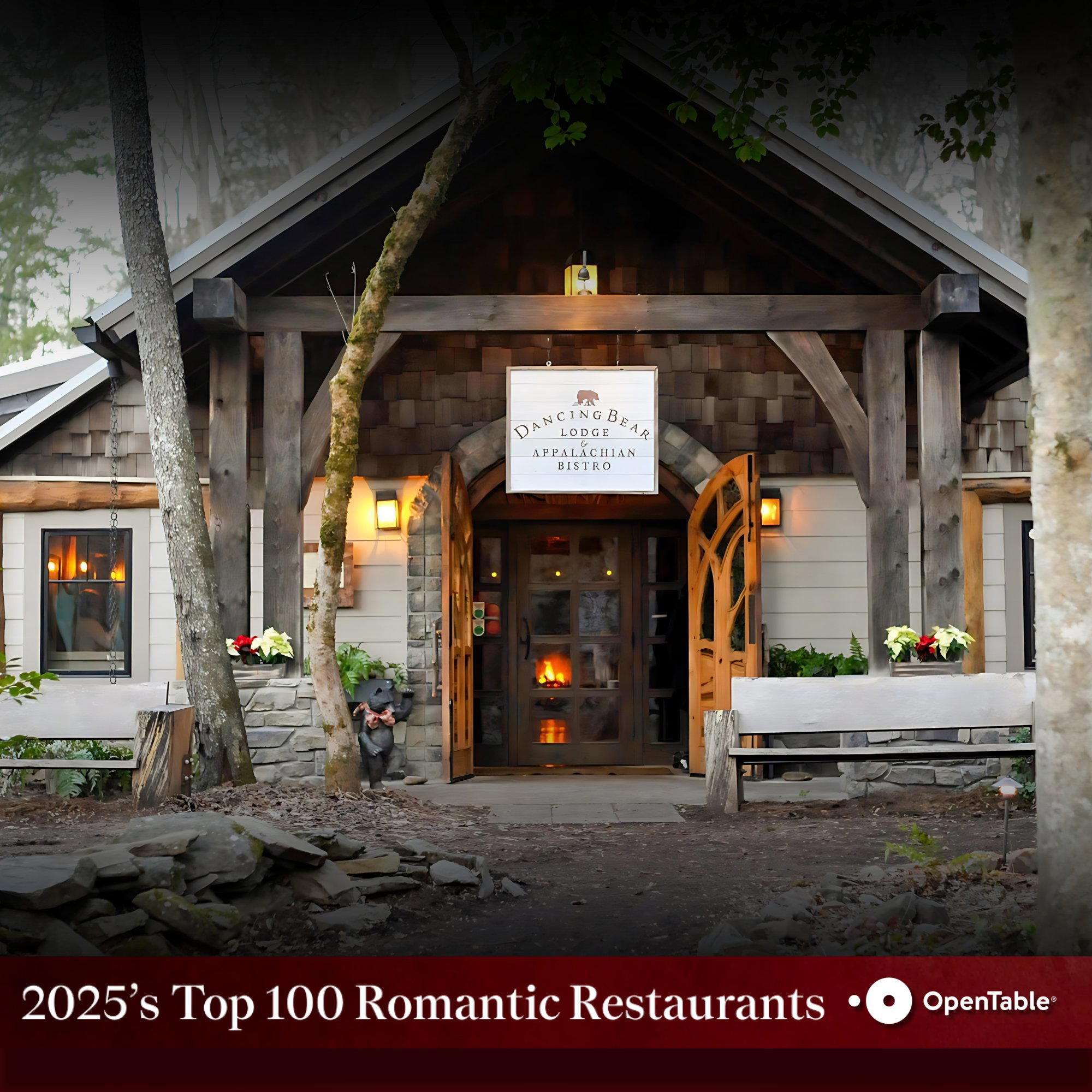
Accommodation format at Blackberry Mountain centres on stone-and-wood cabins, a construction language that has become shorthand for a specific genre of American luxury: materially grounded, climatically responsive, and visually integrated with the surrounding forest. This is a different design philosophy from the glass-and-steel minimalism favoured at properties like Ambiente in Sedona, and it produces a correspondingly different experience of the landscape. Thick walls and timber framing make the season legible in a way that floor-to-ceiling glazing often doesn't: you hear rain differently, feel temperature shifts at the threshold, and wake to forest sounds rather than climate-controlled silence.
Within the American nature-retreat category, that cabin format places Blackberry Mountain in a lineage that its immediate neighbour Blackberry Farm helped establish in the Walland valley. The two properties share a landscape and a founding sensibility about what rural luxury in Tennessee should feel like, though they operate independently and occupy slightly different positions in the market. Visitors who have been to Troutbeck in Amenia or Bernardus Lodge in Carmel Valley will recognise the underlying logic: a historic or agricultural landscape, architecture that defers to it, and a programme built on what the land actually produces or enables.
The Dining Programme: Eating at Altitude
In the broader genre of American nature retreats, dining has increasingly become a differentiating factor rather than an afterthought. Properties at the price point of Blackberry Mountain are now expected to deliver a food programme that connects legibly to place, which in the Southern Appalachian context means engaging with the region's Scotch-Irish food traditions, its extraordinary foraging terrain, and the farm produce that the elevation and rainfall make possible. SingleThread Farm Inn in Healdsburg set a reference point for what farm-to-table integrity looks like when a property controls its own agricultural supply chain; the question at any mountain retreat is how deeply that connection runs.
The Great Smoky Mountains offer a larder that few American hotel settings can match: ramps and morels in spring, chanterelles through summer, pawpaws and hickory nuts in autumn, and persistent game year-round. Whether a mountain retreat's kitchen works directly with those materials or sources more conventionally changes the character of the dining experience considerably. At the price tier Blackberry Mountain occupies, alongside properties such as Auberge du Soleil in Napa and Kona Village in Kailua Kona, guests reasonably expect a kitchen that is paying close attention to what grows nearby and when.
Nature-immersion resorts have also learned to structure the dining day differently from conventional hotels. Meals tend to anchor the programme rather than simply fuel it, with breakfast formats that allow for early departures on trails, packed lunches treated as part of the activity rather than a concession, and dinners that function as the social centre of the guest experience.
Wellbeing as Framework, Not Feature
The wellbeing positioning at Blackberry Mountain reflects a shift in how American luxury resorts have reframed the mountain retreat format over the past fifteen years. Properties like Canyon Ranch in Tucson established the template of a dedicated wellness destination; the more recent development has been the integration of that programming into nature-first properties where the landscape itself does much of the therapeutic work. The distinction matters: a property structured around outdoor movement and environmental immersion produces a different wellbeing outcome than one built around spa treatments alone, even when both carry similar price tags.
At the elevation and latitude of the Smoky Mountains, that outdoor programme has genuine seasonal variation. Spring through autumn offers high-mileage trail access; winter at altitude produces its own set of possibilities and constraints. Guests planning around specific activities rather than simply room and board should factor seasonality into the booking decision in the same way they would for Alpine Falls Ranch in Superior or Little Palm Island in the Florida Keys, where the natural environment sets the programme rather than the other way around.
Getting There and Planning the Stay
Access runs through Knoxville's McGhee Tyson Airport (TYS), which is the closest commercial airport to the Walland valley and handles direct service from most major US hubs. The drive from TYS to the 1507 E Millers Cove Road address takes roughly forty-five minutes under normal conditions. Travellers arriving from Nashville, the nearest Amtrak-served city, face a longer road transfer, making flight the default for most guests. At rates from US$2,689 per night, the property sits in a category where advance planning is standard; this is not a walk-in destination, and the remote setting reinforces that expectation. Those comparing options at a similar investment level might also look at Four Seasons at The Surf Club in Surfside or Raffles Boston, though neither offers the same degree of natural immersion. For a fuller picture of what the Walland area offers beyond the mountain itself, see our full Walland restaurants guide.
How Blackberry Mountain Walland compares with similar nearby venues.
| Venue | Awards |
|---|---|
| Blackberry Mountain | Relais Chateaux Award (2026) |
Recognition history
Dated appearances from independent guides and award organizations, with the underlying list record or original source where available.
Relais Chateaux Award
Relais Chateaux
Relais Chateaux Award
Relais Chateaux
At a Glance
- Romantic
- Scenic
- Rustic
- Elegant
- Sophisticated
- Romantic Getaway
- Wellness Retreat
- Family Vacation
- Group Retreat
- Panoramic View
- Destination Spa
- Wi Fi
- Pool
- Spa
- Fitness Center
- Tennis Court
- Restaurant
- Room Service
- Mountain
- Wi Fi
- Pool
- Spa
- Fitness Center
- Tennis Court
- Restaurant
- Room Service
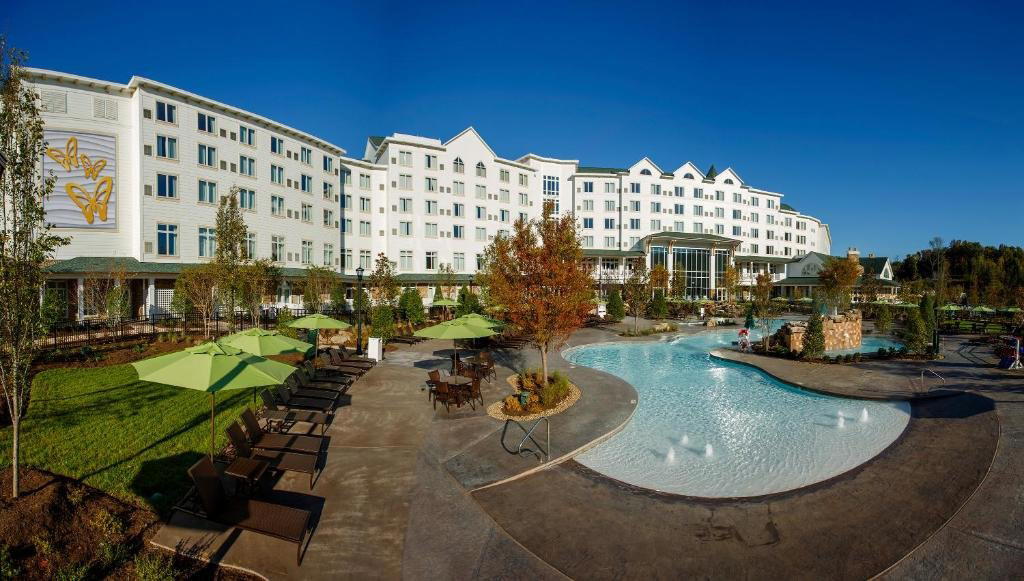
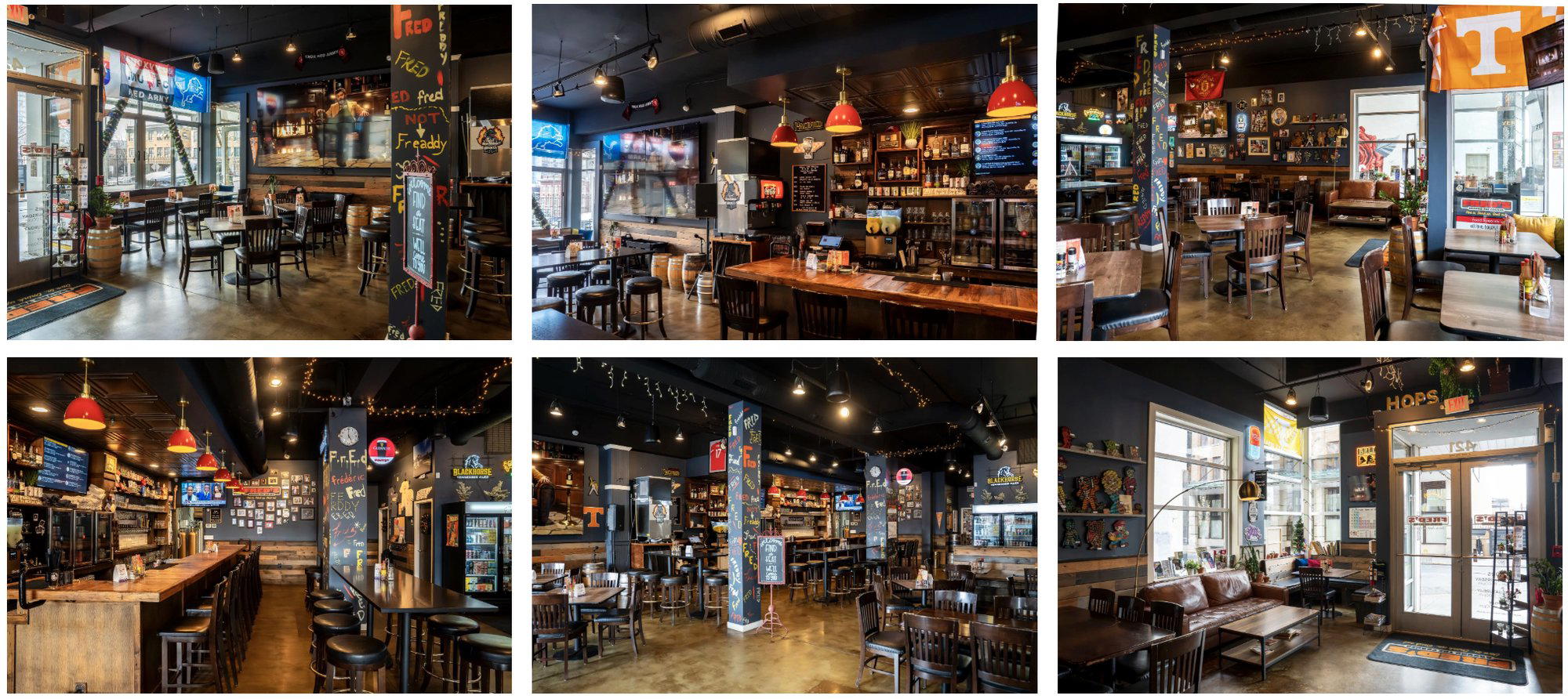
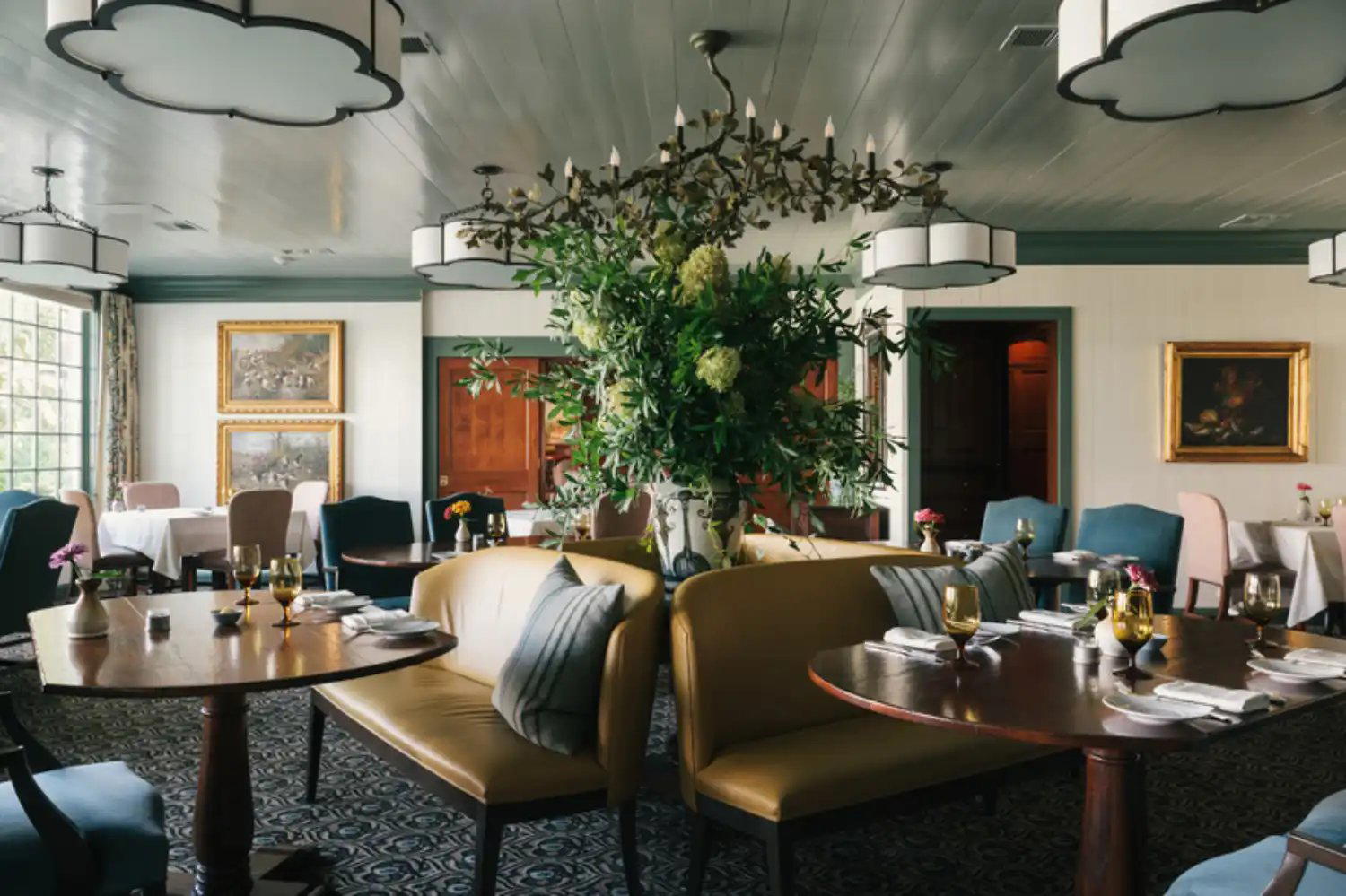
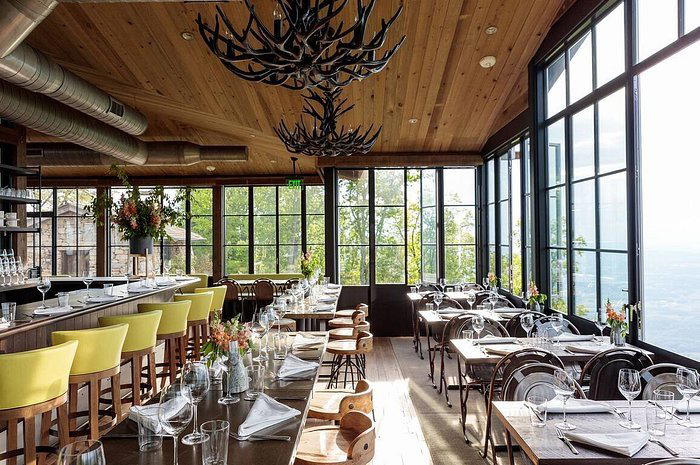
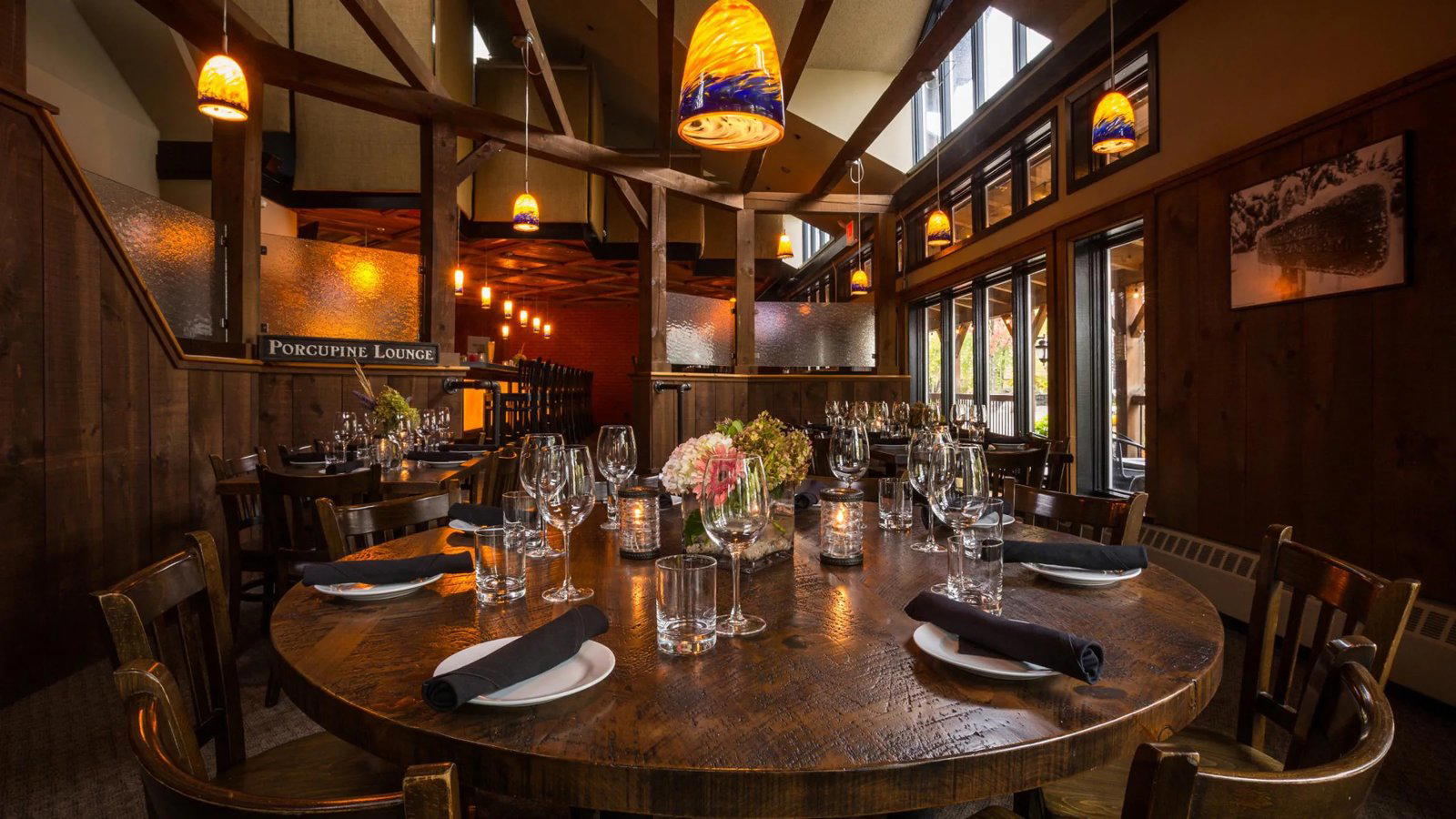
Rustic-chic with natural light, dramatic mountain vistas from rooms and dining areas, peaceful and immersive in nature.
Know Before You Go
- Getting there
- 1507 E Millers Cove Rd, Walland, TN 37886