Local Goat New American Restaurant
Our verdict
In a Pigeon Forge dining scene built largely around volume and spectacle, Local Goat positions itself as a New American counter-argument: a restaurant where ingredient sourcing shapes the menu rather than the souvenir-strip setting. At 2167 Parkway, it draws both families and visitors looking for something beyond the Smokies' standard buffet-and-themed-diner circuit.

Pearl is the En Primeur Club membership app — saves, bookings, and concierge access live there. Same editors, same standards.
- Address
- 2167 Parkway, Pigeon Forge, TN 37863
- Phone
- (865) 366-3035
- Hours
- Daily 11 AM–10 PM
- Website
- local-goat.com
- Directions
- Get directions
- Booking
- Book on the venue's website
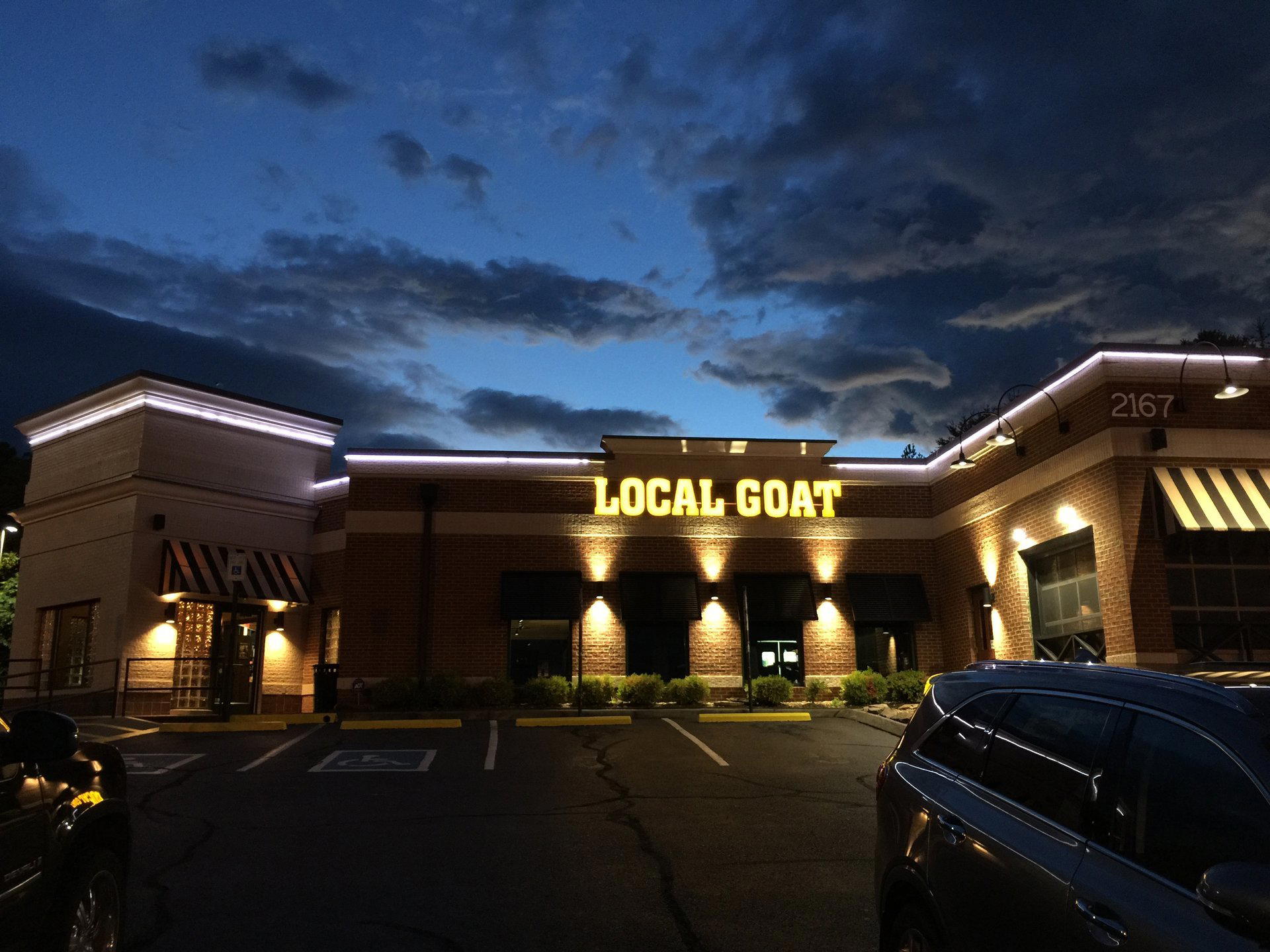
New American Cooking on the Parkway
Pigeon Forge's main commercial strip, the Parkway, runs loud and dense with dinner-show theaters, chain buffets, and themed attractions. The dining default for most visitors is volume: large tables, large portions, low ambiguity. Against that backdrop, a restaurant operating under a New American identity occupies an unusual position. New American, as a culinary category, rarely means a fixed formula — it typically signals a kitchen organized around sourcing and seasonal adjustment rather than a single regional cuisine. In a city better known for its proximity to Great Smoky Mountains National Park than for its food culture, that positioning is a deliberate statement about what the kitchen is trying to do.
Local Goat New American Restaurant sits at 2167 Parkway, physically inside the same commercial corridor as the area's louder attractions, but conceptually aimed at a different kind of visitor — one arriving with some appetite for where their food comes from, not just what it costs or how large the portion is. The name itself signals an orientation toward local supply chains, a claim that carries real weight when the surrounding region offers meaningful agricultural access: the Tennessee and North Carolina foothills supply beef, pork, and produce across a range of small-scale operations that larger chain restaurants in the same zip code largely ignore.
What New American Means in the Smokies
The New American category emerged in the 1980s as a response to Europe-first fine dining, and its core premise, that American ingredients and regional traditions could anchor serious restaurant cooking, has evolved considerably since. Today, the restaurants that use the label most credibly are those with demonstrable sourcing commitments: farms named on menus, proteins with traceable origins, produce that shifts with the growing calendar. Places like Blue Hill at Stone Barns in Tarrytown and Single Thread Farm in Healdsburg represent the high end of that commitment, where the farm relationship is the entire program. At the other end, the label can be decorative. Local Goat's positioning, name, location, declared identity, suggests an attempt to occupy the credible middle of that spectrum, where sourcing is a genuine operational choice without necessarily requiring a tasting-menu format or destination-level pricing.
That matters in the Smokies context because the region's food traditions run deep in specific directions: country ham, cornbread, trout from cold mountain streams, Cherokee-influenced preparations of ramps and pawpaws. A New American kitchen in this geography has the raw material for genuinely rooted cooking. Whether the menu engages that material directly or uses local sourcing primarily as a marketing frame is the question a first visit should answer. The area's other independent restaurants, including Huck Finn's Catfish and Calhoun's Pigeon Forge, tend to lean into recognizable Appalachian and Southern comfort codes, which gives Local Goat a distinct lane if it executes on ingredient provenance with any consistency.
Sourcing as a Strategic Position
For restaurants in tourist-heavy markets, local sourcing serves two simultaneous functions. The first is culinary: produce and proteins from shorter supply chains arrive fresher, which narrows the gap between a kitchen's ambition and what actually lands on the table. The second is narrative: visitors from urban markets who eat at ingredient-driven restaurants at home want some version of that experience on the road, even if the format is more relaxed. The challenge in a place like Pigeon Forge is that the visitor base is broad, the city draws millions of annual tourists, and many arrive expecting the Parkway's standard entertainment-dining hybrid. Local Goat's bet is that a meaningful slice of that traffic wants something different.
That kind of bet is playing out across American tourist destinations where food culture has shifted. Compare the sourcing-first philosophy at places like Smyth in Chicago or Lazy Bear in San Francisco, where provenance documentation is nearly mandatory, to what a mid-market New American operation in a tourist corridor can realistically sustain. The infrastructure differs enormously, but the underlying premise is the same: the ingredients are the story, and the kitchen's job is to make that story legible to the diner. Restaurants like Addison in San Diego and Providence in Los Angeles demonstrate how far ingredient focus can be pushed at the formal end; Local Goat operates well below that register, but the orienting logic is related.
The Setting and the Scene
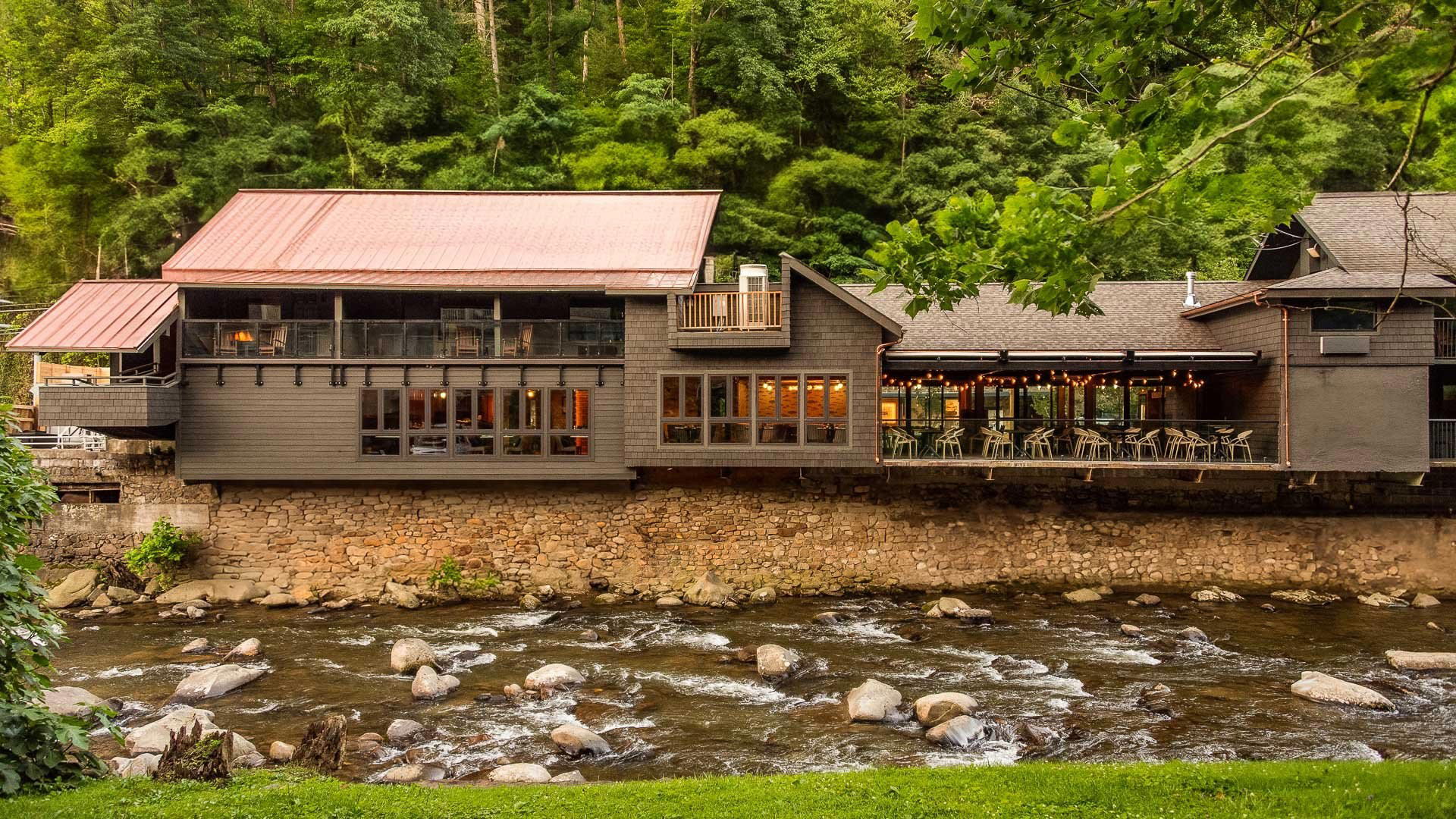
The Parkway environment means arriving through commercial noise, signage, traffic, the general competition for attention that defines the strip. Inside, the experience is calibrated for something closer to a neighborhood restaurant than a theme-park-adjacent diner. New American spaces typically trade on warmth and approachability rather than formality: exposed materials, open kitchens or visible prep activity, menu language that names farms or regions rather than using generic descriptors. Whether Local Goat's interior delivers that or defaults to a more generic casual aesthetic is something the room itself will confirm. What the name and category positioning indicate is an intent to separate from the buffet-format majority around it.
Visitors comparing options on the Parkway will find that Harpoon Harry's Crab House and Azul Cantina serve identifiable genre functions, seafood house and Mexican cantina, respectively, while Song & Hearth: A Southern Eatery leans directly into regional identity. Local Goat's New American frame is the least geographically fixed of the group, which gives the kitchen flexibility but also places more responsibility on execution to justify the positioning. See our full Pigeon Forge restaurants guide for a broader comparison of what the city's dining scene currently offers across formats and price points.
Planning Your Visit
Frequently asked questions
Is Local Goat New American Restaurant good for families?
Pigeon Forge's visitor economy is built around families, and a New American restaurant at an accessible price point on the Parkway — at 2167 Parkway — fits that context naturally. It operates without the ticketed format of the strip's dinner-show venues, which means no fixed showtimes or per-head entertainment charges to factor in. For families who want a sit-down meal rather than a buffet or themed spectacle, it represents a practical middle ground.
What kind of setting is Local Goat New American Restaurant?
The restaurant sits on the Parkway, Pigeon Forge's main commercial corridor, which means the approach runs through the full density of the strip — signage, traffic, competing venues. Inside, the New American positioning places it in a casual-to-mid-range tier, distinct from the dinner-theater format that dominates the surrounding blocks. It functions as a conventional restaurant rather than an attraction, which is its own distinction on that stretch of road.
How does Local Goat New American Restaurant differ from other Pigeon Forge Parkway restaurants?
Most Parkway dining in Pigeon Forge falls into two camps: national chains and ticketed dinner-show theaters. Local Goat's New American positioning places it outside both categories, with a menu format tied to American regional ingredients rather than a fixed entertainment concept. For visitors to the Smoky Mountains looking for a conventional restaurant meal grounded in Tennessee's agricultural region, that distinction narrows the field considerably on the Parkway.
What's the signature dish at Local Goat New American Restaurant?
New American kitchens oriented around regional sourcing in Tennessee typically rotate their menus with seasonal availability, which means a fixed flagship dish is less common than in concept-driven or theme-restaurant formats. Checking directly with the restaurant before visiting will give the most accurate picture of what's currently on the menu.
How It Stacks Up
Comparable venues nearby, for context on price, style, and recognition.
| Venue | Cuisine | Price | Notes |
|---|---|---|---|
| Local Goat New American RestaurantThis venue — the venue you are viewing | New American | $20–30 | Not listed |
| Song & Hearth: A Southern Eatery | Southern American Eatery | Not listed | Pigeon Forge |
| Wild Bear Tavern | Bavarian-Style German | $20–30 | Pigeon Forge |
| Calhoun's Pigeon Forge | Tennessee BBQ & Steakhouse | $10–20 | Pigeon Forge Parkway |
| The Old Mill Restaurant | Southern Country Comfort | $20–30 | Pigeon Forge |
| Huck Finn's Catfish | Southern Catfish and Fried Chicken | $20–30 | Parkway |
Continue exploring
More in Pigeon Forge
Restaurants in Pigeon Forge
Browse all →
Bars in Pigeon Forge
Browse all →

Details
- Lively
- Rustic
- Family
- Group Dining
- Casual Hangout
- Open Kitchen
- Craft Cocktails
- Beer Program
- Local Sourcing
- A La Carte
- Craft Beers
- Whiskies
- Vegetarian Friendly
- Vegan Options
- Gluten Free Options
Current opening hours
- Monday
- 11 AM–10 PM
- Tuesday
- 11 AM–10 PM
- Wednesday
- 11 AM–10 PM
- Thursday
- 11 AM–10 PM
- Friday
- 11 AM–10 PM
- Saturday
- 11 AM–10 PM
- Sunday
- 11 AM–10 PM
Hours can change for holidays and private events. Last verified .
Bustling and fun atmosphere that is lively and occasionally loud, with a welcoming and energetic vibe.