Historic Rocky Waters Inn


Michelin Selected · Small Luxury Hotels of the World Member
Operating since 1935, Historic Rocky Waters Inn occupies a linear stretch of the Little Pigeon River at the edge of Gatlinburg's main corridor. Rooms face the riverbank directly, and the property's restrained facade holds its own against the surrounding Smokies. For travelers who want proximity to Great Smoky Mountains National Park without the resort-scale overhead, this is the most historically grounded option on the Parkway.

Pearl is the En Primeur Club membership app — saves, bookings, and concierge access live there. Same editors, same standards.
- Address
- 333 Parkway, Gatlinburg, TN 37738
- Phone
- (865) 436-2559
- Website
- rockywatersinn.com
- Directions
- Get directions
Where the River Does the Work
Gatlinburg sits at one of the most visited natural thresholds in the eastern United States, the town-side entry point to Great Smoky Mountains National Park, which draws more annual visitors than Yellowstone and the Grand Canyon combined. Against that context, the hotels that have survived with any architectural integrity from earlier decades carry a different kind of authority. Historic Rocky Waters Inn, operating continuously since 1935, belongs to that smaller cohort.
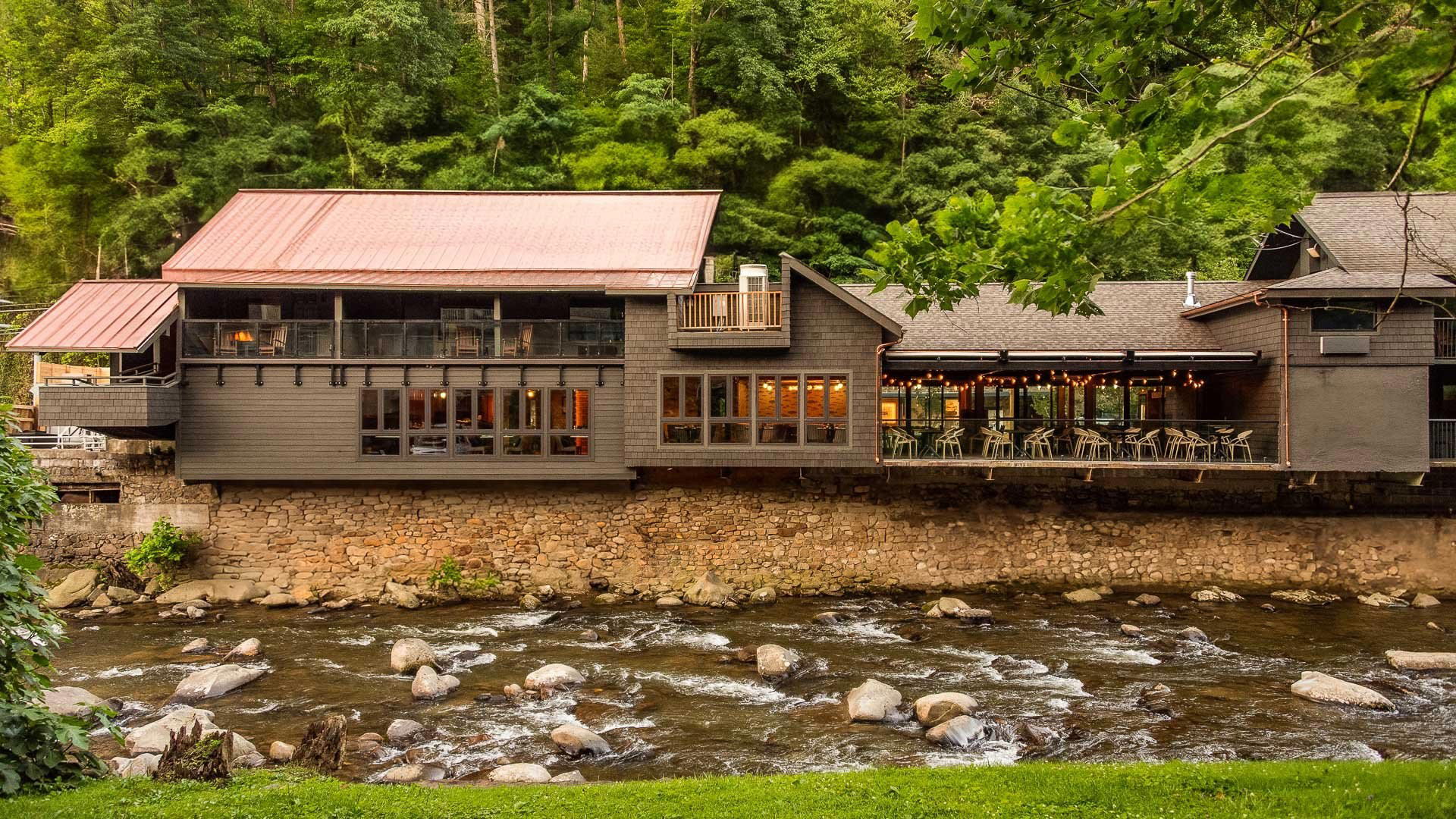
The property's address on the Parkway places it at the threshold where Gatlinburg's commercial strip begins to give way to quieter riverfront terrain. What distinguishes the physical arrangement here is the linear plan: a row of rooms following the course of the Little Pigeon River, each positioned to face the water rather than a parking lot or a neighboring building. In an American roadside hospitality context, that orientation is a design choice worth noting. Most properties of comparable scale point guests toward convenience infrastructure. Rocky Waters points them toward the river.
The Architecture of Restraint
The minimalist facade is neither rustic pastiche nor generic modernism. It reads instead as the kind of functional mountain vernacular that predates the decorative Appalachian styling that became standard in Smokies tourism from the 1980s onward. Properties built before that aesthetic took hold often have a quieter material logic, and this one, dating to 1935, fits that pattern. The exterior doesn't compete with the surrounding ridge lines. It recedes into the mountain backdrop, which, intentionally or not, is the correct architectural instinct for a site with this much natural context to offer.
This approach to siting and scale puts Rocky Waters in a different peer conversation than the larger resort hotels that have anchored the Gatlinburg market. Compare the model here to something like Blackberry Farm in Walland, which sits deeper in the Smokies region and operates at a much higher price ceiling, or Amangiri in Canyon Point, where the architecture is explicitly designed around dramatic landscape immersion. Rocky Waters operates at a different scale and price register, but the underlying instinct, letting the natural site lead, connects it to that broader category of American properties where position and environment do more work than amenity programming.
The River as Organizing Principle
The Little Pigeon River is a working Appalachian waterway, not a manicured resort feature. It runs cold, audible, and with enough current to register as ambient sound from the riverbank rooms. In hospitality design terms, that distinction matters. Properties that incorporate functional natural water rather than decorative water features offer a different sensory register, one where the environment remains legible as an actual place rather than a curated impression of one. The river, in this configuration, is the central organizing principle of the guest experience.
That linearity, rooms arranged in sequence along the bank, also means that proximity to the water is consistent rather than tiered. This is not a property where a premium category gives access to a view that economy rooms lack. The arrangement is more democratic in spatial terms, which reflects the property's mid-century origins more than any contemporary design philosophy.
Situating Rocky Waters in Gatlinburg's Accommodation Spectrum
Gatlinburg's lodging market has stratified significantly over the past two decades. At the upper end, cabin rental platforms now dominate the premium leisure segment, with multi-bedroom properties on refined sites offering hot tubs, game rooms, and panoramic ridge views at prices that rival boutique hotel rates. In the middle tier, national flag properties and independently branded inns compete on amenity packages and proximity to the national park entrance. Historic properties with genuine pre-war provenance occupy a narrower niche, and they trade on something the newer builds cannot replicate: a continuous operating history that places them inside the town's actual development narrative rather than beside it.
For travelers who orient their hotel decisions around place-making rather than amenity maximization, that distinction carries weight. The 1935 founding date is not merely a marketing detail. It means the property predates the postwar tourism boom that reshaped Gatlinburg's commercial character, the establishment of the national park's formal visitor infrastructure, and the decorative Appalachian branding that now defines most of the town's hospitality presentation.
In the wider American context of nature-adjacent hotels with historical depth, useful comparison points include Troutbeck in Amenia, which also trades on pre-war origins and a site defined by water and woodland, and Post Ranch Inn in Big Sur, which sits at a significantly higher price point but shares the instinct of architectural integration with dramatic natural terrain. Sage Lodge in Pray, Montana offers another version of the riverfront nature-lodge model, with a more contemporary fit-out. Rocky Waters predates all of them in operating history.
Planning a Stay
The property sits at 333 Parkway, Gatlinburg, TN 37738, on the main corridor that connects the town center to the national park entrance. That position makes it walkable to Gatlinburg's dining and retail without requiring the property to replicate those amenities on-site. For Great Smoky Mountains National Park access, the entrance is a short drive along the Parkway. Peak season in the Smokies runs from late June through October, with fall foliage typically peaking in mid-to-late October and generating the highest demand across all accommodation categories in the region. Spring visits, particularly April and May, offer lower occupancy and wildflower season on the park's lower elevation trails.
For travelers building a wider Appalachian itinerary, Blackberry Farm in Walland represents the region's highest-end estate experience and sits within the same mountain system. Our full Gatlinburg restaurants guide covers the dining options within walking distance of the Parkway. Those planning a broader American nature-hotel circuit might also consider Amangani in Jackson Hole, Canyon Ranch Tucson, or Ambiente in Sedona for contrasting approaches to landscape-integrated accommodation across different American terrain types.
Side-by-Side Snapshot
Comparable venues nearby, for context on price, style, and recognition.
| Venue | Cuisine | Price | Awards | Notes |
|---|---|---|---|---|
| Historic Rocky Waters InnThis venue — the venue you are viewing | Historic luxury riverside inn with Tudor architecture renovated in 2024 | $100–200 | Michelin Selected · Small Luxury Hotels of the World Member | Not listed |
| The Central Station Memphis | Historic train station converted boutique hotel | Not listed | Michelin Selected | South Main Historic Arts District |
| Carnegie Hotel | Boutique replica of historic 1891 hotel with modern comforts | Not listed | Not listed | near East Tennessee State University |
| The Edwin Hotel, Autograph Collection | luxury boutique hotel blending southern hospitality with contemporary design | Not listed | Michelin Selected | Bluff View Arts District |
| Blackberry Farm | Relaxed luxury country estate | Not listed | 2 Michelin Keys · La Liste Top Hotels | Walland |
| Kinley Chattanooga Southside | Modern boutique hotel inspired by local art, history, and outdoor adventures | $100–200 | Michelin Selected | Southside |
Recognition history
Dated appearances from independent guides and award organizations, with the underlying list record or original source where available.
Michelin Selected
Michelin
Small Luxury Hotels of the World Member
Small Luxury Hotels of the World
Details
- Romantic
- Quiet
- Cozy
- Rustic
- Scenic
- Intimate
- Romantic Getaway
- Honeymoon
- Anniversary
- Weekend Escape
- Waterfront
- Historic Building
- Terrace
- Wi Fi
- Pool
- Restaurant
- Bar
- Concierge
- Housekeeping
- Air Conditioning
- Waterfront
- Mountain
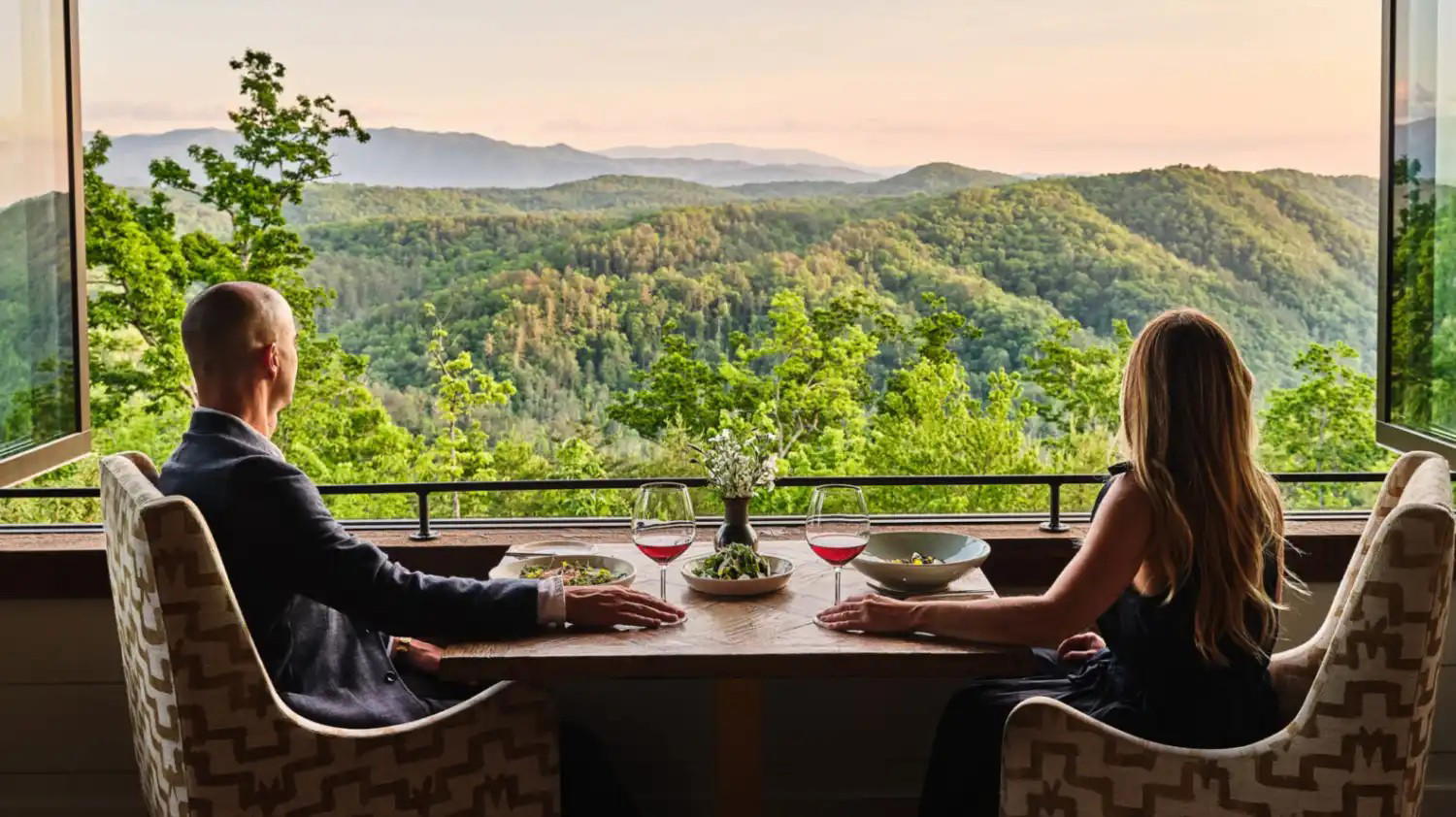
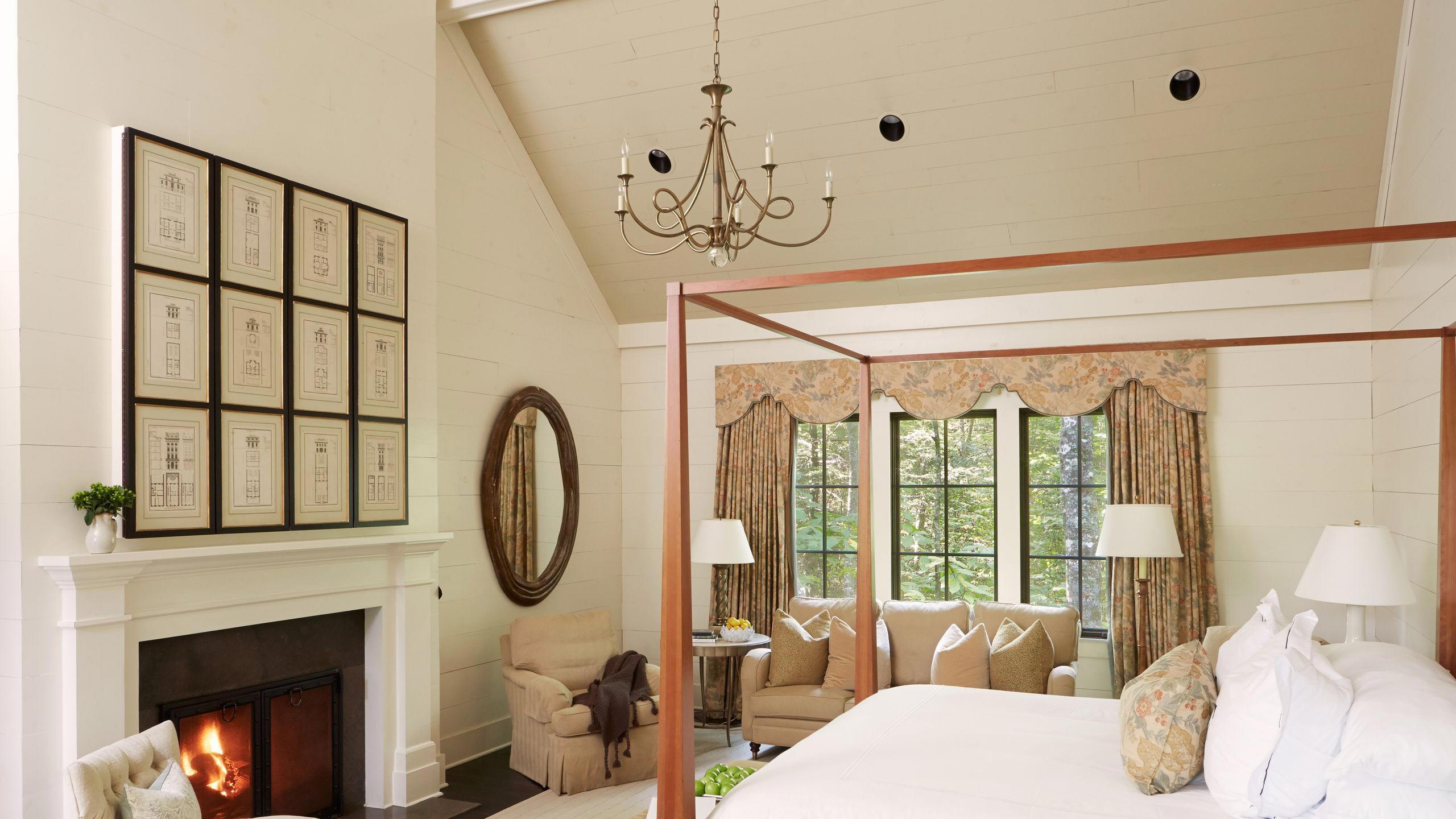
Tranquil and relaxing with the soothing sound of the river from private balconies, cozy rooms featuring fireplaces and soaking tubs, complemented by warm, intimate lighting.