Dollywood
Dollywood in Pigeon Forge, Tennessee occupies a distinctive tier among American theme parks, where Appalachian cultural identity and large-scale entertainment infrastructure meet in the Great Smoky Mountains. The park anchors a broader hospitality ecosystem that includes resort accommodation, dining, and seasonal programming, making it a reference point for the region's leisure economy. For context on what to pair with a visit, see our full Pigeon Forge guide.

Pearl is the En Primeur Club membership app — saves, bookings, and concierge access live there. Same editors, same standards.
- Address
- 2700 Dollywood Parks Blvd, Pigeon Forge, TN 37863
- Phone
- (800) 365-5996
- Website
- dollywood.com
- Directions
- Get directions
What the Mountain Builds Around
The Great Smoky Mountains have always attracted a certain kind of American leisure: not the manicured resort seclusion of, say, Amangiri in Canyon Point or the coastal remove of Little Palm Island Resort & Spa in Little Torch Key, but something louder, more communal, rooted in Appalachian tradition and Southern spectacle. Pigeon Forge sits at the center of that pull, and Dollywood, at 2700 Dollywood Parks Blvd, is the clearest expression of what the region has built around itself over the past four decades.
Theme parks in the United States broadly divide into two categories: the global franchise model, built on intellectual property and international footprint, and the regional-identity model, where place and cultural specificity do the work that IP does elsewhere. Dollywood operates in the second category, and it does so at a scale that few regional parks match anywhere in the country. That positioning matters when you are thinking about where it sits relative to the broader hospitality ecosystem of East Tennessee.
Design in the Service of Place
The architectural and spatial logic of Dollywood is worth examining on its own terms, because it departs substantially from the design vocabulary of major American theme parks. Where parks in the franchise model tend toward cinematic replica and controlled sightlines, Dollywood's built environment reads as an extended interpretation of Appalachian vernacular: timber construction, covered craftwork areas, structures that reference the working architecture of the Southern highlands rather than fantasy or futurism.
This is not accidental. The park's physical development has tracked a deliberate effort to keep craft production, regional music, and working demonstrations woven into the space itself, so that the built environment and the programming reinforce each other. Craft demonstrations in glassblowing and blacksmithing, for instance, are housed in structures that visually belong to the same tradition as the craft itself. The effect is a spatial coherence that theme parks pursuing a different model rarely achieve, because coherence requires a single strong cultural reference point rather than a portfolio of licensed characters.
That coherence extends to the park's relationship with the landscape. The Smoky Mountains are not backdrop at Dollywood; elevation changes, tree cover, and natural topography are integrated into the experience rather than flattened. Roller coasters work with ridge lines. Wooded sections between zones provide genuine separation between different program areas. The overall effect is closer to a designed landscape than a constructed set, which places Dollywood in an interesting conversation with environmentally integrated properties like Post Ranch Inn in Big Sur or Ambiente, A Landscape Hotel in Sedona, even though the program and price tier are entirely different.
The Accommodation Layer
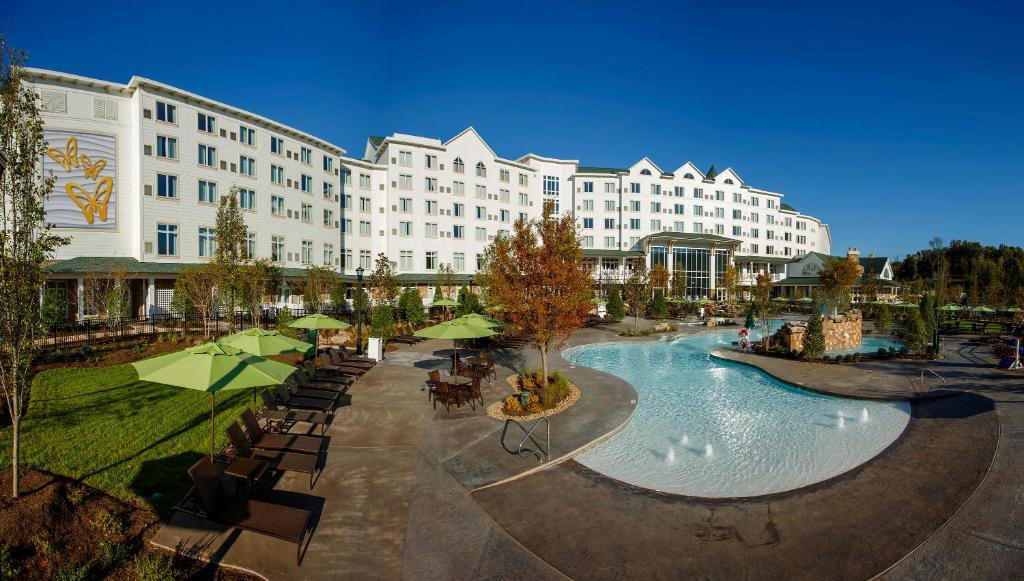
Dollywood's hospitality infrastructure has expanded well beyond the park gates. Dollywood's DreamMore Resort & Spa is the primary on-site accommodation option, and its presence changes the calculus for longer stays considerably. Properties in the American resort park model that have invested in on-site lodging consistently outperform those that rely entirely on surrounding hotel stock, because dwell time increases and the visit can be structured across multiple days without the friction of external logistics.
The DreamMore sits in a different competitive tier from the ultra-luxury resort properties that EP Club regularly covers, whether that is Blackberry Farm in Walland, which occupies an entirely different register of Tennessee hospitality, or Amangani in Jackson Hole in the mountain-resort category. The comparison is useful not to rank them but to clarify that they are answering different questions. Dollywood's accommodation is designed for family groups and multi-day park visitors; its value proposition is access and convenience rather than design-led retreat.
Seasonal Programming and the Calendar
One of the structural features that separates parks with strong regional identity from their franchise counterparts is the depth of seasonal programming. Dollywood has built a calendar of festivals that effectively resets the park's character several times per year: a spring wildflower and barbecue festival, a summer Splash Country period, a harvest festival running through autumn, and a winter lights event that draws visitors specifically for that program rather than for the rides. This model distributes attendance across the calendar and gives repeat visitors a genuine reason to return, rather than relying entirely on new infrastructure to drive revisitation.
The autumn timing, when the Smoky Mountains deliver one of the most dramatic foliage displays in the eastern United States, aligns Dollywood's harvest programming with a regional draw that operates independently of the park itself. Visitors planning around fall color, a category that fills accommodation across East Tennessee from mid-October through early November, find Dollywood's programming aligned with rather than competing against that natural calendar.
Pigeon Forge in Context
Understanding Dollywood requires understanding Pigeon Forge, and understanding Pigeon Forge requires accepting that it operates outside the editorial comfort zone of most premium travel platforms. This is not a city with a layered restaurant scene or a hotel stock that competes with Raffles Boston or The Fifth Avenue Hotel in New York City. The built environment of the Parkway, Pigeon Forge's main commercial corridor, is emphatically commercial and dense with the visual grammar of American roadside leisure.
What that means practically is that Dollywood functions as the organizing principle for a visit rather than one element among many. The park and its associated accommodation are the destination; the surrounding area provides support infrastructure. Visitors who frame the trip that way, arriving with multi-day park passes and using Dollywood's DreamMore Resort & Spa as the base, consistently report a more coherent experience than those who treat Dollywood as a single-day detour within a broader Smoky Mountains itinerary. For broader regional context, our full Pigeon Forge restaurants guide covers the dining options worth knowing about in the area.
Planning a Visit
Dollywood operates seasonally, with the park typically opening in spring and running through early January, though specific dates and hours vary by year and program period. Tickets are available in advance online, and the park uses a timed-entry and reservation system during peak periods, particularly during the harvest and winter festivals, when attendance is highest. Visitors planning around the foliage season in October should secure both park tickets and accommodation well ahead, as the combination of Smoky Mountains fall tourism and Dollywood's own festival programming compresses available inventory quickly. On-site accommodation at the DreamMore provides early-entry privileges to the park on select days, which meaningfully changes the morning experience during high-attendance periods. For a sense of how this kind of integrated resort experience compares to other American leisure properties, it is worth looking at how properties like Canyon Ranch Tucson or Sage Lodge in Pray handle the relationship between accommodation and activity programming, where staying on-site is designed to deepen rather than simply enable the experience.
Comparable Spots, Quickly
| Venue | Price | Awards |
|---|---|---|
| DollywoodThis venue — the venue you are viewing | $200–300 | Not listed |
| Aman New York | Not listed | 3 Michelin Keys · World's 50 Best #87 |
| Amangiri | $1,000–1,500 | 3 Michelin Keys · World's 50 Best #45 |
| Hotel Bel-Air | $750–1,000 | 3 Michelin Keys · World's 50 Best #57 |
| The Beverly Hills Hotel | Not listed | 3 Michelin Keys · World's 50 Best #65 |
| The Carlyle, A Rosewood Hotel | $1,500–2,500 | 2 Michelin Keys · World's 50 Best #64 |
Continue exploring
More in Pigeon Forge
Hotels in Pigeon Forge
Browse all →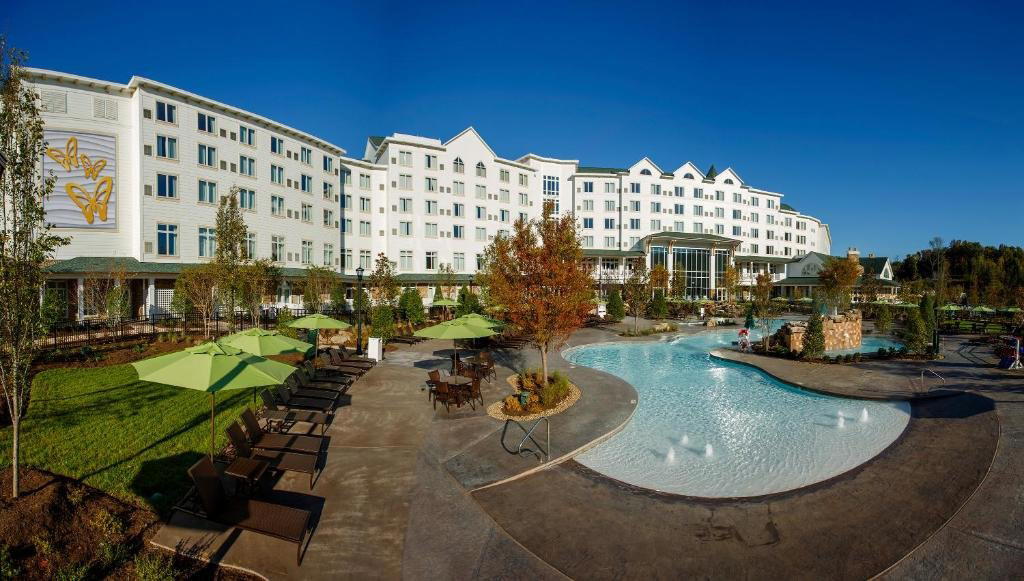
Bars in Pigeon Forge
Browse all →
Details
- Rustic
- Scenic
- Cozy
- Well Known
- Family Vacation
- Weekend Escape
- Panoramic View
- Pool
- Indoor Pool
- Outdoor Pool
- Spa
- Fitness Center
- Kids Club
- Wi Fi
- Mountain
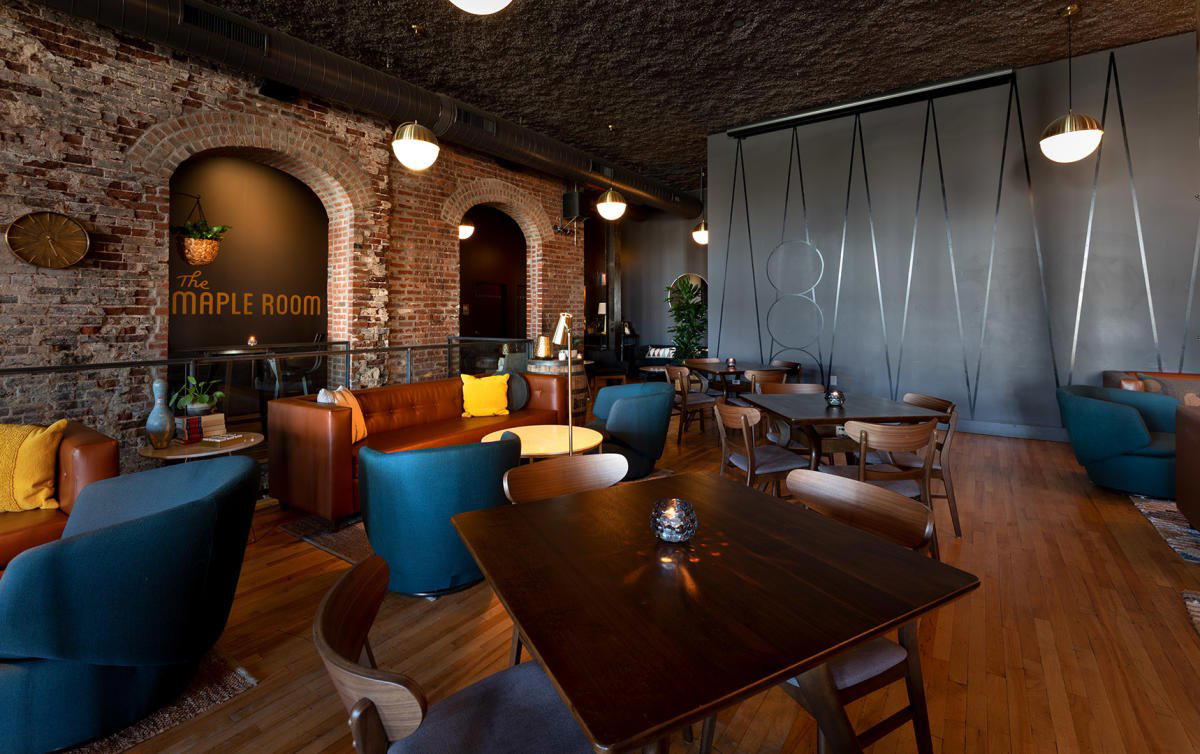
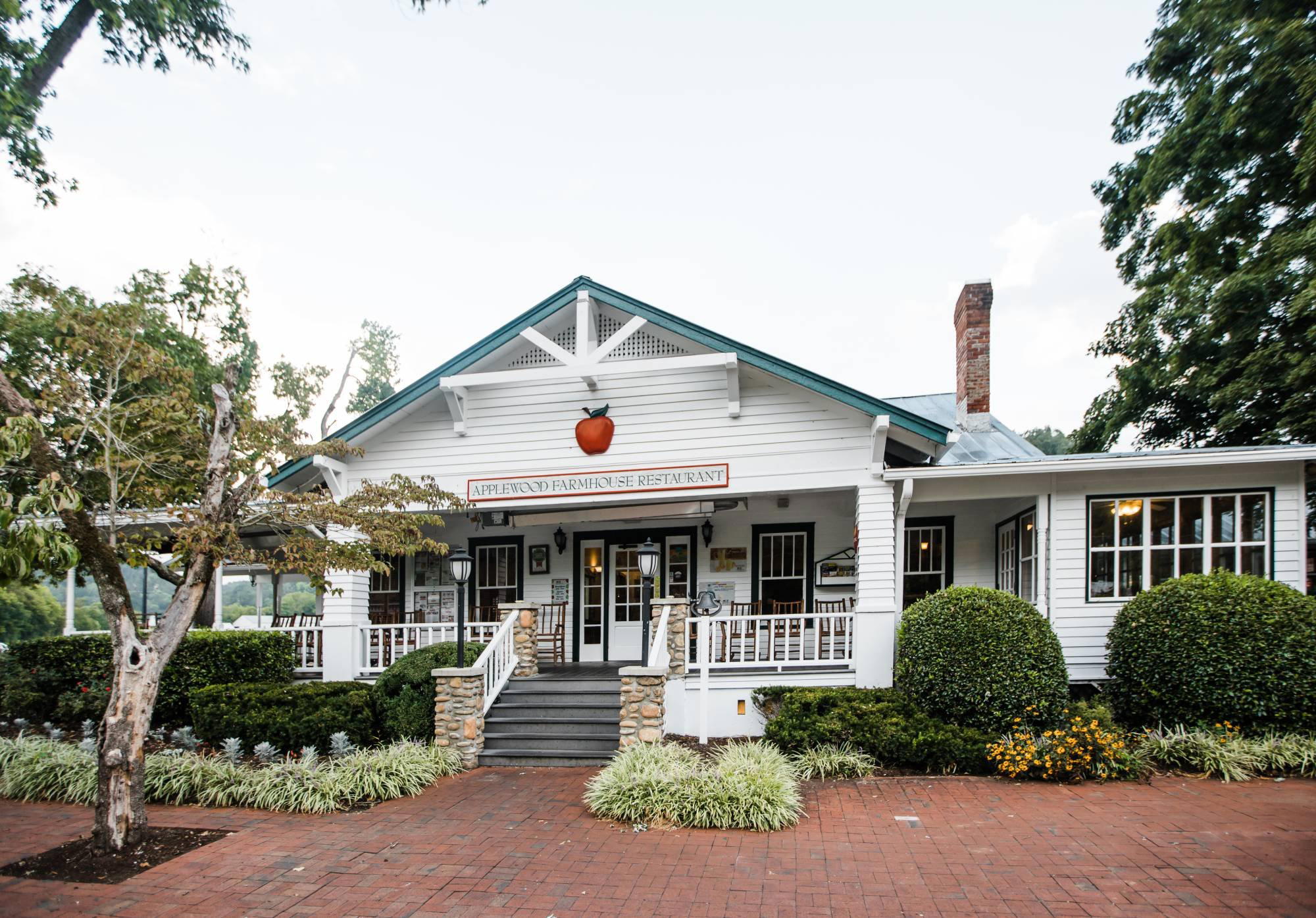
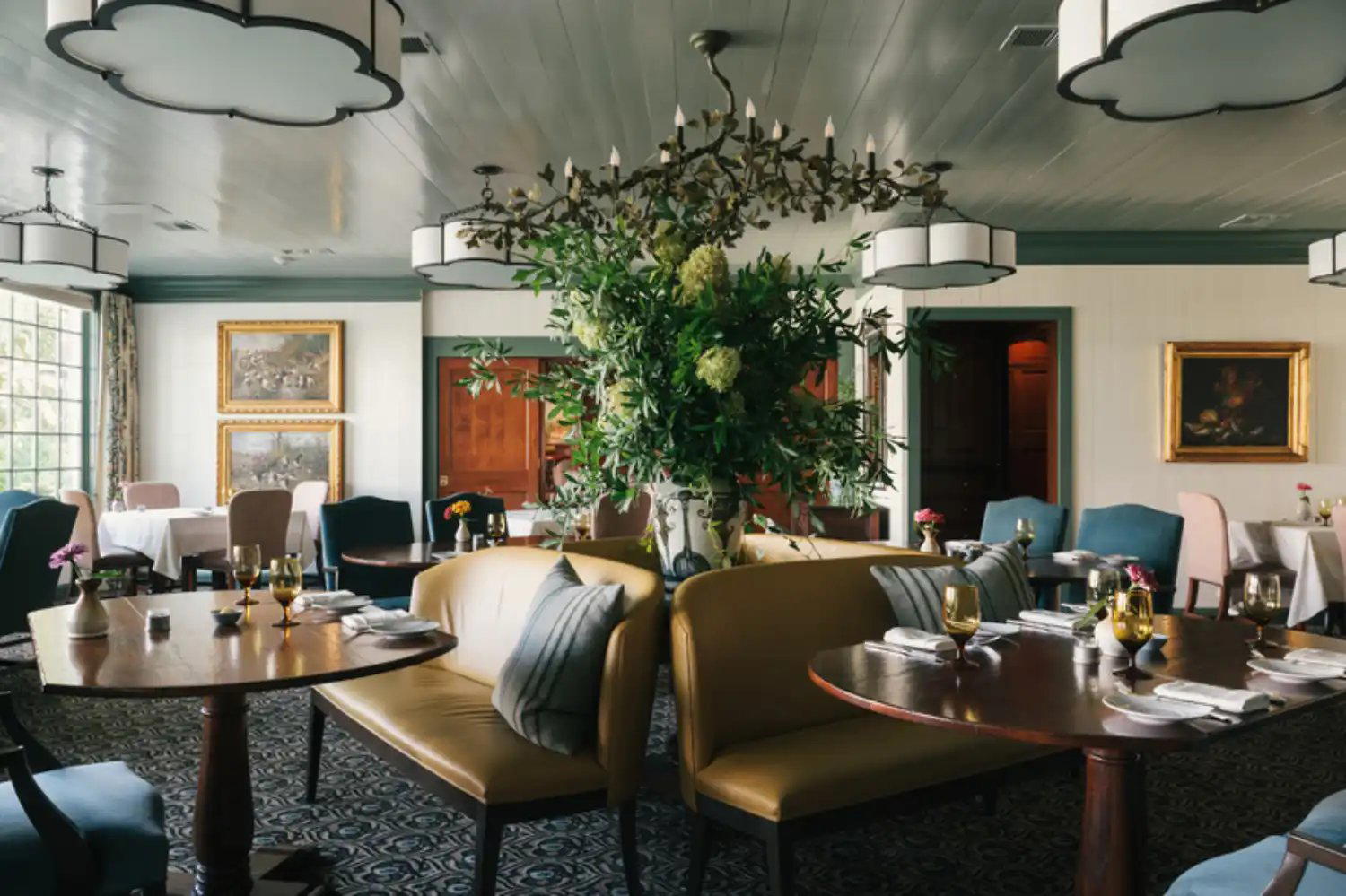
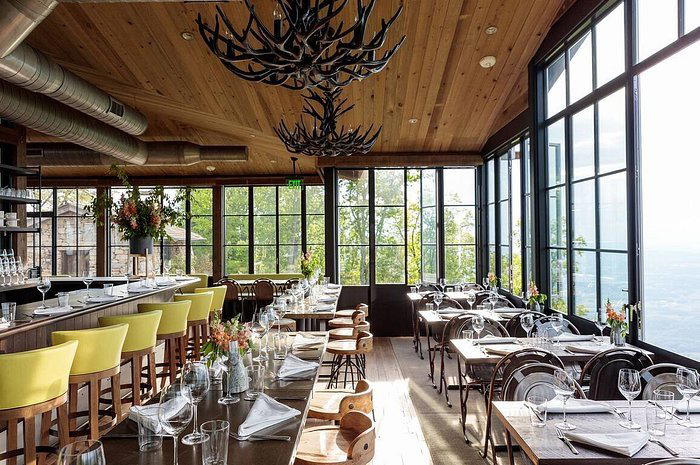
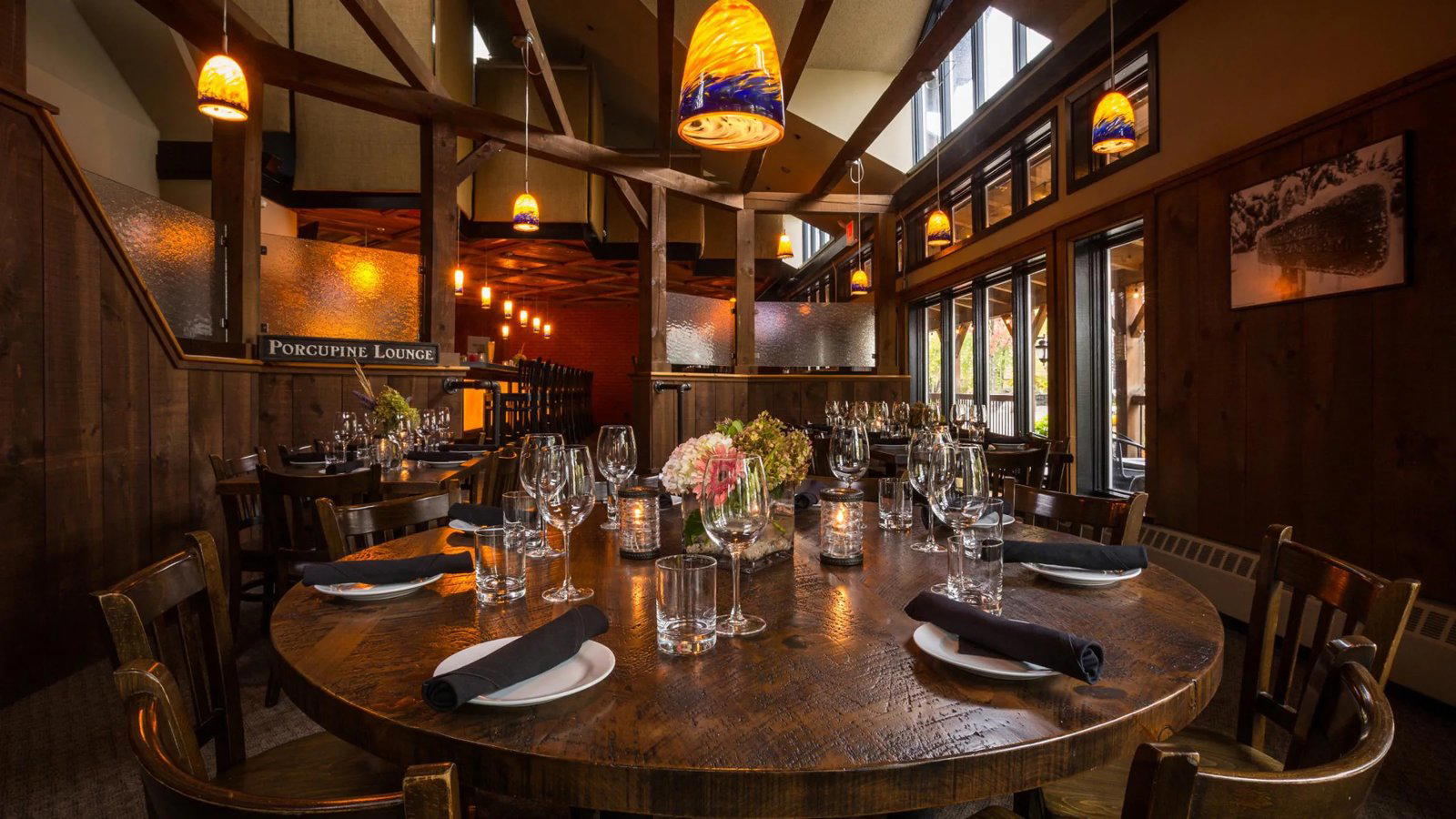
Warm, welcoming atmosphere with upscale rustic decor, cozy fire pits, and mountain-inspired design elements creating a lodge-like retreat.