The Greenbrier
A retreat-style dining address on Newman Road that draws on the Smoky Mountain larder, The Greenbrier sits at the quieter, more residential edge of Gatlinburg's restaurant scene. The kitchen's orientation toward local sourcing places it alongside a small cohort of mountain-country tables that treat Appalachian ingredients as a serious editorial subject rather than a decorative footnote.
Pearl is the En Primeur Club membership app — saves, bookings, and concierge access live there. Same editors, same standards.
- Address
- 370 Newman Rd, Gatlinburg, TN 37738
- Phone
- +18654121576
- Website
- greenbrierrestaurant.com
- Directions
- Get directions
 Saves & bookings on Pearl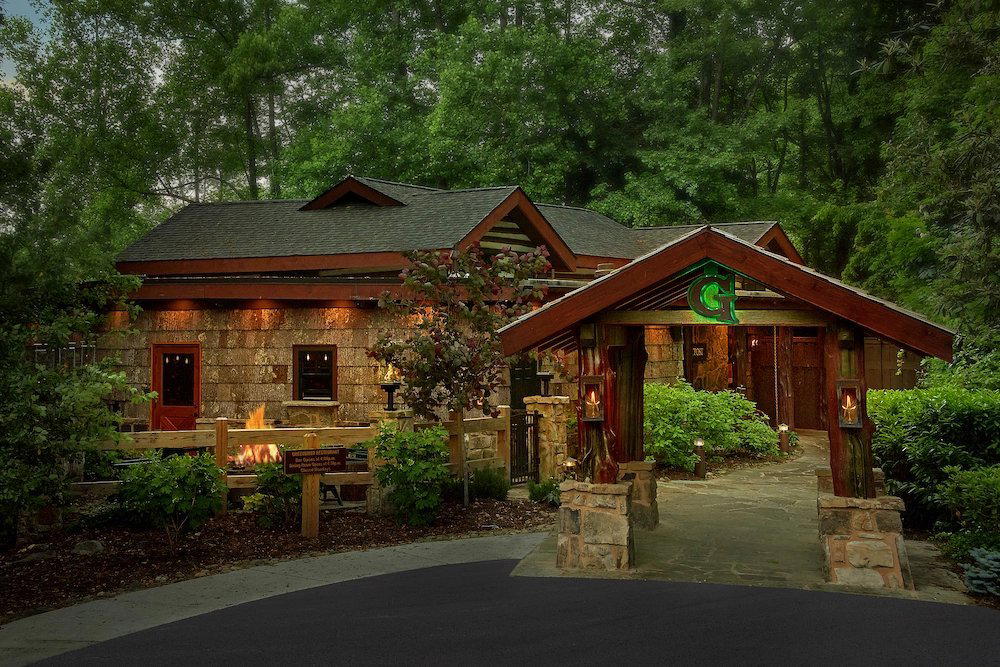
Where the Smokies Come to the Table
The road into Gatlinburg's outer reaches tells you something about how the town's dining scene is actually layered. Past the strip of pancake houses and souvenir pulls, the terrain reasserts itself: ridge lines, creek sounds, and the particular pine-and-loam smell of the national park boundary pressing close. The Greenbrier, at 370 Newman Road, is a Polished Appalachian Steakhouse in Gatlinburg, with a $70 per person price point, sitting in that quieter register, at a remove from the downtown corridor where most visitor traffic concentrates. That physical positioning is the first signal about what kind of meal to expect.
Gatlinburg's restaurant scene has historically split between high-volume tourist formats and a smaller tier of address-specific dining rooms that operate on a different premise entirely. The latter cohort tends to anchor its identity in the regional larder: Appalachian trout, foraged ramps and mushrooms, heritage-breed pork from Tennessee hill farms, sourwood honey, and the dense, sweet corn that grows at elevation across this part of the South. The Greenbrier belongs to that sourcing-led tradition, placing it in a different peer conversation than the strip-side chains, and more in line with what mountain-country tables across the broader Appalachian corridor have been doing for the past two decades.
The Appalachian Sourcing Argument
Across American fine and premium-casual dining, the question of ingredient provenance has moved from marketing afterthought to structural commitment. Operations like Blue Hill at Stone Barns in Tarrytown and Single Thread Farm in Healdsburg have built internationally recognized programs around the argument that geography and season should determine the menu, not the reverse. In a mountain town like Gatlinburg, the same argument takes a different form, shaped by what the Southern Appalachians actually produce.
The East Tennessee highlands are a more productive larder than their reputation outside the region suggests. The Great Smoky Mountains National Park boundary means that surrounding private land carries lower development pressure, keeping small farms, orchards, and foragers in operation. Hickory nuts, pawpaws, wild watercress, and locally raised livestock are part of a supply chain that kitchen operations in this zip code can access with relative ease compared to urban kitchens dependent on long distribution chains. When a Gatlinburg table commits to that sourcing logic, the cuisine it produces is genuinely specific to this place and this season, in ways that matter to anyone eating with attention.
That specificity is worth comparing against the broader trajectory of American farm-to-table dining. Restaurants like Bacchanalia in Atlanta and The Inn at Little Washington in Washington have demonstrated how Southern and mid-Atlantic regional sourcing can anchor a serious dining program with national standing. The Greenbrier operates at a different scale, but the underlying sourcing logic connects it to those larger conversations about what American regional cooking can mean when the supply chain is deliberate.
Gatlinburg's Dining Tier and Where The Greenbrier Sits
Understanding the restaurant requires a clear map of Gatlinburg's dining structure. The dominant format in town remains the tourist-volume restaurant: long menus, high covers, aggressive branding toward the family and group traveler market. Calhoun's Gatlinburg operates in that register, with a format built for throughput and accessibility. Cherokee Grill and Steakhouse serves the steak-focused visitor looking for a reliable protein-forward format in a mountain setting.
A smaller cohort tilts toward character and sourcing over volume. Wild Plum Tea Room has built its identity around a specific daytime format with strong local loyalty. The Park Grill, situated at the national park entrance, has traded on its setting for decades. The restaurant positions within this smaller, more place-specific cohort, where the setting and sourcing philosophy carry more weight than the volume model.
For context on how similar sourcing commitments play out at a higher award tier, the relevant comparisons shift to operations like Addison in San Diego or Providence in Los Angeles, where ingredient provenance and seasonal discipline have earned sustained critical recognition. The restaurant does not operate in that award tier, but the sourcing argument it makes connects to the same broader tradition of American kitchens that treat regional ingredients as the organizing principle rather than an optional embellishment.
Planning a Visit: Practical Notes
Newman Road sits outside the main Gatlinburg pedestrian zone, which means arriving by car is the practical default. Gatlinburg's downtown parking is subject to significant congestion during peak season, particularly from late spring through October and across major holiday weekends, when the national park draws its highest visitation. The Newman Road location places the restaurant at a slight remove from that congestion, which is one logistical advantage of its position. Visitors arriving from Pigeon Forge along US-441 should allow additional time during summer and fall peak periods.
This applies particularly to travelers arriving outside peak tourist season, when hours in this part of Tennessee can shift substantially from summer schedules.
For readers building a broader American dining itinerary around sourcing-led kitchens, the field is considerably wider outside Tennessee: Lazy Bear in San Francisco, Le Bernardin in New York City, Alinea in Chicago, Emeril's in New Orleans, The French Laundry in Napa, and Atomix in New York City represent different national expressions of what premium American dining has built since the 1990s. 8 1/2 Otto e Mezzo Bombana in Hong Kong offers a useful international counterpoint for readers interested in how ingredient discipline translates across culinary traditions.
Quick Comparison
Comparable venues nearby, for context on price, style, and recognition.
| Venue | Cuisine | Price | Notes |
|---|---|---|---|
| The GreenbrierThis venue — the venue you are viewing | Polished Appalachian Steakhouse | $$$$ | Not listed |
| Cherokee Grill and Steakhouse | Classic American Steakhouse | $$$ | Calhoun’s Village |
| The Park Grill | Southern Appalachian Grill | $$ | Gatlinburg Parkway |
| Wild Plum Tea Room | American Tea Room | $$ | Great Smoky Arts & Crafts Community |
| Calhoun's Gatlinburg | Southern BBQ & American Grill | $$ | Downtown Gatlinburg |
| The Barn at Blackberry Farm | Foothills Cuisine | $$$$ | Walland |
Continue exploring
More in Gatlinburg
Restaurants in Gatlinburg
Browse all →
Bars in Gatlinburg
Browse all →
At a Glance
- Rustic
- Elegant
- Cozy
- Scenic
- Classic
- Date Night
- Special Occasion
- Celebration
- Historic Building
- Craft Cocktails
- Local Sourcing
- Mountain
Current opening hours
- Monday
- Closed
- Tuesday
- 4:30–9 PM
- Wednesday
- 4:30–9 PM
- Thursday
- 4:30–9 PM
- Friday
- 4:30–10 PM
- Saturday
- 4:30–10 PM
- Sunday
- 4:30–9 PM
Hours can change for holidays and private events. Last verified .
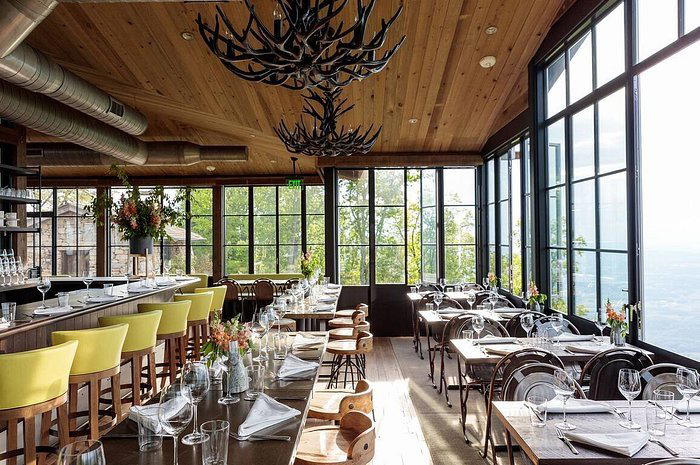
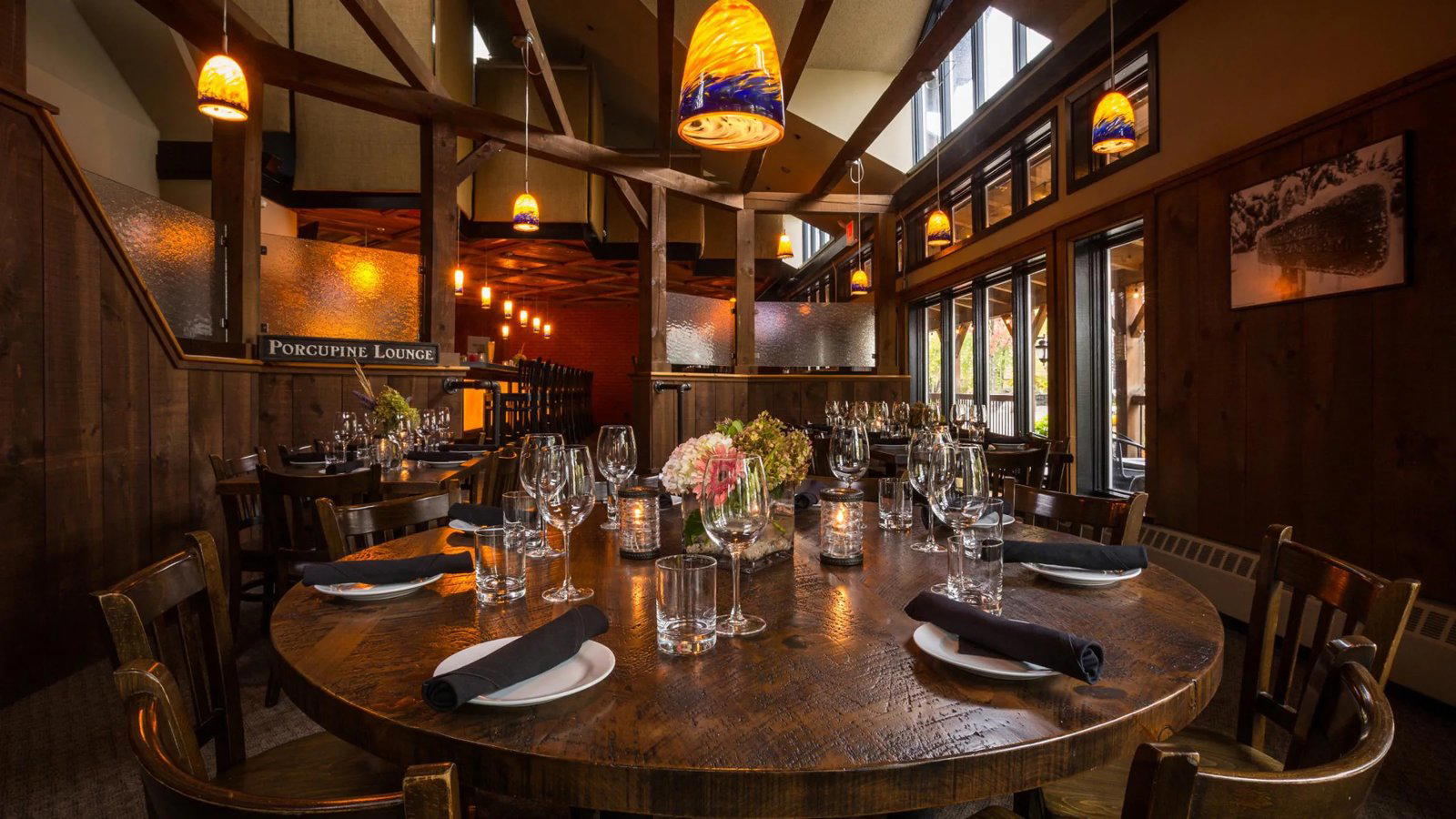
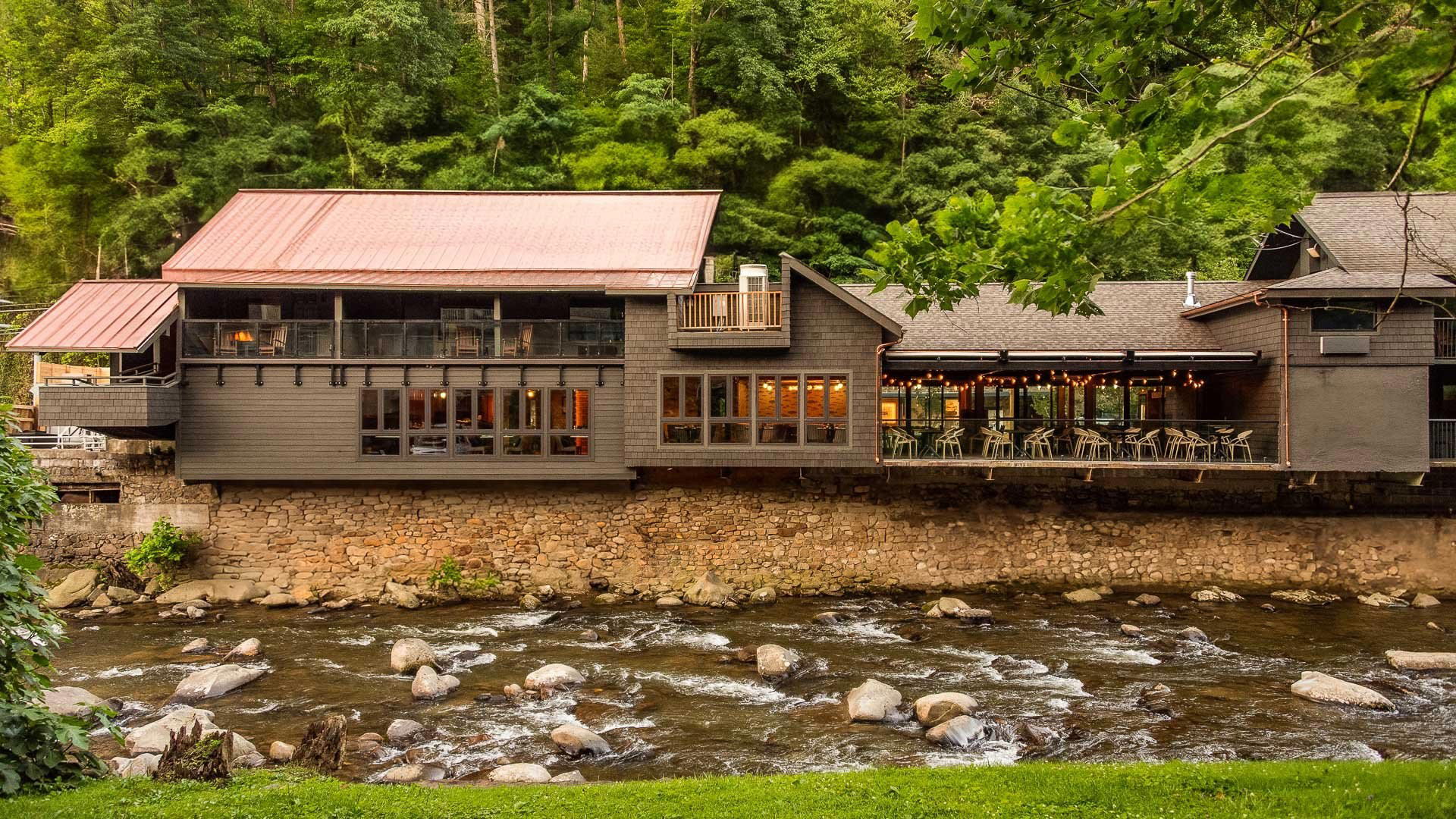
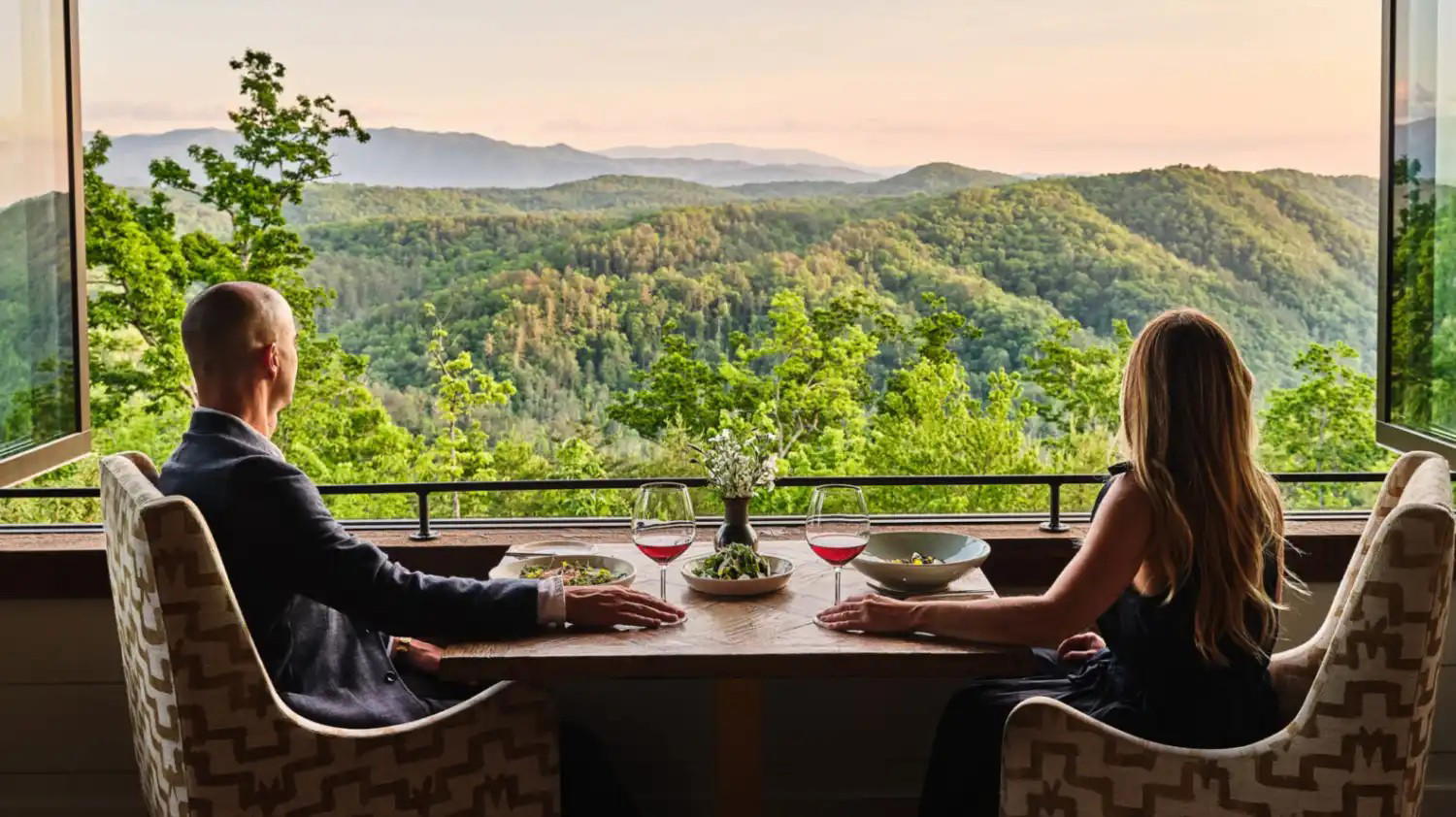
Cozy rustic log cabin atmosphere with warm lighting and panoramic forest views through large windows.