Dollywood's DreamMore Resort & Spa
Dollywood's DreamMore Resort & Spa sits at 2525 DreamMore Way in Pigeon Forge, Tennessee, operating as the official resort of Dolly Parton's theme park. The property leans into Southern Appalachian hospitality with a family-forward format, on-site dining rooted in regional comfort food traditions, and a spa program designed around mountain retreat. Direct access to Dollywood makes it the closest full-service lodging to the park.

Pearl is the En Primeur Club membership app — saves, bookings, and concierge access live there. Same editors, same standards.
- Address
- 2525 DreamMore Wy, Pigeon Forge, TN 37863
- Phone
- (800) 365-5996
- Website
- dollywood.com
- Directions
- Get directions
Where the Smokies Meet the Resort Circuit
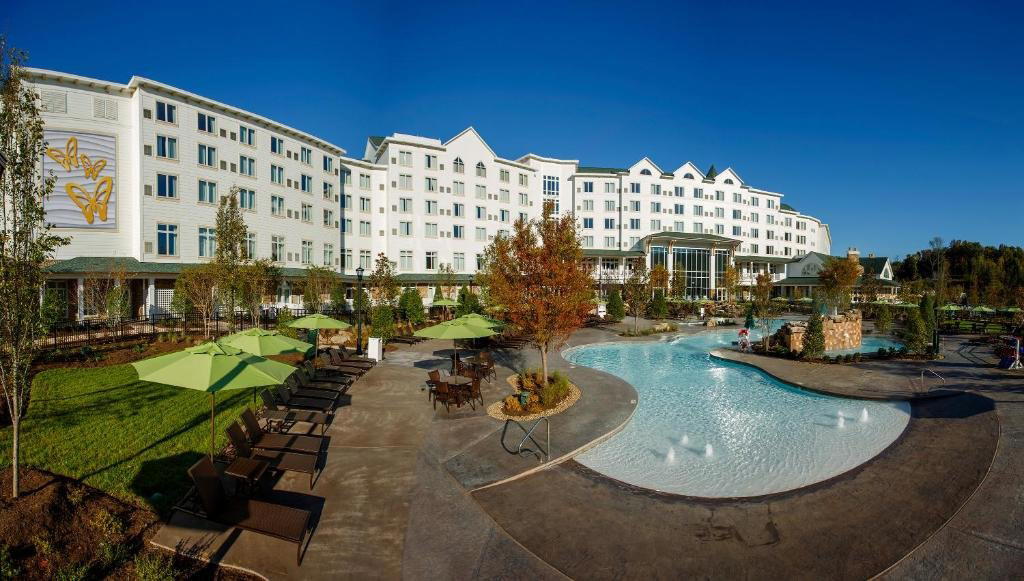
The Smoky Mountain resort corridor has, over the past decade, shifted from roadside motel clusters toward a more intentional hospitality model. Properties tied to anchor attractions now compete not just on proximity but on the depth of their on-site experience: dining programs, spa offerings, and the quality of the physical environment between check-in and park gates. Dollywood's DreamMore Resort & Spa, at 2525 DreamMore Way in Pigeon Forge, sits at the front of that shift for the eastern Tennessee market. It is the only resort with a direct, operational relationship with Dollywood, and that relationship shapes every layer of its programming, from early park entry privileges to the Southern Appalachian identity threaded through its dining and décor.
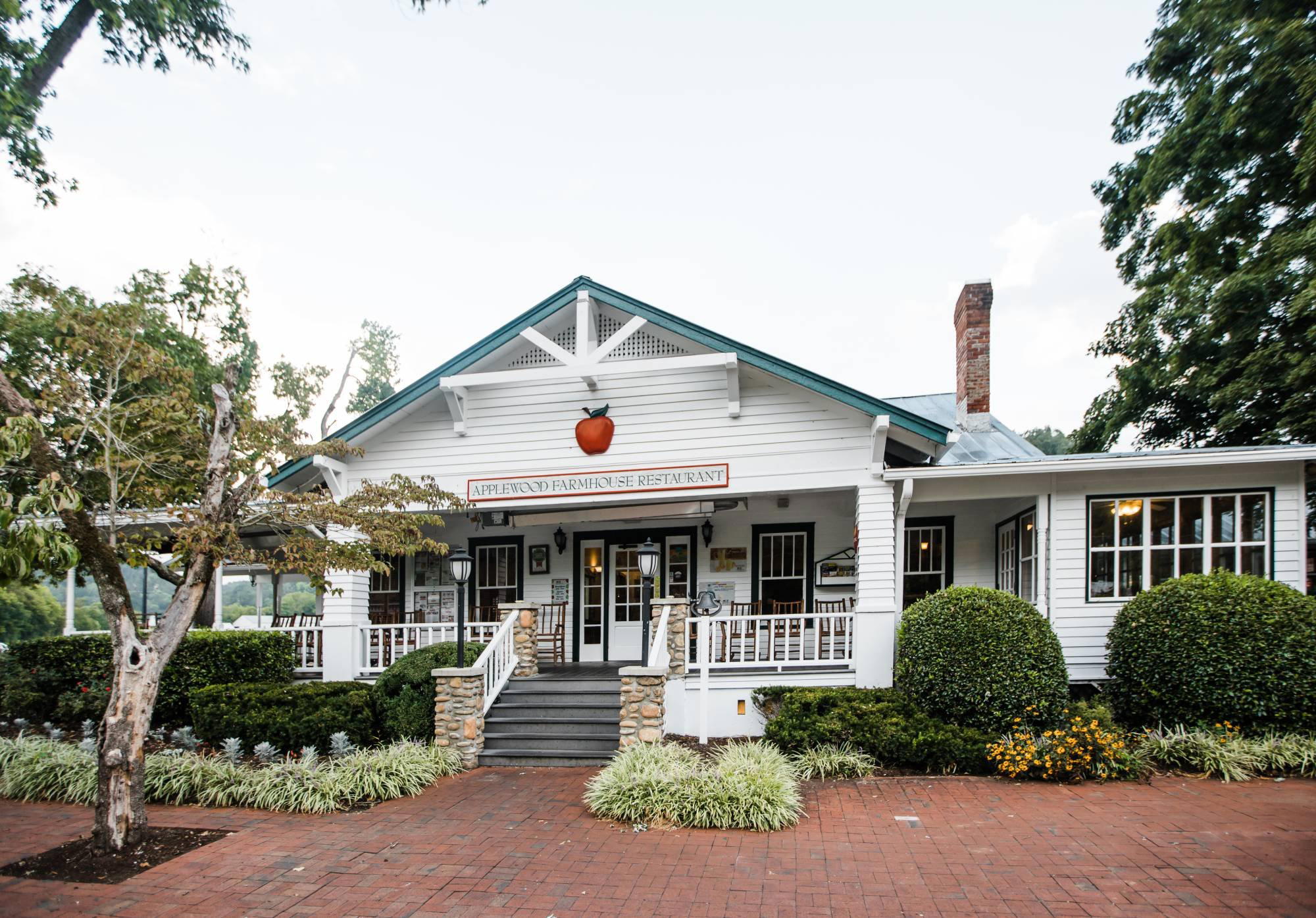
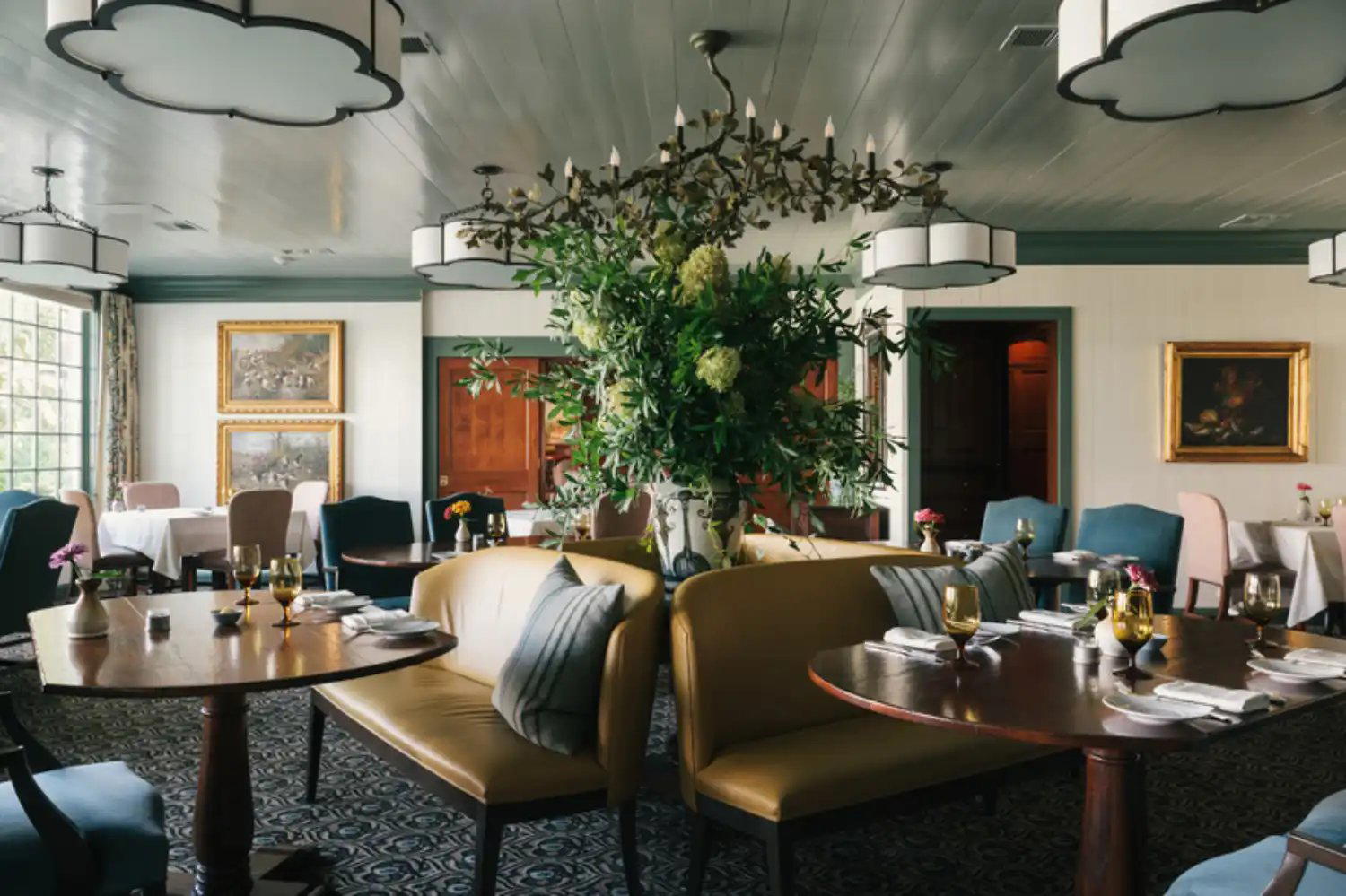
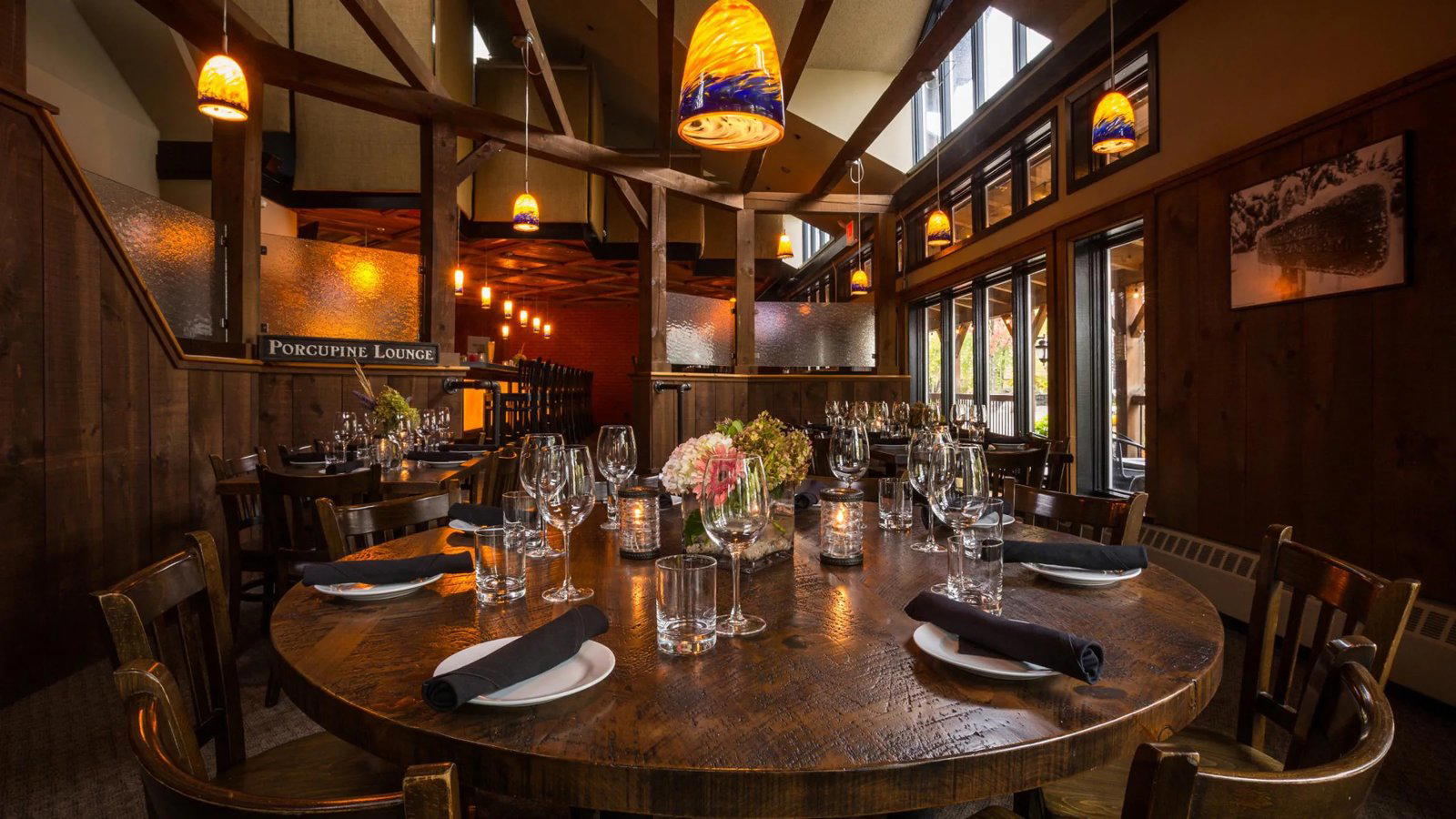
The physical approach sets expectations early. The property draws from a vernacular of regional farmhouse architecture, with covered porches, rocking chairs, and wood-heavy interiors that reference the mountain vernacular of the surrounding Great Smoky range rather than the generic resort neutral favored by large flag brands. This is a deliberate positioning choice. In a market where guests can choose between branded chain properties and independent cabin rentals, the resort occupies a middle lane: the scale and amenity depth of a full-service hotel with an aesthetic that tries to root itself in place. How successfully it pulls that off depends, in large part, on the dining program.
The Dining Programme: Southern Comfort at Resort Scale
Theme park resort dining sits in a difficult editorial space. The category tends toward lowest-common-denominator menus designed for speed and volume rather than culinary specificity. DreamMore's approach to food leans on Southern Appalachian comfort traditions, which, when executed with any fidelity, represent a genuinely substantive American regional canon. Tennessee's food culture draws from smoked meats, cast-iron cooking, biscuit traditions, and garden-to-table vegetables that long predate the farm-to-fork language the broader hospitality industry adopted in the 2010s.
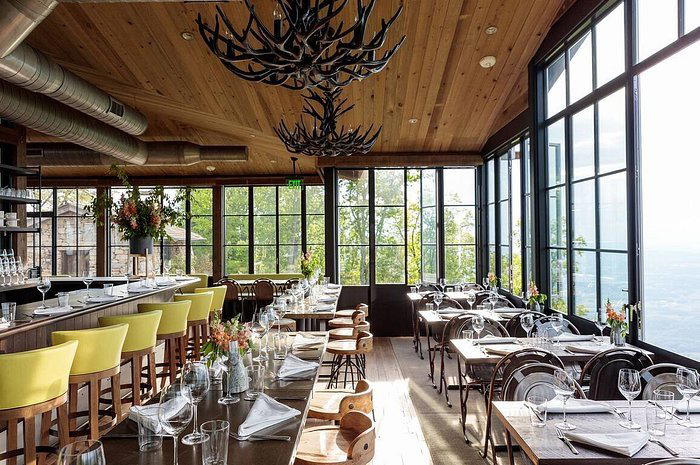
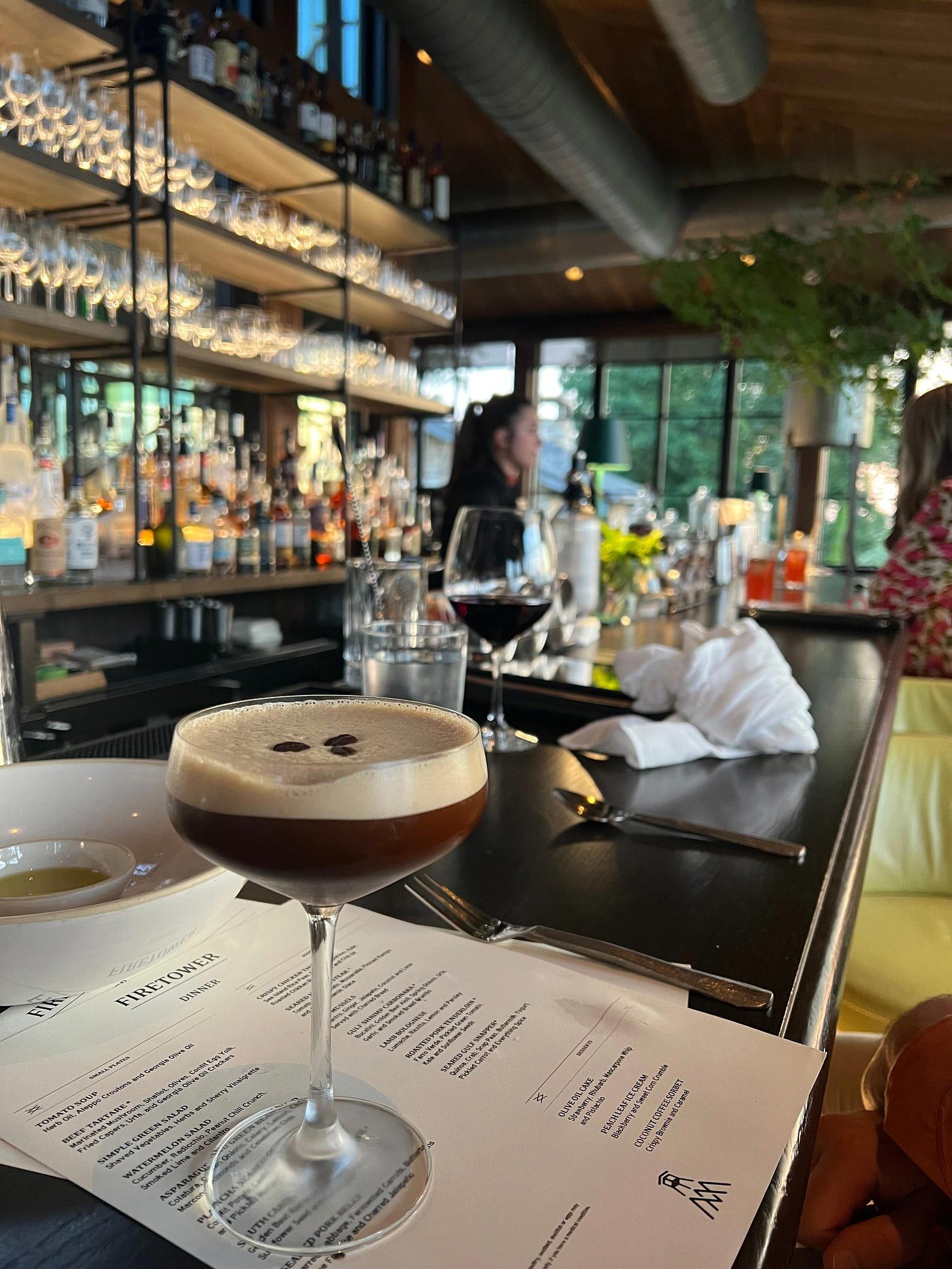
The resort's primary dining outlet, Paddlefish Smokehouse, anchors the program around this tradition. The name references local Smoky Mountain fishing culture, and the menu format follows the Southern smokehouse model: proteins cooked low and slow, sides built around starch and brine, desserts that lean on butter and sugar without apology. This is not the register of, say, Blackberry Farm in Walland, which has built a nationally recognized fine-dining and provisions program around the same Appalachian ingredient base. DreamMore operates at a different scale and a different price point, aimed at families and park guests rather than destination food travelers. But the culinary reference point is the same tradition, executed for a broader audience.
For a comparison in the resort-dining continuum, properties like Auberge du Soleil in Napa or Bernardus Lodge & Spa in Carmel Valley show what happens when a resort dining program becomes the primary draw rather than an amenity supporting an adjacent attraction. DreamMore operates the inverse model: the park is the anchor, and the food program is the hospitality layer that makes the overall stay coherent. That framing matters for how the property should be evaluated. Judge it against the regional comfort food it claims, not against the tasting-menu resort tier.
Beyond Paddlefish Smokehouse, the resort offers additional food and beverage outlets oriented around poolside service and grab-and-go formats, which aligns with the operational rhythm of a park-adjacent stay where guests are often moving between the resort and Dollywood across a multi-day itinerary. Properties like Canyon Ranch Tucson or Four Seasons at The Surf Club in Surfside build dining programs around destination guests with nowhere else to be. DreamMore builds its around guests with somewhere very specific to be each morning.
Spa and Amenity Layer
The spa program at DreamMore positions the property above the standard theme park hotel category, which typically foregoes wellness infrastructure in favor of maximizing room count and pool square footage. A dedicated spa signals that the resort is making a bid for adult guests traveling alongside families, or for couples who want the Dollywood proximity without sacrificing the recovery infrastructure of a full-service resort. This model appears with more frequency at properties that anchor to experiential destinations: Sage Lodge in Pray, adjacent to blue-ribbon fly-fishing, and Amangani in Jackson Hole, adjacent to ski terrain, both use the spa as the adult counterweight to a dominant outdoor attraction. DreamMore applies the same logic to the theme park context.
The pool complex, which includes multiple pools and a story pool area, functions as a second major amenity independent of the park itself, which matters for resort stays with younger children or for families taking a half-day from Dollywood. This dual-amenity structure, park plus on-site water facilities, reduces the pressure on the dining program to carry the full experiential weight of the stay.
Pigeon Forge in Context
Pigeon Forge operates as a high-volume tourism market built almost entirely around Dollywood and the broader Smoky Mountain outdoor access it provides. The dining scene outside the resort ranges from chain operations along the Parkway corridor to a growing number of independent operators serving the market's increasingly year-round visitor base. For a fuller view of where to eat and drink across the city, our full Pigeon Forge restaurants guide covers the most considered options across price points. Guests who want to step outside the resort bubble, particularly for dinner on non-park days, will find more culinary specificity by moving off the main commercial strip toward the smaller operators that have established themselves in recent years.
For travelers calibrating DreamMore against the broader American resort hotel market, the relevant comparison set includes family-oriented destination resorts with strong attraction adjacency rather than the design-led independent properties that dominate the premium end of that market. Properties like Troutbeck in Amenia, Post Ranch Inn in Big Sur, or Ambiente in Sedona occupy a different peer group, where the landscape and the property are inseparable.
Planning Your Stay
Summer and fall color season represent the peak demand windows for the Smoky Mountain corridor. Families targeting Dollywood's seasonal events, particularly the autumn harvest and holiday programming, should plan well ahead as both the park and the resort operate at capacity during those periods. The spring shoulder season offers a quieter entry point, with moderate weather and shorter park queues. Given the resort's direct relationship with Dollywood, guests staying on property gain logistical advantages around park access that off-site lodging cannot replicate. Booking directly through the resort's channels, rather than third-party aggregators, typically unlocks the bundled park benefits that make the premium over nearby alternatives defensible.
A Pricing-First Comparison
| Venue | Price | Awards |
|---|---|---|
| Dollywood's DreamMore Resort & SpaThis venue — the venue you are viewing | $200–300 | Not listed |
| Aman New York | Not listed | 3 Michelin Keys · World's 50 Best #87 |
| Amangiri | $1,000–1,500 | 3 Michelin Keys · World's 50 Best #45 |
| Hotel Bel-Air | $750–1,000 | 3 Michelin Keys · World's 50 Best #57 |
| The Beverly Hills Hotel | Not listed | 3 Michelin Keys · World's 50 Best #65 |
| The Carlyle, A Rosewood Hotel | $1,500–2,500 | 2 Michelin Keys · World's 50 Best #64 |
Continue exploring
More in Pigeon Forge
Hotels in Pigeon Forge
Browse all →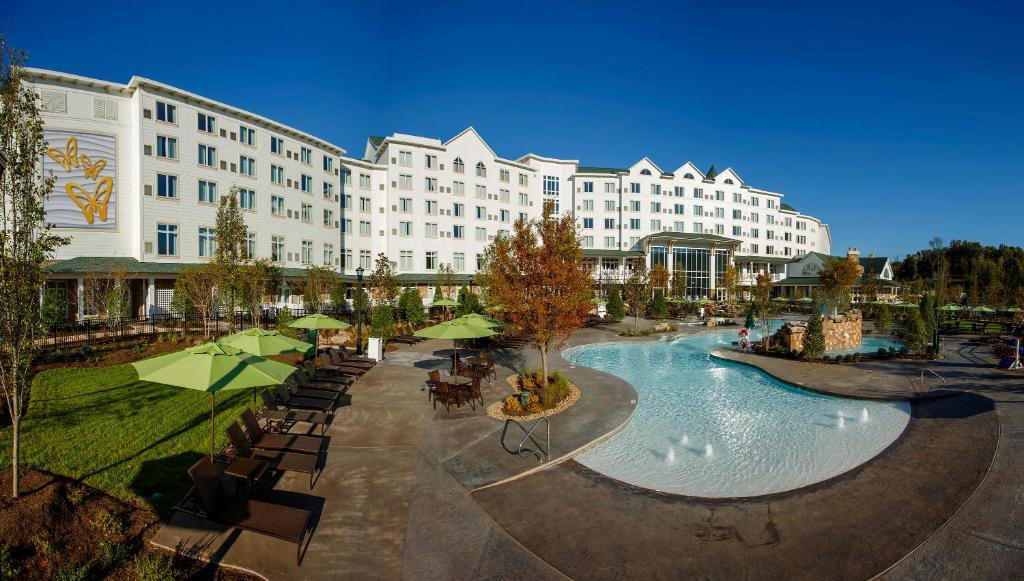
Bars in Pigeon Forge
Browse all →
Details
- Cozy
- Scenic
- Whimsical
- Family Vacation
- Wellness Retreat
- Romantic Getaway
- Destination Spa
- Garden
- Terrace
- Panoramic View
- Wi Fi
- Pool
- Spa
- Fitness Center
- Room Service
- Kids Club
- Hot Tub
- Restaurant
- Mountain
- Garden
- Wheelchair Accessible
- Elevator
- Accessible Restroom
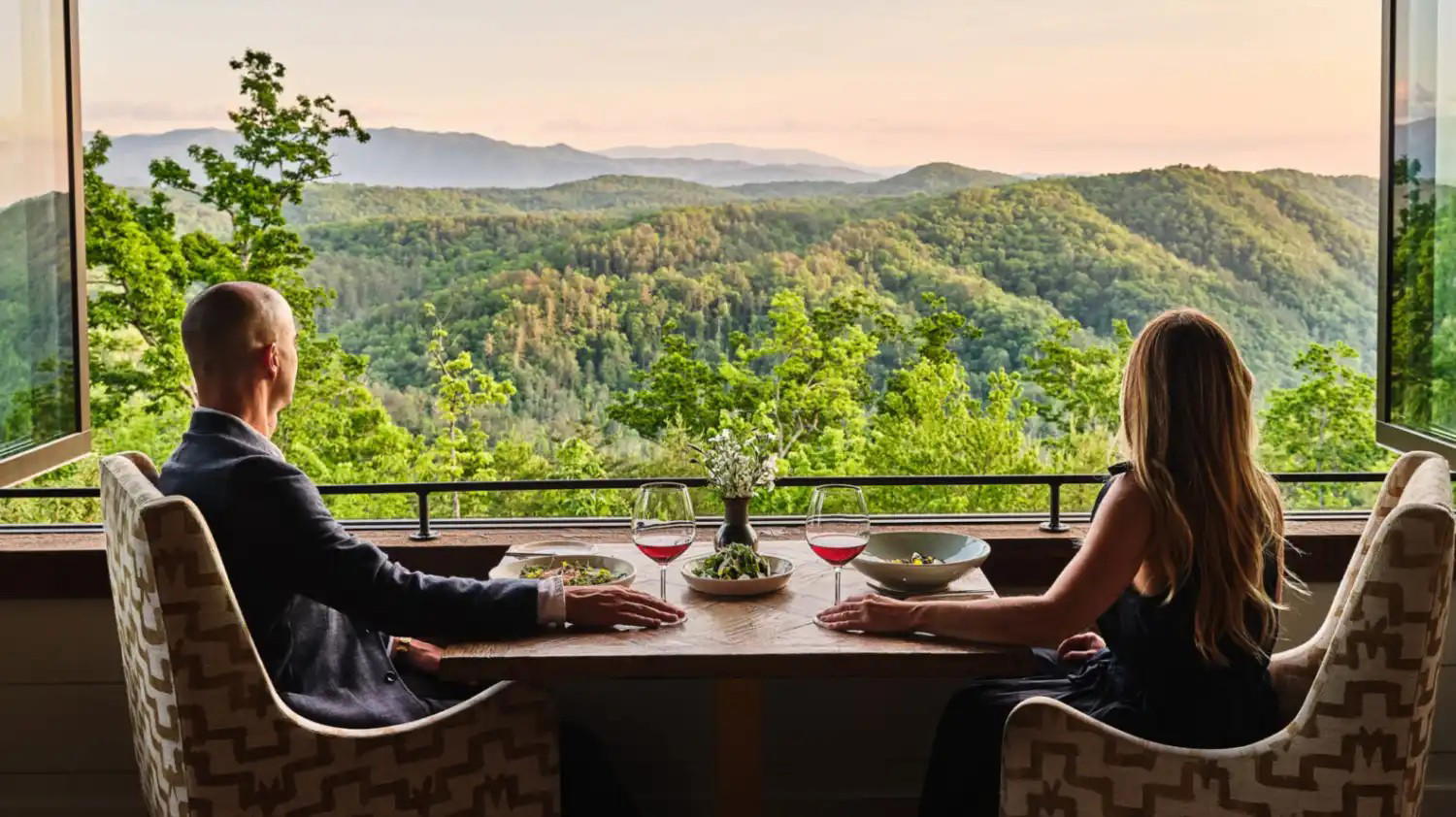
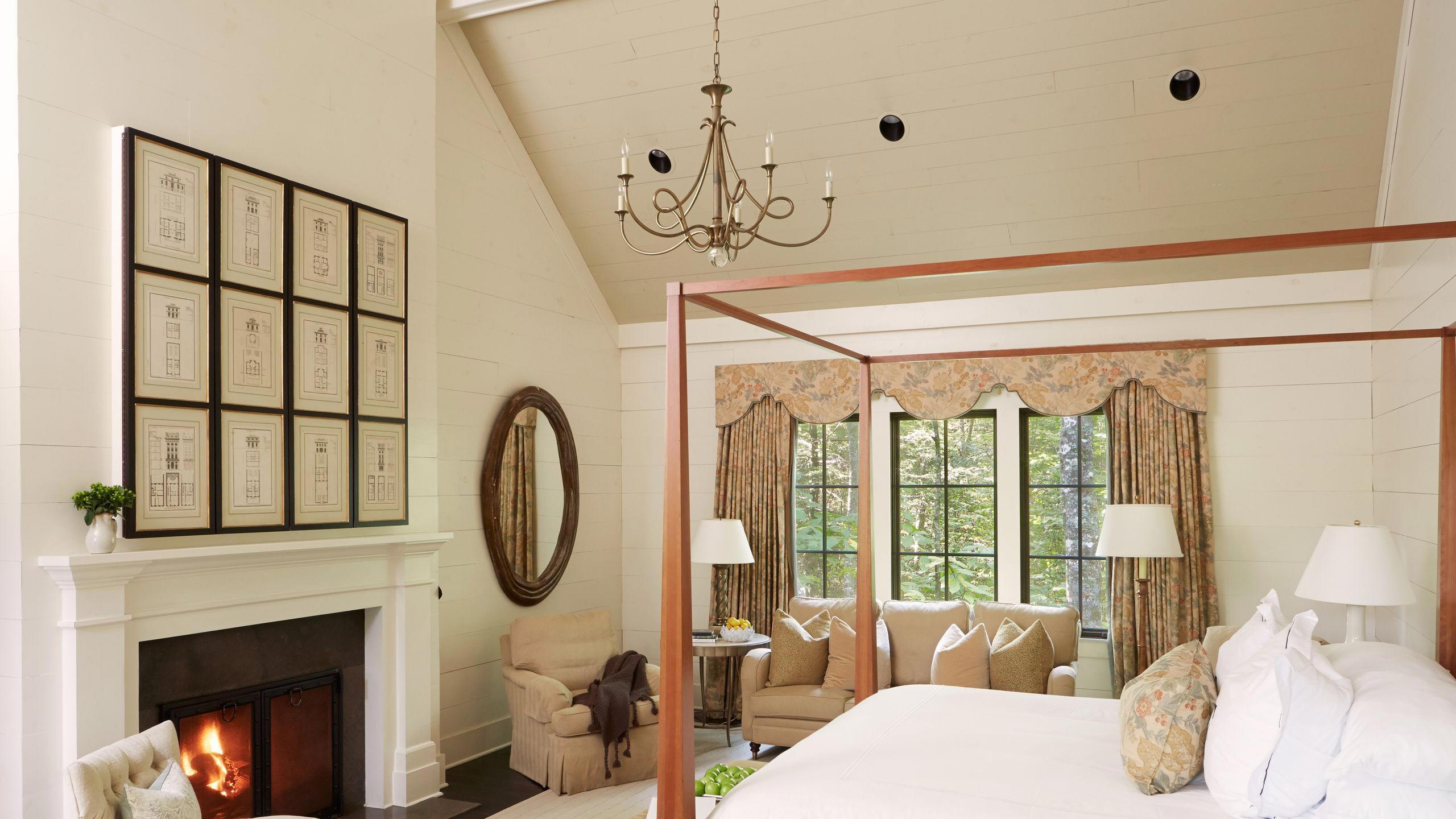
Warm Southern hospitality with mountain views, family-oriented spaces featuring fireplaces and storytelling areas, and relaxing spa environments.