The Otherist
Positioned in the heart of the City of London at 111 Old Broad Street, The Otherist occupies a address where financial district energy meets a more considered approach to hospitality. For those moving between London's dominant fine dining corridor in the West End and the EC2 postcode, The Otherist represents a distinct point on that map, worth understanding on its own terms before comparing it to the Mayfair and Chelsea establishments that define the city's headline dining conversation.
Pearl is the En Primeur Club membership app — saves, bookings, and concierge access live there. Same editors, same standards.
- Address
- 111 Old Broad St, London EC2N 1AP, United Kingdom
- Phone
- +442076389308
- Website
- drakeandmorgan.co.uk
- Directions
- Get directions
 Saves & bookings on Pearl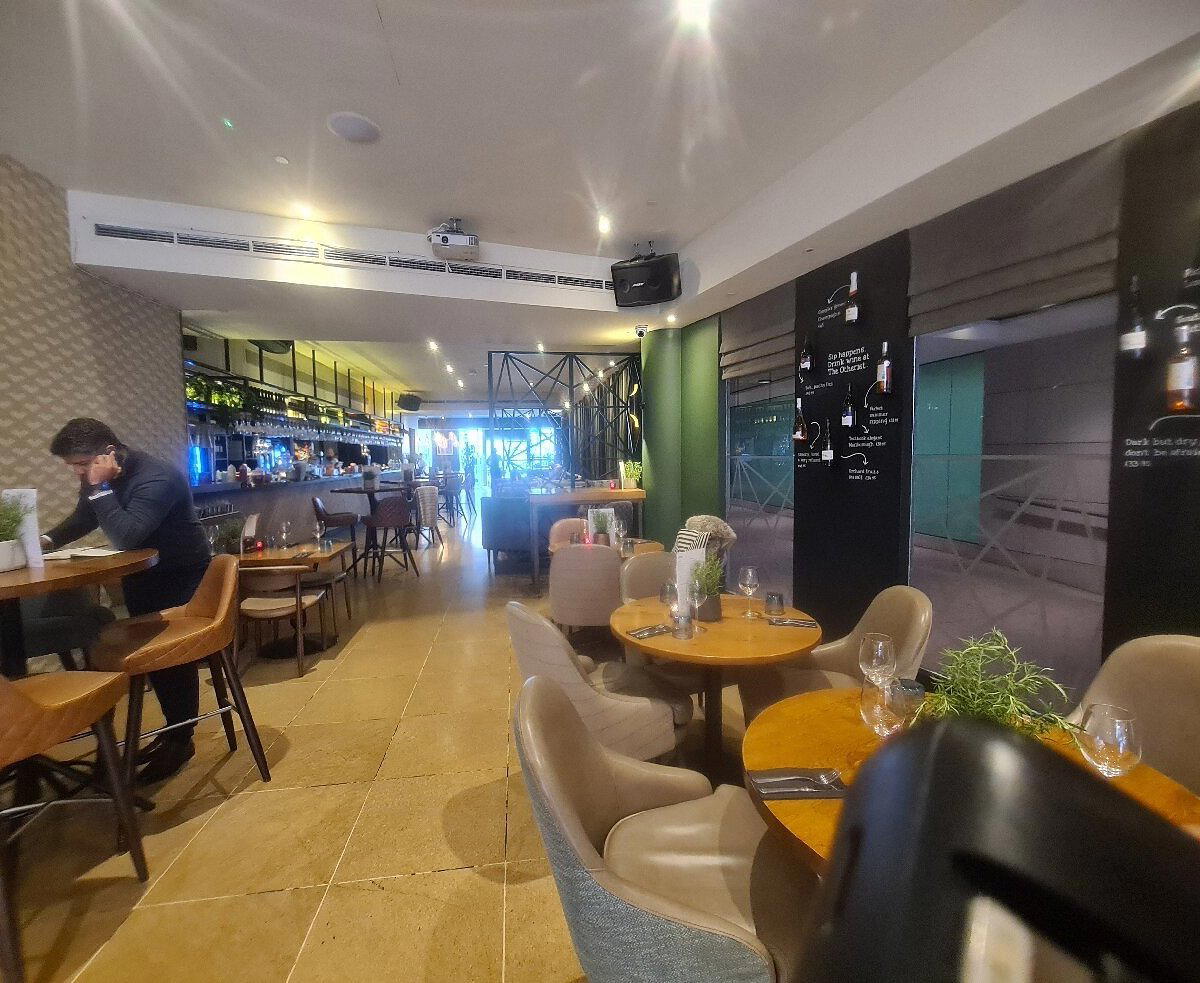
EC2 and the Case for Dining East of the West End
London's fine dining conversation tends to collapse inward toward a familiar postcode cluster: the tasting-menu counters of Mayfair, the long-established grande dame rooms of Chelsea, the destination addresses of Notting Hill. Venues like CORE by Clare Smyth, Restaurant Gordon Ramsay, and Sketch, The Lecture Room and Library anchor that western corridor so firmly that anything east of the City often gets treated as an afterthought in serious dining discussions. The Otherist, an International Small Plates restaurant at 111 Old Broad St, London EC2N 1AP, is a smart casual, reservation-recommended address that sits outside that geography entirely, and that displacement is the first thing worth understanding about it.
Old Broad Street runs through the financial district proper, flanked by the Bank of England's gravitational pull to the west and Liverpool Street's transport interchange to the north. The streets here operate on a different rhythm from the leisure-driven neighbourhoods where most of London's critical dining attention falls. Lunch service runs against the backdrop of a working city; evenings shift as the office population disperses. For venues in this postcode, the location shapes the audience, the pacing, and the assumptions guests bring through the door in ways that West End operators rarely have to account for.
What the City Postcode Demands from a Venue
The EC2 dining context has historically favoured formats that serve time-pressured professionals: efficient set lunches, wine lists weighted toward bottles that close deals rather than prompt extended conversation, rooms that turn tables without theatre. The category of venue that resists that template and positions itself at a more considered register occupies a narrower niche in this part of London than in, say, the area around The Ledbury in Notting Hill or Dinner by Heston Blumenthal near Hyde Park, where the surrounding hospitality infrastructure supports longer, more exploratory visits.
The Otherist's address at Old Broad Street places it squarely in that challenge. Succeeding at a more deliberate hospitality format here requires an audience willing to treat an EC2 address as a destination rather than a convenience, a meaningful shift in visitor intent. The City has seen serious restaurant operators attempt exactly this kind of positioning before, with mixed results. The neighbourhood rewards specificity; generic ambition tends to lose ground to the accountancy canteen logic that dominates the surrounding blocks.
Positioning Against the London Scene
London's restaurant scene at the serious end has become increasingly stratified. At the leading, Michelin-starred rooms with multi-month booking windows and tasting menus priced above £150 per head operate as destination events rather than regular dining. Below that, a contested middle tier of accomplished but more accessible venues competes for the audience that wants quality without the full ceremony of a three-star experience. The City's geography makes it an unusual setting for either tier.
For context, the UK's most decorated rooms are distributed widely: Waterside Inn in Bray, Le Manoir aux Quat'Saisons in Oxford, L'Enclume in Cartmel, and Moor Hall in Aughton are all destination-led addresses that ask guests to travel to the food. London compresses that equation: guests are already in the city, but choosing between an increasingly confident set of neighbourhood options rather than a single anchor. The Otherist's Old Broad Street location asks a specific question of that dynamic: can a City-postcode address build a reputation that draws guests who have other, better-mapped options across London?
Venues that have managed comparable positioning in other cities tend to share certain characteristics: a format that is specific enough to justify the detour, a sense of place that feels rooted in its immediate neighbourhood rather than transplanted from a more fashionable district, and a consistency that gives regulars, in the City's case, largely local office workers, reason to return. The pattern holds across UK dining more broadly; regional addresses like Gidleigh Park in Chagford, Hand and Flowers in Marlow, and hide and fox in Saltwood have all built loyal audiences by committing to a specific format rather than hedging for broad appeal.
The Broader London Dining Map
Understanding where the restaurant fits requires mapping the zones that London's dining audience actually navigates. The West End and its immediate surrounds hold the density of critical attention. Farther afield, rooms like Midsummer House in Cambridge, Opheem in Birmingham, and Restaurant Andrew Fairlie in Auchterarder demonstrate how serious dining has dispersed across the UK, drawing audiences willing to travel specifically for the experience. The City of London sits in an odd middle position: geographically central, but culturally peripheral to the dining conversation.
That peripheral status is not permanent. The area around Broadgate and Liverpool Street has seen consistent investment in hospitality infrastructure over the past decade, as office development and the opening of Elizabeth line access to the neighbourhood shifted its footfall profile. Whether that shift creates sustainable demand for more considered dining formats, rather than just higher-volume casual options, remains the open question for venues operating in EC2. Internationally, comparable shifts have played out in financial districts from New York's downtown, where venues like Le Bernardin and Atomix have helped reshape the city's culinary geography, to similar transformations in Hong Kong and Singapore, where banking districts became dining destinations over a 15-year arc.
Compact Comparison
Comparable venues nearby, for context on price, style, and recognition.
| Venue | Cuisine | Price | Notes |
|---|---|---|---|
| The OtheristThis venue — the venue you are viewing | Bishopsgate, International Small Plates | $$$ | Not listed |
| Claridge's Bakery | Mayfair, Modern British bakery & café | $$$ | Not listed |
| Osteria Angelina | Not listed | $$$ | Spitalfields, Italian-Japanese Fusion (Itameshi) |
| Faros Holborn | Bloomsbury, Modern Italian-Mediterranean | $$$ | Not listed |
| Barrafina Coal Drops Yard | King's Cross, Modern Spanish Tapas | $$$ | Not listed |
| House of Ming | Not listed | $$$ | Victoria, Sichuan & Cantonese Chinese with Modern London Twist |
Continue exploring
More in London
Restaurants in London
Browse all →
Bars in London
Browse all →
Hotels in London
Browse all →
Wineries in London
Browse all →
At a Glance
- Lively
- Trendy
- Elegant
- Business Dinner
- Group Dining
- After Work
- Celebration
- Extensive Wine List
- Craft Cocktails
Current opening hours
- Monday
- Closed
- Tuesday
- 11 AM–11 PM
- Wednesday
- 11 AM–11 PM
- Thursday
- 11 AM–11 PM
- Friday
- 12–9 PM
- Saturday
- Closed
- Sunday
- Closed
Hours can change for holidays and private events. Last verified .
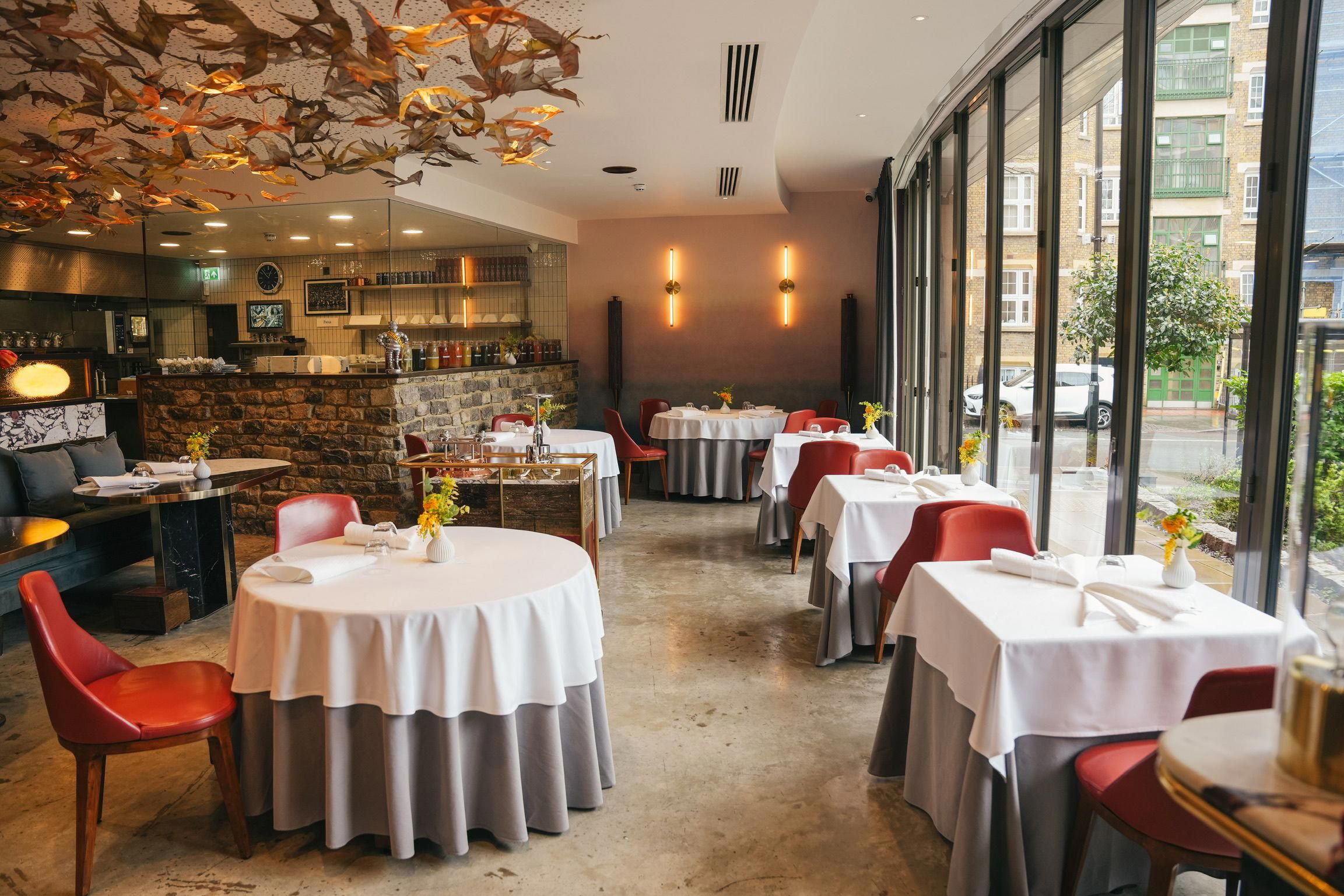
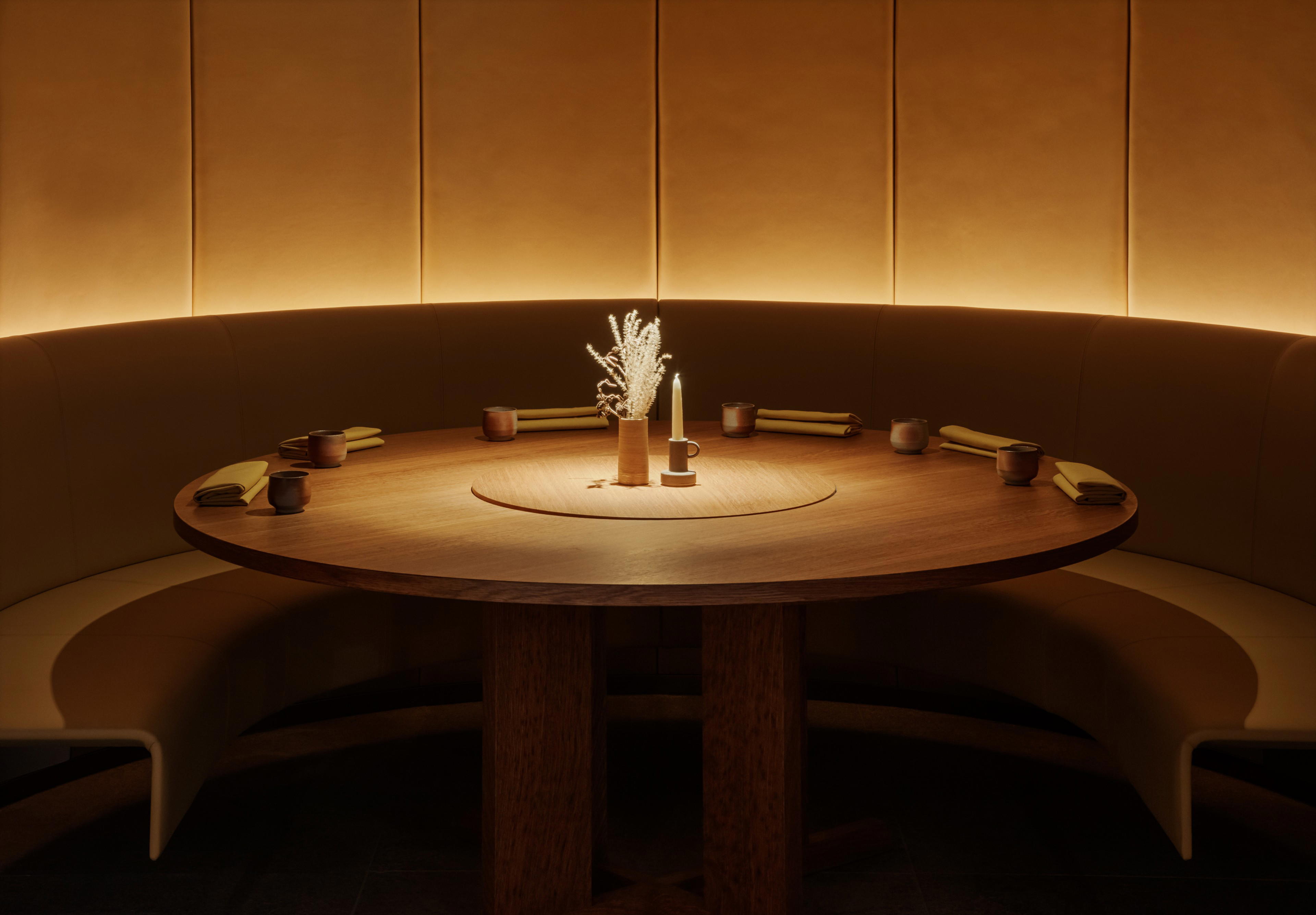
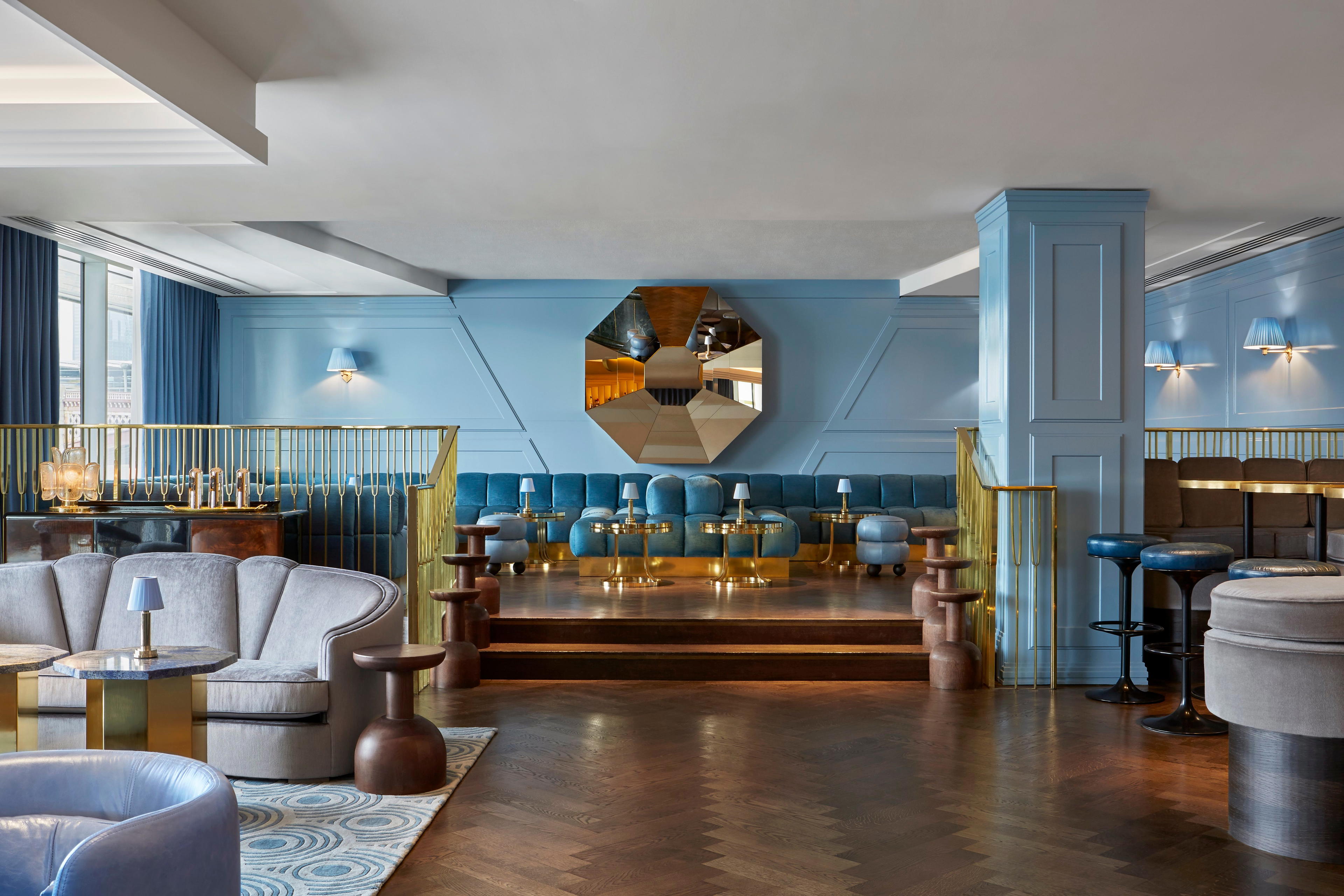
Chic and bold interiors with cosy corners, providing a welcoming escape from city hustle with lively, energetic atmosphere.