House of Ming
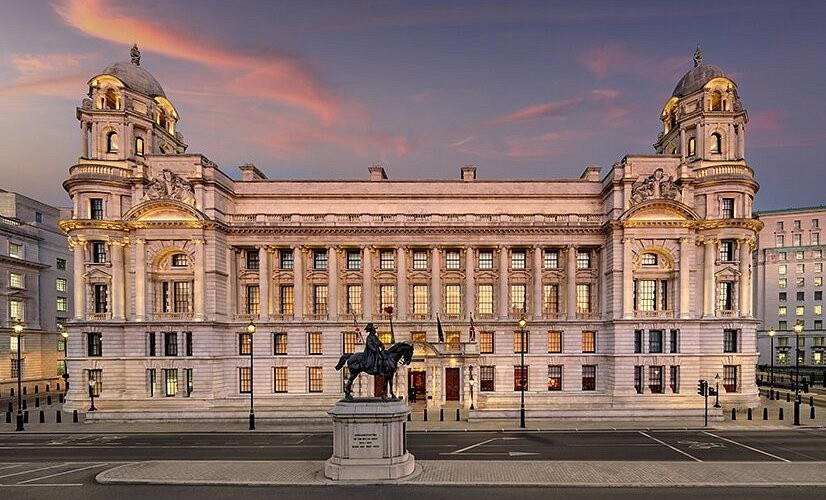
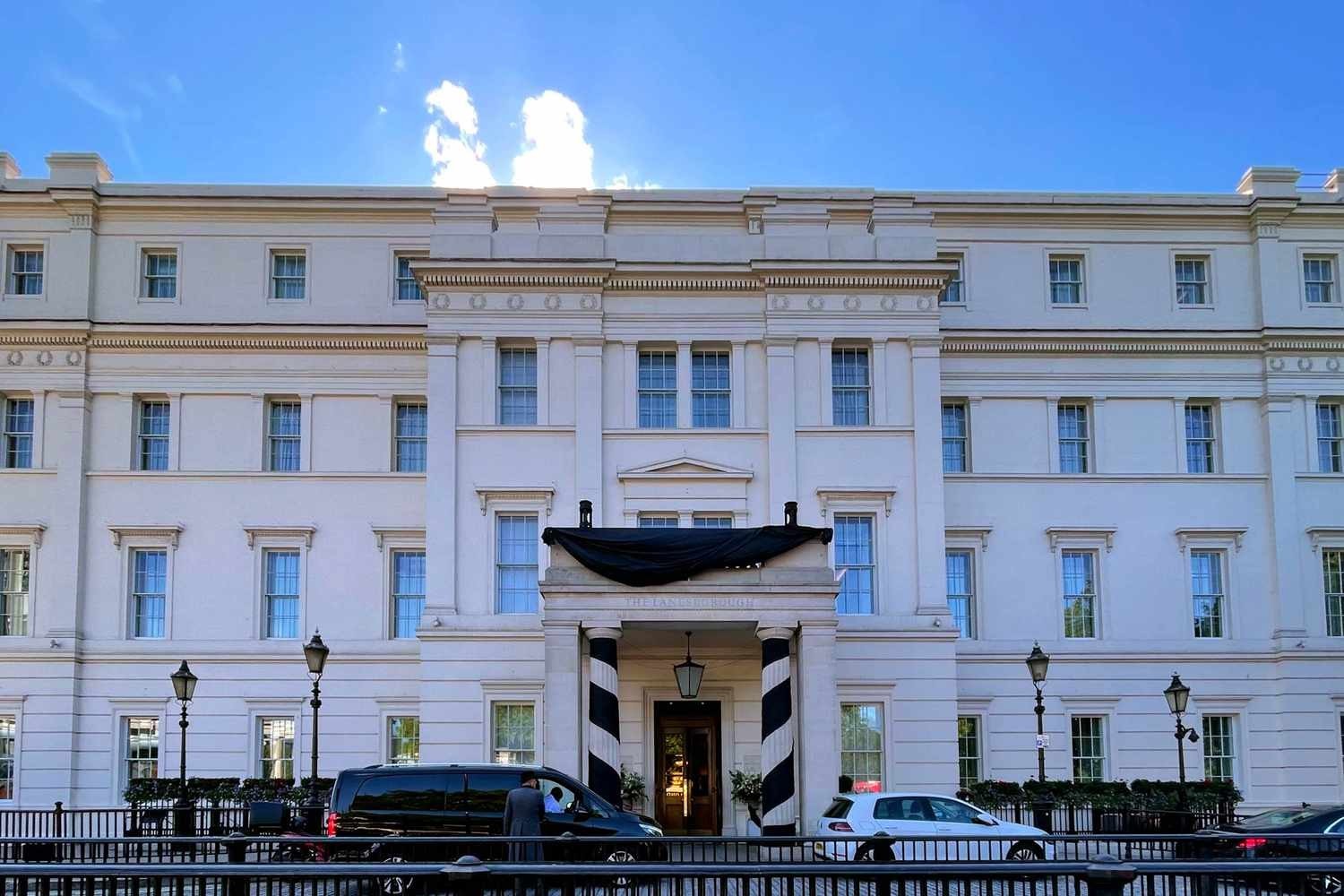
Positioned on Buckingham Gate in Westminster's diplomatic corridor, House of Ming brings Chinese cooking to one of London's most formally freighted postcodes. The address places it squarely in the orbit of luxury hotels and government buildings, a context that shapes both its clientele and its register. For Chinese cuisine in a neighbourhood otherwise defined by Modern European and Modern British fine dining, it occupies a distinct position in the SW1 food map.
Pearl is the En Primeur Club membership app — saves, bookings, and concierge access live there. Same editors, same standards.
- Address
- 54 Buckingham Gate, London SW1E 6AF, United Kingdom
- Phone
- +44 20 7963 8330
- Website
- houseofming.co.uk
- Directions
- Get directions
 Saves & bookings on Pearl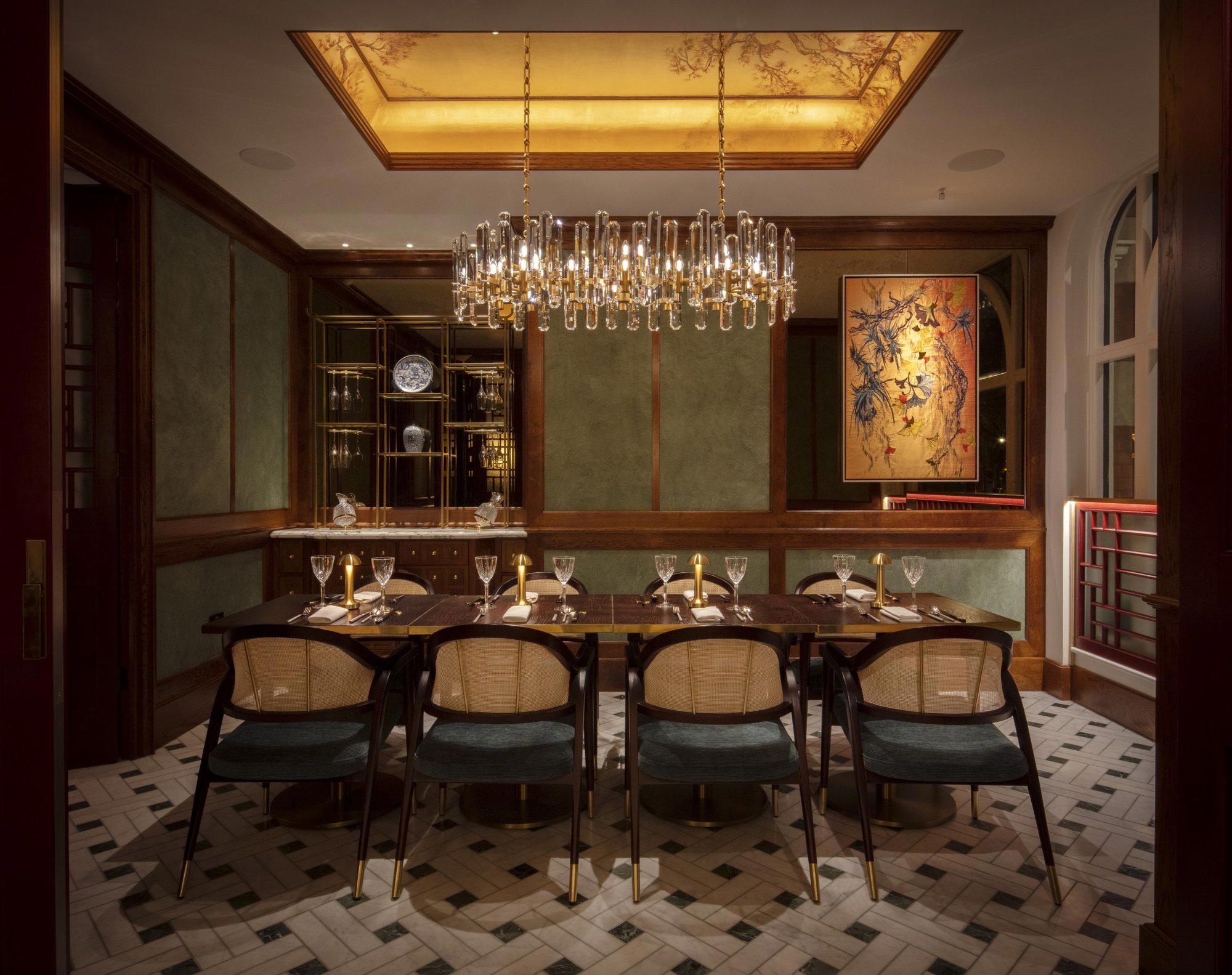
Chinese Fine Dining in Westminster's Diplomatic Quarter
The stretch of Buckingham Gate and its immediate neighbours host a concentration of high-end hotel restaurants oriented around European technique: CORE by Clare Smyth operates at three Michelin stars a short distance north, Restaurant Gordon Ramsay anchors Chelsea's fine dining corridor, and Sketch, The Lecture Room and Library holds three stars in Mayfair. Against that backdrop, a Chinese restaurant at 54 Buckingham Gate represents a deliberate departure from the neighbourhood's default culinary register.
The SW1 postcode carries particular social weight in London. Embassies, government ministries, and luxury hotels cluster here, drawing a clientele of business travellers, diplomatic guests, and residents of the surrounding St James's and Belgravia neighbourhoods. Chinese restaurants positioned in this tier of the market are rare in London outside of Chinatown and Mayfair. House of Ming's address alone signals an intent to operate at the formal, occasion-driven end of the dining spectrum rather than the casual or neighbourhood end.
Reading the Menu Architecture
Chinese menus at the higher end of the London market tend to split along two structural models. The first is the regional specialist model, where a kitchen commits to a single Chinese culinary tradition, whether Cantonese, Sichuan, Shanghainese, or Hunanese, and builds depth within it. The second is the pan-Chinese or contemporary model, where dishes are drawn from multiple regions and sometimes reframed through Western fine dining conventions: tasting menus, wine pairing, tableside presentation. How a menu is structured in this context tells you a great deal about who the restaurant believes it is speaking to and what the dining occasion is meant to feel like.
A restaurant at a Buckingham Gate address, in proximity to luxury hotel dining, would typically lean toward the formal structure: smaller plates, deliberate sequencing, a menu that rewards time rather than rushing through. The diplomatic and corporate clientele associated with SW1 has historically demanded formality in service and structure, even in cuisines that do not traditionally present in tasting format. Whether House of Ming follows the regional specialist path, the contemporary pan-Chinese path, or a hybrid of both shapes every decision a prospective diner makes, from how long to book the table for to whether to bring a group or come as a pair.
Chinese cuisine at this price and address point also raises questions of wine list architecture. Pairing Chinese food with wine remains one of the more technically demanding problems in fine dining, and how a restaurant resolves it (through Riesling-heavy lists, through by-the-glass flexibility, through sommelier guidance weighted toward aromatic whites and lighter reds) is itself a signal of how seriously the kitchen and the front of house are aligned on the guest experience.
The Westminster Fine Dining Context
London's Chinese restaurant sector has historically been concentrated in two zones: Chinatown in Soho, where volume and accessibility define the offer, and Mayfair, where restaurants like Hakkasan and China Tang established a template for high-end Chinese dining aimed at international luxury travellers. A Buckingham Gate location sits between those two poles, geographically closer to the Mayfair tier but operating in a neighbourhood with its own distinct character.
The comparison to Dinner by Heston Blumenthal is instructive not because the cuisines share anything but because Dinner operates in a similar institutional context: hotel-adjacent, formally framed, drawing on a clientele split between destination diners and guests staying within the surrounding luxury hotel ecosystem. Restaurants in this context are evaluated differently from destination-driven destination restaurants like The Ledbury in Notting Hill, where regulars and committed food enthusiasts drive most of the traffic. At SW1, the dining room needs to work for a first-time visitor who may know little about the cuisine and equally for a returning guest who knows exactly what they want.
That dual audience is one of the defining structural challenges for Chinese fine dining in London's formal zones. The broader London restaurant scene for ambitious cooking now extends well outside the capital: The Fat Duck in Bray, L'Enclume in Cartmel, and Moor Hall in Aughton all draw London diners willing to travel for a meal. Chinese cooking at the fine dining level has not yet produced equivalent destination venues outside the capital in the UK, which means London restaurants in this category carry the full weight of the genre's ambitions in a single national market.
London's Chinese dining tier at the higher end is more competitive now than at any point in the past two decades. Restaurants trained on Cantonese technique are now competing with regional specialists in Sichuan and Hunanese cooking, and with a newer wave of contemporary Chinese restaurants that draw on pan-Asian influences while maintaining Chinese cooking as the structural base. Into this context, a restaurant on Buckingham Gate is making a location-driven argument: that proximity to Westminster's institutional life is itself a differentiator, shaping the service register, the occasion types the restaurant suits, and the guest who is most likely to walk through the door.
For comparative reference on what ambitious Asian fine dining can achieve at the structural level, Atomix in New York City and Le Bernardin in New York City offer contrasting models: one a tightly controlled counter format built around sequential small plates with heavy cultural annotation; the other a classically structured room where the menu's architecture is deliberately legible and the guest is never made to work to understand what they are eating. Both represent resolved positions. Where House of Ming sits on that spectrum of formality versus accessibility is the question that a prospective visitor needs to answer for themselves before booking.
Elsewhere in England, restaurants like Gidleigh Park in Chagford, Hand and Flowers in Marlow, and hide and fox in Saltwood show how strongly a sense of place can define a restaurant's identity. House of Ming's version of place is urban and institutional rather than rural and intimate, but the logic is the same: the address shapes the diner before the food arrives.
Planning Your Visit
The restaurant is located at 54 Buckingham Gate, London SW1E 6AF, within walking distance of Victoria station and St James's Park underground station. The surrounding area is dense with government offices and luxury hotels, making it well-suited to business lunches and pre- or post-theatre dinners for guests attending events at nearby venues.
Reservations: Booking in advance is advisable given the formal dining context and the area's high-occupancy business travel patterns. Dress: The address and dining register suggest smart casual at a minimum; the surrounding institutional neighbourhood sets an informal dress expectation on the formal side. Budget: Expect about $75 per person. Getting there: Victoria station (National Rail, Victoria, District, and Circle lines) is the primary transit access point; St James's Park station (District and Circle lines) provides an alternative approach from the north.
Recognition Snapshot
Comparable venues nearby, for context on price, style, and recognition.
| Venue | Cuisine | Price | Notes |
|---|---|---|---|
| House of MingThis venue — the venue you are viewing | Sichuan & Cantonese Chinese with Modern London Twist | $$$ | Not listed |
| Sichuan Fry and Dumpling Shack | Sichuan Fried Chicken & Dumplings | $$ | London Fields |
| Three Gorges | Modern Cantonese & Hubei | $$$ | Fitzrovia |
| Four Seasons | Cantonese Roast Meats | $$ | Queensway |
| China Tang | Classic Cantonese | $$$$ | Mayfair |
| The Good Earth | Classic Chinese | $$$ | Brompton |
Continue exploring
More in London
Restaurants in London
Browse all →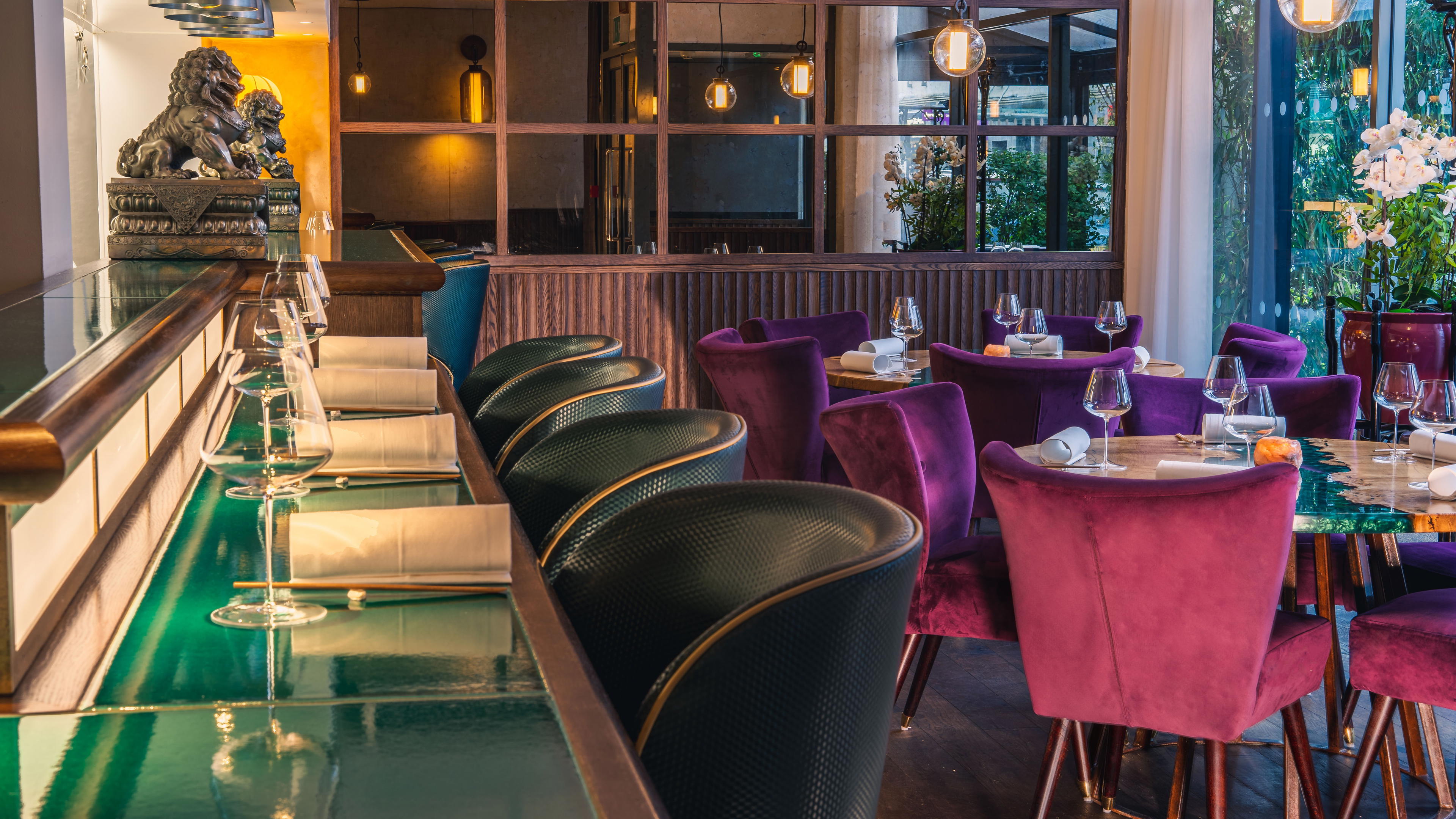
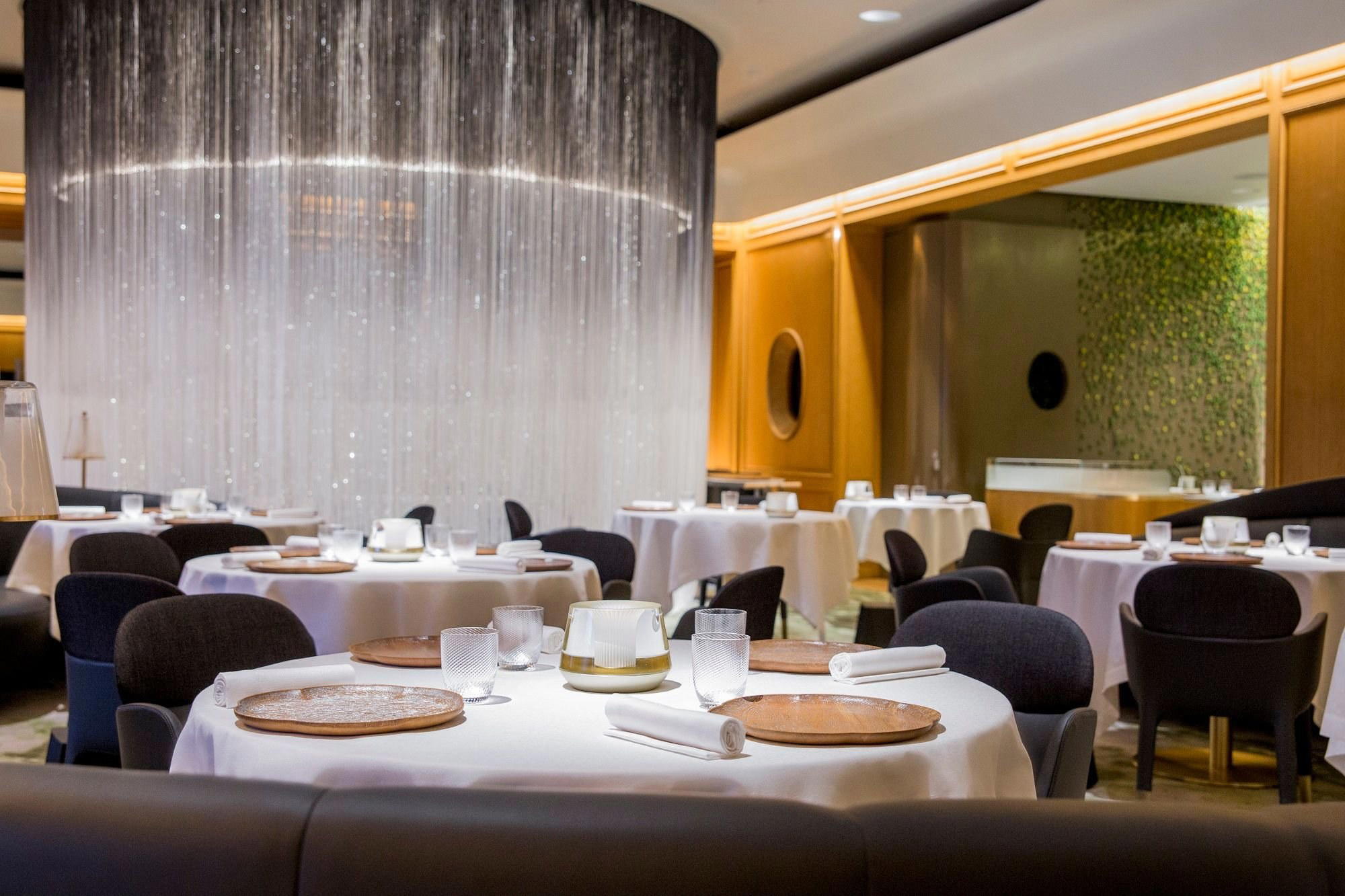
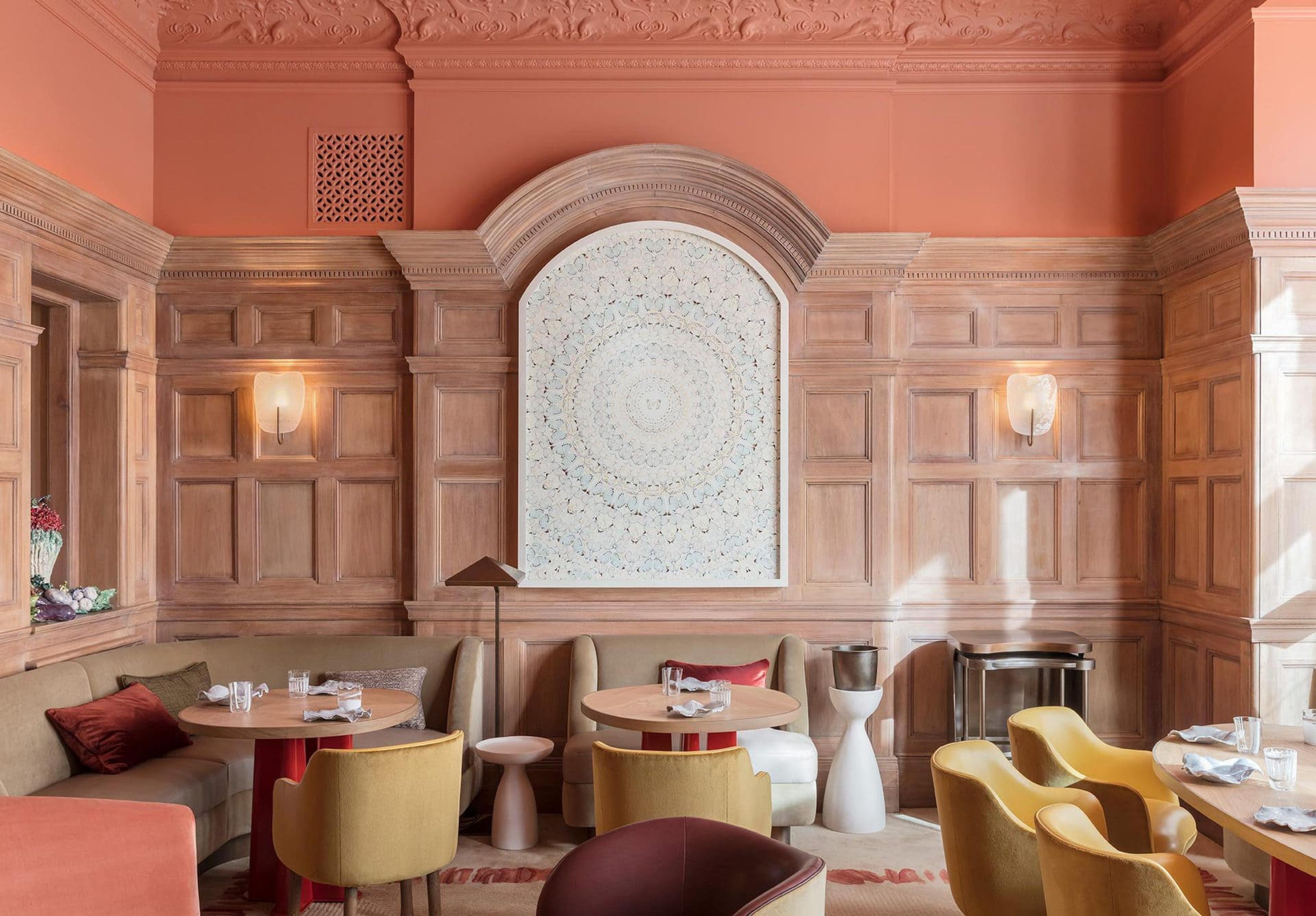
Bars in London
Browse all →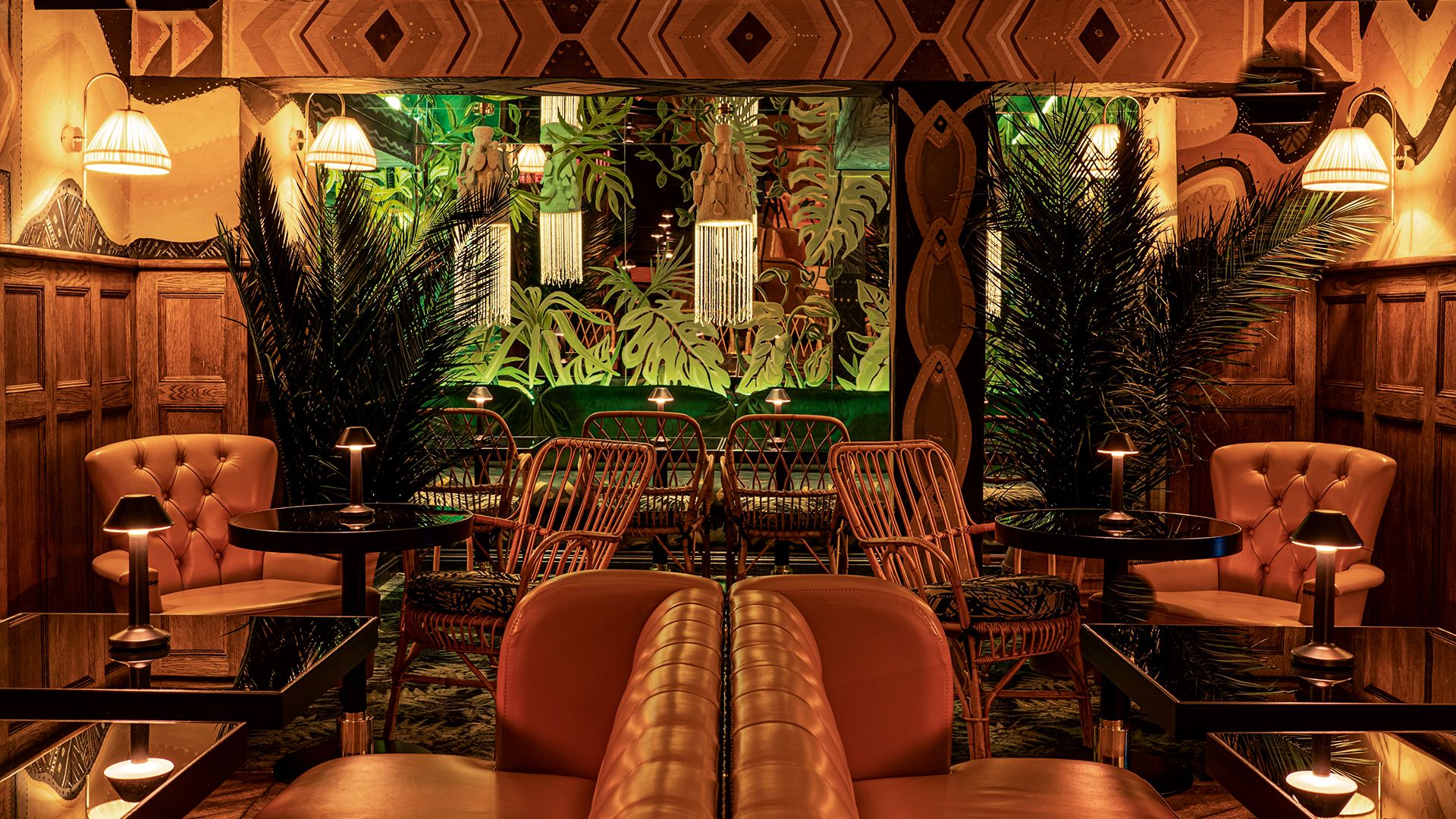
Hotels in London
Browse all →



At a Glance
- Elegant
- Sophisticated
- Intimate
- Romantic
- Date Night
- Celebration
- Special Occasion
- Business Dinner
- Family
- Hotel Restaurant
- Private Dining
- Extensive Wine List
- Sommelier Led
Current opening hours
- Monday
- 12–2:45 PM, 6:30–10:30 PM
- Tuesday
- Closed
- Wednesday
- 12–2:45 PM, 6:30–10:30 PM
- Thursday
- 12–2:45 PM, 6:30–10:30 PM
- Friday
- 12–2:45 PM, 6:30–10:30 PM
- Saturday
- 12–2:45 PM, 6:30–10:30 PM
- Sunday
- 12–2:45 PM, 6:30–10:30 PM
Hours can change for holidays and private events. Last verified .
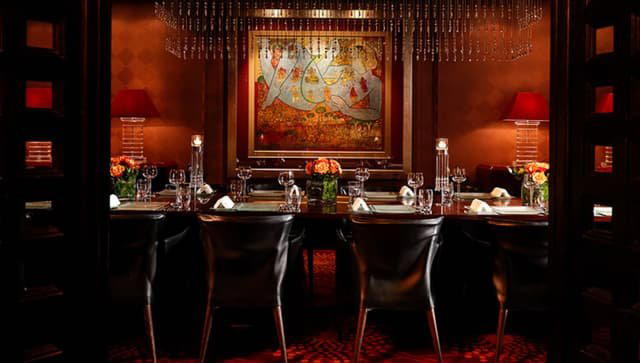
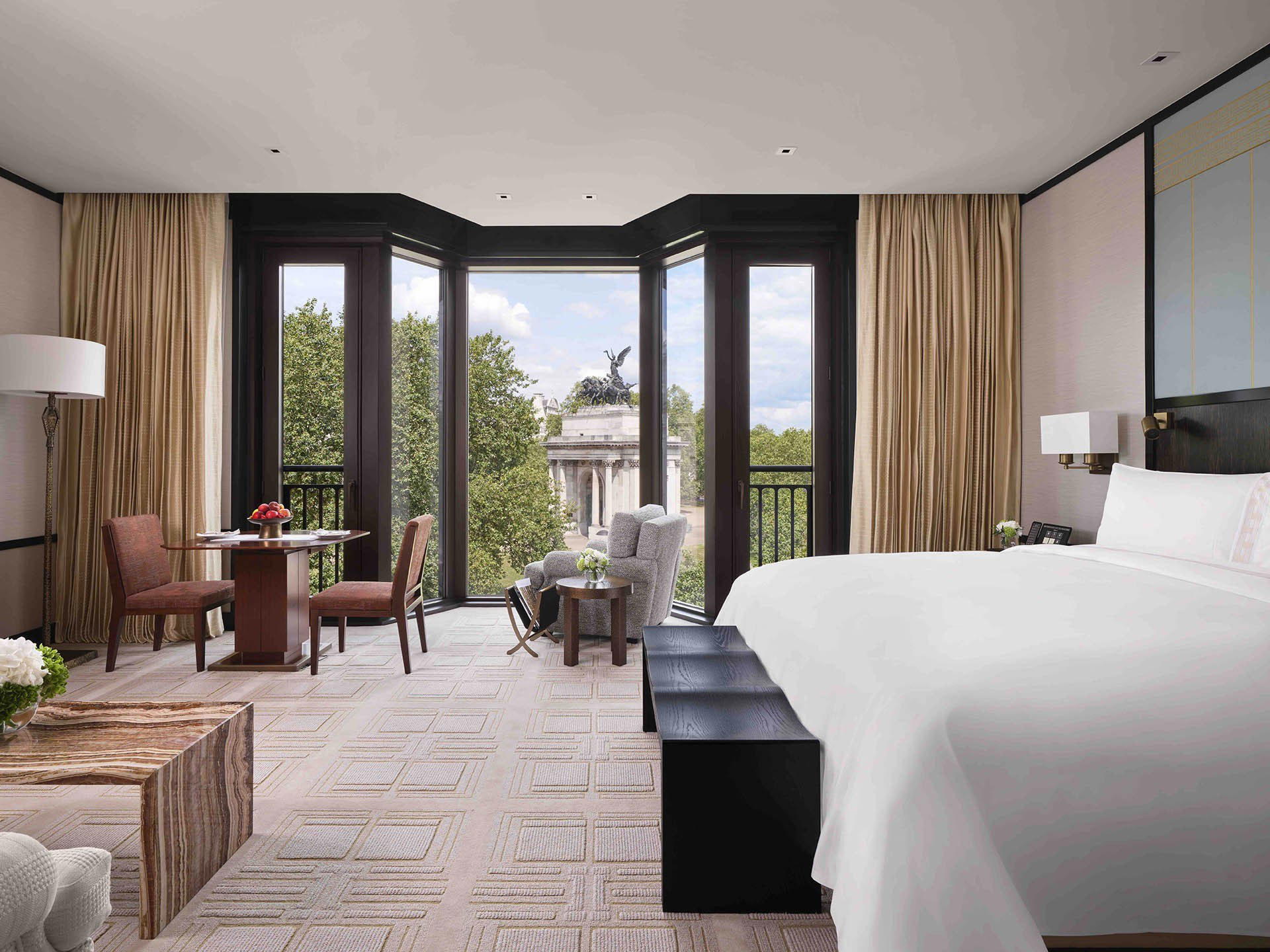
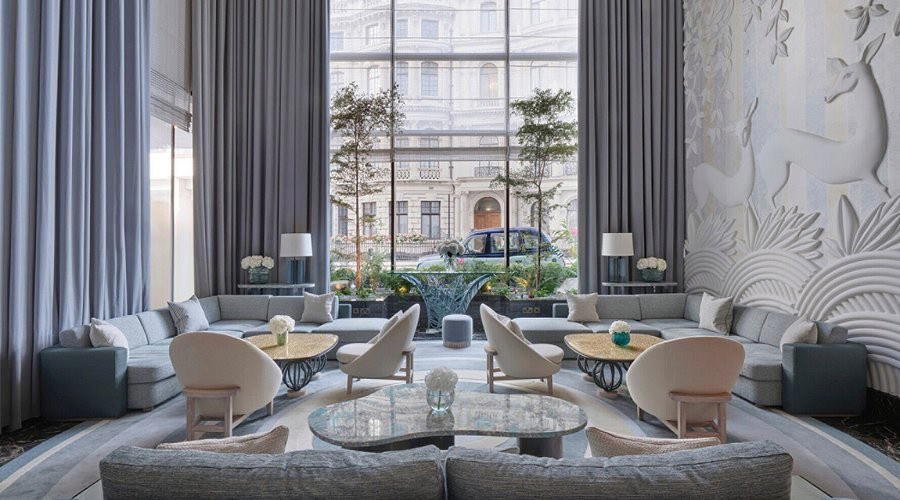
Soft, warm lighting with classically clean interior design featuring traditional Chinese-inspired motifs in red and gold; divided into intimate sections by wooden screens creating a sense of privacy despite the large 180-seat capacity.