Our verdict
Sitting on Eski Göreme Caddesi in Uçhisar, The House of Memories occupies a setting defined by the volcanic rock and agricultural rhythms of Cappadocia. The address alone signals a different kind of dining from Istanbul's high-concept modernism: slower, more rooted, and shaped by the produce and traditions of one of Turkey's most geologically singular regions. For anyone tracing the country's ingredient-led dining culture beyond the major cities, it belongs on the itinerary.

Pearl is the En Primeur Club membership app, where members save venues, book tables and use the concierge.
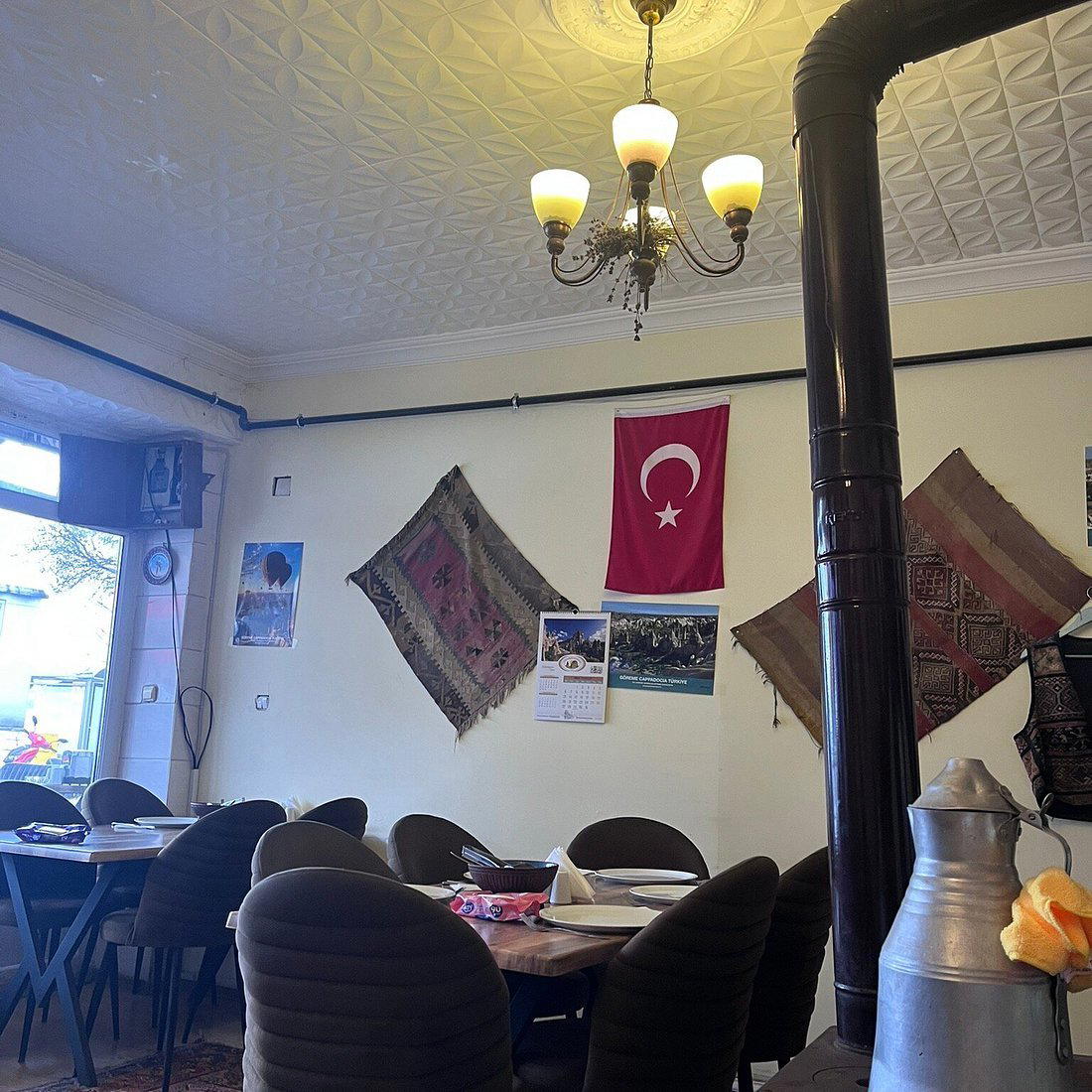
The menu
What to order
- Testi Kebab
- Kuzu Pirzola
Cappadocia's Table: What Uçhisar Says About How Turkey Eats
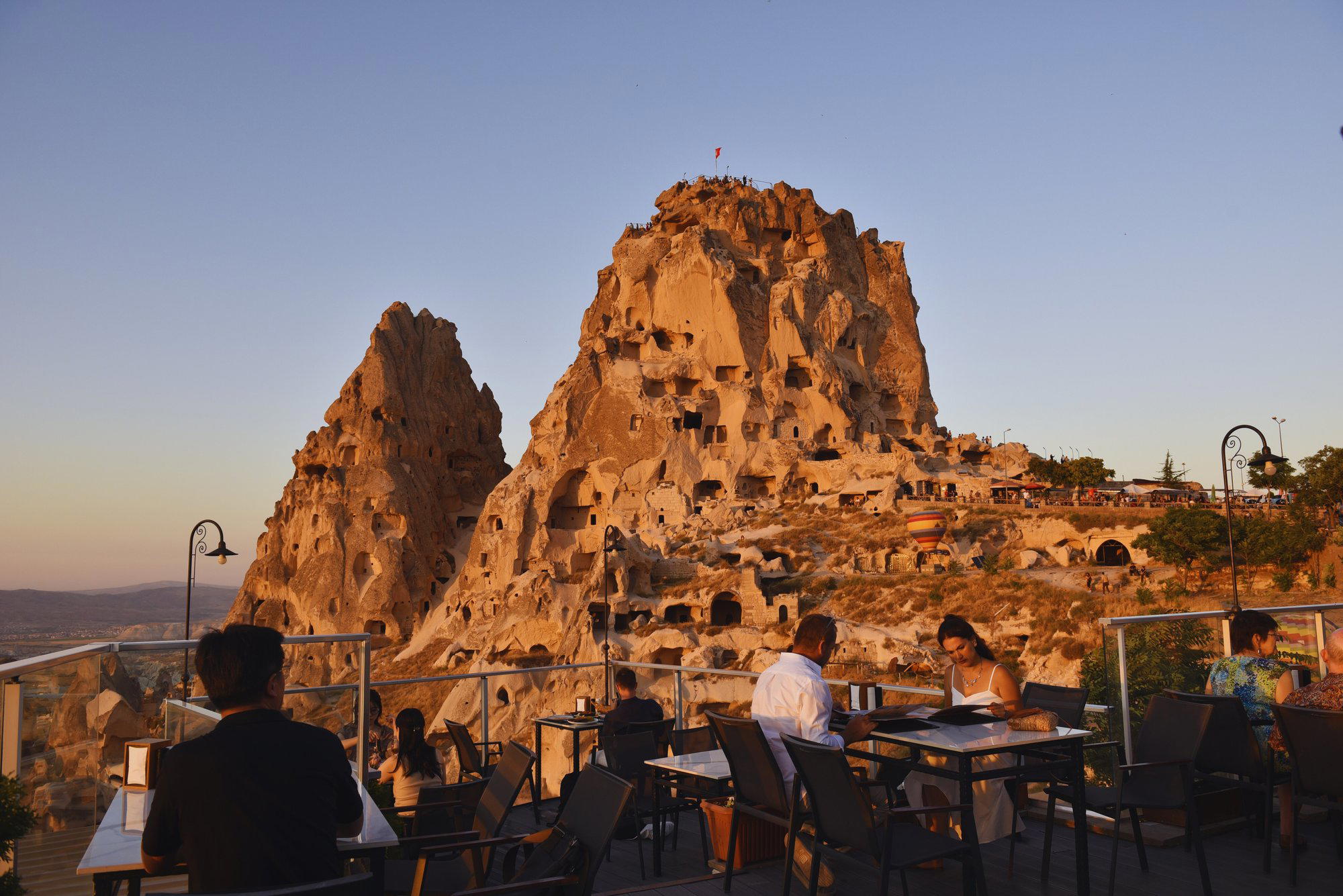
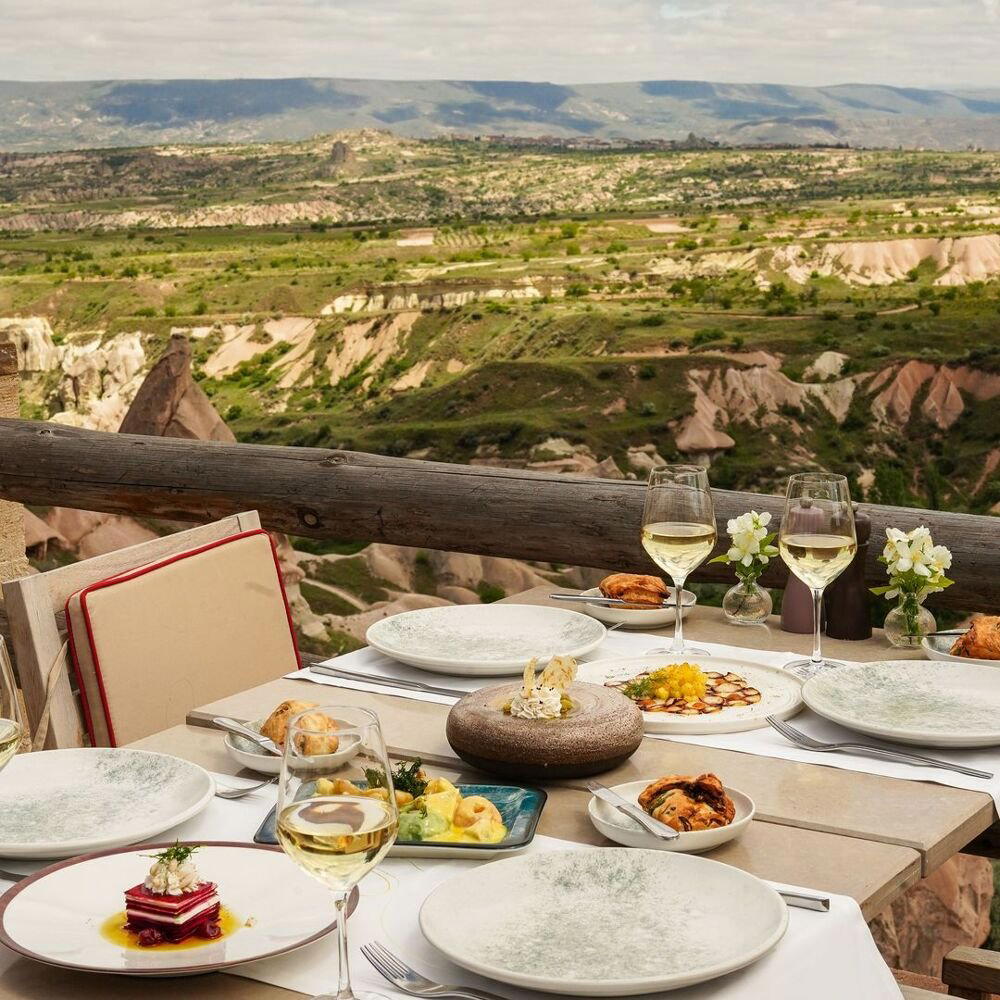
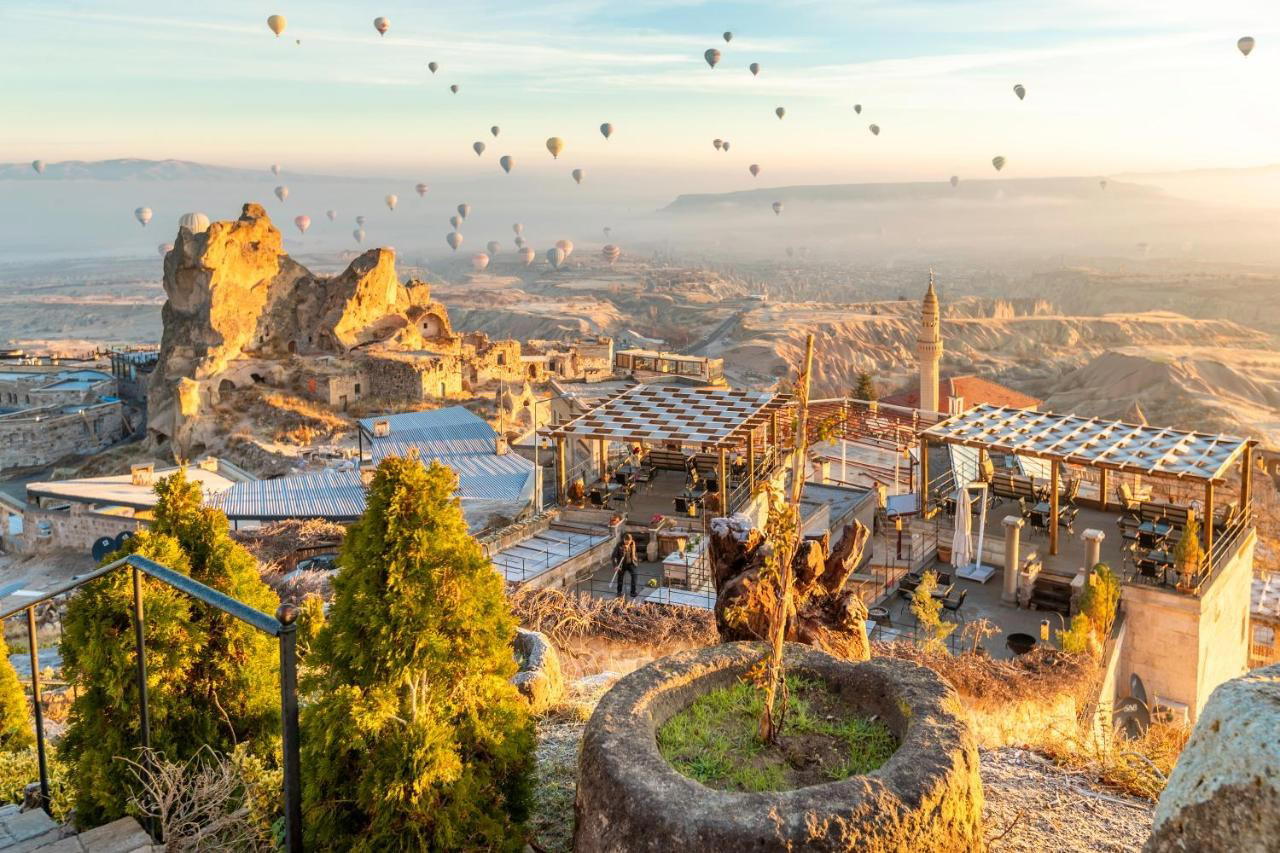
Arrive in Uçhisar at dusk and the light does something particular to the tufa stone. The fairy chimneys hold warmth longer than the valley floor, the rock face shifts from cream to copper, and the village, perched at one of Cappadocia's highest points, feels suspended between geological time and the dinner hour. It is in this specific atmosphere, at an address on Eski Göreme Caddesi, that The House of Memories positions itself. The name signals intent before you sit down: memory, in food terms, almost always means place and ingredient, not technique for its own sake.
Uçhisar occupies a narrower niche than Göreme in the Cappadocian restaurant conversation. Where Göreme has broadened into a volume-tourist circuit, Uçhisar has remained quieter, smaller, and more amenable to the kind of dining that draws on local supply chains and seasonal produce rather than generic Anatolian crowd-pleasers. That difference in character shapes what a venue like The House of Memories is actually competing against, not the kebab houses of the main road, but a small group of Cappadocian addresses that take the region's larder seriously. Our full Uçhisar restaurants guide maps the broader picture, but the short version is that the town rewards visitors who plan around dining rather than treating it as an afterthought to the balloon flights.
The Cappadocian Larder and Why It Matters
The editorial angle on any serious Uçhisar restaurant has to begin with the land, because the land here is genuinely unusual. Cappadocia's volcanic soil, the same geology that carved the chimneys and the cave churches, produces agricultural ingredients with a distinct mineral character. The region is known for its apricots, its pottery-pot cooking traditions, and a lamb and offal culture that goes back centuries through nomadic Turkic and Anatolian culinary history. Testi kebap, the slow-cooked meat sealed inside a clay pot and cracked open at the table, is the most internationally recognised expression of that tradition, but it represents only one thread in a longer story about what this soil and this altitude grow.
The broader shift in Turkish dining over the past decade has been toward precisely this kind of terroir-conscious sourcing. Venues like Turk Fatih Tutak in Istanbul and Maçakızı in Bodrum have built their reputations on the argument that Turkey's regional ingredients are undervalued on their own country's menus, let alone internationally. Narımor in Izmir and Asitane in Fatih have both drawn critical attention to Ottoman culinary archaeology as a source framework rather than a nostalgia exercise. What Uçhisar contributes to this national conversation is specificity of geography: the Cappadocian table is not interchangeable with the Aegean one, or the southeastern one. The House of Memories, operating out of this particular address and this particular region, inherits that specificity whether it claims it explicitly or not.
Reading the Venue Through Its Address
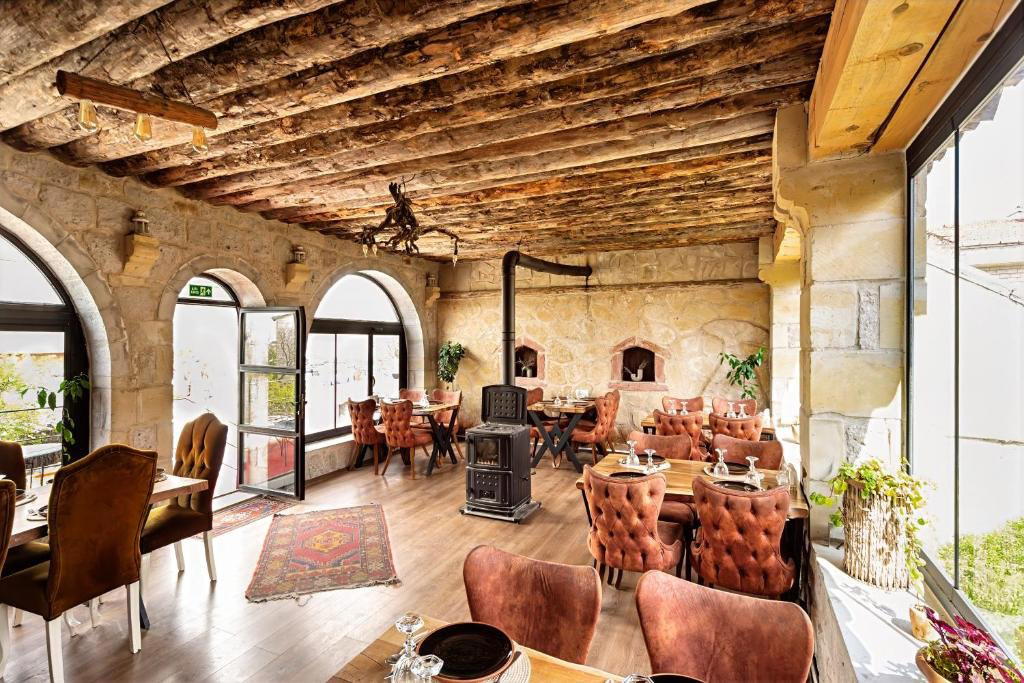
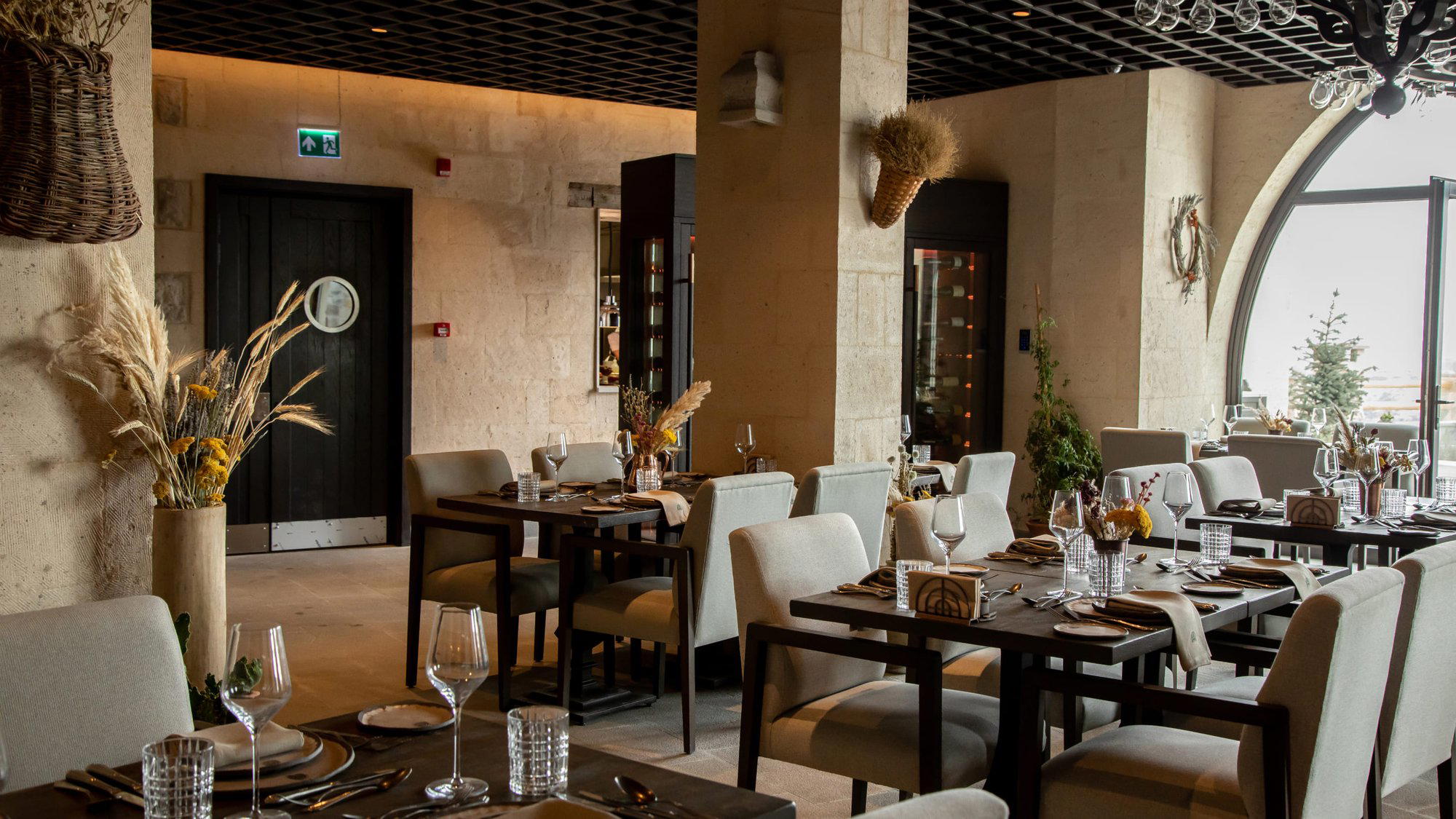
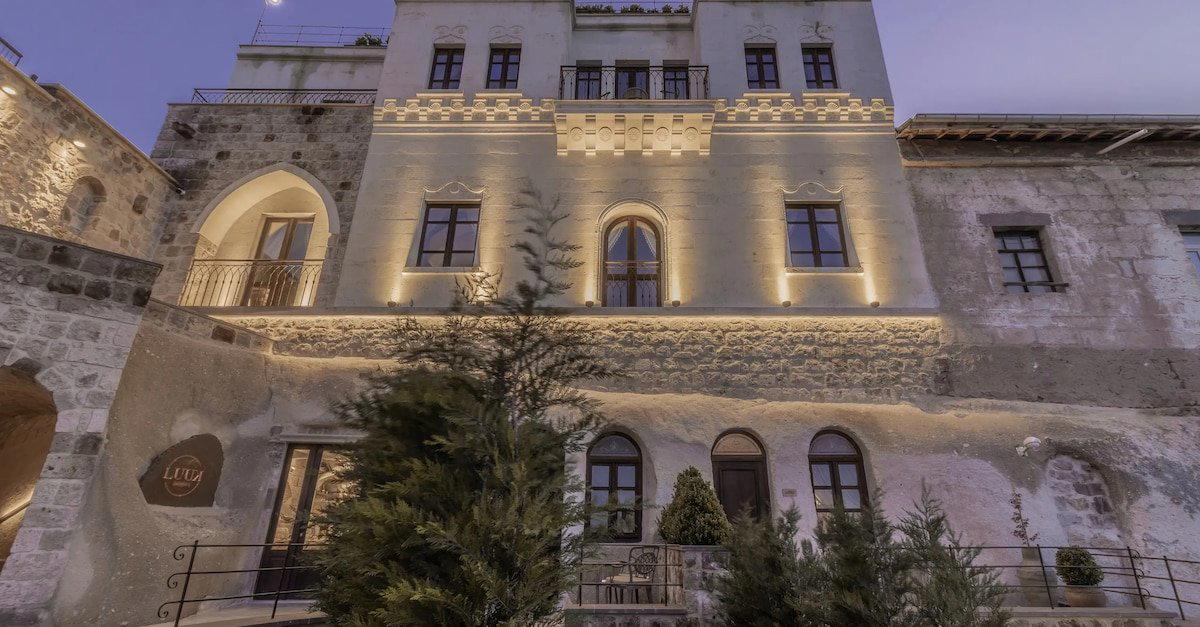
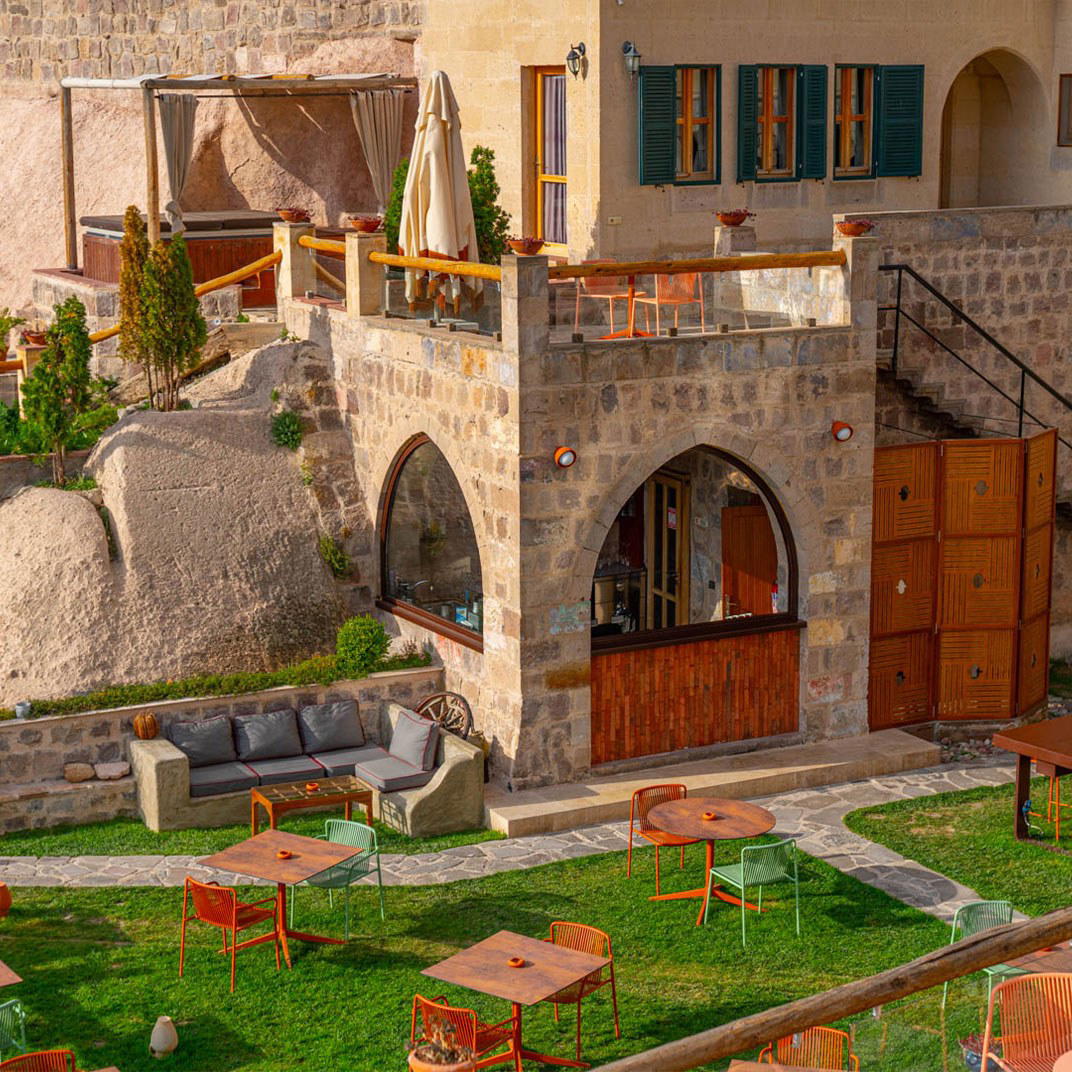
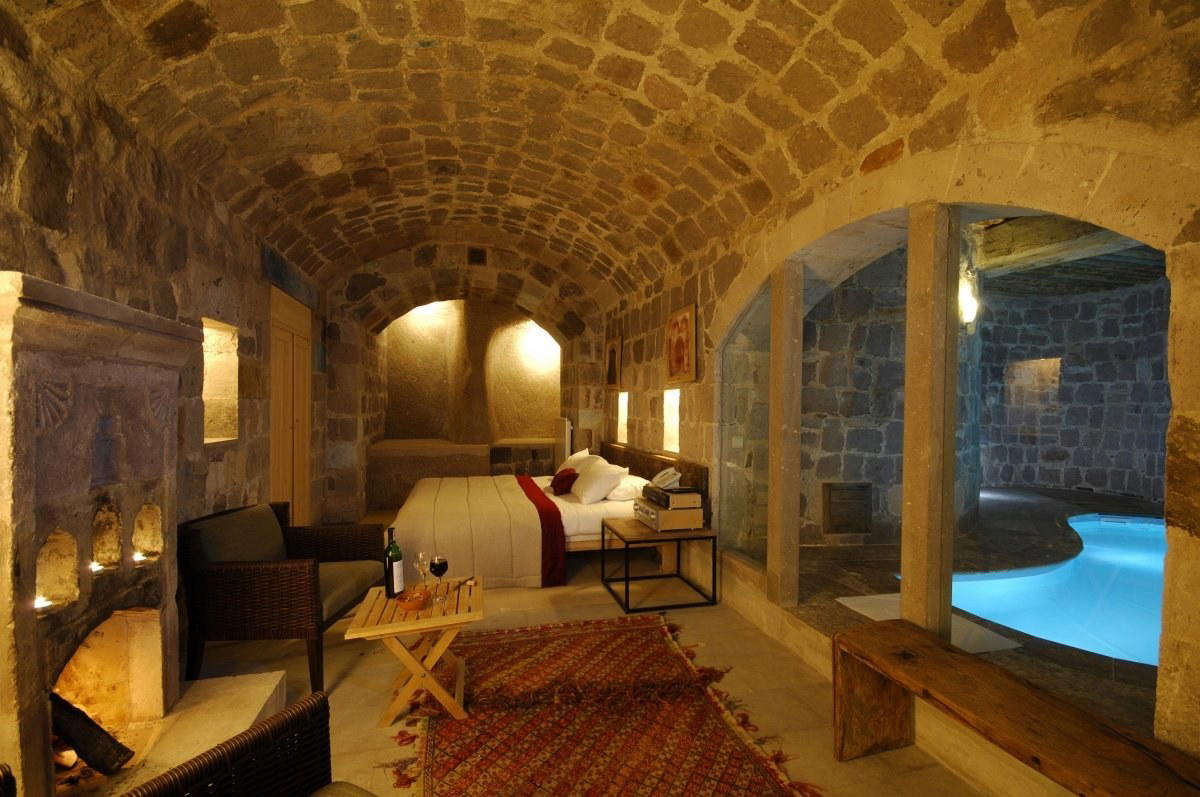
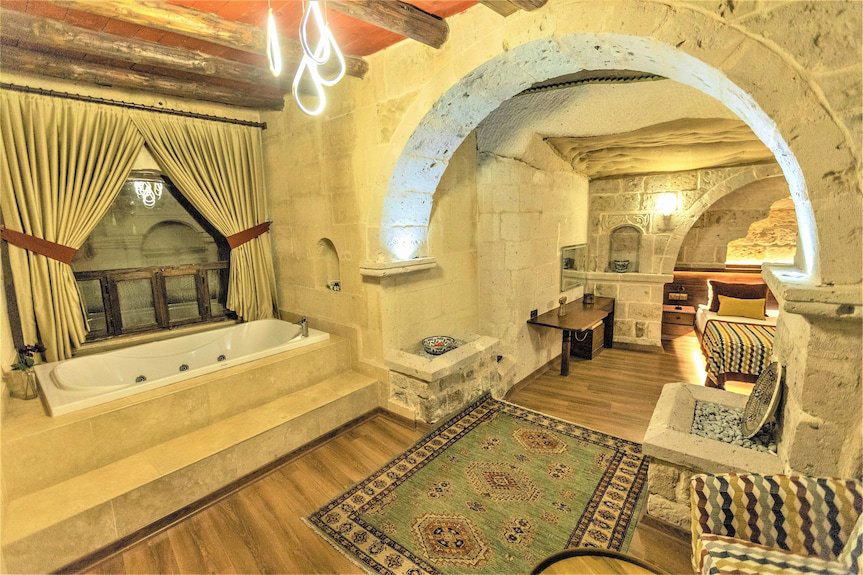
Address on Eski Göreme Caddesi is itself informative. Eski (old) Göreme Road connects Uçhisar to the broader Göreme valley corridor, and properties along it tend to be integrated into the existing stone architecture rather than built fresh for the tourist economy. That physical context shapes the dining experience in ways that a more purpose-built venue cannot replicate: the walls carry actual history, the proportions were not designed around a restaurant floor plan, and the relationship between indoor and outdoor space reflects how the village has always organised its domestic life.
That kind of architectural authenticity has become a differentiating factor across Turkish regional dining. You see it at Hiç Lokanta in Urla and in the wine-adjacent dining culture of the Aegean coast, where restored old houses function as dining rooms in ways that signal seriousness about the local. In Cappadocia, the cave and tufa-stone setting is so omnipresent that it risks becoming scenery rather than context, but on a quieter street in Uçhisar, the architecture still functions as genuine provenance rather than decoration.
The Wider Turkish Table: Placing Uçhisar in the National Picture
Turkey's restaurant culture has fragmented productively over the past two decades. Istanbul's top tier now runs at ₺₺₺₺ price points and competes on the same global circuit as venues like Le Bernardin in New York and Atomix, with technique-forward menus and international media attention. But the more interesting development is what has happened in the cities and towns below that tier. Venues like Dürümzade in Beyoglu, Kısmet Etliekmek ve Lahmacun Salonu in Karaman, and Kocak Baklava in Gaziantep represent a parallel track: regional specialists who derive authority from deep local knowledge rather than from modernist technique or international recognition.
Bayramoğlu Döner in Beykoz, Ciğerci Mahmut in Adana, and Konya Kebap Evi in Selcuklu follow similar logic: each is authoritative because it is doing one thing, rooted in one place, with a supply chain that reflects that place. The House of Memories in Uçhisar sits somewhere in this national constellation, a regional address whose legitimacy comes from geography and continuity rather than from any single award or media moment. For visitors comparing it against Kritikos Meyhane in Mudanya or Kartepe Organic Foods in Kartepe, the shared thread is a commitment to where the food comes from, not just what it looks like on the plate. Casa Lavanda in Sile and Centre Restaurant, also in Uçhisar, provide the most direct local peer context.
Planning a Visit
Uçhisar is reachable from Nevşehir airport in under 20 minutes by road, and from Göreme town in roughly 10 minutes. The village itself is small enough to explore on foot once you have arrived, and Eski Göreme Caddesi is among the more direct streets to locate without specialist navigation. Cappadocia's peak season runs from April through October, with October offering the most stable weather alongside smaller balloon-flight crowds; if a quieter, more local-paced visit is the goal, shoulder-season timing is worth factoring in. Given the limited venue data publicly available for The House of Memories, confirming opening hours and any reservation requirements directly on arrival or through local hotel staff is the most reliable approach.
Frequently asked questions
Can I bring kids to The House Of Memories?
Uçhisar operates at a pace that suits families, meals here are rarely timed affairs, and the village's stone-built streets keep noise levels well below anything resembling formality. The restaurant sits on Eski Göreme Caddesi, a corridor of historic architecture rather than a high-footfall tourist strip, which tends to attract guests who prefer a slower rhythm over a lively one. Nothing in the venue's public profile signals a dress code or adults-only policy.
What's the overall feel of The House Of Memories?
The address on Eski Göreme Caddesi places this venue inside Uçhisar's older stone-built quarter, which sets a particular register before you even sit down, tufa walls, volcanic light, and a village that hasn't expanded to match Göreme's tour-group footprint. Expect a grounded, regionally anchored atmosphere rather than the high-concept modernism that defines Istanbul's upper tier. This is Cappadocian hospitality in its more settled, local-facing form.
Is The House of Memories a good option for travellers staying in Göreme who want to eat in Uçhisar?
Göreme to Uçhisar is roughly a 10-minute road journey, making The House of Memories on Eski Göreme Caddesi a practical dinner destination for visitors based in either village. Uçhisar's dining scene is smaller and quieter than Göreme's, which is precisely its draw, fewer restaurants competing for the same tour-group trade means the kitchen tends to work for a more settled crowd. For anyone already planning to visit Uçhisar Castle at dusk, the timing lines up naturally.
What's the signature dish at The House Of Memories?
Cappadocia's culinary identity leans heavily on clay-pot preparations and the region's lamb culture, both shaped by the volcanic soil that gives local produce its particular character. Any serious engagement with the menu should start there, treating the kitchen as a reference point for what the land around Uçhisar actually produces rather than a showcase of imported technique.
What's The House Of Memories's location?
The House Of Memories is located at Eski Göreme Cad. - Uçhisar, Uçhisar, Uçhisar.
Side-by-Side Snapshot
| Venue | Cuisine | Price | Awards | Notes |
|---|---|---|---|---|
| The House Of MemoriesThis venue (the venue you are viewing) | Traditional Turkish Testi Kebab | $10–20 | Not listed | Not listed |
| Turk Fatih Tutak | Modern Turkish Fine Dining | $200–300 | 2 Michelin Stars · World's 50 Best #66 | Modern Turkish, ₺₺₺₺ |
| Maçakızı | Modern Aegean | $150–200 | 1 Michelin Star · World's 50 Best #96 | Modern Cuisine, ₺₺₺₺ |
| Mikla | New Anatolian Kitchen | $100–150 | 1 Michelin Star · World's 50 Best #44 | Modern Turkish, Mediterranean Cuisine, ₺₺₺₺ |
| Neolokal | Modern Turkish Fine Dining | $200–300 | 1 Michelin Star · World's 50 Best #100 | Modern Turkish, Turkish, ₺₺₺₺ |
| Arkestra | Modern European with Global Influences | $100–150 | 1 Michelin Star · Gault & Millau Türkiye 3 Toques | Fusion, ₺₺₺₺ |
Continue exploring
More in Uçhisar
Details
- Cozy
- Rustic
- Intimate
- Family
- Casual Hangout
- Date Night
- Historic Building
- A La Carte
- Family Style
- Vegetarian Friendly
Warm, friendly, family-like atmosphere with cheerful owner interaction and home-cooked comfort.