Our verdict
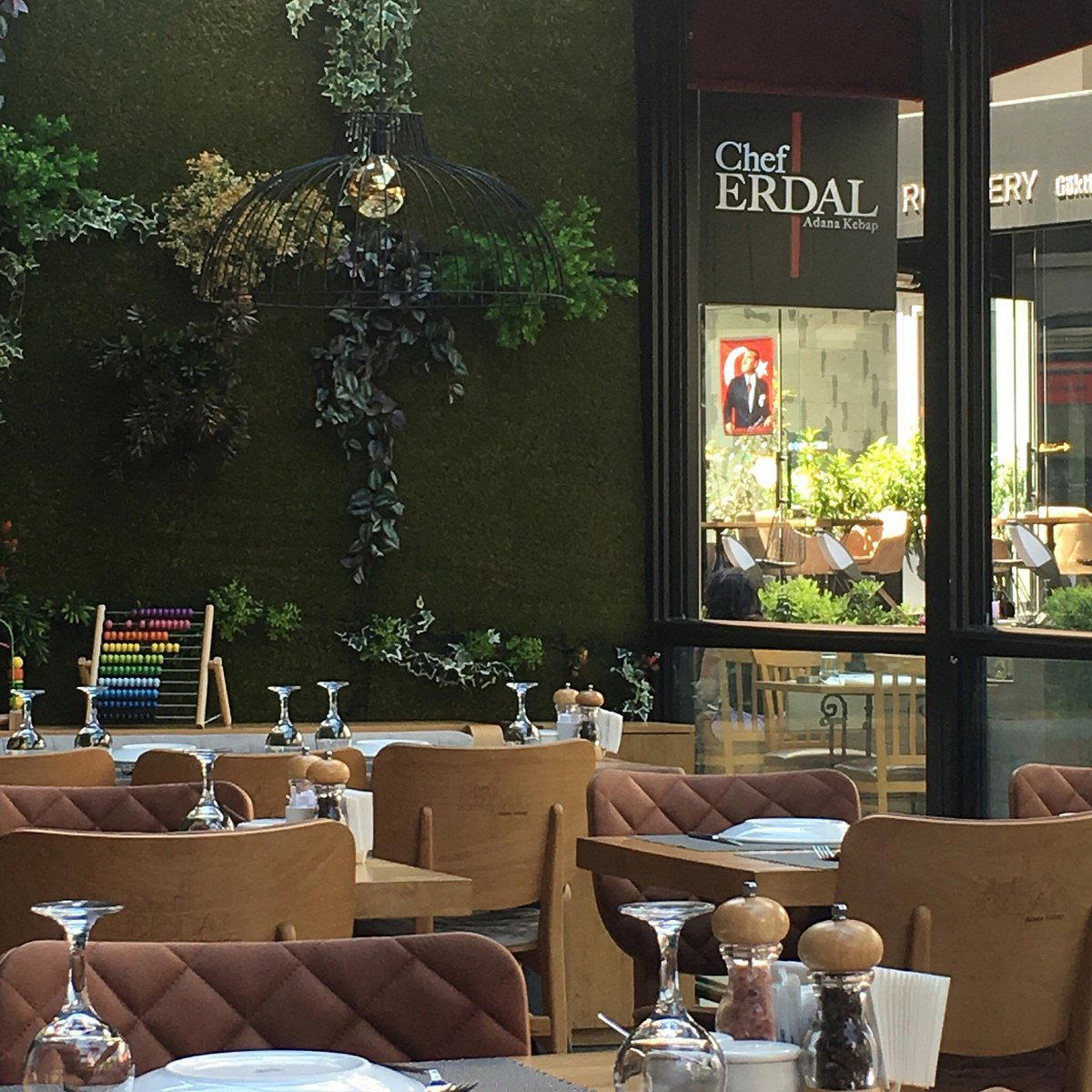
Erdal Chef sits on Meserburnu Caddesi in Sarıyer, the quieter, Bosphorus-flanked district that marks the northern edge of Istanbul's European shore. The address places it within a dining corridor that draws locals rather than tourists, where the emphasis falls on straightforward cooking over spectacle. Confirmation of current hours, booking method, and pricing requires direct contact with the venue.
The Sarıyer Shore and What It Means for a Meal
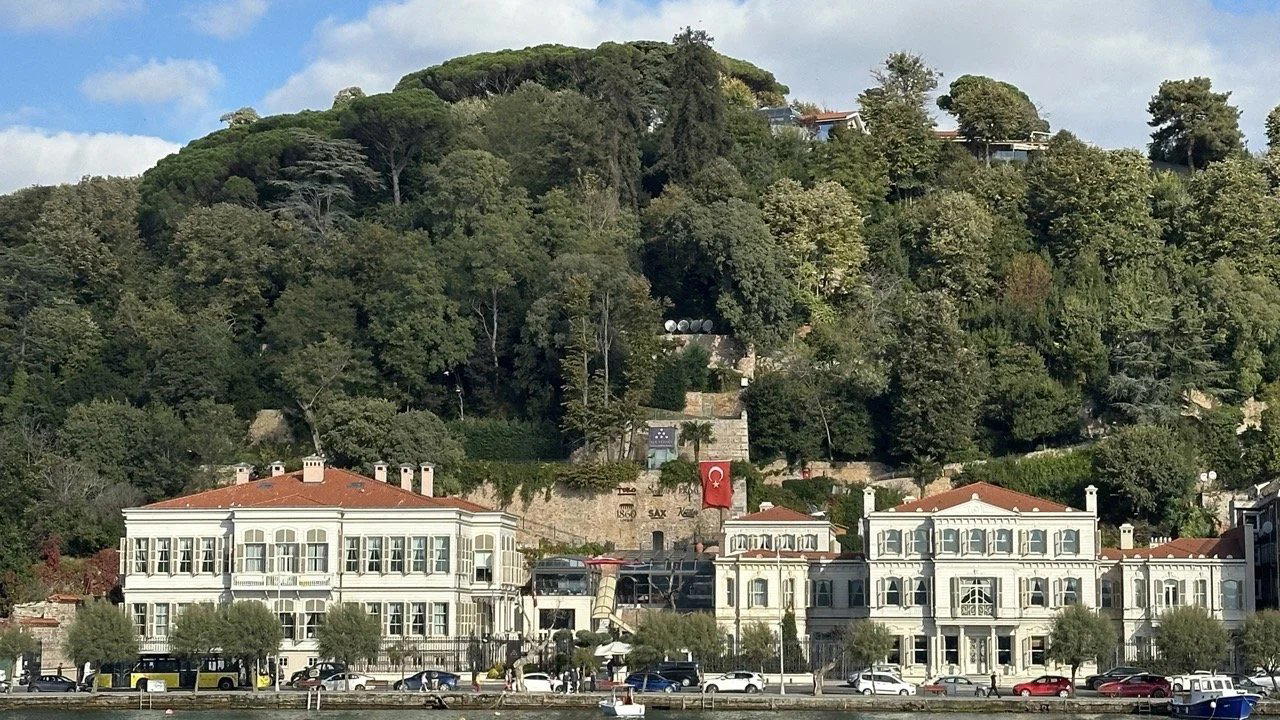
The northern reaches of Istanbul's European side operate at a different tempo from the restaurant-dense neighbourhoods of Beyoğlu or Karaköy. Sarıyer, strung along the upper Bosphorus where the strait narrows before opening into the Black Sea, has historically been a place where Istanbullus eat rather than a place where restaurants perform. The fish markets at Sarıyer's harbour, the tea gardens on the water, and the residential streets climbing toward the Belgrade Forest have all sustained a dining culture oriented toward the local and the seasonal rather than the imported and the theatrical. Erdal Chef, addressed on Meserburnu Caddesi, sits inside that frame rather than outside it.
Meserburnu is a street name that registers more clearly to residents of the neighbourhood than to visitors arriving via a city-wide restaurant search. That geography matters: venues at this end of the Bosphorus corridor attract a regular clientele shaped by proximity and word of mouth, which tends to produce a cooking style disciplined by repeat custom. You cannot depend on a rotating tourist audience to forgive inconsistency the way a restaurant in Sultanahmet might. For context on other places working within this same northern-shore logic, see our full Sar Yer restaurants guide.
Turkish Cooking at This Latitude: The Cultural Weight of Proximity to the Sea
The culinary tradition most at home along the upper Bosphorus is one built around the strait itself. Black Sea fish, hamsi in season, lüfer when the runs allow, palamut through autumn, have defined the protein identity of this coastline for centuries. The cultural argument for eating fish on the Bosphorus is not romantic shorthand; it reflects genuine supply chains that still flow through the covered fish markets of Sarıyer and Beykoz. Restaurants working within this tradition, whether modest lokanta or more considered dining rooms, tend to organise their menus around what arrived that morning rather than around a fixed printed card.
That mode of cooking, anchored in the daily catch, adjusted by season, relatively unbothered by international technique for its own sake, represents one strand of Turkish gastronomy that operates in productive tension with the modernist current visible at venues like Turk Fatih Tutak in Istanbul. Both traditions are legitimate responses to the depth of Turkish food culture; they simply address different audiences and make different arguments. Erdal Chef's placement in Sarıyer positions it closer to the traditional strand, though without detailed menu data it would be premature to characterise its specific approach precisely.
Across Turkey more broadly, the regional variation in cooking style is substantial. The mezes and wood-fired preparations at Maçakızı in Bodrum operate within an Aegean register quite different from the inland Anatolian traditions explored at venues like Nahita Cappadocia in Nevsehir or Aravan Evi in Ürgüp. Sarıyer cooking, when it is honest about its location, belongs to its own distinct geography: the urban Bosphorus shore, with its commuter culture, its fish vendors, and its long-established habit of eating well without fuss.
How Sarıyer Fits Into the Wider Istanbul Dining Pattern
Istanbul's dining has polarised over the past decade. One pole is the internationally recognised, award-tracked tier, venues with tasting menus, press coverage in named publications, and waiting lists measured in weeks. The other pole, numerically dominant and culturally significant, is the neighbourhood restaurant that sustains itself through quality, consistency, and local loyalty rather than external validation. Sarıyer's restaurant stock sits largely in the second category, and that is not a criticism; it is a description of a dining culture that predates the city's current moment of international culinary attention and will likely outlast it.
Within the Sarıyer cluster, the comparison set for Erdal Chef includes venues like Begonia Garden Boutique Restaurant, which takes a more design-conscious approach to the neighbourhood setting, and Kuzubeyi Kuzu Çevirme Zekeriyaköy, which builds its identity around a specific preparation, spit-roasted lamb, that anchors the whole experience in a single, time-honoured technique. Scalini Istanbul extends the comparison further, representing the Italian-influenced end of the district's dining offer. Each of these occupies a different niche within the same postcode, and Erdal Chef's position among them reflects the breadth of what Sarıyer now sustains.
Elsewhere along Turkey's coasts and inland valleys, the same pattern of neighbourhood anchors holding their ground against more internationally oriented competition plays out consistently. Narımor in Izmir, Mezegi in Fethiye, and Poyraz Sahil Balık Restaurant in Beykoz, each a waterside address with a local-first orientation, demonstrate how coastal Turkish dining reproduces certain values regardless of city. The proximity to a working harbour, the seasonal flexibility, the tendency to price for regulars rather than for occasion dining: these features recur because they reflect the actual economics and culture of eating on the Turkish coast.
Planning a Visit: What to Know Before You Go
Sarıyer is reachable from central Istanbul by bus along the Bosphorus road, by ferry to the Sarıyer iskele, or by taxi from Taksim in roughly 30 to 45 minutes depending on traffic. The neighbourhood rewards timing: arriving in the mid-afternoon, walking the harbour area, and eating in the early evening is a more coherent itinerary than a late-night excursion from across the city. Meserburnu Caddesi is a local street, so navigation by landmark or map is more reliable than relying on general directions.
The neighbourhood's dining culture is generally strong against walk-in dining in the mid-week period, though weekend evenings at well-regarded local addresses can attract queues from neighbourhood regulars. Visitors weighing this against a more format-driven experience elsewhere in Turkey might consider how venues as structurally different as Happena in Nevşehir, Divia by Maksut Aşkar in Marmaris, or Ahãma in Göcek each require advance planning of a different kind. At the more structured end of the international spectrum, venues like Le Bernardin in New York City or Lazy Bear in San Francisco make the contrast with Sarıyer's informal booking culture immediately clear.
For visitors already exploring this end of the Bosphorus and curious about the full range of cooking on offer in the district, the Sar Yer restaurants guide maps the neighbourhood's dining options across formats and price points. A visit to Sarıyer that includes time at the harbour, a fish market walk, and a meal at one of the area's local addresses is among the more honest ways to encounter Istanbul's everyday food culture, as opposed to its internationally curated version. Erdal Chef occupies a street-level position in that culture. The specifics of what it does with that position are best confirmed on arrival.
Frequently asked questions
Does Erdal Chef work for a family meal?
Sarıyer operates at a slower pace than central Istanbul neighbourhoods, and restaurants along this stretch of the Bosphorus shore tend to suit relaxed, extended meals rather than quick sittings. That rhythm suits families well.
What's the overall feel of Erdal Chef?
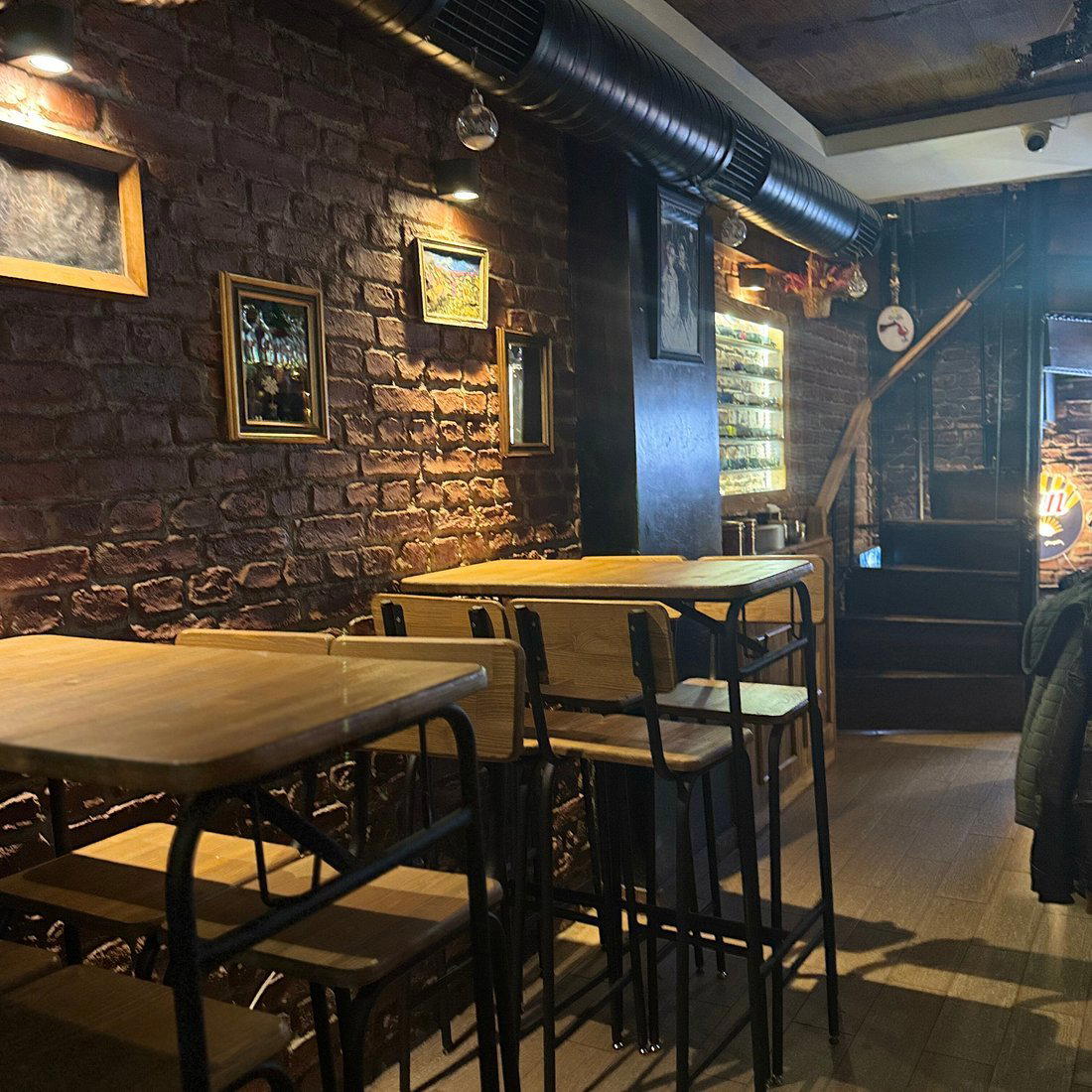
The venue sits on Meserburnu Caddesi in Sarıyer, the northern edge of Istanbul's European shore, where the city thins out and the Bosphorus dominates. Restaurants in this part of the city tend to feel local and unhurried rather than destination-driven. Erdal Chef fits that character: a neighbourhood address rather than a scene.
Is Erdal Chef a good option for visitors coming from central Istanbul to Sarıyer specifically to eat?
Sarıyer is 30 to 45 minutes from Taksim by taxi, or reachable by Bosphorus ferry to the Sarıyer iskele, which makes the journey itself part of the logic. Visitors who make that trip typically do so for the northern shore atmosphere rather than a single address. Erdal Chef on Meserburnu Caddesi sits within that context, making it a reasonable anchor for a half-day in the area rather than a standalone destination requiring advance planning.
What should I order at Erdal Chef?
The upper Bosphorus has a well-established culinary identity built around seasonal Black Sea fish: hamsi in autumn and winter, lüfer when the season allows.
What part of town is Erdal Chef in?
Erdal Chef is located at Sarıyer, Meserburnu Cd. No, Sar Yer.
How hard is it to get a table at Erdal Chef?
No booking data, phone number, or reservation system is publicly confirmed for Erdal Chef at this time. For restaurants in Sarıyer at this address tier, arriving in person or asking locally tends to be the most reliable approach, particularly on weekends when the Bosphorus road draws more Istanbul visitors north.
What's the defining dish or idea at Erdal Chef?
The defining idea along this part of the Bosphorus is proximity: kitchens here have historically drawn their identity from the strait and the Black Sea fisheries it connects to.
Pricing, Compared
| Venue | Cuisine | Price |
|---|---|---|
| Erdal ChefThis venue (the venue you are viewing) | Turkish | Not listed |
| Kuzubeyi Kuzu Çevirme Zekeriyaköy | Turkish Grilled Lamb Specialist | $30–50 |
| Scalini Istanbul | Traditional Italian | Not listed |
Continue exploring
More in Sar Yer
Restaurants in Sar Yer
All restaurants in Sar Yer →
Bars in Sar Yer
Browse all →
Details
- Dinner
- A La Carte
warm and welcoming