Cappadocian Cuisine
Our verdict
Cappadocian Cuisine sits on Uzundere Caddesi in Nevsehir Merkez, bringing the deep pantry of central Anatolian cooking to one of Turkey's most visited regions. The restaurant draws on a food tradition shaped by volcanic terrain, pastoral livestock culture, and centuries of Silk Road exchange. It is a practical base for exploring what the region's kitchens have always produced before tourism reframed the conversation.

Pearl is the En Primeur Club membership app — saves, bookings, and concierge access live there. Same editors, same standards.
- Address
- Uzundere Caddesi, Aydınlı, Orta Mahalle No
- Phone
- +903842712701
- Hours
- Mon 11 AM–10:30 PMTue 10 AM–10:30 PMWed–Sun 11 AM–10:30 PM
- Directions
- Get directions
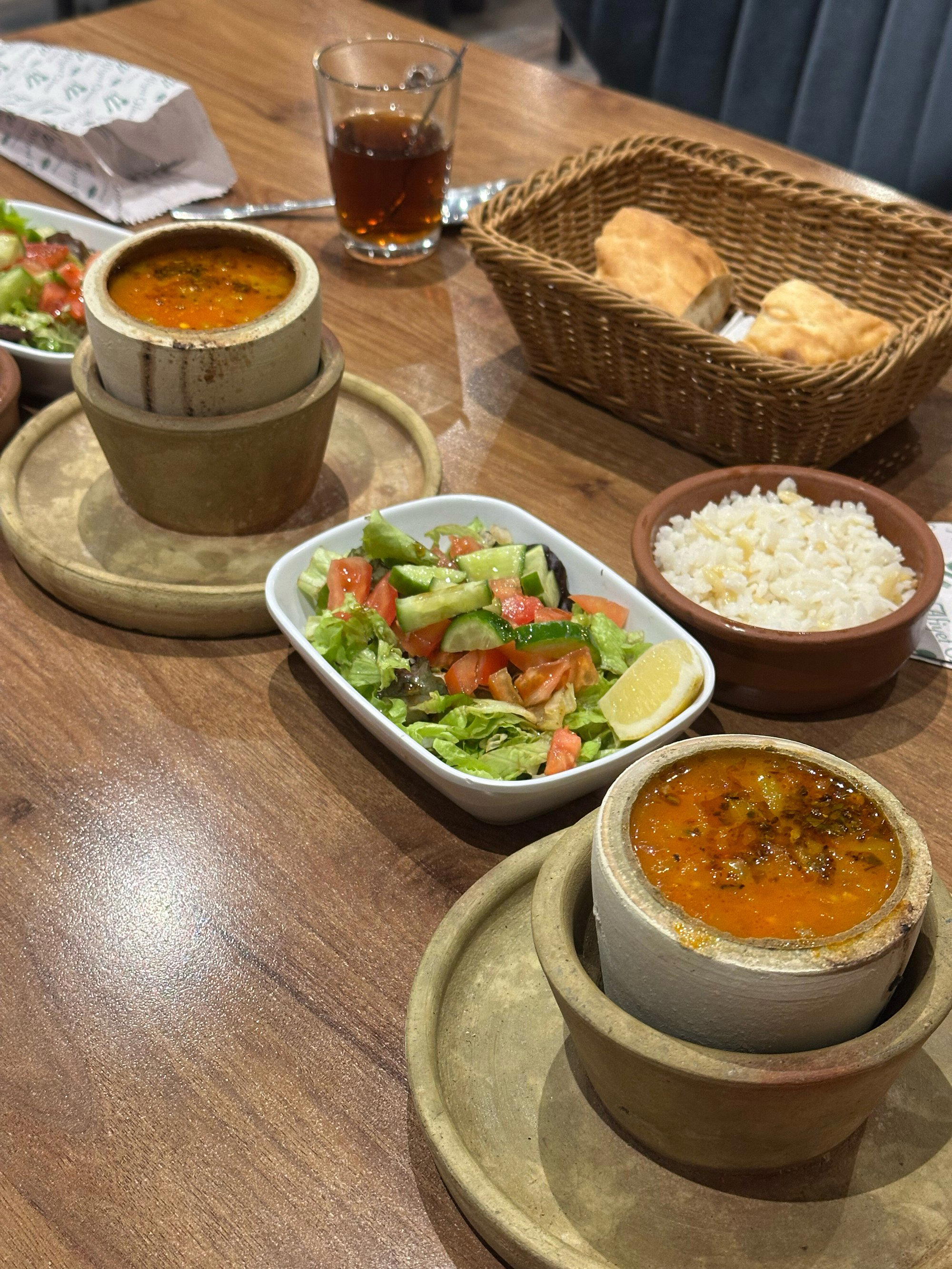
The menu
What to order
- Pottery kebab
- Manti
- Lentil soup
Stone, Salt, and the Anatolian Table
Approaching the volcanic plateau of Cappadocia, the landscape gives you your first clue about the cooking. The same tuff formations that hollowed out the region's famous cave dwellings also shaped an agricultural economy built on dry-climate grains, small livestock, and wild herbs that survive the plateau's cold winters and blazing summers. The cuisine that emerged from this geography is not decorative. It is practical, technically layered, and deeply connected to preservation traditions that predate modern refrigeration by centuries. Cappadocian Cuisine, located on Uzundere Caddesi in the Orta Mahalle district of Nevsehir Merkez, positions itself inside that tradition.
Nevsehir sits at the administrative heart of the Cappadocia region, making it the logistical anchor for most visitors who spread out to Göreme, Ürgüp, and the surrounding valleys. The city itself receives less editorial attention than its more photogenic neighbours, but its restaurants operate within the same culinary inheritance. For a broader orientation to what the area's dining scene covers, the full Nevsehir Merkez restaurants guide maps the range across price points and formats.
What Central Anatolian Cooking Actually Means
Turkish regional cuisine is frequently flattened into a single national identity when presented to international visitors, but the differences between coastal Aegean cooking and the inland Anatolian table are substantial. Where western Turkey works with olive oil, fresh seafood, and early-season vegetables, the central plateau built its larder around slow-cooked lamb, dried legumes, fermented dairy, and wood-fired techniques that concentrate rather than brighten flavour. Testi kebab, the clay pot preparation that seals ingredients inside an earthenware vessel and cracks it tableside, is probably the most recognisable symbol of this tradition, but the deeper architecture of the cuisine runs through its soups, its bread culture, and its use of tarhana, the fermented wheat-and-vegetable mixture that functions as both seasoning and base.
This is the context that gives a restaurant like Cappadocian Cuisine its natural reference frame. The question for any kitchen working this territory is not whether to use the traditional vocabulary, but how faithfully and with what degree of technical rigour. Comparable questions are being asked at different price points elsewhere in Turkey: Turk Fatih Tutak in Istanbul applies a fine-dining lens to Anatolian ingredients, while places like Aravan Evi in Ürgüp and Nahita Cappadocia in Nevsehir work the same regional source material at a more accessible register. The spectrum is wide, and understanding where a given kitchen sits within it is the first useful piece of information a traveller needs.
The Cappadocian Pantry in Practice
Central Anatolian cooking rewards patience from both the cook and the diner. The most structurally interesting preparations take time: dried apricots reconstituted in lamb stock, wheat berries slow-cooked until they absorb the surrounding broth, yogurt strained to a density that lets it hold against hot butter and dried chilli. These are not techniques that translate well to high-turnover service, which is one reason why the restaurants in this region that do them properly tend to operate at a measured pace. Visitors arriving with coastal or metropolitan expectations about timing should adjust accordingly.
The wine question in Cappadocia is also worth addressing directly. The region has a documented history of viticulture stretching back thousands of years, and a contemporary natural wine movement has grown around indigenous varieties including Emir and Öküzgözü. Several of Turkey's most discussed producers are within the same volcanic zone, which means a kitchen committed to regional pairing has genuinely interesting local material to work with. For comparison, Maçakızı in Bodrum and Narımor in Izmir both demonstrate what thoughtful engagement with Turkish wine producers looks like at the table.
Placing the Restaurant in Its Neighbourhood Context
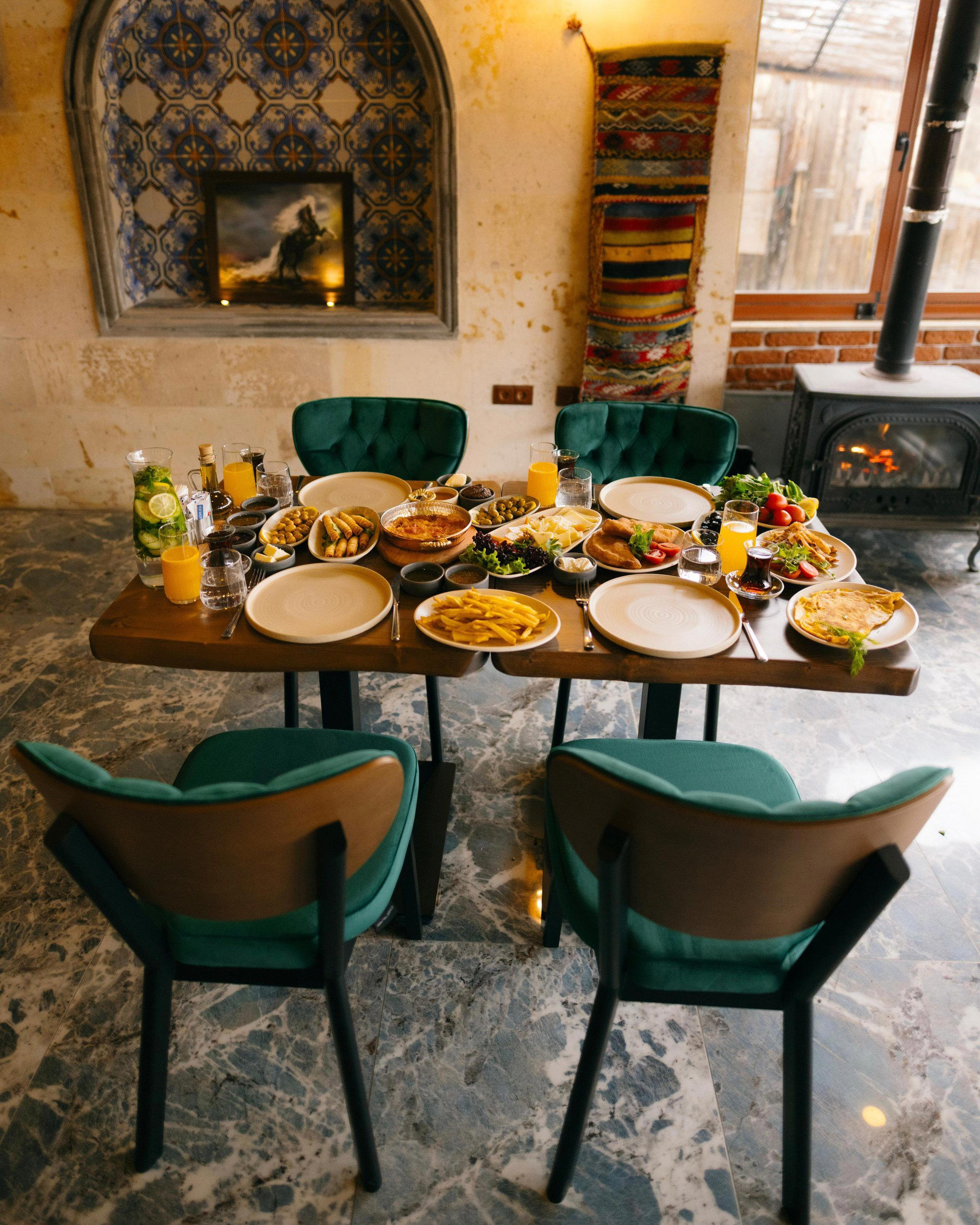
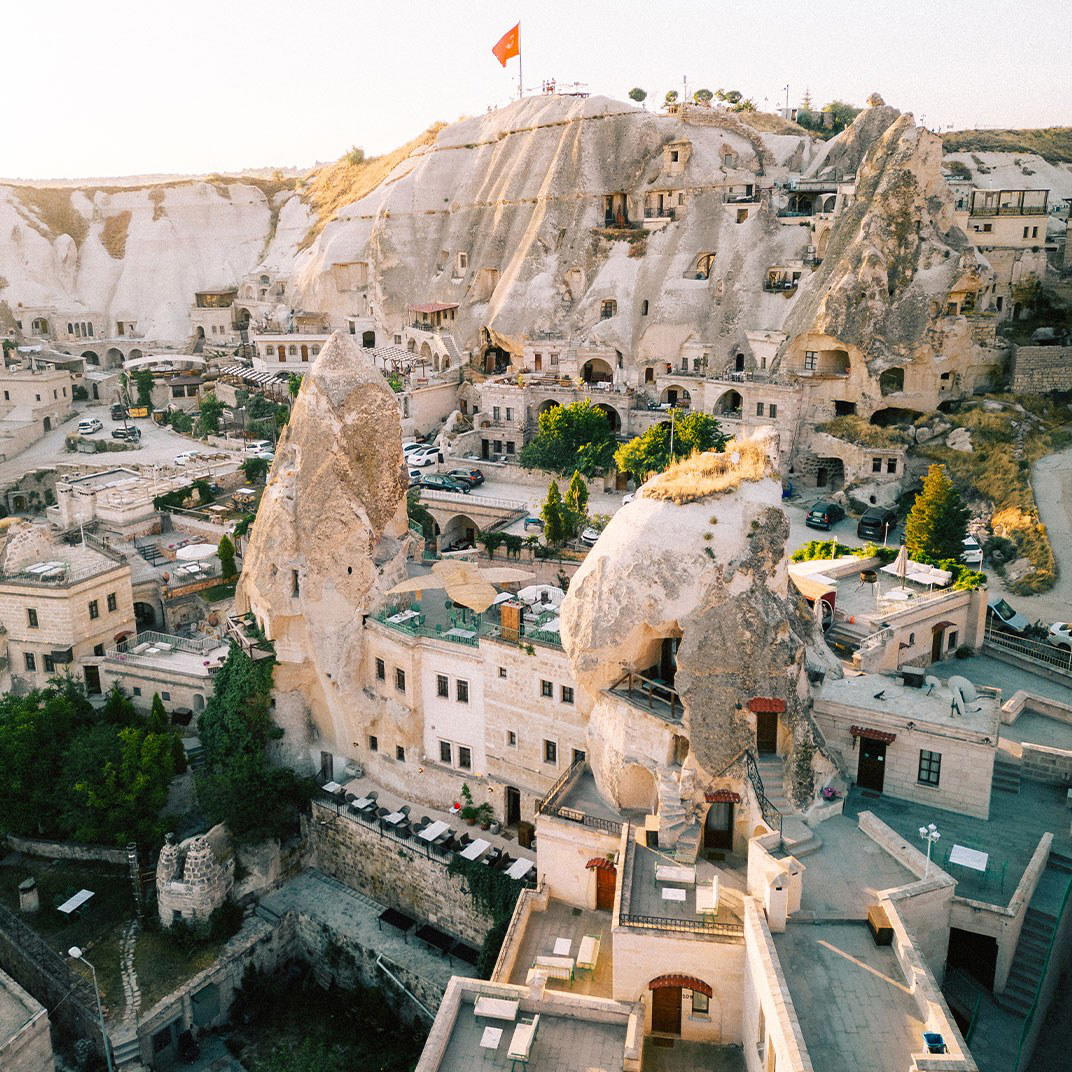
Uzundere Caddesi is a working street in Nevsehir Merkez rather than a curated dining strip, which shapes the atmosphere around most of the restaurants along it. The dining rooms in this part of the city tend toward the direct: functional furniture, local clientele alongside tourists, and a service style that is hospitable without being performative. This is not the same experience as the terrace dining that dominates Ürgüp's visitor economy, nor the high-design hotel restaurants that have multiplied across the valley over the past decade. It represents a different, arguably more grounded entry point into the region's food culture.
Other restaurants operating in and around this part of Nevsehir include Lil'a Restaurant, Lilith Restaurant, and Cappadocia Sunrise Breakfast, each approaching the local offering from a slightly different angle. The presence of Quick China Kapadokya in the same district reflects the region's growing international visitor base and the pragmatic diversification that follows from it.
For context on how similar regional-cooking formats work elsewhere in Turkey, Mezegi in Fethiye, Agora Pansiyon in Milas, and Ahãma in Göcek each demonstrate the range of approaches that regional Turkish kitchens bring to indigenous ingredients. Further afield, Poyraz Sahil Balık Restaurant in Beykoz, Kokorecci Asim Usta in Bornova, and Divia by Maksut Aşkar in Marmaris illustrate how deeply the country's dining culture varies by coastline and tradition. For international reference points on what serious regional-cuisine commitment looks like at a higher technical tier, Le Bernardin in New York City and Lazy Bear in San Francisco both make the case for how culinary specificity and regional identity can coexist with formal ambition.
Planning Your Visit
Cappadocian Cuisine is located at Uzundere Caddesi, Aydınlı, Orta Mahalle No, in Nevsehir Merkez. The region draws its heaviest tourist traffic between April and June and again in September and October, when hot-air balloon conditions are most reliable, so reservations made at least several days ahead are a sensible precaution during those windows.
Frequently asked questions
What part of town is Cappadocian Cuisine in?
Cappadocian Cuisine is located at Uzundere Caddesi, Aydınlı, Orta Mahalle No, Nevsehir Merkez.
Does Cappadocian Cuisine serve regional Cappadocian wine alongside its food?
The Cappadocia region holds one of Turkey's oldest documented viticulture histories, with indigenous varieties including Emir, a white grape native to the Nevsehir area, and Öküzgözü grown across central Anatolia. Asking the kitchen or front-of-house directly about local bottles is worthwhile given the strength of the surrounding appellation.
What should I order at Cappadocian Cuisine?
The kitchen works within a central Anatolian tradition built around slow-cooked lamb, wood-fired preparations, and fermented pantry ingredients. Testi kebab, sealed in a clay pot and cracked open at the table, is the preparation most specific to this region and the one that best reflects how Cappadocian cooking operates. Beyond that, expect dried-fruit-based preparations and dishes that reflect the volcanic plateau's preserved, slow-pantry approach rather than Istanbul-style fast grilling.
How far ahead should I plan for Cappadocian Cuisine?
Nevsehir Merkez sits at the geographical centre of Cappadocia, one of Turkey's highest-traffic visitor regions, and demand concentrates sharply in spring and autumn when balloon-season and harvest tourism peaks. Uzundere Caddesi is a working neighbourhood street rather than a tourist strip, so the crowd profile skews more local than at hotspot-zone restaurants, but planning at least a few days ahead during peak months is sensible. Since current booking contacts are not confirmed, arriving early or checking locally on arrival is the practical approach.
Budget and Context
| Venue | Cuisine | Price | Awards |
|---|---|---|---|
| Cappadocian CuisineThis venue — the venue you are viewing | Authentic Cappadocian Turkish | Not listed | Not listed |
| Cappadocia Sunrise Breakfast | Traditional Turkish Breakfast | $20–30 | Not listed |
| Lil'a Restaurant | Traditional Turkish Anatolian | $30–50 | Relais Chateaux Award · Gault & Millau Türkiye 2 Toques |
| Lilith Restaurant | Turkish-Italian Fusion | Not listed | Not listed |
| Quick China Kapadokya | Chinese-Japanese Fusion | $10–20 | Not listed |
Continue exploring
More in Nevsehir Merkez
Restaurants in Nevsehir Merkez
Browse all →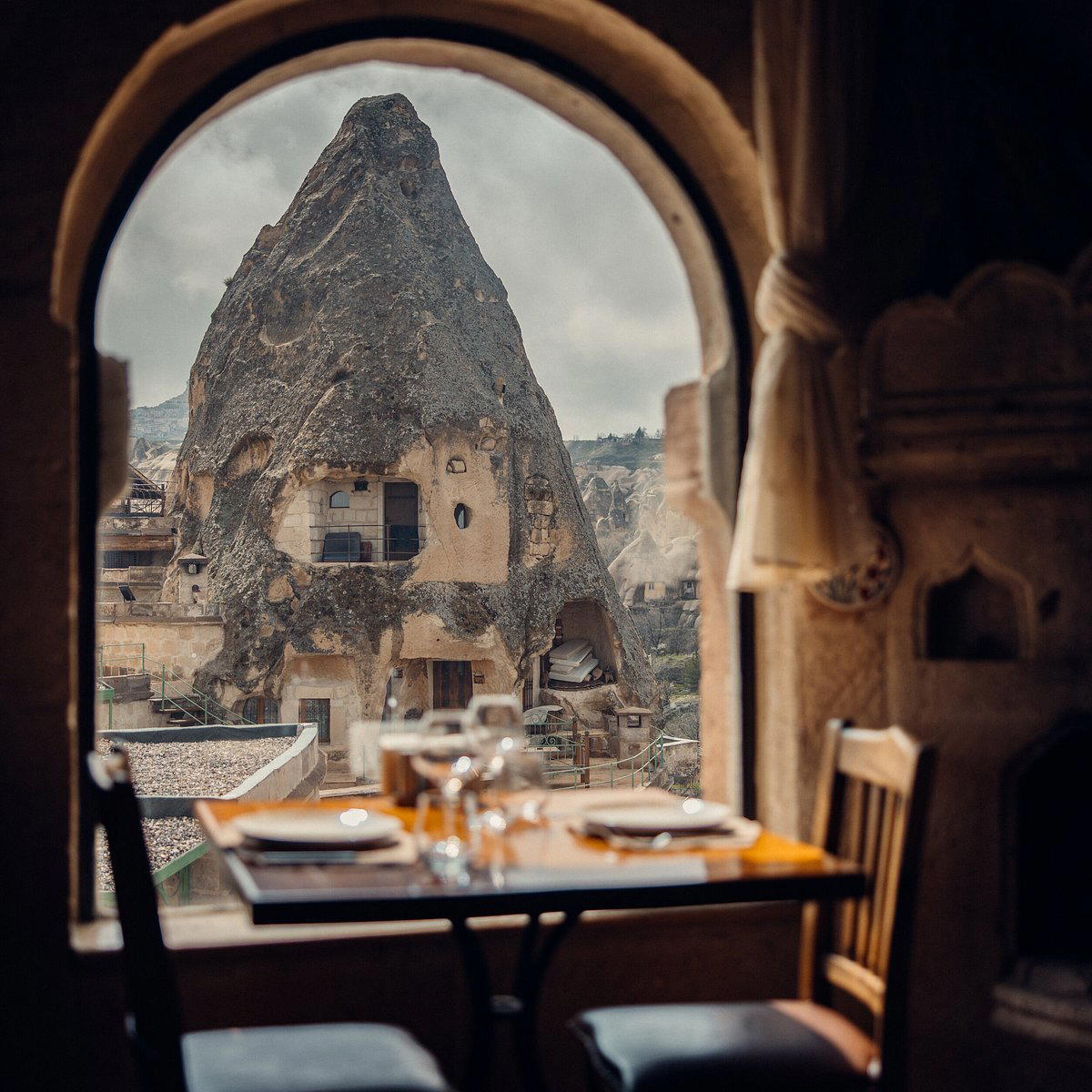
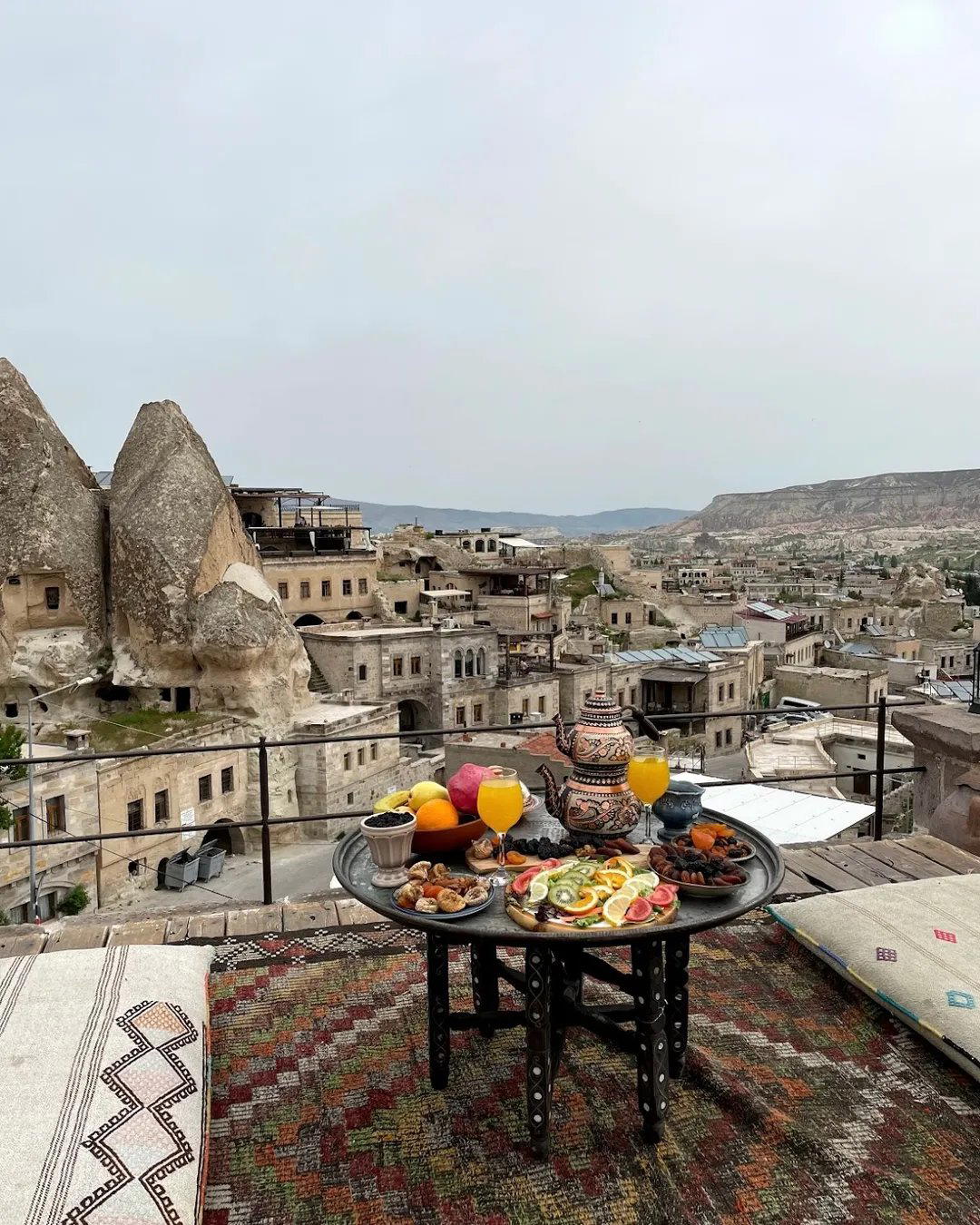
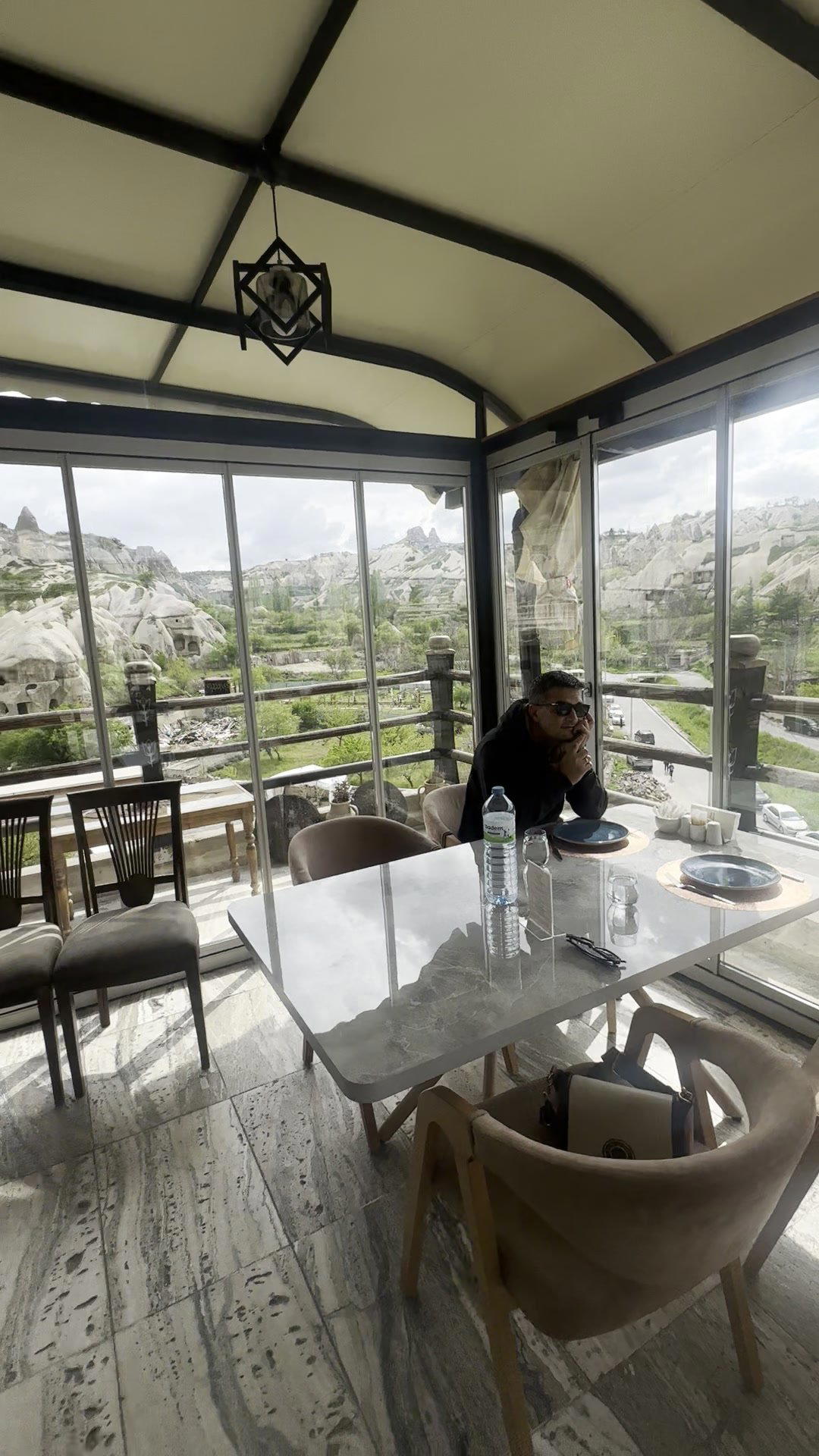
Bars in Nevsehir Merkez
Browse all →
Details
- Rustic
- Cozy
- Casual Hangout
- Family
- Local Sourcing
- A La Carte
- Set Menu
- Vegan Options
- Vegetarian Friendly
Current opening hours
- Monday
- 11 AM–10:30 PM
- Tuesday
- 10 AM–10:30 PM
- Wednesday
- 11 AM–10:30 PM
- Thursday
- 11 AM–10:30 PM
- Friday
- 11 AM–10:30 PM
- Saturday
- 11 AM–10:30 PM
- Sunday
- 11 AM–10:30 PM
Hours can change for holidays and private events. Last verified .
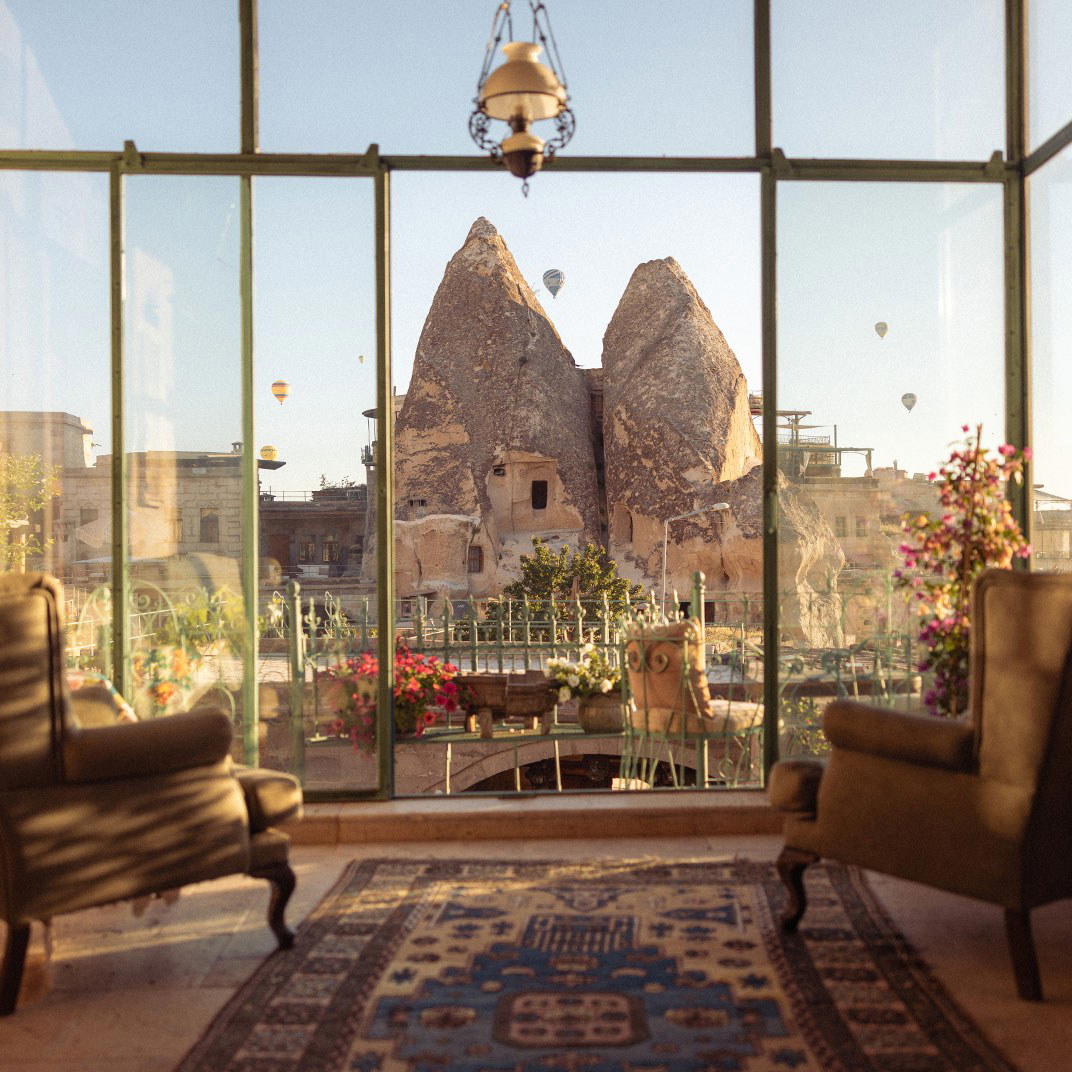
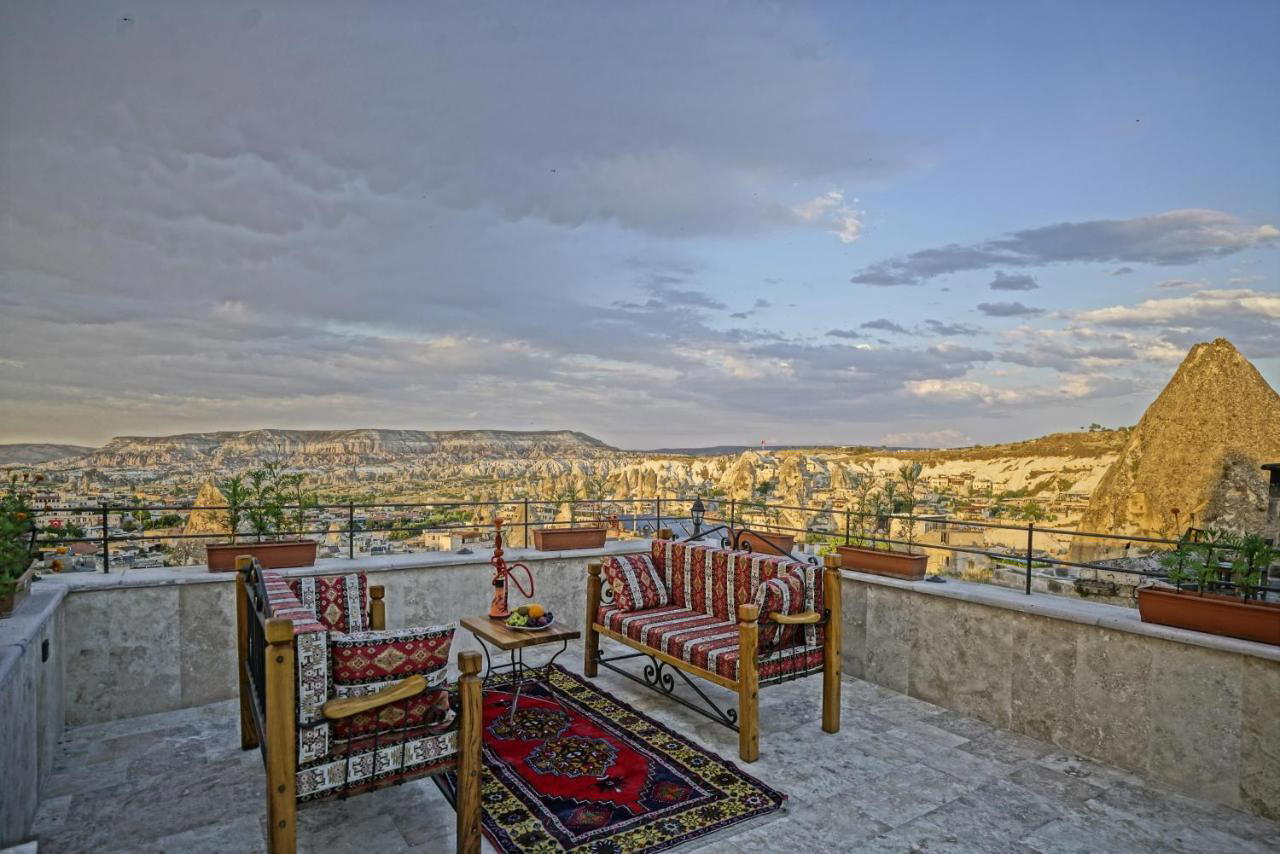
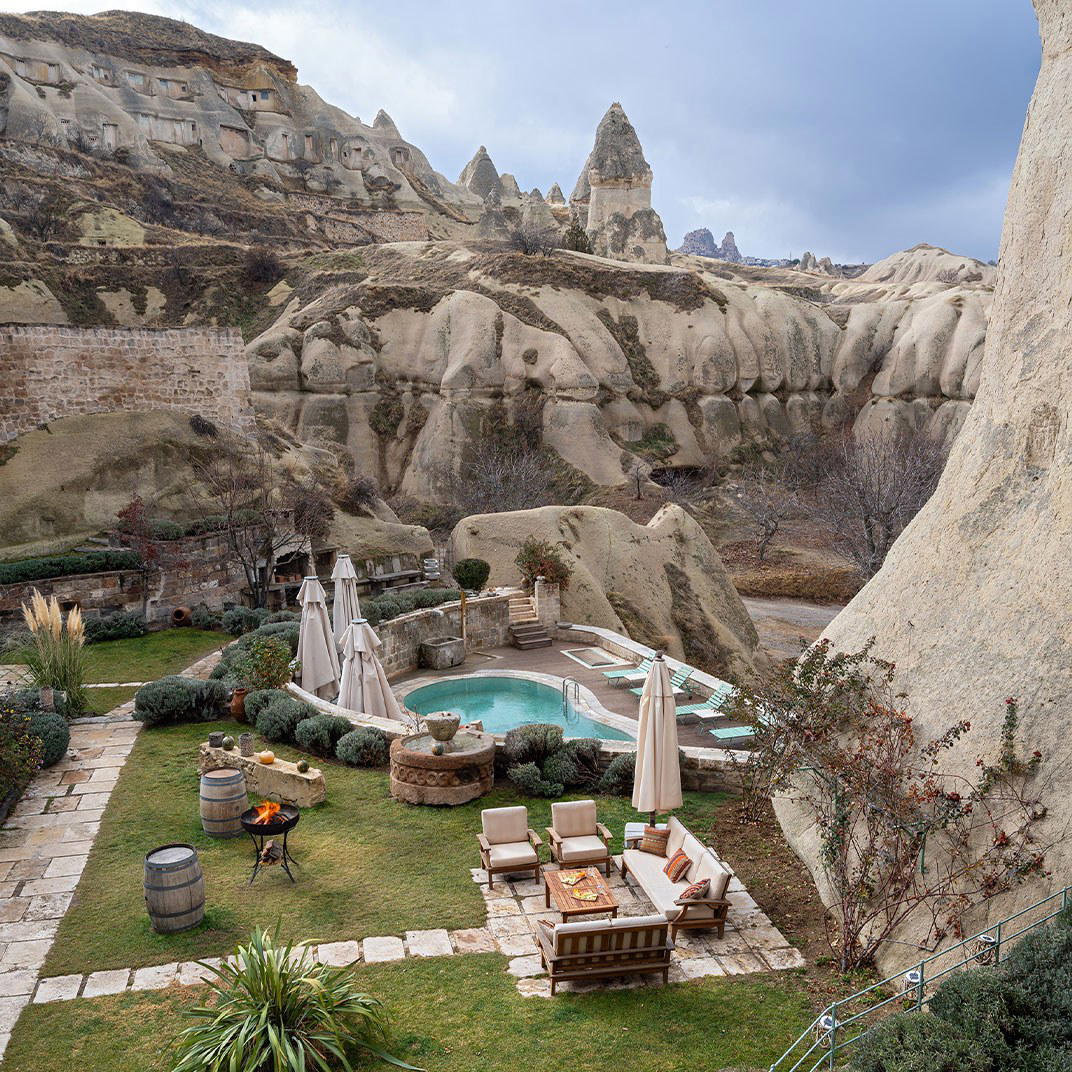
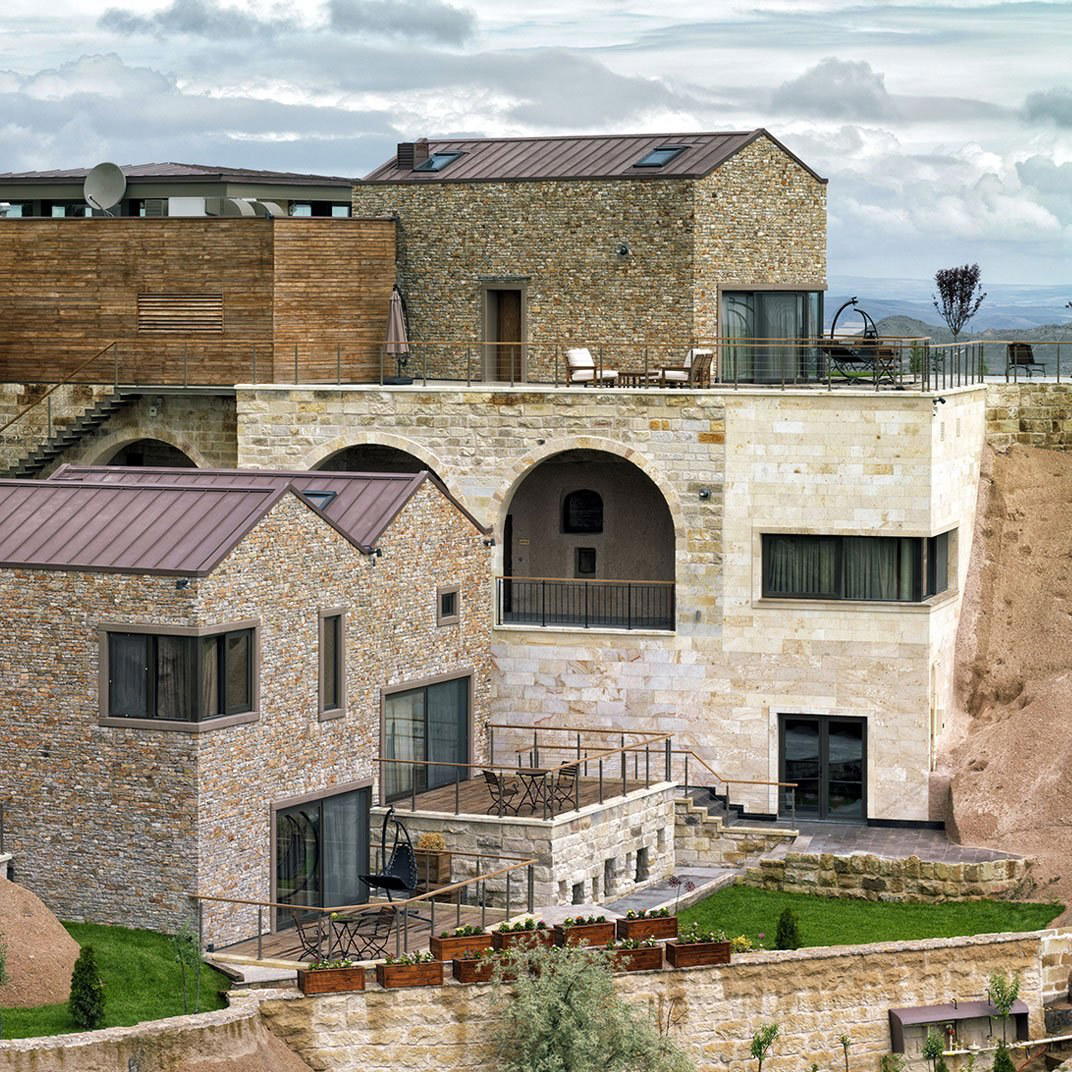
Charming and welcoming with a casual, rustic family atmosphere featuring fresh local ingredients and genuine hospitality.