
World Travel Awards
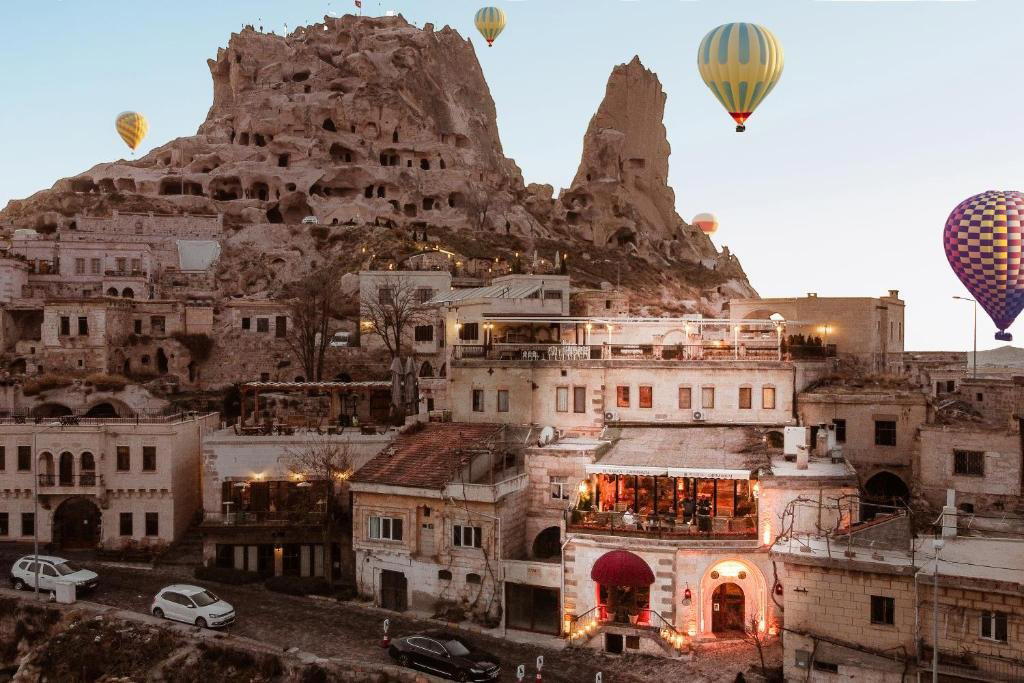
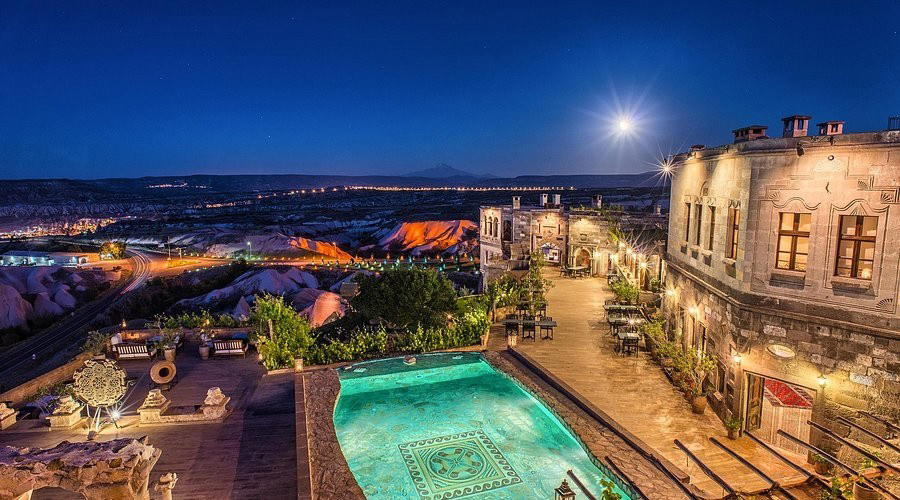
Named Türkiye's Leading Cave Hotel at the 2025 World Travel Awards, Hu of Cappadocia occupies the volcanic rock terrain of Uçhisar, where the region's ancient tufa architecture sets the terms for how a property feels before a guest ever reaches reception. The hotel operates within that centuries-old geological tradition while positioning itself at the premium end of Cappadocia's increasingly competitive cave-hotel tier.

Pearl is the En Primeur Club membership app, where members save venues, book tables and use the concierge.
Stone, Space, and the Logic of Cave Architecture
Arriving in Uçhisar, the visitor confronts a landscape shaped not by architects but by millennia of volcanic activity and human necessity. The soft tufa rock that defines Cappadocia was hollowed out by early inhabitants who understood that the earth itself could regulate temperature, absorb sound, and provide structural permanence that no surface building could match. That logic, developed across centuries of habitation, is the foundation on which every serious cave hotel in the region must now build its case. Hu of Cappadocia enters that conversation as the 2025 World Travel Awards winner for Türkiye's Leading Cave Hotel, a credential that positions it at the top of a category with genuine depth and serious competition.
The distinction matters because the cave-hotel category in Cappadocia is not shallow. Properties across Ürgüp, Göreme, and Uçhisar have spent the past two decades converting ancient rock chambers into accommodation ranging from budget guesthouses to five-star suites, and the upper tier has become genuinely contested. To be recognised above that field in 2025 signals a level of execution across physical design, service architecture, and spatial coherence that goes beyond simply preserving a rock ceiling and calling it authentic.
What Uçhisar Offers That Other Cappadocian Villages Do Not
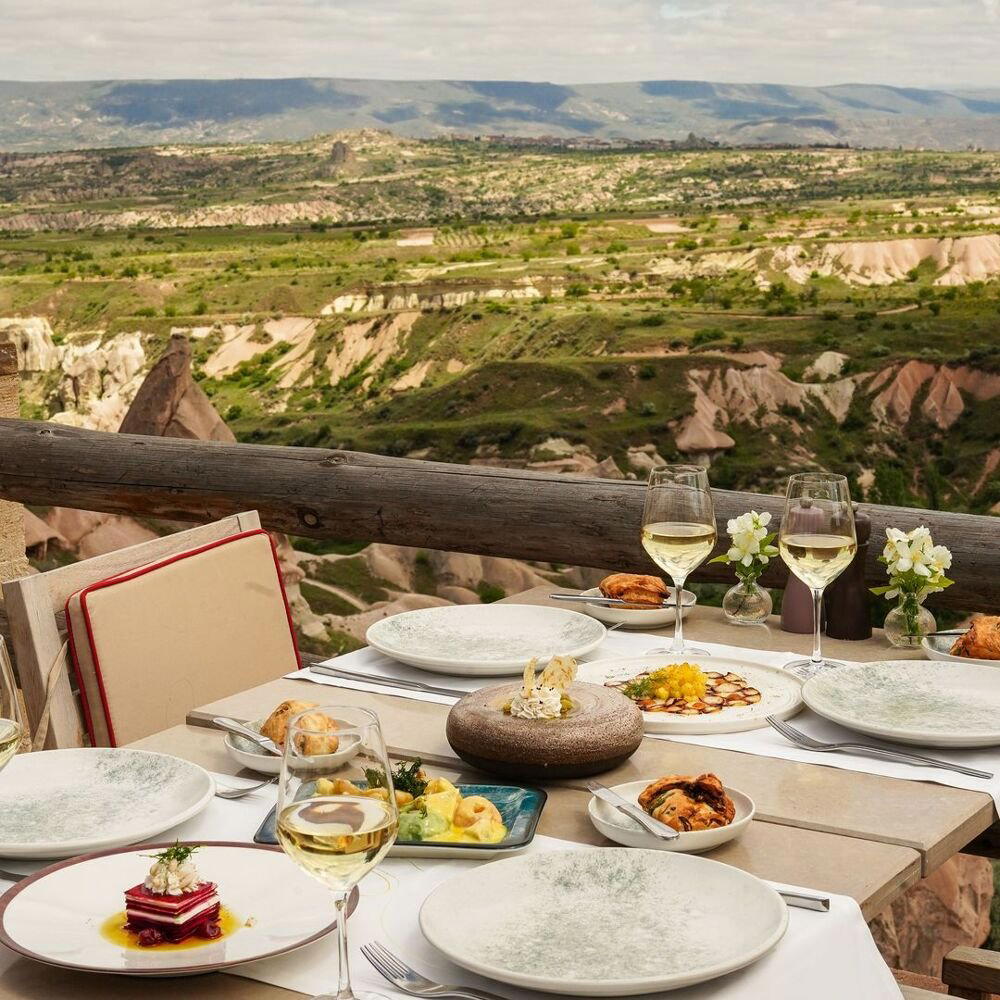
Village selection matters enormously in Cappadocia, and Uçhisar's position gives it specific advantages over Göreme or Avanos for a certain kind of traveller. The village sits at the highest natural point in the region, built around and into the great tufa citadel that has been inhabited since antiquity. That elevation translates into sightlines across the valleys that lower-altitude villages cannot replicate, and the relative quiet of Uçhisar compared to the tourist infrastructure density of Göreme makes it the address of choice for properties aiming at the premium end of the market.
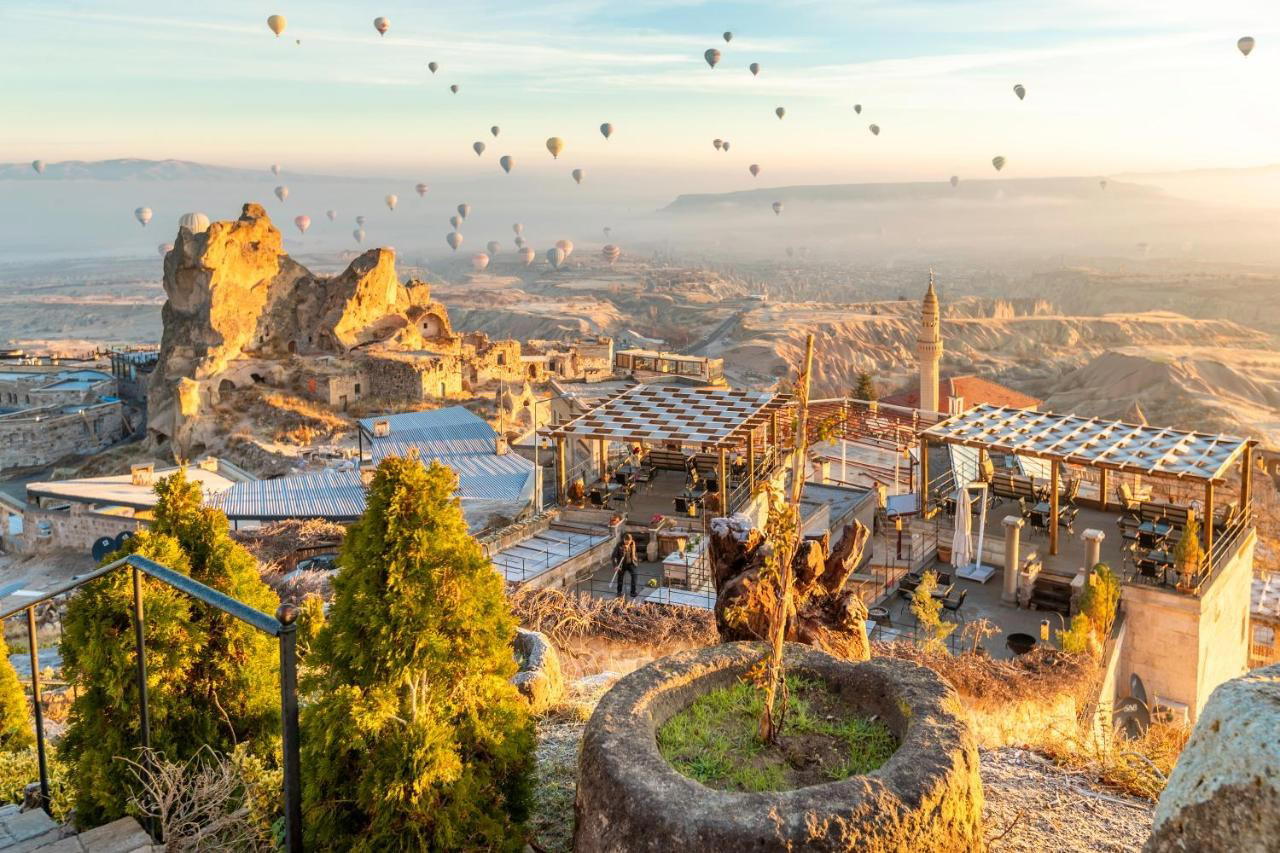
The village's proximity to the Pigeon Valley trailhead also means guests can walk directly into the landscape rather than arranging transport. Hot air balloon launches, which take place in the pre-dawn hours and remain one of the region's most visually specific experiences, are visible from Uçhisar's refined positions in a way that ground-level villages cannot offer. The practical access point for Cappadocia is Nevşehir Kapadokya Airport, approximately 15 kilometres away, or Kayseri Erkilet Airport roughly 75 kilometres distant, with transfers typically arranged through accommodation. Our full Uçhisar restaurants guide covers the dining options surrounding the area in detail.
The Architecture of Permanence
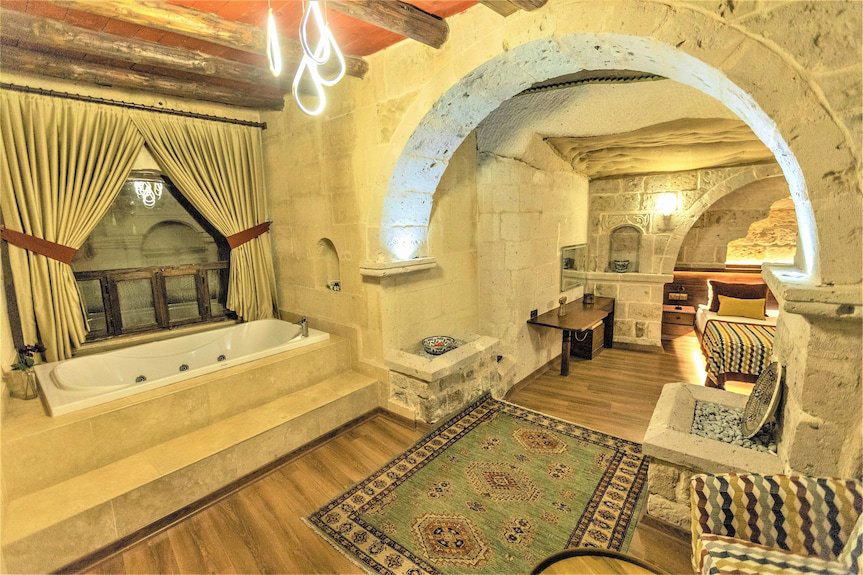
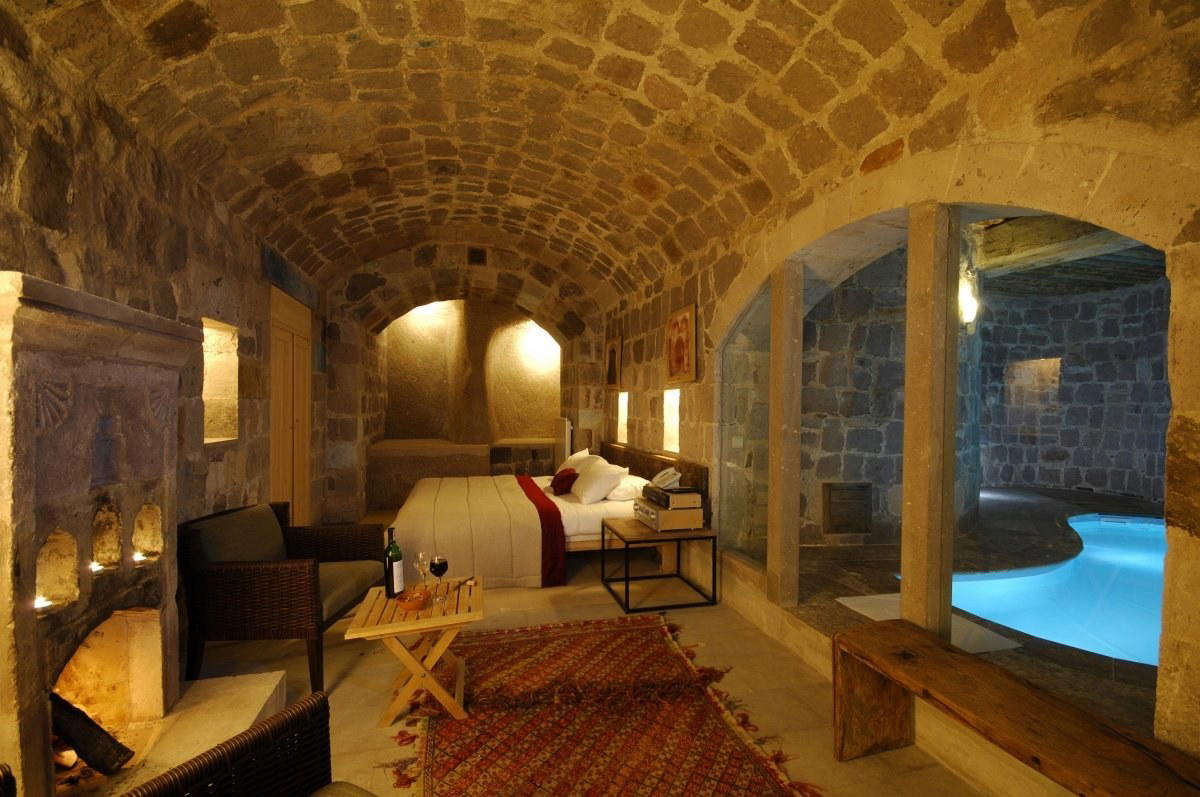
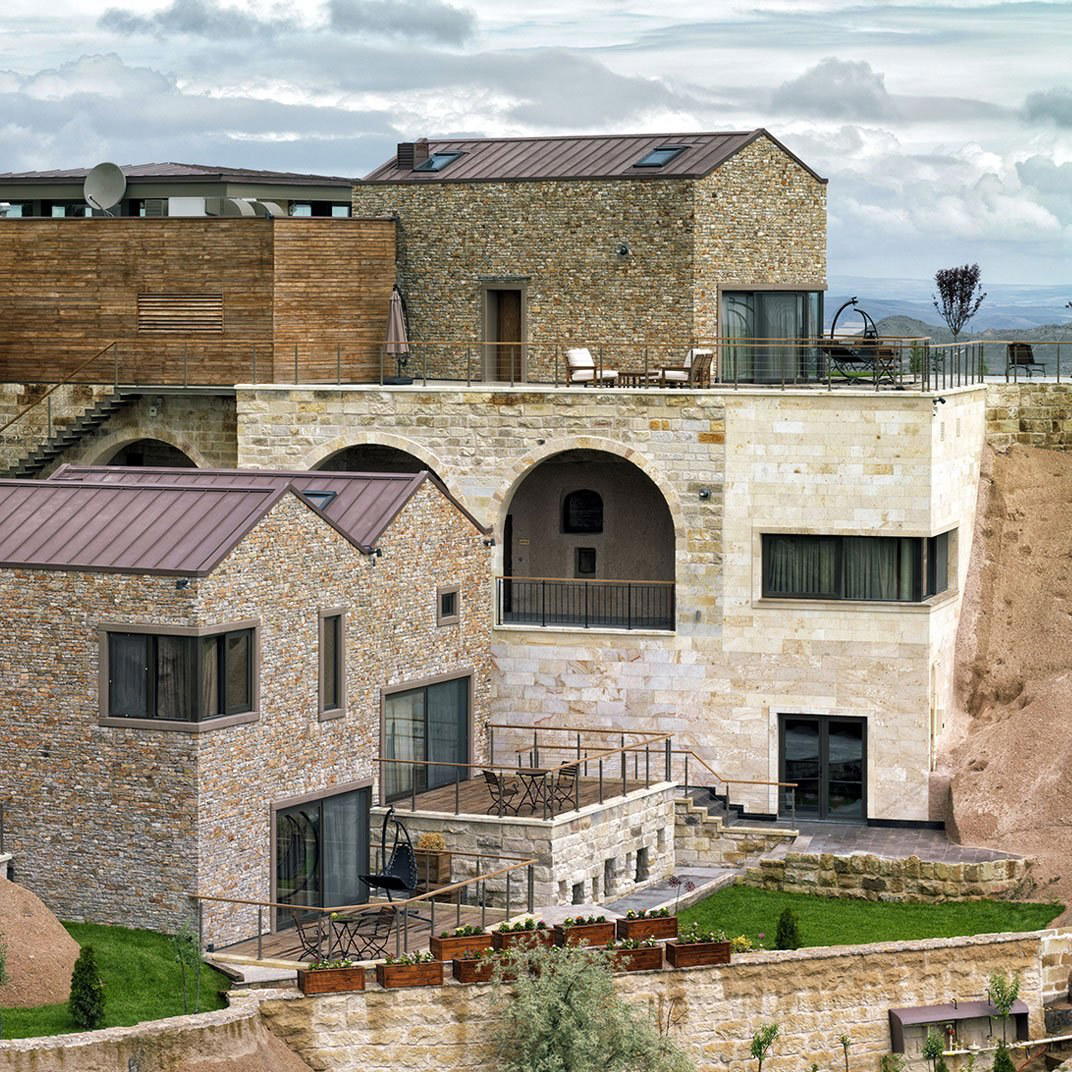
Cave hotels in Cappadocia operate within a design constraint that is simultaneously their greatest asset and their most demanding discipline: you cannot fundamentally alter the rock. The tufa walls, irregular ceiling heights, and curved geometries of carved chambers set the terms for every design decision that follows. Properties that work with these constraints tend to produce spaces with a tactile coherence that no conventional construction can replicate. The thermal mass of the rock maintains interior temperatures with minimal mechanical assistance, meaning that mid-summer heat and winter cold are both moderated by the stone itself rather than by industrial climate systems alone.
At the premium level, the challenge shifts from simply preserving these qualities to layering contemporary comfort into chambers never designed for hospitality. Plumbing, electrical infrastructure, and ventilation must be integrated without compromising the geological integrity that gives these spaces their character. The properties that manage this integration cleanly tend to be those where the physical seams between ancient rock and modern fixture are either invisible or deliberately celebrated as a design statement. The 2025 World Travel Awards recognition for Türkiye's Leading Cave Hotel suggests Hu of Cappadocia has resolved this tension at a level that judges assessed above its regional peers.
For travellers whose interest in design-led accommodation extends across Turkey, the contrast with coastal properties is instructive. Hotels like MACAKIZI BODRUM in Bodrum and Alavya in Alacati pursue a Aegean design vocabulary of whitewash, timber, and sea light, while Ahãma in Göcek takes a different approach to boutique coastal positioning. Cappadocia's cave hotels operate in a completely separate register, where geological material rather than architectural ambition is the primary design ingredient.
Placing Hu of Cappadocia in Turkey's Premium Hotel Tier
Turkey's premium accommodation market has diversified significantly over the past decade. Istanbul carries the formal luxury tier, with properties like the large-format resort hotels of Belek anchoring a different segment, while the Aegean and Mediterranean coasts run on a seasonal model tied to summer demand. Cappadocia occupies its own year-round position, where the landscape itself drives visitation and the season extends well beyond summer into autumn balloon season and winter snowscapes over the valleys.
Within Turkey's awarded hotel cohort, the World Travel Awards represent one of the more broadly monitored recognition systems, and a national-category win carries weight as a peer-comparison signal. Properties competing for Türkiye's Leading Cave Hotel are assessed against one another rather than against general luxury hotel benchmarks, which means the award tells you something specific about category leadership. Turkey's wider hotel range includes Aegean options like Allium Bodrum Resort and Spa and D Maris Bay in Hisarönü, Mediterranean entries such as Hillside Beach Club in Fethiye and Kempinski Hotel The Dome Belek in Antalya, and urban options including Renaissance Izmir Hotel and Crowne Plaza Ankara.
Planning a Stay
Cappadocia's seasons each carry distinct character. Spring and autumn offer the most temperate conditions for outdoor activity, and October in particular combines harvest-season atmosphere with reliable balloon weather. Summer brings heat into the valleys that the cave interiors mitigate naturally, while winter delivers the dramatic image of snow-dusted fairy chimneys that photographers target specifically. Booking lead times at Uçhisar's premium properties tend to extend to several weeks ahead during peak autumn and early spring periods, with balloon flights requiring separate advance reservation through licensed operators. The village itself is walkable for guests staying centrally, though the broader valley trails and Göreme Open Air Museum require transfers or vehicle hire. For wider context on Turkish hotel options across different regions, properties like NG Phaselis Bay in Kemer, Regnum Carya in Belek, and Güral Premier Belek in Serik cover the resort coast, while Princes' Palace Resort in Büyükada and Akbıyık Cd. in Istanbul cover the Istanbul end of the market.
Fast Comparison
| Venue | Price | Awards |
|---|---|---|
| Hu of CappadociaThis venue (the venue you are viewing) | $1–100 | World Travel Awards |
| Çırağan Palace Kempinski Istanbul | Not listed | Michelin Selected · La Liste Top Hotels |
| Fairmont Quasar Istanbul | Not listed | Michelin Selected · Forbes Recommended |
| Four Seasons Hotel Istanbul at Sultanahmet | Not listed | 3 Michelin Keys · La Liste Top Hotels |
| Four Seasons Hotel Istanbul at the Bosphorus | Not listed | 1 Michelin Key · La Liste Top Hotels |
| JW Marriott Hotel Istanbul Marmara Sea | Not listed | Michelin Selected · Forbes 4-Star |
Recognition history
Dated appearances from independent guides and award organizations, with the underlying list record or original source where available.
World Travel Awards
World Travel Awards
Continue exploring
More in Uçhisar
Details
- Romantic
- Scenic
- Cozy
- Elegant
- Rustic
- Romantic Getaway
- Honeymoon
- Weekend Escape
- Panoramic View
- Terrace
- Wi Fi
- Pool
- Spa
- Room Service
- Concierge
- Restaurant
- Mountain
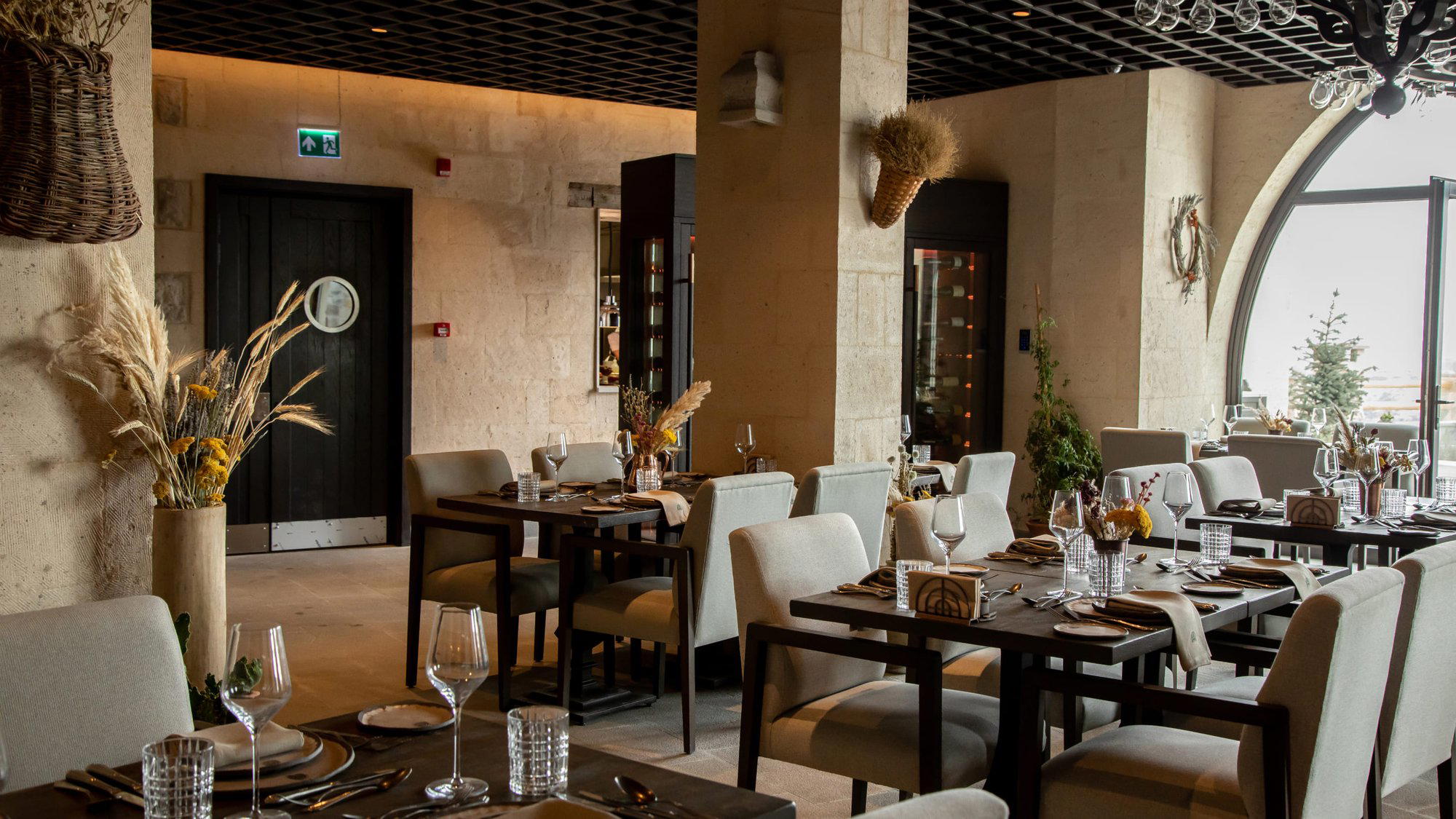
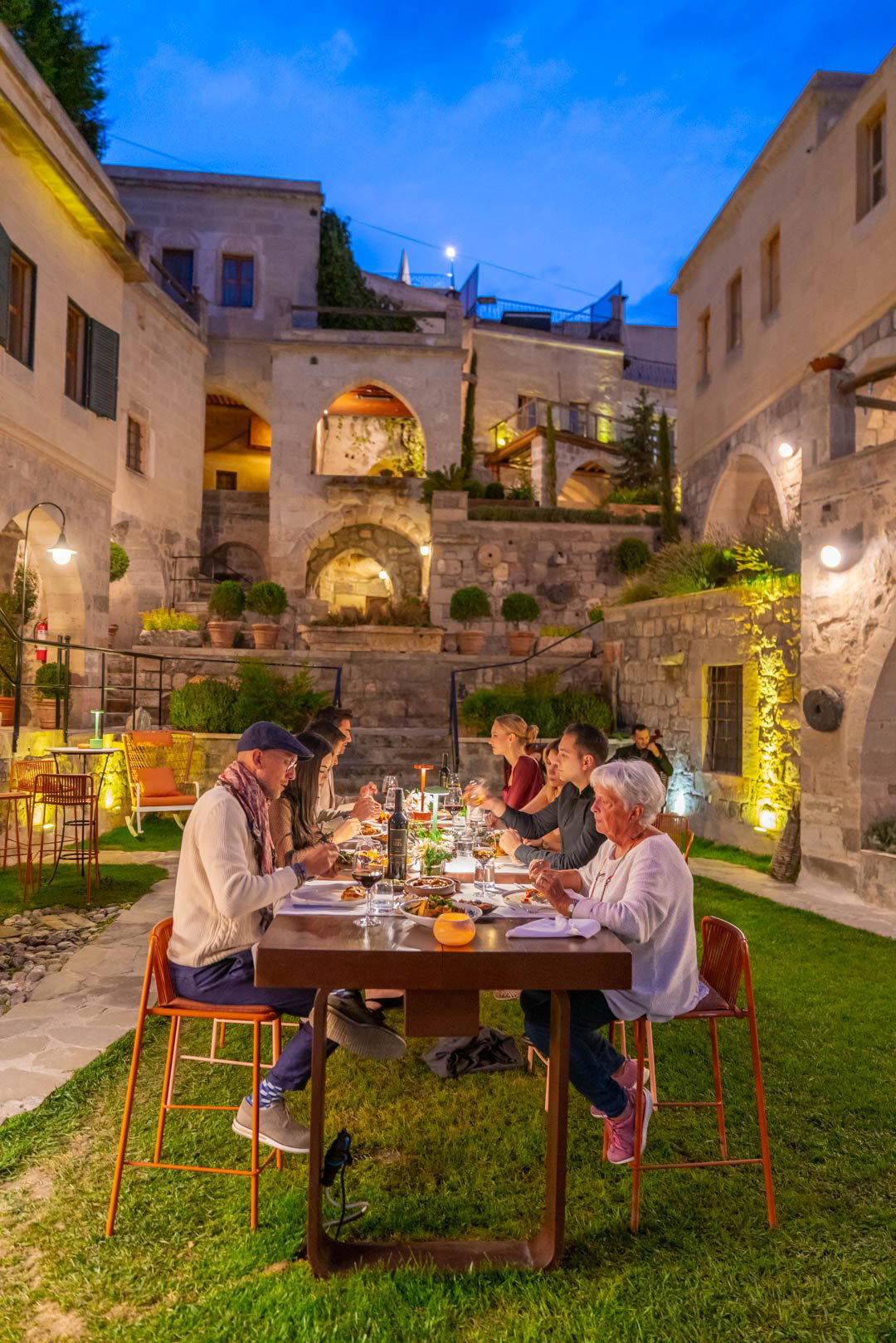
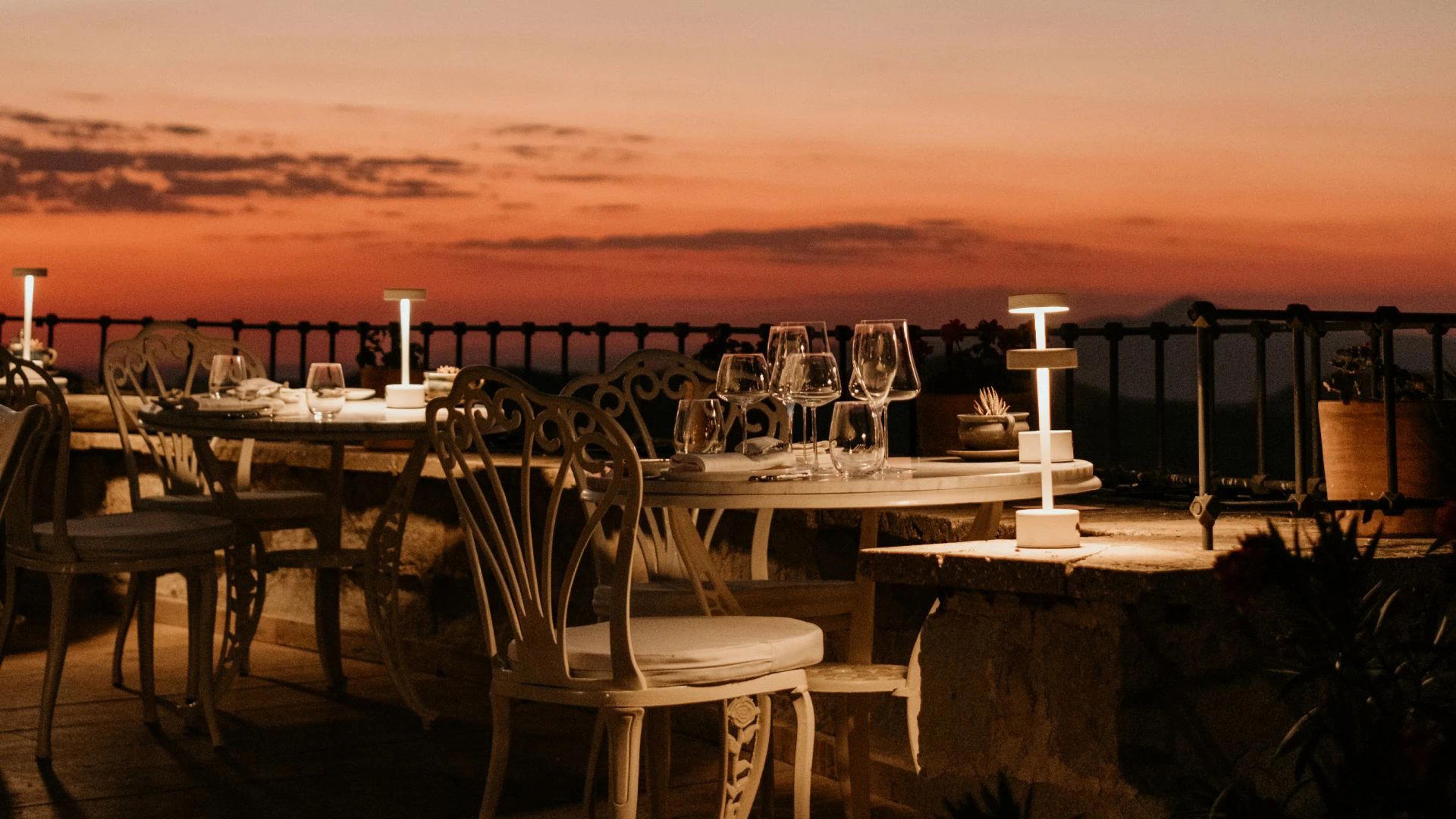
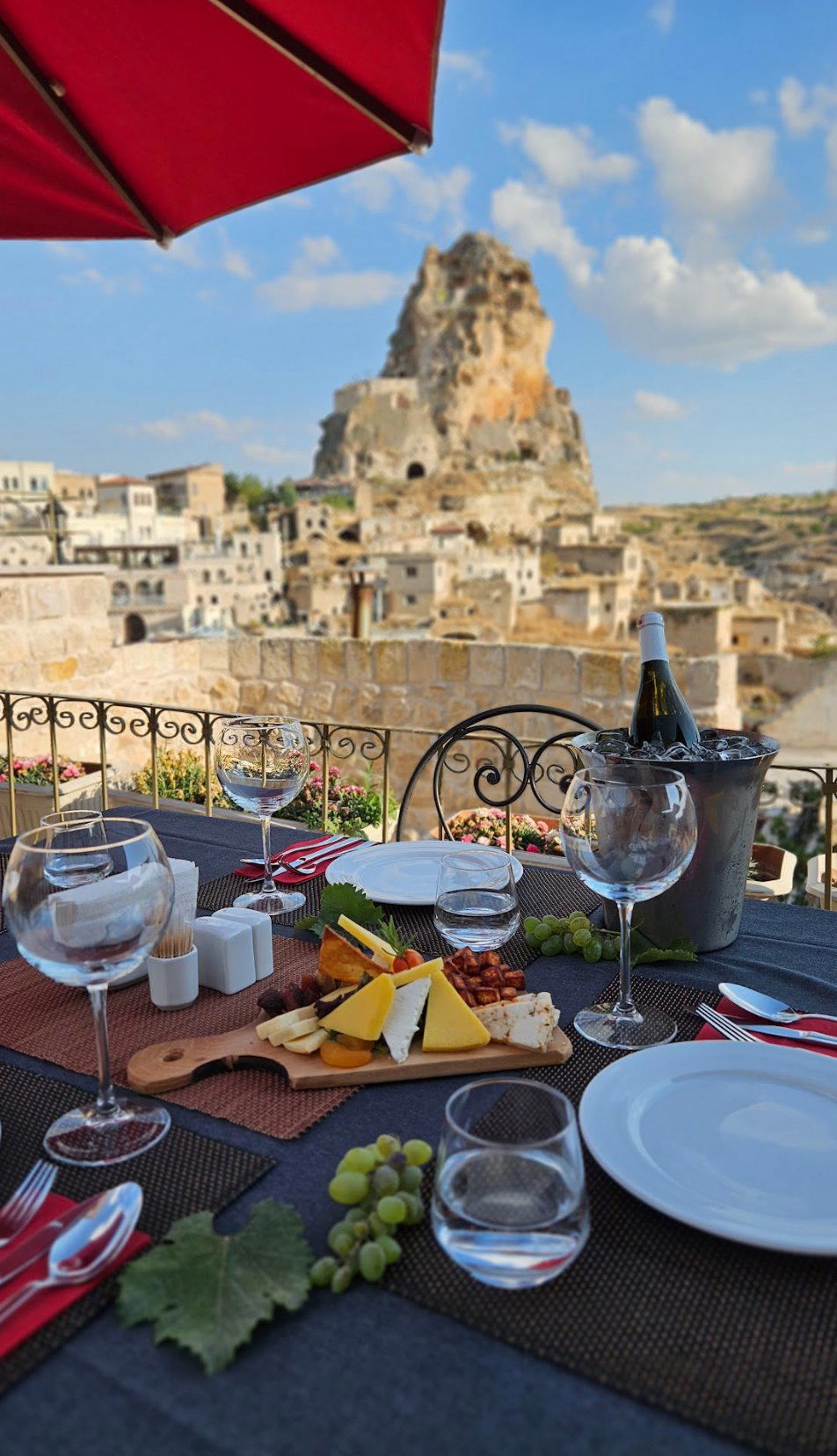
Mystical and cozy stone cave atmosphere with terrace overlooking valleys, warm lighting, and a welcoming fireplace in the lobby.