Greek cuisine in Stuttgart occupies a smaller, more personal tier than the city's French-inflected fine dining circuit, and The Greek Taste at Guts-Muths-Weg 6 in the southern Degerloch district sits within that neighbourhood-rooted category. For readers tracking Stuttgart's broader dining scene alongside Michelin-recognised addresses, this address represents a different register entirely, closer to tradition than to technique-driven experimentation.
Pearl is the En Primeur Club membership app — saves, bookings, and concierge access live there. Same editors, same standards.
- Address
- Guts-Muths-Weg 6, 70597 Stuttgart, Germany
- Phone
- +4971162037580
- Website
- thegreektaste.de
- Directions
- Get directions
 Saves & bookings on Pearl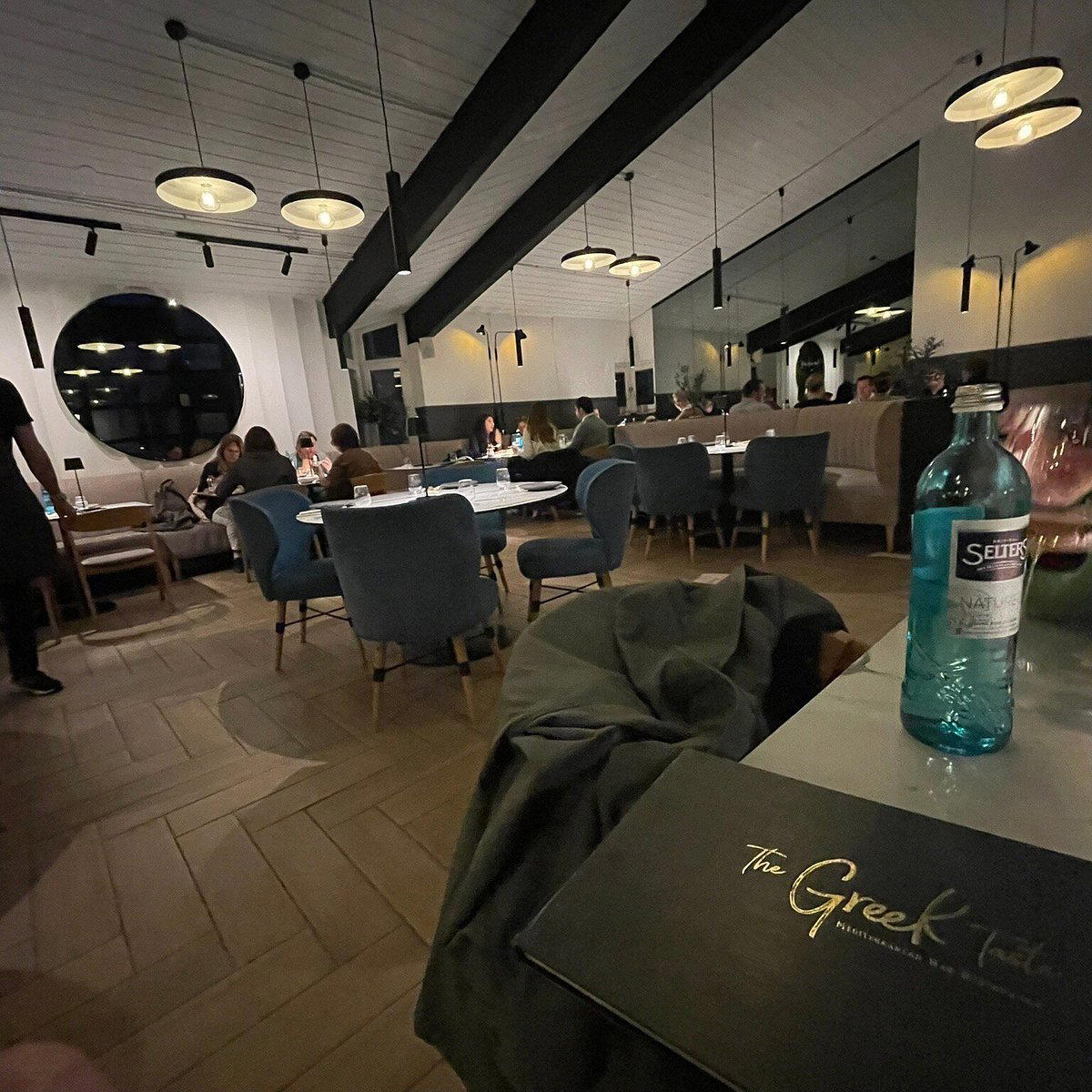
Greek Dining in Stuttgart: A Different Register
The Greek Taste is a modern Greek restaurant in Stuttgart, Germany, in the Degerloch district, with a typical price of about $25 per person. Stuttgart's restaurant scene is largely defined by its fine dining corridor: addresses like Speisemeisterei, 5, and Délice anchor a city that, for its size, punches well above its weight in Michelin recognition. That concentration of technically driven, produce-forward cuisine makes the city's ethnic and neighbourhood restaurants something of a counterpoint rather than a footnote. Greek cooking, with its emphasis on communal format, preserved tradition, and olive oil as a structural ingredient rather than a finishing touch, sits in a categorically different conversation from the tasting-menu circuit, and The Greek Taste, located on Guts-Muths-Weg in the southern Degerloch district, operates within that tradition.
Greek cuisine's presence in German cities has a long social history. Labour migration from Greece to West Germany, which accelerated through the 1960s, established a restaurant culture that became woven into the fabric of German urban dining. The vast majority of those establishments served accessible, affordable food aimed at broad audiences. Decades later, the question for any Greek restaurant in a city like Stuttgart is whether it occupies the continuation of that accessible tier, or whether it represents something more deliberate in sourcing, preparation, or format. The Greek Taste's address in Degerloch, a residential hillside neighbourhood rather than Stuttgart's commercial centre, situates it firmly in the neighbourhood-restaurant category, a setting that tends to reward regulars over first-timers.
The Cultural Weight of the Cuisine
Greek cuisine is frequently misread in northern European contexts as simple food. That misreading conflates simplicity of presentation with simplicity of technique. The reality is that Greek cooking demands precision in its restraint: olive oil quality determines whether a dish works at all, the timing on grilled octopus is unforgiving, and the balance of acid in avgolémono soup cannot be masked by additional seasoning. These are not dishes that benefit from improvisation. The leading Greek tables in Germany, and there are genuinely good ones, concentrated more in cities with larger Greek communities like Düsseldorf and Frankfurt than in Stuttgart, succeed because they resist the temptation to simplify for local taste preferences.
Stuttgart's dining public is accustomed to precision. The city's diners who cycle through Der Zauberlehrling or Hegel Eins understand what it means for a kitchen to have a point of view. That shared expectation, applied to a Greek table, raises the bar: familiarity with souvlaki and tzatziki is widespread enough in Germany that the differentiation has to come from elsewhere, sourcing, recipe fidelity, regional specificity within Greece itself, or simply the quality of the raw materials.
Degerloch as Dining Context
The Degerloch district sits on Stuttgart's southern plateau, above the city's main valley basin. It is primarily residential, with a local commercial character rather than a destination-dining identity. Restaurants here tend to draw from within a defined catchment of regulars rather than from city-wide foot traffic. That dynamic suits certain formats well: neighbourhood trattorias, family-run Asian kitchens, and traditional European tables often thrive in exactly this kind of setting, where the relationship between kitchen and regular diner over months and years replaces the first-impression pressure of a more exposed location.
For visitors to Stuttgart arriving from further afield, or for readers comparing German dining cities against the kind of formal restaurant programs found at Aqua in Wolfsburg or Schwarzwaldstube in Baiersbronn, the Degerloch address means the restaurant is not a detour you make while already in the city centre. It requires intent. That self-selection tends to improve the quality of a dining room.
What Greek Tradition Looks Like at the Table
Across Greek restaurants in German cities, the formats that hold up leading are those that commit to the communal table logic that Greek cuisine was built around. Mezze-style sharing, multiple small dishes arriving without rigid sequencing, bread present throughout rather than removed after a starter course, these structural elements are not stylistic choices but functional ones. Greek food was designed to be eaten this way, and kitchens that approximate those conditions, even in a German neighbourhood-restaurant format, tend to produce more coherent meals than those that force the cuisine into a conventional starter-main-dessert frame.
Germany's Greek restaurant cohort also benefits from the fact that Greek wine has improved substantially in quality and availability over the past two decades. Assyrtiko from Santorini now appears in serious wine lists across Europe; Xinomavro from Naoussa has a growing following among natural wine-adjacent drinkers. Whether the restaurant carries a wine program that reflects these developments is unclear from the record, but the broader point stands: Greek dining in 2024 has better raw material to work with than Greek dining in 1994, and restaurants that take advantage of that shift are meaningfully different from those that do not.
Stuttgart's Broader Table
For readers building a Stuttgart itinerary around dining, the city's restaurant scene is worth taking seriously. Beyond the creative end of the spectrum anchored by Speisemeisterei and Délice, the city has a functional mid-market that covers a reasonable range of cuisines. Stuttgart's dining by neighbourhood and category is the more useful frame. For comparison points at Germany's upper tier, Vendôme in Bergisch Gladbach, Victor's Fine Dining by Christian Bau in Perl, and Waldhotel Sonnora in Dreis remain the reference points, though they represent a different category entirely from a neighbourhood Greek table in Degerloch. International comparisons at the creative end would extend to Atomix in New York City or Le Bernardin, again at a different tier, but useful for readers orienting themselves across dining cultures.
Know Before You Go
- Address: Guts-Muths-Weg 6, 70597 Stuttgart, Germany
- District: Degerloch, southern Stuttgart
- Phone: Not on record, check local listings before visiting
- Website: Not on record
- Price range: about $25 per person
- Booking: reservations recommended
The Essentials
Comparable venues nearby, for context on price, style, and recognition.
| Venue | Cuisine | Price |
|---|---|---|
| The Greek TasteThis venue — the venue you are viewing | Gablenberg, Modern Greek | $$ |
| Achillion | Heslach, Modern Greek | $$ |
| Heaven's Kitchen | Gablenberg, Modern Vegan | $$ |
| Buddiez Burger | Gaisburg, Craft Burgers & Fries | $$ |
| Min Min | Feuerbach, Modern Asian Poke Bowls | $$ |
| Schellenturm | Gablenberg, Swabian German Weinstube | $$ |
Continue exploring
More in Stuttgart
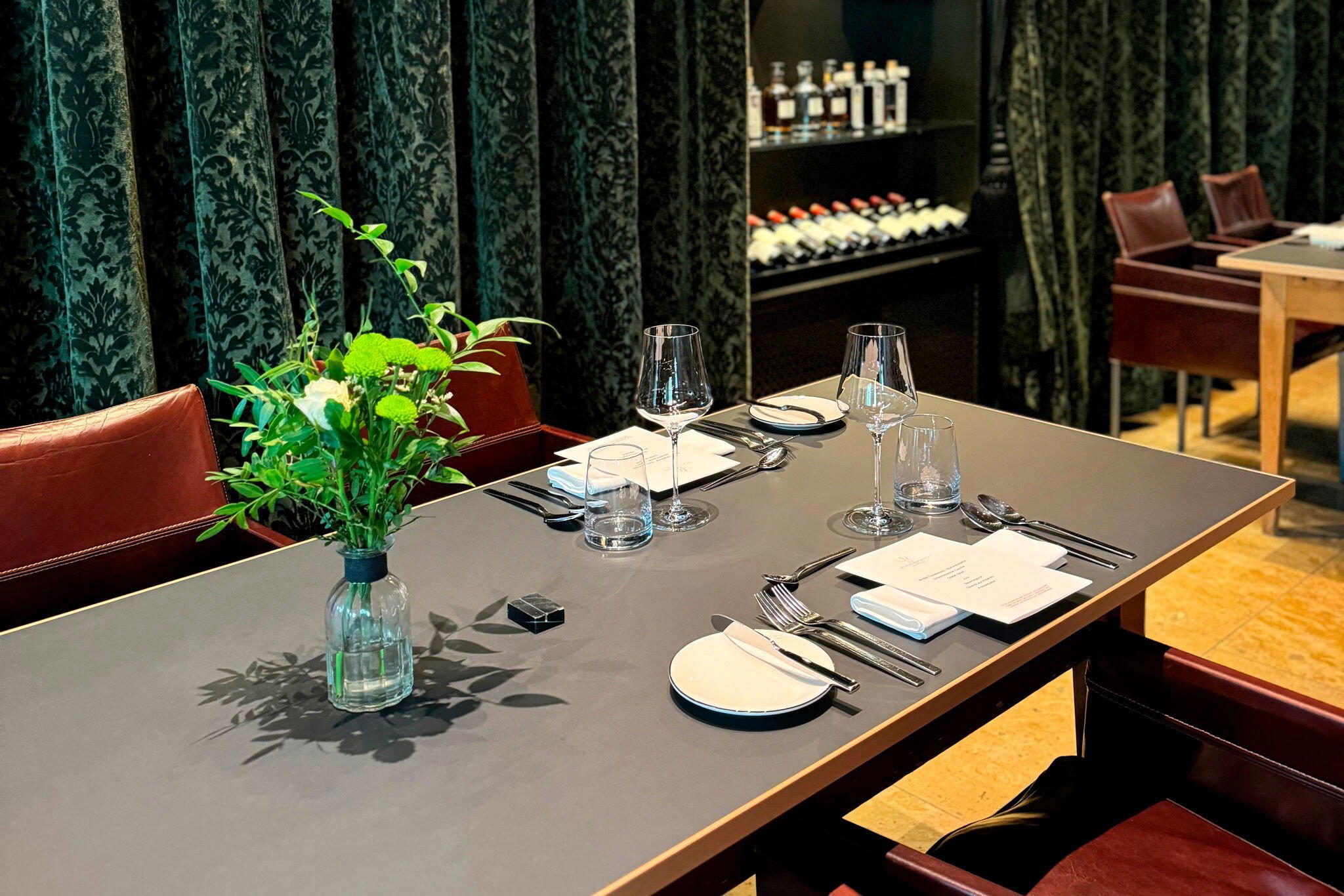
Restaurants in Stuttgart
Browse all →
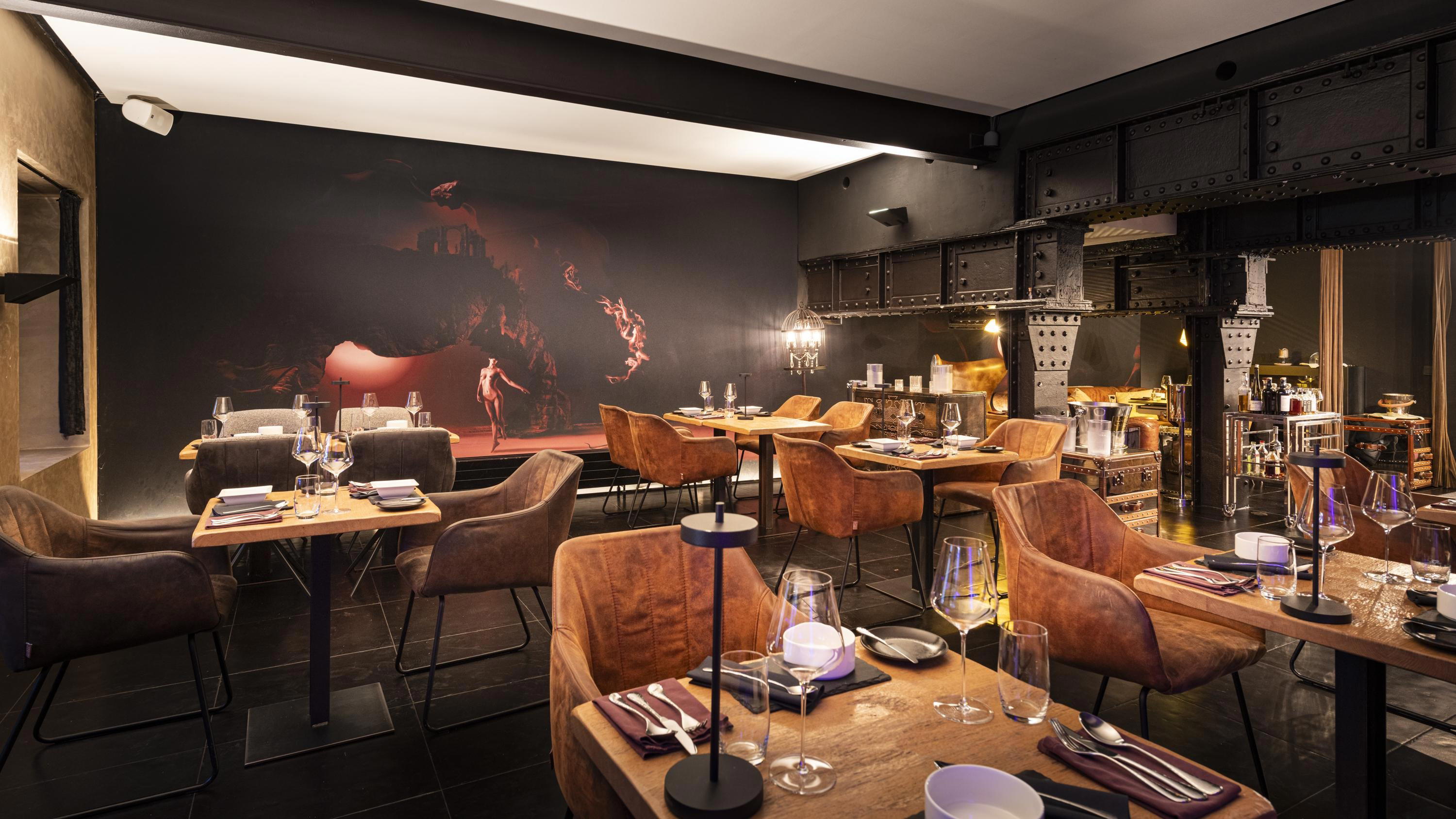
Bars in Stuttgart
Browse all →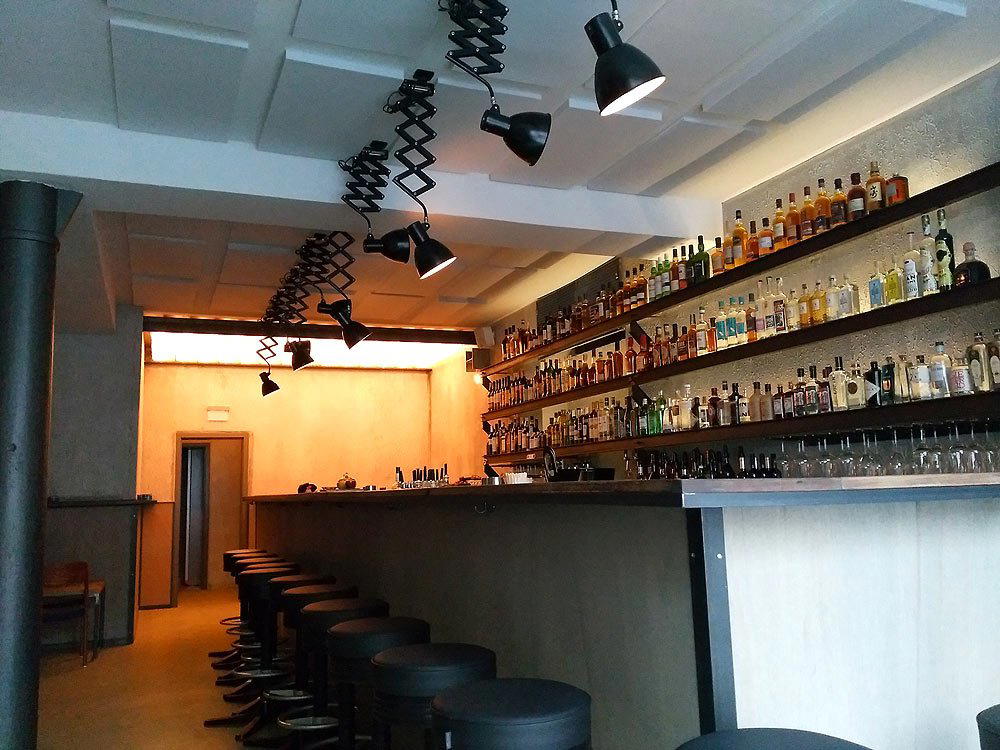
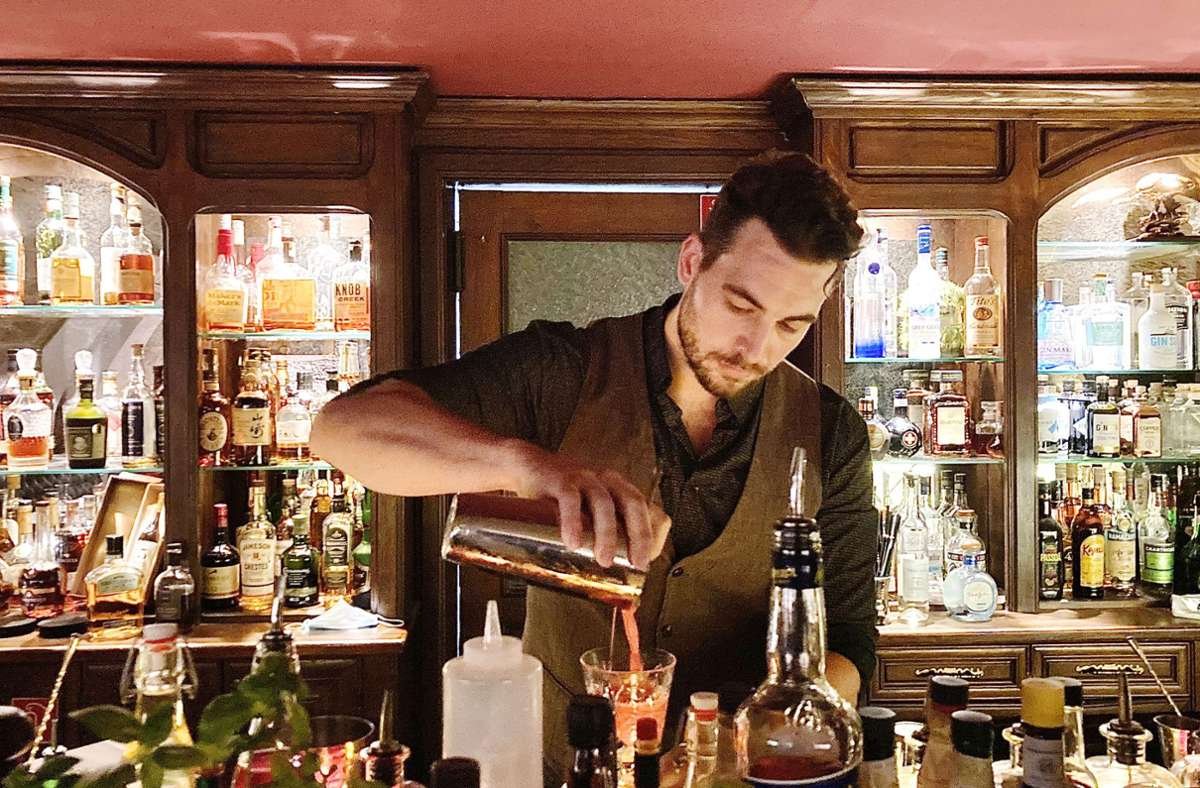
Hotels in Stuttgart
Browse all →

At a Glance
- Cozy
- Modern
- Romantic
- Elegant
- Date Night
- Family
- Group Dining
- Casual Hangout
- Open Kitchen
- Street Scene
Current opening hours
- Monday
- Closed
- Tuesday
- 5:30–11 PM
- Wednesday
- 5:30–11 PM
- Thursday
- 5:30–11 PM
- Friday
- 5:30–11 PM
- Saturday
- 5:30–11 PM
- Sunday
- 11:30 AM–10 PM
Hours can change for holidays and private events. Last verified .
Cozy, modern, and romantic atmosphere with warm, inviting lighting and tasteful decor.