Our verdict
Kole operates out of DLF Phase IV's Supermart-1 strip in Gurgaon, a pocket of the city where serious eating increasingly competes with retail convenience. The address places it squarely in the new Gurugram dining circuit, where ingredient-led cooking and neighbourhood-scale ambition have become the defining characteristics of the most talked-about openings in recent years.

Pearl is the En Primeur Club membership app — saves, bookings, and concierge access live there. Same editors, same standards.
- Address
- Shop No 29, Shiv Shankar Market, Old Railway Rd, opposite Aryan Hospital, Bhim Nagar, Sector 6, Gurugram, Haryana 122001, India
- Phone
- +919310592653
- Hours
- Daily 12–11:30 PM
- Website
- kolerestaurant.com
- Directions
- Get directions
The menu
What to order
- Tandoori classics
- Rich gravies
- Momos
- Sizzling Chinese
DLF Phase IV and the New Gurgaon Dining Circuit
Supermart-1 in DLF Phase IV is not where you would have looked for serious cooking a decade ago. The strip served a residential catchment, its restaurants oriented around convenience and familiarity. That has shifted. The DLF Phase IV corridor now sits within a broader pattern visible across Gurgaon's newer commercial zones: neighbourhood-scale venues with focused menus drawing diners from across the city rather than simply serving the immediate block. Kole is part of that pattern, operating out of B-214 on a strip that has quietly accumulated dining options worth crossing town for. For a broader survey of where Gurgaon's restaurant scene stands today, our full Gurgaon restaurants guide maps the key clusters and what distinguishes them.
Approaching the Space
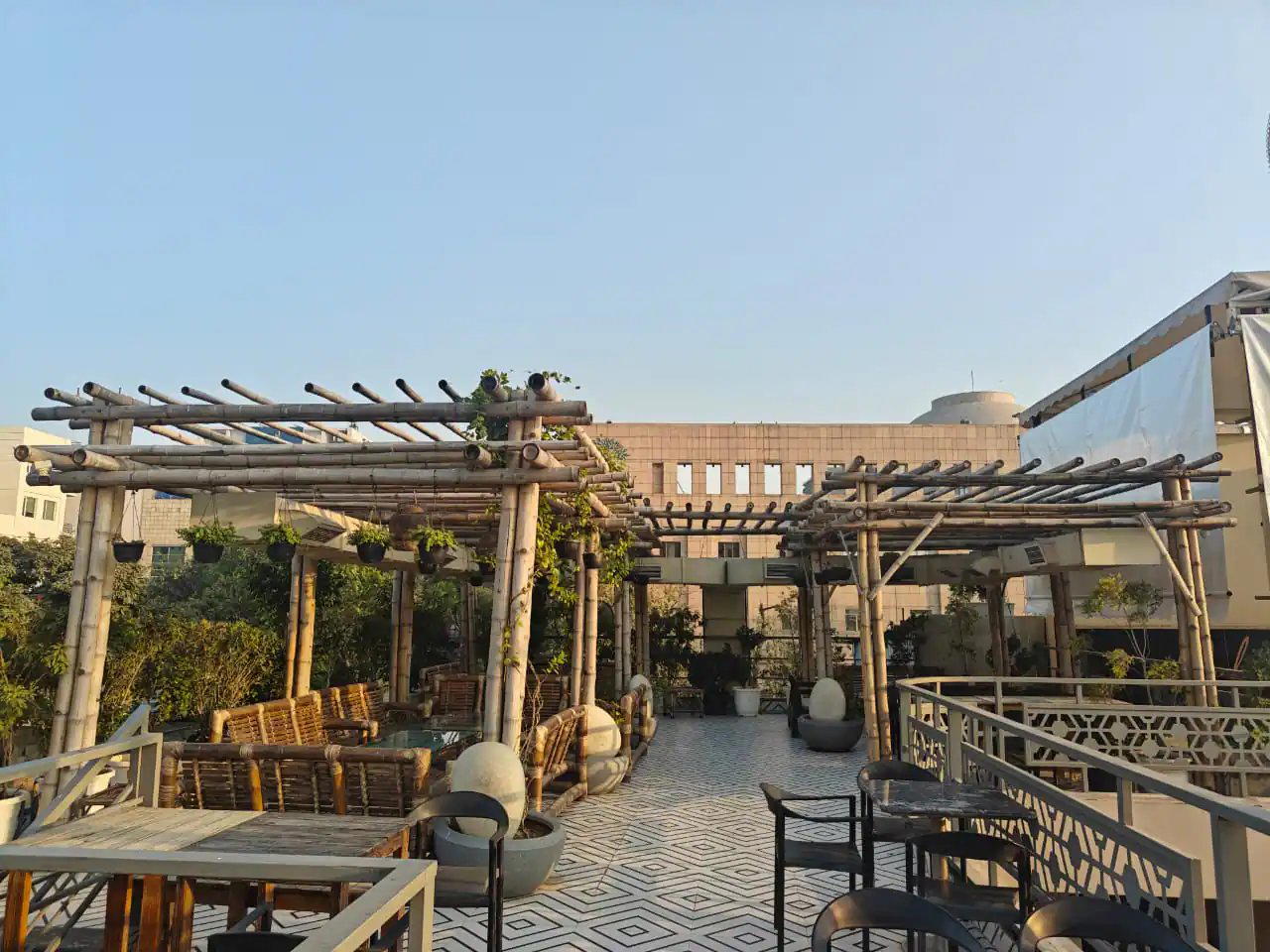
The Supermart-1 frontages run along a pedestrian-accessible retail arcade, the kind of address that rewards walkers over drivers. Arriving on foot, you move through a mixed-use corridor where the temperature shifts as you pass covered sections, and the evening foot traffic from the surrounding DLF residential towers creates a low-level hum rather than the curated theatrics of a destination restaurant in a standalone building. Kole sits within that civic ordinariness, which is itself an editorial statement about what kind of dining experience the address is built around: proximity to the ingredients and the community rather than the spectacle of arrival.
This approach to placement, choosing a neighbourhood retail strip over a hotel lobby or a purpose-built food hall, tracks with a direction several of Gurgaon's more considered openings have taken. COMORIN operates from a similarly grounded address in the city, and the logic is the same: the dining room earns its reputation through what arrives on the plate rather than through the building it occupies.
The Ingredient Question in North Indian Urban Dining
Ingredient sourcing has become the axis around which ambitious Indian restaurant kitchens now differentiate themselves. The relevant comparison is not between Gurgaon and Delhi but between the two modes of sourcing that have split the premium dining tier nationally: one relying on centralised wholesale supply chains, the other building direct relationships with growers, regional producers, and artisan processors. The latter approach is visible in venues like Farmlore in Bangalore, where the sourcing provenance is the structural premise of the menu, not a marketing footnote. A similar sensibility has been emerging in the Gurgaon dining scene, where a handful of kitchens have started treating the supply chain as a design decision.
This matters because the raw material quality of North Indian cooking is rarely discussed with the same rigour applied to, say, Japanese omakase counters or French tasting menus. Wheat, dairy, alliums, stone fruit from Himachal, river fish from the plains — these are ingredient categories with enormous variation between industrial and artisan production, and the gap shows in the cooking. When a kitchen in Gurgaon chooses its sourcing deliberately, the downstream effect on texture, flavour, and technique becomes the distinguishing characteristic of the experience. Restaurants that have built reputations on this approach, from Naar in Kasauli working with mountain-region produce to Bukhara in New Delhi maintaining decade-long supplier relationships for its core proteins, demonstrate that sourcing discipline compounds over time into something that separates a kitchen from its peers.
Kole's position within the DLF Phase IV residential zone gives it a natural argument for proximity sourcing. The surrounding catchment includes weekly markets and specialist suppliers serving the dense residential population of DLF's phases, infrastructure that a kitchen with the right relationships can use to keep its ingredient sourcing fresher and more locally accountable than a venue reliant entirely on central Delhi wholesale markets.
Where Kole Sits in the Gurgaon Competitive Set
Gurgaon's restaurant market stratifies fairly clearly. At one end sit the hotel dining rooms, including the structured luxury of The Oberoi Gurgaon, which compete on consistent service standards and international guest expectations. At the other end, the fast-casual operations of Cyber Hub and MG Road serve volume and convenience. Kole's address in Supermart-1 places it outside both of those tiers, in a middle ground occupied by neighbourhood-driven restaurants that compete on food quality and repeat local custom rather than on footfall or hotel infrastructure.
The analogue in Mumbai's dining scene would be something closer to Americano in Mumbai, which has built recognition through food quality in a non-hotel address, or the kind of strip-facing cooking that has gradually redefined what a neighbourhood restaurant can mean in an Indian urban context. Gurgaon's version of this is still forming, and venues like Kole are among the addresses helping to define what the category looks like in this city.
For reference points further afield, the ingredient-sourcing argument has been made with particular discipline at 5868 Restaurant in Gandhinagar and at Harvest Kitchen Somnath in Veraval, both of which have built menus around the idea that geography determines quality more reliably than kitchen technique alone. That argument is harder to sustain in an inland city like Gurgaon than on a coastline, but the principle applies wherever a kitchen takes its supply decisions seriously.
Planning Your Visit
Kole is located at B-214, Supermart-1, DLF Phase IV, Gurugram, within walking distance of the residential towers along the DLF Phase IV arterials. The Supermart-1 strip is accessible by auto-rickshaw and app-based cabs from Sikanderpur metro station, which sits roughly two kilometres to the east. Street-level parking is available along the arcade frontage. As the venue's phone, website, and booking method are not publicly listed through available channels, the most practical approach is to visit directly or check current aggregator platforms for reservation availability. DLF Phase IV operates at a neighbourhood pace, and evenings tend to fill earlier than comparable venues in the Cyber Hub or Golf Course Road corridors, where dining tends to run later.
Visitors with specific dietary requirements or allergy concerns should make contact directly on arrival, as no advance-booking channel is currently indexed for the venue. For comparison with how other serious Indian kitchens handle this operationally, Copper Chimney Cyber Hub in Gurgaon and Leela Kerala Terrace in Trivandrum both demonstrate that venue scale does not determine how well a kitchen accommodates dietary variation — kitchen culture does.
Frequently asked questions
What part of town is Kole in?
Kole is located at B-214, Supermart-1, DLF Phase IV, Gurugram, Haryana 122009, India, Gurgaon.
Is Kole a good option for residents of DLF Phase IV looking for a neighbourhood restaurant?
Kole's address at B-214, Supermart-1, DLF Phase IV places it within walking distance of the residential towers along the Phase IV arterials, making it one of the few independently operated kitchens in the immediate area that appears to be pursuing a more considered approach to cooking. In a city where proximity to a serious meal has typically meant driving to a hotel, that address is its own argument. Confirming current hours before visiting is recommended, as operational details are not publicly listed.
What dish is Kole famous for?
No single signature dish has been publicly documented for Kole at this stage. The kitchen's identity, as it sits within the independent Gurgaon dining circuit around DLF Phase IV, appears built around sourcing-led cooking rather than a fixed flagship plate. Visiting without a preconceived menu expectation is the more useful approach here.
How hard is it to get a table at Kole?
No booking lead time or capacity data is publicly available for Kole at B-214, Supermart-1, DLF Phase IV. Given its position in a residential catchment strip rather than a high-footfall commercial zone, walk-in access may be more feasible than at comparable Gurgaon hotel dining rooms, but contacting the venue directly before visiting is advisable.
What has Kole built its reputation on?
Kole has drawn attention for operating as an independent kitchen within Supermart-1, a retail arcade in DLF Phase IV that has gradually shifted from convenience dining to more considered cooking. In Gurgaon's restaurant market, where hotel dining rooms at properties like The Oberoi have long dominated the serious-meal conversation, independent addresses that hold their own represent a meaningful shift in the city's dining geography.
What if I have allergies at Kole?
No published menu or allergen policy is available for Kole. The restaurant is located at B-214, Supermart-1, DLF Phase IV, Gurugram — reaching out ahead of your visit, either by calling or contacting them through the venue directly, is the only reliable way to confirm how specific dietary requirements are handled.
A Quick Peer Check
Comparable venues nearby, for context on price, style, and recognition.
| Venue | Cuisine | Price | Notes |
|---|---|---|---|
| KoleThis venue — the venue you are viewing | North Indian, Mughlai & Kebab | $1–10 | Not listed |
| The Oberoi Gurgaon | Modern Indian Fine Dining | $50–100 | Udyog Vihar, Phase 5 |
| COMORIN | Modern Regional Indian | $20–30 | Golf Course Road |
| Copper Chimney Cyber Hub- Gurugram | North Indian Mughlai | $20–30 | Cyber Hub, DLF Phase 2, Sector 25 |
| Moti Mahal - Greater Kailash part 1 | Authentic Mughlai & North Indian | $10–20 | Greater Kailash 1 |
| Curry Kitchen | Traditional Indian Curry House | Not listed | Aerocity |
Details
- Cozy
- Casual
- Family
- Group Dining
- Casual Hangout
- Standalone
- A La Carte
- Beverages
- Vegetarian Friendly
Current opening hours
- Monday
- 12–11:30 PM
- Tuesday
- 12–11:30 PM
- Wednesday
- 12–11:30 PM
- Thursday
- 12–11:30 PM
- Friday
- 12–11:30 PM
- Saturday
- 12–11:30 PM
- Sunday
- 12–11:30 PM
Hours can change for holidays and private events. Last verified .
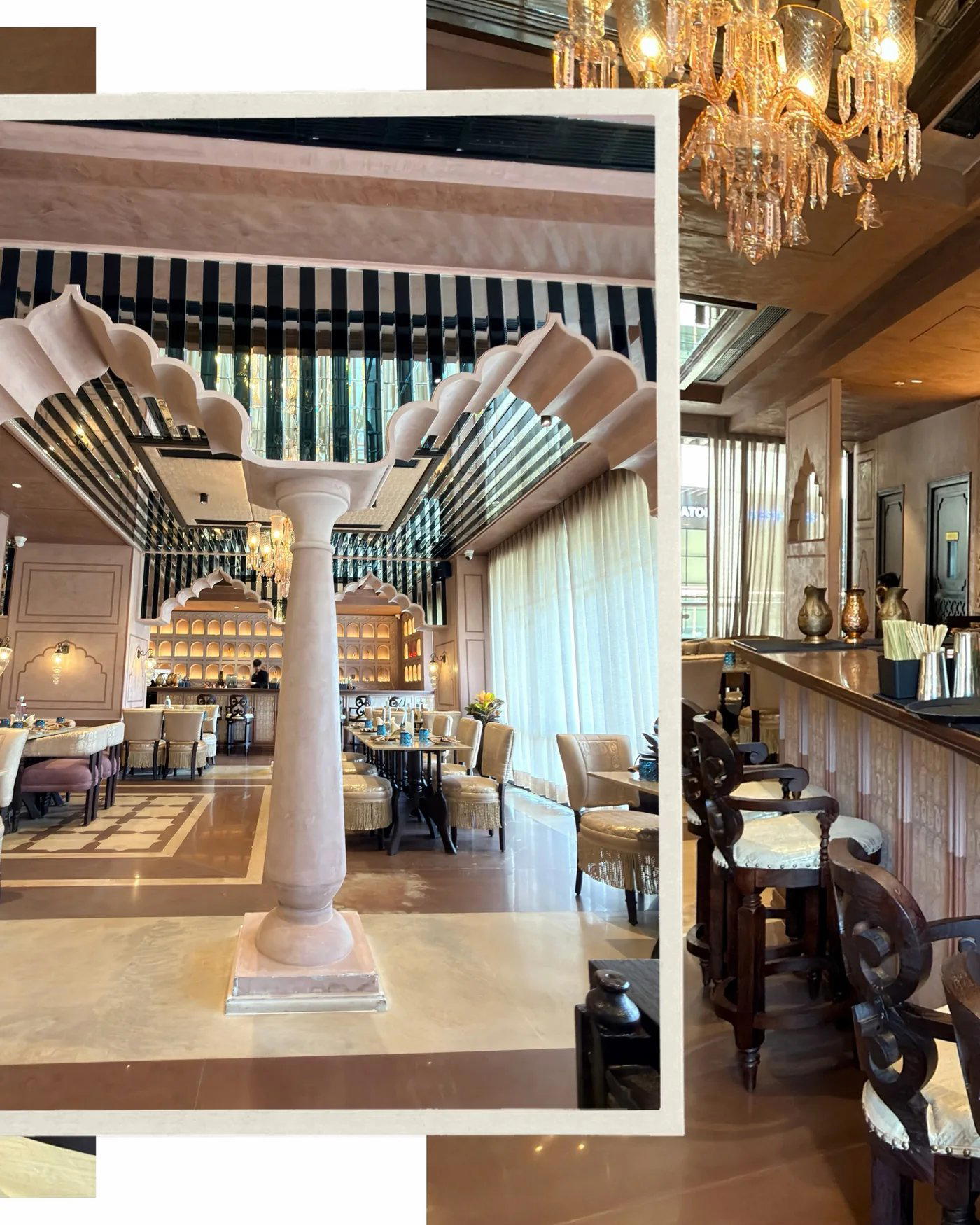
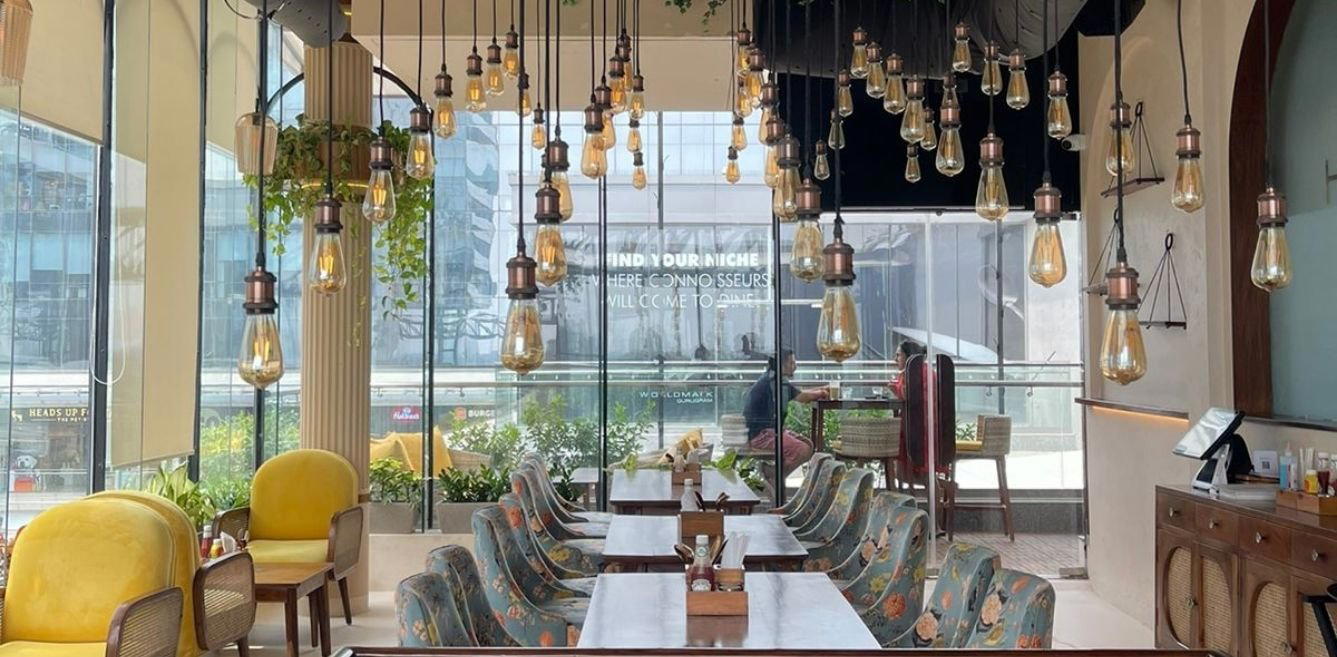
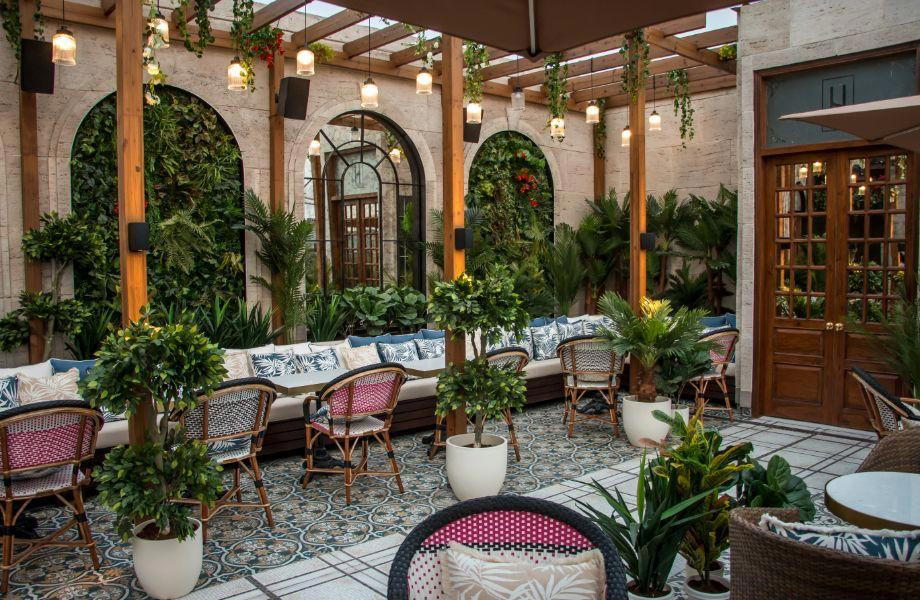
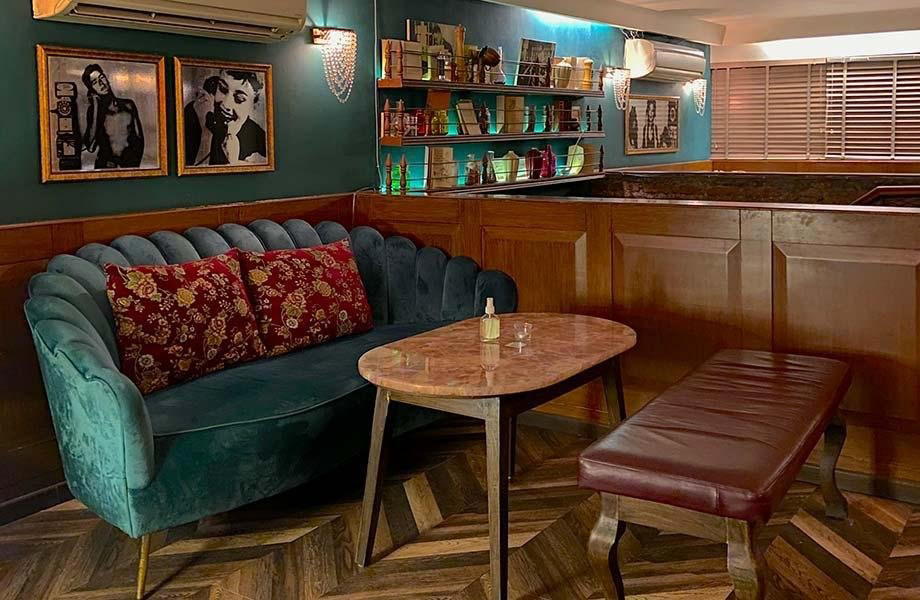
Casual and cozy, with indoor seating and low-intensity music noted on Zomato.