The Food Market
On the 36th Street corridor in Baltimore's Hampden neighborhood, The Food Market occupies a space where the city's blue-collar food traditions and contemporary American cooking intersect. The restaurant draws on Baltimore's market-hall heritage and Chesapeake pantry while operating within a dining scene that has grown considerably more ambitious over the past decade. A reliable anchor on one of the city's most food-concentrated blocks.
 Discover on Pearl
Pearl is the En Primeur Club membership app — saves, bookings, and concierge access live there. Same editors, same standards.
- Address
- 1017 W 36th St, Baltimore, MD 21211
- Phone
- +14103660606
- Website
- the-food-market.com
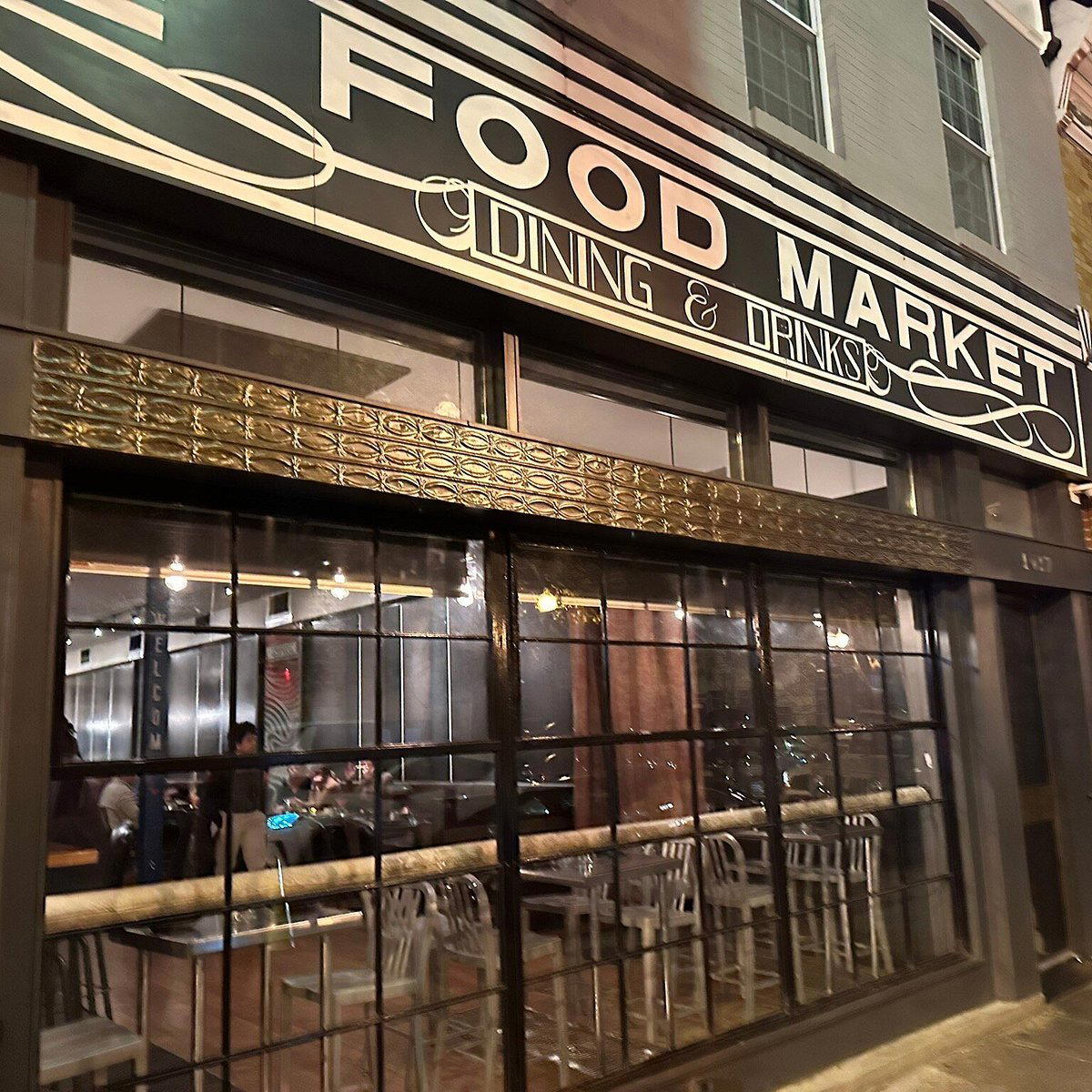
Hampden's 36th Street and the Appetite Behind It
Baltimore's Hampden neighborhood has a specific culinary logic that sets it apart from the Inner Harbor's tourist-facing dining and from the more formal ambitions of Harbor East. The 36th Street corridor, locally called "The Avenue," runs through a working-class rowhouse grid that gentrified slowly and selectively, keeping its hardware stores and hon-culture diners long after other neighborhoods surrendered to uniform bar-and-grill concepts. Dining here operates at a different register: the emphasis tends toward comfort with craft, seasonal Mid-Atlantic ingredients without the ceremony that usually surrounds them, and a room temperature that matches the neighborhood rather than performing above it.
The Food Market sits within this tradition. On a block where the competition includes independent pizza, casual Mexican, and long-standing neighborhood bars, the restaurant positions itself as the kind of American kitchen that takes the Chesapeake pantry seriously without requiring diners to dress for the occasion. That positioning is not accidental. Baltimore's dining scene has consistently rewarded restaurants that honor the city's eating culture, the crab houses, the market stalls, the neighborhood counter, rather than those that attempt to import a different city's aesthetic wholesale.
Baltimore as a Market City
The cultural context for a restaurant called The Food Market in Baltimore is worth pausing on. Maryland's largest city has genuine market-hall roots: the Lexington Market, one of the oldest public markets in the United States, has operated since 1782, and the Cross Street Market in Federal Hill and the Broadway Market in Fells Point represent a civic food tradition built around direct access to local producers, Chesapeake watermen, and neighborhood butchers. The market format, at its core, is democratic and ingredient-focused. It prizes freshness over finesse and sourcing over technique as a first principle.
Contemporary American restaurants that draw on that tradition, whether consciously or through proximity, tend to share certain characteristics: menus that shift with seasonal availability, preparations that let regional ingredients carry the argument, and a room that doesn't ask diners to justify their presence with a dress code or a three-hour commitment. Baltimore's most durable neighborhood restaurants, from Fells Point to Federal Hill, have largely operated within that framework. The Food Market's address on West 36th Street places it in the same lineage.
For a broader map of how Baltimore's independent dining scene distributes across neighborhoods and cuisine types, our Baltimore restaurants guide tracks where the city's most consistent kitchens are concentrated and which areas represent the most active dining corridors right now.
Where The Food Market Sits in the Baltimore comparable set
Baltimore's dining scene has developed a clearer tier structure over the past decade. At the formal end, restaurants like Cindy Wolf's Charleston operate as white-tablecloth destination kitchens drawing from across the metropolitan area. At the opposite end, the city's taco counters, deli windows, and cash-only crab shacks remain the connective tissue of neighborhood eating. The middle tier, which is where Hampden tends to operate, rewards restaurants with a clear identity, accessible price positioning, and menus that communicate seasonal awareness without turning every dish into a lecture.
The Food Market occupies that middle tier alongside a set of Hampden and North Baltimore independents. dede (Turkish) brings a more specific ethnic register to the same neighborhood dining culture, while Angeli's Pizzeria anchors the more casual end of 36th Street's offer. 16 On The Park and Akbar represent the broader independent cohort that gives Baltimore's non-Harbor dining its character.
Nationally, the American bistro format that The Food Market operates within has been refined at restaurants working across very different price points and ambitions: Lazy Bear in San Francisco pushed the communal-table format into tasting-menu territory, while Blue Hill at Stone Barns in Tarrytown made farm-to-table a structural commitment rather than a marketing claim. At the pinnacle of American fine dining, The French Laundry in Napa and Alinea in Chicago represent the ceiling of what the country's kitchen ambition can produce. Closer to Baltimore's Mid-Atlantic geography, The Inn at Little Washington in Washington has defined regional luxury dining for decades. The Food Market serves a different and durable purpose.
For reference points on what serious seafood-forward American cooking looks like at the formal end, Le Bernardin in New York City and Providence in Los Angeles set the technical standard for fish-focused menus, while Emeril's in New Orleans demonstrates how a regional American kitchen can hold both comfort and ambition simultaneously. Further afield, Single Thread Farm in Healdsburg, Addison in San Diego, Atomix in New York City, and 8 1/2 Otto e Mezzo Bombana in Hong Kong illustrate the range of formal dining ambition operating across different geographies and traditions.
The Chesapeake Pantry and Why It Matters Here
Maryland's culinary identity is more coherent than most American states'. The Chesapeake Bay watershed produces blue crab, rockfish, oysters, and white perch that have defined regional cooking for centuries. Old Bay seasoning, a spice blend developed in Baltimore in 1939 by a German immigrant, became so embedded in the local food culture that it functions as shorthand for the city's entire culinary personality. Any restaurant on The Avenue that takes its sourcing seriously is drawing from a larder with genuine regional depth, not assembling a locavore argument from scratch.
That specificity is what distinguishes Baltimore's neighborhood restaurant culture from cities where regional identity is thinner or more contested. The Food Market's position on West 36th Street places it inside a neighborhood that has preserved its local character more tenaciously than most, which gives a restaurant with market-hall sensibilities a meaningful cultural anchor rather than just a marketing hook.
Know Before You Go
- Address: 1017 W 36th St, Baltimore, MD 21211
- Neighborhood: Hampden, Baltimore
Credentials Lens
Comparable venues nearby, for context on price, style, and recognition.
| Venue | Cuisine | Price | Awards | Notes |
|---|---|---|---|---|
| The Food MarketThis venue — the venue you are viewing | Upscale Comfort Food | $$$ | , | |
| BLK Swan | New American | $$$ | , | Harbor East |
| Topside | Contemporary American Seafood | $$$ | , | Mount Vernon |
| Citron | New American Fine Dining | $$$ | 1 recognition | Cross Country |
| Mt. Washington Tavern | American Gastropub with Local Seafood | $$ | , | Mount Washington |
| La Maison by Cafe Dear Leon | French Bakery Cafe with Baltimore Twists | $$ | , | Remington |
Continue exploring
More in Baltimore
Restaurants in Baltimore
Browse all →
Bars in Baltimore
Browse all →

At a Glance
- Modern
- Industrial
- Cozy
- Elegant
- Date Night
- Group Dining
- Celebration
- Special Occasion
- Private Dining
- Open Kitchen
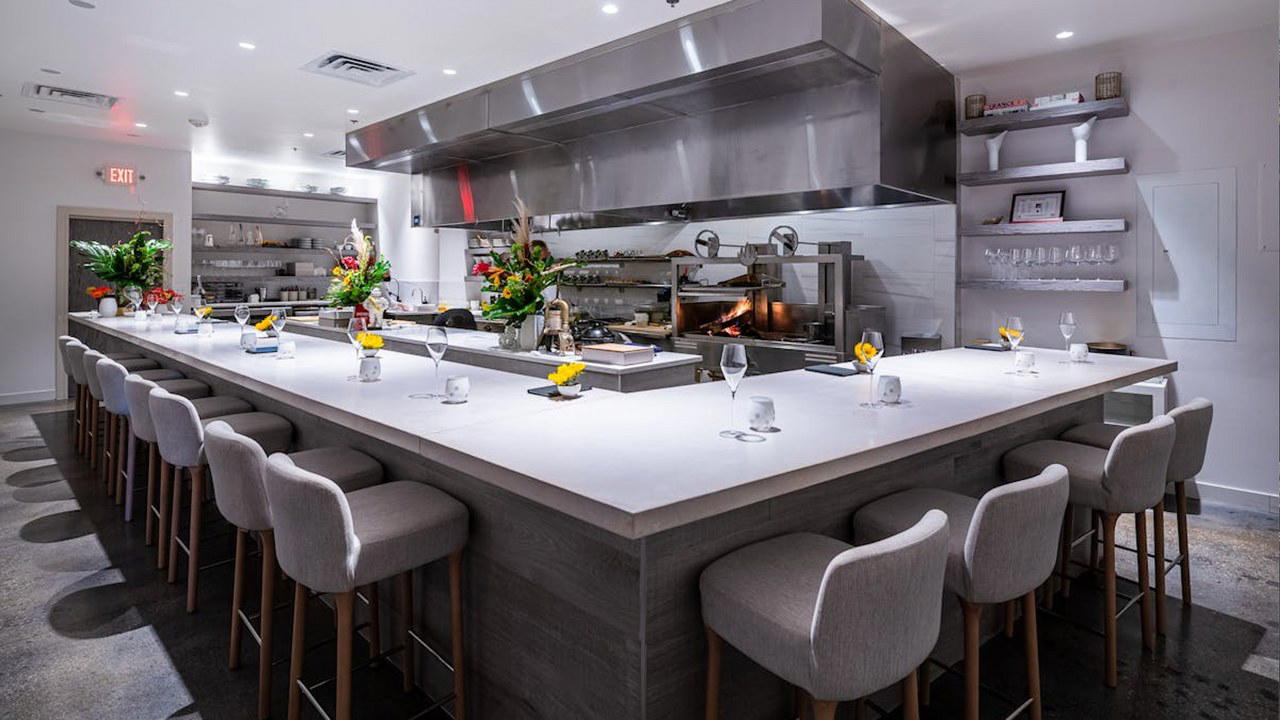
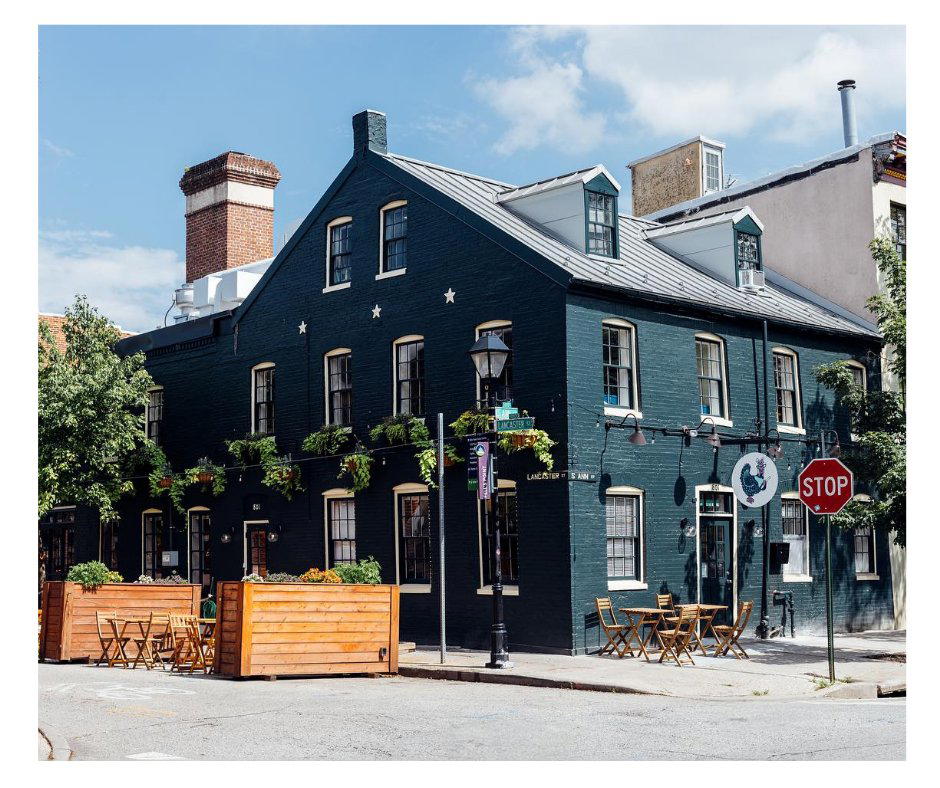
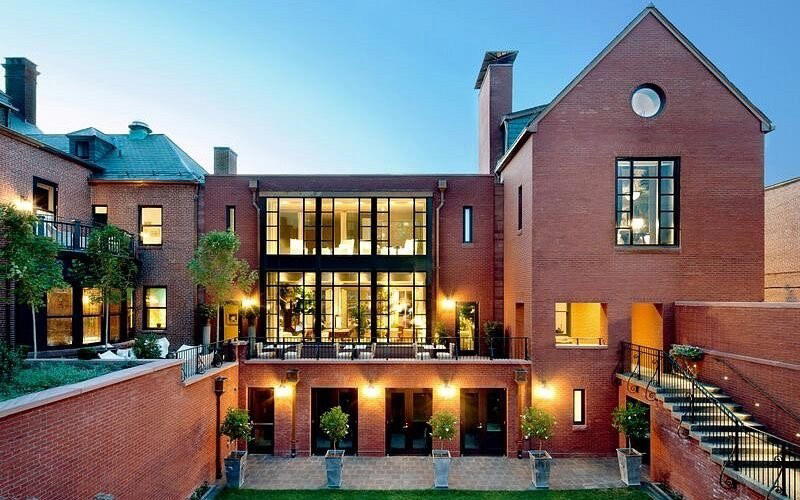
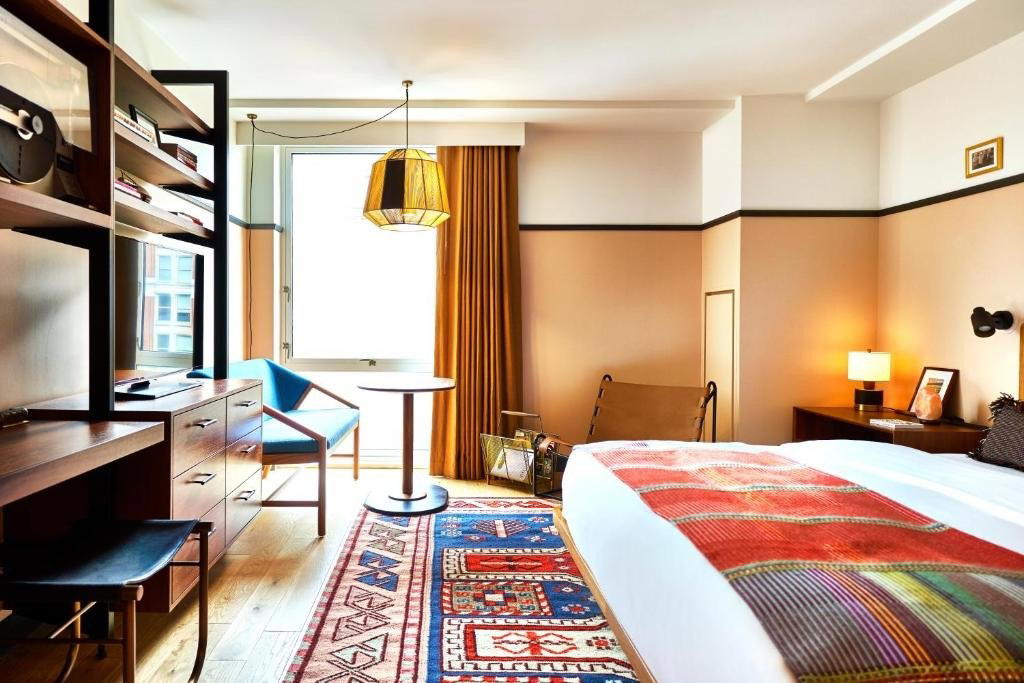
Industrial-modern design with a comfy, approachable atmosphere that feels like a treat night out without trying too hard.