Below street level on Hirschstraße, The Door occupies a basement address that signals intent before a single dish arrives. Karlsruhe's bar and dining scene has grown more considered in recent years, and venues operating below grade tend to trade on atmosphere as much as plate. The Door positions itself within that lower-volume, higher-attention tier of the city's after-dark offering.
 Discover on Pearl
Pearl is the En Primeur Club membership app — saves, bookings, and concierge access live there. Same editors, same standards.
- Address
- Hirschstraße 17, Untergeschoss, 76133 Karlsruhe, Germany
- Phone
- +4972147001760
- Website
- the-door.bar
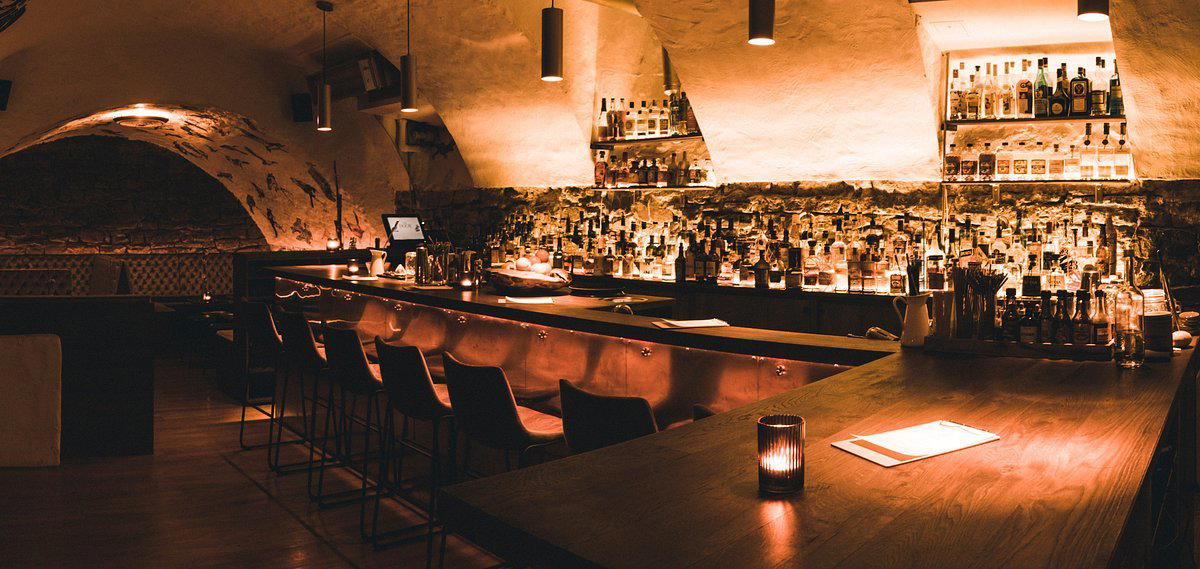
Below the Street, Inside the Room
Karlsruhe is not a city that announces itself loudly in the German dining conversation. Sitting between Stuttgart and the French border, it occupies a middle position: large enough to support serious hospitality, compact enough that word travels fast when something earns attention. In that context, a basement address on Hirschstraße carries a particular charge. Descending below street level is a deliberate act, one that separates the curious from the casual. The Door, at Untergeschoss on Hirschstraße 17, trades on exactly that threshold quality.
Basement venues across European cities follow a recognisable logic. The absence of natural light removes one variable and replaces it with another: control. Sound behaves differently underground. Temperature holds more steadily. The room becomes a closed system, and what happens inside it depends entirely on what the operator chooses to put there. In cities like Berlin, that format has produced some of Germany's most discussed dining rooms. CODA Dessert Dining in Berlin is one example of a lower-ground concept that turned format discipline into a critical asset. The Door operates within the same formal logic, even if Karlsruhe's scale means the stakes read differently.
What the Atmosphere Does
The sensory grammar of a basement venue is worth examining on its own terms. Without windows, the transition from exterior to interior is abrupt and total. The noise of the street drops away. Lighting, whatever form it takes, becomes the primary spatial organiser. In rooms like this, the eye adjusts and then the rest of the senses recalibrate around it. Smell registers more acutely when there is no ambient outdoor air competing. Sound from a kitchen, from other tables, from a sound system, carries with less interference. The effect, when managed well, is a kind of compression: the room feels more present than its square footage would suggest.
That compression is a format choice with consequences for how a menu is received. Dishes that might read as restrained in a large, airy dining room can carry more weight in a closed environment. The atmosphere does interpretive work. Venues that understand this tend to build menus that lean into the intimacy rather than fighting it, favouring precision over abundance, intention over volume. Karlsruhe's comparison set in the upper register, venues like sein (Modern Cuisine, €€€€) and 5 SEN:SES by Mario Aliberti (International, €€€), each make distinct spatial and menu choices that reflect their respective environments. The Door's basement position places it in a different register of experience, one where the room itself is the first editorial statement.
Karlsruhe's Dining Tier Structure
Understanding where The Door sits requires a brief account of how Karlsruhe's dining scene is structured. The city does not carry the Michelin density of Munich or Hamburg, where addresses like JAN in Munich or Restaurant Haerlin in Hamburg anchor a deep fine-dining tier. Nor does it reach toward the Black Forest concentration that gives Schwarzwaldstube in Baiersbronn its regional gravity. What Karlsruhe has is a functional middle tier: restaurants operating with genuine ambition at accessible price points, alongside a handful of higher-end addresses.
Within that structure, venues at the Anders auf dem Turmberg or Aubrac Restaurant & Terrasse level hold their positions through consistent execution and clear identity. Neighbourhood anchors like Adria Taverne serve a different function: regularity, familiarity, comfort. The Door, operating below street level with a name that emphasises the point of entry rather than what lies inside, is making a different kind of claim. It is asking the guest to commit to the experience before they can evaluate it.
The German Bar-Dining Format
Germany has developed a coherent tradition of bar-forward venues that function as serious dining destinations without carrying the formal codes of a restaurant proper. That format has reached some of its most considered expressions in cities with younger, more experimental hospitality cultures, but it has filtered into provincial cities with real effect. Venues at the level of Vendôme in Bergisch Gladbach or Victor's Fine Dining by Christian Bau in Perl define one end of the German dining spectrum. The bar-dining format occupies another territory entirely: less ceremony, more atmosphere, a different contract with the guest.
What that contract looks like at The Door specifically is harder to pin down from the outside. The venue offers a cocktail bar with snacks, with a recommended reservation policy and a smart casual dress code. Venues that operate on recommendation and atmosphere rather than search visibility tend to behave differently from those optimised for discoverability. They rely on the guest arriving with some prior knowledge, or at least a willingness to take the threshold on faith.
Planning a Visit
Hirschstraße sits in Karlsruhe's central city, accessible from the main pedestrian zone and well within reach of the Marktplatz tram interchange. The basement address at number 17 means the entrance may not be immediately visible from the street; looking for the descent rather than the facade is the practical instruction. Reservations are recommended. Those extending their trip toward the wider Baden-Württemberg and Rhineland region will find reference points at ES:SENZ in Grassau, Waldhotel Sonnora in Dreis, and Schanz in Piesport for calibration against higher-end German regional benchmarks. International comparison, for those mapping the basement-format dining tradition more broadly, extends toward Le Bernardin in New York City and Atomix in New York City at the formal precision end, or Aqua in Wolfsburg within Germany for a contrasting approach to controlled-environment dining.
City Peers
Comparable venues nearby, for context on price, style, and recognition.
| Venue | Cuisine | Price | Notes |
|---|---|---|---|
| The DoorThis venue — the venue you are viewing | Cocktail Bar with Snacks | $$$ | |
| EigenArt | Seasonal International Farm-to-Table | $$$ | Innenstadt-West |
| Jaipur Golden | Authentic Indian Tandoori and Curry | $$ | Innenstadt |
| Kesselhaus3 | Modern German Fine Dining | $$$ | Grünwinkel |
| 5 SEN:SES by Mario Aliberti | Italian-Asian Fusion Fine Dining | $$$ | Karlsruhe |
| Nagels Kranz | Refined Seasonal German-European Fine Dining | $$$ | Neureut |
Continue exploring
More in Karlsruhe
Restaurants in Karlsruhe
Browse all →
Hotels in Karlsruhe
Browse all →
At a Glance
- Intimate
- Trendy
- Cozy
- Modern
- Hidden Gem
- Date Night
- Casual Hangout
- Special Occasion
- Craft Cocktails
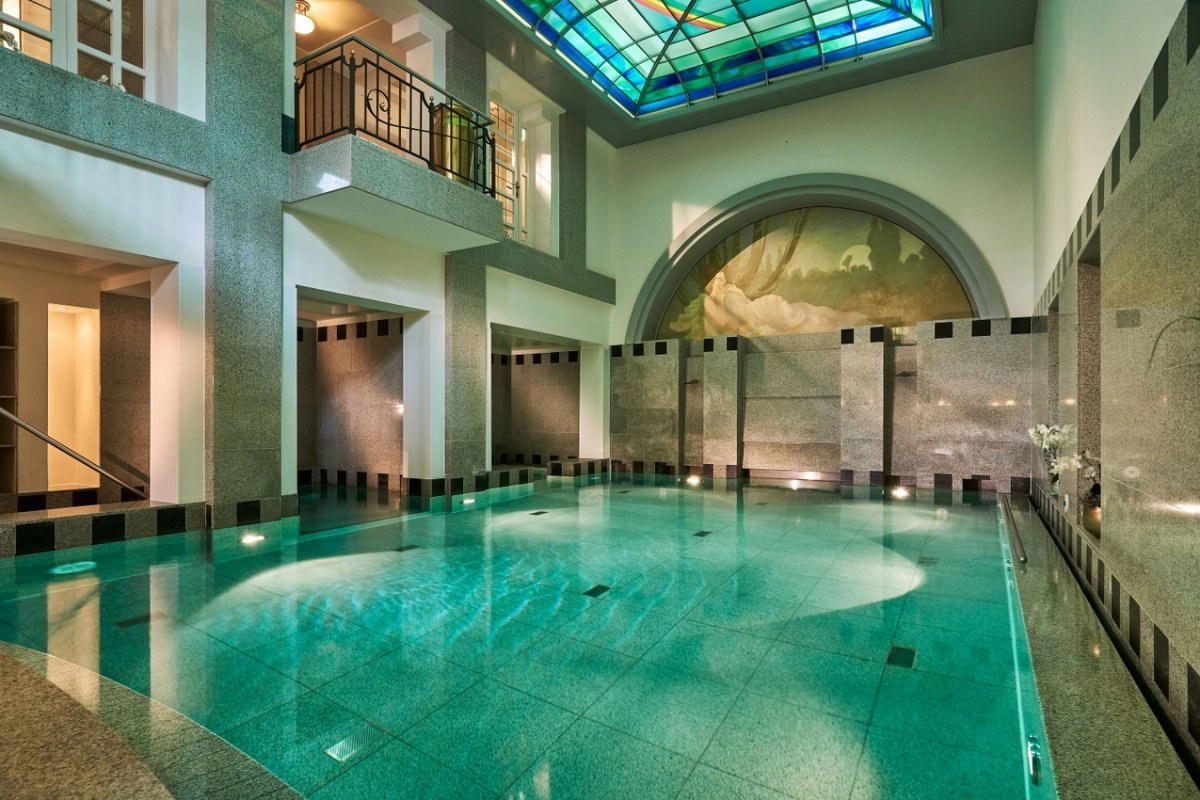
Dim lighting in a stylish, cozy vaulted cellar with artistic wall paintings creating an intimate and elegant atmosphere.