The Cutlery
The Cutlery occupies a modest address on Waialae Avenue in Honolulu's Kaimuki neighborhood, a stretch that has quietly become one of the city's most interesting corridors for serious, locally-rooted dining.
Pearl is the En Primeur Club membership app — saves, bookings, and concierge access live there. Same editors, same standards.
- Address
- 3435 Waialae Ave # 103, Honolulu, HI 96816
- Phone
- +18082601321
- Website
- thecutleryhnl.com
- Directions
- Get directions
 Saves & bookings on Pearl
Kaimuki's Quiet Shift Toward Purposeful Dining
Waialae Avenue doesn't announce itself the way Waikiki does. There are no resort marquees, no poolside cocktail menus positioned for foot traffic from sunburned tourists. What the corridor through Kaimuki offers instead is something harder to manufacture: a concentration of independently owned restaurants that answer to their neighborhoods rather than hotel groups. The Cutlery, at 3435 Waialae Ave, sits inside that pattern — a venue whose name alone signals an orientation toward the deliberate and the hands-on.
Across American dining more broadly, the last decade has produced a clear bifurcation. On one side, large-format operations with celebrity-chef backing and investor timelines. On the other, a smaller cohort of venues that have organized their identity around sourcing ethics, waste reduction, and a traceable relationship with producers. Honolulu's dining scene has tracked this national shift in its own register, shaped by the specific pressures of island geography: near-total dependence on food imports by volume, a fragile native agricultural base, and an increasingly vocal community of farmers, fishers, and chefs trying to reweight that equation. The Cutlery's Kaimuki address places it within that conversation.
The Sustainability Argument in an Island Context
The case for ethical sourcing carries different weight in Hawaii than it does on the mainland. When roughly 85 to 90 percent of the state's food is imported — a figure cited consistently by Hawaii's agricultural policy advocates, the decision to work with local farms, ranchers, or fishers is not a marketing posture. It is a structural choice with supply-chain consequences. Restaurants that commit to Hawaii-grown produce or reef-to-table seafood deal with shorter seasons, less volume consistency, and higher per-unit costs than their import-reliant counterparts.
That constraint has, in practice, produced some of Honolulu's most technically careful cooking. When a kitchen cannot swap in a Chilean sea bass when the local catch is thin, it has to work harder with what arrives. That discipline shows up on the plate in ways that distinguish this category of Honolulu restaurant from the broader field. The comparison set for venues operating at this level of sourcing intentionality extends well beyond Oahu: Blue Hill at Stone Barns in Tarrytown and Single Thread Farm in Healdsburg have made farm-driven, waste-minimizing kitchens a benchmark for the format nationally, and diners arriving at Kaimuki's more serious tables increasingly arrive with that reference frame.
Where The Cutlery Sits in Honolulu's Dining Tier
Kaimuki is not Honolulu's fine-dining address in the traditional sense, that distinction belongs to venues like 53 By The Sea, with its harbor-facing setting, or 3660 On the Rise, which has maintained a presence in Honolulu's mid-to-upper tier for years. What Kaimuki offers is a different proposition: the credibility that comes from operating without the overhead logic of resort adjacency. Restaurants on Waialae Avenue earn their audience incrementally, through repeat neighborhood business and word-of-mouth rather than hotel concierge referrals.
Within that local ecosystem, The Cutlery occupies a position consistent with the craft-forward, sourcing-conscious segment that has emerged most visibly in the past several years. The name itself functions as a signal: cutlery implies attention to the table, to service as a considered act, to the instruments through which food is delivered rather than just the food itself. In a city where luau formats like Ahaaina Luau and occasion-driven venues like Fête (New American) address different ends of the market, the Kaimuki corridor carves a distinct middle: serious without ceremony, local without being parochial.
For context on how this model plays out at the highest levels nationally, the contrast is instructive. Kitchens like Providence in Los Angeles and Addison in San Diego have built sourcing programs at significant scale and with corresponding investment in producer relationships. Le Bernardin in New York City has long held seafood sourcing as a core technical and ethical commitment. What distinguishes Hawaii's version of this conversation is the island constraint: the math is different, and the stakes for local agriculture are more immediate.
The Kaimuki Neighborhood as Context
Kaimuki developed as a residential neighborhood well before Honolulu's tourism-driven economy reshaped the coast, and that history is legible in the streetscape. Small-lot buildings, independently owned retail, and a density of locals-first restaurants give Waialae Avenue a texture that Waikiki's commercial corridor cannot replicate. The dining cluster here includes enough variety in format and price point to sustain an evening's comparison: Japanese-rooted kitchens, neighborhood bars, bakeries, and a handful of restaurants operating at a more considered level.
For visitors staying in Waikiki or Ala Moana who want to understand how Honolulu eats when it is not performing for tourists, Kaimuki is the most reliable answer. The commute from central Waikiki is manageable, the neighborhood sits roughly three miles east, and the return on that short detour in terms of dining quality and authenticity is consistently higher than staying in the resort zone. Venues like 855-ALOHA reflect the range of formats the neighborhood supports. For the full picture of where The Cutlery fits within Honolulu's dining options, the EP Club Honolulu restaurants guide maps the city's key neighborhoods and tiers.
The international frame for craft-driven restaurants in mid-sized city neighborhoods is worth noting. Venues like Lazy Bear in San Francisco and Atomix in New York City have demonstrated that neighborhood-embedded restaurants without resort-scale settings can operate at the top of a city's critical conversation. Alinea in Chicago and The Inn at Little Washington represent the further end of that spectrum. Emeril's in New Orleans and 8 1/2 Otto e Mezzo Bombana in Hong Kong illustrate how different cities have built their own versions of the serious, non-hotel dining tier. The French Laundry in Napa remains the reference point for what sustained sourcing discipline and technical commitment produce at the top of the American market.
Know Before You Go
- Address: 3435 Waialae Ave #103, Honolulu, HI 96816
- Neighborhood: Kaimuki, approximately three miles east of central Waikiki
- Hours: Not confirmed, verify before visiting
- Parking: Street parking and small lots are available along Waialae Avenue; the neighborhood is more accessible by car than on foot from Waikiki
How The Cutlery Honolulu compares with similar nearby venues.
| Venue | Cuisine |
|---|---|
| Town | New American |
At a Glance
- Trendy
- Modern
- Cozy
- Date Night
- Casual Hangout
- Family
- Open Kitchen
Current opening hours
- Monday
- Closed
- Tuesday
- 5–9 PM
- Wednesday
- 5–9 PM
- Thursday
- 5–9 PM
- Friday
- 5–9 PM
- Saturday
- 5–9 PM
- Sunday
- 5–9 PM
Hours can change for holidays and private events. Last verified .
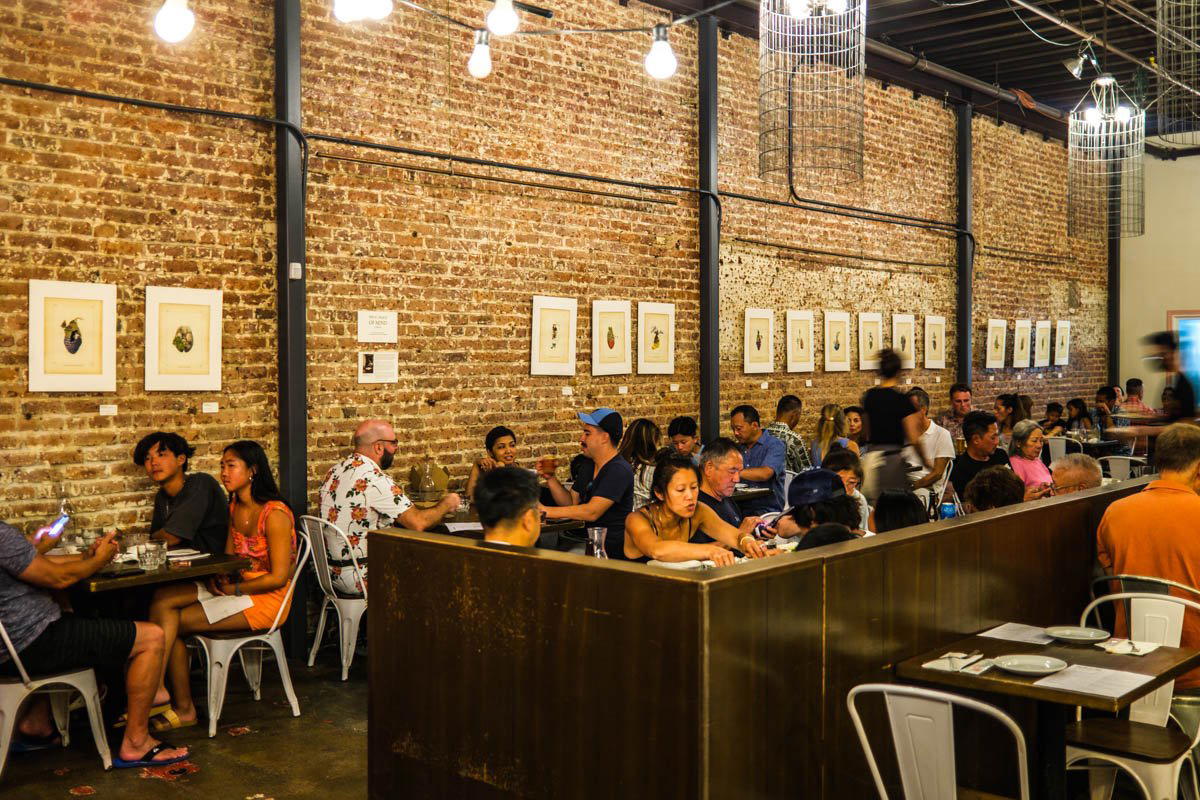
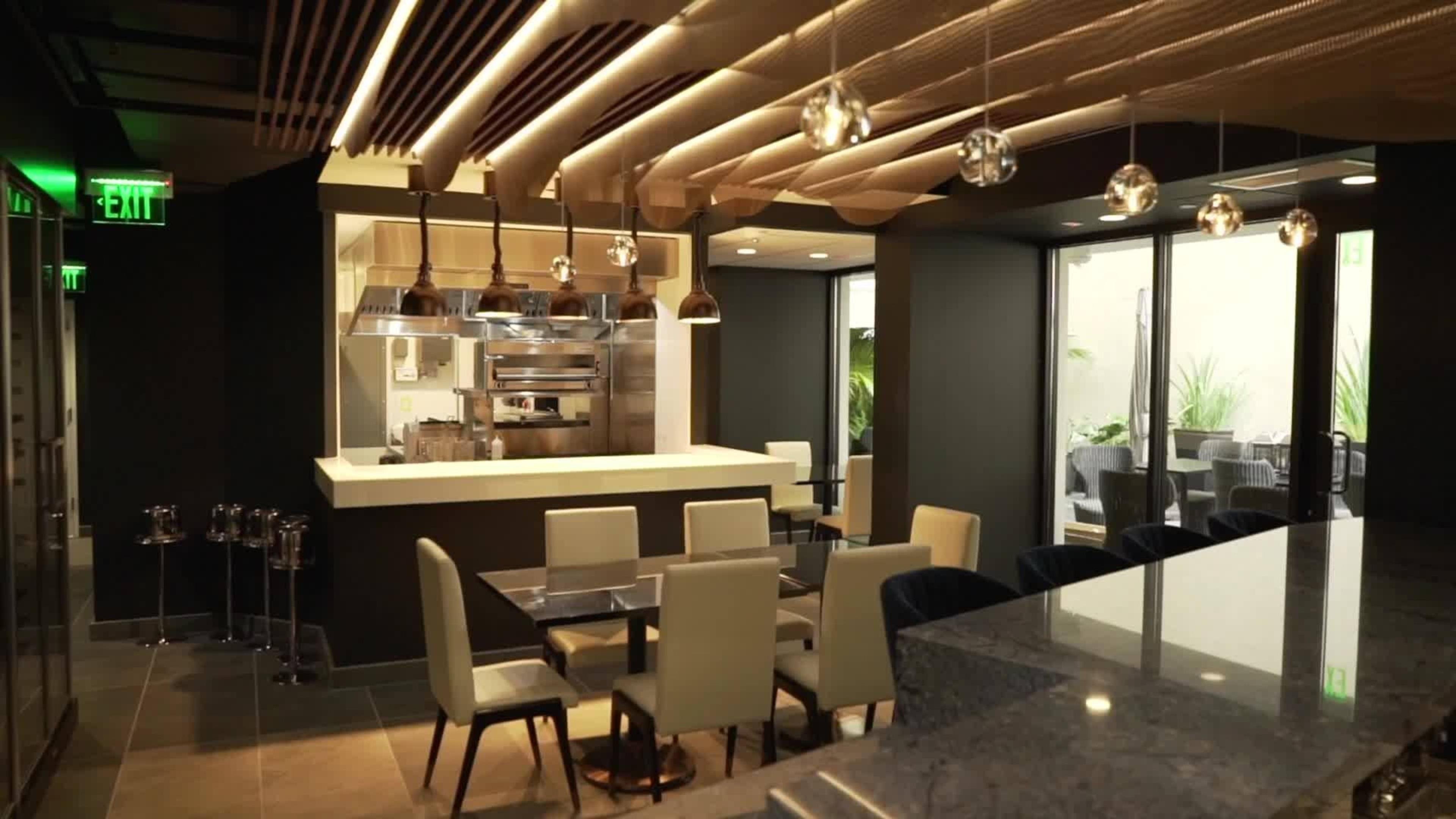
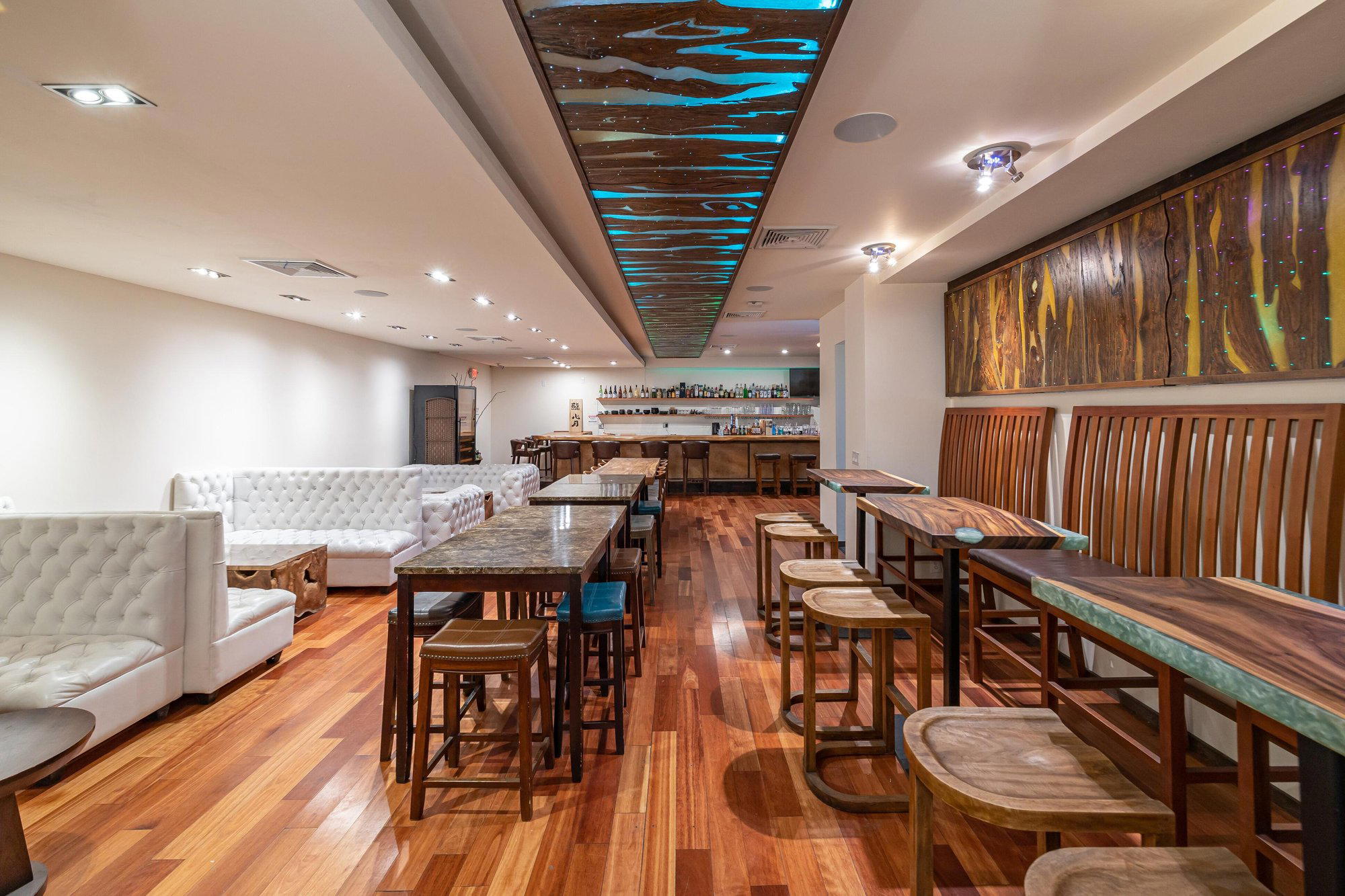
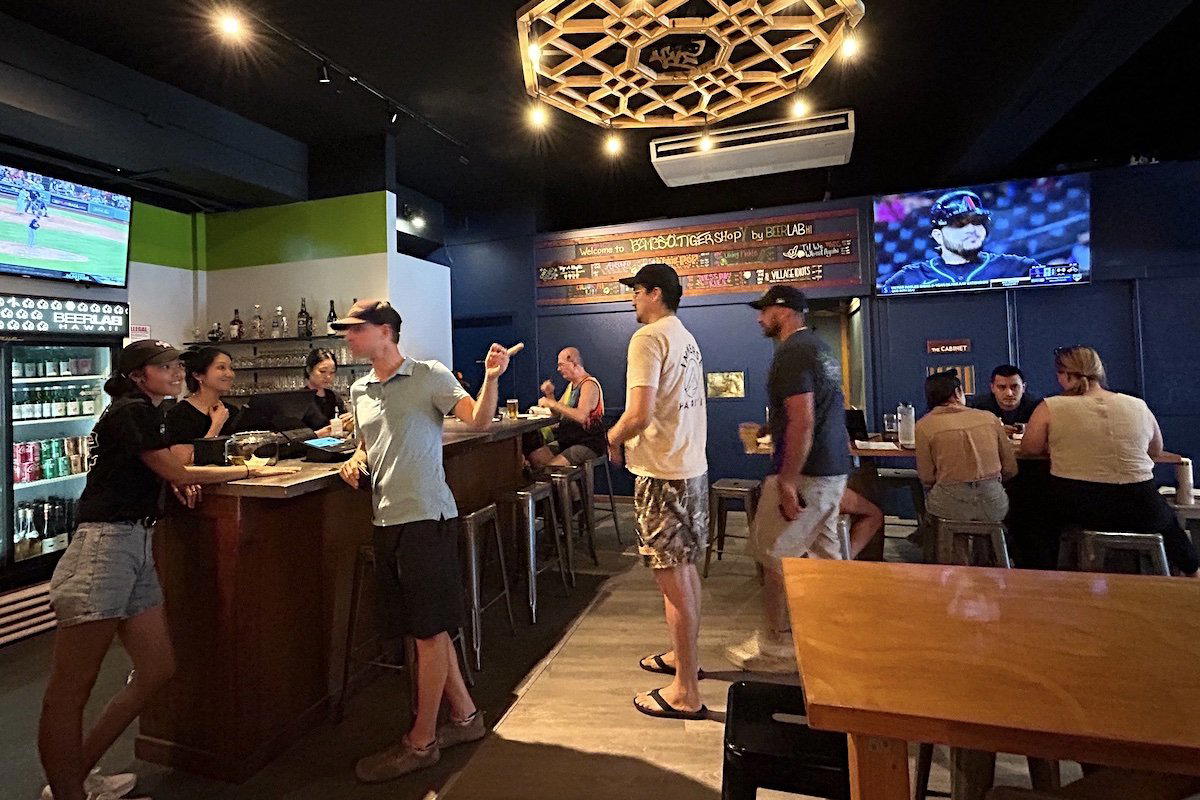
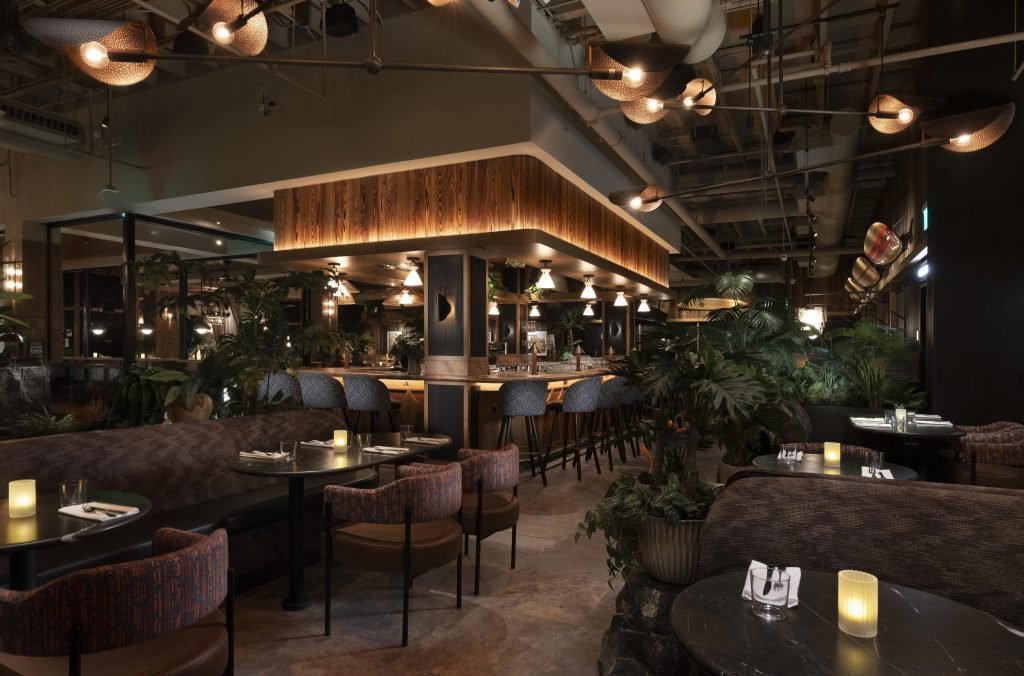
Casual bistro setting with moderate noise, friendly service, and an inviting neighborhood atmosphere.
Know Before You Go
- Getting there
- 3435 Waialae Ave # 103, Honolulu, HI 96816