Alohilani Resort Waikiki Beach

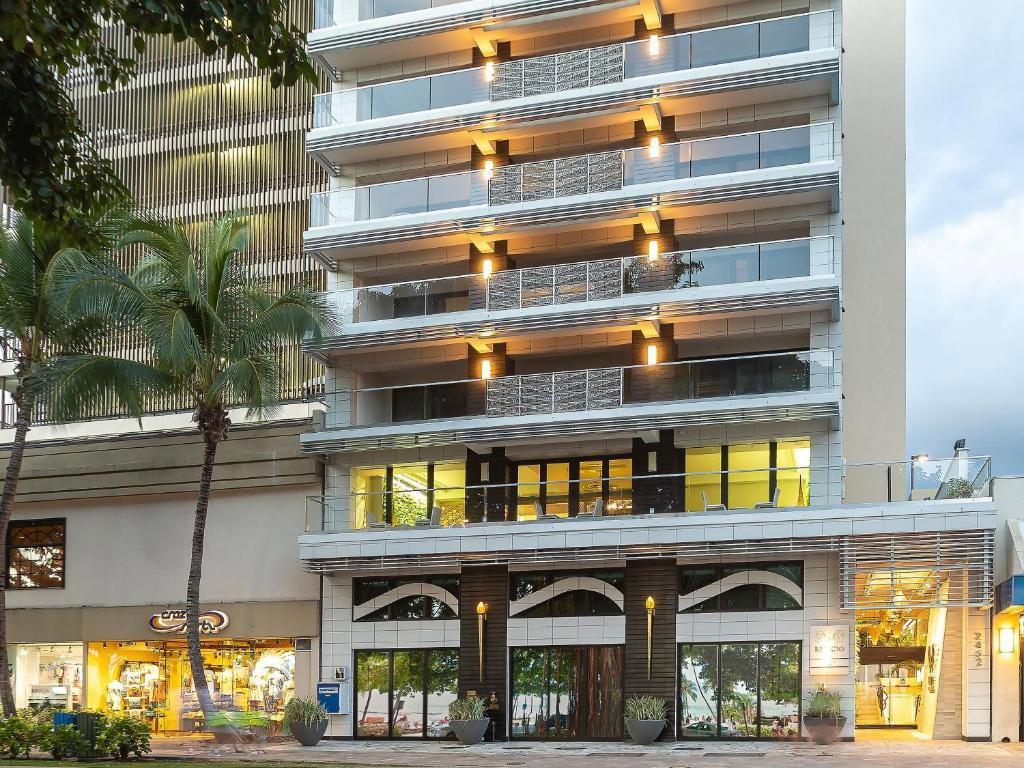
At 839 rooms, Alohilani Resort Waikiki Beach is one of Kalākaua Avenue's larger full-service properties, occupying a direct beachfront position that few competitors at this scale can match. The resort operates in the upper tier of Waikiki's volume-hotel segment, where design ambition and oceanfront access define the competitive conversation more than boutique restraint does.
Pearl is the En Primeur Club membership app — saves, bookings, and concierge access live there. Same editors, same standards.
- Address
- 2490 Kalākaua Ave, Honolulu, HI 96815
- Phone
- +1 808-922-1233
- Website
- alohilaniresort.com
- Directions
- Get directions
 Saves & bookings on Pearl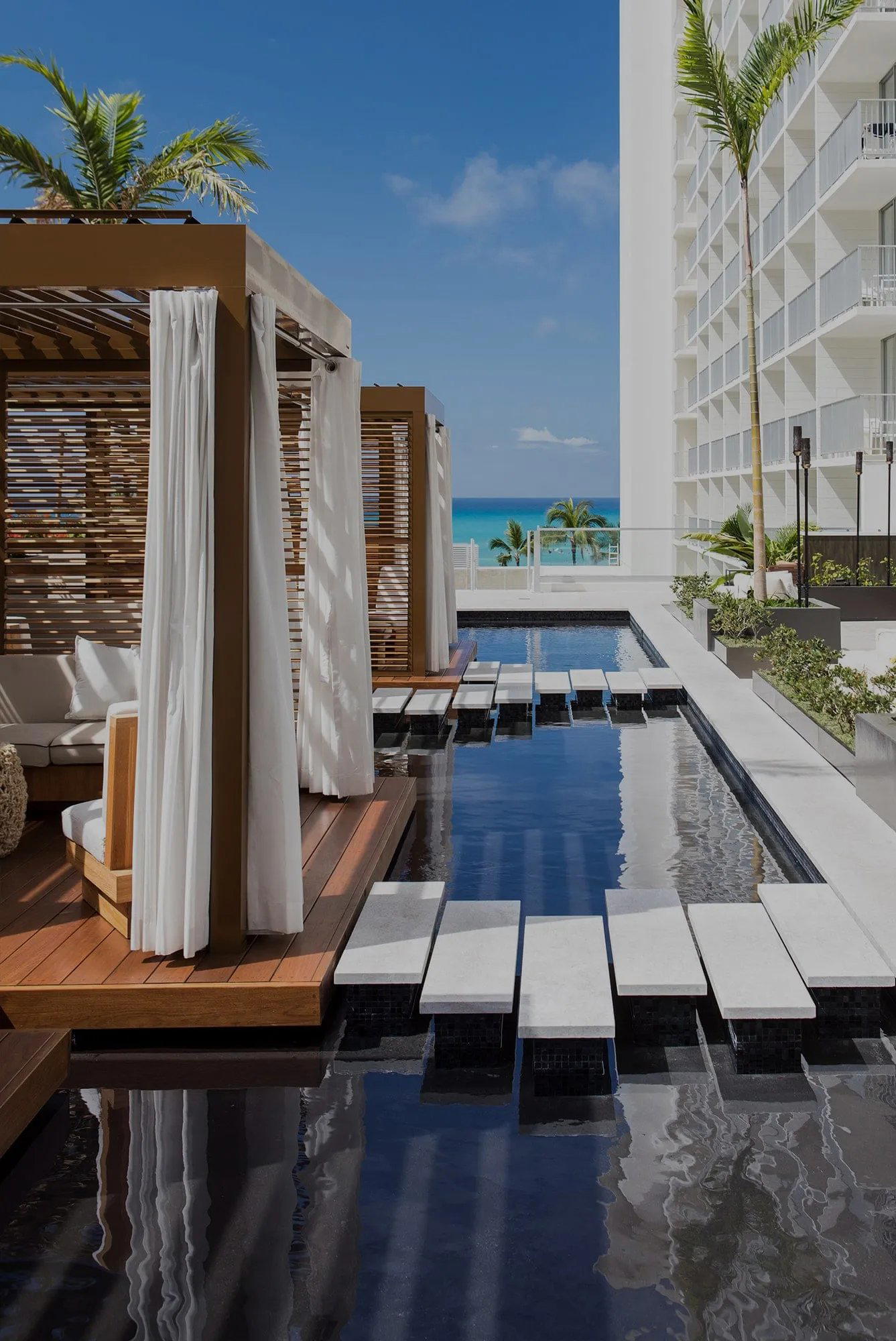
Scale and Setting on Kalākaua Avenue
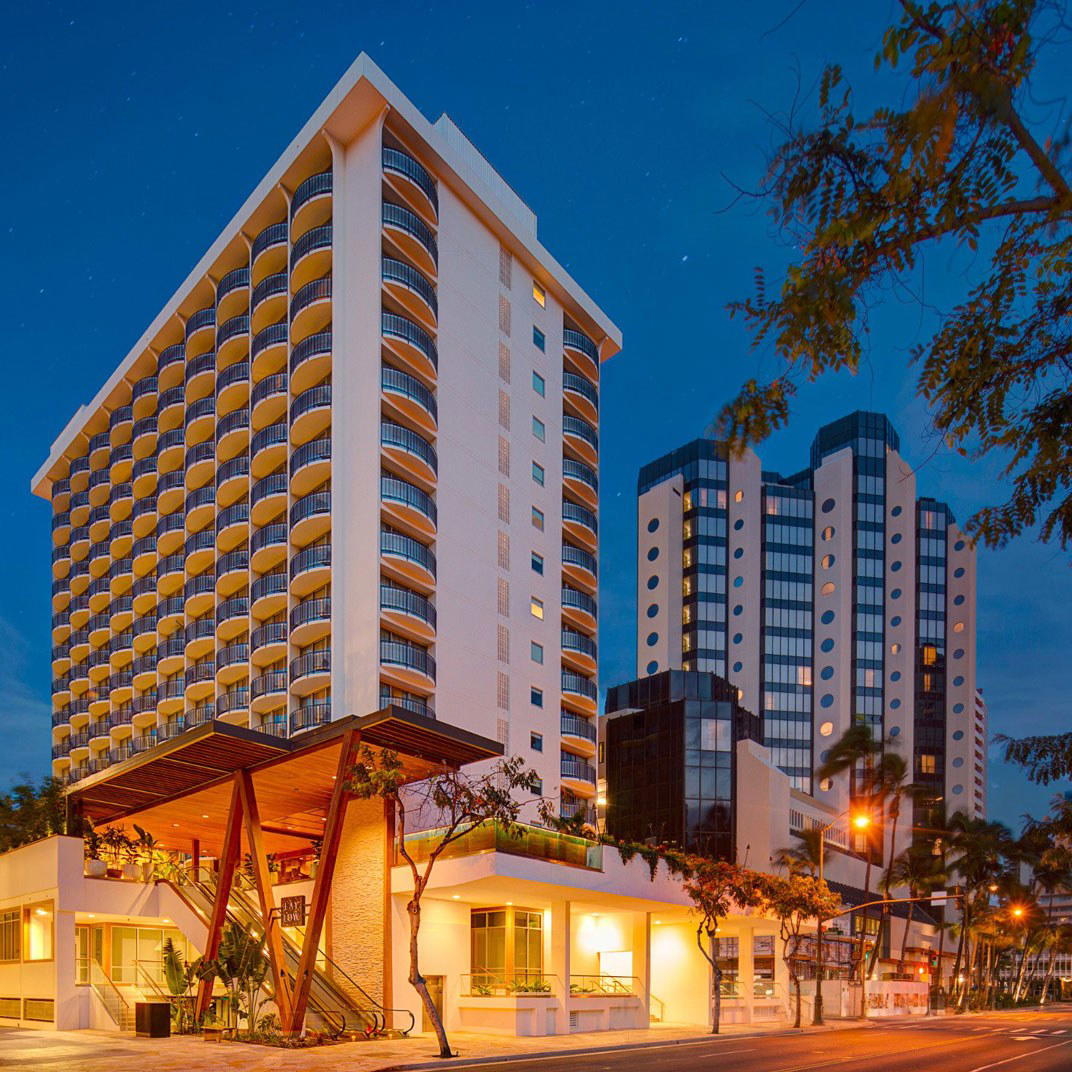
Waikiki's hotel strip has long operated on two distinct frequencies: the intimate, carefully edited properties that trade on restraint and low key counts, and the large-format resorts where scale itself becomes part of the offer. Alohilani Resort Waikiki Beach, at 839 rooms and positioned directly on Kalākaua Avenue at the address 2490, belongs firmly to the second category. In a stretch where beachfront access, architectural presence, and the sheer breadth of amenity provision determine the competitive hierarchy, operating at volume requires a different kind of discipline than running a 50-room boutique.
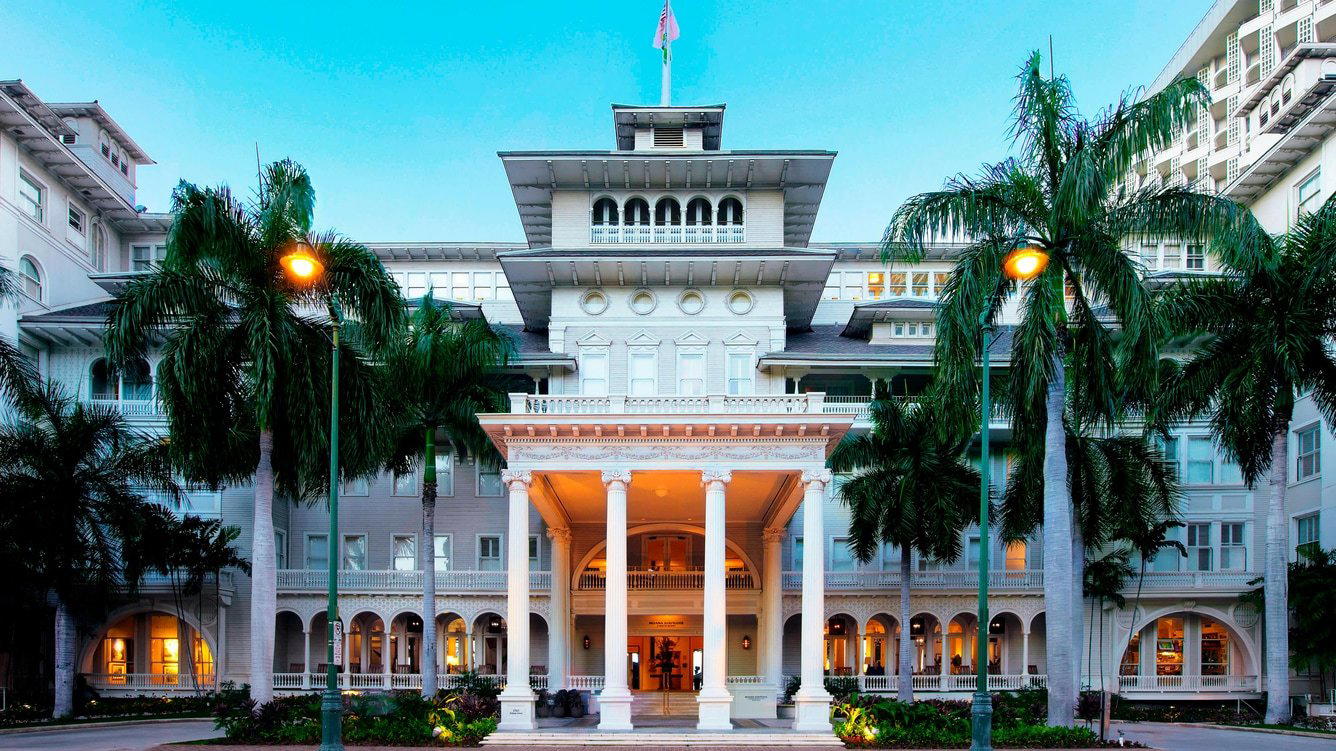
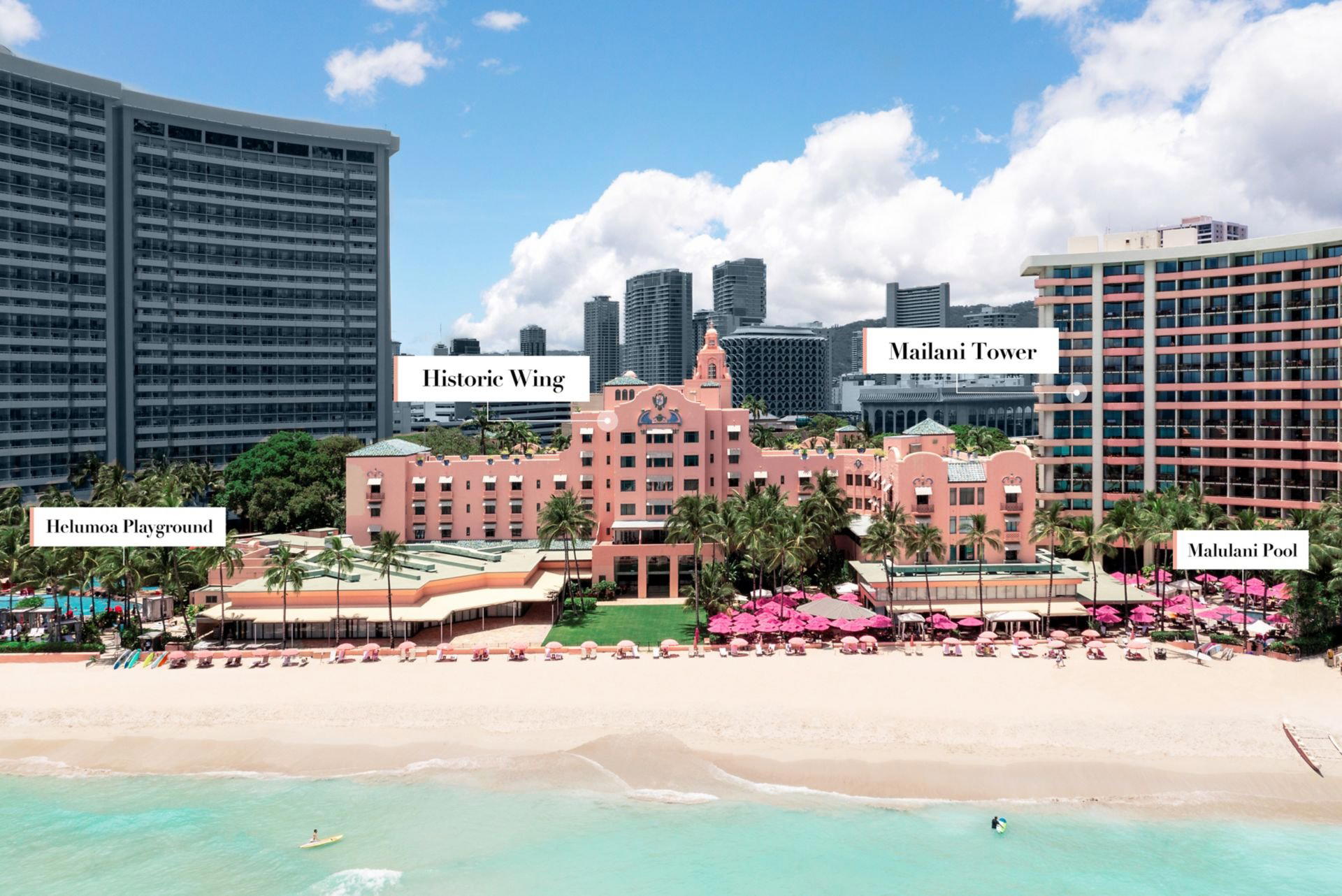
At the intimate end sit properties like Halekulani and its sister property Halepuna Waikiki by Halekulani, which operate with the kind of staff-to-guest ratios that allow for pronounced personalization. Further up the prestige ladder sits Ka La'i Waikiki Beach, LXR Hotels & Resorts, which pursues a high-design, limited-inventory approach to luxury. And then there is the enduring cultural weight of The Royal Hawaiian, a Luxury Collection Resort, Waikīkī, whose pink façade and historical tenure give it a positioning no newer property can replicate. Alohilani plays a different game: large footprint, full-spectrum amenities, direct beach proximity, and a contemporary design language that distinguishes it from older Waikiki resort stock.
Architecture as Statement in a Crowded Corridor
In a beachfront corridor where many towers read as interchangeable glass rectangles, the architectural conversation on Kalākaua Avenue matters more than it might in less visually saturated environments. The challenge for any large-format Waikiki resort is finding a design identity that registers without resorting to pastiche Hawaiian vernacular or generic tropical resort clichés. Alohilani's contemporary approach positions it alongside a cohort of properties that have renovated or rebuilt in the past decade, steering toward clean lines and material choices that let the ocean view do the heavy lifting rather than competing with it through ornament.
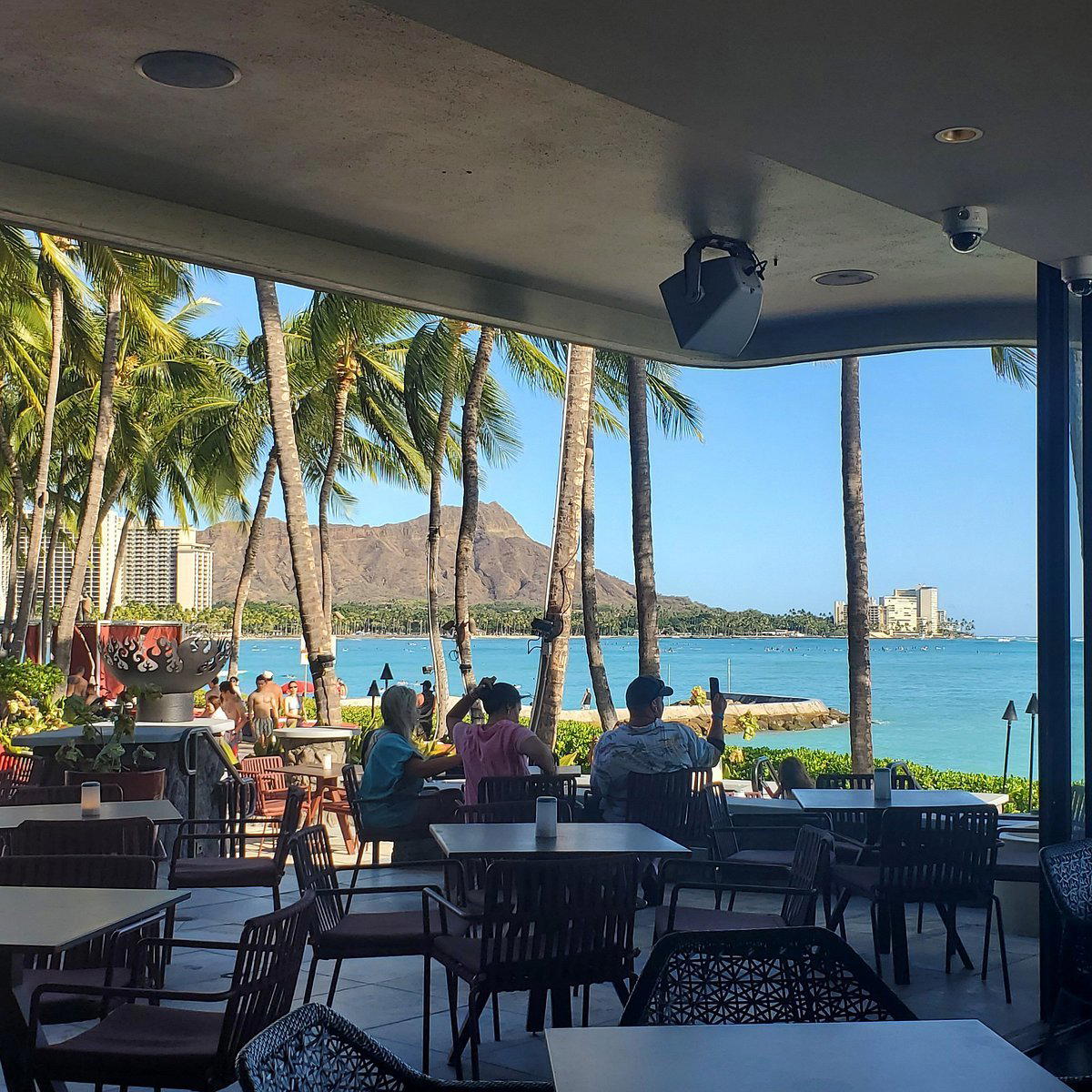
This is a pattern visible across the premium resort segment in Hawaii and beyond. Properties like Kona Village, A Rosewood Resort in Kailua Kona have taken the approach of rooting design in indigenous material culture, while mainland resort destinations such as Amangiri in Canyon Point demonstrate how landscape-responsive architecture can become the primary differentiator in a competitive set. On Waikiki specifically, where the Pacific horizon is the dominant visual asset, design choices that frame rather than obstruct that view tend to age better than those that compete with it.
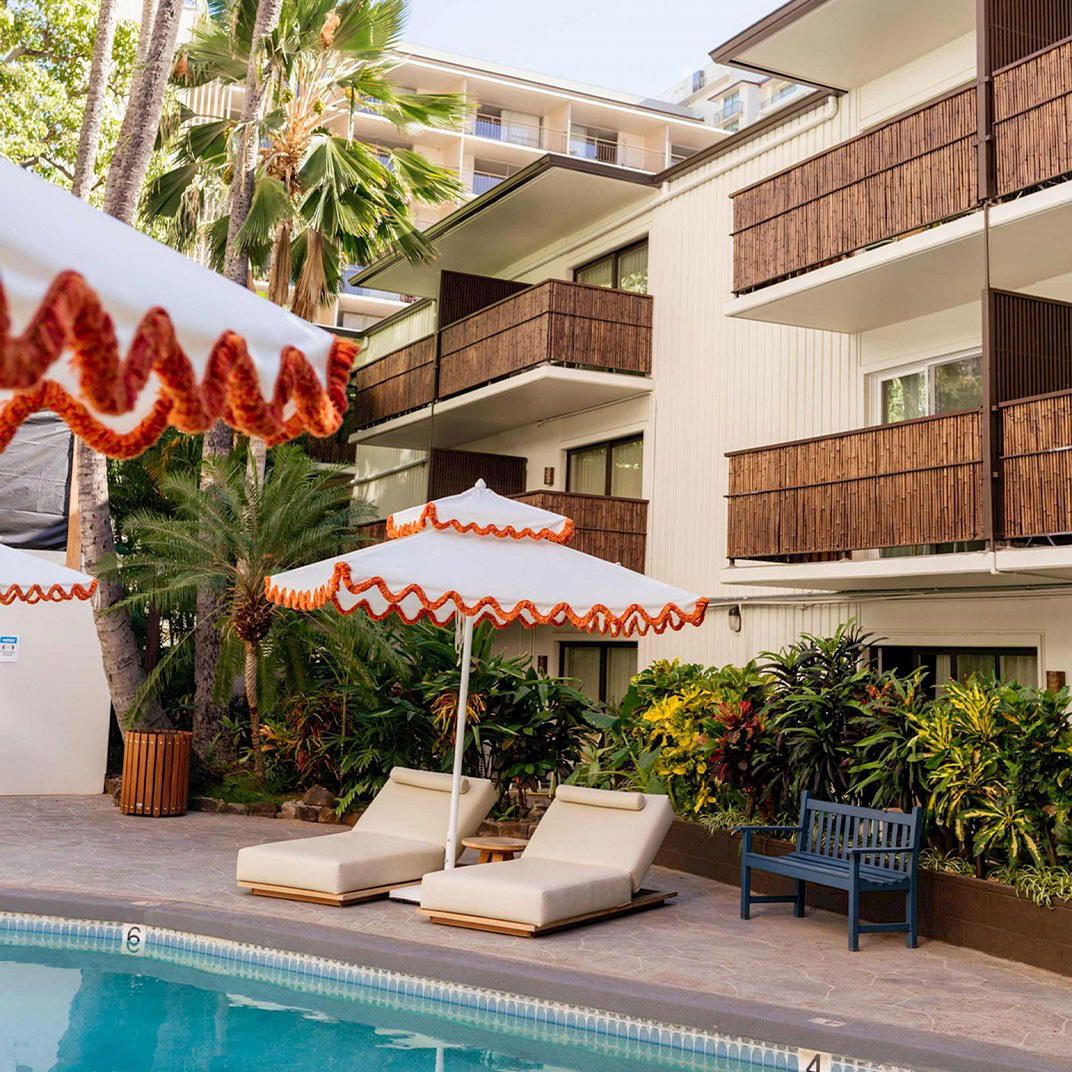
The 839-room count also has spatial implications worth considering. Properties of this scale in Honolulu typically operate multiple pool levels, lobby-adjacent dining, and tiered room categories that range from standard city-facing inventory to premium oceanfront configurations. The architecture has to manage that internal complexity while maintaining legible public spaces. For the traveler, this means that room selection within the property carries more consequence than it would at a smaller hotel, where fewer tiers mean fewer trade-offs.
Waikiki's Design Conversation: Where Scale Meets Ambition
The post-2010 renovation cycle on Oahu produced a generation of properties that shed dated interiors and repositioned through contemporary design investment. That cycle raised the baseline expectation across the corridor: a resort that looked dated began losing market position regardless of its location or amenity offering. Alohilani's positioning reflects awareness of that dynamic, with a design register intended to compete against peers who have similarly invested in their physical plant.
The design ambition of Post Ranch Inn in Big Sur or the considered interiors at Hotel Bel-Air in Los Angeles operate at different scales and price points, but they establish a benchmark for what design-led hospitality looks like when executed with conviction. At 839 rooms, Alohilani is not competing in that intimate tier. It competes instead against other high-volume oceanfront properties where the design task is managing scale gracefully rather than eliminating it.
Alohilani Resort Waikiki Beach sits at 2490 Kalākaua Avenue, the main arterial of Waikiki's hotel and retail corridor, placing it within walking distance of the beach access points, dining, and the broader infrastructure that makes Waikiki function as a self-contained resort district. For travelers arriving at Daniel K. Inouye International Airport, the drive into Waikiki runs roughly 30 minutes under normal traffic conditions, though the H-1 freeway can extend that during peak hours.
The gap between a standard city-facing room and a premium oceanfront suite at properties of this type can be significant in both price and daily experience. Travelers for whom the Pacific view is integral to the stay should treat that upgrade as a structural rather than optional decision.
Fast Comparison
Comparable venues nearby, for context on price, style, and recognition.
| Venue | Cuisine | Price | Awards | Notes |
|---|---|---|---|---|
| Alohilani Resort Waikiki BeachThis venue — the venue you are viewing | Modern beachfront resort with signature oceanarium and lively pool deck | $$$$ | 4-Star | Not listed |
| Ka La'i Waikiki Beach, LXR Hotels & Resorts | Coastal chic luxury resort with residential-style suites evoking Hawaii's royal past. | $$$$ | 4-Star | Waikiki |
| The Laylow, Autograph Collection | Mid-century modern Hawaiian boutique hotel | $$$$ | 4-Star | Kapahulu |
| The Royal Hawaiian, a Luxury Collection Resort, Waikīkī | Well-known historic beachfront resort with modern tower addition | $$$$ | 5-Star | Waikiki |
| Halepuna Waikiki by Halekulani | contemporary urban resort with Hawaiian serenity | $$$$ | 5-Star | Waikiki |
| Wayfinder Waikiki | Modern boutique lifestyle hotel celebrating multicultural Hawaiian heritage through locally-sourced design and immersive cultural experiences. | $$$ | 4-Star | Waikiki |
Recognition history
Dated appearances from independent guides and award organizations, with the underlying list record or original source where available.
Preferred Hotels Member
Preferred Hotels
At a Glance
- Modern
- Lively
- Scenic
- Elegant
- Family Vacation
- Romantic Getaway
- Weekend Escape
- Beachfront
- Rooftop Pool
- Infinity Pool
- Pool
- Spa
- Fitness Center
- Room Service
- Concierge
- Valet Parking
- Beach Access
- Wi Fi
- Waterfront
- Pool
- Spa
- Fitness Center
- Room Service
- Concierge
- Valet Parking
- Beach Access
- Wi Fi
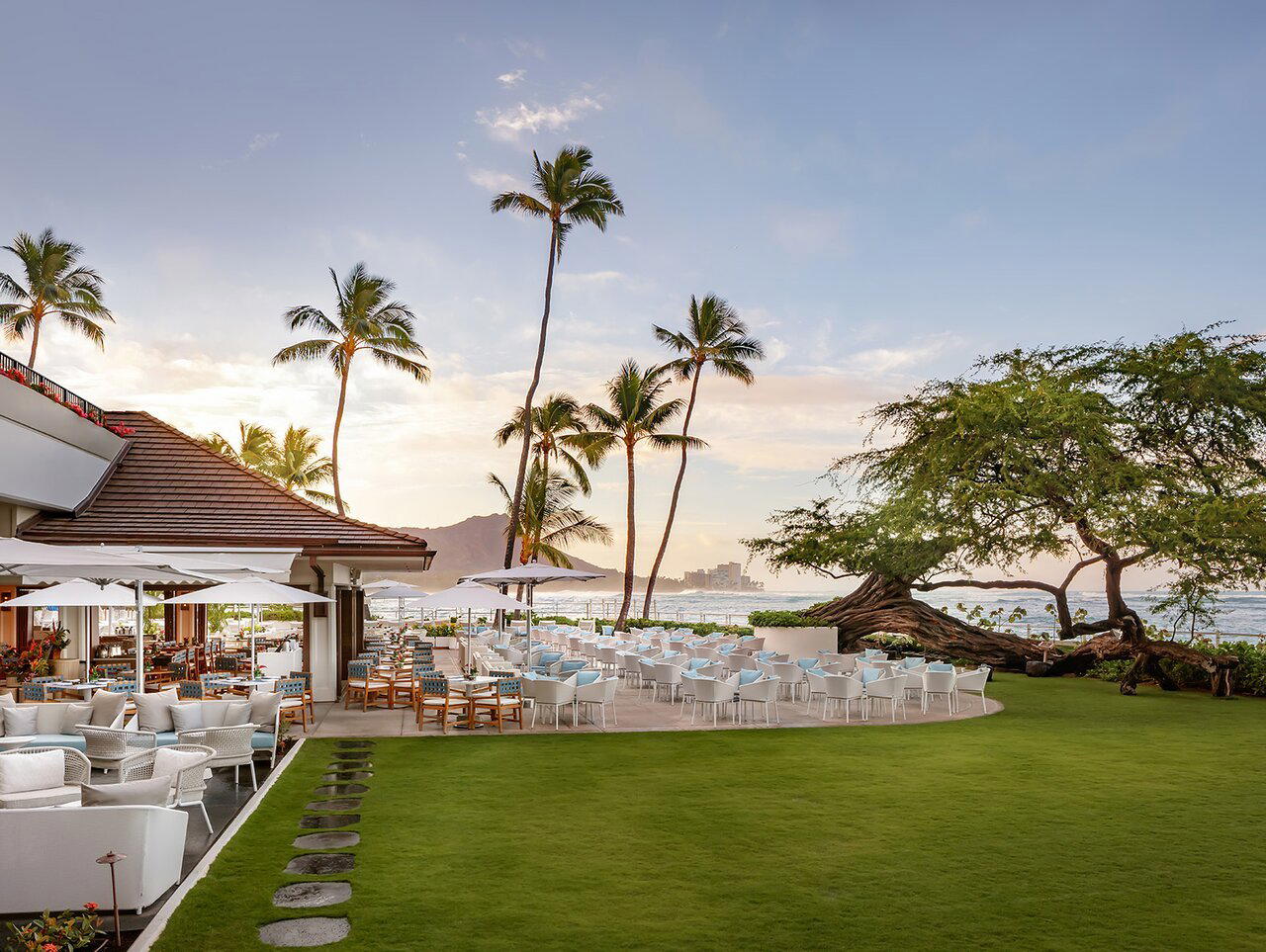
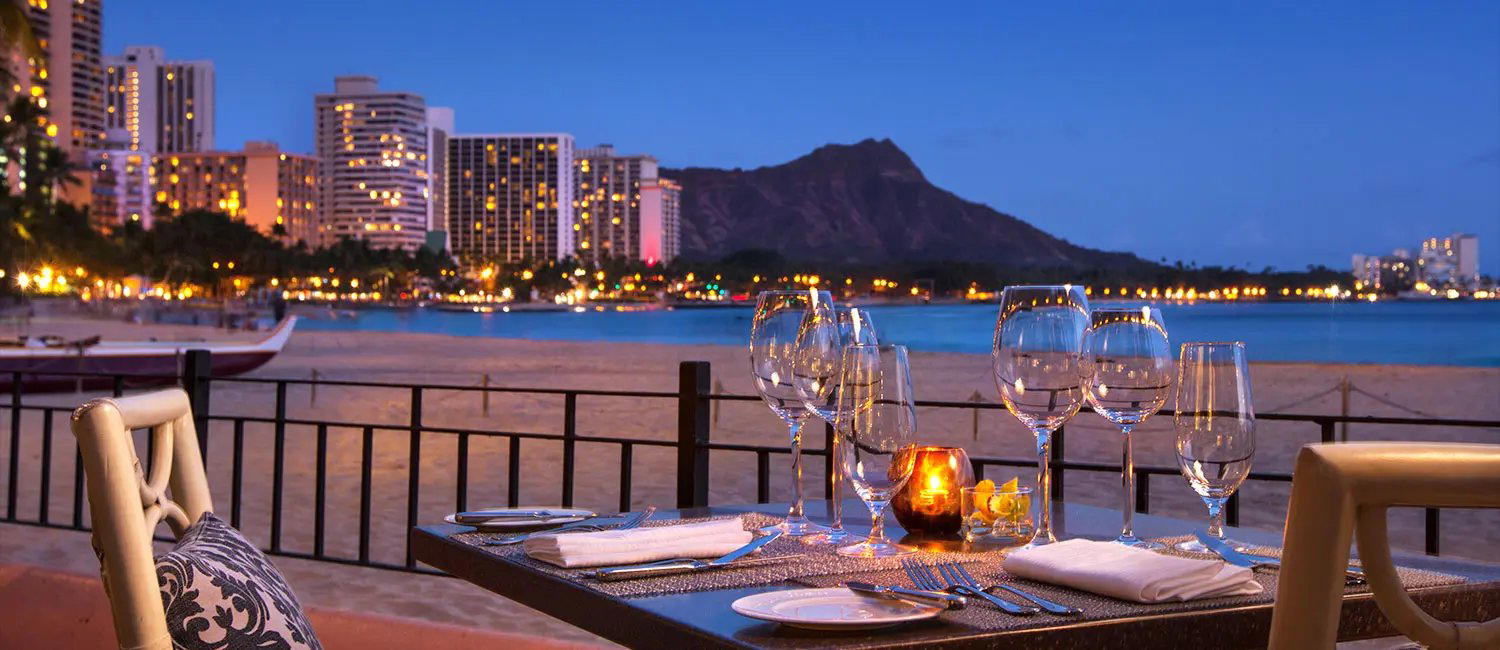
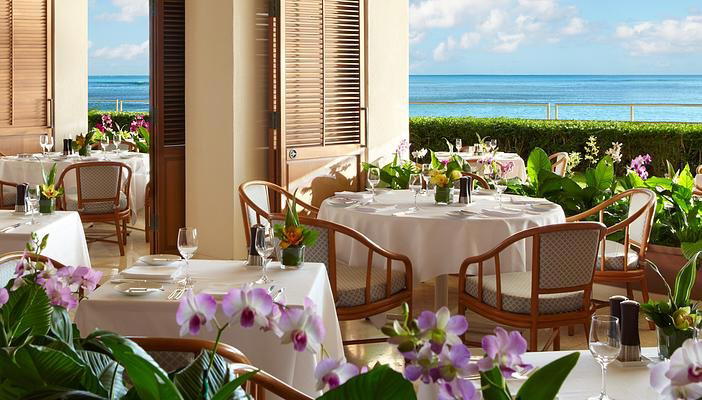
Lively and energetic with dramatic ocean views from the pool deck, modern luxury in rooms, and a lively poolside atmosphere.