Adez Steakhouse & Lounge
Adez Steakhouse & Lounge brings Honolulu’s steakhouse conversation away from resort dining rooms and into Kapahulu’s after-dark restaurant strip. The appeal is direct: steakhouse cooking, lounge hours, and a location that suits diners who want ribeye-and-cocktail energy without committing to the formality of a hotel dining room.
Pearl is the En Primeur Club membership app — saves, bookings, and concierge access live there. Same editors, same standards.
- Address
- 829 Kapahulu Ave, Honolulu, HI 96816
- Phone
- (808) 992-7288
- Website
- adezhawaii.com
- Directions
- Get directions
 Saves & bookings on Pearl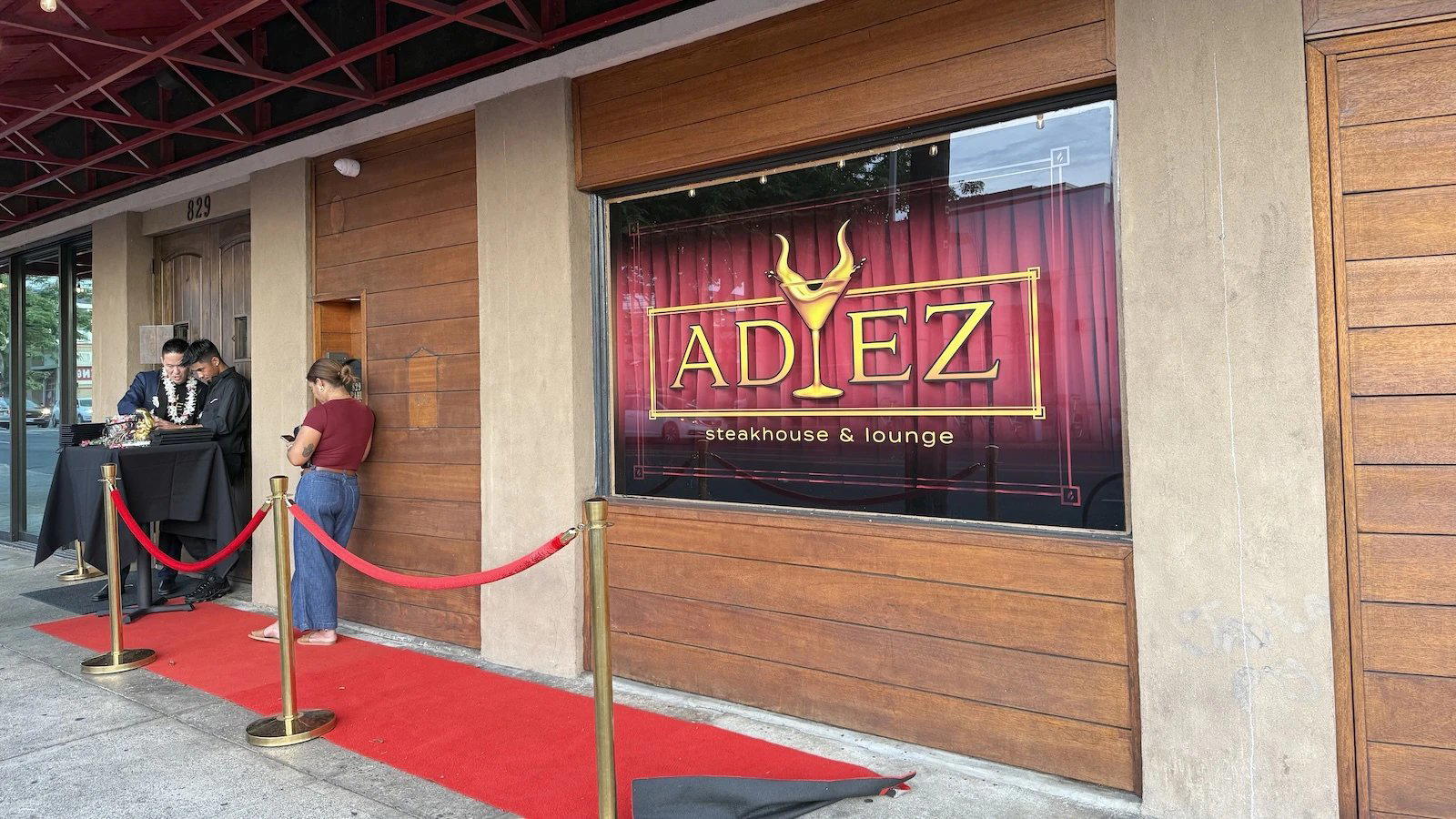
Kapahulu has a different rhythm from Waikīkī’s resort corridors. Traffic moves toward plate-lunch counters, bakeries, late dinners, and after-hours rooms rather than choreographed hotel lobbies. In that setting, Adez Steakhouse & Lounge reads less like a ceremonial steakhouse and more like Honolulu’s answer to the modern steak-and-lounge format: dinner built around beef, followed by a room that can carry the night later than a conventional restaurant.
That distinction matters in Honolulu, where steak often appears at two poles. At one end are resort dining rooms with polished service rituals and ocean-view pricing. At the other are casual local rooms where beef shares space with garlic chicken, ahi, noodles, and plate lunch habits. A Kapahulu steakhouse sits between those worlds. It can speak the language of ribeye, strip, filet, and tomahawk without asking the diner to treat the evening as a formal occasion.
Kapahulu gives the steakhouse format a looser Honolulu accent
The American steakhouse is built on a simple hierarchy of cuts, and the reader’s order should start there. Ribeye is the fat-driven choice, prized for marbling and a deeper beef flavour. New York strip is firmer and more linear, with less internal fat and a cleaner chew. Filet is about tenderness rather than intensity. Tomahawk, when offered, is theatre by design: long bone, large format, and a table-sharing signal before it is a technical upgrade. The better way to read a steakhouse menu is not by price alone but by the cut’s job at the table.
Honolulu complicates that template in useful ways. The city’s dining culture is not built around rigid European courses; it is fluent in shared plates, late meals, and mixed culinary registers. Steakhouse dining here often competes with sushi counters, Korean barbecue, seafood rooms, izakaya-style drinking, and local comfort food rather than only with other chophouses. That pressure tends to reward restaurants that can feel sociable without becoming vague. Adez Steakhouse & Lounge belongs to that urban category: steak as the anchor, lounge energy as the frame.
The absence of public awards does not weaken the category reading; it clarifies it. This is not a page for diners chasing Michelin-style hierarchy or a chef-led tasting-menu narrative. The useful question is narrower: whether a Honolulu steakhouse outside the resort circuit can deliver the mood and structure diners want from beef-focused dining. For a city where many visitors default to Waikīkī, Kapahulu offers a more local axis for a steak dinner, with fewer resort cues and more neighbourhood momentum.
Ribeye, strip, filet, tomahawk: order by texture, not status
A steakhouse meal improves when the table stops treating every premium cut as interchangeable. Ribeye suits diners who want fat, char, and a looser grain. Strip works for those who prefer chew and definition. Filet is the softest option but needs support from sauce, seasoning, or sides because its tenderness comes with less beef force. A large-format bone-in cut is less about delicacy than pacing: it slows the table down, shifts the meal toward sharing, and makes sides matter.
That cut-by-cut thinking is especially useful in a lounge setting. A table beginning with cocktails or moving into later-night service should not order as if it were a quiet corporate dinner. Richer cuts can handle stronger drinks and a longer evening; leaner cuts work better when the meal is centered on the plate rather than the room. Honolulu diners often eat across categories in one night, so a steakhouse here has to accommodate the guest who wants a complete dinner and the guest who wants beef, drinks, and a longer social arc.
Steakhouses also reveal themselves through what surrounds the meat. Sides, sauces, seafood starters, and salads determine whether the experience feels like a rigid import or a restaurant adapted to its city. Without turning the meal into a survey course, the stronger Honolulu steakhouse order usually balances fat with acidity, salt with something green, and a large cut with enough shared plates to keep the table from becoming a single-note exercise.
How it fits into a Honolulu dining itinerary
Adez Steakhouse & Lounge is better understood as a situational choice than a universal recommendation. It fits evenings when the table wants steakhouse cues but not resort ceremony, when a later dinner is useful, or when Kapahulu makes more sense than crossing back into Waikīkī. The lounge component is part of the decision, not decoration; it points toward a longer night and a room that can absorb groups as easily as couples.
For broader planning, Honolulu rewards building meals by neighbourhood and occasion rather than by cuisine alone. Readers comparing city dining styles can start with Our full Honolulu restaurants guide, then place a steakhouse night alongside more local or seafood-driven addresses such as 3660 On the Rise, 53 By The Sea, 855-ALOHA, Ahaaina Luau, and Ahi Assassins. For the wider trip architecture, use Our full Honolulu hotels guide, Our full Honolulu bars guide, Our full Honolulu wineries guide, and Our full Honolulu experiences guide.
Travellers extending the same food logic beyond Honolulu can read across formats rather than chasing a single cuisine: Jōdo Saké Bar in Los Angeles for sake-bar structure, Onigiri Time in Pasadena for a narrower Japanese casual format, ¿Por Qué No? in Portland for a high-volume taqueria model, 'Ai Love Nalo in Waimanalo Beach for plant-forward Hawaiʻi cooking, 'āina in San Francisco for Hawaiian ideas translated to the mainland, 'Ama 'Ama in Kapolei for resort-side Hawaiʻi dining, 1515 West Chophouse, Steakhouse in Shanghai for an international chophouse reference, and 1587 Prime, Steakhouse in Kansas City for a beef-city comparison outside Hawaiʻi.
The editorial case is narrow and useful: choose this room when the night calls for a steakhouse structure, a Kapahulu setting, and lounge pacing. Order by cut, match the richness of the beef to the tempo of the evening, and treat the address as part of Honolulu’s non-resort dining map rather than a substitute for a hotel steakhouse.
In Context
Comparable venues nearby, for context on price, style, and recognition.
| Venue | Cuisine | Price | Notes |
|---|---|---|---|
| Adez Steakhouse & LoungeThis venue — the venue you are viewing | Kapahulu, Hawaiʻi Fusion Steakhouse | $$$ | Not listed |
| The Cutlery | Kaimuki, Kaimuki Neighborhood Steakhouse | $$$$ | Not listed |
| Restaurant SUNTORY | Not listed | $$$ | Waikiki, Traditional Japanese Kaiseki & Omakase |
| Mana + Pua | Not listed | $$$ | Kakaako, Contemporary European Bistro with Hawaiian Fusion |
| The Dotted Line | Not listed | $$$ | Downtown Honolulu, Global Fusion with Hawaiian Influences |
| Little Joe's Steakhouse | Chinatown, Classic American Steakhouse | $$$ | Not listed |
At a Glance
- Modern
- Lively
- Sophisticated
- Trendy
- Energetic
- Date Night
- Group Dining
- Celebration
- Late Night
- After Work
- Standalone
- Craft Cocktails
Current opening hours
- Monday
- 5 PM–12 AM
- Tuesday
- 5 PM–12 AM
- Wednesday
- 5 PM–12 AM
- Thursday
- 5 PM–12 AM
- Friday
- 5 PM–2 AM
- Saturday
- 5 PM–2 AM
- Sunday
- 5 PM–12 AM
Hours can change for holidays and private events. Last verified .
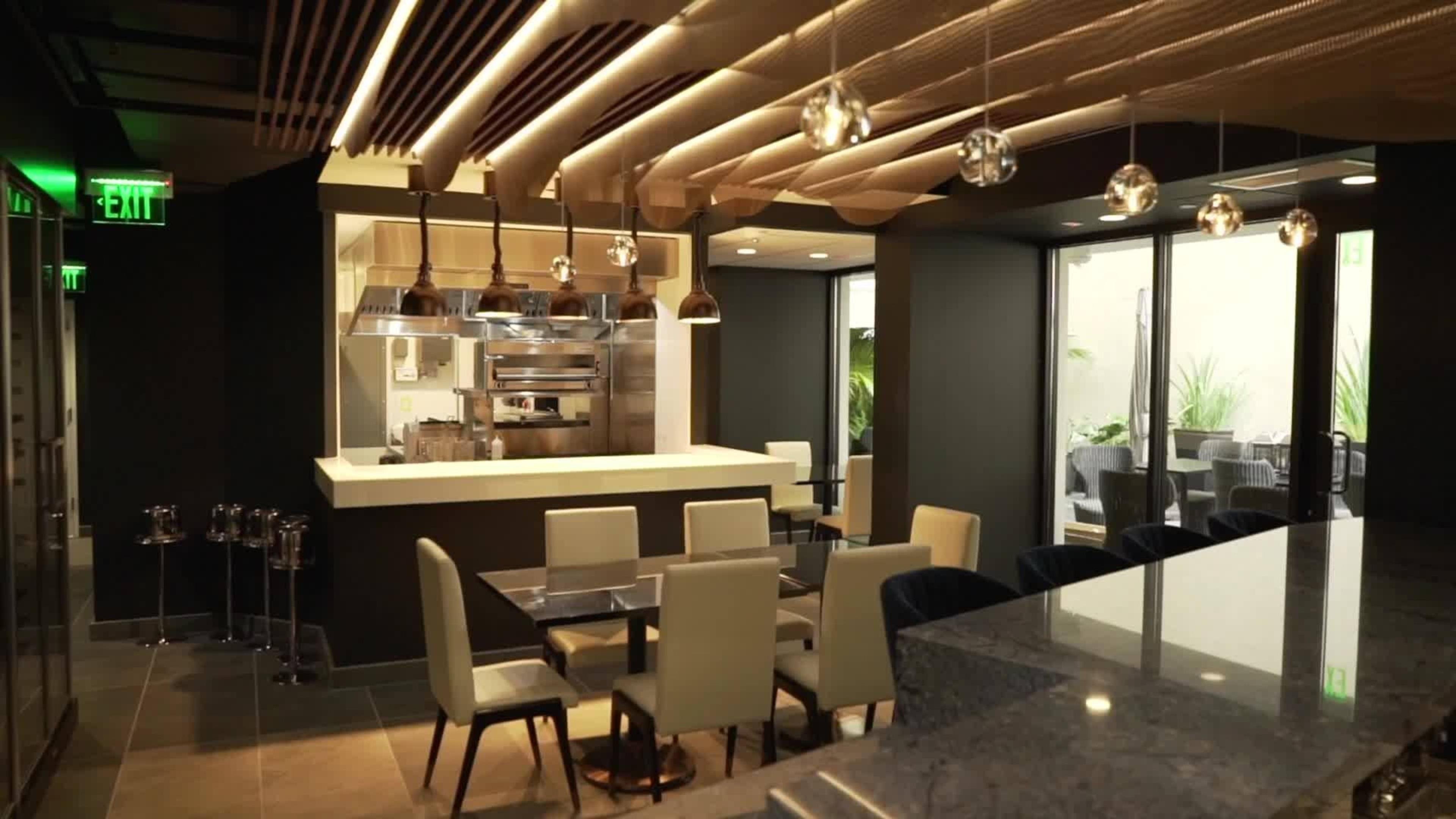
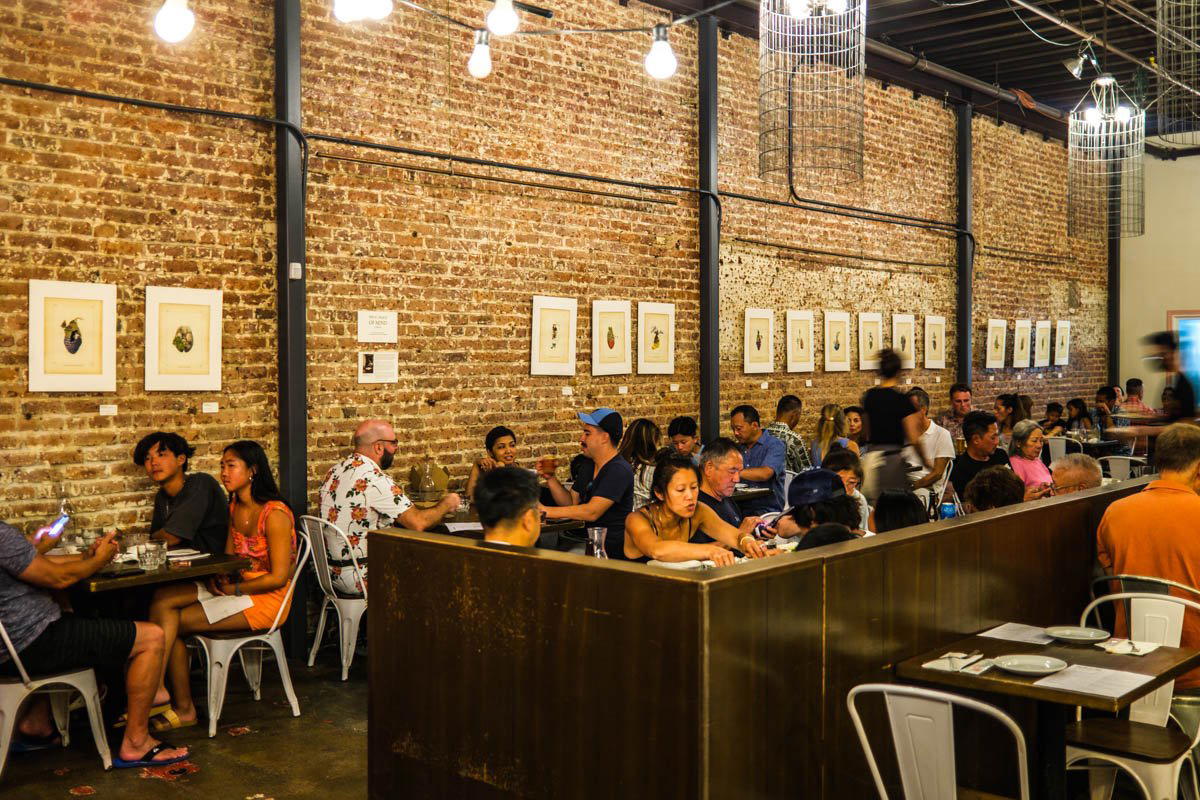
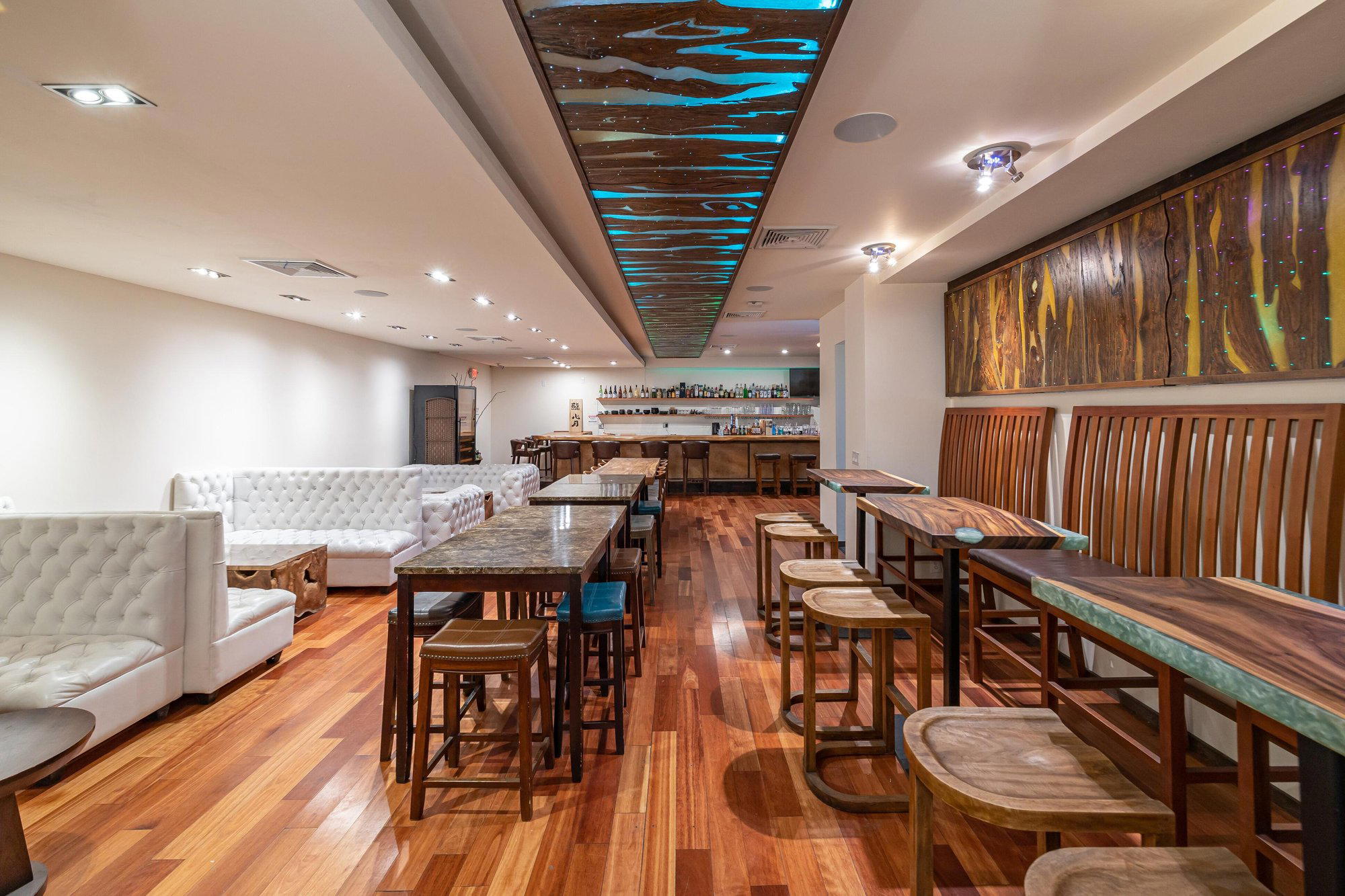
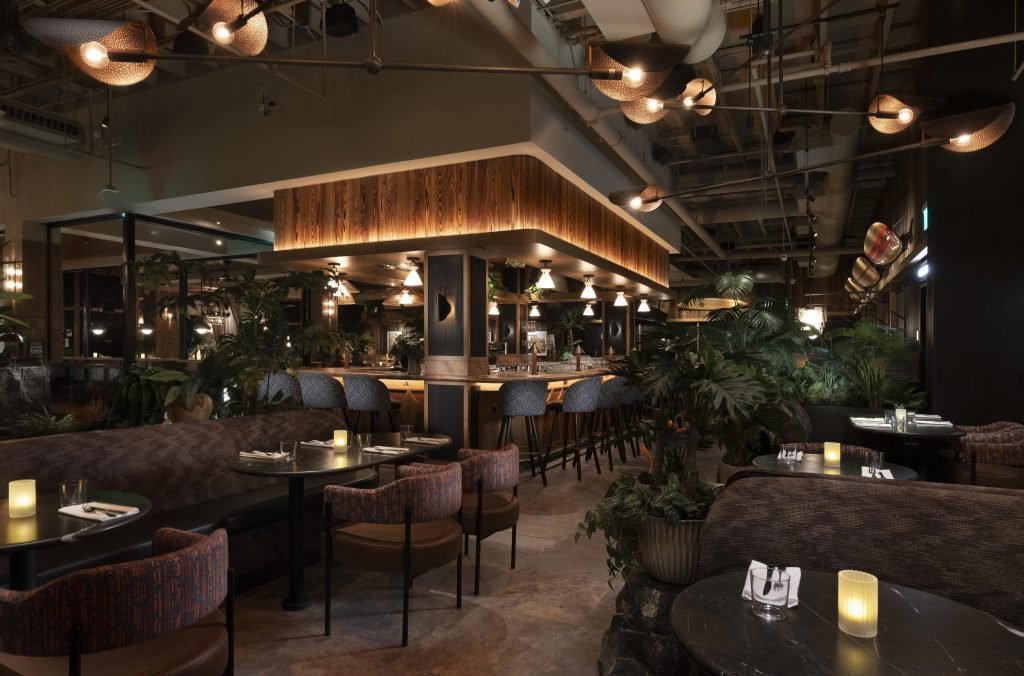
Contemporary and high-energy, with a vibey lounge atmosphere that feels polished rather than formal.