The Crouching Lion
The Crouching Lion sits along Kamehameha Highway on Oahu's rural windward coast, where the Ko'olau mountains meet a coastline that sees far fewer visitors than Honolulu's resort corridor. The setting frames a dining experience rooted in Hawaiian place rather than tourist convenience, making it a counterpoint to the island's more polished restaurant scene.
Pearl is the En Primeur Club membership app — saves, bookings, and concierge access live there. Same editors, same standards.
- Address
- 51-666 Kamehameha Hwy, Kaaawa, HI 96730
- Phone
- +18088305025
- Website
- thecrouchinglion.com
- Directions
- Get directions
 Saves & bookings on Pearl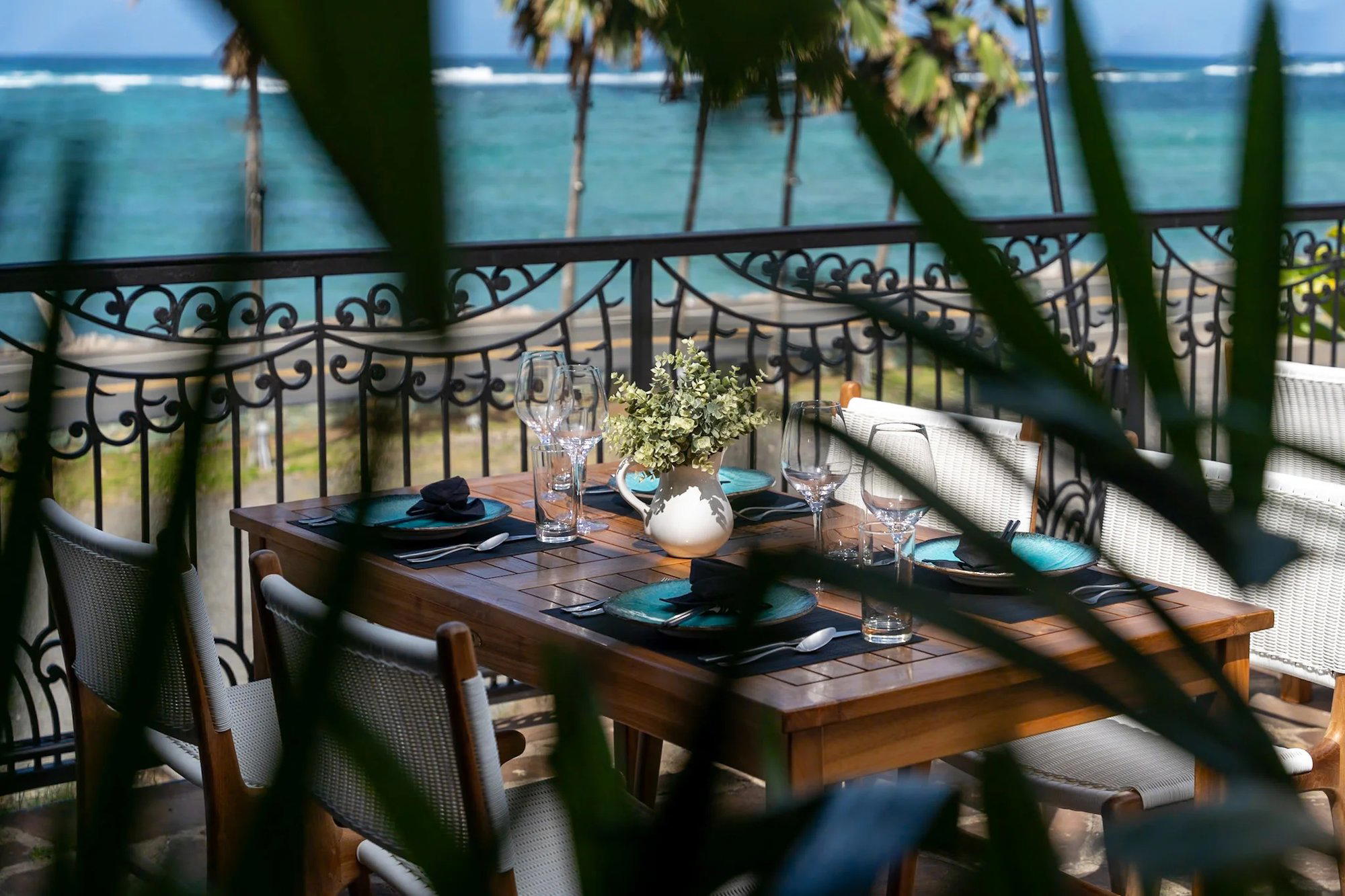
Where the Windward Coast Sets the Table
Oahu's dining conversation defaults to Honolulu: the tasting counters of Kakaako, the resort restaurants lining Waikiki, the izakayas of Kaimuki. The windward side, running north along Kamehameha Highway past the Ko'olau pali, operates on a different register entirely. The road narrows, the mountains press close to the water, and the towns along this stretch — Kaneohe, Kualoa, Ka'a'awa — carry the quieter, older character of an island that existed before the tourism infrastructure shaped its identity. The Crouching Lion sits along this corridor at 51-666 Kamehameha Highway, positioned as one of the few sit-down dining options in a stretch of coastline that most visitors pass through rather than stop in.
That geography matters. Restaurants on this side of the Ko'olau range compete neither for the convention-center crowd nor for the resort hotel guest. Their clientele tends toward local families, hikers coming off the Kualoa trails, and travelers who have made a deliberate choice to drive beyond Diamond Head. The demographic shapes the experience in ways that no branding exercise could replicate.
Hawaiian Dining Outside the Resort Framework
To understand what a place like The Crouching Lion represents, it helps to trace how Hawaii's restaurant culture divides. At one end sit the major resort restaurants, often helmed by mainland-trained chefs and priced accordingly, properties with programs comparable to what you'd find at The French Laundry in Napa or Single Thread Farm in Healdsburg in terms of format and investment level. At the other end are the plate-lunch counters, shave ice stands, and family operations that define everyday eating across the islands. Between those poles sits a middle tier of restaurants that serve the actual communities of Hawaii, neither aspirationally fine-dining nor purely utilitarian.
That middle tier has its own cultural logic. Hawaiian regional cuisine, formalized as a movement in the late 1980s by a cohort of local chefs, drew on the archipelago's layered food heritage: Native Hawaiian traditions centered on taro, fish, and the imu (underground oven); the influence of Chinese, Japanese, Filipino, Korean, and Portuguese laborers who arrived through the plantation era; and the produce possibilities of a volcanic island chain with microclimates ranging from alpine to tropical. The result is a food culture that resists easy categorization. It is neither purely Pacific Islander nor straightforwardly Asian-American, and it does not map neatly onto any mainland framework.
Ka'a'awa sits within this tradition geographically and historically. The area falls within the ahupua'a system, the traditional Hawaiian land-division structure running from mountain to sea, that shaped how communities accessed food, water, and resources for centuries. Dining here, at whatever price point, carries that layered context whether the menu acknowledges it explicitly or not.
The Windward Counterpoint
The contrast between the windward coast dining experience and the Honolulu scene is worth stating plainly. In Honolulu, a traveler can find everything from the classical French seafood tradition represented by Le Bernardin in New York City in terms of ambition level, to the kind of precision Korean programming associated with Atomix in New York City. Progressive American formats comparable to Lazy Bear in San Francisco or Alinea in Chicago have analogues in Honolulu's better restaurants. The windward coast offers none of that density, which is precisely its draw for a certain kind of traveler.
Restaurants in smaller coastal communities across the United States have often served as cultural anchors in ways that urban fine-dining establishments cannot, places where the history of a specific stretch of land is preserved in the menu and the room. Comparable dynamics appear at Blue Hill at Stone Barns in Tarrytown, where the agricultural surround shapes the program, or at The Inn at Little Washington in Washington, where decades of community embedding have made the restaurant inseparable from its town. The windward coast context, though different in every particular, reflects a similar logic: the setting is not backdrop but content.
The nearby presence of Uncle Bobo's speaks to the character of the local dining scene, Ka'a'awa supports a small cluster of independent operations rather than chains, and the restaurants that persist here do so because they serve a genuine community need rather than a tourist demand cycle.
Planning a Visit to Ka'a'awa
The practical reality of the windward coast is that it requires a car. Ka'a'awa lies roughly 35 miles from Honolulu via the H-3 freeway and Kamehameha Highway, a drive that takes between 45 minutes and over an hour depending on traffic through Kaneohe. The windward bus routes (TheBus routes 55 and 60) do reach Ka'a'awa from Kaneohe Transit Center, though journey times stretch considerably. Most visitors arriving from Waikiki or Honolulu Airport will find the drive the more practical option, and the coastal highway itself, running past Kualoa Regional Park, the Chinaman's Hat islet, and the base of the Ko'olau cliffs, forms part of the experience. For those building a broader Hawaiian itinerary, the EP Club full Ka'a'awa restaurants guide covers the area's dining options in detail.
Travelers who appreciate the place-rooted dining philosophy found at properties like Providence in Los Angeles, Addison in San Diego, or Bacchanalia in Atlanta will recognize a different expression of the same underlying value: that where a restaurant sits in its community matters as much as what appears on the plate. For those interested in comparing regional-rooted American dining programs more broadly, Frasca Food and Wine in Boulder, Brutø in Denver, and Causa in Washington, D.C. each offer useful reference points for how a specific cultural lineage shapes a dining program. And for those approaching Hawaii's food culture from a broader Pacific Rim perspective, the service standards and culinary ambition associated with 8½ Otto e Mezzo Bombana in Hong Kong and Emeril's in New Orleans illustrate how deeply embedded cultural cooking traditions translate into distinguished restaurant programs over time.
At a Glance
- Scenic
- Rustic
- Elegant
- Date Night
- Family
- Celebration
- Waterfront
- Open Kitchen
- Terrace
- Live Music
- Craft Cocktails
- Local Sourcing
- Waterfront
Current opening hours
- Monday
- 11 AM–9 PM
- Tuesday
- 11 AM–9 PM
- Wednesday
- 11 AM–9 PM
- Thursday
- 11 AM–9 PM
- Friday
- 11 AM–9 PM
- Saturday
- 11 AM–9 PM
- Sunday
- 11 AM–9 PM
Hours can change for holidays and private events. Last verified .
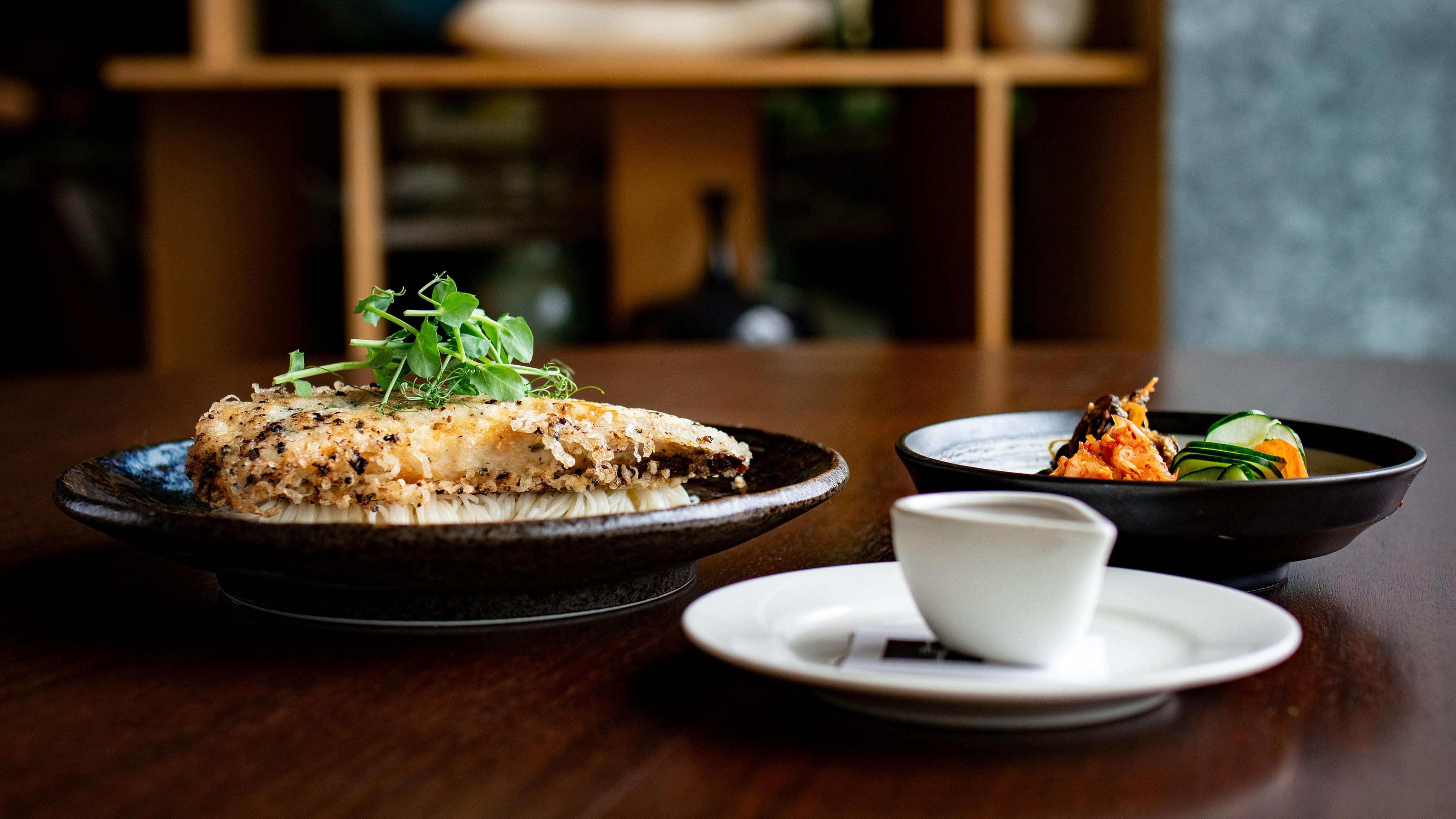
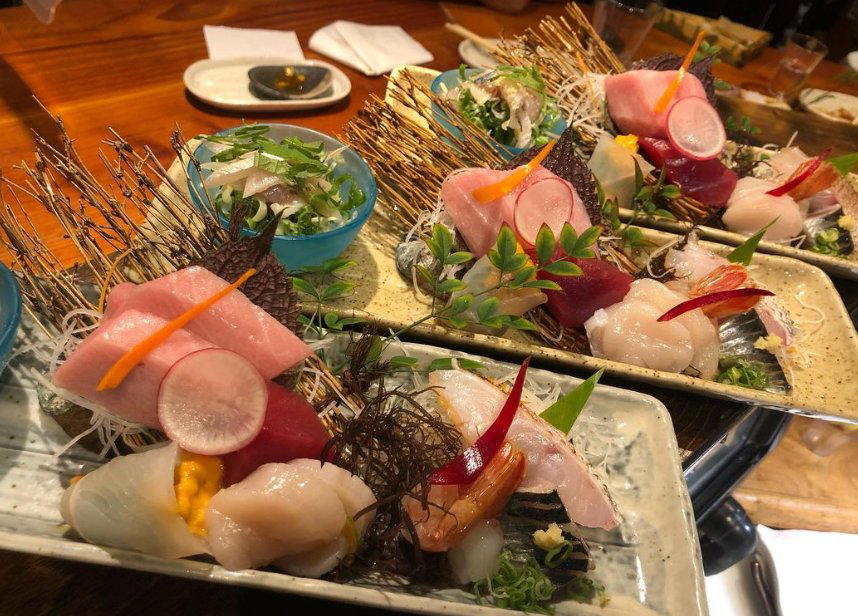
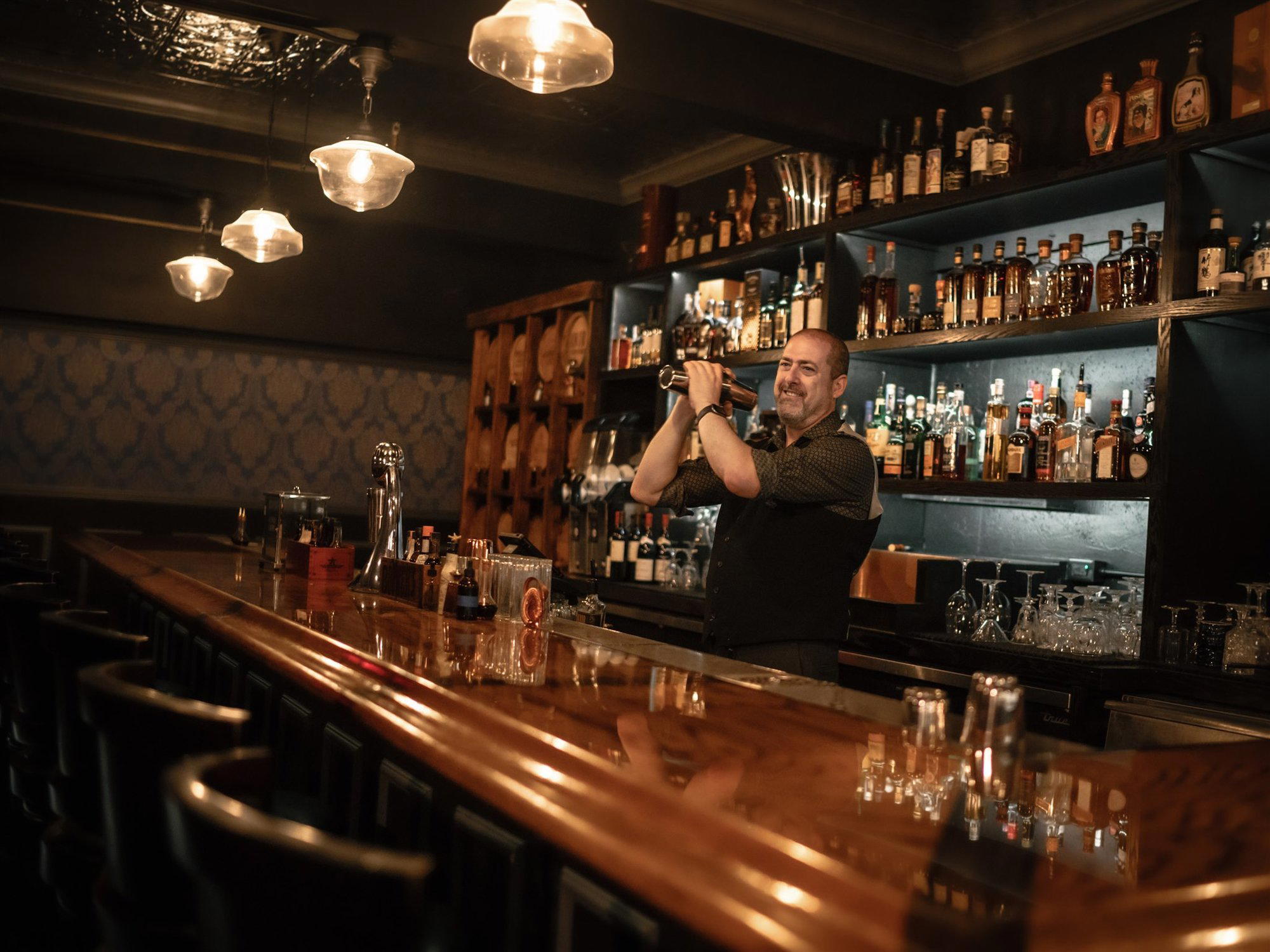
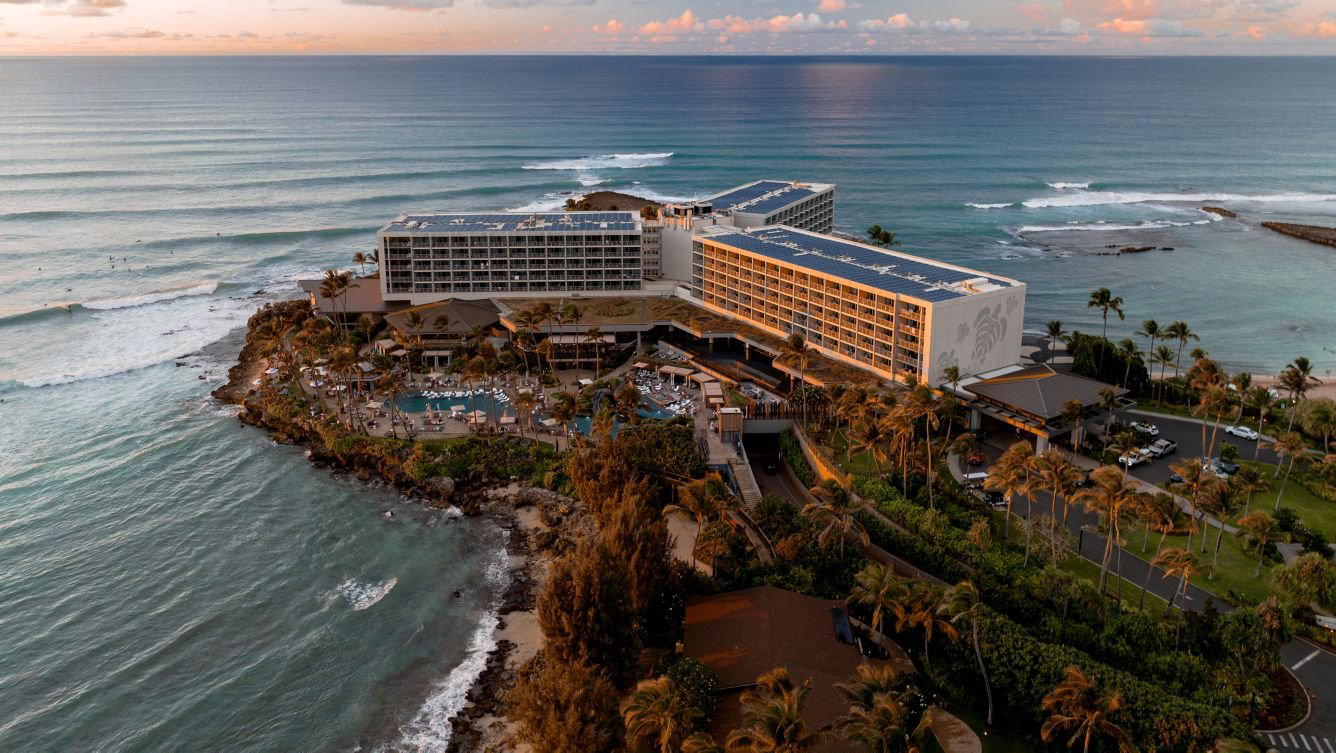
Open-air dining with picturesque ocean views, stylish decor, and live music in evenings creating a relaxed yet sophisticated atmosphere.
Know Before You Go
- Getting there
- 51-666 Kamehameha Hwy, Kaaawa, HI 96730