Fête occupies a corner of Honolulu's Hotel Street corridor, a block where the city's older downtown identity and its newer dining ambition intersect. The menu architecture here does the editorial work that many Honolulu restaurants leave to atmosphere alone, building courses that reward attention rather than occasion. It belongs to the tier of Honolulu dining rooms where the food is the draw, not the view.
Pearl is the En Primeur Club membership app — saves, bookings, and concierge access live there. Same editors, same standards.
- Address
- 2 N Hotel St, Honolulu, HI 96817
- Phone
- +1 808 369 1390
- Website
- fetehawaii.com
 Saves & bookings on Pearl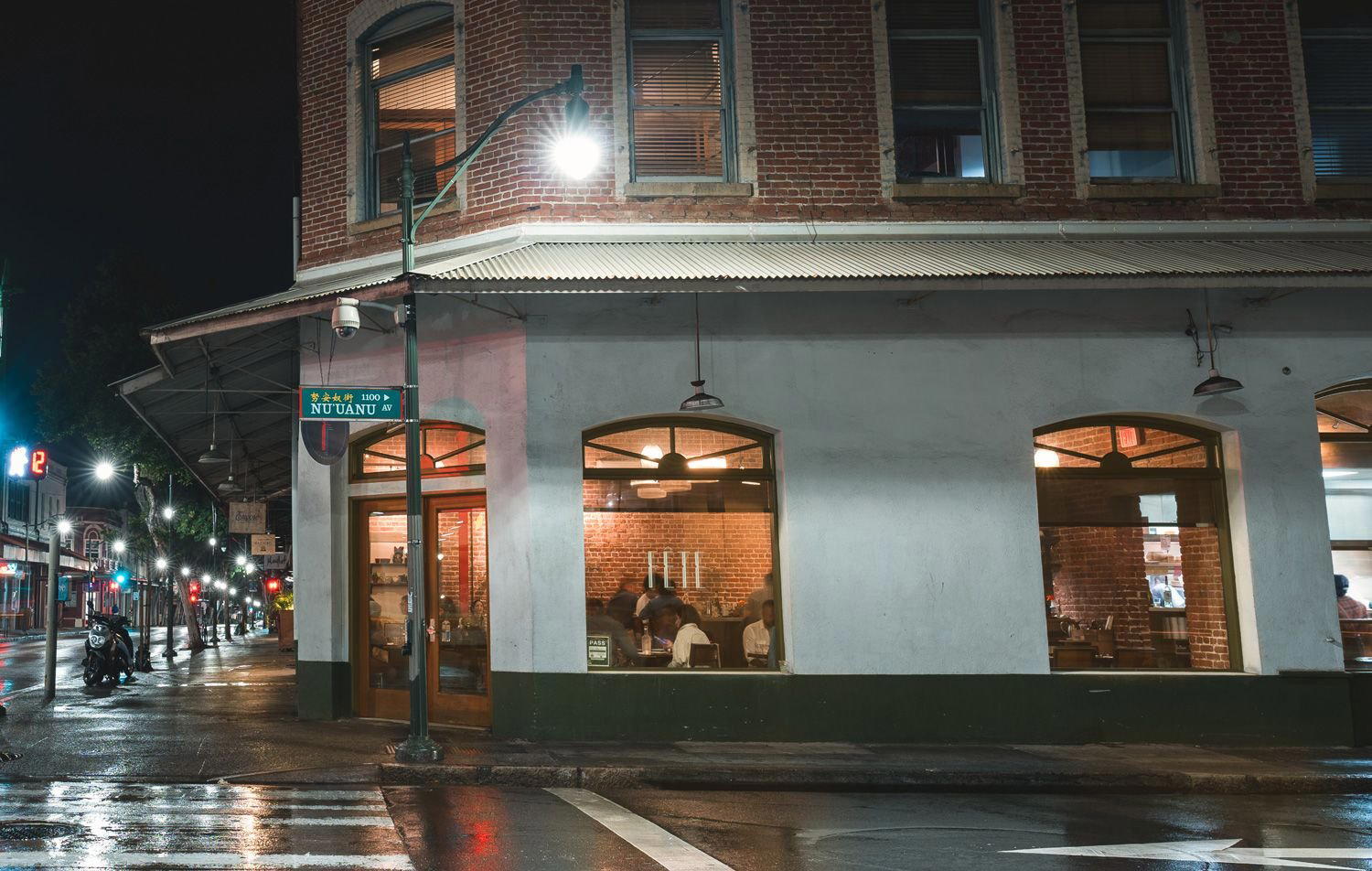
Hotel Street and the Downtown Honolulu Dining Shift
Hotel Street has spent the better part of a decade redefining what Honolulu dining looks like when it isn't competing with an ocean view. Fête is a bar in Honolulu at 2 N Hotel St, with. The strip that runs through Chinatown and into downtown has accumulated a particular kind of restaurant: places where the room is deliberate, the menu asks something of the diner, and the postcode carries none of the premium associated with Waikiki. Fête, at 2 North Hotel St, sits at the northern anchor of that corridor, and its position is more than geographic. It represents a strand of Honolulu cooking that has chosen ingredient focus and structural ambition over the beach-adjacent crowd-pleasing that dominates the island's restaurant economy.
That choice has consequences for how the menu reads and how the room operates. Downtown Honolulu diners tend to arrive with fewer default expectations than visitors in Waikiki, and restaurants on Hotel Street have historically used that latitude to take positions on technique and sourcing that a Kalakaua Avenue address would make commercially difficult. Fête is a product of that environment.
Reading the Menu as Architecture
In American cities where ingredient-driven cooking has matured, the menu has become a document rather than a list. The order of dishes, the tension between sections, the decision about where to place a protein-heavy anchor versus where to offer something lighter and more acidic, these structural choices communicate a kitchen's priorities as clearly as any individual dish does. Honolulu has been slower than San Francisco or Chicago to develop restaurants where menu architecture carries that kind of critical weight,
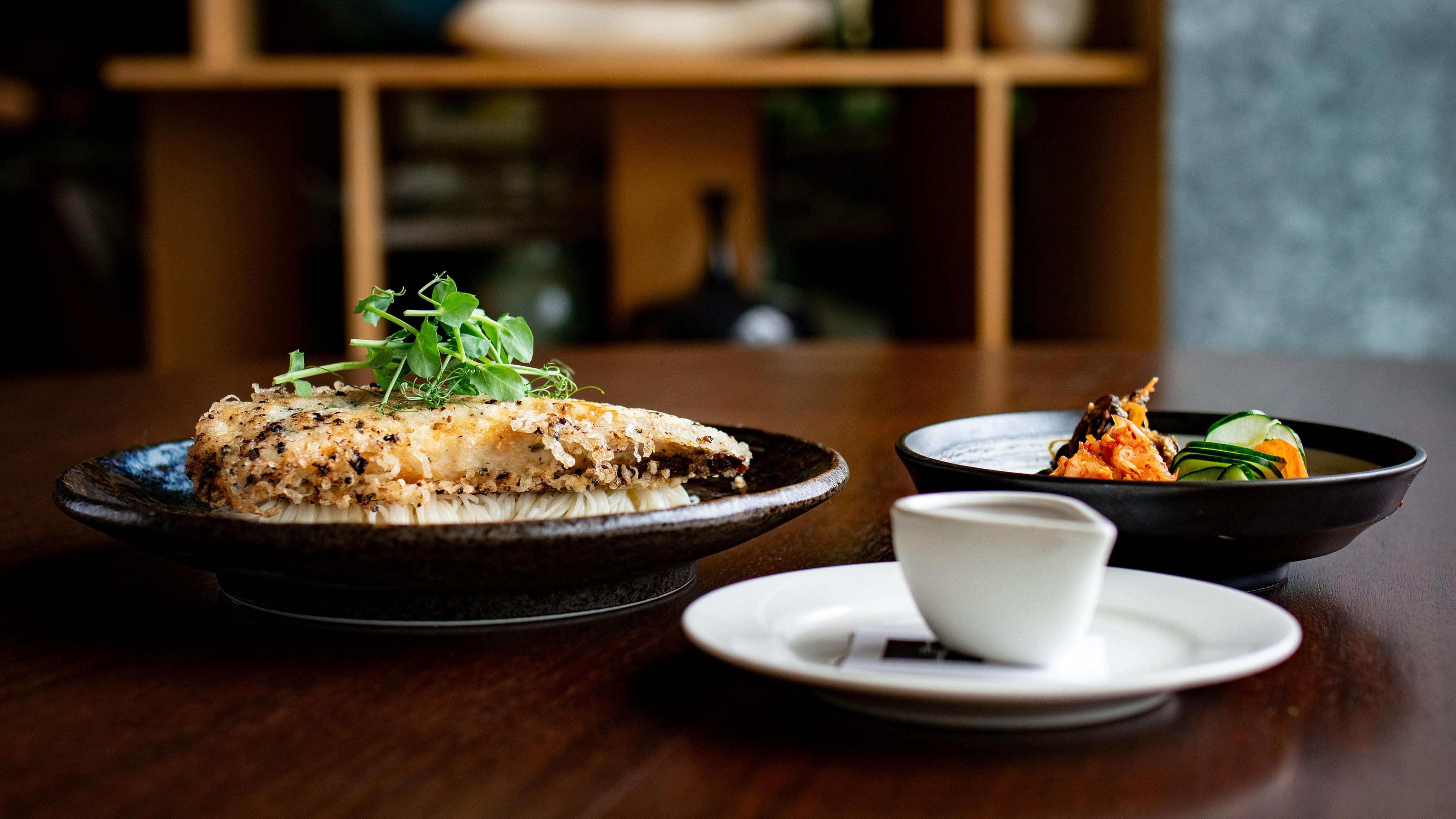
Fête's menu follows a logic that moves from shareable small plates toward more composed individual courses, a format that has become the default grammar for ambitious American casual dining over the past decade. The structure invites ordering in stages rather than locking guests into a fixed progression, which suits the Hotel Street crowd, a mix of after-work professionals, visiting food-focused travelers, and Chinatown regulars, better than a strict tasting format would. Fête's a-la-carte architecture is a meaningful differentiator.
That access matters. Particularly interesting things happening in American restaurant menus right now are not exclusively in the tasting-menu tier. Bars and restaurants operating in the middle register, places comparable in spirit to Bar Leather Apron in Honolulu for drinks, or to Kumiko in Chicago and Jewel of the South in New Orleans for the relationship between food and bar programs, have been doing more interesting structural work precisely because they have to justify every dish on commercial terms rather than relying on the theatrical envelope of a fixed menu.
What the Room Communicates
The physical address at 2 North Hotel St places Fête at an intersection that functions as a kind of threshold between Chinatown's older commercial fabric and the newer restaurant and bar openings that have colonized the blocks heading south. Approaching from the Chinatown end, the transition is abrupt in the way that genuine neighborhood change always is: a dim sum operation or lei stand giving way to a wine bar or a room with a cocktail list that references Oaxacan spirits. Fête occupies that threshold literally and, in menu terms, conceptually.
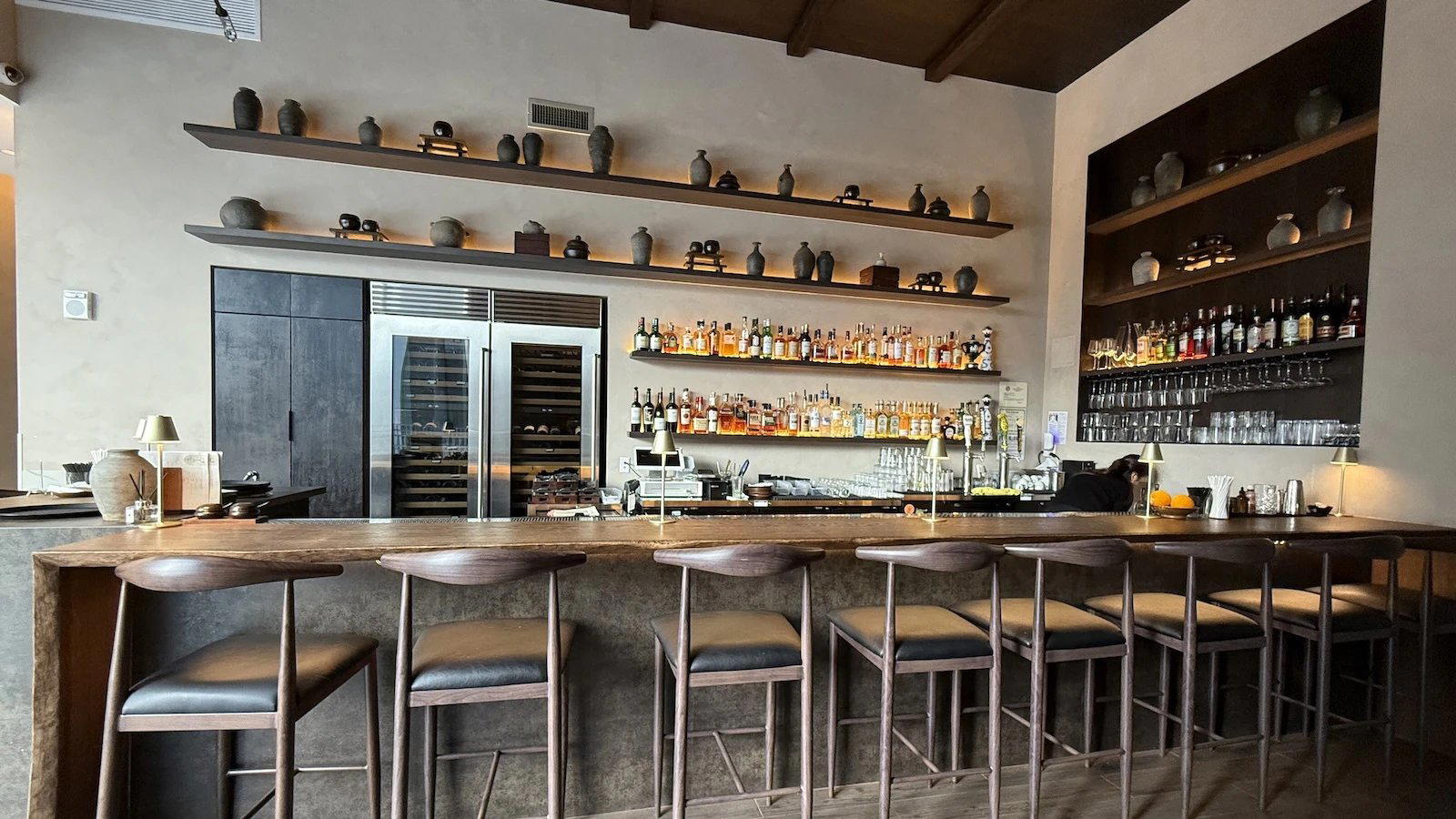
Restaurants at this address tier in Honolulu tend to keep their rooms spare rather than scenographic, letting the food carry the experiential weight. This contrasts with the beach-fronting properties where the room itself, the view, the sunset timing, the deck geometry, does most of the work. Places like Beachhouse at the Moana or Duke's Waikiki trade on setting in ways that Hotel Street restaurants simply cannot, which means every dollar of the check has to be justified by what arrives on the plate or in the glass. That's a harder commercial position and, when it works, produces a more honest dining experience.
Fête in the Downtown Honolulu comparable set
The relevant comparison set for Fête is the cluster of independently operated restaurants and bars that have made downtown and Chinatown Honolulu a credible evening destination for the city's own residents. Lucky Belly a few blocks away established early that Chinatown diners would support a focused, technically considered menu with a strong drinks program. Imanas Tei demonstrated that Honolulu's Japanese dining culture had depth outside the tourist corridor. Fête operates in that tradition of places earning their audience from the city rather than from the airport arrivals hall.
The bar culture surrounding Fête on Hotel Street is worth noting for guests who want to extend an evening. 9th Ave Rock House and Andy's Sandwiches and Smoothies represent different ends of the neighborhood's range, while the broader Honolulu cocktail scene has been developing the kind of technical seriousness more often associated with mainland cities. Bars like ABV in San Francisco, Julep in Houston, Superbueno in New York City, and The Parlour in Frankfurt set benchmarks for what a serious bar program looks like in an independent, non-hotel setting, a benchmark that downtown Honolulu's leading rooms are increasingly meeting.
Planning a Visit
Fête is on Hotel Street in downtown Honolulu, reachable from Waikiki by a roughly 15-minute drive west or by the Route 2 TheBus service that runs along King Street. The neighborhood is most active in the early evening, when the restaurant and bar corridor picks up from the post-work crowd before transitioning to a later dining wave. Given the a-la-carte format, the table can be worked at whatever pace suits the party. For broader context on what downtown Honolulu's dining and bar scene has to offer, the EP Club Urban Honolulu guide covers the current range of openings and neighborhoods in detail.
Recognition Snapshot
Comparable venues nearby, for context on price, style, and recognition.
| Venue | Cuisine | Price | Notes |
|---|---|---|---|
| FêteThis venue — the venue you are viewing | cocktail_bar | $$$ | Not listed |
| Sushi Gyoshin OMAKASE | Bar | $$$$ | Ala Moana |
| Imanas Tei Restaurant | sake_bar | $$ | McCully-Moiliili |
| Sushi Murayama | sake_bar | $$$ | Ala Moana |
| Tokkuri Tei | sake_bar | $ | Kapahulu |
| Senia | cocktail_bar | $$$ | Chinatown |
Continue exploring
More in Urban Honolulu
Bars in Urban Honolulu
Browse all →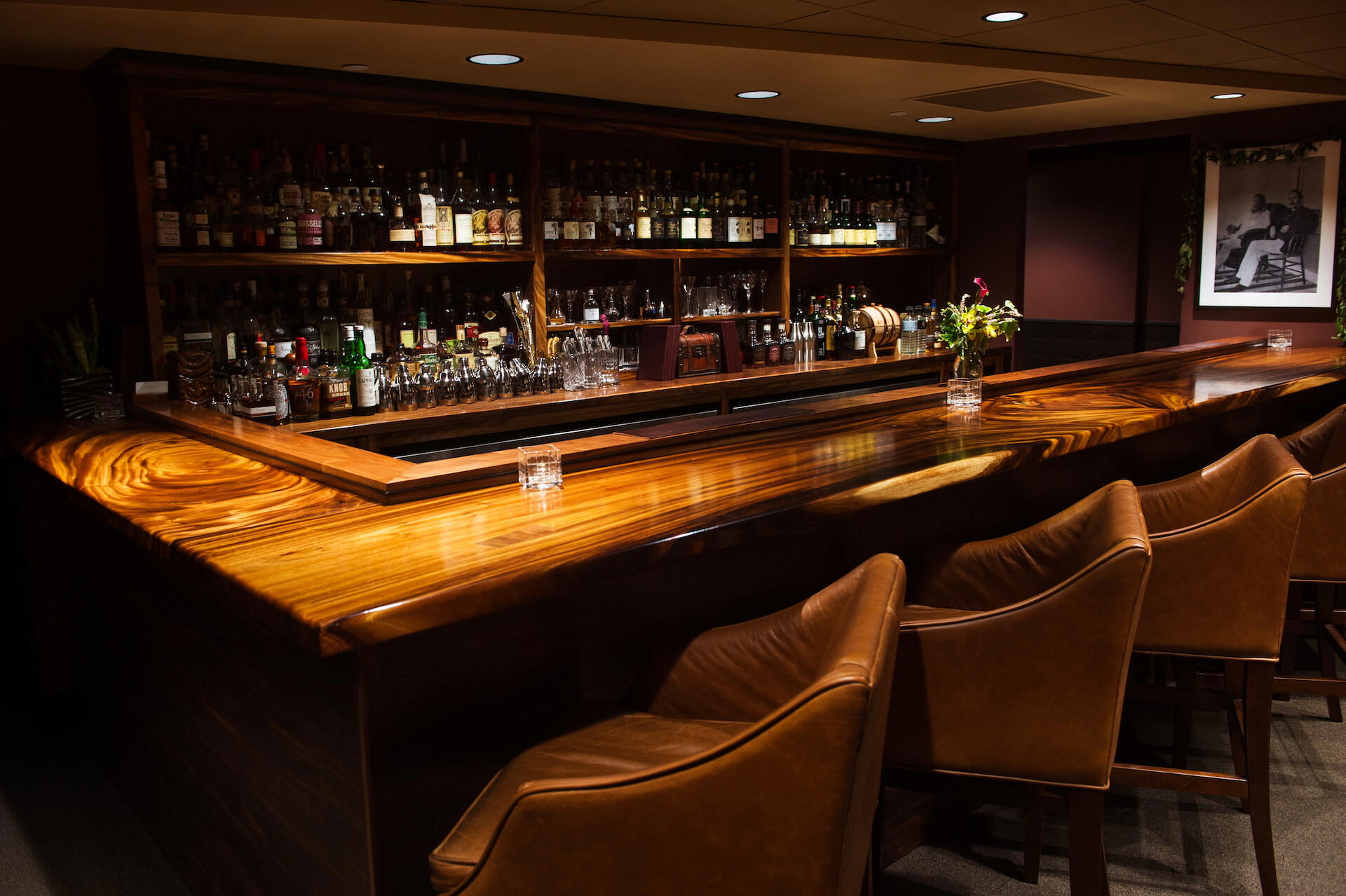
Restaurants in Urban Honolulu
Browse all →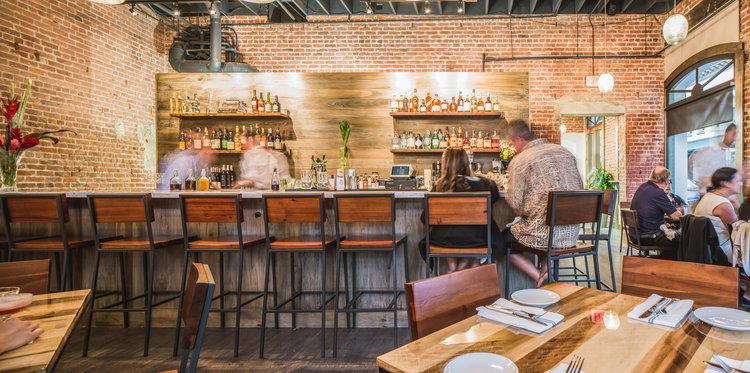
At a Glance
- Lively
- Trendy
- Modern
- Date Night
- Group Outing
- Casual Hangout
- Standalone
- Seated Bar
- Lounge Seating
- Craft Cocktails
Current opening hours
- Monday
- 11 AM–10 PM
- Tuesday
- 11 AM–10 PM
- Wednesday
- 11 AM–10 PM
- Thursday
- 11 AM–10 PM
- Friday
- 11 AM–10 PM
- Saturday
- 11 AM–10 PM
- Sunday
- 4–10 PM
Hours can change for holidays and private events. Last verified .
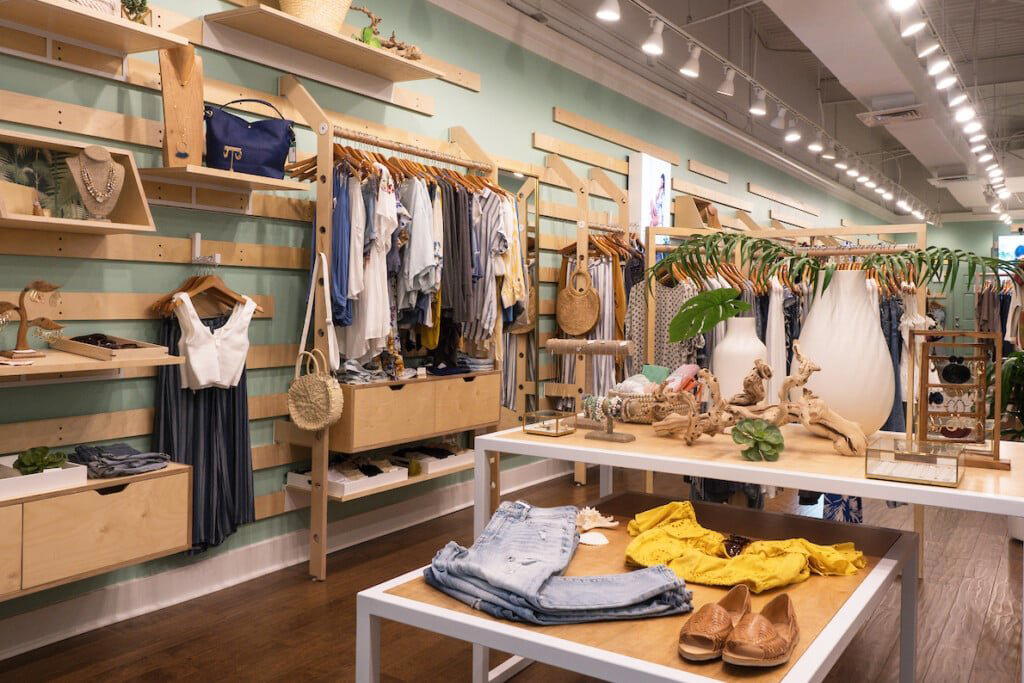
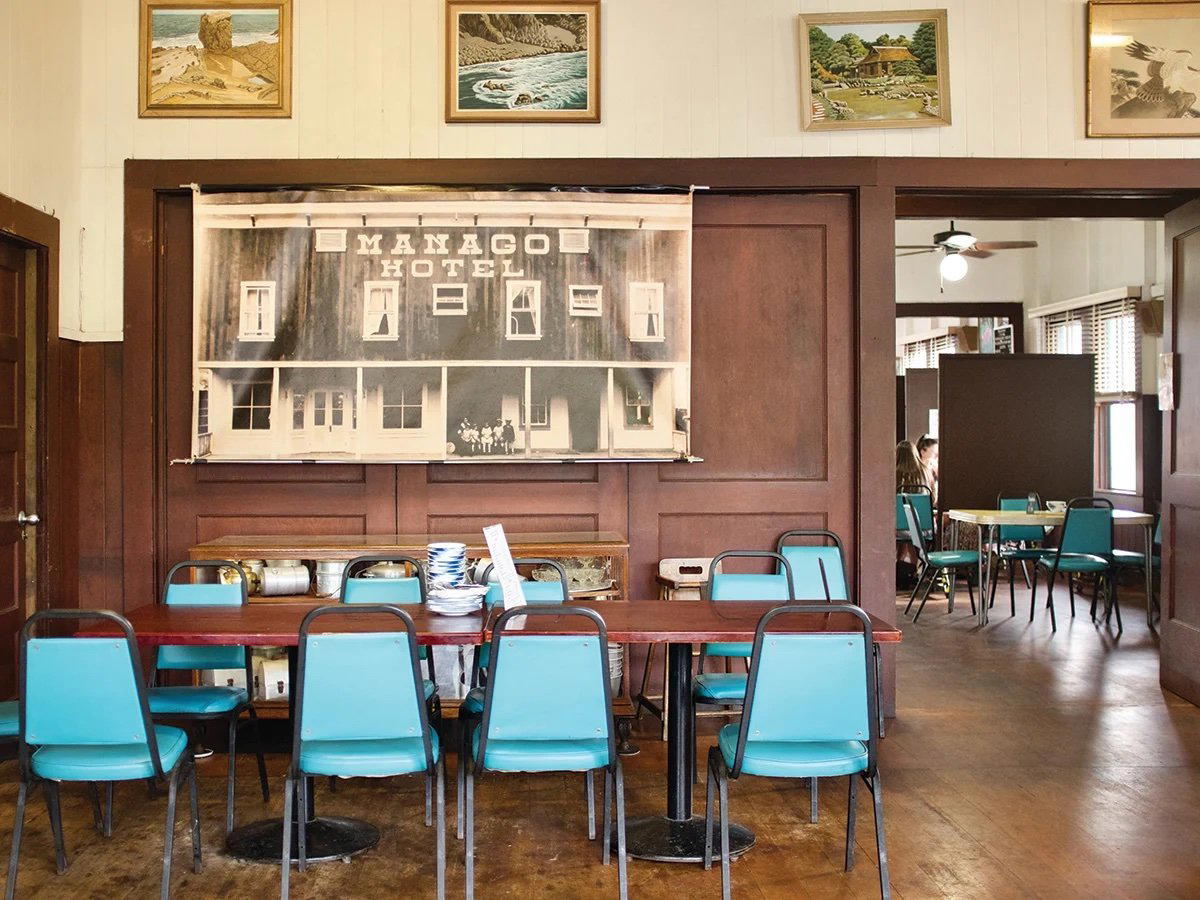
Energetic neighborhood vibe with bustling room, music, conversation, modern kitchen visible through archway, and warm welcoming atmosphere.