Uncle Bobo's
On the rural Windward Coast of O'ahu, Uncle Bobo's occupies a stretch of Kamehameha Highway where the Ko'olau mountains meet the shoreline and the distance from Honolulu's dining scene is the point. The cooking draws on what the surrounding landscape of Ka'a'awa produces and the island's broader agricultural and fishing traditions. For travellers heading north along the coast, it represents a local institution of the kind that survives on repeat neighbourhood custom rather than tourist traffic.
Pearl is the En Primeur Club membership app — saves, bookings, and concierge access live there. Same editors, same standards.
- Address
- 51-480 Kamehameha Hwy, Kaaawa, HI 96730
- Phone
- +18082371000
- Website
- unclebobos.com
- Directions
- Get directions
 Saves & bookings on Pearl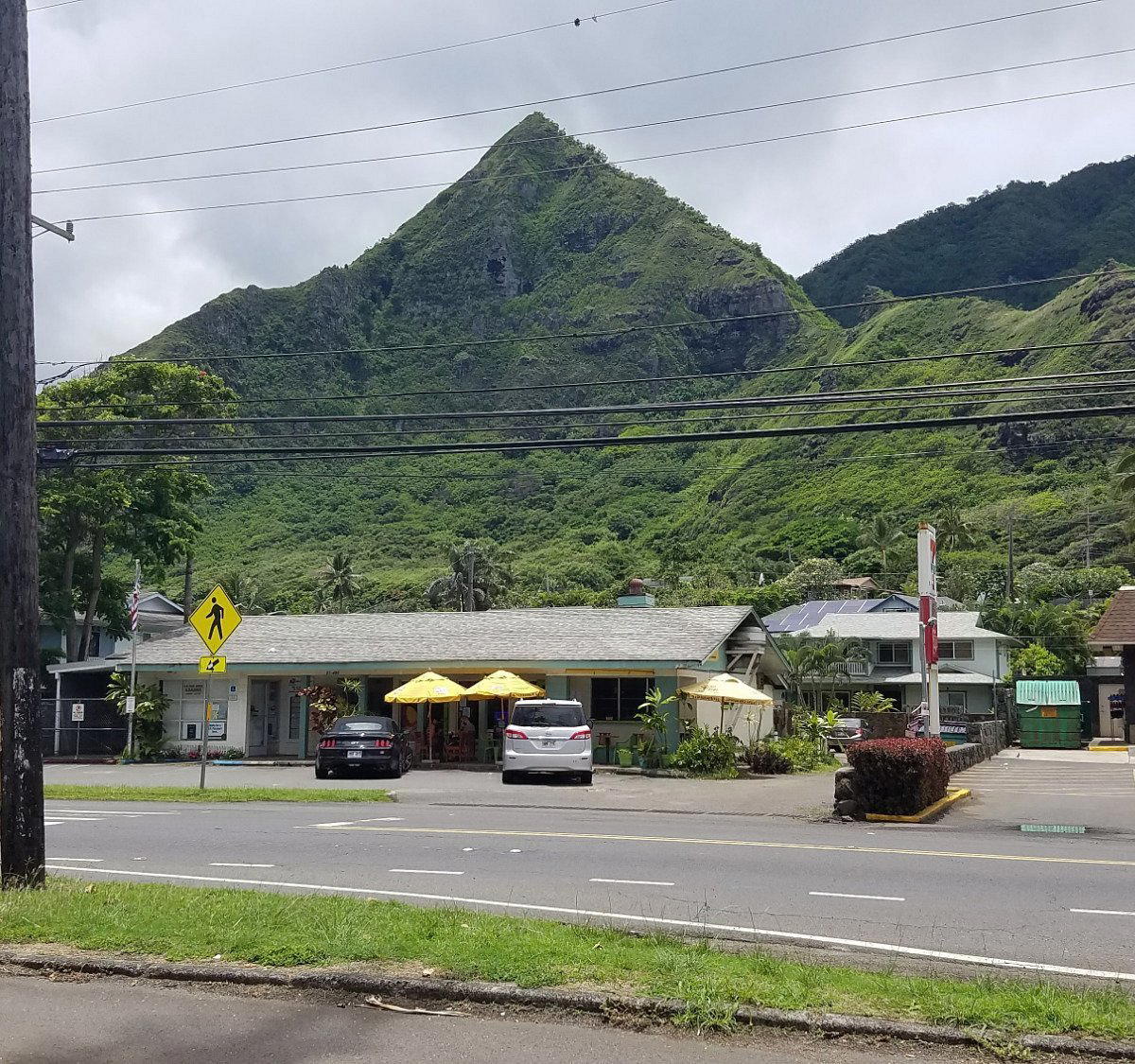
The Windward Coast and the Logic of Eating Where You Are
Kamehameha Highway, running north from Kailua along O'ahu's Windward Coast, passes through a sequence of small communities that exist largely outside the circuits that define Hawaiian food culture in the popular imagination. Ka'a'awa is one of them: a narrow strip between the Ko'olau mountain range and the Pacific, with a population measured in the hundreds and a local economy built around the land and sea that frame it. Eating here is less a curated experience than a reflection of what the area produces and who lives in it. Uncle Bobo's, at 51-480 Kamehameha Highway, sits squarely inside that logic.
The broader American conversation about ingredient provenance has produced a specific kind of restaurant, from Single Thread Farm in Healdsburg to Blue Hill at Stone Barns in Tarrytown, where the sourcing narrative is the menu. Ka'a'awa operates on a different axis entirely. The sourcing argument here is geographic: you are on an island, surrounded by farms and water, and the most honest thing a kitchen can do is acknowledge that. For the Windward Coast specifically, that means proximity to taro cultivation in the valley floors, fish pulled from the immediate coastal waters, and produce from the small agricultural operations that persist along the highway corridor.
Approaching Ka'a'awa: What the Drive Signals
The approach to Uncle Bobo's does much of the contextual work before you arrive. Coming north from Honolulu, the built environment thins out past Kailua and Kaneohe, the highway narrows, and the mountains press closer to the road. By the time you reach Ka'a'awa, you are thirty miles from Waikiki in distance and considerably further in character. The setting is not scenic in the manicured resort sense; it is agricultural and coastal in a way that reflects genuine land use rather than landscaping decisions.
That physical context matters to how a place like Uncle Bobo's functions. Roadside and highway-adjacent dining on the Windward Coast has historically served the people who live and work along that corridor: farmers, fishers, construction workers, families making the long drive between communities. The format is oriented around accessibility and repetition rather than occasion. Visitors from Honolulu who make the drive are, in that sense, inserting themselves into a local eating pattern rather than consuming a destination dining experience.
Island Sourcing and the Windward Coast Supply Chain
Hawai'i's food system is structurally unusual among American states. The islands import a significant proportion of their calories, a vulnerability that has driven policy and agricultural advocacy for decades. Against that backdrop, the farms and fishing operations that supply local kitchens carry genuine economic and cultural weight, not just a provenance story for a tasting menu. The Windward Coast of O'ahu has historically supported taro cultivation in the ahupua'a valleys that run from the Ko'olau peaks to the ocean, and small-scale vegetable and fruit farming continues along the highway corridor.
For a kitchen operating in Ka'a'awa, the proximity to that supply chain is structural rather than aspirational. The comparison with destination restaurants that have built sourcing relationships into their public identity, places like The French Laundry in Napa or Addison in San Diego, is instructive for what it reveals about different registers of the same commitment. At the high-ticket end of American dining, sourcing is annotated, narrated, and priced into the per-head cost. At the community end, it is simply what makes sense given where you are. Both represent genuine relationships with the land; they operate in entirely different economic and social registers.
Hawai'i's fishing tradition adds another dimension. The coastal waters of the Windward side, while not the primary commercial fishing zone that the south shore channels represent, have historically supported subsistence and small-scale commercial fishing. The species that appear in local kitchens, including ahi, mahi-mahi, and opakapaka, are not imports or approximations; they are the actual fish of these waters. That specificity is what separates the Windward Coast's leading local cooking from the approximations of resort dining in Waikiki, where Pacific ingredients often travel circuitous routes before arriving at a buffet.
Ka'a'awa in the Context of O'ahu's Dining Geography
O'ahu's restaurant culture concentrates heavily in Honolulu, with Chinatown, Kaka'ako, and the broader urban core absorbing the critical and media attention that drives reservation demand. The Windward Coast exists in a separate geography of eating: more residential, less price-stratified at the leading end, and oriented around the communities that actually live there. Our full Ka'a'awa restaurants guide maps this terrain in more detail, but the structural point is that Ka'a'awa functions as a local dining node rather than a destination precinct.
Within that structure, Uncle Bobo's occupies the kind of position that sustains on neighbourhood loyalty and word-of-mouth from Windward Coast regulars rather than on critical acclaim or external visibility. That is not a limitation; it is a description of a specific and durable model. The restaurants that survive on that basis in small communities tend to have genuine roots in the area, not outposts of an urban brand testing a suburban location. For travellers, the practical implication is that a visit is an exercise in observing local eating habits rather than consuming a curated Hawaiian food narrative.
The nearest comparable in Ka'a'awa's immediate geography is The Crouching Lion, which has operated along the same highway corridor and draws from a similar Windward Coast context, though with a longer tourist-facing history. The two represent different orientations within the same small community: one more visible to the drive-through visitor, one more embedded in local custom.
Planning the Visit
Ka'a'awa sits roughly thirty miles north of Honolulu along the H-3 and Kamehameha Highway. The drive from Waikiki takes approximately an hour in normal traffic, longer during peak commute windows on weekday afternoons. There is no rail or transit access; a rental car is the practical requirement for anyone based in Honolulu. The highway itself is two lanes by the time it reaches Ka'a'awa, and parking is the informal arrangement typical of small Windward communities.
None maps directly onto Ka'a'awa's context; the island geography, the specific supply chains, and the community scale make it a distinct case.
At a Glance
- Rustic
- Cozy
- Casual Hangout
- Group Dining
- Family
- Waterfront
- Open Kitchen
- Standalone
- Local Sourcing
- Waterfront
Current opening hours
- Monday
- Closed
- Tuesday
- Closed
- Wednesday
- 7:30 AM–3 PM
- Thursday
- 7:30 AM–3 PM
- Friday
- 7:30 AM–3 PM
- Saturday
- 7:30 AM–3 PM
- Sunday
- 7:30 AM–3 PM
Hours can change for holidays and private events. Last verified .
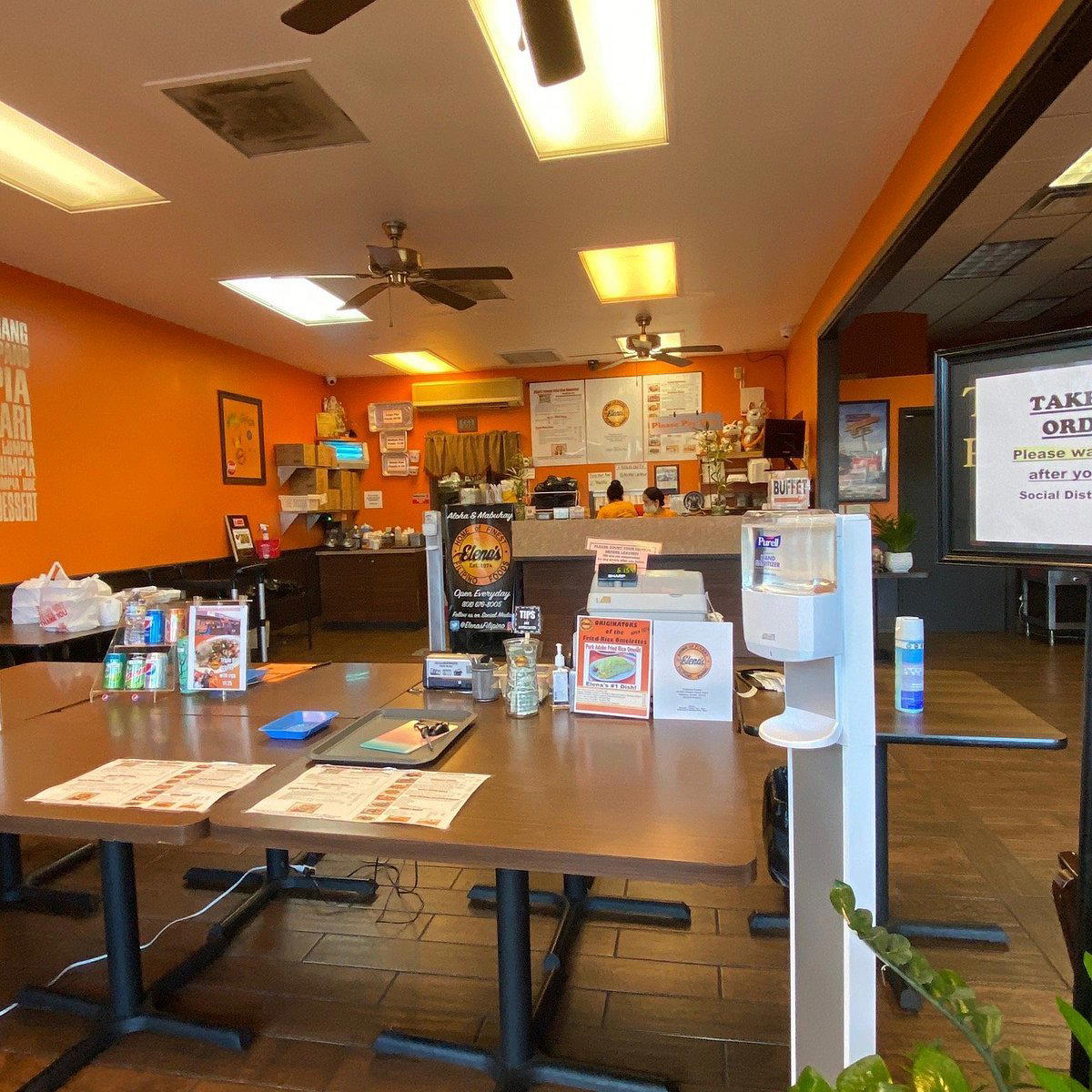
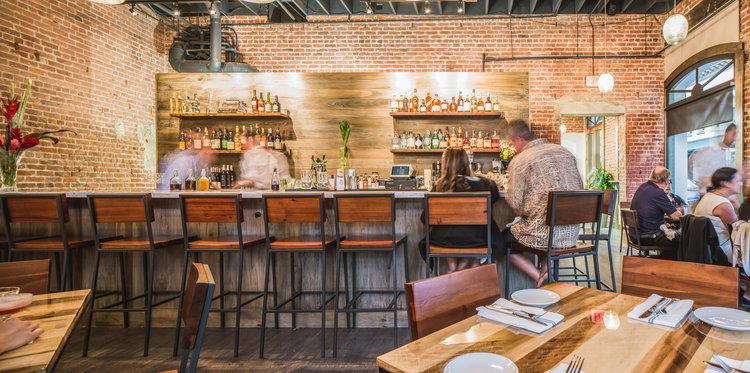
Casual, bright counter-serve with cozy outdoor lanai seating overlooking the Pacific Ocean; small, intimate space with open kitchen visibility.
Know Before You Go
- Getting there
- 51-480 Kamehameha Hwy, Kaaawa, HI 96730