The Boot Factory
Set inside a converted Victorian boot factory on Portland Square in St Paul's, The Boot Factory is one of Bristol's more characterful addresses, where industrial heritage and neighbourhood warmth converge. The setting alone marks it out within the city's dining and drinking scene, offering an atmosphere shaped as much by its bones as by what happens inside them. Check ahead for current programming and availability.
 Discover on Pearl
Pearl is the En Primeur Club membership app — saves, bookings, and concierge access live there. Same editors, same standards.
- Address
- 28 Portland Square, St Paul's, Bristol BS2 8SA, United Kingdom
- Phone
- +44 117 235 5937
- Website
- artistresidence.co.uk
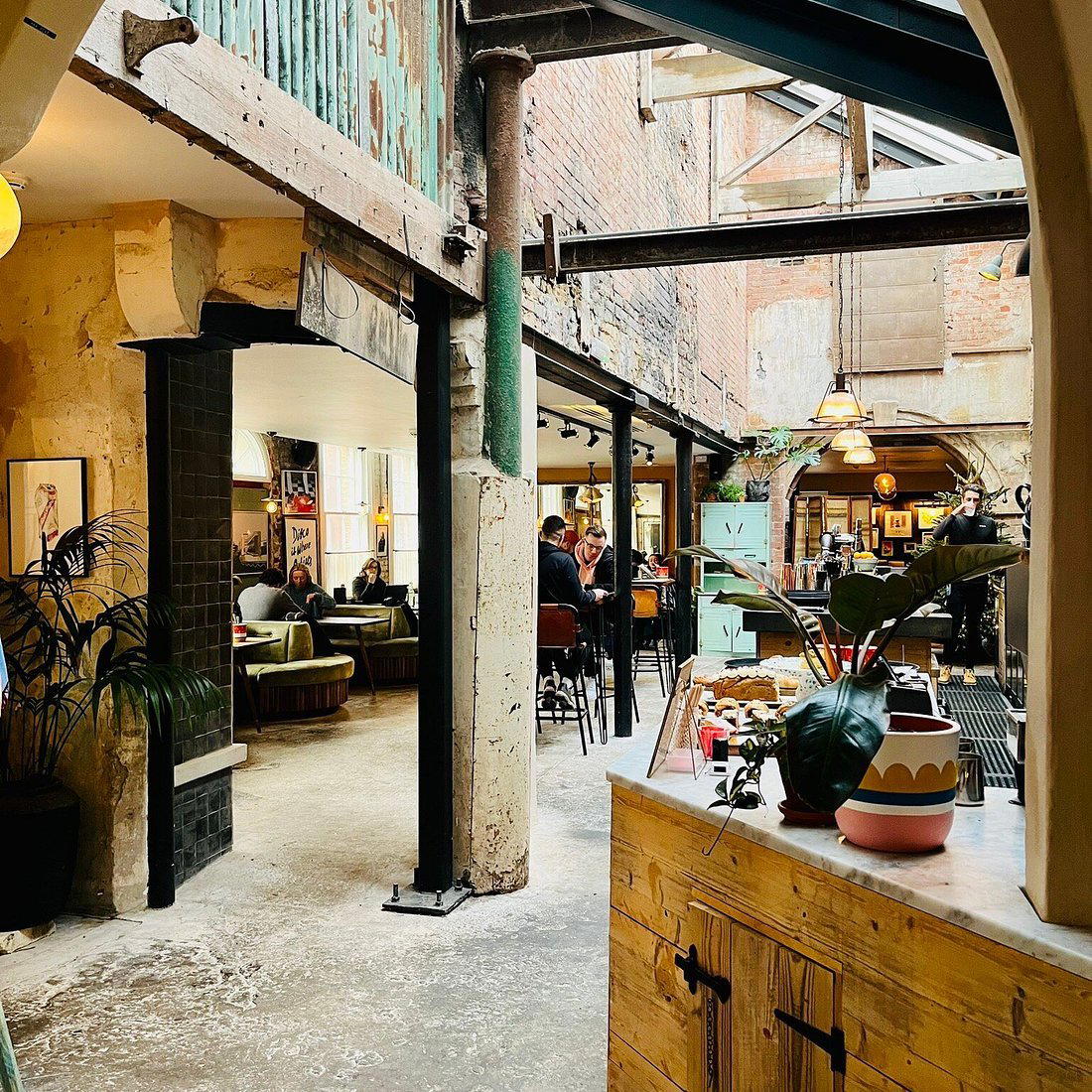
Portland Square and the Architecture of Atmosphere
St Paul's is not the neighbourhood Bristol tourism brochures reach for first, and that positioning is part of what makes Portland Square worth the walk. The square itself is a Georgian set piece, one of Bristol's more coherent examples of early urban planning, and 28 Portland Square sits within it carrying a different kind of history: the Boot Factory building reads as Victorian industrial repurposed rather than Georgian preserved, a distinction that matters when you arrive at the door. Converted industrial space carries a specific atmosphere that purpose-built hospitality rooms rarely replicate, ceiling height, original materials, the suggestion that rooms were once used hard for something else entirely. That texture sets the register before anything is ordered or served.
Bristol has developed a particular fluency with this kind of conversion. The city's hospitality scene has drawn consistently on its industrial and maritime building stock, and venues in former factories, warehouses, and workshops now form a recognisable tier within the broader offer. The Boot Factory sits inside that pattern, in a neighbourhood that has absorbed successive waves of community and cultural change without sanding off its edges. St Paul's carries more historical weight than most Bristol postcodes, and that context enters the room with every visit.
What the Room Gives You
Atmosphere in converted industrial buildings tends to follow predictable physics. Sound travels differently in high-ceilinged rooms with hard surfaces, and light, whether from large original windows or deliberate artificial sources, falls with a different quality than it does in lower, more enclosed spaces. These are not small details. They shape the pace of a meal or a drink, the willingness to linger, the way conversation opens or closes depending on the acoustic envelope around a table.
The Boot Factory's address in St Paul's adds a further layer. The neighbourhood hums with a particular energy at certain times of year, most notably during the St Paul's Carnival in early July, one of the UK's longest-running Caribbean carnivals and a Bristol institution with roots stretching back to 1968. That community energy does not disappear between carnival dates; it accumulates in the character of streets, shopfronts, and local institutions over time. A venue embedded in that fabric picks up something that cannot be manufactured from scratch in a more sanitised postcode.
Bristol's Dining Tier and Where Character Sits
Understanding The Boot Factory requires a brief map of how Bristol's hospitality scene stratifies. At the top of the formal dining bracket, Bulrush operates a Modern British tasting menu format at the ££££ tier, drawing comparisons to the tightly controlled, produce-led approach you find at places like L'Enclume in Cartmel or Midsummer House in Cambridge. Adelina Yard anchors modern cuisine at a similar register. 1 York Place brings European precision to the harbourside. These venues price and perform against national peers; their competitive set extends outward to CORE by Clare Smyth in London, Moor Hall in Aughton, and Gidleigh Park in Chagford.
Below that formal tier, Bristol has always sustained a culture of neighbourhood places where the food is secondary to neither quality nor atmosphere, but where the format is more relaxed. Bianchis has built a following on exactly that register. Bank occupies its own niche within the city's casual-formal middle ground. These venues succeed not by scaling up formality but by giving a room, a neighbourhood, and a regulars culture enough weight that the atmosphere carries the experience. The Boot Factory, with its converted industrial bones and St Paul's address, participates in that tradition whether or not its current programming is centred on food.
Planning a Visit
Portland Square sits northeast of Bristol city centre, within reasonable walking distance of Cabot Circus and the Old Market area. St Paul's is accessible on foot from the centre in under fifteen minutes, or by bus along the main corridors running through the neighbourhood. The venue's hours and booking details should be checked directly before visiting. What can be said with confidence is that Portland Square offers parking in the surrounding Georgian streets on a time-restricted basis, and that the neighbourhood rewards arriving with time to walk the square itself before or after.
Seasonally, the St Paul's area has a different character between summer and winter. The weeks around the Carnival in early July bring a density of activity to the neighbourhood that affects foot traffic, noise levels, and the general energy of local venues. For those seeking atmosphere amplified by surroundings, that window is worth considering. For those who prefer the room to work on its own terms, a midweek evening in the quieter months gives the building's original character more room to register.
Within the Broader UK Scene
Bristol earns consistent editorial attention as a city that has developed a dining and drinking culture with real regional identity, not simply a scaled-down version of London's trends. The venues that have drawn national recognition, including comparisons to the kind of producer-focused Modern British cooking found at Hand and Flowers in Marlow, hide and fox in Saltwood, and Opheem in Birmingham, tend to share a commitment to local supply chains and an aesthetic that reflects the city's particular mix of post-industrial pragmatism and creative investment. Even internationally, the pattern echoes: destination-format restaurants like Waterside Inn in Bray, Ynyshir Hall in Machynlleth, Lazy Bear in San Francisco, and Le Bernardin in New York City succeed because their physical environments carry as much intentionality as their menus. Atmosphere is not decoration. It is part of the proposition.
The Boot Factory sits in a building and a neighbourhood that Bristol has been shaping for decades. That is a starting point worth noting when the specific details become available.
Comparable Options
Comparable venues nearby, for context on price, style, and recognition.
| Venue | Cuisine | Price | Notes |
|---|---|---|---|
| The Boot FactoryThis venue — the venue you are viewing | British Gastropub | $$ | |
| The Crafty Egg | Modern British Brunch | $$ | Central |
| Poco | British Seasonal Tapas | $$ | Ashley |
| Bokman | Modern Korean | $$ | Ashley |
| Cafe Cuba Caribbean Food Bristol | Authentic Cuban Caribbean | $$ | Central |
| Caper and Cure | Modern British Bistro | $$$ | Ashley |
At a Glance
- Cozy
- Rustic
- Trendy
- Lively
- Casual Hangout
- Brunch
- After Work
- Historic Building
- Craft Cocktails
- Beer Program
- Local Sourcing
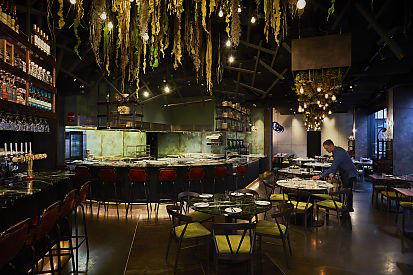
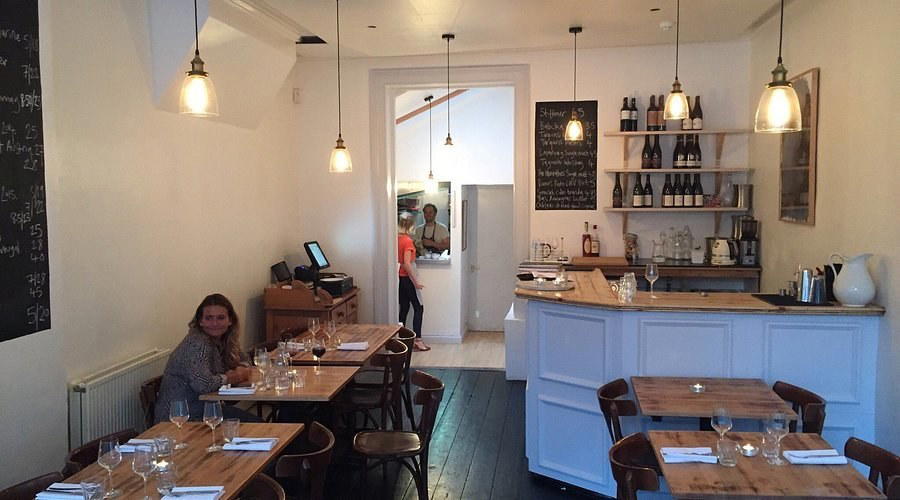
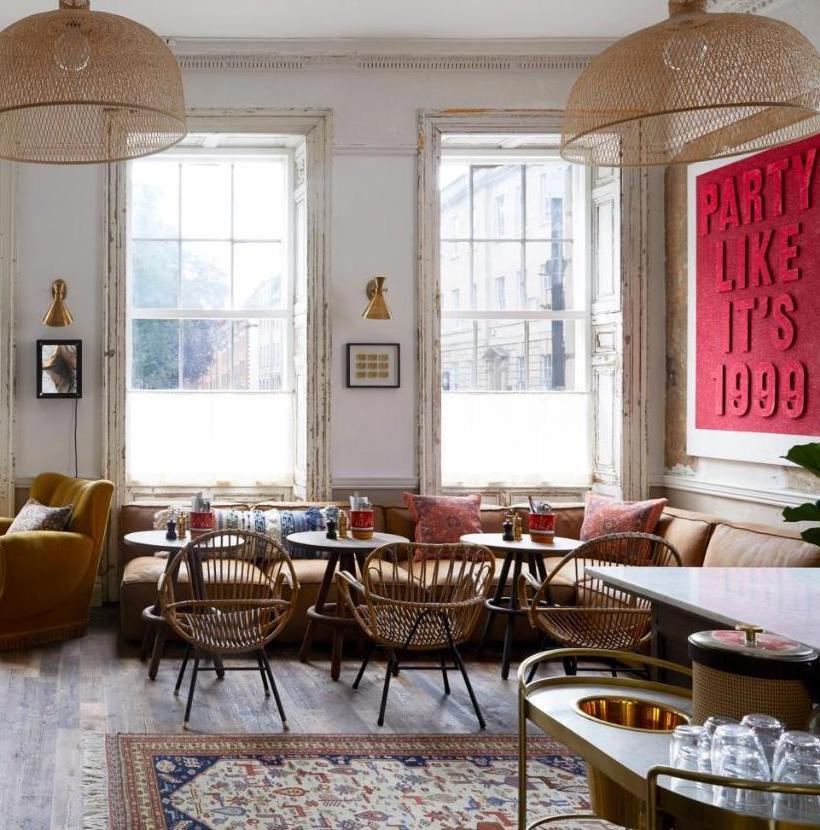
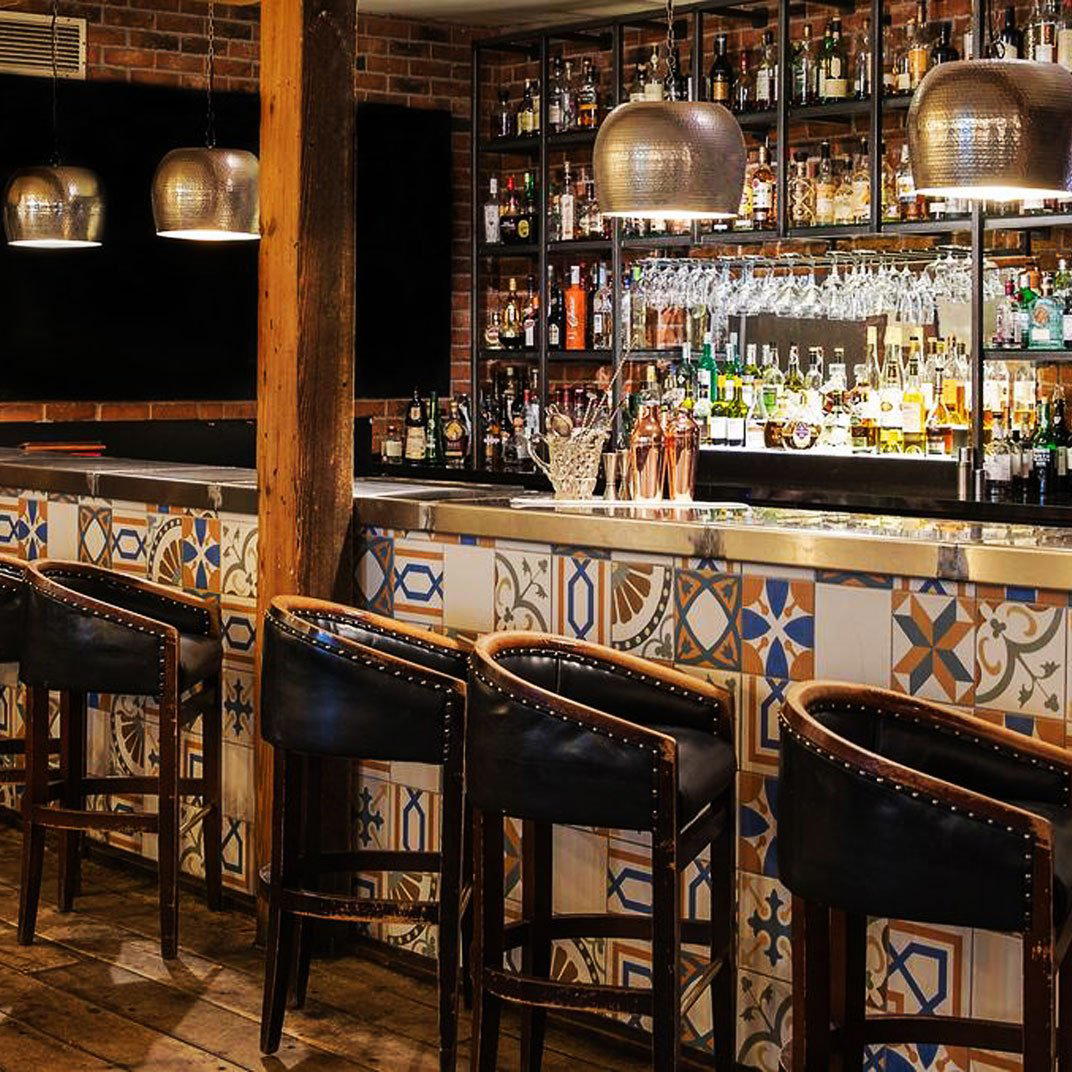
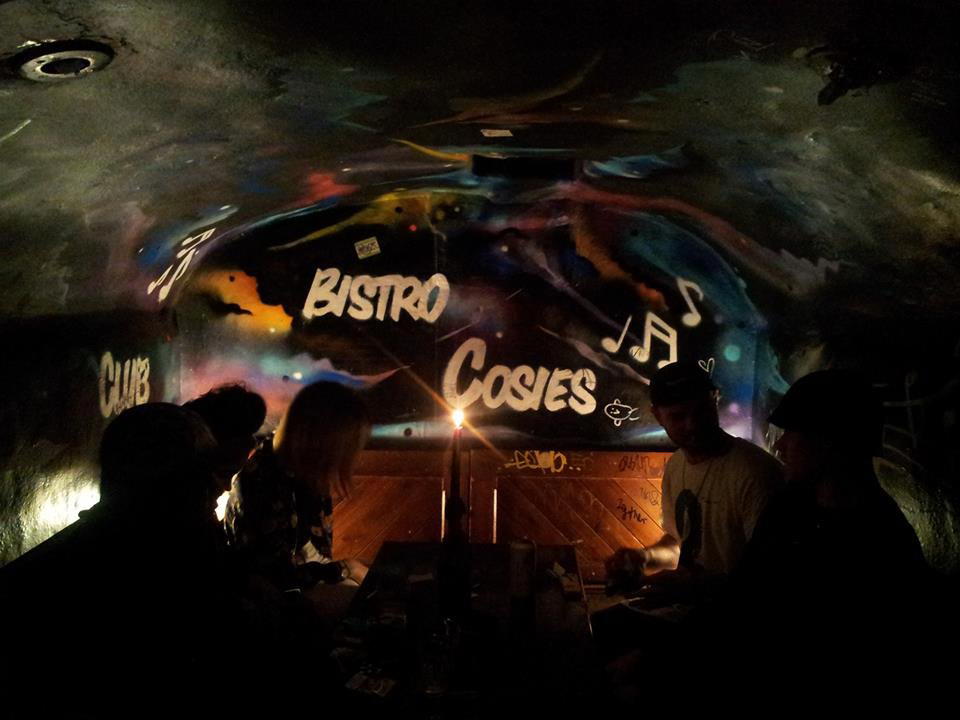
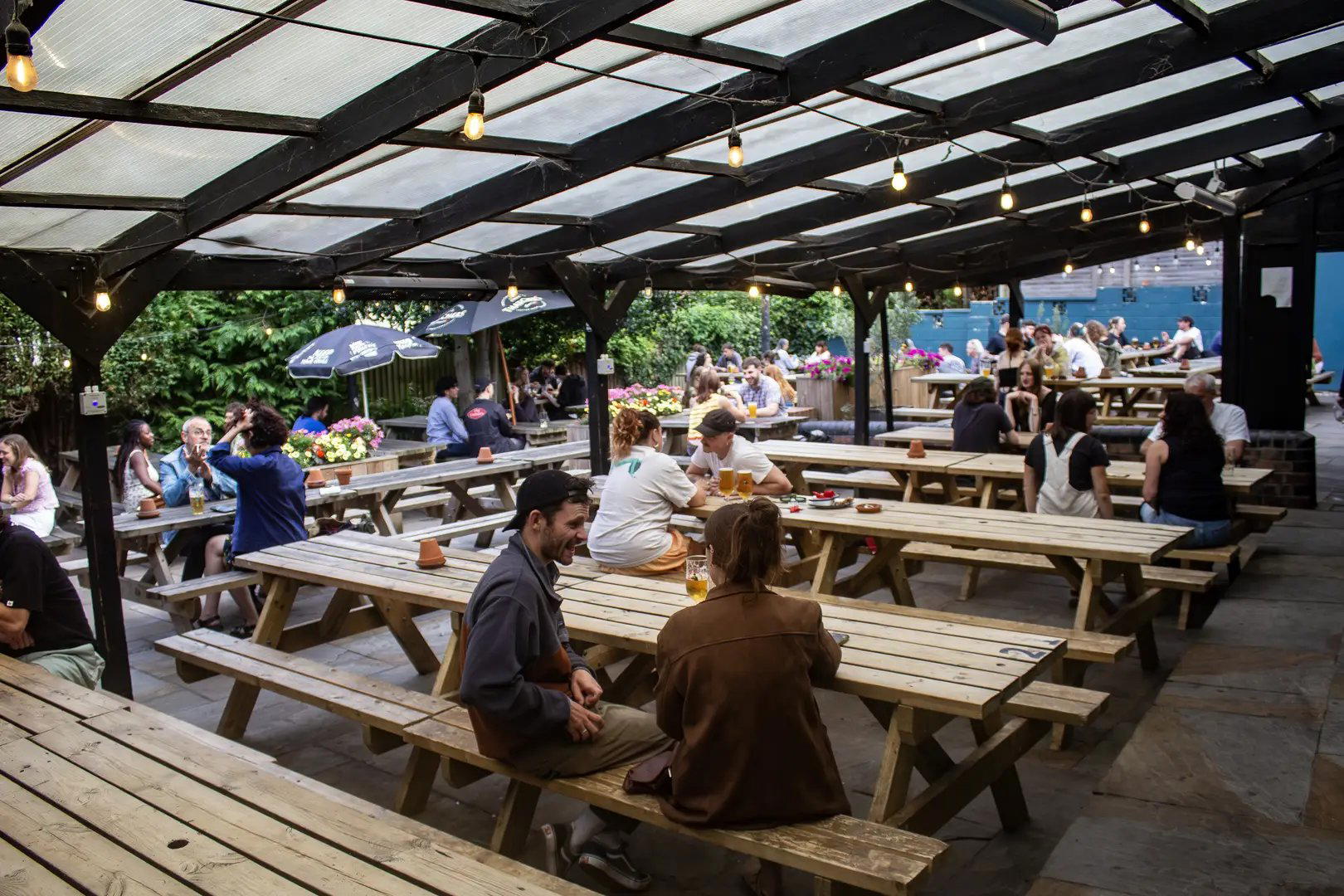
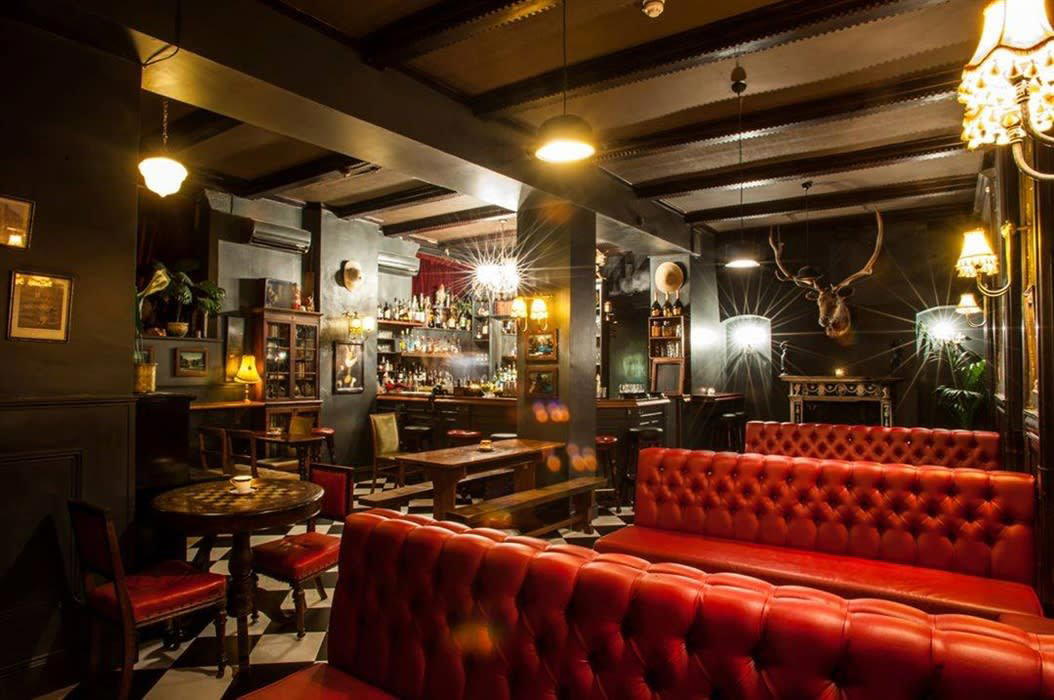
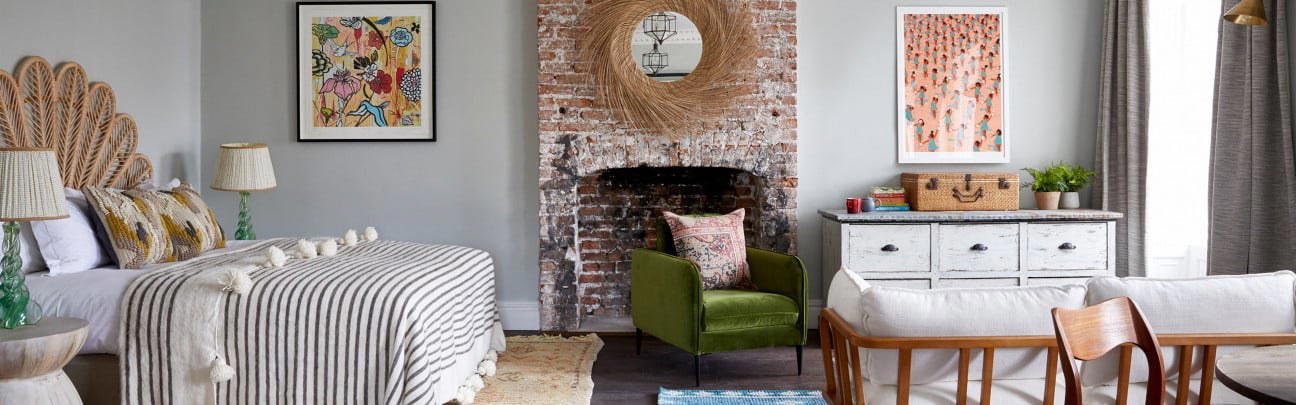
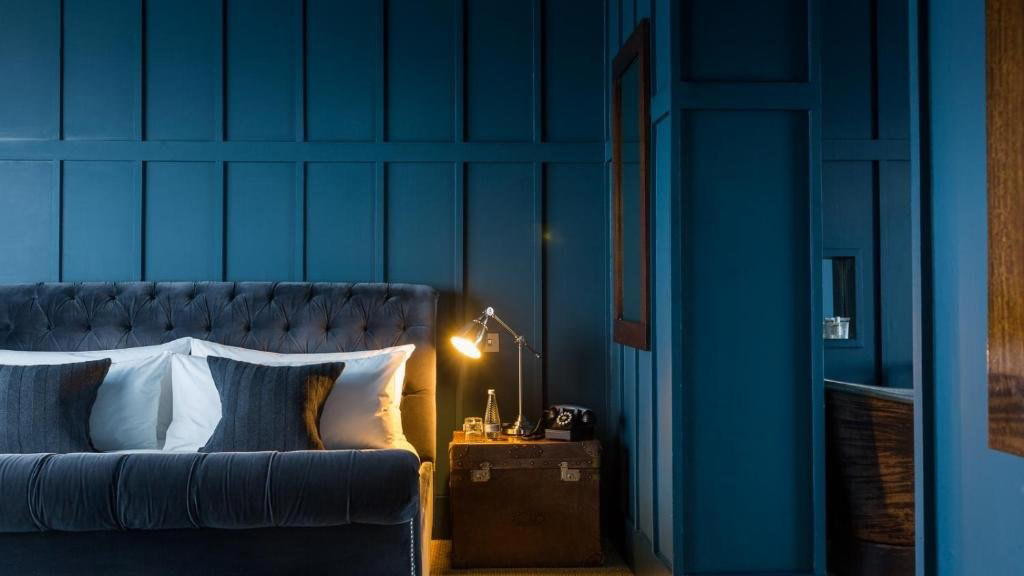
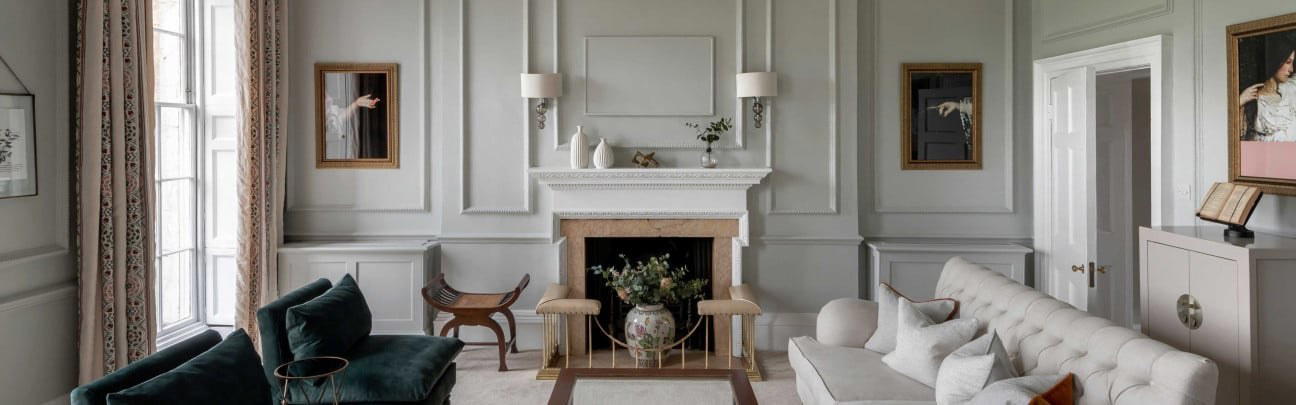
Relaxed and pleasant with plenty of natural light from double-height atrium, eclectic shabby chic decor, quirky elements, and cozy velvet armchairs by the fireplace.