Root



Occupying five first-floor shipping containers on Wapping Wharf, Root has held a Michelin Bib Gourmand since 2024 with a vegetable-led small plates menu that draws from small local suppliers across the South West. The format is relaxed sharing plates at accessible prices, with a natural-leaning wine list and a terrace that earns its reputation on warmer evenings. Part of Josh Eggleton's Pony Restaurant Group, it remains a reliable address on Bristol's waterfront dining circuit.
Pearl is the En Primeur Club membership app — saves, bookings, and concierge access live there. Same editors, same standards.
- Address
- Unit 9 Cargo 1, Gaol Ferry Steps, Bristol BS1 6WP, United Kingdom
- Phone
- +44 117 930 0260
- Website
- rootbristol.co.uk
- Directions
- Get directions
 Saves & bookings on Pearl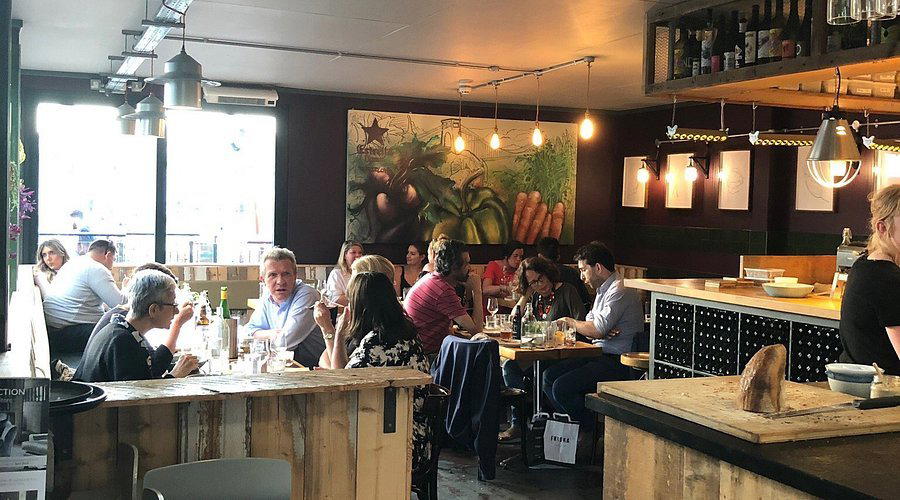
Five Containers, One Clear Argument for Vegetables
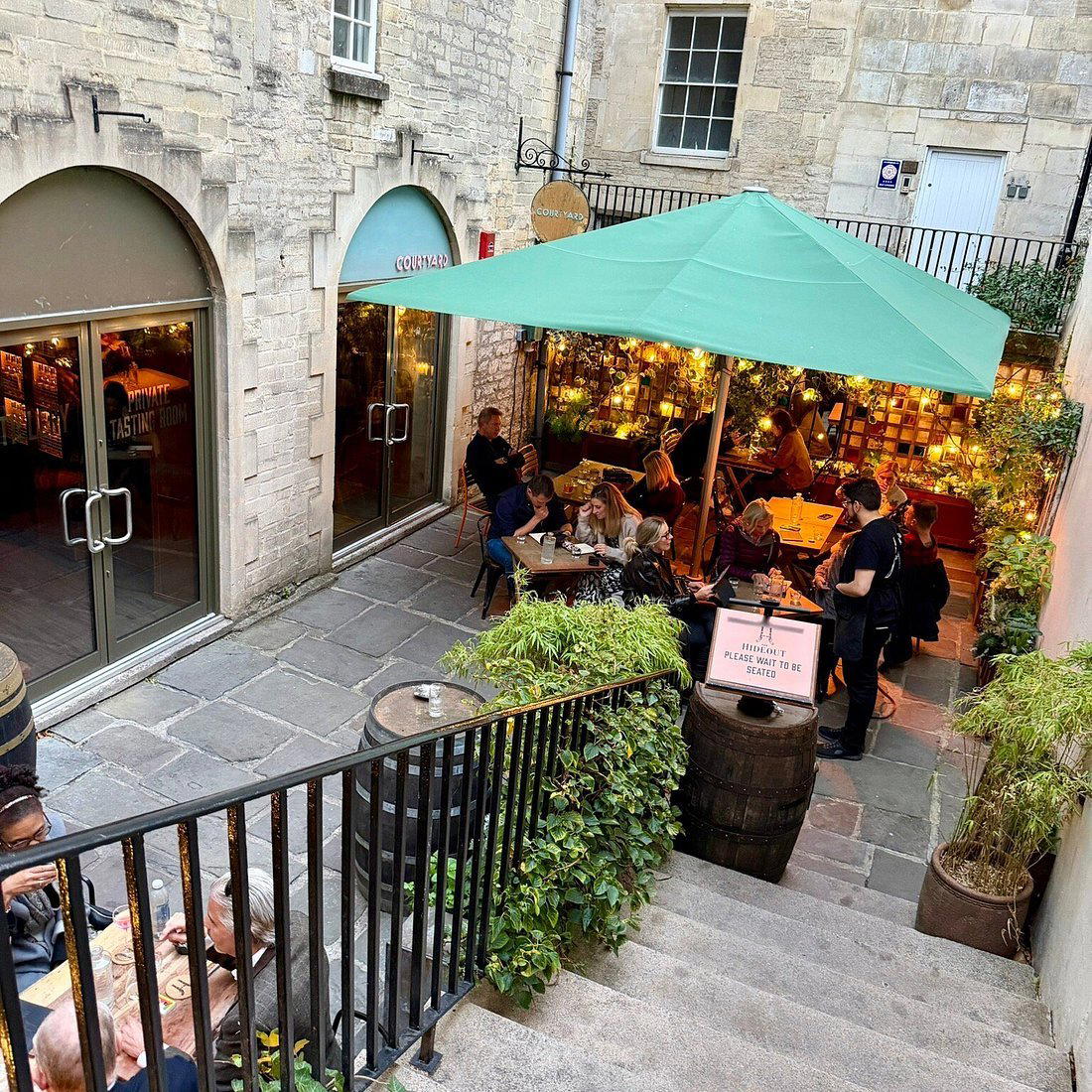
Wapping Wharf arrived as Bristol's most concentrated stretch of independent eating and drinking when the Cargo development opened along Gaol Ferry Steps. Root is a Bristol restaurant serving modern vegetable-led small plates at a midrange price point. The format, repurposed shipping containers stacked along the waterfront, has since become one of the more photographed dining destinations in the South West, and Root, which opened in 2017, occupies five first-floor units within the first Cargo block. Approaching from the water side, the industrial frame gives way quickly: the terrace faces the floating harbour, and in warmer months it fills early.
The neighbourhood context matters here. Wapping Wharf sits within walking distance of addresses like Adelina Yard and BOX-E, which means the waterfront has accumulated enough serious cooking to function as a genuine dining destination rather than a tourist circuit. Root operates at the more accessible end of that comparable set, priced at ££ against Bristol contemporaries like Bulrush at ££££ or 1 York Place at ££, but its Michelin Bib Gourmand recognition in both 2024 and 2025 signals that the value proposition extends beyond price point alone.
Local Produce as the Starting Point, Not the Punchline
The editorial angle that defines Root's cooking is one that has become more common across British restaurants over the past decade but remains genuinely difficult to execute well: taking ordinary, locally-sourced vegetables and applying enough technique to make them the centre of attention rather than the supporting act. At Root, this is not presented as a dietary position, there are fish and meat options on the menu, but as a culinary one. Ingredients sourced from small South West suppliers arrive and are treated with the kind of care that, at higher price points and in more formally structured rooms, might be reserved for aged beef or live shellfish.
This approach connects to a broader shift in British modern cuisine, where the gap between ingredient-forward vegetable cookery and conventional protein-led menus has narrowed considerably. Restaurants like L'Enclume in Cartmel operate at the extreme end of this, hyper-seasonal, garden-sourced, technically intricate, while Root works in a more democratic register. The small plates format keeps the barrier to entry low and the variety high, which suits a sharing-plate audience that may not have arrived expecting to spend an entire meal thinking about carrots and hispi cabbage. That they often leave having done exactly that is the point.
Kitchen's technique draws on methods that travel: fermentation, pickling, preserved citrus, curd-based preparations. A signature gnudi made from ewe's curd, soft, flour-dusted dumplings with a delicate dairy tang, demonstrates how a borrowed Italian form can work as a vehicle for local dairy. Braised greens alongside preserved lemon bring tart acidity into the equation, the kind of flavour balancing that reads as globally informed without announcing it. Elsewhere, asparagus from Wye Valley served with peas, broad beans, radish and cider shallots pulls together South West spring produce into a single plate where the cider element does double duty as both regional reference and acidic counterpoint. These are not dishes that shout about their provenance; the sourcing operates as a structural given rather than a talking point.
What the Bib Gourmand Signals About the Format
Michelin's Bib Gourmand designation, awarded in both 2024 and 2025, sits outside the star system and evaluates quality relative to price. In practical terms, it means the guide's inspectors found cooking that exceeded what the price point might reasonably promise. For Root, that recognition holds relevance beyond the obvious PR value: it positions the restaurant within a tier of British cooking that values accessibility and seasonal intelligence over formality.
The comparison set matters here. In the UK, Bib Gourmand holders range from neighbourhood bistros to tasting-menu-adjacent rooms that happen to price accessibly. Root's shipping container setting and sharing-plate format put it closer to the former, which makes the sustained recognition across consecutive years a more considered endorsement than a single year's listing. Among Bristol contemporaries, this places Root in a distinct position: less formally ambitious than the city's higher-rated rooms, but operating with enough culinary rigour to hold the designation against significant regional competition. For context, addresses like Gidleigh Park in Chagford, Moor Hall in Aughton, and The Fat Duck in Bray represent what starred ambition looks like at the upper end of the British register; Root's proposition is categorically different, and the Bib Gourmand is especially accurate shorthand for where it sits.
The Wine List and What It Reflects
The 25-bottle wine list, with eight available by the carafe, skews toward natural viticulture with enough organic and biodynamic options to avoid the narrowness that sometimes makes natural wine lists feel like a statement rather than a service. The carafe format suits the sharing-plate structure: ordering by the glass or carafe across multiple small dishes is more practical than committing to a full bottle early, and it keeps the bill flexible. The list is not trying to compete with the cellar depth at addresses like The Ledbury in London or Hand and Flowers in Marlow, nor should it at this price tier, but it reflects a coherent editorial position that matches the kitchen's sourcing philosophy.
An Honest Assessment of Where Root Stands Now
Since founding chef Rob Howell moved to the sister Root in Wells, the Bristol original has faced a question that any restaurant does when its founding creative energy shifts location: does the formula hold? The honest answer is that it mostly does, but with some visible friction. Service has been reported as inconsistent by some critics, and the container interior, which was a talking point in 2017, now reads as familiar rather than novel. The terrace remains the preferred seating option when weather permits.
The broader Wapping Wharf neighbourhood has also matured around Root, which changes the restaurant's relative position. In 2017 it was among the early anchors of the development; by 2025 it operates within a denser competitive field that includes the Blaise Inn and other ££ addresses across the city. That Root continues to hold its Bib Gourmand within this context suggests the kitchen's core proposition, local produce, technique-led vegetable cookery, approachable price point, remains sound. It is not a restaurant at the height of its ambition, but it is one that delivers reliably on what it promises, and that is a harder thing to sustain than it looks.
Planning Your Visit
Root is at Unit 9, Cargo 1, Gaol Ferry Steps, Bristol BS1 6WP, on the first floor of the Wapping Wharf development, a short walk from Bristol Temple Meads along the waterfront or from the city centre across Bedminster Bridge. The sharing-plate format makes it a flexible option for groups of two to four; larger parties should confirm availability in advance. The terrace fills quickly on dry evenings, so booking specifically for outdoor seating is worth factoring in. The natural wine list and vegetable-led format make Root a sensible pairing with an evening walk along the floating harbour. For those comparing options in the same price tier, 1 York Place and the Blaise Inn represent different styles at a comparable spend, while Bulrush sits at the higher end if the occasion warrants it.
Category Peers
Comparable venues nearby, for context on price, style, and recognition.
| Venue | Cuisine | Price | Awards | Notes |
|---|---|---|---|---|
| RootThis venue — the venue you are viewing | Modern Vegetable-Led Small Plates | $$$ | Bib Gourmand | Not listed |
| Blaise Inn | Modern British Gastropub | $$$ | Bib Gourmand | Henbury and Brentry |
| 1 York Place | Pan-European Bistro | $$$ | Michelin Plate | Clifton |
| littlefrench | Classic French Bistro | $$$ | Michelin Plate | Westbury-on-Trym and Henleaze |
| COR | Modern Mediterranean Small Plates | $$$ | Bib Gourmand | Bedminster |
| BOX-E | Modern British Bistro | $$$ | Bib Gourmand | Central |
Recognition history
Dated appearances from independent guides and award organizations, with the underlying list record or original source where available.
Michelin Bib Gourmand
Michelin
Michelin Bib Gourmand
Michelin
The Good Food Guide GFG Good
The Good Food Guide
We're Smart World 1 Radish
We're Smart World
Michelin Bib Gourmand
Michelin






At a Glance
- Cozy
- Modern
- Intimate
- Trendy
- Date Night
- Special Occasion
- Celebration
- Open Kitchen
- Craft Cocktails
- Local Sourcing
- Waterfront
- Street Scene
Current opening hours
- Monday
- 5:30–11 p.m.
- Tuesday
- 5:30–11 p.m.
- Wednesday
- 12–11 p.m.
- Thursday
- 12–11 p.m.
- Friday
- 12–11 p.m.
- Saturday
- 12–11 p.m.
- Sunday
- 12–5 p.m.
Hours can change for holidays and private events. Last verified .
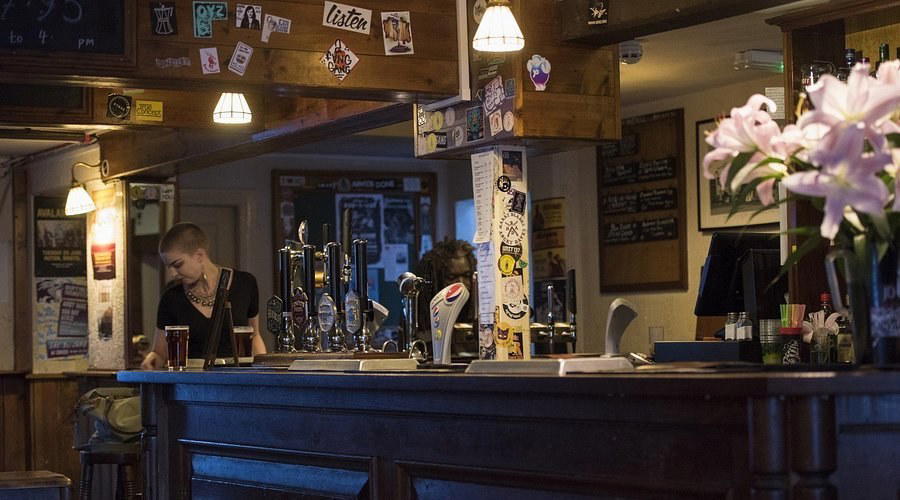
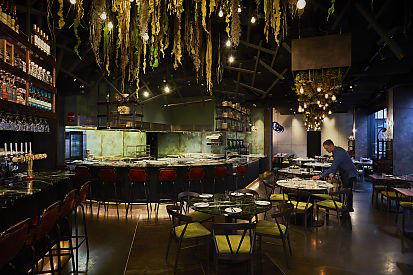
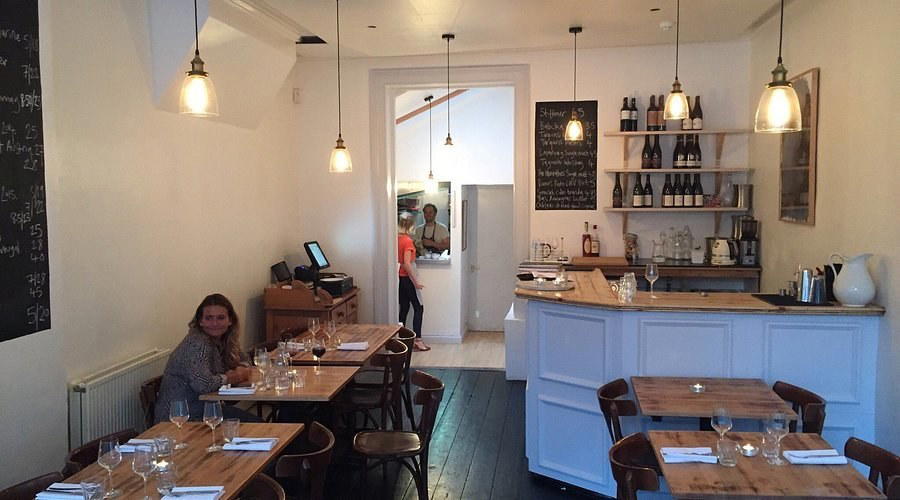
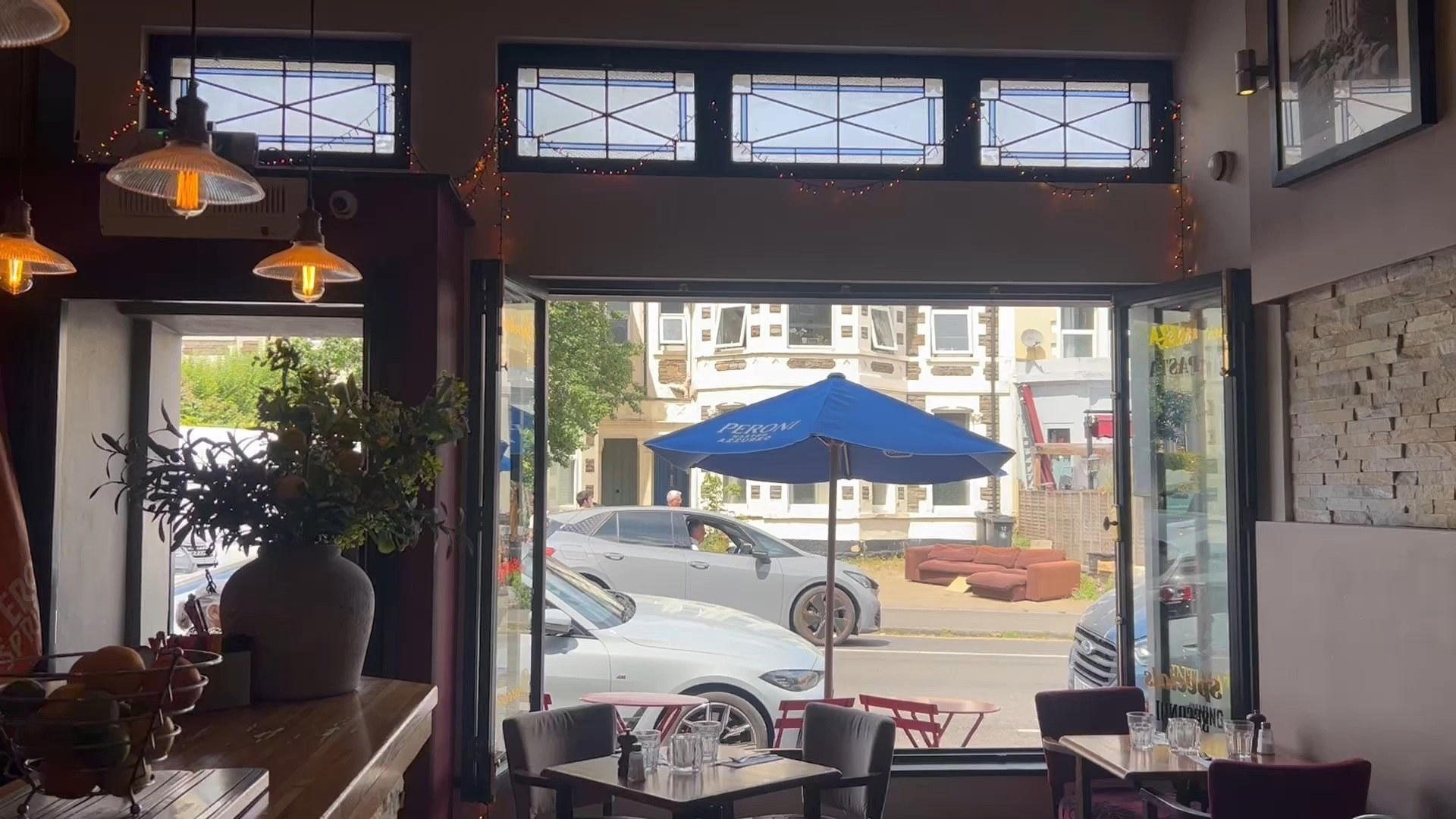
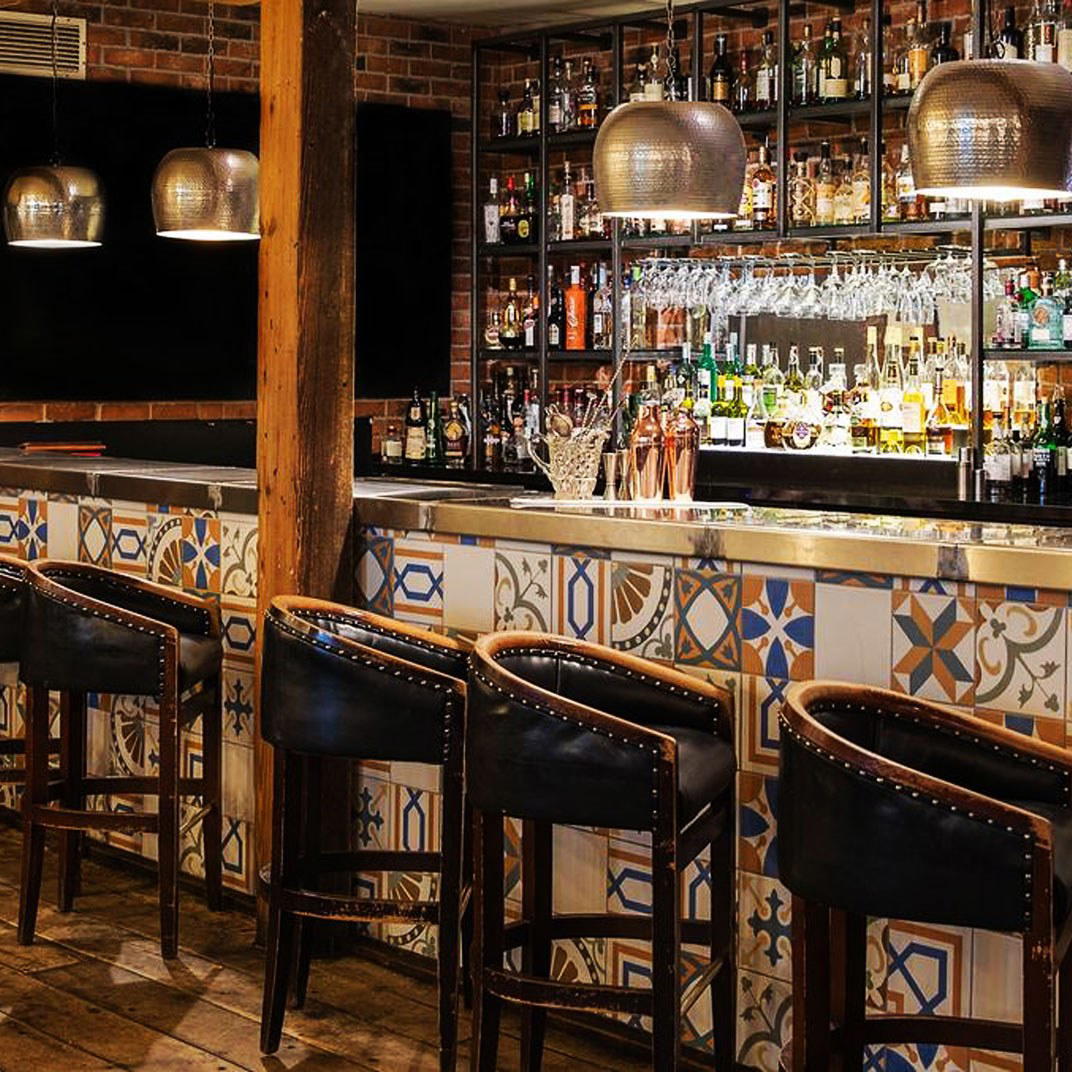
Toasty interiors with subtle ambient lighting, natural light, and a warm, low-key atmosphere featuring an open kitchen.