The Bath Priory



1 Michelin Key · La Liste Top Hotels · Relais Chateaux Award
A Relais & Châteaux member scoring 92.5 points in the 2026 La Liste Top Hotels ranking, The Bath Priory is a 39-room Georgian country house on Weston Road with award-winning formal gardens, an outdoor pool, and the UK's only L'Occitane Garden Spa. Rates start from around $316 per night. The dining programme spans a formal restaurant and the casual Pantry & Terrace.

Pearl is the En Primeur Club membership app — saves, bookings, and concierge access live there. Same editors, same standards.
- Address
- Weston Rd, Bath BA1 2XT
- Phone
- +44 1225 331922
- Website
- thebathpriory.co.uk
- Directions
- Get directions
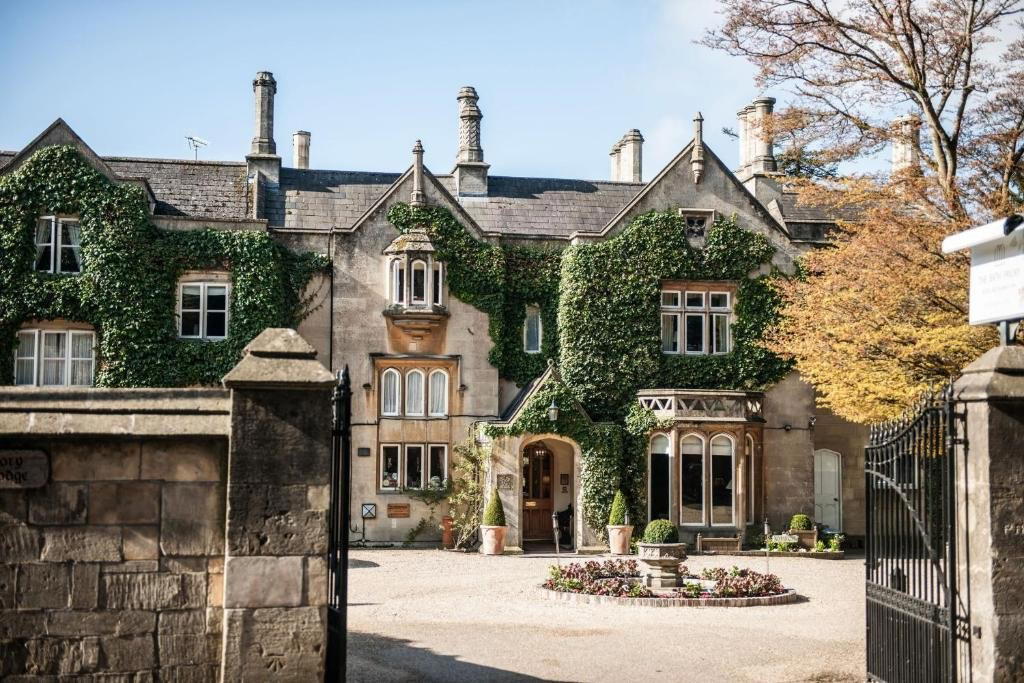
Where Country-House Dining Meets Georgian Bath
Arriving at The Bath Priory on Weston Road, the city recedes almost immediately. The property sits close enough to Bath's centre to remain convenient, yet the formal gardens, the stone facade, and the proportioned interiors place it firmly in country-house territory. That tension — proximity without the noise — is what positions The Bath Priory in a specific niche within Bath's hospitality scene: not an in-city boutique, not a remote rural retreat, but a Relais & Châteaux member that draws on both registers at once.
The hotel earned 92.5 points in the 2026 La Liste Leading Hotels ranking, a scoring system that weights dining quality heavily alongside accommodation standards. That score places it in company with properties that treat the table as seriously as the room, and the two-venue dining format at The Bath Priory reflects exactly that priority.
The Dining Programme: Formal Restaurant and the Pantry & Terrace
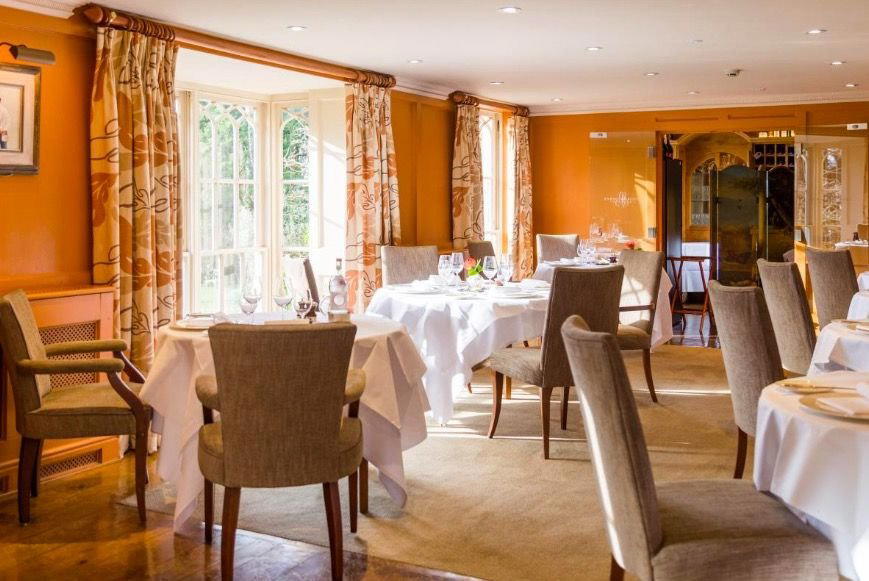
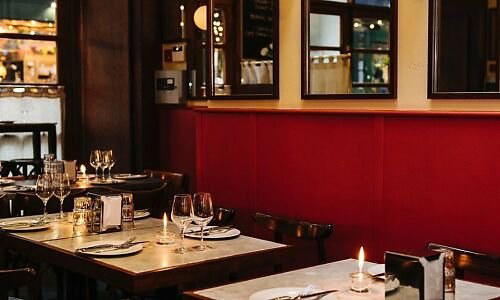
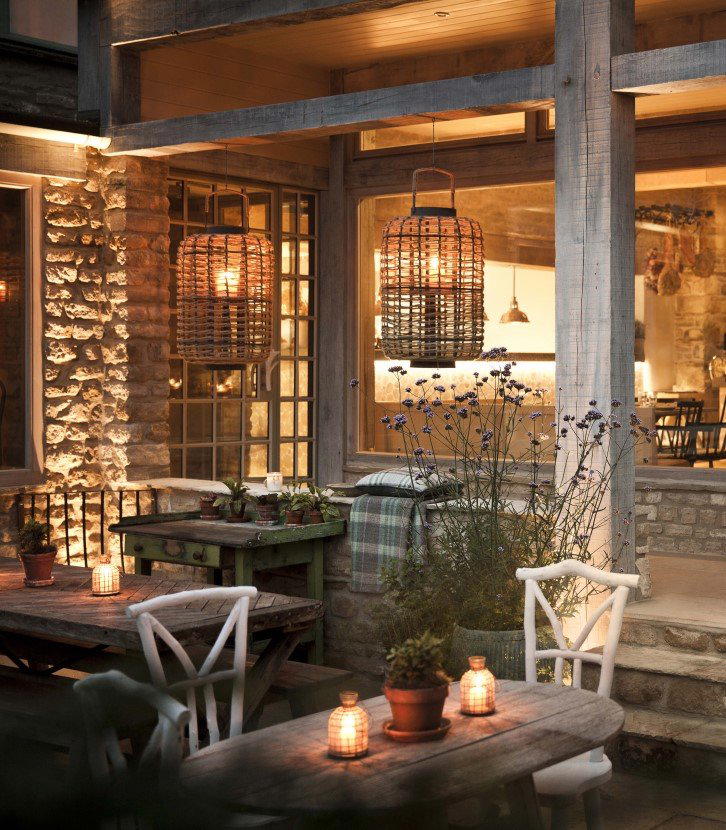
Bath's premium hotel dining scene has consolidated around a recognisable pattern: a main restaurant with formal service and a secondary, more relaxed alternative for guests who want the quality without the occasion. The Bath Priory runs precisely that structure. The formal restaurant operates as the anchor, a room whose antique character and garden aspect set expectations before a dish arrives. The Pantry & Terrace opens directly onto the gardens and provides a lighter counterpoint, the kind of setting where the food is still a point of pride but the posture is deliberately unhurried.
For a Relais & Châteaux property, this dual-format approach is almost a category requirement. The collection's standards apply across both dining spaces, and the La Liste score suggests the kitchen is meeting them. Within Bath's competitive set, which includes The Royal Crescent Hotel & Spa, The Gainsborough Bath Spa, and The Queensberry Hotel, The Bath Priory is the property most explicitly anchored in country-house dining tradition rather than contemporary urban formats.
The Pantry & Terrace is where the gardens earn their keep as a dining backdrop rather than simply a visual amenity. Terrace dining at a property with formal gardens carries a different weight than a rooftop bar or a pavement table: the outlook is deliberate, cultivated over years, and the award-winning grounds at The Bath Priory are a recognised strength of the property. Eating outside here is less about weather-dependent opportunism and more about engaging with the property's most considered space.
The Gardens and the Garden Spa
Country-house hotels in England live or die by their grounds, and formal gardens in particular require consistent investment to remain a genuine asset rather than a maintenance liability. The Bath Priory's gardens are acknowledged at the award level, La Liste's highlights notation specifically calls them out, which is a stronger signal than generic marketing language. The outdoor pool extends the grounds into leisure territory, giving the property a year-round case for staying in rather than spending every hour in the city.
The Garden Spa operates as the UK's only L'Occitane spa, a designation that carries both brand exclusivity and a specific treatment philosophy rooted in Provençal botanicals. For wellness-focused travellers, this is the detail that separates The Bath Priory from comparable Georgian properties like Homewood or The Yard in Bath. The Gainsborough's spa draws on the city's thermal waters as its differentiator; The Bath Priory's Garden Spa draws on the L'Occitane partnership and the garden setting itself.
The Rooms: Main House and Adjacent Accommodation
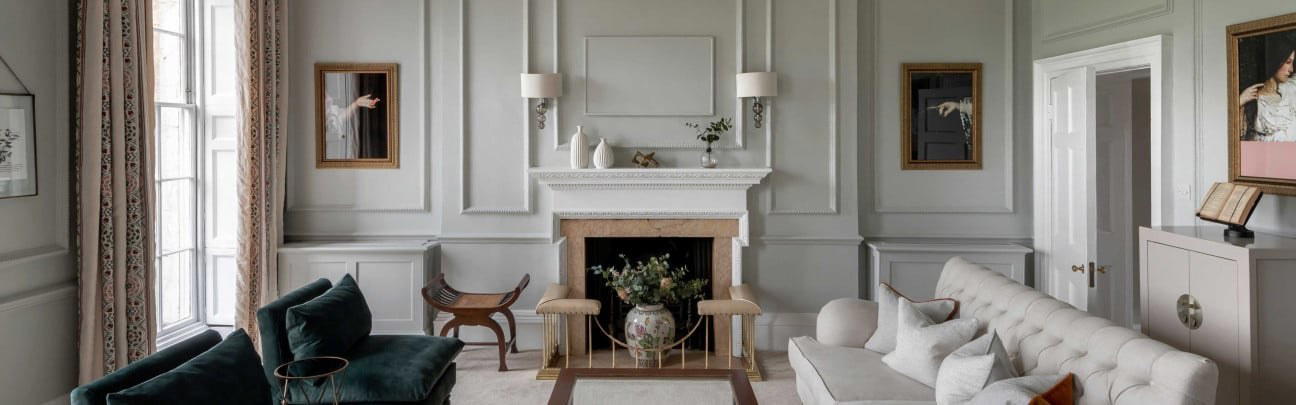
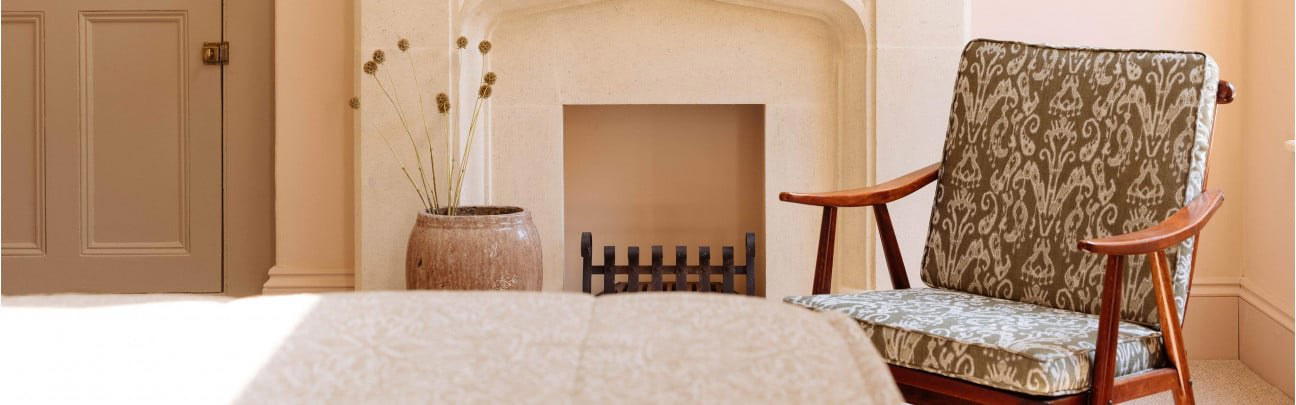
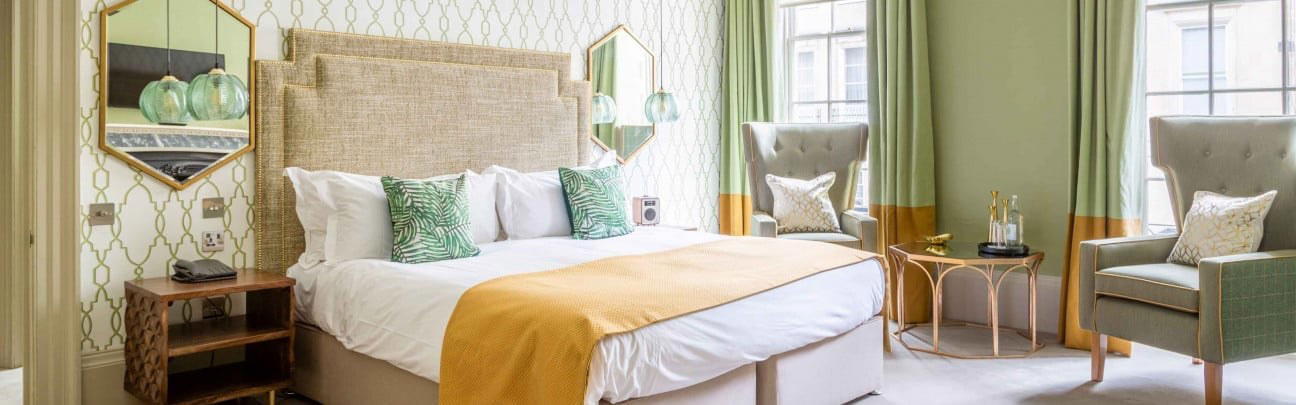
At 39 rooms across the main house and an adjacent building, the property sits in the small-to-mid tier for a Relais & Châteaux country house. That scale supports a service ratio that larger properties struggle to maintain, and the antique character of the main house rooms is the expected register for this category: grand without being sterile, characterful without being precious. The adjacent accommodation provides an alternative for guests who prefer newer fittings or different proportions, though the main house rooms carry more of the property's historic DNA.
Rates start from around $316 per night, positioning The Bath Priory at the accessible end of Bath's premium tier, a level below the flagship suites at The Royal Crescent but above the boutique urban options. For the Relais & Châteaux membership, the La Liste score, and the garden and spa infrastructure, that entry rate represents reasonable value against peer properties. Comparable country-house hotel programmes elsewhere in the UK, Lime Wood in Lyndhurst or Estelle Manor in North Leigh, operate at similar or higher price points with broadly comparable infrastructure.
Bath as Context
Bath functions as one of England's most stable luxury tourism markets, with a visitor base drawn by the Roman Baths, the Georgian architecture, and a dining scene that has matured considerably over the past decade. The city does not have the cutting-edge restaurant scene of Bristol or London, but it supports a cluster of serious hotel dining rooms and independent restaurants that sustain repeat visitors. The Bath Priory's location on Weston Road keeps it within reach of the centre without placing guests in the middle of the tourist circuit, a positioning that suits guests coming specifically for the property rather than those using a hotel as a base for city exploration.
For travellers who want a Relais & Châteaux country-house experience within an hour of London by train, Bath's options are limited. The Newt in Somerset operates in a different register further south; properties like Gleneagles require a longer commitment. The Bath Priory fills a particular gap: formal, garden-centred, dining-led, and close enough to the city to combine both experiences in a single stay.
Planning Your Stay
The Bath Priory can be contacted directly at bathpriory@relaischateaux.com or by phone at +44 (0)1225 331 922, and further details are available at thebathpriory.co.uk. For stays that hinge on a specific room type or a dinner reservation in the main restaurant, planning four to six weeks in advance during busy periods is a practical minimum. Off-peak winter stays offer more flexibility and occasionally better rates against the listed entry point of around $316 per night.
Pricing, Compared
Comparable venues nearby, for context on price, style, and recognition.
| Venue | Price | Awards | Notes |
|---|---|---|---|
| The Bath PrioryThis venue — the venue you are viewing | Not listed | 1 Michelin Key · La Liste Top Hotels | Not listed |
| The Gainsborough Bath Spa | Not listed | 1 Michelin Key · Small Luxury Hotels of the World Member | city center, Georgian heritage luxury hotel blending history and modern comfort |
| Homewood | Not listed | 1 Michelin Key · Small Luxury Hotels of the World Member | Hinton Charterhouse, Charming small manor house hotel on a beautiful estate. |
| Bath Priory | Not listed | 1 Michelin Key · La Liste Top Hotels | Weston, Georgian country house with Relais & Châteaux luxury |
| The Queensberry Hotel | $200–300 | 1 Michelin Key · Mr & Mrs Smith Seal of Approval | City Centre Bath, Luxury independent boutique hotel blending historic Georgian architecture with contemporary design and service standards. |
| Hotel Indigo Bath | $100–200 | Michelin Selected | South Parade, Georgian terrace boutique hotel with Regency-inspired playful design |
Recognition history
Dated appearances from independent guides and award organizations, with the underlying list record or original source where available.
Michelin 1 Key
Michelin
La Liste Top Hotels
La Liste
Relais Chateaux Award
Relais Chateaux
Full recognition history (5 entries)
Michelin 1 Key
Michelin
Relais Chateaux Award
Relais Chateaux

Details
- Romantic
- Quiet
- Elegant
- Sophisticated
- Classic
- Romantic Getaway
- Honeymoon
- Anniversary
- Wellness Retreat
- Weekend Escape
- Garden
- Historic Building
- Terrace
- Spa
- Pool
- Indoor Pool
- Outdoor Pool
- Sauna
- Wi Fi
- Room Service
- Concierge
- Restaurant
- Fitness Center
- Garden
- Wheelchair Accessible
- Step Free Entrance
- Accessible Parking
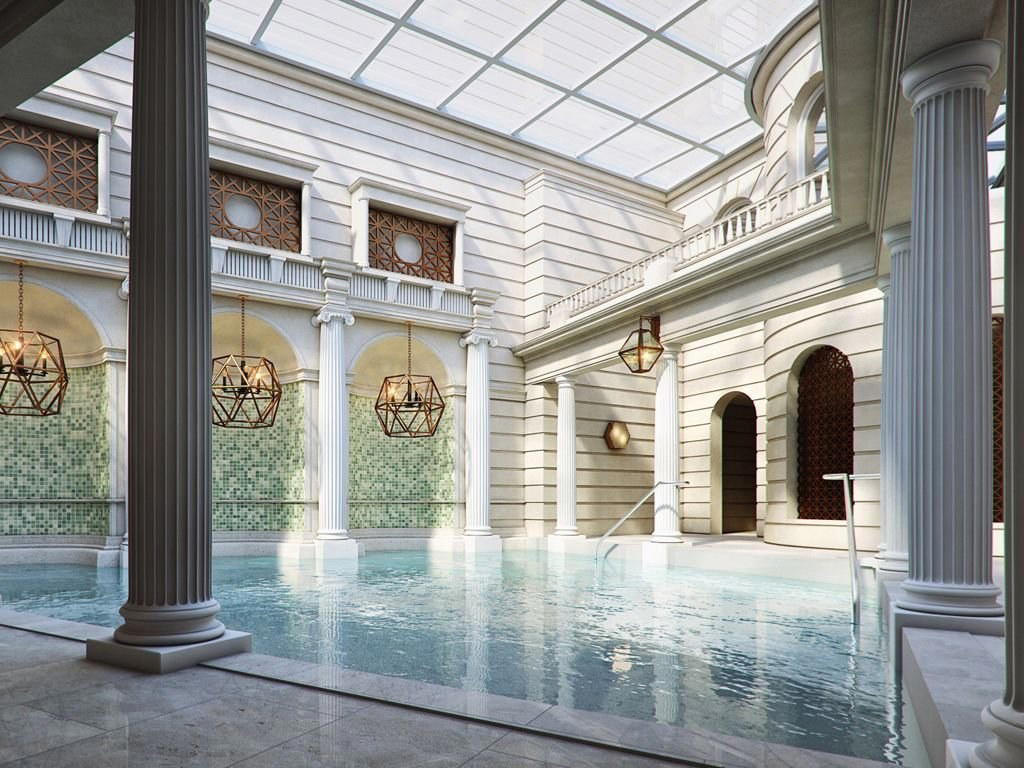
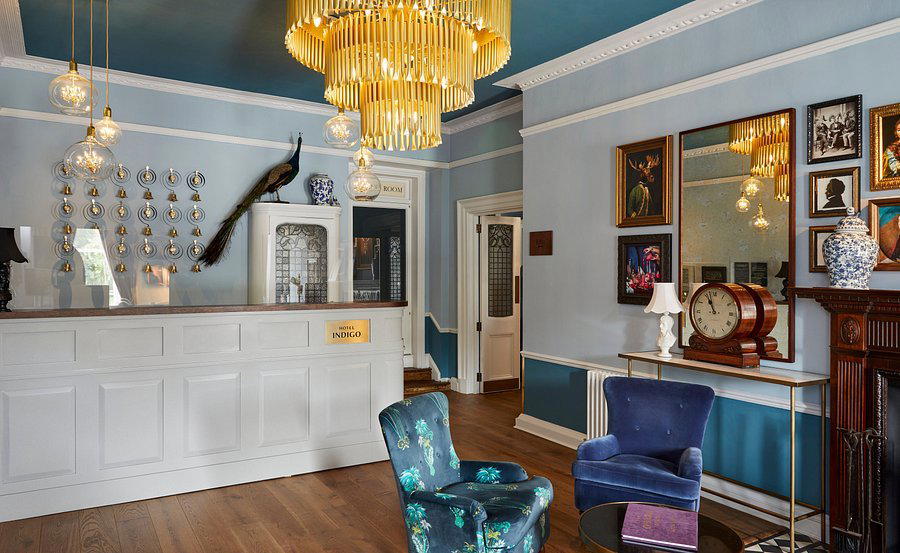
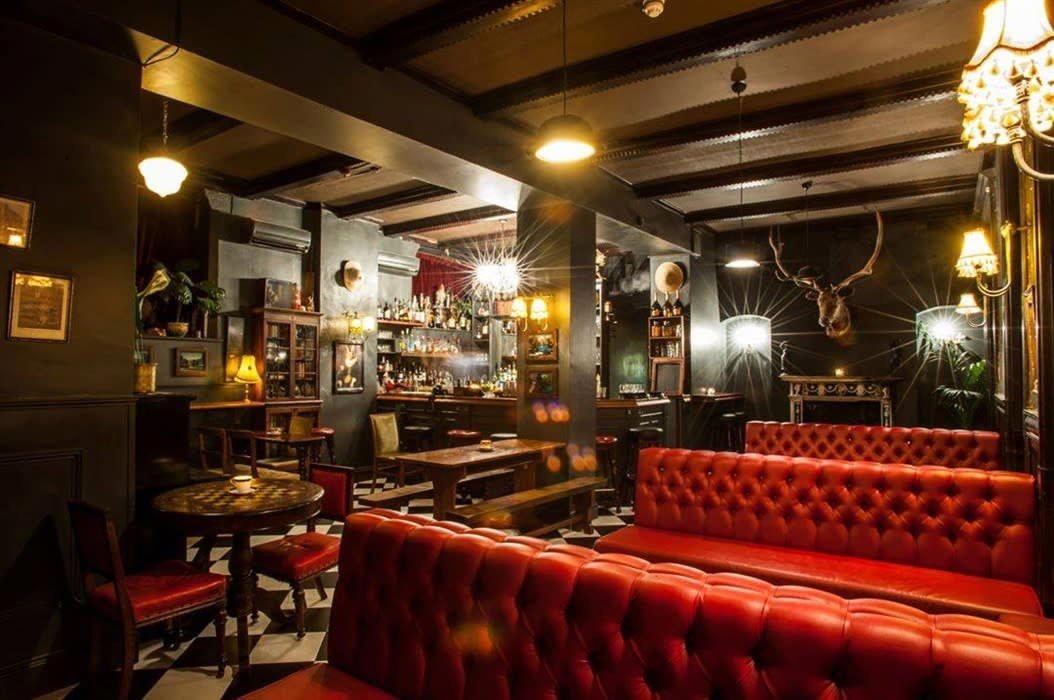
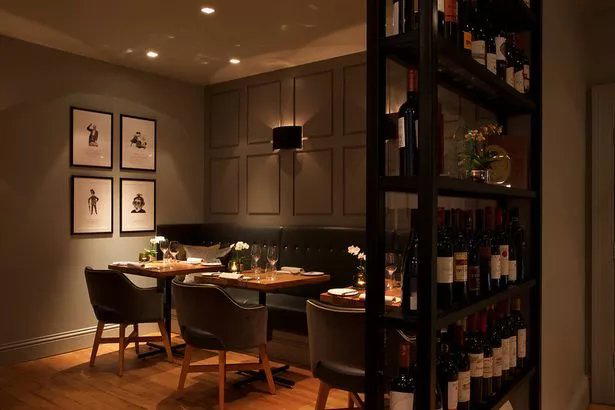
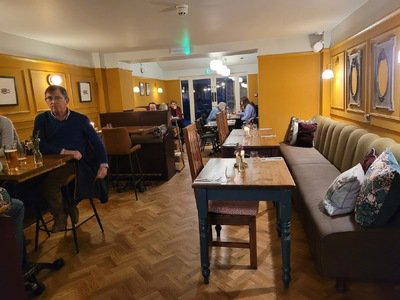
Tranquil and elegant with soft lighting, period decor, and serene garden views creating a peaceful, luxurious retreat.