1 York Place


Michelin Plate · The Good Food Guide GFG Good
Our verdict
A Michelin Plate-recognised neighbourhood bistro in Clifton's Georgian lanes, 1 York Place takes a pan-European approach to its frequently changing menu, ricotta gnudi, squid ink bomba rice, Pyrenean lamb shoulder, without ever losing sight of the relaxed, convivial register that makes it a local staple. Book ahead: tables at this small, pine-tabled room fill quickly.

Pearl is the En Primeur Club membership app, where members save venues, book tables and use the concierge.
Clifton's European Larder, Sourced Across the Continent
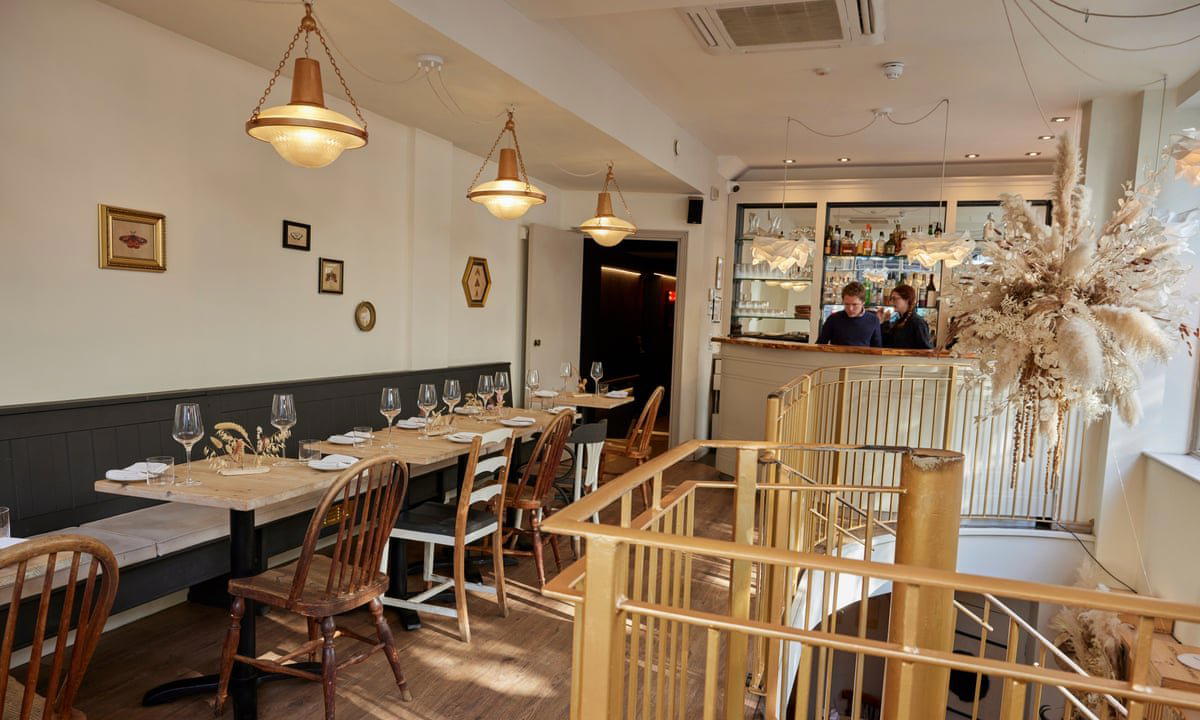
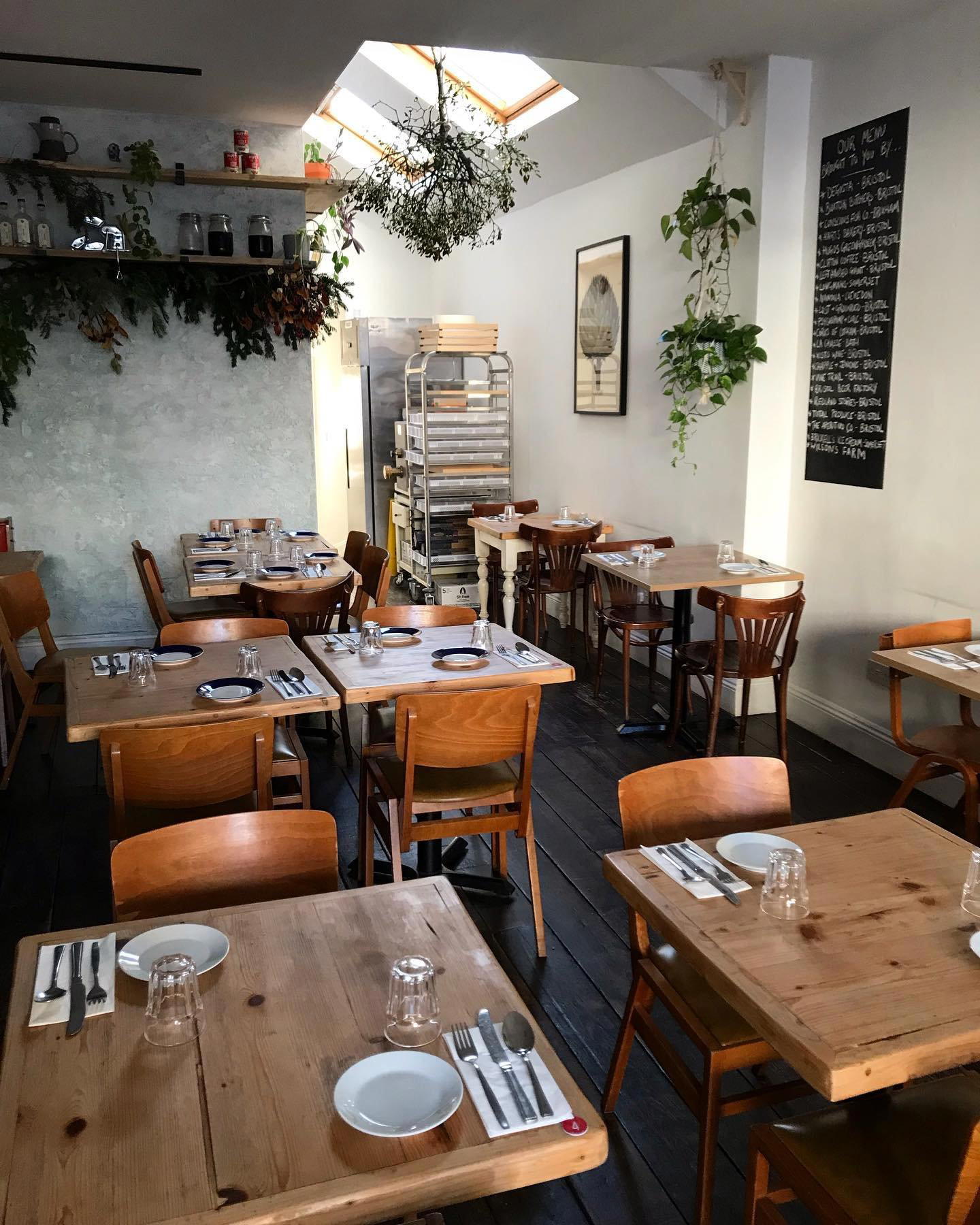
Georgian Clifton has always attracted a certain kind of neighbourhood restaurant: one that takes its food seriously without requiring its diners to do the same. The lane-side setting of 1 York Place, a short walk from the Clifton Suspension Bridge, fits that pattern precisely. From the pavement, the oversized windows announce a ground-floor dining room where natural light does most of the atmospheric work. Inside, unvarnished pine tables sit close together, dried foliage punctuates the soothing beige walls, and the occasional mounted animal head provides the kind of low-level quirk that Clifton residents seem to appreciate. A spiral staircase drops to a more enclosed basement for those who prefer a room that insulates conversation rather than broadcasting it.
What defines the cooking here is geographic range in service of ingredient logic. The menu doesn't gesture toward Europe for novelty, it moves between Italian, Spanish, and Austrian reference points because those traditions have developed specific techniques around specific ingredients. Ricotta gnudi requires a particular lightness of hand with fresh curd; squid ink bomba rice demands the right short-grain variety to hold stock absorption; veal schnitzel depends on thin, even pounding and clarified butter at the correct temperature. Each dish carries a specific sourcing lineage, and the date-stamped menus signal that the kitchen is adjusting to what's available rather than printing a permanent document.
Where the Ingredients Come From, and What That Signals
The sourcing logic at 1 York Place reads as a continuation of the culinary direction associated with the broader Bristol restaurant scene, where supply-chain transparency has become a marker of seriousness. Bristol restaurants operating in the ££ bracket, compare Blaise Inn in the traditional tier or BOX-E in the modern British space, have broadly moved away from anonymous commodity sourcing toward named producers and seasonally reactive menus. 1 York Place's approach fits that pattern, while the European range of the menu distinguishes it from the more specifically British-produce focus seen at places like Bulrush (Modern British, ££££) further into the city.
The sharer format reinforces the ingredient-led argument. A whole roast chicken presented at the table, or a platter of Himalayan salt-aged rump cap, places the raw material at the centre of the eating experience rather than obscuring it under technique. Salt-ageing rump cap is a specific intervention: the salt crust draws moisture outward and back in over time, concentrating the beef flavour without the long dry-age that higher-price-bracket restaurants might apply. It is a cost-sensitive technique that nonetheless produces a measurable result. The Pyrenean lamb shoulder with anchovy onions and fried potato tells a similar story, anchovy as a seasoning agent for lamb is a Mediterranean practice with centuries of documented use, functioning less as a garnish than as an umami scaffold for the meat.
Seafood sourcing at this price point is always a telling data point. Crispy fried mussels with a winter tomato and caper dressing requires fresh bivalves held correctly, and the winter tomato framing signals that the kitchen is working with the season rather than importing out-of-season alternatives. The spatchcocked poussin with roast calçots and chunky romesco sauce draws directly from Catalan spring tradition, where calçots (a type of green onion, traditionally charred over fire) are eaten with romesco as a celebration of the season's early arrivals. Using them on a menu positions the kitchen within a specific seasonal and geographic logic, not simply as a flavour choice.
The Clifton Context: Where 1 York Place Sits in the Neighbourhood
Clifton's restaurant scene has a distinct character within Bristol. It is predominantly neighbourhood-serving, with a residential base that demands quality over occasion-dining theatre. The street-level price sensitivity is real, most of the restaurants holding ground in Clifton occupy the ££ to £££ band, and the ones that have sustained reputations do so through consistent delivery rather than novelty. 1 York Place's Michelin Plate recognition in both 2024 and 2025 places it within a credentialled tier of Bristol restaurants without crossing into the destination-dining category occupied by Casamia or, at a different scale entirely, the starred properties in the broader UK market such as L'Enclume in Cartmel, Moor Hall in Aughton, or The Ledbury in London.
The Michelin Plate designation is worth contextualising. It identifies restaurants where the inspectorate considers the cooking good without awarding a star. In a city where the food scene has diversified considerably, see Adelina Yard in the harbourside for a comparable level of ambition in modern cuisine, holding a Plate across two consecutive years signals consistent kitchen execution rather than a single impressive visit. In a small room, consistency is harder to sustain than in a larger brigade operation, which makes the repeated recognition a meaningful data point.
The wine list, assembled with a broadly European focus, mirrors the food programme's geographic range. A mix of bottles positioned for occasions alongside a reasonable by-the-glass selection allows the room to function across different spend levels, a couple sharing a mid-week dinner can drink modestly, while the same table celebrating something might work from the same list at a different price point. That flexibility is characteristic of successful neighbourhood restaurants, which need to serve both registers without building two separate wine programmes.
Planning a Visit
Room is small, the tables closely packed, and 1 York Place's local reputation means the dining room fills consistently. Booking ahead is advisable, particularly on weekends, when Clifton's residential foot traffic competes with visitors drawn from across Bristol and beyond. The ground floor captures the most natural light and is the preferable choice for lunch or early evening; the basement feels more suited to longer dinners when the intimacy of a windowless room becomes an asset rather than a constraint. The ££ pricing bracket, combined with the sharing-friendly format, makes the per-head spend manageable and naturally encourages the table to order broadly rather than narrowly.
For a fuller picture of what Bristol offers across price points and cuisines, our full Bristol restaurants guide covers the range. Those planning a longer stay can cross-reference our Bristol hotels guide, Bristol bars guide, Bristol wineries guide, and Bristol experiences guide for a complete itinerary. If the European bistro format interests you beyond Bristol, comparable programmes in different contexts include Stiller in Guangzhou and Aroma in Guangzhou, or, at the refined end of the British spectrum, The Fat Duck in Bray, Gidleigh Park in Chagford, and Hand and Flowers in Marlow for reference points in the broader UK dining conversation.
Frequently asked questions
What awards or recognition does 1 York Place have?
1 York Place has received recognition including: Deep within the Georgian lanes of Clifton, lies this neighbourhood bistro with an uncluttered feel. Sit on the ground floor to make the most of the natural light flooding in the large windows, or head down the spiral staircase for a more in….
What's the signature dish at 1 York Place?
No single dish is fixed as a signature, but the shared plates format defines how the kitchen cooks. The Himalayan salt-aged rump cap platter and Pyrenean lamb shoulder with anchovy onions have drawn consistent attention, and the pan-European range, from ricotta gnudi to squid ink bomba rice, reflects the menu's breadth rather than a single focal point. 1 York Place holds a Michelin Plate for 2024 and 2025, which speaks to the overall cooking standard.
What should I budget for a meal at 1 York Place?
Pricing at 1 York Place is listed as ££.
Where do I go for 1 York Place?
1 York Place is located at 1 York Pl, Clifton, Bristol BS8 1AH, United Kingdom, Bristol.
Do they take walk-ins at 1 York Place?
The dining room is small, tables are closely packed, and the bistro has quickly become a fixture with Clifton residents since opening. Walk-ins may find space on quieter weekday evenings, but the local demand makes advance booking the reliable approach. The address is 1 York Place, Clifton, Bristol BS8 1AH.
At-a-Glance Comparison
| Venue | Cuisine | Price | Awards | Notes |
|---|---|---|---|---|
| 1 York PlaceThis venue (the venue you are viewing) | Pan-European Bistro | $50–100 | Michelin Plate · The Good Food Guide GFG Good | Not listed |
| Bulrush | Modern British Fine Dining | $50–100 | 1 Michelin Star · The Good Food Guide GFG Very Good | Modern British |
| Blaise Inn | Modern British Gastropub | $30–50 | Michelin Bib Gourmand | Traditional Cuisine |
| Little Hollows Pasta | Modern Italian Pasta Bistro | $20–30 | Michelin Bib Gourmand | Italian |
| Root | Modern Vegetable-Led Small Plates | $30–50 | Michelin Bib Gourmand · The Good Food Guide GFG Good | Modern Cuisine |
| Wilsons | Modern British Fine Dining | $100–150 | 1 Michelin Star · National Restaurant Awards Top 100 #32 | Modern British |
Recognition history
Dated appearances from independent guides and award organizations, with the underlying list record or original source where available.
Michelin Plate
Michelin
The Good Food Guide GFG Good
The Good Food Guide
Full recognition history (4 entries)
Michelin Plate
Michelin
Michelin Plate
Michelin
Continue exploring
More in Bristol
Restaurants in Bristol
All restaurants in Bristol →
Bars in Bristol
All bars in Bristol →
Details
- Intimate
- Cozy
- Elegant
- Modern
- Date Night
- Special Occasion
- Group Dining
- Open Kitchen
- Extensive Wine List
- Local Sourcing
- A La Carte
- Small Plates
Current opening hours
- Monday
- 5:30–9:30 PM
- Tuesday
- 5:30–9:30 PM
- Wednesday
- 5:30–9:30 PM
- Thursday
- 12–9:30 PM
- Friday
- 12–9:30 PM
- Saturday
- 12–9:30 PM
- Sunday
- 12–6 PM
Hours can change for holidays and private events. Hours as of .
Uncluttered neighbourhood bistro with natural light on ground floor, intimate basement via spiral staircase, closely packed tables creating buzzy atmosphere.