The Cadbury
A neighbourhood address on the residential stretch of Richmond Road in Montpelier, 68 Richmond Rd occupies the quieter, more locally rooted end of Bristol's drinking scene. The room pulls from the area's independent character rather than the city-centre bar circuit, making it a reference point for how Bristol's inner-north neighbourhoods have developed their own hospitality identity away from the Old City cluster.
Pearl is the En Primeur Club membership app — saves, bookings, and concierge access live there. Same editors, same standards.
- Address
- 68 Richmond Rd, Montpelier, Bristol BS6 5EW, UK
- Phone
- +44 117 924 7874
- Directions
- Get directions
 Saves & bookings on Pearl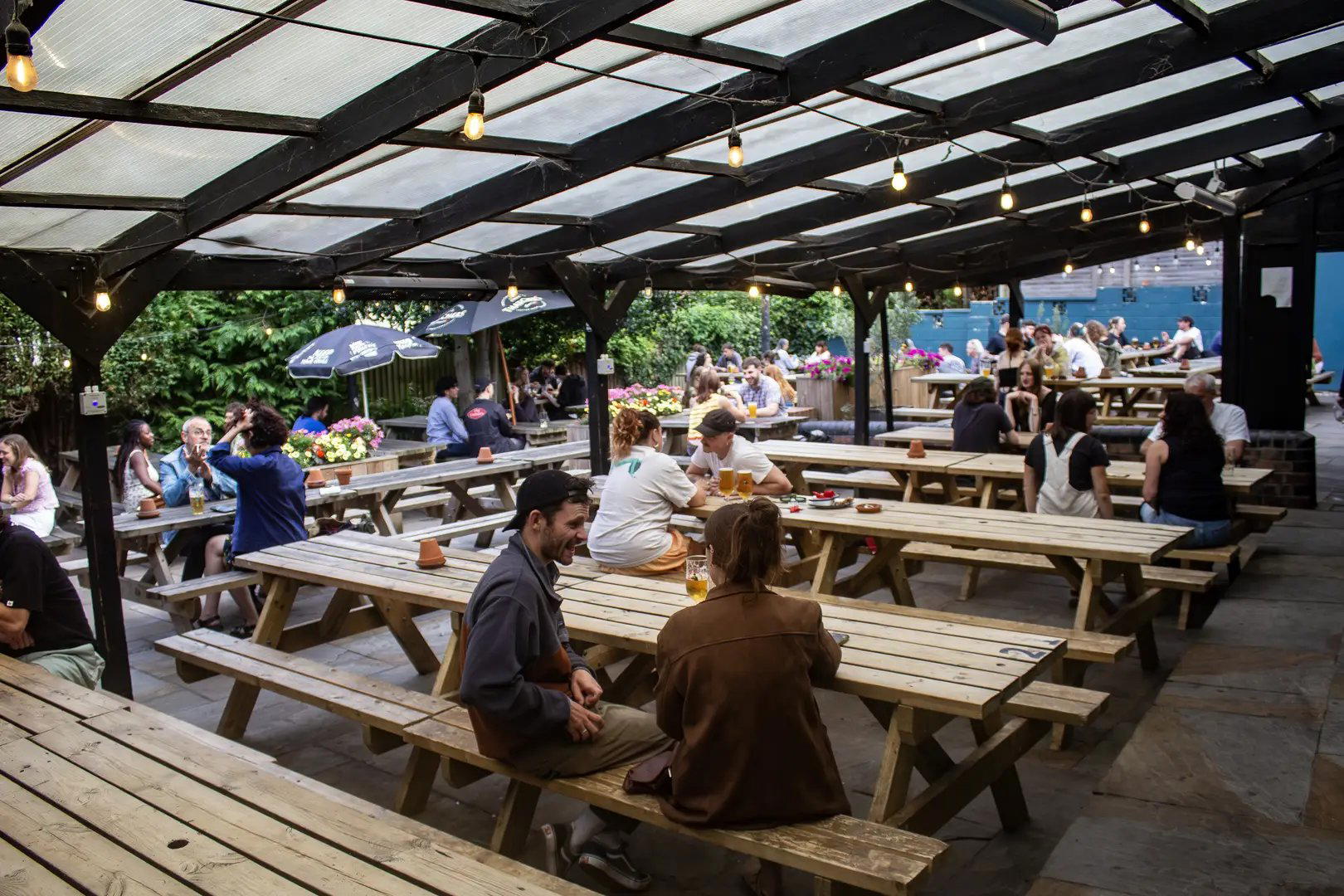
Montpelier's Approach to the Neighbourhood Bar
Bristol's bar scene has historically concentrated around the Old City and Clifton, with the inner-north neighbourhoods developing more slowly as hospitality destinations. That shift has accelerated over the past decade, as areas like Montpelier and St Andrews built drinking cultures rooted in the residential street rather than the tourist corridor. Richmond Road sits inside that transition: a quiet Victorian terrace that has accumulated independent businesses over time, with 68 Richmond Rd occupying a position that reflects the neighbourhood's preference for low-key, locally embedded venues over destination showpieces.
The contrast with Bristol's more prominent bar addresses is instructive. The Avon Gorge by Hotel du Vin operates at the scenic, hotel-anchored end of the market, while Bravas has built its identity around a specific Iberian food and drink programme. Richmond Road's neighbourhood bars, by contrast, succeed on proximity and regularity rather than destination logic. These are places people return to weekly, not annually.
What the Montpelier Drinking Scene Tells You
Montpelier occupies a particular position in Bristol's inner-north geography: denser and more residential than Clifton, more established than the emerging St Werburghs corridor, and with a long history of counter-cultural independence that shapes what hospitality here looks and feels like. The area's bars tend toward the casual and the considered in equal measure, resisting the formula-led rollout that has standardised drinking spaces in other UK cities.
That resistance shows up in format as much as aesthetic. Where bars in city centres often chase volume, Montpelier's neighbourhood venues run at a scale that allows for genuine character. Cosies on Portland Square has long held a similar neighbourhood-anchor role in the St Pauls area, demonstrating that Bristol's most durable drinking venues often operate outside the main tourist circuit entirely. Dela on Cheltenham Road has taken a more programmatic approach to natural wine and Scandinavian-inflected small plates, showing the range that exists within a few streets of each other in this part of the city.
Ingredient Sourcing as Neighbourhood Ethic
In Bristol's independent food and drink venues, sourcing decisions frequently function as a statement of local allegiance rather than a marketing position. The city has a well-documented network of small producers, urban farms, and specialist importers that supply venues across the inner-north. That infrastructure, built over years by venues like the Tobacco Factory market and a cluster of independent wholesalers, gives neighbourhood addresses access to provenance-led ingredients at a scale that suits their output.
For a Montpelier address, that typically means prioritising seasonal British produce over commodity supply chains. Bristol's proximity to the Wye Valley, the Somerset Levels, and the Severn estuary gives local venues a genuinely competitive sourcing position compared to landlocked UK cities. The question for any neighbourhood bar in this area is not whether provenance matters, but how explicitly it is foregrounded in what lands on the counter.
Across the UK, bars operating at a comparable neighbourhood scale have taken different approaches to this question. 69 Colebrooke Row in London built its reputation on technical precision and a cocktail programme that treated ingredients as raw material for transformation. Bramble in Edinburgh operates as a benchmark for how a compact, non-showy room can sustain serious recognition over time. Both demonstrate that the most durable neighbourhood venues succeed by committing to a specific point of view on what they serve and where it comes from, rather than hedging toward broad appeal.
Bristol's Bar Scene in UK Context
Placed against the wider UK bar scene, Bristol punches above its population in terms of independent drinking venues. Cities like Manchester, with Schofield's anchoring a more technique-led cocktail conversation, or Belfast, where the Merchant Hotel operates at the formal end of the market, illustrate the range of approaches that regional UK bar culture now encompasses. Leeds has Mojo Leeds for rock-and-roll informality, Glasgow has the Horseshoe Bar for Victorian pub heritage, and even further afield, Bar Leather Apron in Honolulu shows how neighbourhood bars with serious intent operate in very different cultural contexts.
Bristol's contribution to that conversation is less about high-concept programming and more about density of independent character. The city has more neighbourhood bars per capita operating outside group ownership than most comparable UK cities, and Montpelier is one of the areas where that independence is most concentrated. The result is a drinking culture that feels genuinely local rather than franchised, with individual venues carrying the full weight of their owners' decisions about what to stock, where to source, and who to pour for.
Planning a Visit to Richmond Road
Montpelier is accessible from Bristol Temple Meads by a short bus journey or a 20-minute walk through St Pauls and Ashley Road, and the neighbourhood is best approached on foot once you arrive. Richmond Road itself is residential in character, meaning the venue sits within a street context of houses and small independent businesses rather than a recognisable bar strip. For visitors to Bristol building a broader evening, the inner-north neighbourhoods reward a slow approach: start on Stokes Croft, work north through Cheltenham Road, and use Richmond Road as a quieter final stop.
Fast Comparison
| Venue | Cuisine |
|---|---|
| 68 Richmond RdThis venue — the venue you are viewing | This venue |
At a Glance
- Bohemian
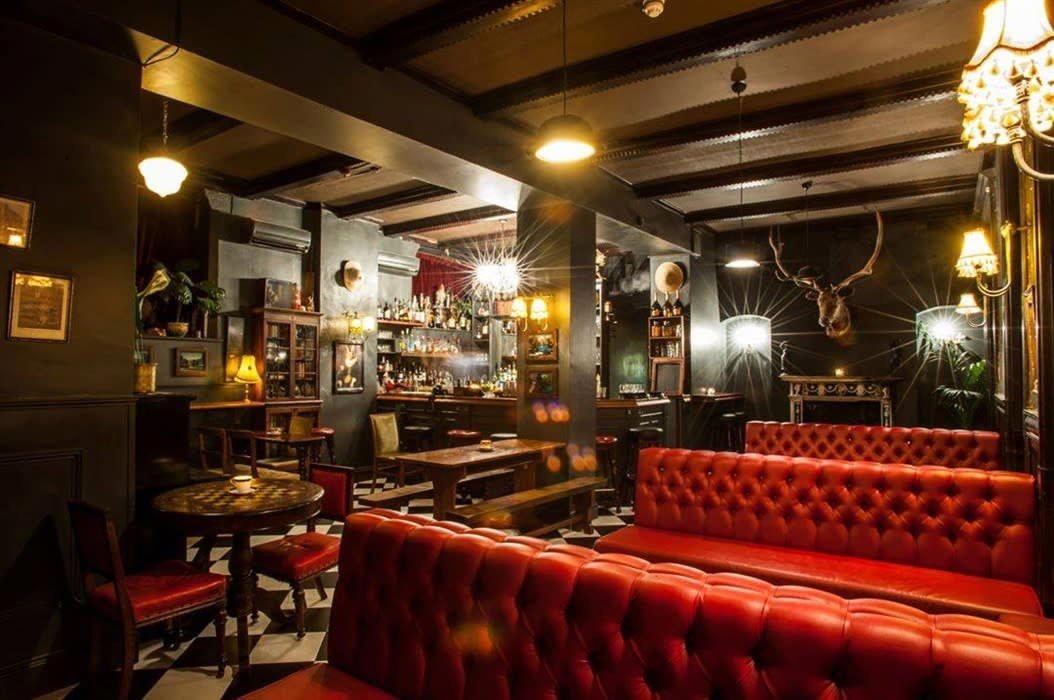
- Cozy
- Classic
- Casual Hangout
- After Work
- Group Outing
- Garden
- Historic Building
- Standalone
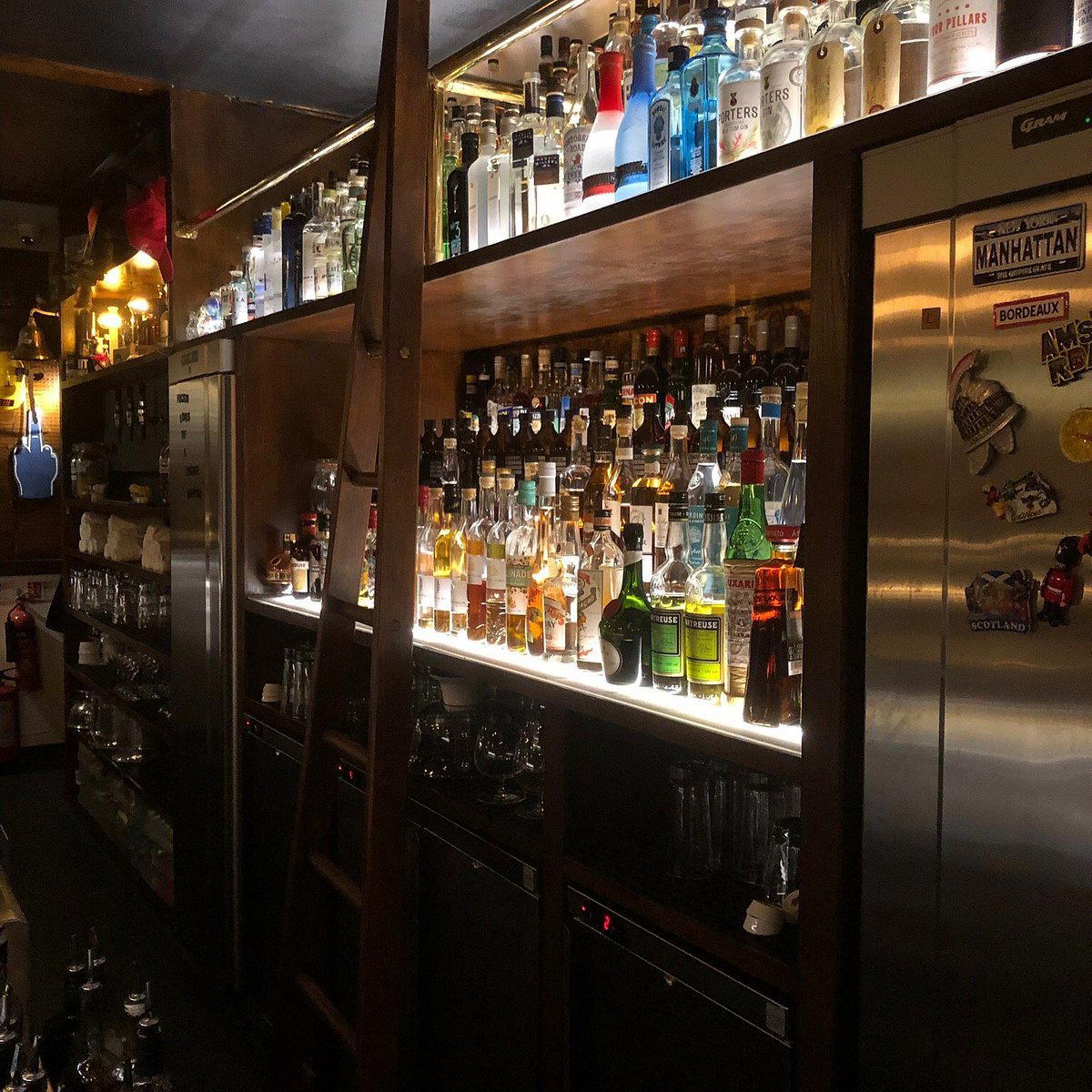
- Seated Bar
- Lounge Seating
- Outdoor Terrace
- Booth Seating
- Craft Beer
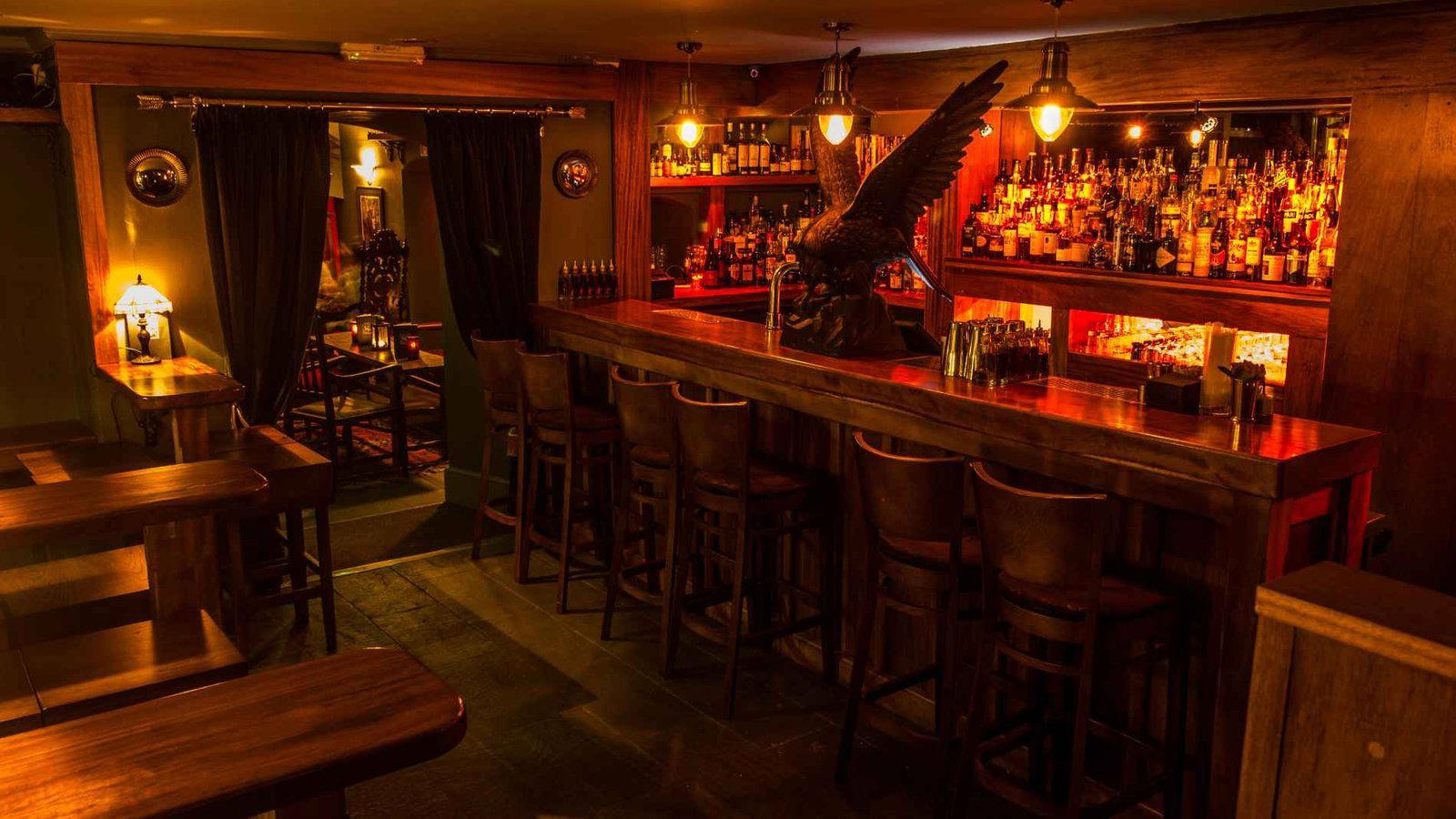
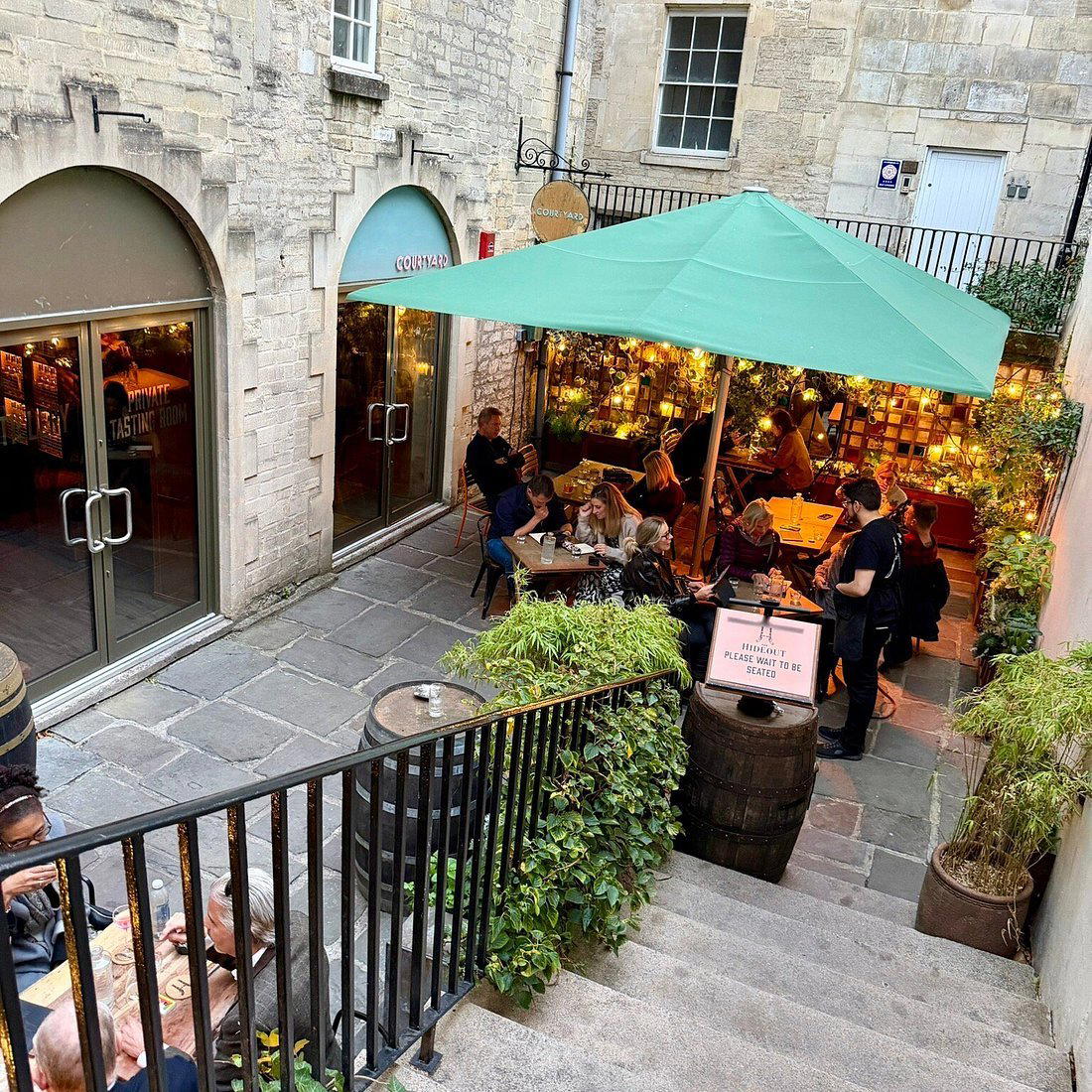
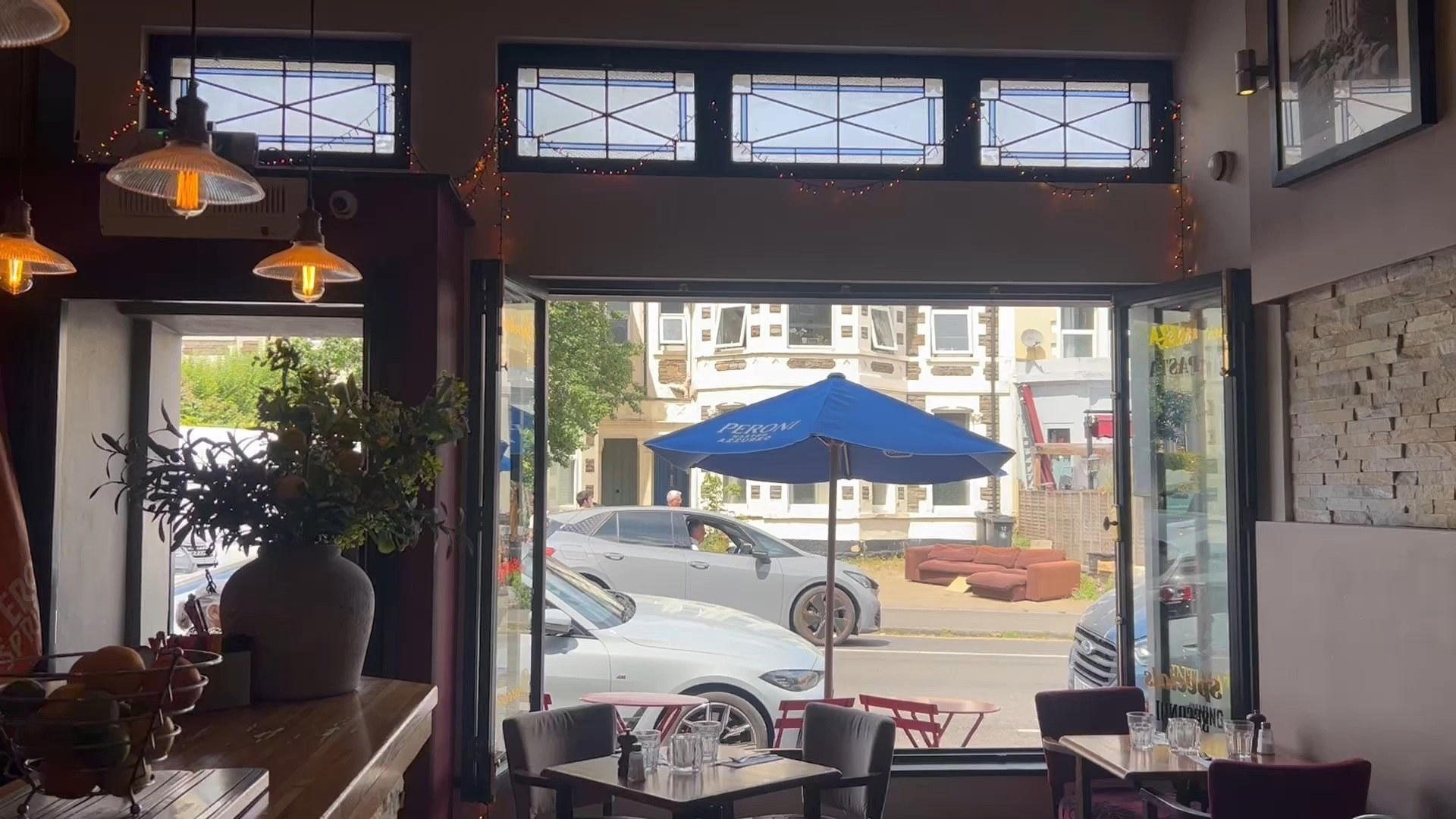
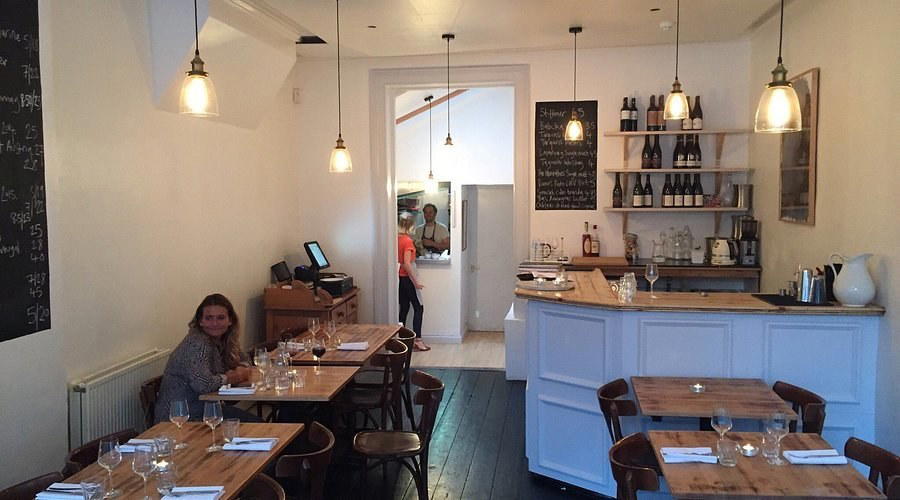
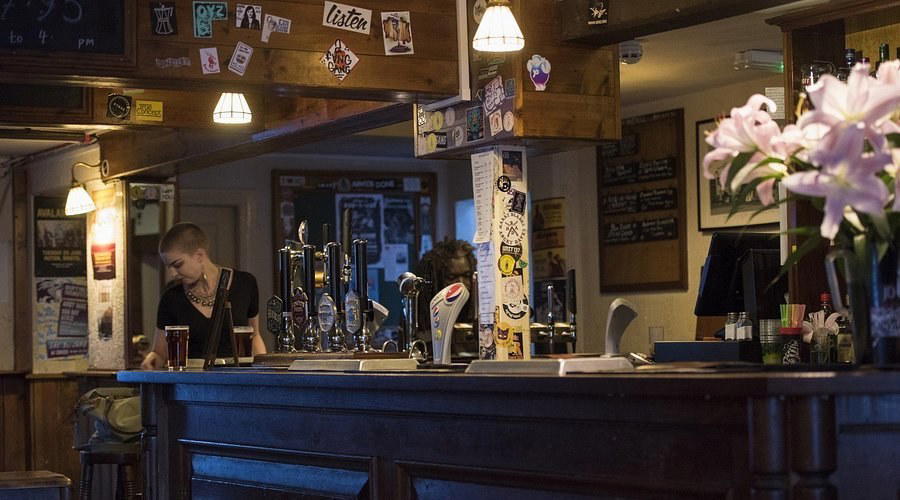
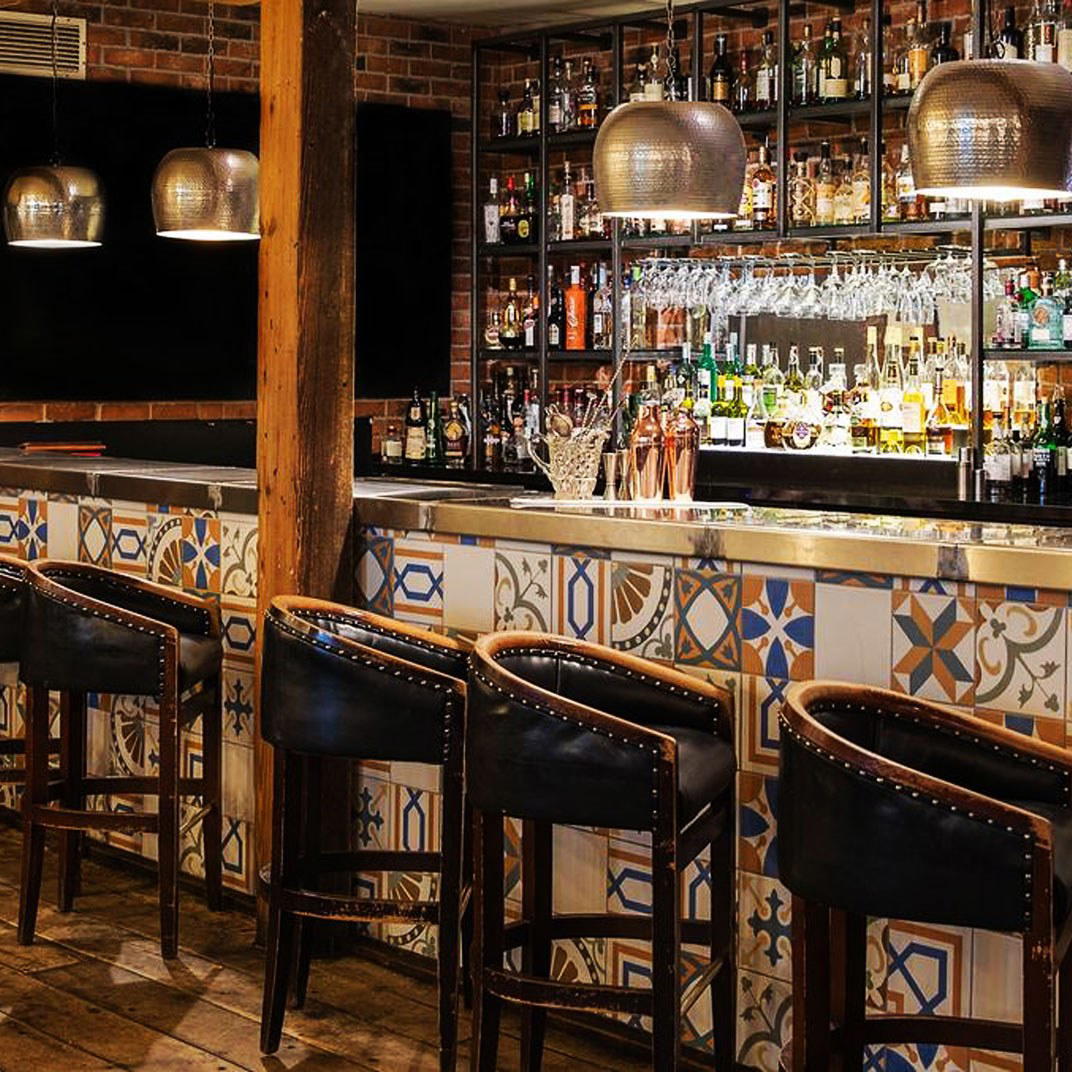
Warm and cavernous interior with soul music playing softly; couples enjoying Scrabble and dinner in a laid-back, alternative atmosphere.
Know Before You Go
- Getting there
- 68 Richmond Rd, Montpelier, Bristol BS6 5EW, UK