Bokman

Our verdict
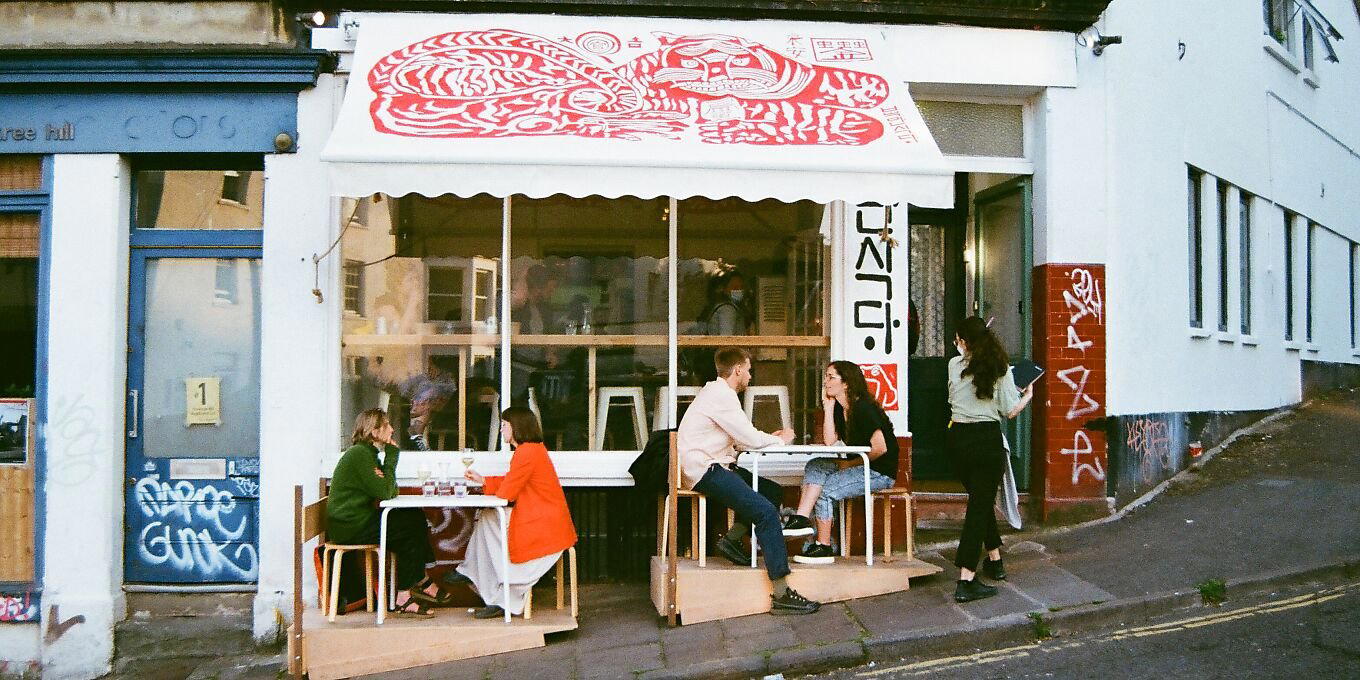
Bokman sits on Nine Tree Hill in Stokes Croft, Bristol's most characterful quarter, delivering Korean cooking that draws editorial attention normally reserved for London specialists. The ground-floor counter and basement dining room both carry a raw, unselfconscious energy reinforced by chalkboard menus and stone walls. The wood-roasted tongdak chicken has become something of a calling card for the city's independent restaurant scene.

Pearl is the En Primeur Club membership app, where members save venues, book tables and use the concierge.
Stokes Croft and the Case for Korean Outside London
Bristol's independent restaurant culture has long operated at a remove from the capital's attention economy, and Stokes Croft sits at the sharpest edge of that independence. The neighbourhood reads like a working argument against homogenisation: murals replace hoardings, record shops and co-ops fill the units where chains might otherwise land, and the streets carry a density of character that most UK city centres have spent decades trying to manufacture. It is here, on Nine Tree Hill, that Bokman occupies a modest address that has quietly accumulated a reputation well beyond its postcode.
Korean food in the UK has historically clustered around London's New Malden and Soho corridors, where volume and community proximity made commercial sense. What Bokman represents is a different proposition: a small, opinionated Korean kitchen transplanted into an English city where the cuisine has almost no competitive context. That absence of comparison might have been a liability. Instead, it has given the restaurant a kind of authority. When a city has one serious Korean kitchen, that kitchen sets the terms.
The Room: Ground Floor and Below
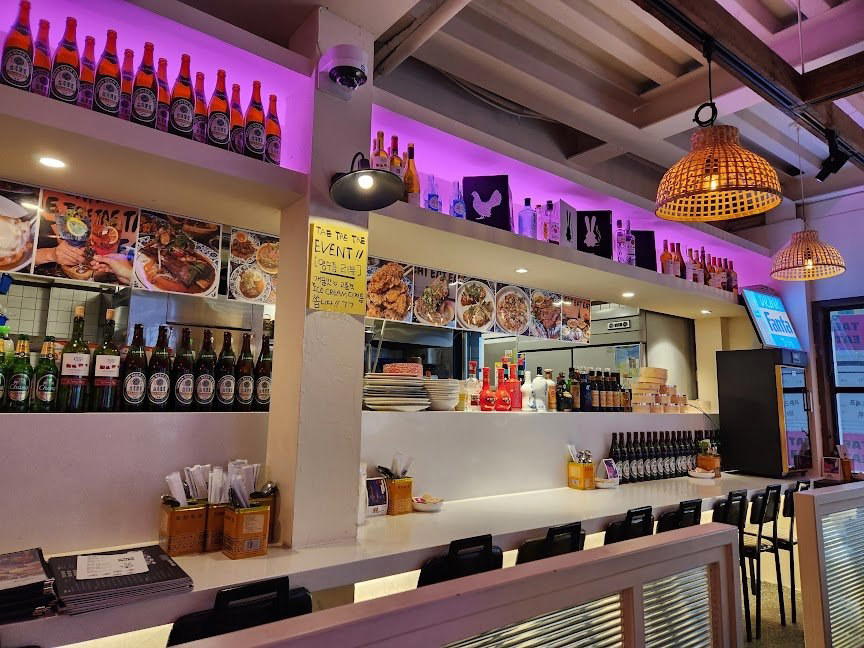
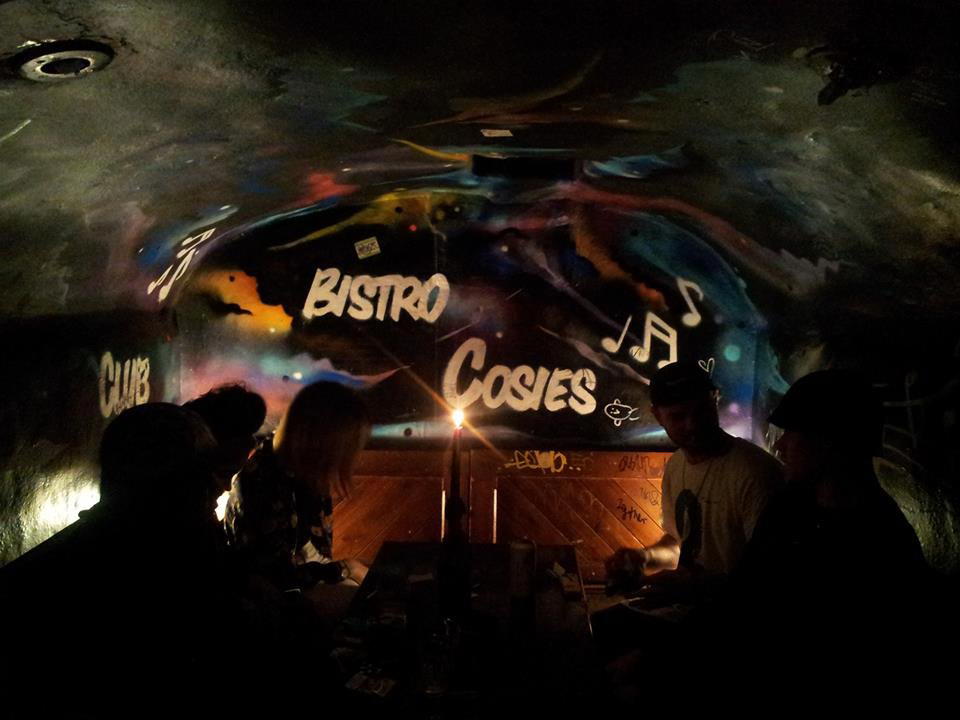
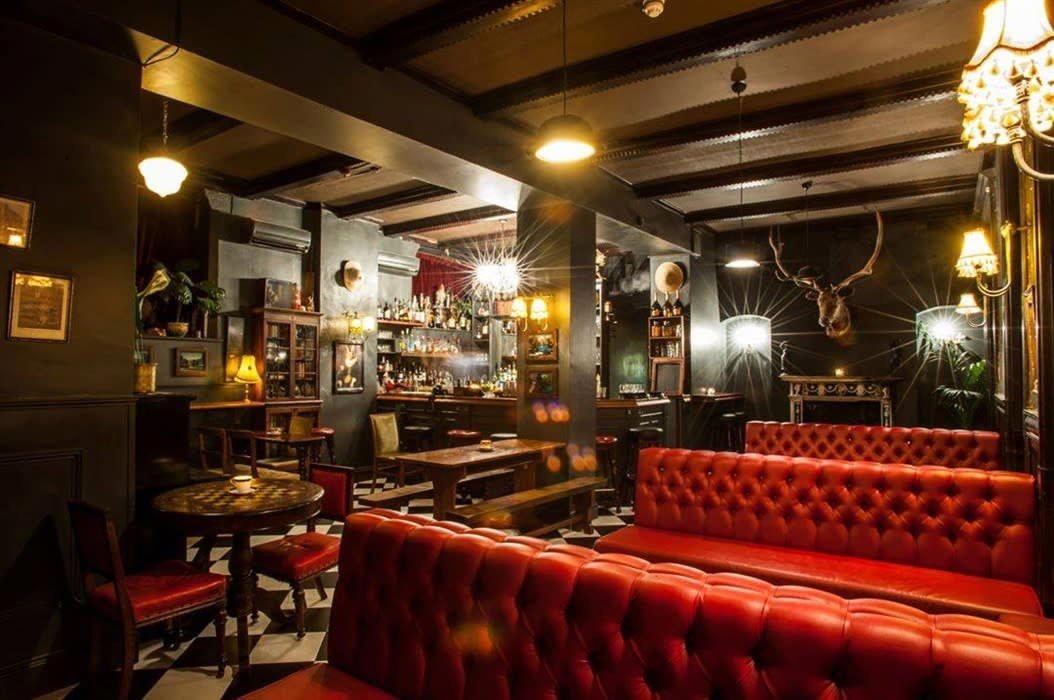
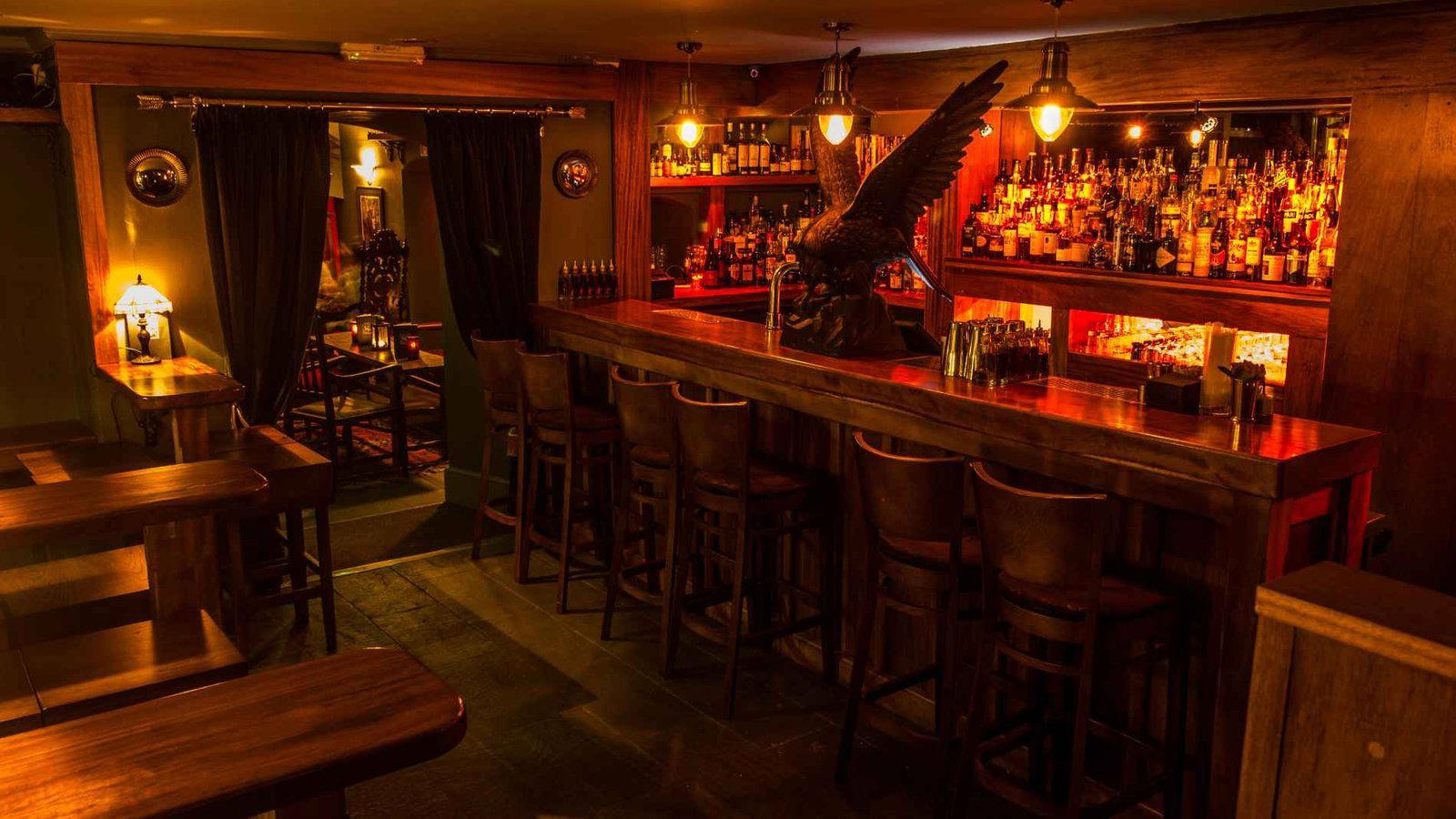
The space divides across two levels, and the distinction matters. The ground floor offers the better vantage point, with the energy of the street filtering in and the kitchen closer at hand. Downstairs, the basement dining room operates on different terms: rough stone walls, chalkboard menus chalked and re-chalked as the menu rotates, and the ambient percussion of chopsticks on ceramic. The effect is not designed in any calculated sense. It is the result of a room that has been used hard and honestly, which puts it in a different register from the considered rusticity of many contemporary independents.
Across Bristol's mid-range and upper-mid restaurant tier, there is a tendency toward considered interiors Bulrush operates with careful restraint, Adelina Yard with industrial polish. Bokman sits outside that conversation entirely, which is part of its coherence as a Korean dining experience. The visual grammar of the room reinforces rather than contradicts what arrives at the table.
The Menu: Rotation, Banchan, and the Chicken
Korean cuisine is built around the logic of the table as a collective project. Banchan, the small plates of pickles, fermented vegetables, and seasoned morsels served alongside a main meal, are not an appetiser course in the Western sense. They are the structural foundation of the meal, present throughout, adjusted and replenished, creating a sustained interplay of fermented, sweet, bitter, and spiced notes that shifts the entire rhythm of eating. Bokman treats banchan with the seriousness the tradition demands, and the presence of these plates immediately signals where the kitchen's priorities lie.
The menu changes with regularity, a practical and philosophical commitment that keeps the kitchen responsive to season and supply. What appears to be a constant is the range of registers the menu moves across: a salad of Korean cabbage with toasted seaweed and pine nuts sits alongside spicy braised tofu with king oyster mushroom and Chinese greens, while the fish section has featured Porthilly oysters served with kimchi ice and spicy monkfish with mussels and chrysanthemum leaves. The sourcing of Porthilly oysters, from the Camel Estuary in Cornwall, is a detail that places the kitchen inside a specifically British-Korean conversation rather than a purely imported one.
The dish that has drawn the most consistent attention is the tongdak: a whole chicken, wood-roasted until the skin crisps, stuffed with sticky rice, and served with pickled mooli and dipping sauces. Wood-roasting as a technique produces a different result than oven heat alone, with smoke penetration and skin rendered at a slower, more complex rate. The stuffed-rice element adds a textural counterpoint that anchors the dish in Korean tradition while the wood-fire method gives it a specificity that would read as credible in a far larger culinary city. This is the kind of dish that earns a restaurant its reputation beyond the neighbourhood that hosts it.
Dessert runs from variously flavoured Jersey milk soft-serve to a matcha and chestnut tiramisu, a hybrid that requires confidence to execute without bathos. The drinks list is similarly considered: Korean beer, soju, cocktails with an East Asian inflection, and a short wine list that, according to editorial record, reaches further than most Korean restaurants would attempt. Short wine lists at this kind of independent are often afterthoughts; here the selection appears to be a conscious curatorial act.
Korean Food and the Provincial British City
The concentration of award-level Korean cooking in London reflects practical realities: community size, ingredient supply chains, and critical mass of restaurants generating peer competition that raises the floor across a cuisine. Cities like Bristol, Edinburgh, and Manchester are building Korean and broader East Asian restaurant cultures that operate outside those structural advantages, which makes the credibility of individual operations more dependent on the kitchens themselves.
Venues drawing critical comparisons in this space include restaurants at the level of The Ledbury in London for the quality of editorial attention they attract within their respective categories, though the cuisine and price points differ considerably. What Bokman shares with ambitious regional independents across the UK, from Moor Hall in Aughton to L'Enclume in Cartmel, is the logic of making a case for a place on its own terms rather than by proximity to an established food capital. The comparison is not one of scale or price; it is one of conviction.
Bristol's restaurant culture has depth that rewards investigation. 1 York Place, Bianchis, and Bank each represent different registers of what the city's independent scene produces. For a broader map of where to eat, drink, and stay, our full Bristol restaurants guide covers the range across neighbourhoods and cuisine types, alongside our Bristol bars guide, hotels guide, wineries guide, and experiences guide.
Planning Your Visit
Bokman sits at 3 Nine Tree Hill, Stokes Croft, a ten-minute walk from Bristol Temple Meads and well within the pedestrian radius of the city's central neighbourhoods. Stokes Croft has consistent evening energy, and the restaurant's modest size means demand reliably outpaces capacity. Booking ahead is the practical approach, particularly for ground-floor tables. The menu's rotation is frequent enough that return visits read differently, which is relevant for anyone planning more than one meal in the city. Dietary requirements are worth raising at the point of booking, given the kitchen's reliance on fermented and marinated elements that carry allergen implications not always visible from a menu description.
Frequently asked questions
Where do I go for Bokman?
Bokman is located at 3 Nine Tree Hill, Stokes Croft Bristol BS1 3SB GB, Bristol.
What kind of recognition has Bokman received?
Bokman has received recognition including: Forget London! For some of the best Korean food in the UK, stay in Bristol and visit Kyu Jeon and Duncan Robertson’s modest but wholly authentic restaurant – a quirky, cramped space in Stokes Croft (known for its Banksy-esque street art, in….
What's the best thing to order at Bokman?
The tongdak has drawn the most sustained editorial attention: a whole chicken with crisp skin, wood-roasted and stuffed with sticky rice, served alongside pickled mooli and dipping sauces. Beyond that signature dish, the banchan selection and dishes such as spicy braised tofu with king oyster mushroom reflect how seriously the kitchen treats the foundational logic of a Korean table.
How hard is it to get a table at Bokman?
Bokman is a compact two-level space at 3 Nine Tree Hill, with limited covers split between a ground floor and a basement dining room. Critical recognition from publications that would ordinarily point readers toward London has sharpened demand, so booking ahead is advisable, particularly for the preferred ground-floor seats.
What do critics highlight about Bokman?
Coverage consistently positions Bokman as a case against the assumption that serious Korean cooking in the UK requires a London postcode. Kyu Jeon and Duncan Robertson's kitchen draws attention for menu rotation, ingredient specificity (Porthilly oysters, chrysanthemum leaves), and a wine list that goes considerably further than most Korean restaurants would attempt.
Do they accommodate allergies at Bokman?
Korean cooking is built around fermented and marinated preparations, many of which carry allergen implications: soy-based sauces typically contain gluten, and dishes may include shellfish, sesame, and dairy. Given that the menu at Bokman rotates regularly, contacting the restaurant directly before your visit is the practical approach for anyone managing specific dietary requirements.
Budget and Context
Comparable venues nearby, for context on price, style, and recognition.
| Venue | Cuisine | Price | Awards | Notes |
|---|---|---|---|---|
| BokmanThis venue (the venue you are viewing) | Modern Korean | $30–50 | Not listed | Not listed |
| Bank | Windmill Hill, european | Not listed | The Good Food Guide GFG Good | Not listed |
| The Crafty Egg | Modern British Brunch | $10–20 | Not listed | Central, Modern British Brunch |
| Her Majesty's Secret Service | Cocktail Bar | $20–30 | Not listed | Clifton Down, Cocktail Bar |
| Sweven Coffee | Southville, Specialty Coffee Roastery | $1–10 | Not listed | Not listed |
| Dongnae | Authentic Korean BBQ | $30–50 | Michelin Plate · SquareMeal UK Top 100 Restaurants #45 | Cotham, Authentic Korean BBQ |
Recognition history
Dated appearances from independent guides and award organizations, with the underlying list record or original source where available.
The Good Food Guide Good Food Guide Best Local Restaurant
The Good Food Guide
Full recognition history (2 entries)
The Good Food Guide GFG Good
The Good Food Guide
Continue exploring
More in Bristol
Restaurants in Bristol
All restaurants in Bristol →
Bars in Bristol
All bars in Bristol →
Details
- Cozy
- Trendy
- Intimate
- Lively
- Date Night
- Casual Hangout
- Open Kitchen
- Craft Cocktails
- Local Sourcing
- A La Carte
- Small Plates
- Soju
- Korean Beer
- Vegan Options
- Vegetarian Friendly
Quirky and cramped with rough stone walls in the basement, chalkboard menus, clattering chopsticks creating friendly bustle; Scandi-minimal upstairs with pine tables, dark lighting, cozy yet lively atmosphere.