Cafe Cuba Caribbean Food Bristol
Cafe Cuba brings Caribbean cooking to Stokes Croft, one of Bristol's most culturally layered streets. The kitchen draws on the heat-forward, spice-driven traditions of the Caribbean basin, placing it in a part of the city already accustomed to independent food operations that sit outside the mainstream dining circuit. For visitors working through Bristol's independent food scene, it occupies a distinct register from the modern British and European fine-dining bracket nearby.
 Discover on Pearl
Pearl is the En Primeur Club membership app — saves, bookings, and concierge access live there. Same editors, same standards.
- Address
- 69 Stokes Croft, Bristol BS1 3QP, United Kingdom
- Phone
- +441173294722
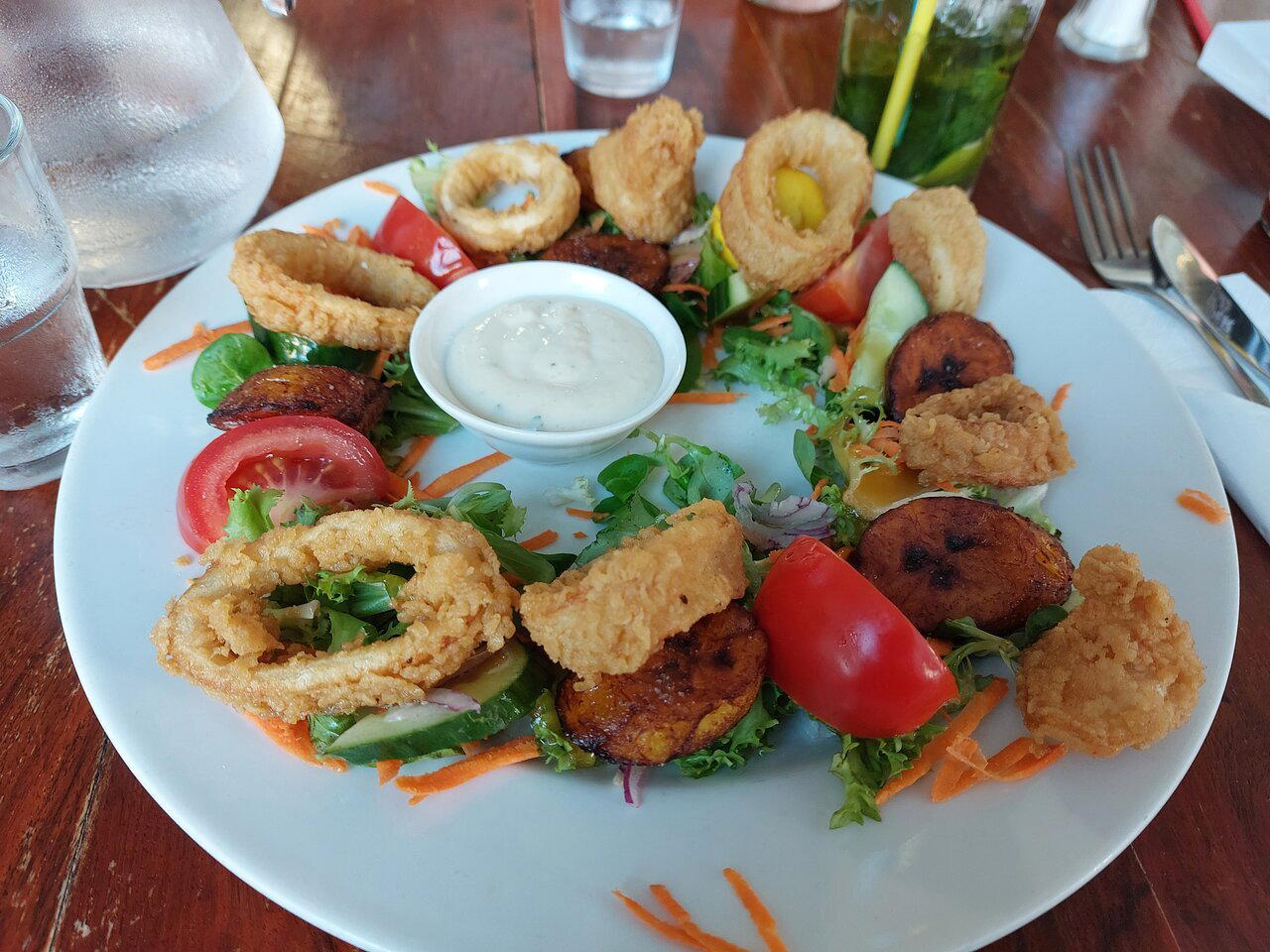
Stokes Croft and the Case for Caribbean Cooking in Bristol
Stokes Croft has long functioned as Bristol's counter-cultural main street, a corridor where independent operators, murals, and rotating food concepts compete for attention at street level. The address at 69 Stokes Croft places Cafe Cuba inside this particular urban register, where the dining proposition is shaped less by white tablecloths and tasting menus and more by directness of flavour and neighbourhood energy. Caribbean cooking suits this context. Its foundational techniques, braising, marinating, slow-cooking with aromatic spice blends, produce food that carries weight and intention without requiring the apparatus of fine dining. In a city where much of the critical attention flows toward modern British rooms like Bulrush or European tasting formats like 1 York Place, a Caribbean kitchen operating on Stokes Croft occupies a genuinely different part of the dining spectrum.
The Architecture of a Caribbean Meal: How the Progression Works
Caribbean cooking, at its most considered, is not a single cuisine but a convergence of culinary traditions: West African slow-cooking technique, Spanish and Portuguese pickling and seasoning conventions, Indigenous ingredient knowledge, and the layered spice logic of South Asian indentured labour communities, particularly in Trinidad and Guyana. What this produces, when treated with discipline, is food with a structural narrative arc. The meal tends to move from bright, acidic openers through deeply savoured main courses to something sweet and often coconut- or fruit-forward at the close.
In practice, this progression often begins with something like festival bread or plantain, where sweetness and fry-char create an early textural anchor. The middle of the meal is where Caribbean kitchens earn their reputation: slow-cooked proteins, goat, oxtail, jerk chicken, demand time and a layered seasoning approach that cannot be rushed or approximated. Scotch bonnet heat, allspice, thyme, and green onion operate together as a chord rather than individual notes. Rice and peas, cooked in coconut milk, functions both as a flavour complement and a structural base. Meals in this tradition are built to be eaten, not inspected.
This matters for how a visitor should sequence their experience at Cafe Cuba. Stokes Croft's independent restaurant culture is built around value at the plate level rather than ceremony at the table level. The experience is calibrated for engagement with the food itself, which means arriving with appetite rather than expectation of theatre. In Bristol's broader dining arc, this sits at the informal, flavour-forward end of a spectrum that runs up through neighbourhood mid-market restaurants like Adelina Yard and Bank and on toward the formal rooms that represent the city's highest tier.
Bristol's Caribbean Food Tradition in Context
Bristol's relationship with Caribbean culture is long and not uncomplicated. The city's eighteenth-century mercantile wealth was substantially built on transatlantic trade routes that included the Caribbean, and the postwar Windrush-era settlement of West Indian communities in areas like St Pauls, directly adjacent to Stokes Croft, created a food culture that has been part of Bristol's street-level identity for decades. Caribbean food in Bristol is not an import or a trend; it is a strand of the city's actual social history. St Pauls Carnival, one of the oldest Caribbean carnivals in Europe, runs annually and draws its culinary traditions from the same source material as the cooking served in restaurants like Cafe Cuba.
That context distinguishes Caribbean cooking in Bristol from the same cuisine operating in cities without that demographic and historical base. When a kitchen on Stokes Croft produces jerk seasoning or curry goat, it is operating inside a living tradition rather than approximating one. For visitors comparing Bristol's food offer across categories, this is the kind of editorial distinction that matters. The Bianchis tradition and the Italian-inflected mid-market are well-covered in the city; Caribbean cooking in its proper Bristol context is a different and less-replicated part of what the city offers.
Where Cafe Cuba Sits in the Bristol Dining Map
Bristol's restaurant scene has consolidated around several distinct tiers in recent years. At the upper end, the city competes seriously with regional fine dining destinations across the UK, with rooms that can be measured against references like Midsummer House in Cambridge or Opheem in Birmingham in terms of ambition, if not always in terms of award recognition. Below that, a mid-market of independently operated modern British and European kitchens has grown consistently. Further still, the informal and street-food-adjacent tier, concentrated in areas like Stokes Croft and St Pauls, operates on different metrics: value density, cultural specificity, and repeat local custom.
Cafe Cuba operates in that third tier. This is not a deficit; it is a category. The cooking traditions it draws on are as technically demanding as those in any fine-dining context, jerk marinade requires time and precision, oxtail requires patience and understanding of collagen breakdown, ackee preparation has genuine safety requirements around ripeness and preparation method. The venue does not carry formal award recognition, nor does it compete with tasting-menu format rooms. What it represents is a different kind of commitment: to a specific culinary tradition rooted in Bristol's actual social fabric.
Planning a Visit: Practical Notes
Stokes Croft is walkable from Bristol city centre, sitting north of Broadmead and the Old City. The street itself is leading approached on foot; parking in this part of Bristol is limited and the surrounding area is dense with pedestrian traffic, particularly in the evenings. For visitors building a day around the area, the independent food culture of St Pauls and Stokes Croft rewards exploration before or after eating, with independent coffee, bakery, and bar operations clustered within a short walk. Cafe Cuba is walk-in friendly and follows these hours: Mon: Closed; Tue: 12–10 PM; Wed: 12–10 PM; Thu: 12–10 PM; Fri: 12–11 PM; Sat: 12–11 PM; Sun: 5–10 PM. At about $20 per person, it sits in Bristol's casual dining range.
For reference on the broader register of Bristol dining, the informal tier on Stokes Croft typically operates with more walk-in flexibility.
- Ropa vieja
- Corn cuscus plate
- Roast pork
- Tostones with salad
- Crispy plantains
- Avocado toast
Reputation Context
Comparable venues nearby, for context on price, style, and recognition.
| Venue | Cuisine | Price | Awards | Notes |
|---|---|---|---|---|
| Cafe Cuba Caribbean Food BristolThis venue — the venue you are viewing | Authentic Cuban Caribbean | $$ | , | |
| Pasta Ripiena | Handmade Filled Pasta | $$ | 1 recognition | Central |
| The Spiny Lobster Fishmonger & Grill | Seafood Josper Grill | $$ | , | Clifton Down |
| Spicer & Cole, Clifton Village | British Cafe Brunch | $$ | , | Clifton |
| Paco Tapas | Dining | Michelin Plate | Central | |
| Bravas | Spanish Tapas | $$ | 1 recognition | Clifton Down |



At a Glance
- Lively
- Bohemian
- Energetic
- Casual Hangout
- Group Dining
- After Work
- Open Kitchen
- Craft Cocktails
- Street Scene
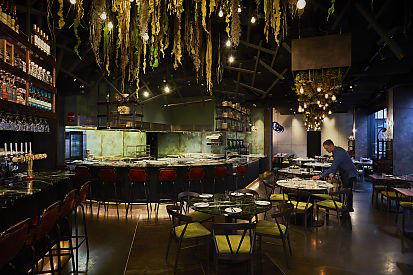
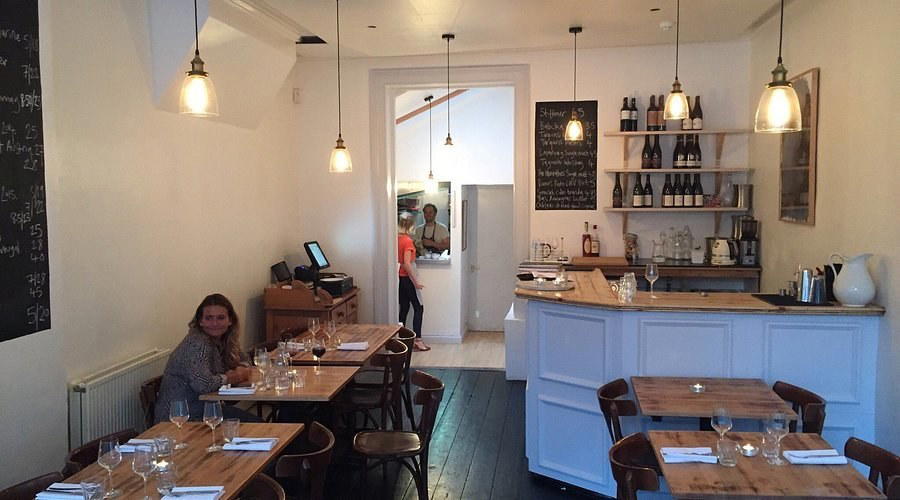
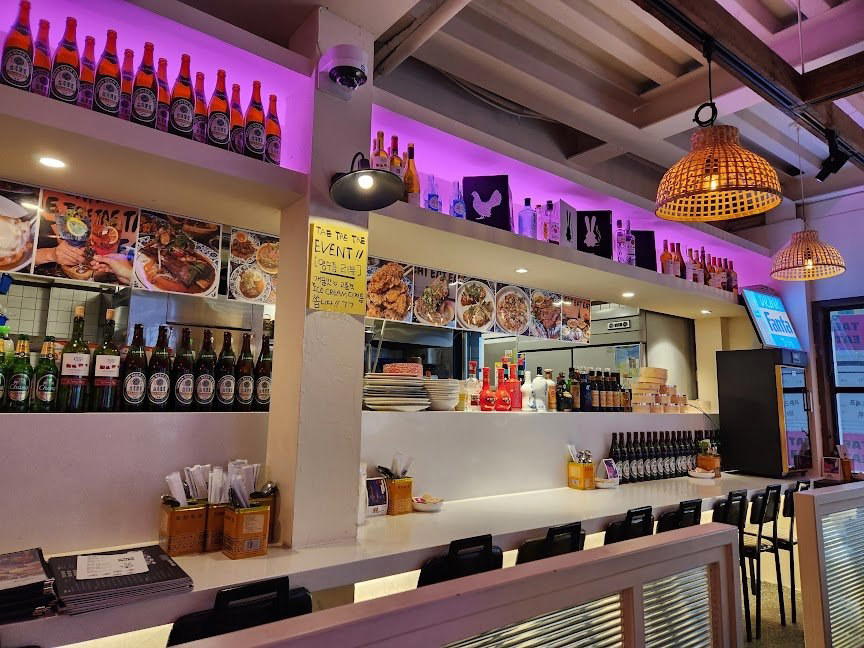
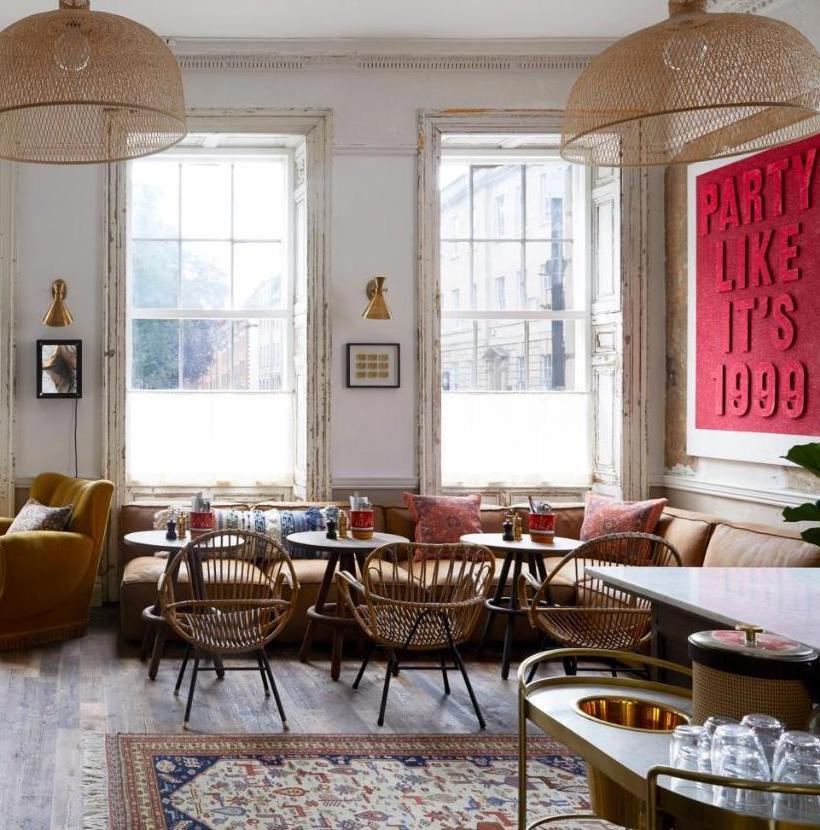
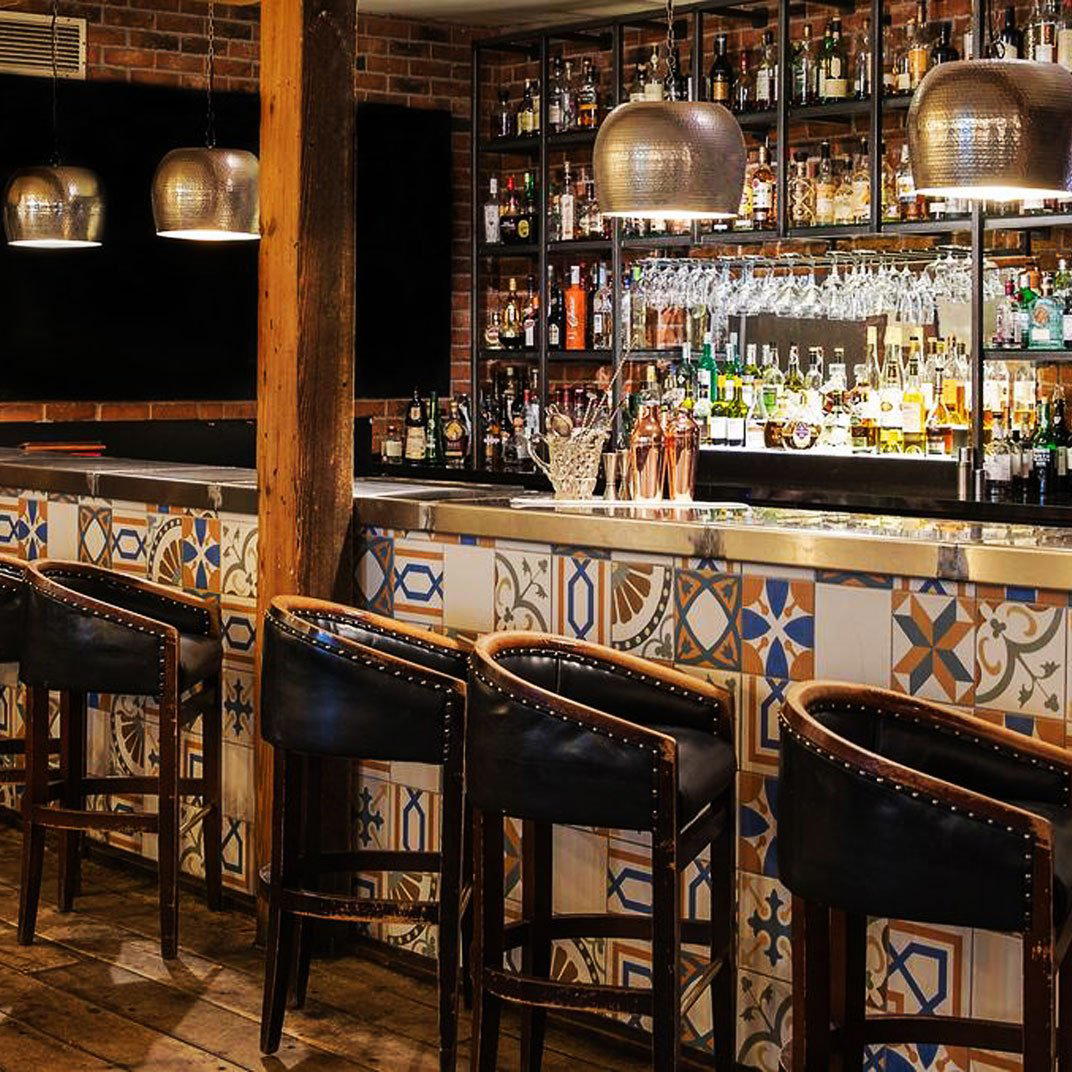
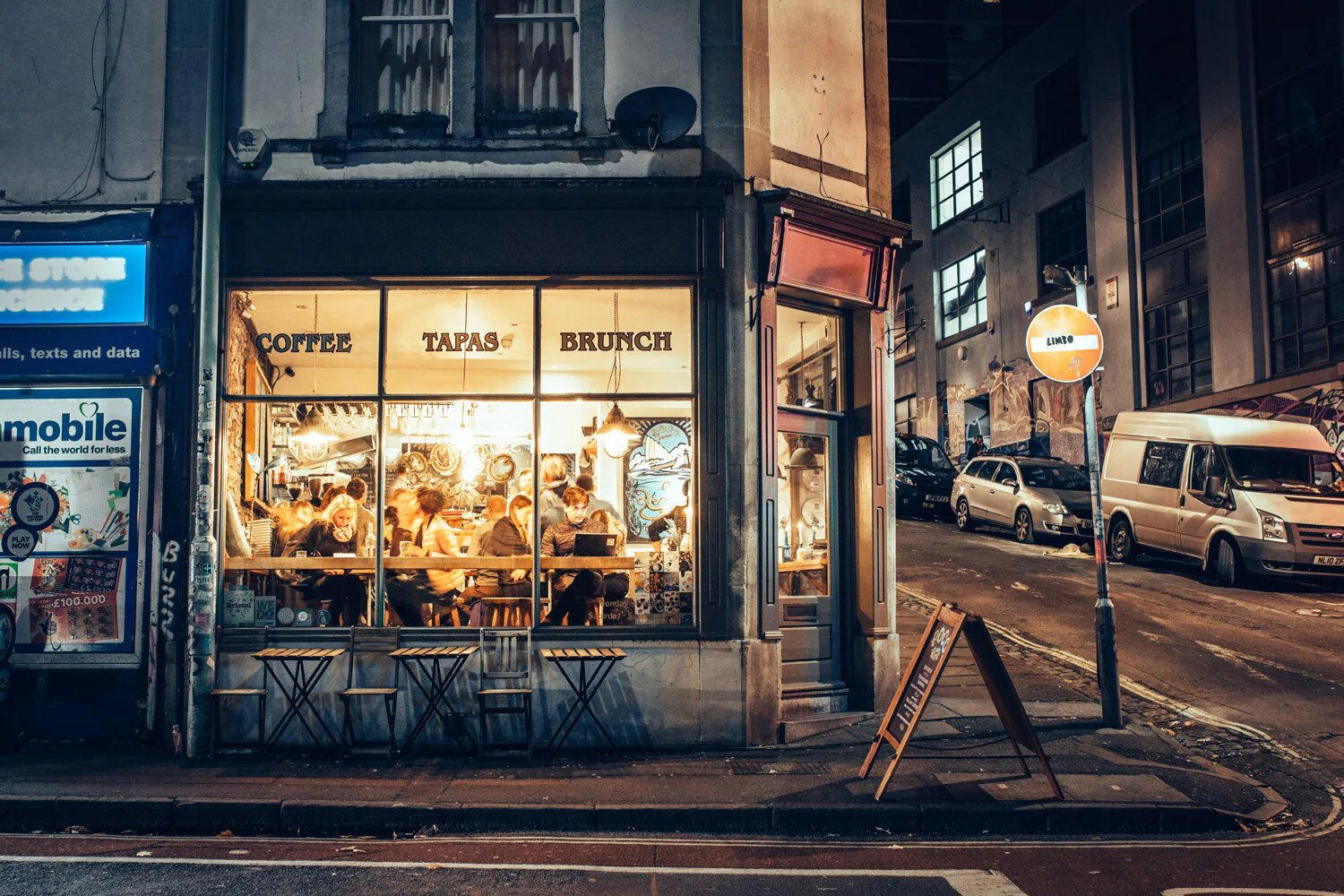
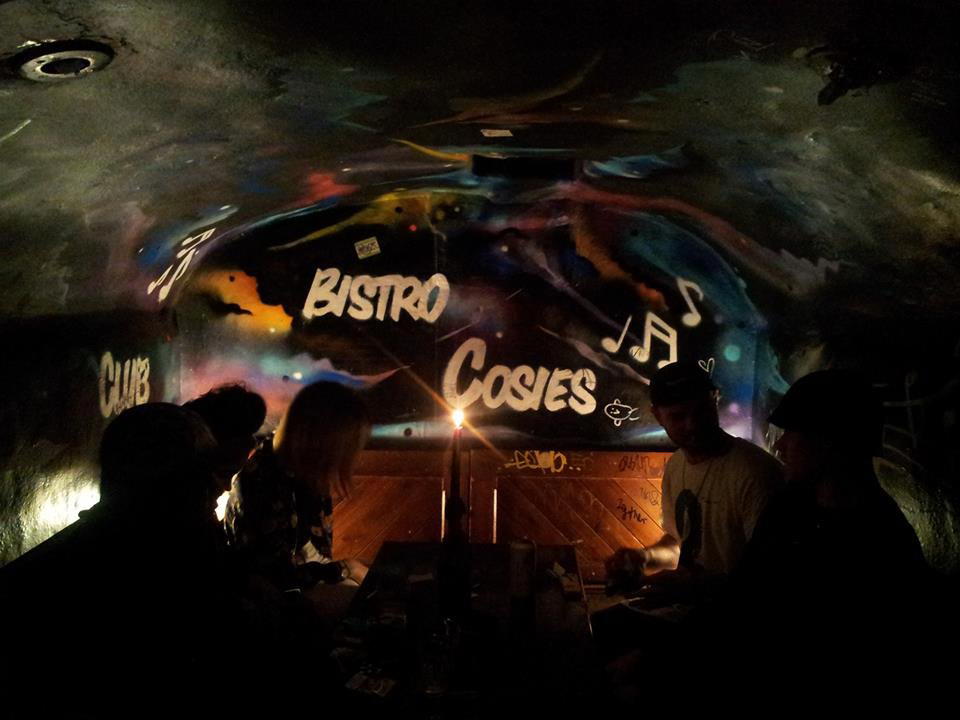
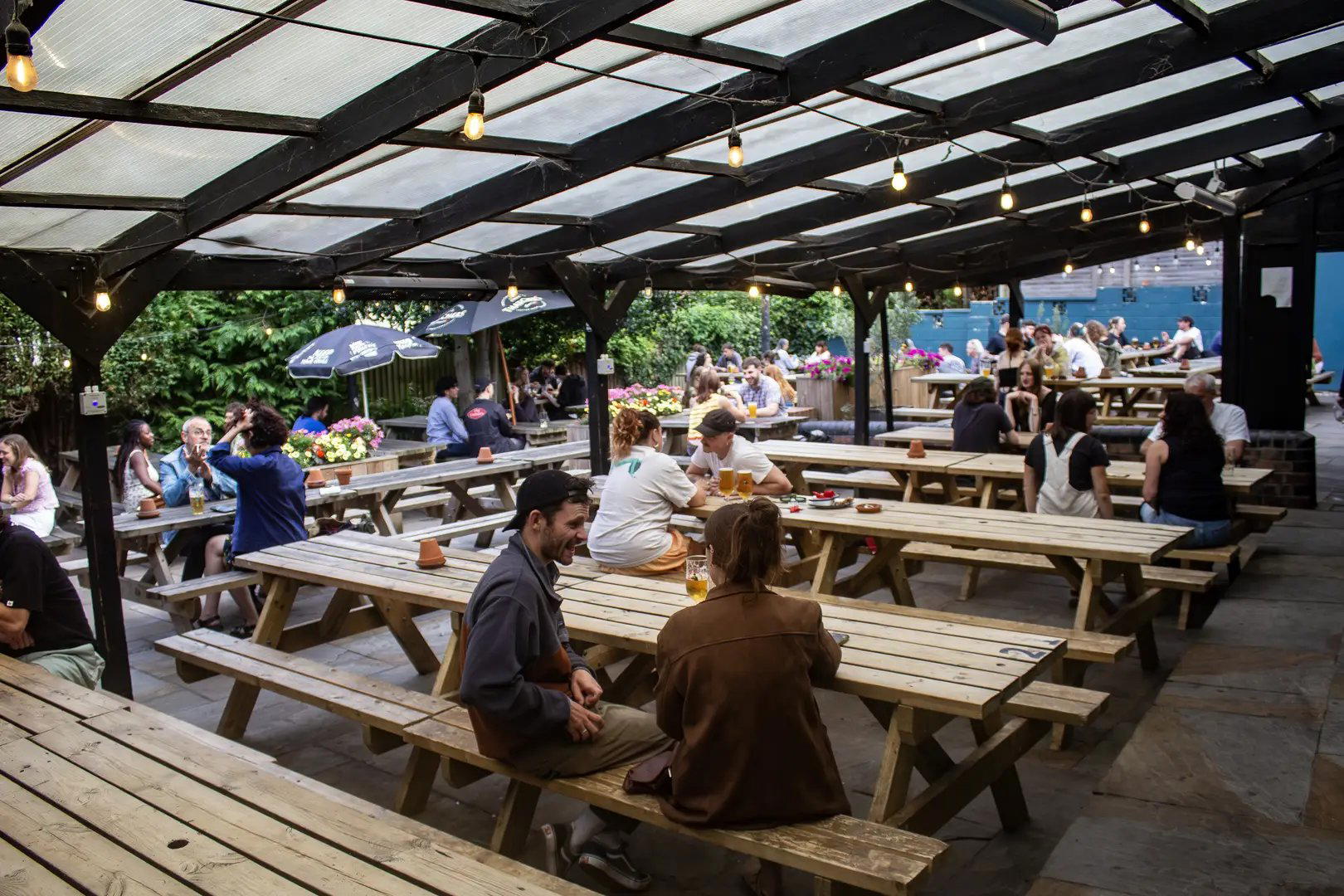
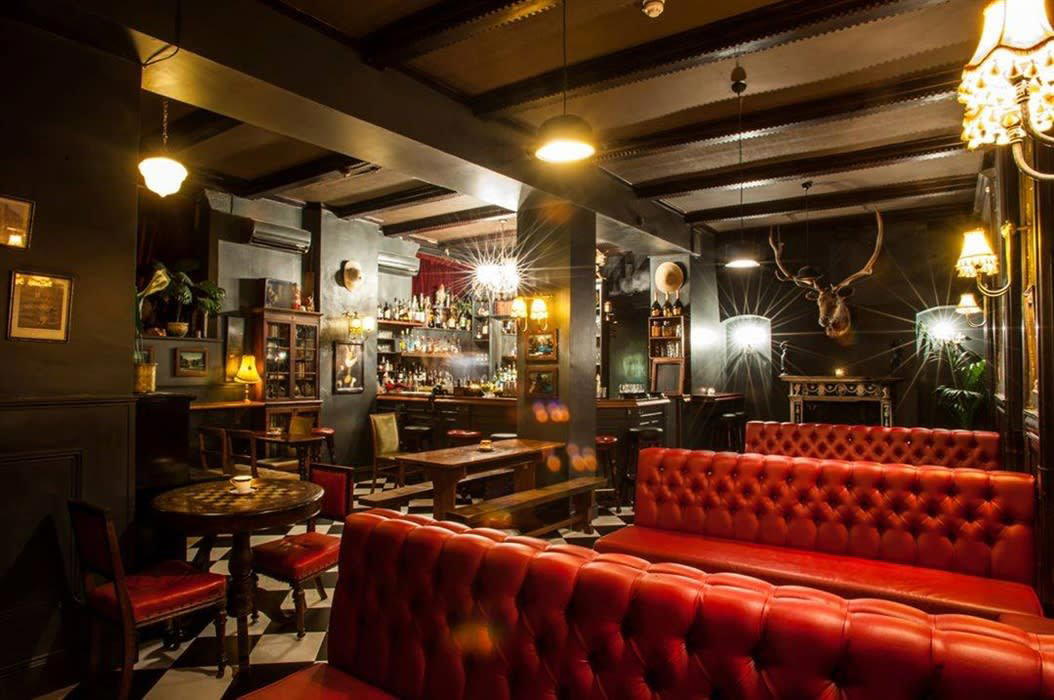
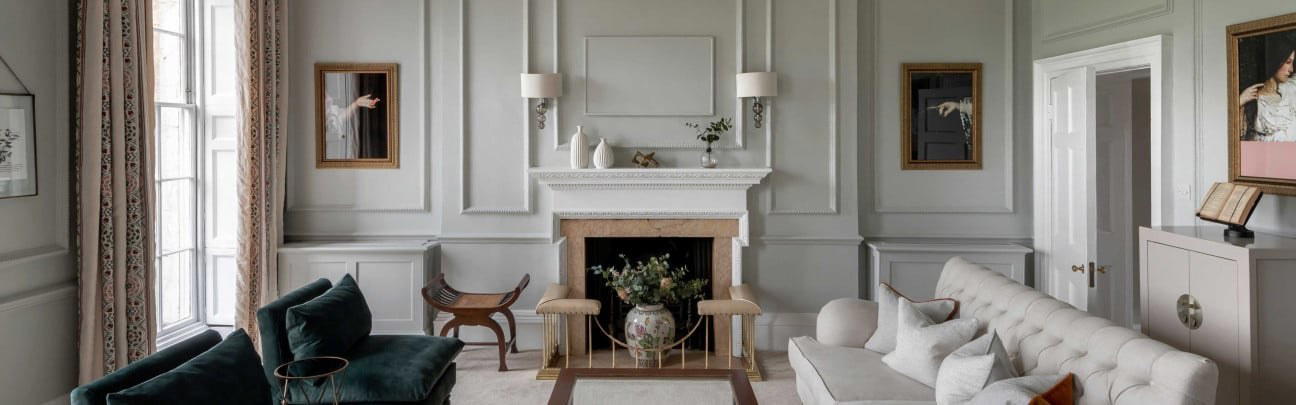
Intimate glass-fronted space with a small steel-lined open kitchen visible from the dozen sensibly placed tables; warm, inviting atmosphere with the aroma of authentic Cuban cooking.
- Ropa vieja
- Corn cuscus plate
- Roast pork
- Tostones with salad
- Crispy plantains
- Avocado toast