The Birds Nest - Brixton
The Birds Nest in Brixton occupies a converted space on Canterbury Crescent, sitting within one of South London's most layered neighbourhood drinking and dining scenes. The venue reflects a broader shift in Brixton's hospitality identity, where repurposed industrial and commercial buildings have become the physical containers for the area's cultural programming. A reference point for the SW9 postcode's independent venue circuit.
Pearl is the En Primeur Club membership app — saves, bookings, and concierge access live there. Same editors, same standards.
- Address
- International House, 6 Canterbury Cres, London SW9 7QD, United Kingdom
- Phone
- +447468539094
- Website
- birdsnestbrixton.com
- Directions
- Get directions
 Saves & bookings on Pearl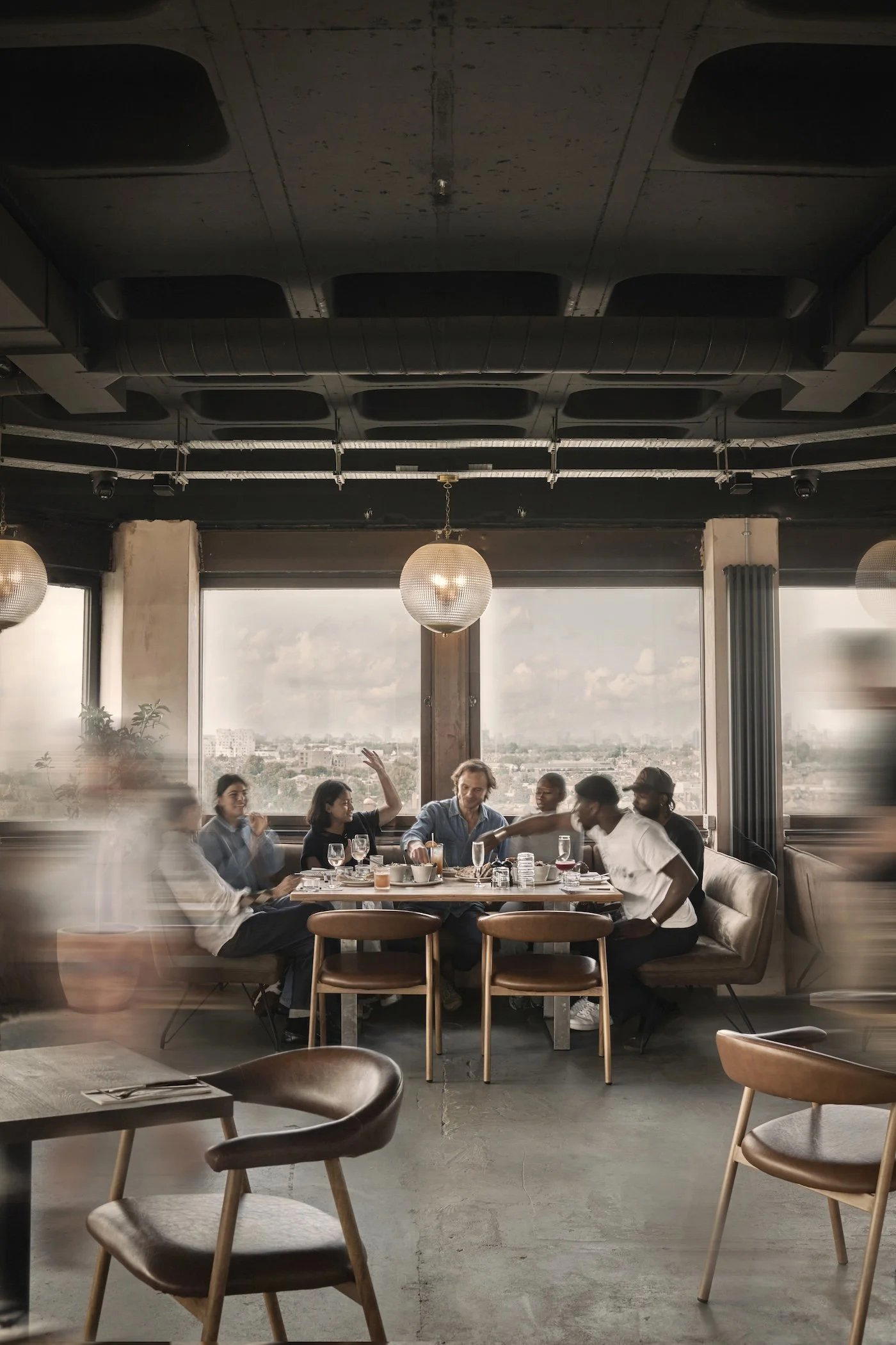
Brixton's Converted Spaces and the Buildings That Define Its Venue Scene
Brixton has been converting commercial and light-industrial buildings into bars, music venues, and eating spaces since at least the early 2000s, accelerating sharply through the 2010s as rents pushed operators away from more central postcodes. The pattern is recognisable across South London, but Brixton executed it with particular density: railway arches, market stalls, and former office blocks all became part of a hospitality ecosystem that now runs from Coldharbour Lane through to Acre Lane and beyond. The Birds Nest, a Neapolitan Pizza Rooftop restaurant at International House on Canterbury Crescent in SW9, sits squarely within that tradition of adaptive reuse.
Canterbury Crescent is not one of Brixton's more-trafficked strips, which is part of what defines the character of venues on it. The address places The Birds Nest slightly off the main pedestrian circuits, creating the kind of neighbourhood-local dynamic that distinguishes it from the higher-footfall venues closer to Brixton Market or the tube exit on Brixton Road. In London's independent bar scene, that positioning tends to correlate with a more regular, repeat-visit crowd rather than a tourist or destination-diner one.
The Physical Container: What Converted Office Space Does to a Venue
International House is a mid-century commercial block, and that matters architecturally for any venue operating inside it. Buildings of this type impose a particular set of spatial constraints and opportunities: floor-to-ceiling heights that differ from purpose-built pub stock, window configurations designed for office use rather than ambience, and floor plates that can be subdivided or opened up depending on the operator's brief. Across London, venues that have taken on spaces like this have tended to develop identities shaped as much by the building's bones as by any deliberate interior design concept.
The contrast with London's traditional pub architecture is worth noting. The Victorian and Edwardian pub layouts that dominate much of the city were built around a specific social logic: separate bars, tiled walls that could be hosed down, frosted glass that preserved anonymity. Converted commercial buildings discard all of that inherited grammar. Operators working in former office or light-industrial space are, in effect, writing their own spatial language from scratch. That freedom tends to attract a different kind of programming, often more oriented toward live music, DJ nights, or events than the classic wet-led pub model.
South London has produced a number of venues that have turned this building-type constraint into a working identity. The Birds Nest on Canterbury Crescent fits that broader South London pattern of spaces that feel discovered rather than designed for the postcard shot. For readers comparing notes on London's independent venue circuit alongside higher-profile destinations, that distinction in physical register is a useful one to hold.
South London's Hospitality Identity Relative to the North
London's restaurant and bar coverage has historically concentrated north of the river, with venues in Mayfair, Marylebone, and Chelsea drawing the bulk of critical attention and particularly recognisable award-circuit names. The ££££ tier in Central and West London, represented by counters like CORE by Clare Smyth, Restaurant Gordon Ramsay, Sketch, The Lecture Room and Library, The Ledbury, and Dinner by Heston Blumenthal, operates in an entirely different register from SW9's independent venue circuit. That gap is not a deficiency; it reflects a genuine bifurcation in what London's hospitality offer covers.
South of the river, and particularly in Brixton, the hospitality identity runs through live music heritage, market culture, and a long tradition of venues that function as community anchors rather than destination dining addresses. That tradition gives areas like SW9 a different claim on the visitor's attention than the Michelin-tracked addresses further west.
The same structural divergence between destination dining and embedded local hospitality operates across the UK. Venues like Waterside Inn in Bray, Le Manoir aux Quat'Saisons in Oxford, L'Enclume in Cartmel, Moor Hall in Aughton, Gidleigh Park in Chagford, Hand and Flowers in Marlow, hide and fox in Saltwood, Midsummer House in Cambridge, Opheem in Birmingham, and Restaurant Andrew Fairlie in Auchterarder occupy the formal, tasting-menu end of British hospitality. The Birds Nest on Canterbury Crescent operates in a different mode entirely, and that difference is functional: it serves a different need in the itinerary.
Planning a Visit: What the SW9 Postcode Requires
Brixton tube station on the Victoria line is the practical arrival point for Canterbury Crescent, placing the venue within a short walk of a Zone 2 interchange that connects directly to King's Cross, Victoria, and Oxford Circus. That transport access is one reason Brixton has retained hospitality relevance even as its cost base has risen: the neighbourhood is genuinely easy to reach from Central London without requiring an Overground or bus connection. For visitors arriving from further afield, venues in the SW9 cluster tend to work well as evening-only additions to a day spent elsewhere in the city, given the tube frequency on the Victoria line through the evening.
The Canterbury Crescent address is in a quieter residential-commercial zone relative to Brixton's busiest strips, so first-time visitors benefit from checking the specific entrance on arrival. International House is a named building, which helps with navigation, but the block's commercial character means signage on the street can vary by operator. Arriving with the full postcode (SW9 7QD) rather than just the street name tends to resolve any orientation uncertainty quickly.
For international visitors building a London itinerary with a strong hospitality focus, The Birds Nest functions as a South London neighbourhood venue, which sits apart from the formal dining circuit tracked by venues like Le Bernardin in New York City or Atomix in New York City in terms of format and purpose. It functions as a neighbourhood venue in the fullest sense of that term: embedded in a specific part of London's social geography rather than operating as a standalone destination.
Peers Worth Knowing
Comparable venues nearby, for context on price, style, and recognition.
| Venue | Cuisine | Price | Notes |
|---|---|---|---|
| The Birds Nest - BrixtonThis venue — the venue you are viewing | Neapolitan Pizza Rooftop | $$ | Not listed |
| Taberna Etrusca | Classic Italian Trattoria | $$ | Cheapside |
| Mediterraneo | Authentic Italian | $$ | Pentonville |
| MOB pizza socials | New York-Style Pizza | $$ | Hoxton |
| 500 | Traditional Italian Trattoria | $$ | Archway |
| Bravi Ragazzi | Neapolitan Pizza | $$ | Streatham |


At a Glance
- Cozy
- Trendy
- Lively
- Casual Hangout
- Date Night
- Group Dining
- Rooftop
- Open Kitchen
- Craft Cocktails
- Local Sourcing
- Skyline
Current opening hours
- Monday
- Closed
- Tuesday
- 9 AM–10 PM
- Wednesday
- 9 AM–10 PM
- Thursday
- 9 AM–11 PM
- Friday
- 9 AM–12 AM
- Saturday
- 12 PM–12 AM
- Sunday
- Closed
Hours can change for holidays and private events. Last verified .
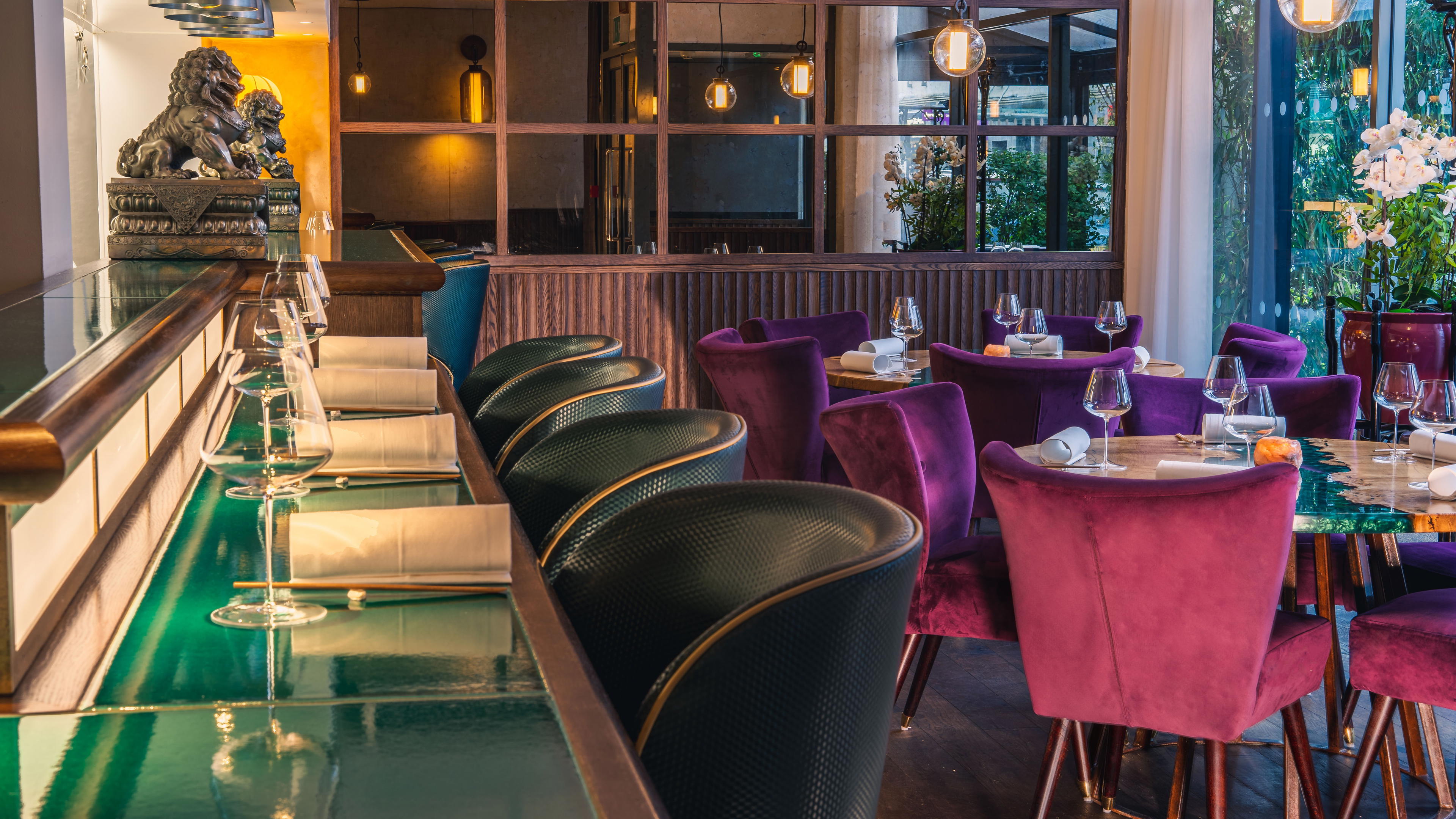
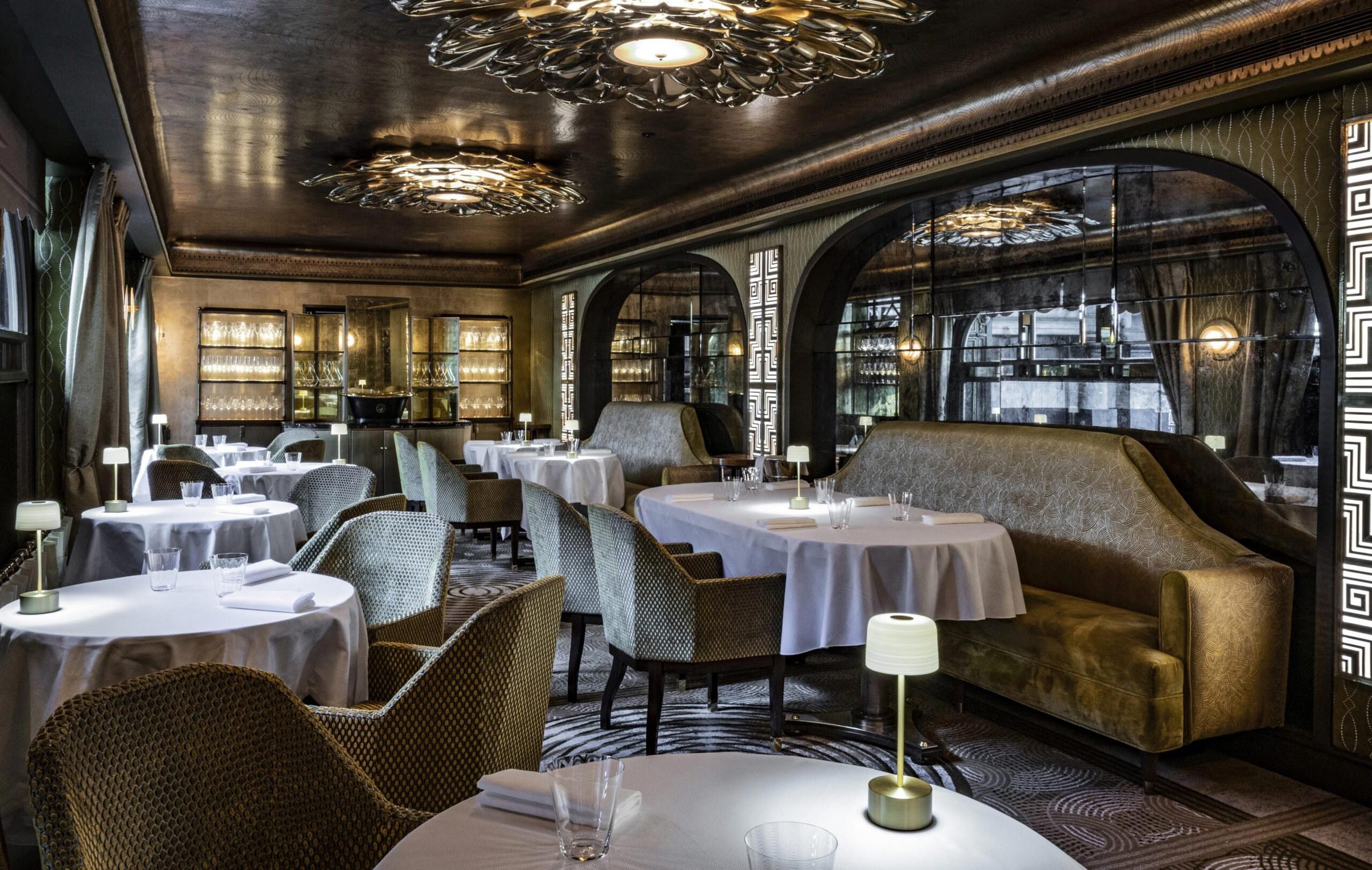
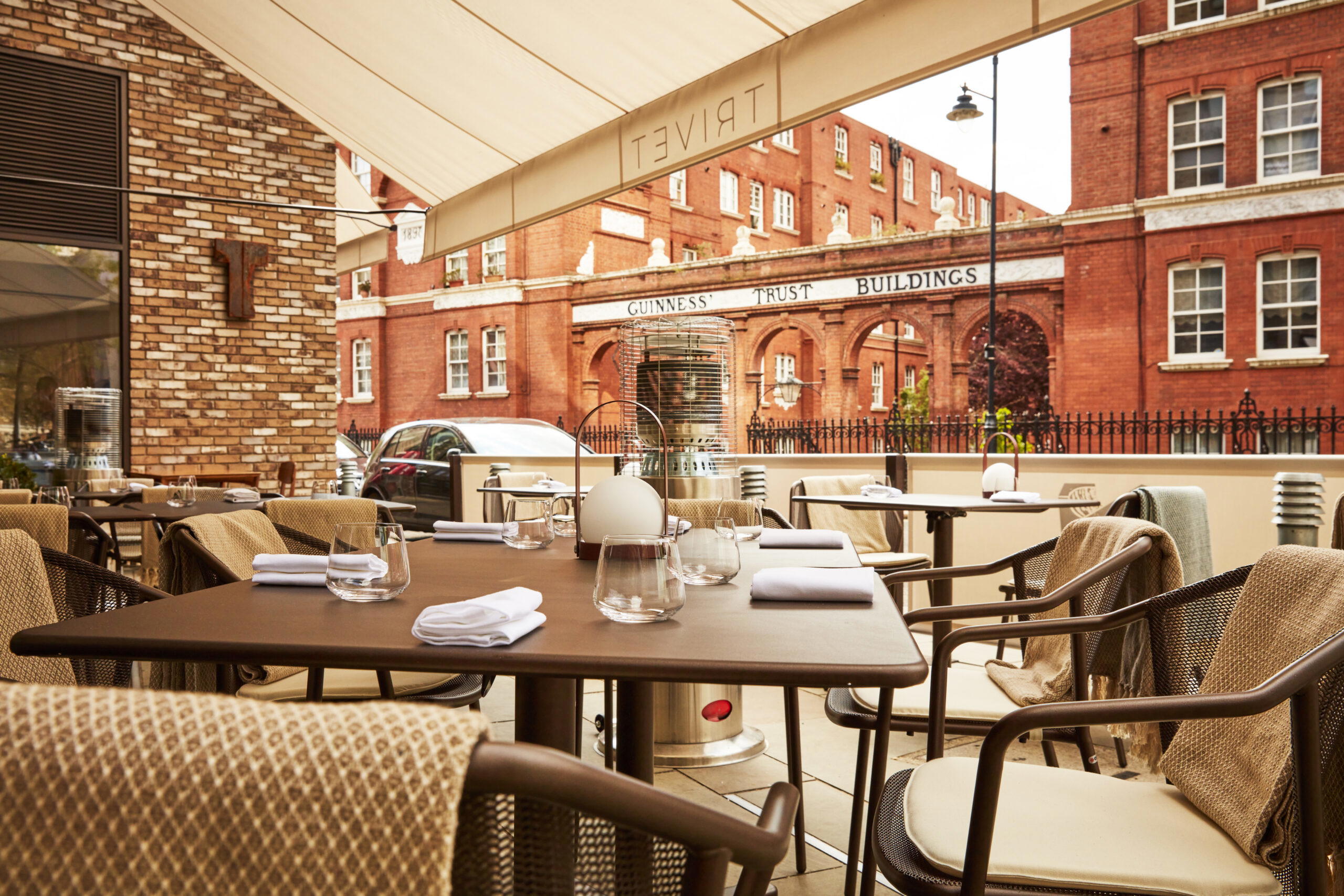
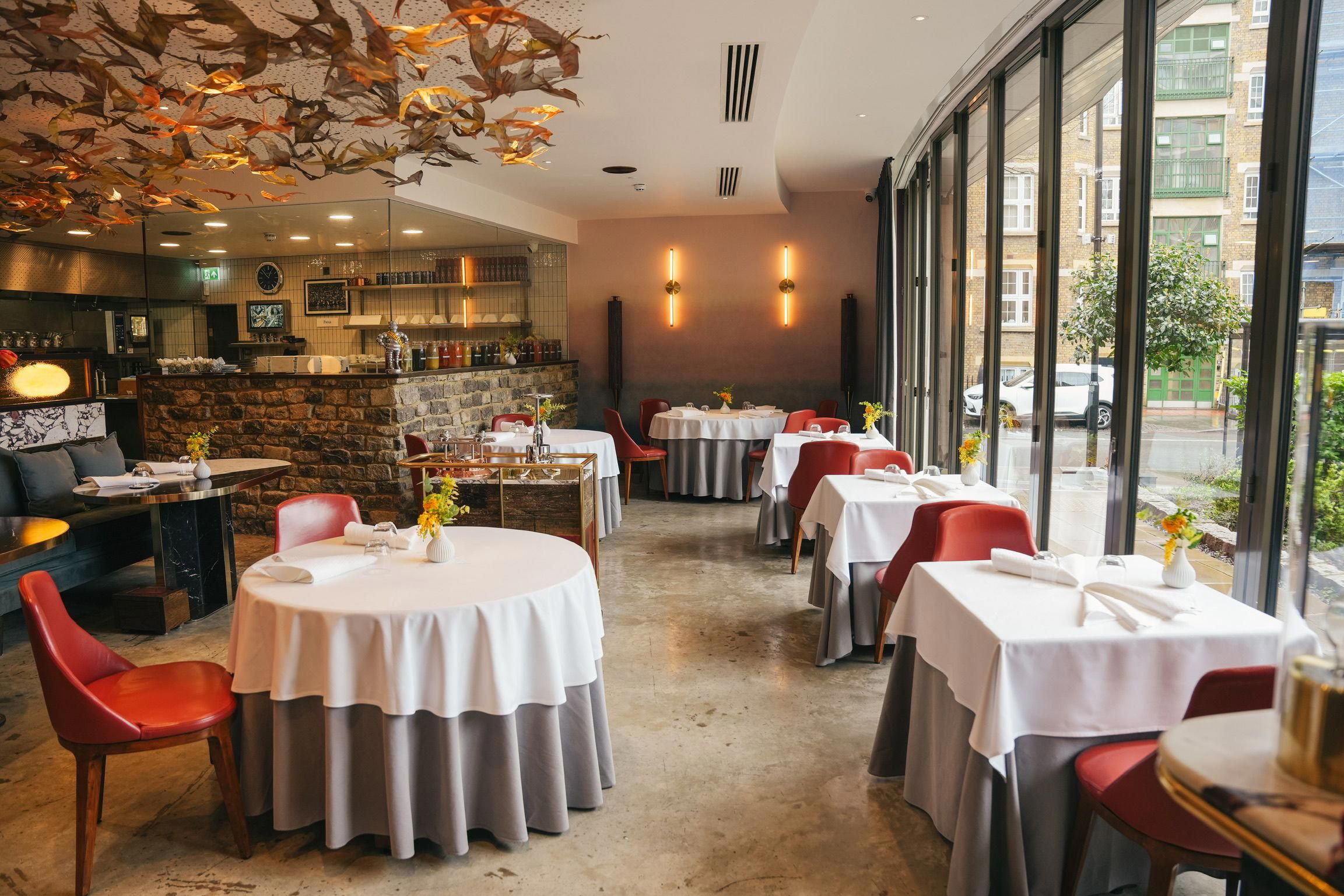
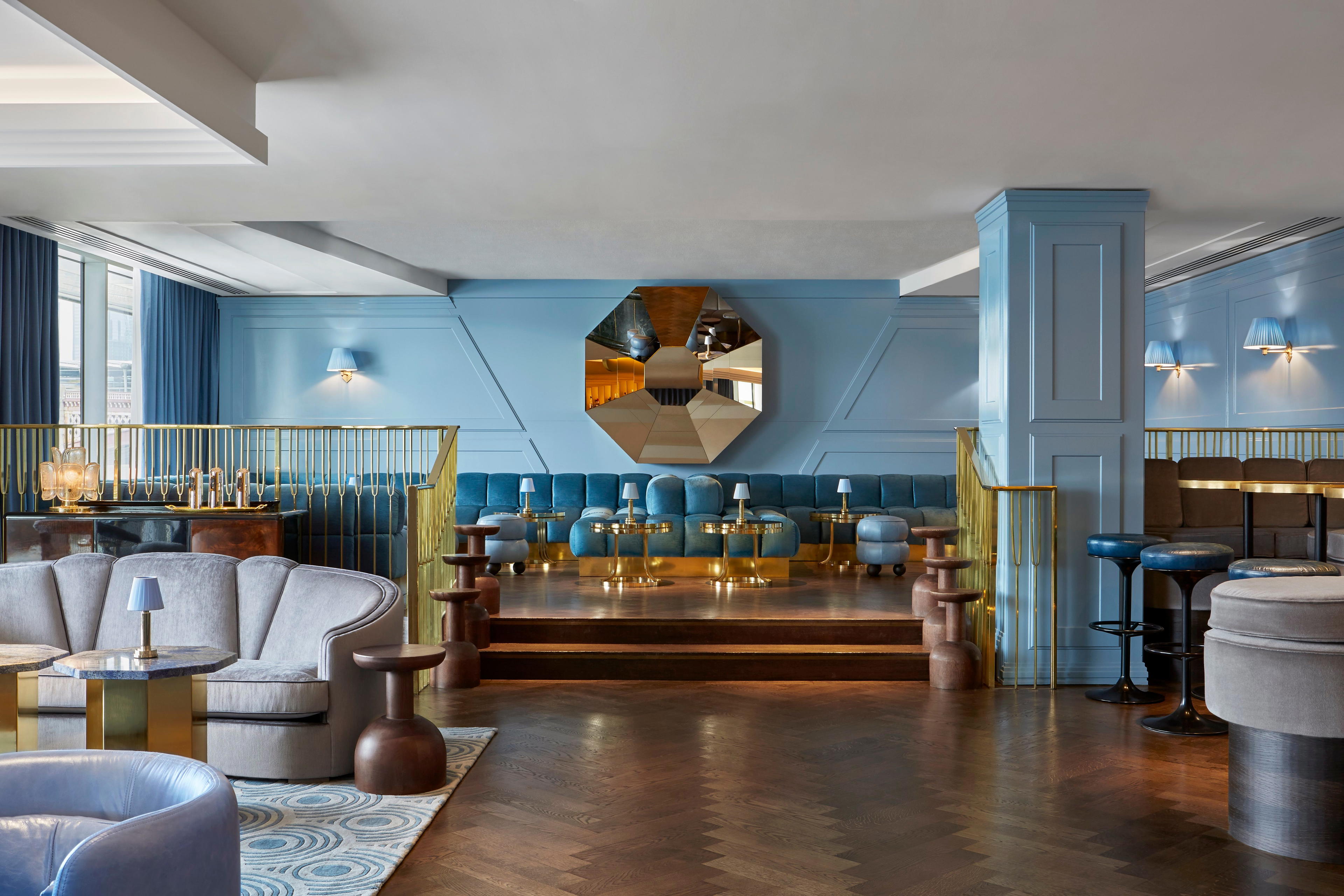
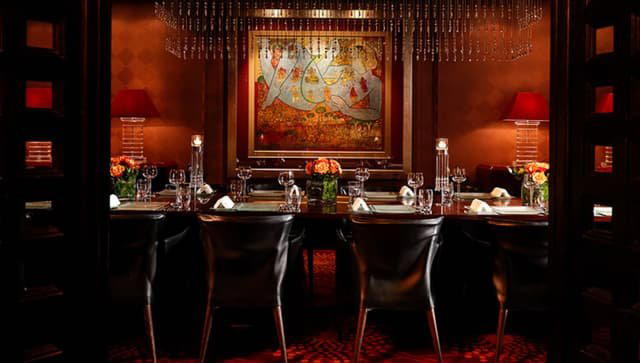
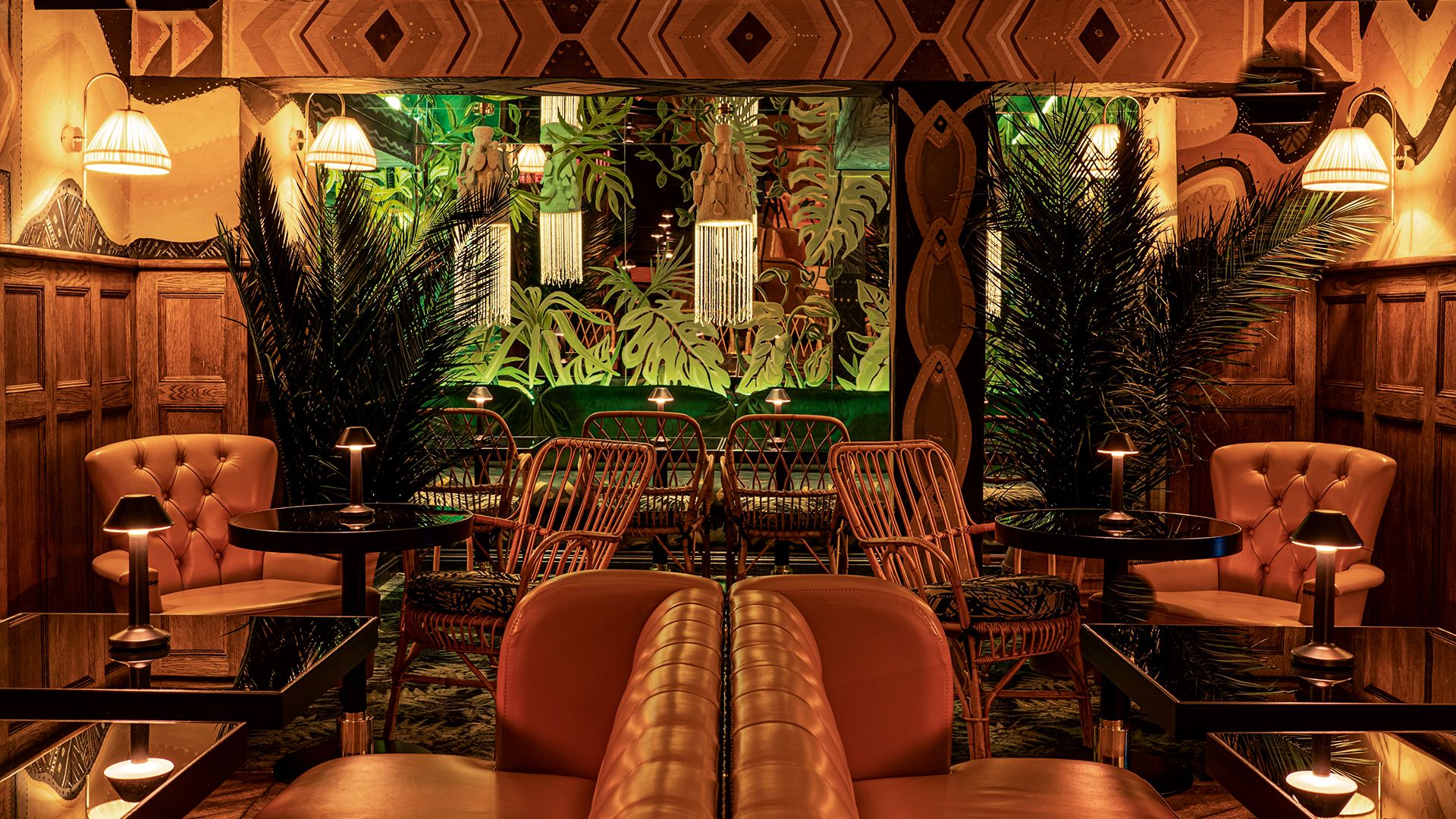
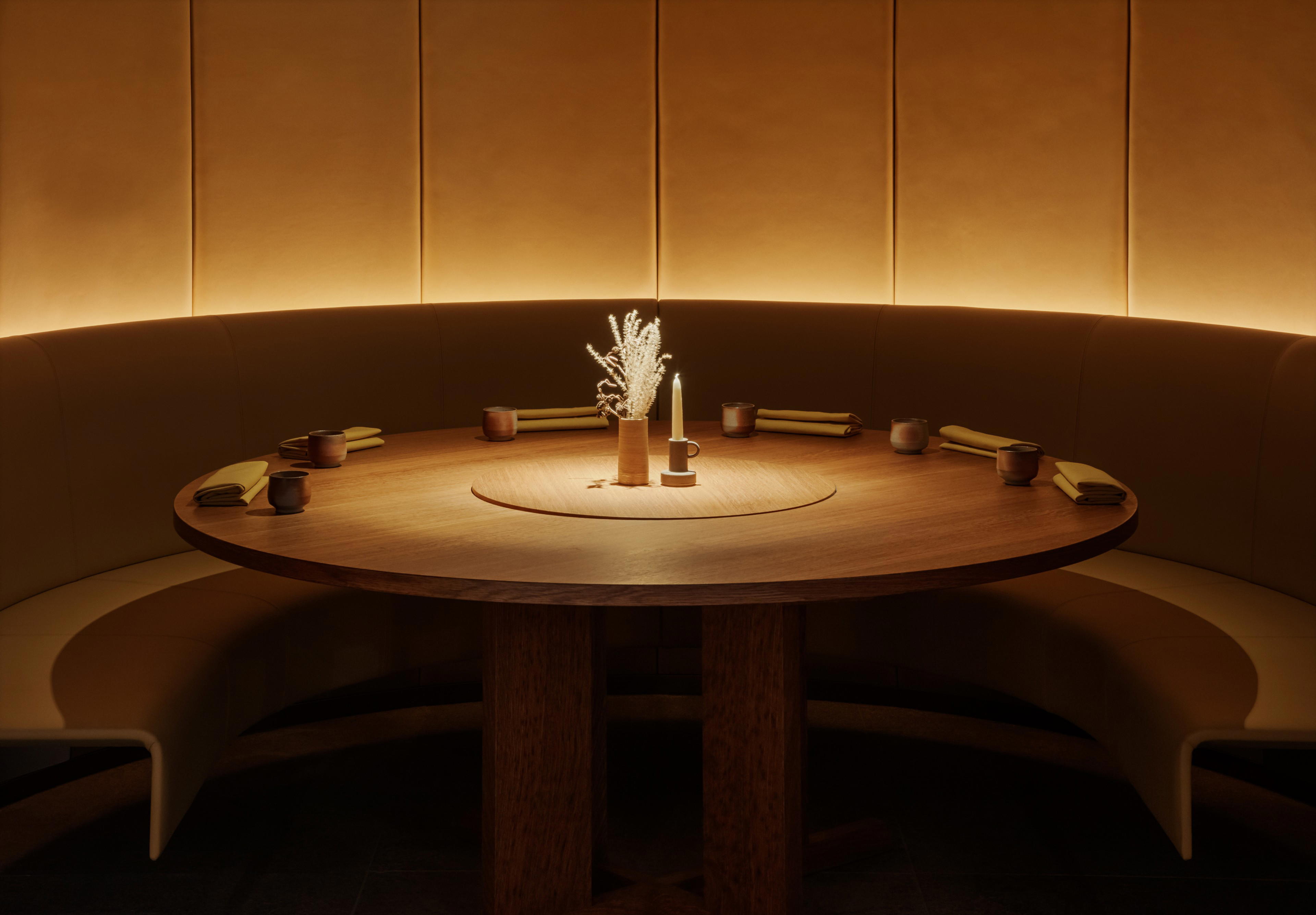
Moody lighting with tactile, deliberately designed interiors creating a warm, character-filled space.