Le District
Le District brings a French market hall format to Lower Manhattan's Brookfield Place, positioning itself closer to Paris's covered passages than to New York's tasting-menu circuit. The scale is deliberate, multiple counters, retail, and café formats under one roof, making it a practical reference point for French food culture in a city where that tradition runs deep but rarely operates at this register.
Pearl is the En Primeur Club membership app — saves, bookings, and concierge access live there. Same editors, same standards.
- Address
- 225 Liberty St, New York, NY 10281
- Phone
- +1 212 981 8588
- Website
- ledistrict.com
- Directions
- Get directions
 Saves & bookings on Pearl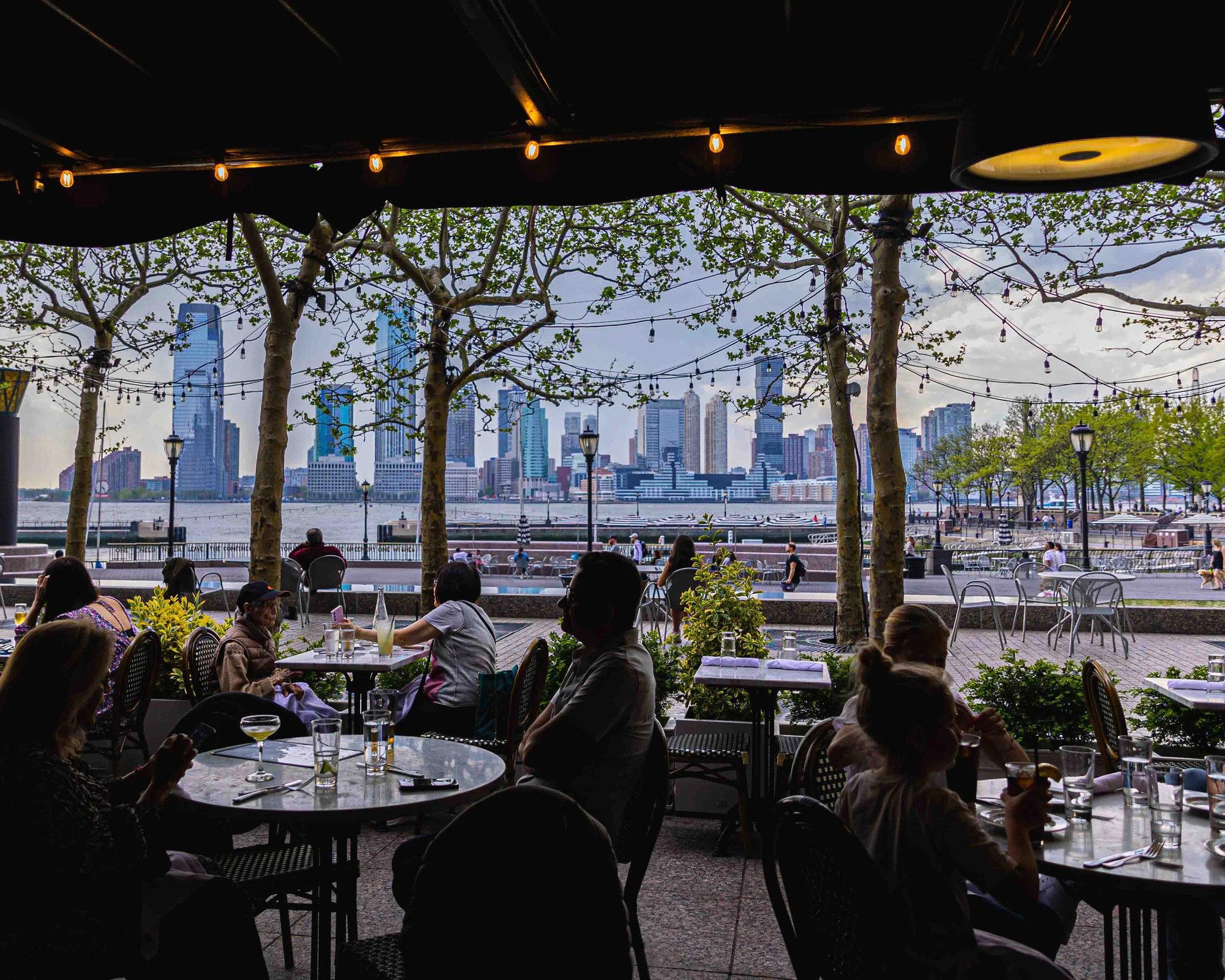
French Market Culture in Lower Manhattan
The covered market hall is one of France's most durable culinary institutions. From Les Halles in its nineteenth-century heyday to the contemporary marché format that survives in Lyon and Bordeaux, the model has always been the same: food as daily infrastructure rather than occasional occasion. What makes Le District at 225 Liberty Street in Lower Manhattan worth examining is how that format translates to a city where French dining has historically expressed itself through white tablecloths and formal tasting menus rather than browsable, multi-format spaces. The result sits in a different tier from the city's French dining anchors, and understanding that distinction matters before you visit.
Where This Sits in New York's French Dining Spectrum
New York's French restaurant identity has long been defined by its upper tier. Le Bernardin, with its decades of three-Michelin-star status and institutional presence on West 51st Street, represents one pole: the temple-of-gastronomy model where the room, the service, and the price point all signal that food is the sole purpose of the visit. Per Se in the Time Warner Center and Eleven Madison Park occupy adjacent positions in that formal tier. Le District operates on a different axis entirely. Rather than competing with those counters for tasting-menu spend, it addresses a gap in New York's French food culture: the everyday French market experience that residents of Paris take for granted and visitors to the city often miss when they return home.
That gap is real. New York has French patisseries, French bistros, and French dining, but the marché format, where you can buy cheese, pick up a prepared dish, drink an espresso, and order a crêpe within the same physical space, has never had a strong foothold here. Le District's multi-zone format at Brookfield Place addresses that absence directly. This positions it less as a restaurant competitor to venues like Atomix or Masa and more as a French lifestyle reference point in a financial district that lacks casual, high-quality food infrastructure of this kind.
The Market Hall as Cultural Argument
The French marché couvert tradition carries a specific cultural logic: food should be accessible at multiple price points and purposes simultaneously. A grandmother buying vegetables, a student eating a quick lunch, and a couple selecting wine for dinner all occupy the same physical space in the traditional French market hall. This is a democratic model in the original sense, not democratic as in cheap, but democratic as in non-hierarchical. The experience of buying food and eating food exist on the same continuum rather than being separated into distinct consumption categories.
That philosophy, when transplanted to a North American context, tends to produce two outcomes. At its weakest, it becomes a food court with French branding. At its strongest, it produces a space where the quality standards of a serious French food culture apply across all formats, from the pastry case to the cheese counter to the prepared foods section. Where Le District lands on that spectrum is the relevant critical question, and it is one the format itself makes legible: the density of product, the sourcing specificity, and the staff knowledge at individual counters are more telling signals than the overall concept.
For comparison across the American dining map, the multi-format approach echoes how venues like Single Thread Farm in Healdsburg integrate retail and hospitality, or how Blue Hill at Stone Barns in Tarrytown places food sourcing at the center of the visitor experience. The ambition is similar even if the execution and price register differ considerably.
The Brookfield Place Context
Location shapes what the restaurant is and what it is not. Brookfield Place is a financial district complex serving a dense weekday population of office workers and a weekend population that trends toward Battery Park City residents and visitors coming from the 9/11 Memorial nearby. This is not a neighborhood that generates the organic foot traffic of the West Village or the food-destination pilgrimages of the East Village. The audience skews toward people who need a high-quality, fast lunch option, people entertaining clients in an accessible setting, and visitors who stop in while touring Lower Manhattan.
That context should calibrate expectations. The restaurant is not trying to be a dining destination in the sense that Smyth in Chicago, Lazy Bear in San Francisco, or Providence in Los Angeles are destinations. It is trying to be infrastructure, the kind of reliable, quality-consistent French food environment that makes a neighborhood function at a higher register than it otherwise would. Whether you evaluate that as a success depends on whether you think New York's financial district needs that kind of anchor, and the honest answer is that it does.
French Culinary Roots and the American Translation Problem
French cuisine in the American context has always faced a translation problem. The techniques, the ingredient priorities, and the dining rhythms that feel natural in France often arrive in the United States either over-formalized (turned into tasting-menu monuments) or diluted (turned into casual French-inspired bistros with more marketing than substance). The market hall format is one of the formats most vulnerable to that dilution because it depends on supply chain discipline and product sourcing that is harder to maintain in New York than in a French city with shorter agricultural supply lines.
The European reference points for what this format can achieve at its highest level are venues like Dal Pescatore in Runate, where regional Italian food culture is expressed through deep sourcing specificity, or Atelier Moessmer Norbert Niederkofler in Brunico, where mountain ingredient culture defines every decision. Those are formal restaurants, not markets, but they illustrate the same principle: the authenticity of a food culture expresses itself through sourcing commitment, not through décor or concept labeling.
Planning Your Visit
The restaurant operates within Brookfield Place in Lower Manhattan, accessible via the Fulton Street and World Trade Center subway stations. Reservations: the multi-format market structure means reservations apply to specific dining areas rather than the market hall itself; check the format you intend to use before visiting. Budget: the range varies considerably across zones, from café-level to full-service dining spend. Timing: weekday lunch draws a dense financial district crowd; weekend visits are generally less compressed. Approach: treat the first visit as orientation across the market's different zones before committing to a single format. Those arriving from outside Manhattan might compare the planning logic to visiting The French Laundry in Napa or Addison in San Diego, where understanding the format before arrival makes the experience more legible. See our full New York City restaurants guide for broader dining context across the city.
The Essentials
Comparable venues nearby, for context on price, style, and recognition.
| Venue | Price | Notes |
|---|---|---|
| Le DistrictThis venue — the venue you are viewing | $$ | Not listed |
| Deux Amis | $$ | East Midtown-Turtle Bay, Southern French Bistro |
| Le Petit Cafe | $$ | Carroll Gardens-Cobble Hill-Gowanus-Red Hook, French Cafe Bistro |
| Paris Café | $$ | John F. Kennedy International Airport, Classic French Brasserie |
| Le Relais de Venise L’Entrecôte | $$ | East Midtown-Turtle Bay, French Steak Frites |
| Chez Lucienne | $$ | Harlem (North), French Bistro |
Continue exploring
More in New York City
Restaurants in New York City
Browse all →
Bars in New York City
Browse all →
Hotels in New York City
Browse all →





At a Glance
- Classic
- Elegant
- Sophisticated
- Brunch
- Date Night
- Business Dinner
- Casual Hangout
- Waterfront
- Terrace
- Private Dining
- Open Kitchen
- Extensive Wine List
- Craft Cocktails
- Sommelier Led
- Corkage Allowed
- Waterfront
Current opening hours
- Monday
- 7:30 AM–10 PM
- Tuesday
- 7:30 AM–10 PM
- Wednesday
- 7:30 AM–10 PM
- Thursday
- 7:30 AM–10 PM
- Friday
- 7:30 AM–10 PM
- Saturday
- 10 AM–10 PM
- Sunday
- 10 AM–8:30 PM
Hours can change for holidays and private events. Last verified .
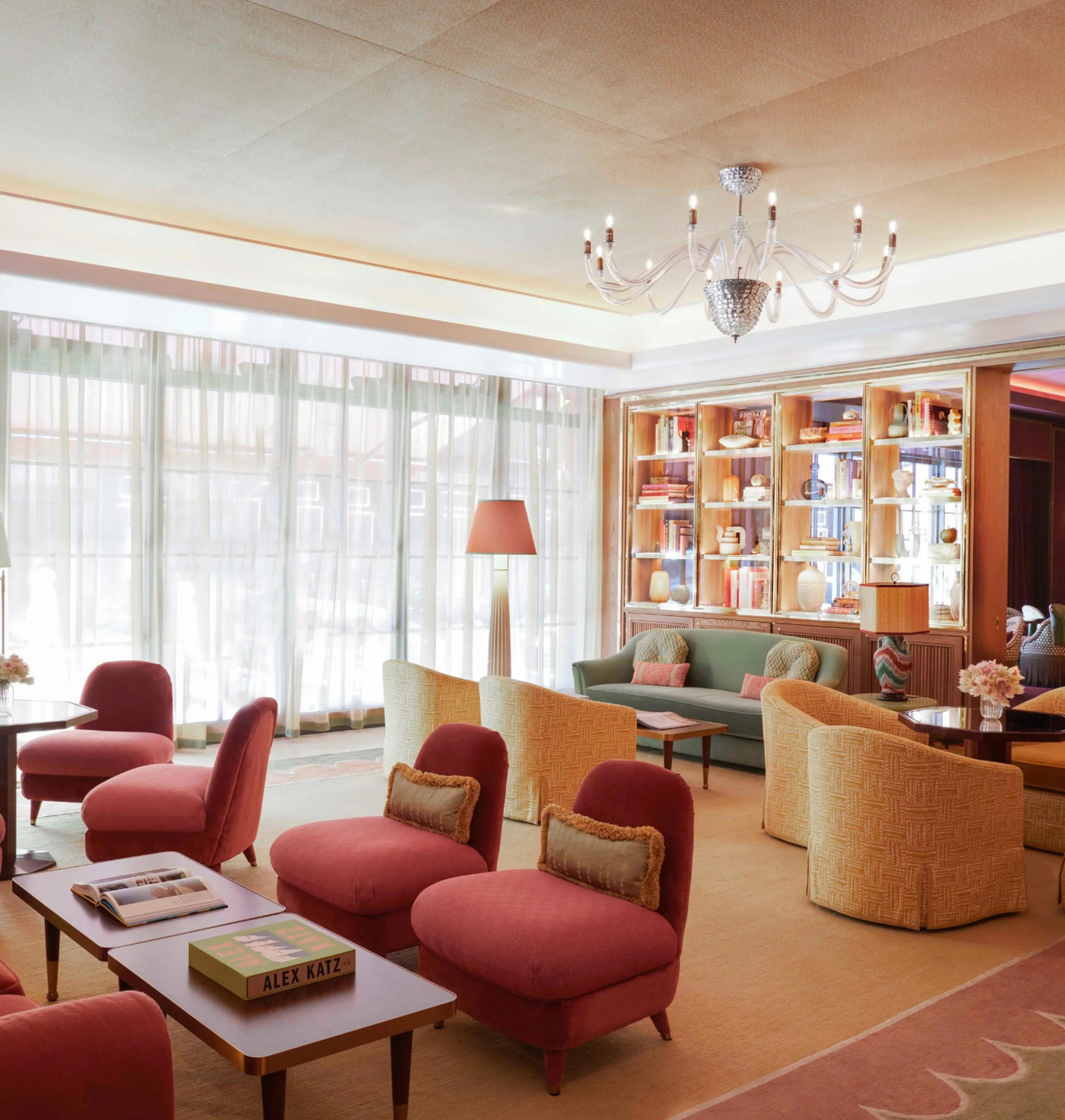
Soft, dim lighting in a minimalist yet warm and sophisticated setting with an open kitchen layout.