The Alderman
The Alderman sits at 1163 W 18th St in Chicago's Pilsen neighbourhood, one of the city's most culturally layered dining corridors. Visitors should confirm current hours and format directly before booking.
Pearl is the En Primeur Club membership app — saves, bookings, and concierge access live there. Same editors, same standards.
- Address
- 1163 W 18th St, Chicago, IL 60608
- Phone
- +13122432410
- Website
- thealdermanchicago.com
- Directions
- Get directions
 Saves & bookings on Pearl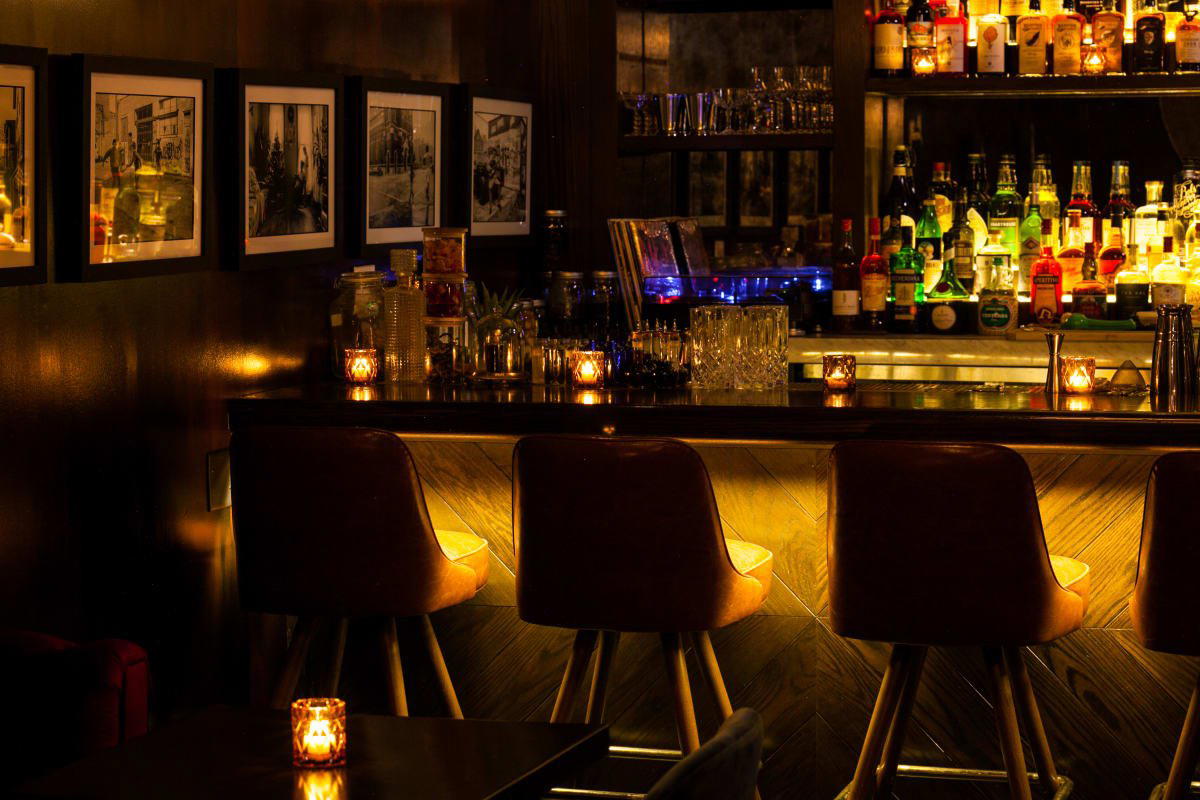
Pilsen and the Weight of the Address
Chicago's 18th Street corridor in Pilsen carries more culinary and cultural freight than almost any other stretch in the city. The neighbourhood has been a landing point for successive waves of immigration since the mid-nineteenth century, and its current character is shaped above all by Mexican and Mexican-American communities whose food traditions run from market-stall antojitos to ambitious sit-down kitchens with serious wine programs. The Alderman is a restaurant at 1163 W 18th St, Chicago, IL 60608. It is entering a conversation that has been going on for decades, one that touches questions of authenticity, gentrification, and what it means to cook in a neighbourhood that already has a deeply considered culinary identity.
That context matters more here than it might on, say, a Randolph Street address aimed at the expense-account crowd. Pilsen's dining scene has historically rewarded venues that engage with the neighbourhood rather than arriving from outside it, and the street itself functions as a kind of editorial filter. Visitors approaching from the Blue Line's 18th Street station move through blocks of murals, taquerías, and bakeries before arriving at any given address. The physical approach sets expectations that the food has to meet or consciously complicate.
What Chicago's Neighbourhood Dining Tier Looks Like Right Now
Chicago's dining conversation tends to concentrate on its downtown and Near North Side flagships: the tasting-menu institutions like Alinea, Smyth, and Oriole, or the category-defining formats like Next Restaurant. At the other end of the spectrum, Pilsen offers particularly direct expressions of Mexican regional cooking in the Midwest, from Oaxacan mole traditions to Jalisco-style birria. What is more interesting, and less documented, is the tier that sits between those poles: neighbourhood venues that operate with genuine culinary ambition but without the apparatus of major-media coverage or awards infrastructure.
Kasama, a few miles north in Ukrainian Village, has shown what happens when a Chicago neighbourhood spot reaches stronger examples from its category. Its Michelin star arrival signalled that the awards system was paying attention to venues outside the obvious corridors. That recognition shifted how critics and diners think about which Chicago neighbourhoods deserve serious attention, and Pilsen has long been on that list.
Nationally, the pattern of neighbourhood venues earning serious critical attention has played out in cities from San Francisco (where Lazy Bear built its reputation through format innovation before moving to a permanent address) to New York (where Atomix demonstrated that Korean fine dining could compete at the highest tier on its own terms). Chicago is at a similar inflection point in several of its historically underrepresented neighbourhoods.
Cultural Roots and What They Ask of a Kitchen
Cooking credibly in Pilsen means engaging with a culinary tradition that is both specific and widely misunderstood. Mexican cuisine at the regional level is not a monolith. The differences between a Veracruz-style seafood preparation and a Pueblan mole negro involve distinct ingredient sourcing, technique histories, and cultural significance. A kitchen on 18th Street that treats these traditions as interchangeable is immediately legible to the neighbourhood's residents in ways it might not be to a visitor arriving from Lincoln Park.
The more serious question for any venue in this position is whether it is drawing on those traditions as primary material or using them as aesthetic reference. That distinction drives most of the interesting criticism about Mexican-American fine dining across the country, from discussions of regional technique at Le Bernardin-tier French-influenced kitchens to debates about what constitutes authentic expression at venues from Emeril's in New Orleans to Providence in Los Angeles. In Pilsen, those debates are not abstract. They play out in the immediate, physical presence of a community whose food culture is the actual subject.
Placing The Alderman in Its comparable set
What the address confirms is that the venue operates in a neighbourhood where the comparable set includes some of Chicago's most culturally resonant kitchens, where price sensitivity matters, and where the community context is not backdrop but substance.
If the format leans toward an accessible, neighbourhood-anchored model, it belongs in a conversation with the mid-tier Pilsen venues that have built loyal local followings without chasing media attention. If it operates closer to a destination-dining format, the comparison set shifts toward venues that have successfully translated neighbourhood identity into a broader draw, a harder position to occupy credibly in a community with Pilsen's history.
For frame of reference on what ambitious American restaurants look like across price tiers and geographies, EP Club covers a wide spectrum: from The French Laundry in Napa and Blue Hill at Stone Barns in Tarrytown at the formal end, to Single Thread Farm in Healdsburg, Addison in San Diego, The Inn at Little Washington, Bacchanalia in Atlanta, and 8½ Otto e Mezzo Bombana in Hong Kong, providing the full context for where any given Chicago venue sits in a global picture.
Planning Your Visit
The Alderman is located at 1163 W 18th St, Chicago, IL 60608, in Pilsen on the city's Lower West Side. The nearest CTA Blue Line stop is 18th Street, placing the venue within walking distance of the station. Chicago's neighbourhood dining scene rewards advance planning, particularly for weekend evenings when local demand competes with visitors drawn to 18th Street's broader cultural programming.
Address: 1163 W 18th St, Chicago, IL 60608. Open Wednesday through Sunday; closed Monday and Tuesday.
City Peers
Comparable venues nearby, for context on price, style, and recognition.
| Venue | Cuisine | Price | Notes |
|---|---|---|---|
| The AldermanThis venue — the venue you are viewing | Award-Winning Cocktail Bar with American Classics | $$$ | Not listed |
| 3 Arts Club Cafe | American Cafe Classics | $$$ | Near North Side |
| Good Fortune | New American-Mediterranean | $$$ | Logan Square |
| The Hampton Social | New England-Style Seafood | $$$ | River North |
| Bull Moose | Classic Chicago Steakhouse & Cocktail Lounge | $$$ | Lincoln Park |
| Black Barrel Tavern | Modern American Gastropub | $$ | West Loop |
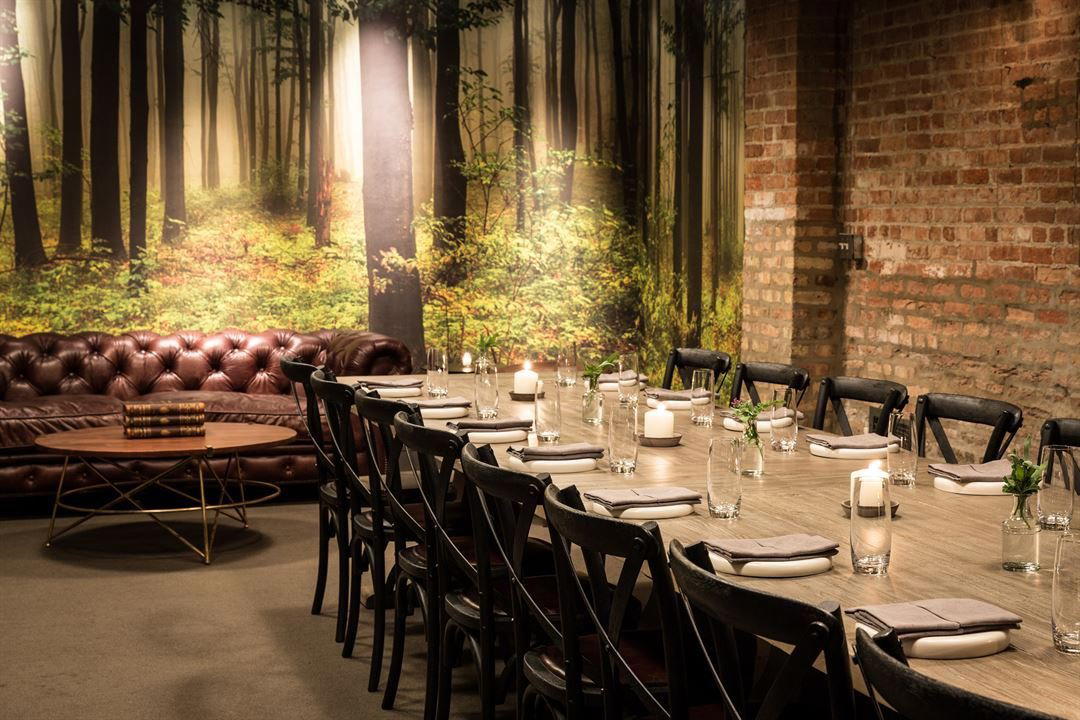
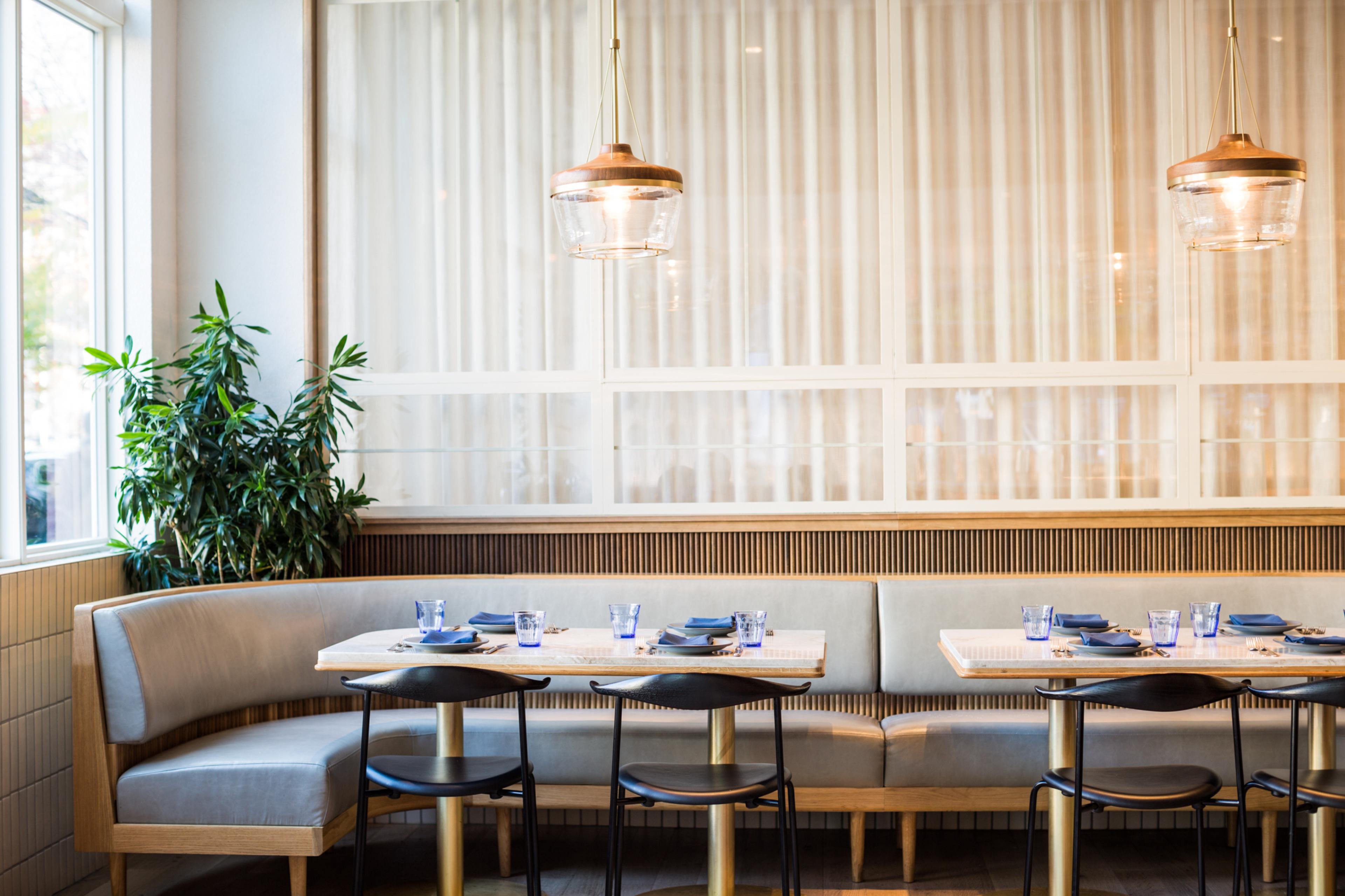
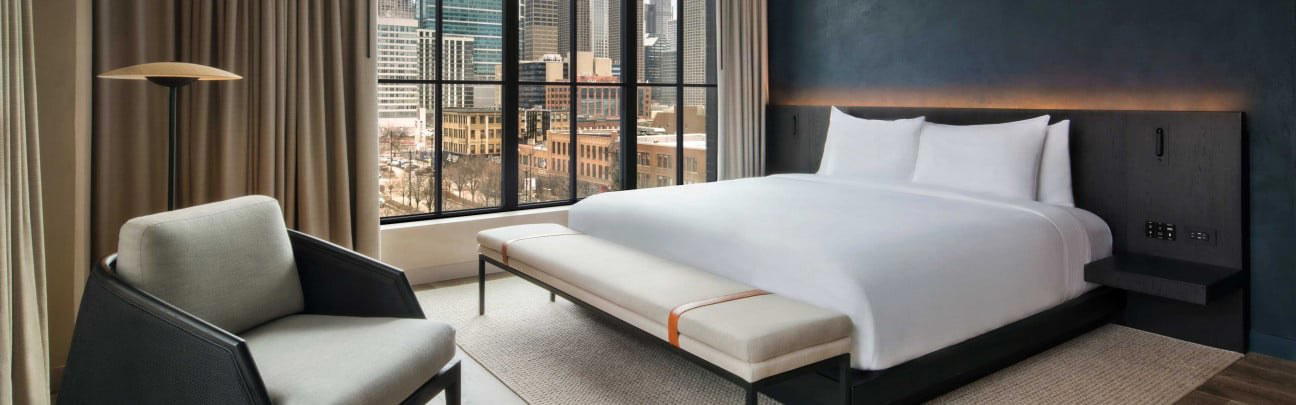
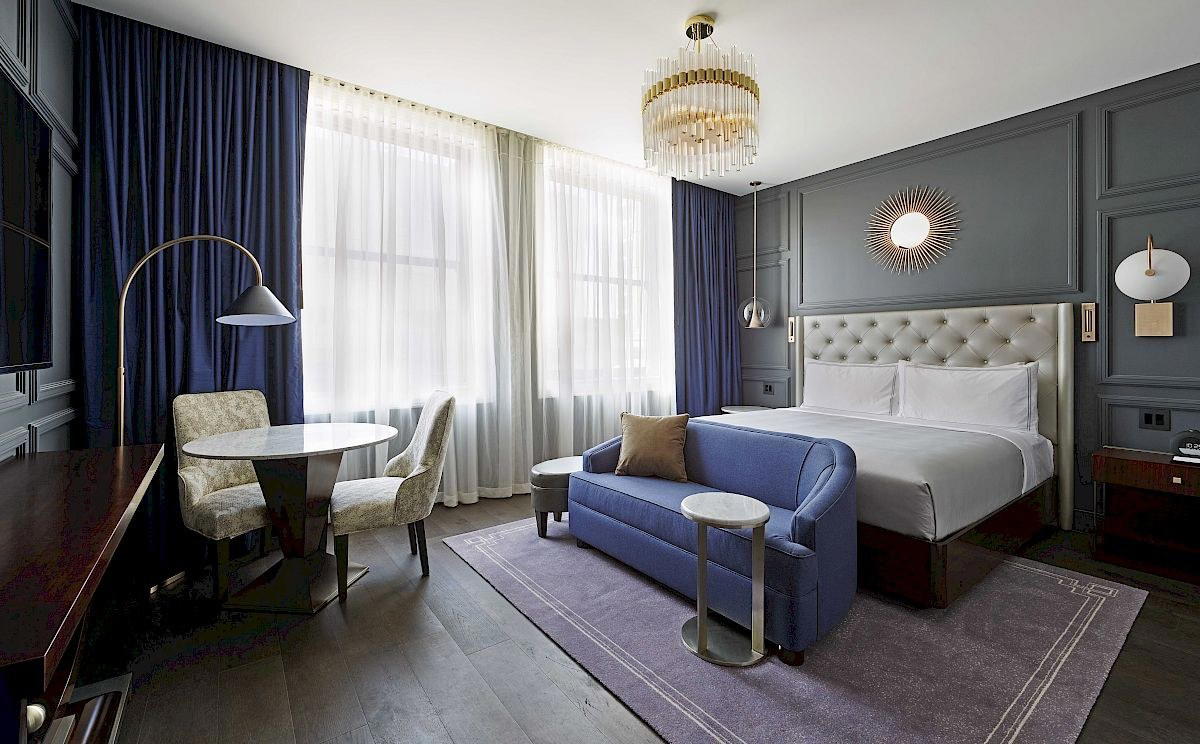
At a Glance
- Intimate
- Cozy
- Sophisticated
- Trendy
- Date Night
- Casual Hangout
- Special Occasion
- Craft Cocktails
Current opening hours
- Monday
- Closed
- Tuesday
- Closed
- Wednesday
- 4:30–10 PM
- Thursday
- 4:30–10 PM
- Friday
- 4–11 PM
- Saturday
- 3–11 PM
- Sunday
- 3–9 PM
Hours can change for holidays and private events. Last verified .
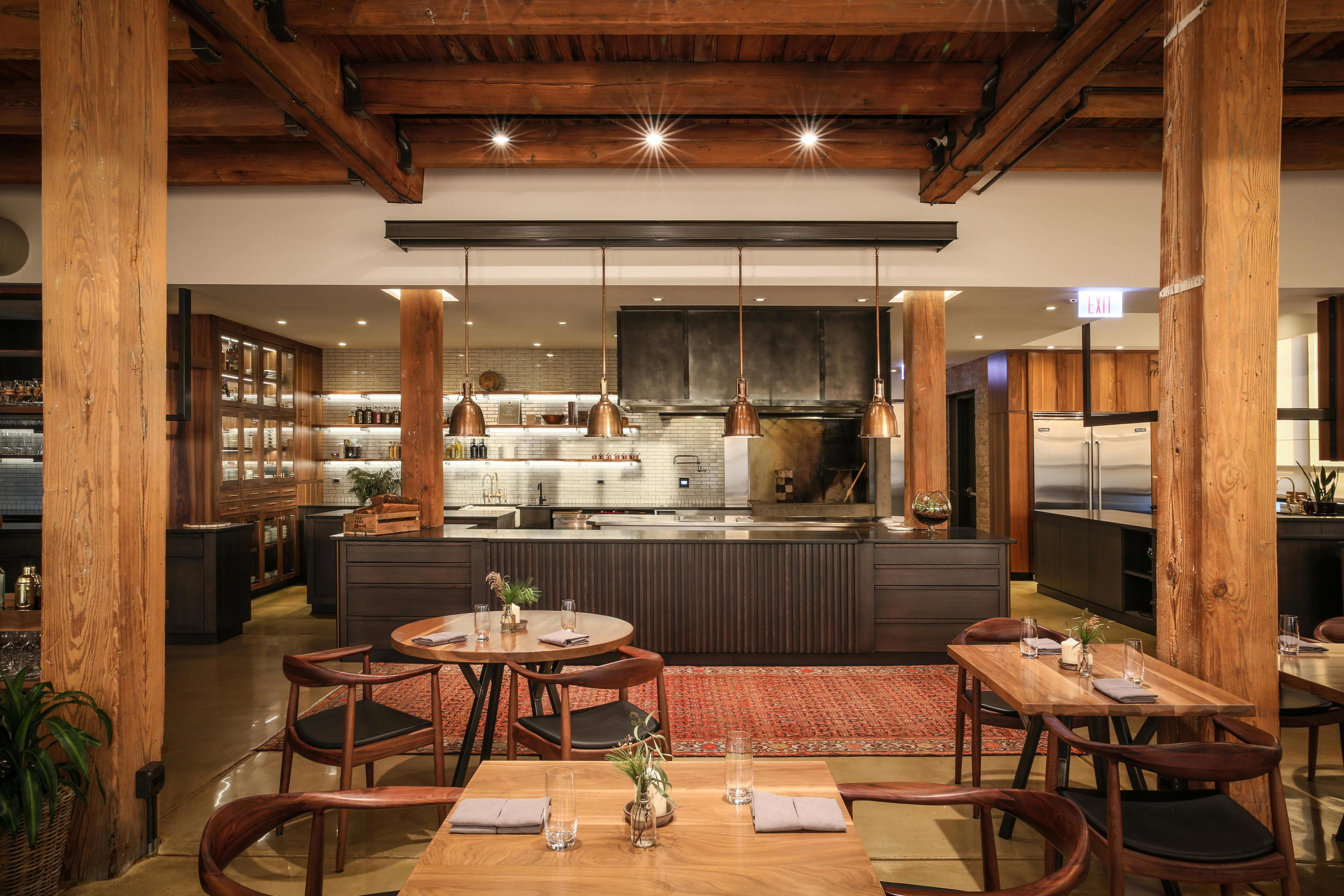
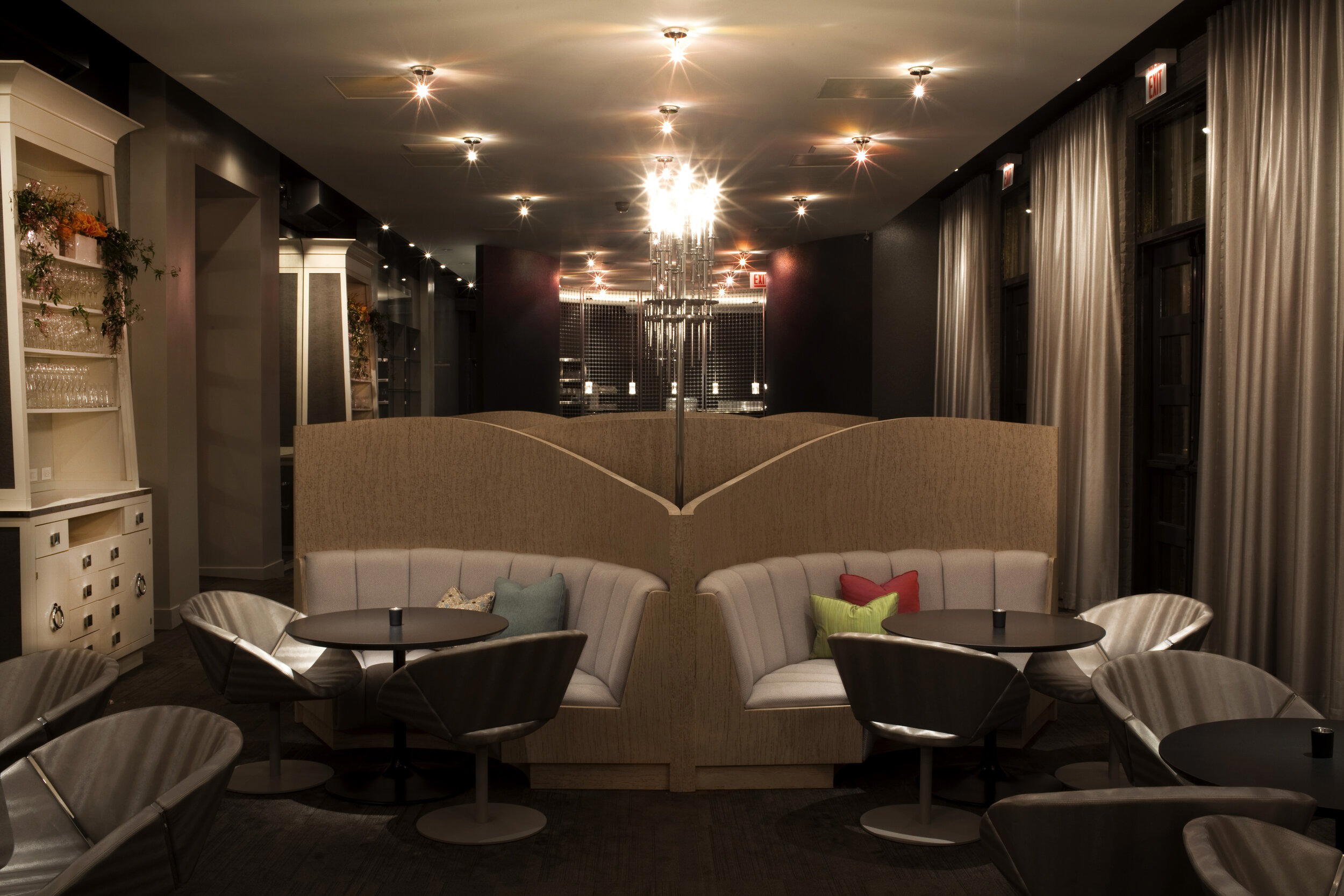
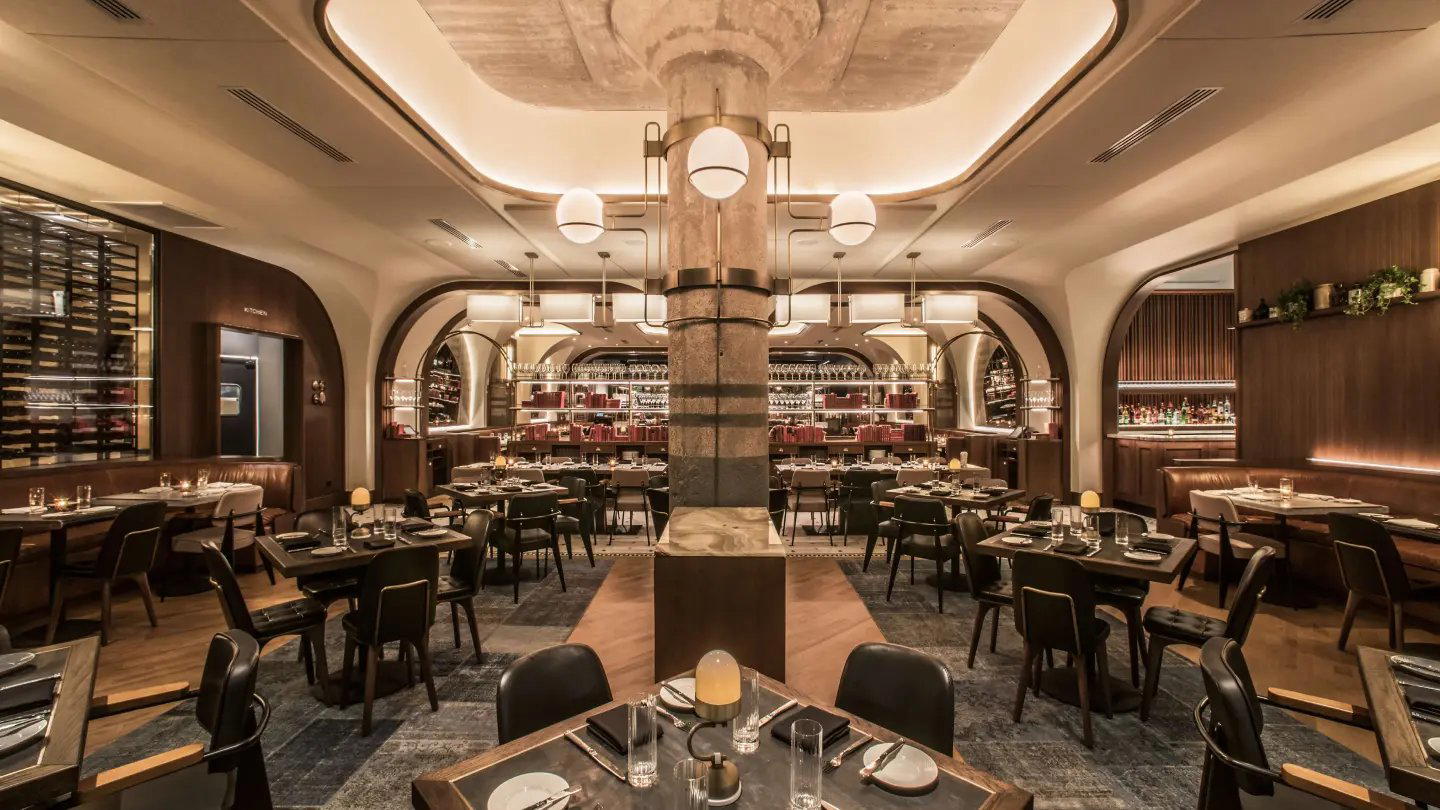
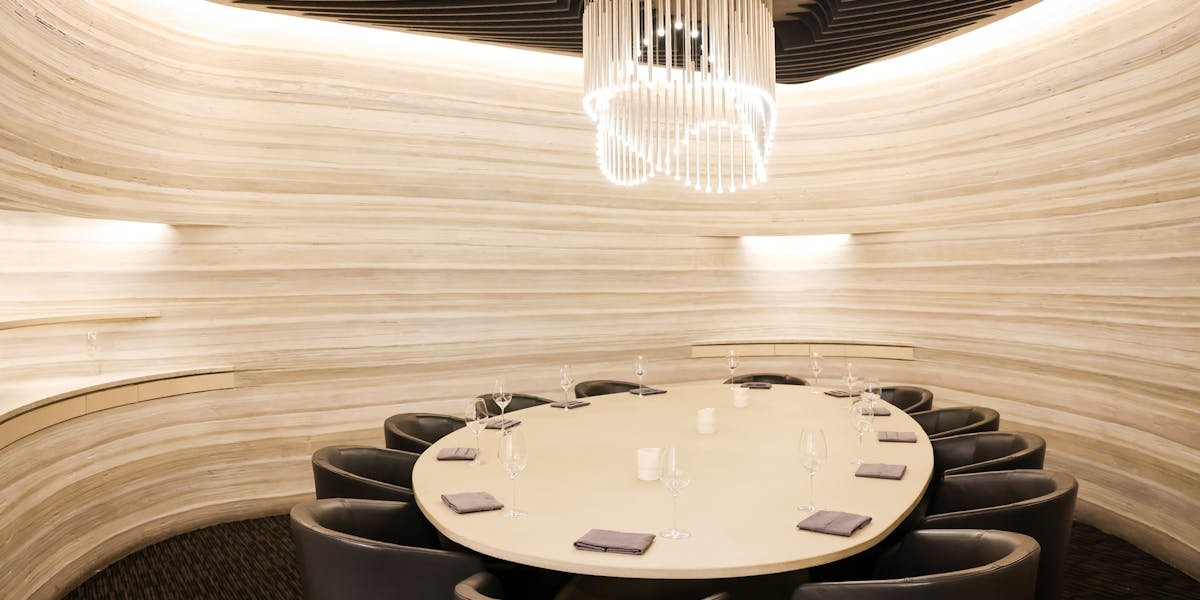
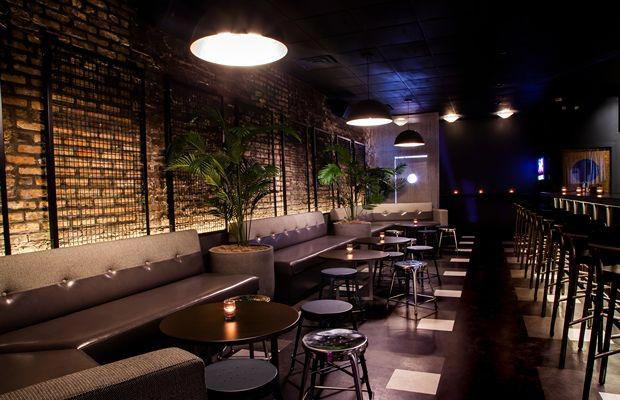
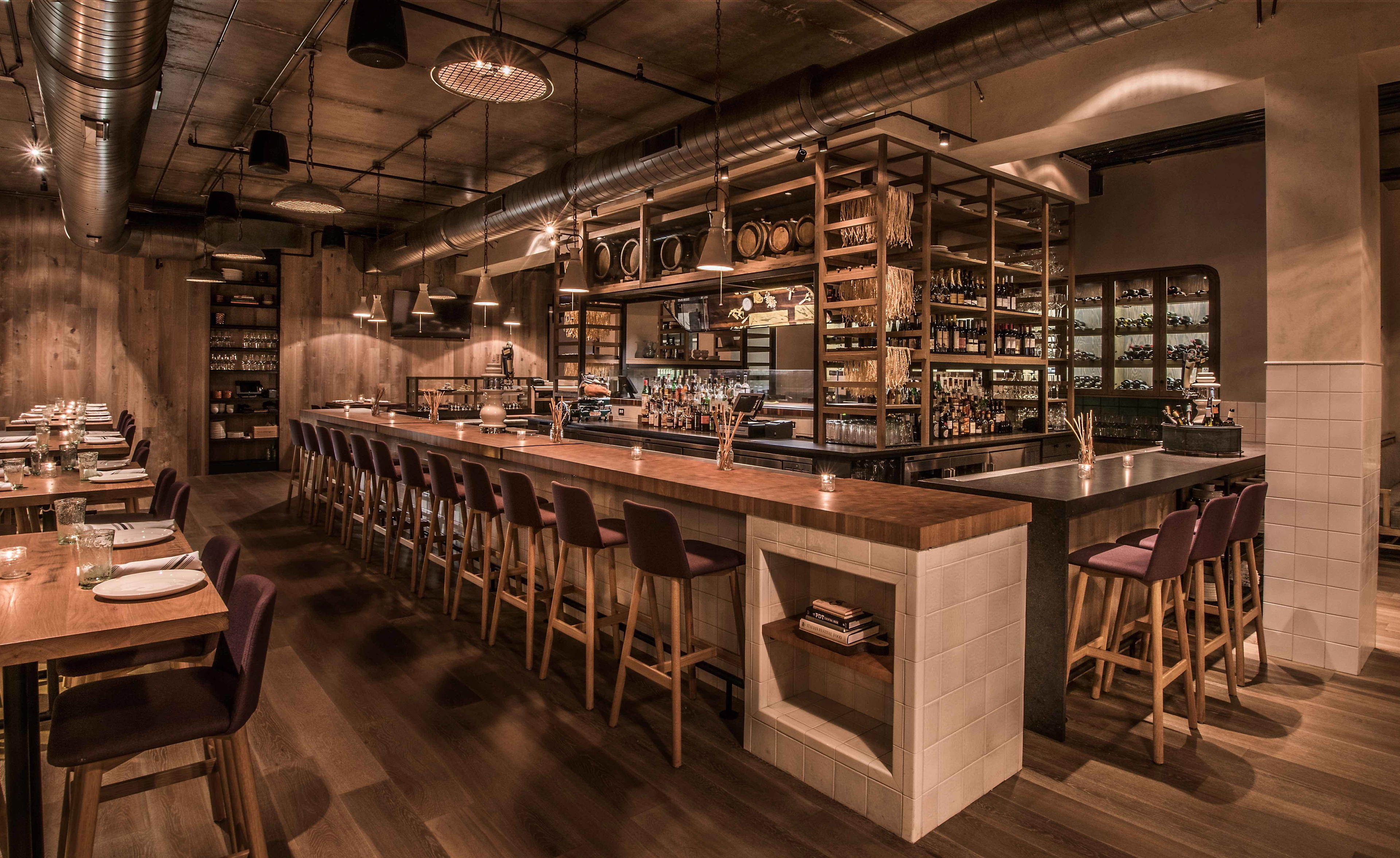
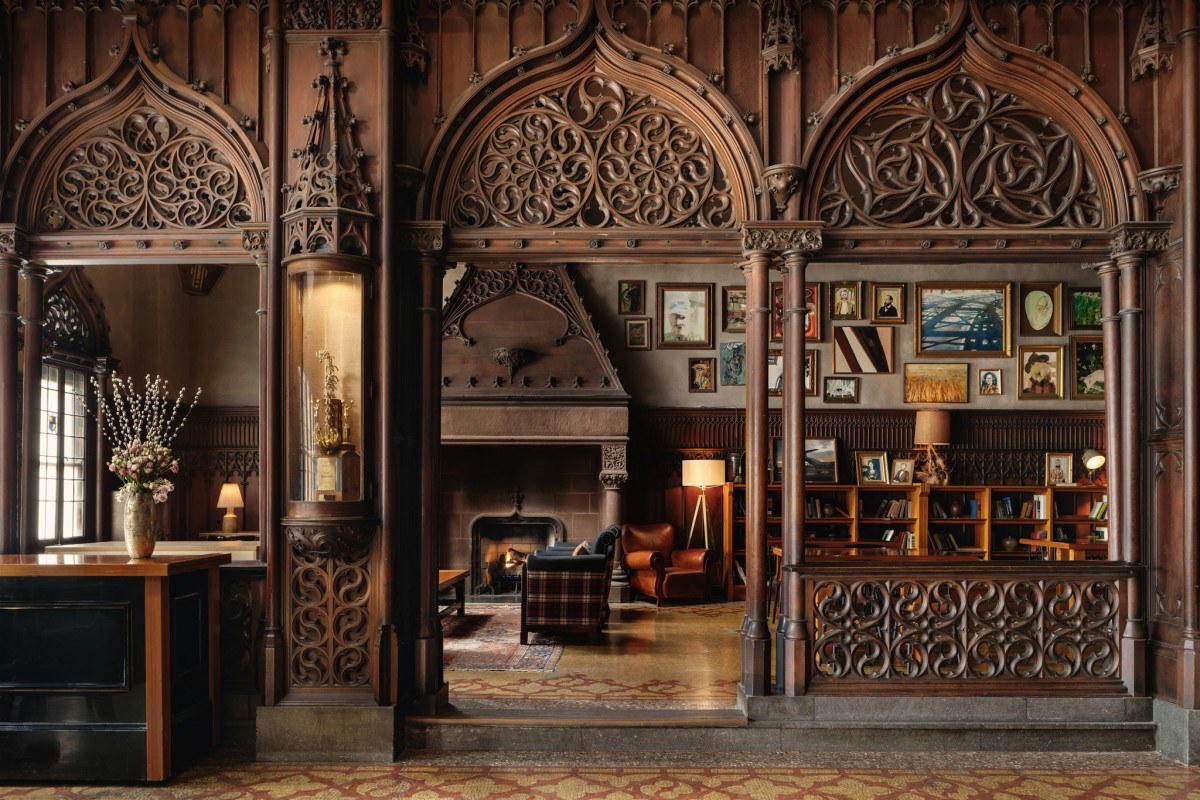
Dark, intimate space with plush velvet banquettes, warm lighting, and a beautiful backbar, well-suited for escaping into hip-hop vibes and creative drinks.