Good Fortune
Good Fortune sits on North California Avenue in Logan Square, a Chicago neighbourhood that has become one of the city's more serious dining corridors over the past decade. The address places it among a comparable set of independently operated restaurants where sourcing and ingredient provenance tend to drive the menu conversation more than format or spectacle. Booking ahead is advised.
- Address
- 2528 N California Ave, Chicago, IL 60647
- Phone
- +1 773 666 5238
- Directions
- Get directions
Logan Square and the Sourcing-First Generation
Logan Square's restaurant corridor along North California Avenue has quietly accumulated a concentration of independently operated kitchens that share a common orientation: the ingredient comes first, and the format follows. This is not the food-as-theatre block that draws visitors to Alinea or the hotel-adjacent dining that defines parts of River North. It is a residential neighbourhood where rent structures have historically allowed chefs to take sourcing commitments seriously without those costs immediately collapsing the business model. Good Fortune sits at 2528 N California Ave within that context, which tells you something before you have even looked at the menu.
The broader Chicago dining argument over the past decade has played out between a handful of distinct camps. At one end, tasting-menu destinations like Alinea, Smyth, and Oriole operate at the highest price tier and compete on technical ambition and critical recognition. At the other, neighbourhood restaurants in Logan Square, Pilsen, and Avondale have built loyal regulars on a different proposition: direct sourcing relationships, shorter menus that change with what is actually available, and a kitchen discipline that makes ingredient quality the story rather than a detail inside a larger narrative. Good Fortune belongs to this second current.
What the Address Signals About the Food
Sourcing-first restaurants in Chicago's outer neighbourhoods operate within a supply network that draws on the Midwest's genuine agricultural depth. The region's dairy, grain, and livestock production is not a marketing claim; it is a functioning infrastructure. Illinois and Wisconsin farms supply a wide range of operators, and the chefs who build menus around that supply tend to work seasonally in a way that is less optional choice and more structural necessity. When your proteins and produce change with the season, your menu changes with them.
This ingredient-driven approach places Good Fortune in a different competitive conversation than the format-led dining rooms that define Chicago's most-discussed tier. Compare it to what Kasama has done in Ukrainian Village: a kitchen that built its reputation on sourcing specificity and Filipino technique before earning broader recognition. Or consider Next Restaurant, which approaches ingredient context from a conceptual direction, changing its entire menu format by season and concept. The restaurant operates without the institutional weight of those addresses but within the same sourcing conversation.
Nationally, the ingredient-provenance framework has become a defining axis for premium independent restaurants. Blue Hill at Stone Barns in Tarrytown built its entire identity around farm-to-table as a rigorous system rather than a label. Single Thread Farm in Healdsburg runs its own farm operation as the starting point for the menu. In San Francisco, Lazy Bear positions seasonal California supply as the foundation of its tasting format. The pattern repeats across American fine-casual dining: the kitchen's relationship to its suppliers has become as legible a credential as formal training or award recognition.
The Logan Square Dining Character
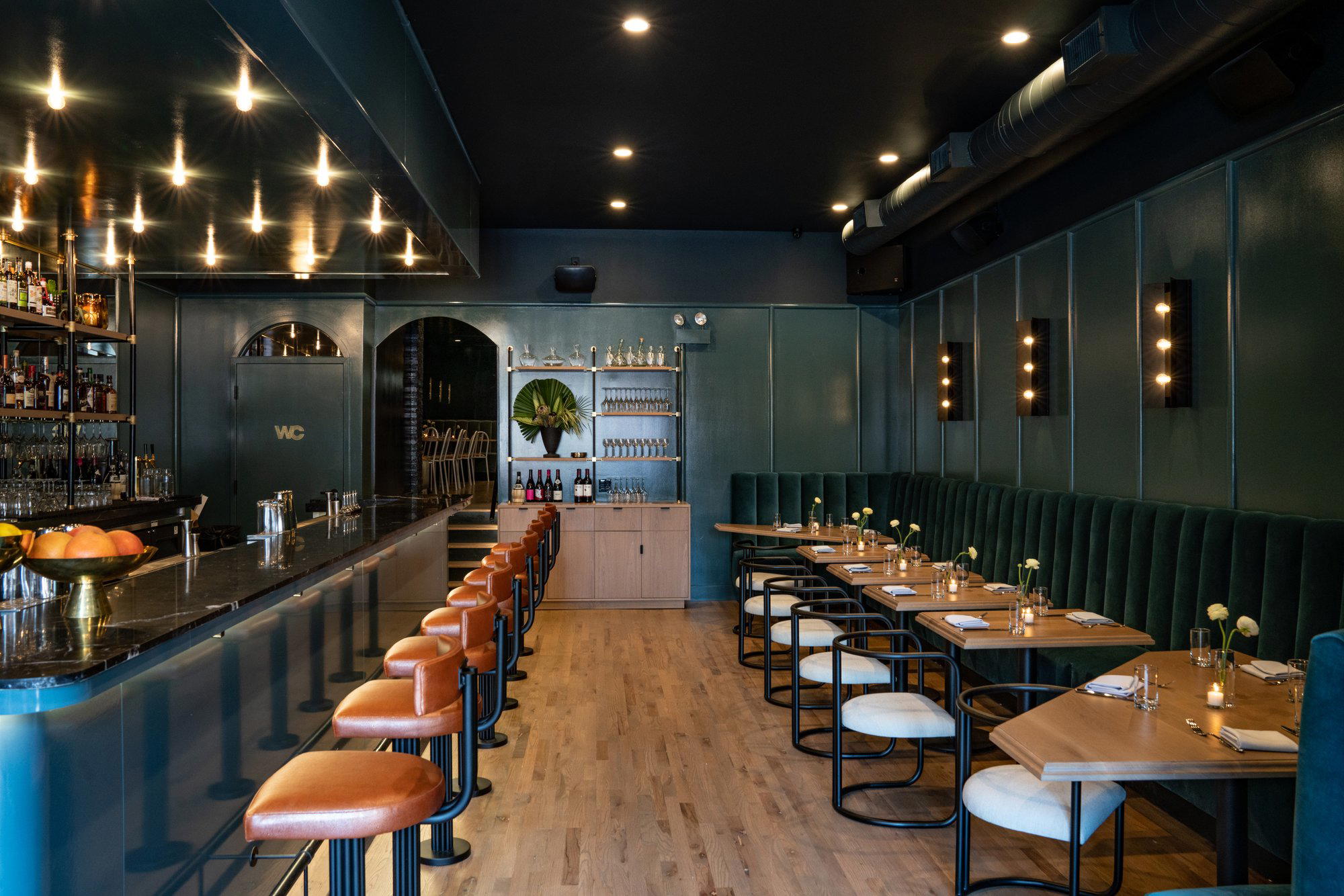
Logan Square dining rooms tend to feel deliberate in their restraint. The neighbourhood's built environment, dense with two- and three-flat residential buildings and corner commercial spaces, produces a particular restaurant typology: rooms that are not large, that are designed for conversation rather than occasion theatre, and that price against their actual costs rather than aspirational positioning. The restaurant's California Avenue address fits that physical and economic character.
Arriving from the Blue Line's Logan Square stop puts the venue roughly in reach on foot, which shapes the clientele: a mix of neighbourhood regulars who arrive without the logistical planning that downtown reservations require, and visitors who have done enough research to seek out this specific block. That mix tends to produce dining rooms with less performative energy than destination restaurants and more focused attention on what is on the plate.
Ingredient Sourcing as Editorial Argument
The sourcing-first framework matters beyond marketing because it produces a different kind of consistency than technique-first cooking. A kitchen built around what arrives from farms and suppliers week to week develops a different relationship to repetition: the dish that worked last month may not exist this month, because the ingredient that made it work is not in season. This is a discipline that rewards return visits in a way that fixed menus do not.
American restaurants that have sustained this model at a high level share certain structural features. Providence in Los Angeles maintains sourcing relationships with specific fishermen and farms that give the kitchen access to product most restaurants cannot obtain. Addison in San Diego has built a California-produce argument into a tasting format that changes with the growing calendar. In Washington, The Inn at Little Washington has sustained a garden-to-table sourcing logic across decades of operation. The common thread is that sourcing is infrastructure, not decoration.
European operations have pushed this further still. Atelier Moessmer Norbert Niederkofler in Brunico operates on a strict Alpine-sourcing philosophy that limits the ingredient universe to what the surrounding mountains and valleys can provide, producing a menu that is both geographically specific and seasonally constrained in a way that few American kitchens attempt. That model is an extreme, but it clarifies what sourcing-first cooking looks like when taken to its logical conclusion.
Planning a Visit
The restaurant is located at 2528 N California Avenue in Logan Square, accessible via the Blue Line.
Smyth and Oriole for the formal end of the spectrum, and Frasca Food and Wine in Boulder as a regional comparator for the sourcing-driven, independent-restaurant model at a similar price position. Atomix in New York and Le Bernardin in New York represent stronger examples from the sourcing-as-identity model at different ends of the cuisine spectrum. Emeril's in New Orleans offers further regional comparison for how ingredient provenance has shaped American restaurant culture over time.
City Peers
Comparable venues nearby, for context on price, style, and recognition.
| Venue | Cuisine | Price | Notes |
|---|---|---|---|
| Good FortuneThis venue — the venue you are viewing | New American-Mediterranean | $$$ | Not listed |
| Bellemore | Artistic American | $$$ | West Loop |
| Upstairs at The Gwen | American with Mediterranean Influences | $$$ | Near North Side |
| Millennium Hall Restaurant | Contemporary American Gastropub with Neapolitan Pizza | $$$ | Millennium Park |
| Soul Prime | Polished Soul Food | $$$ | Lincoln Park |
| etc. | Polished Southern American with Global Influences | $$$ | Loop |
At a Glance
- Intimate
- Elegant
- Trendy
- Romantic
- Date Night
- Special Occasion
- Open Kitchen
- Extensive Wine List
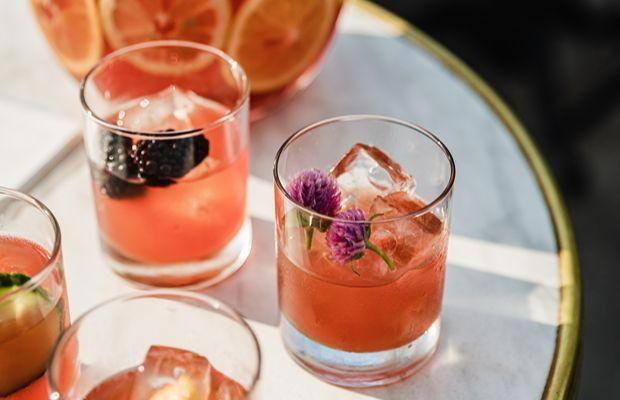
- Craft Cocktails
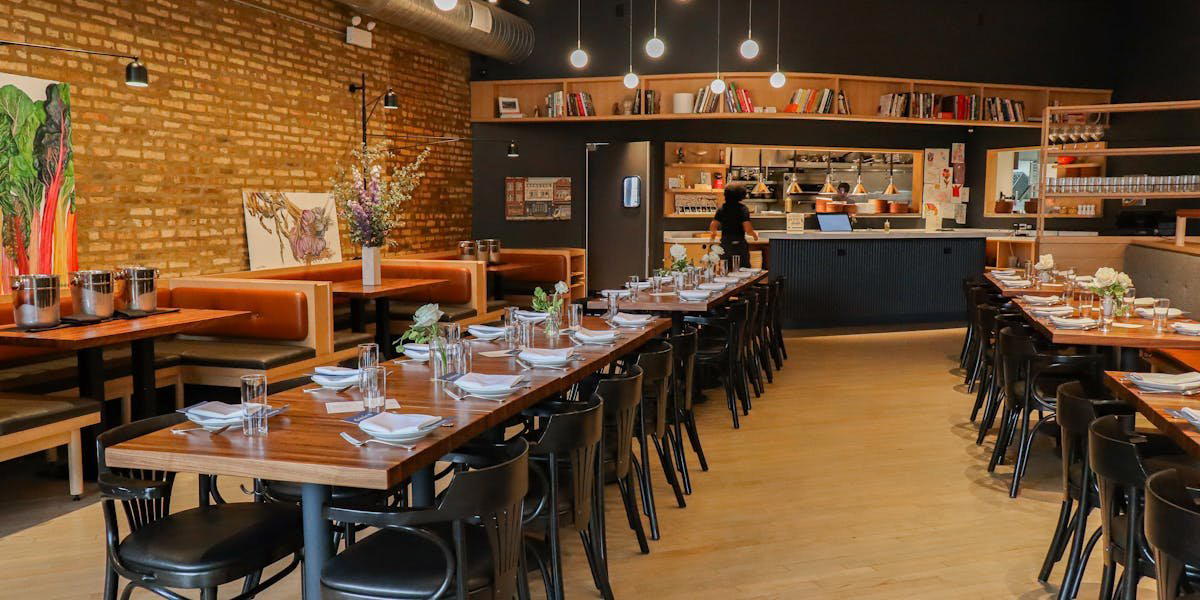
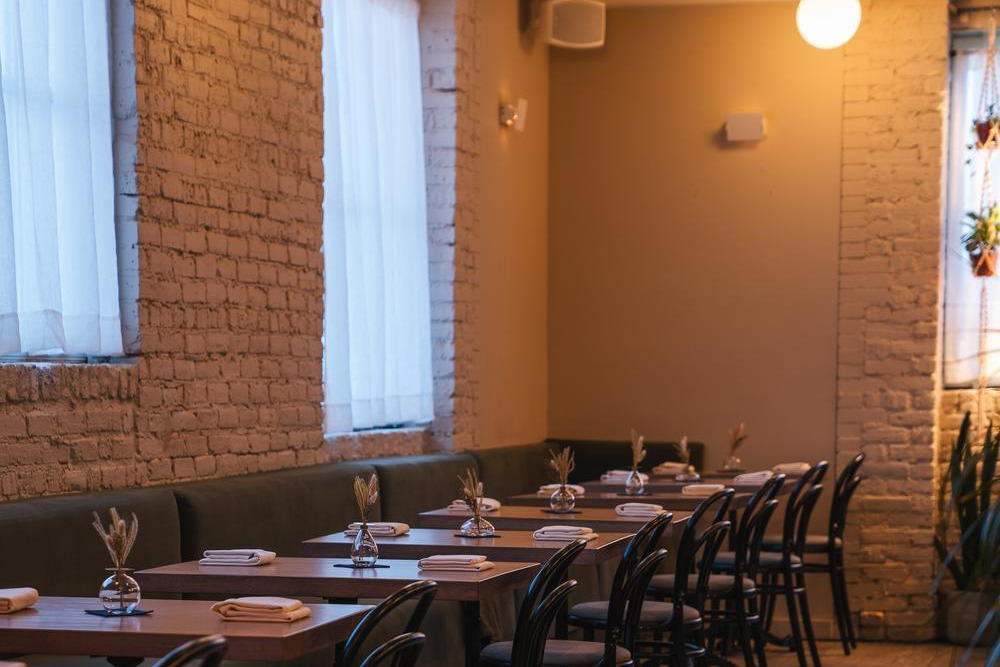
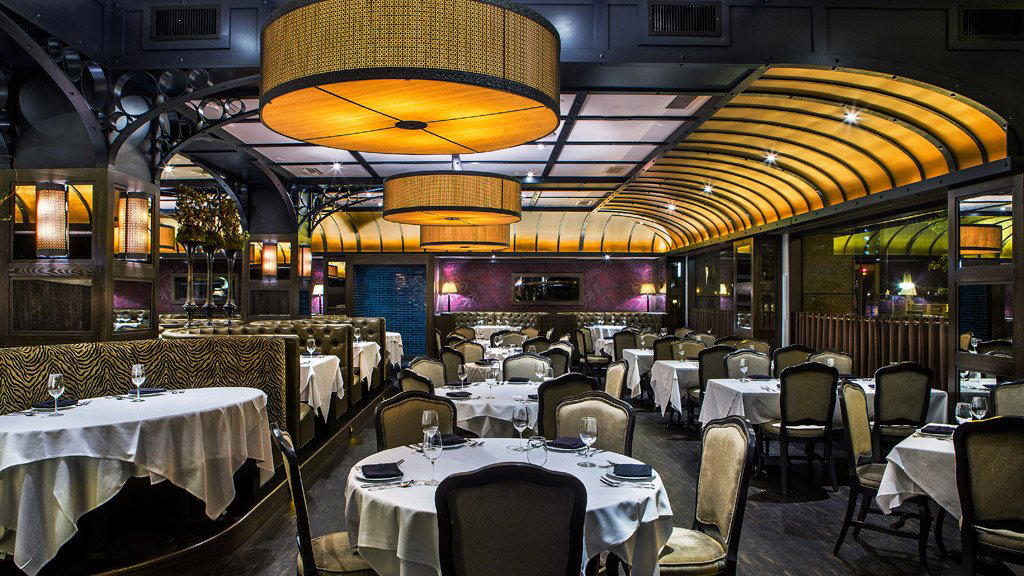
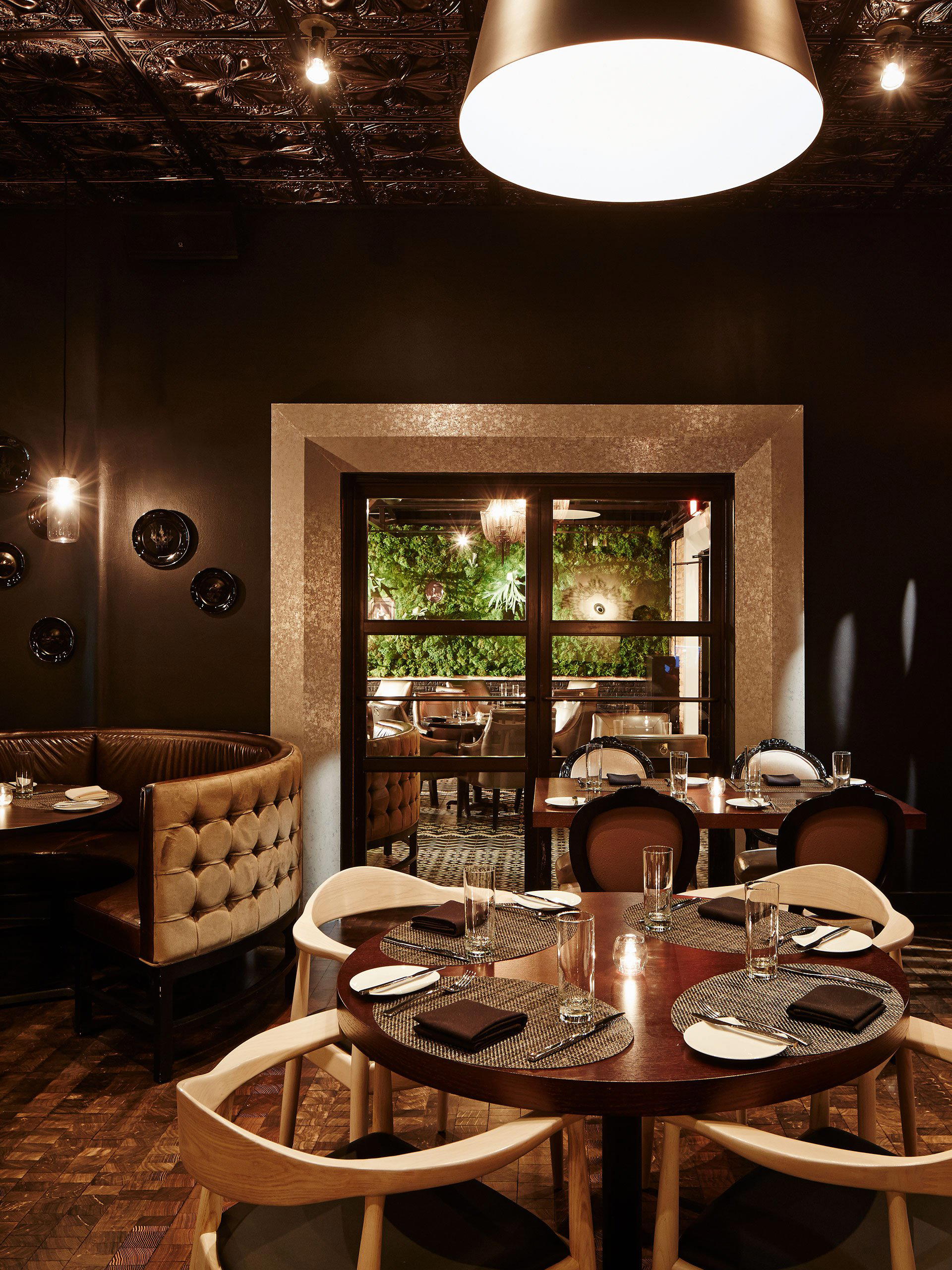
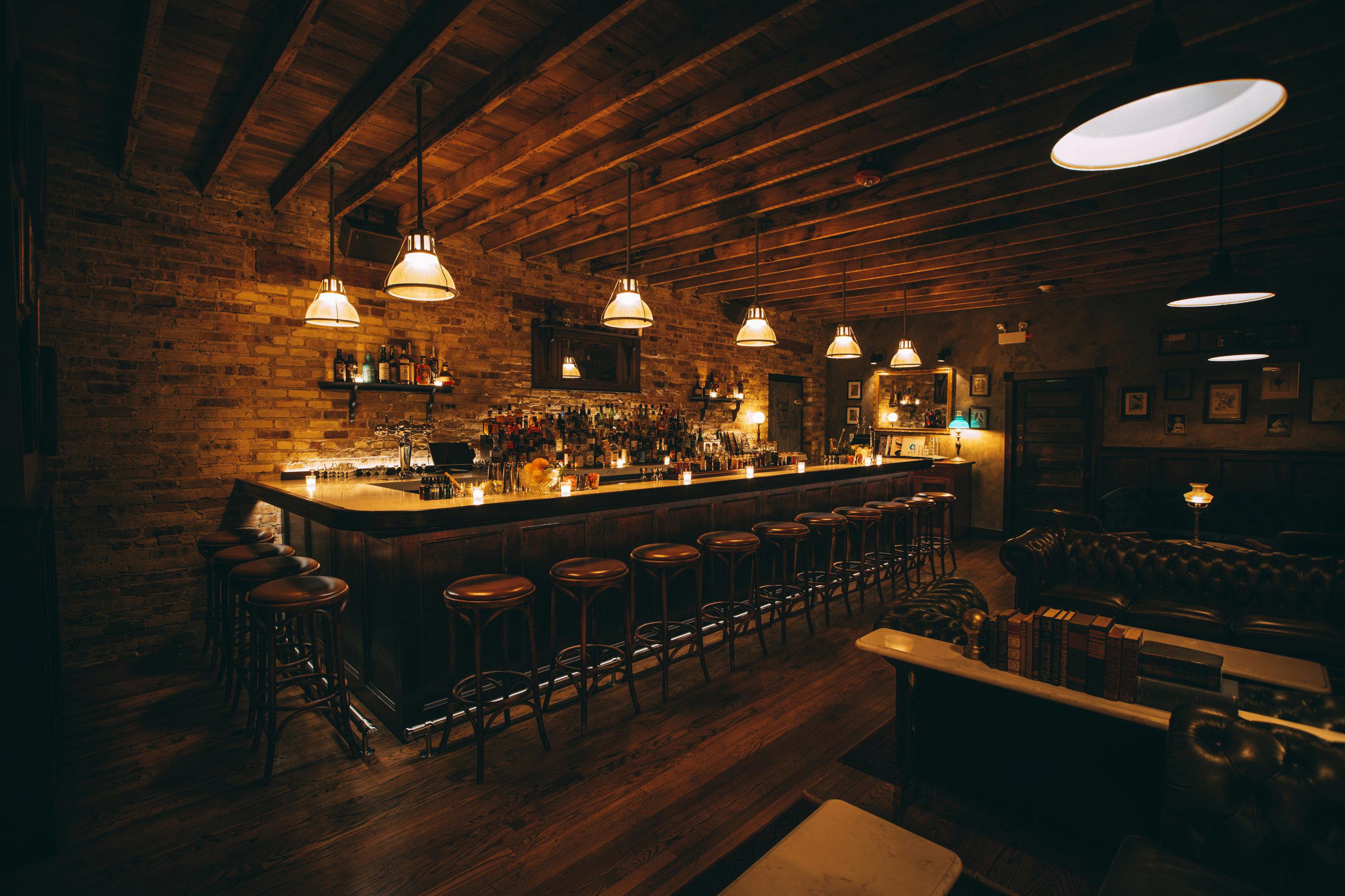
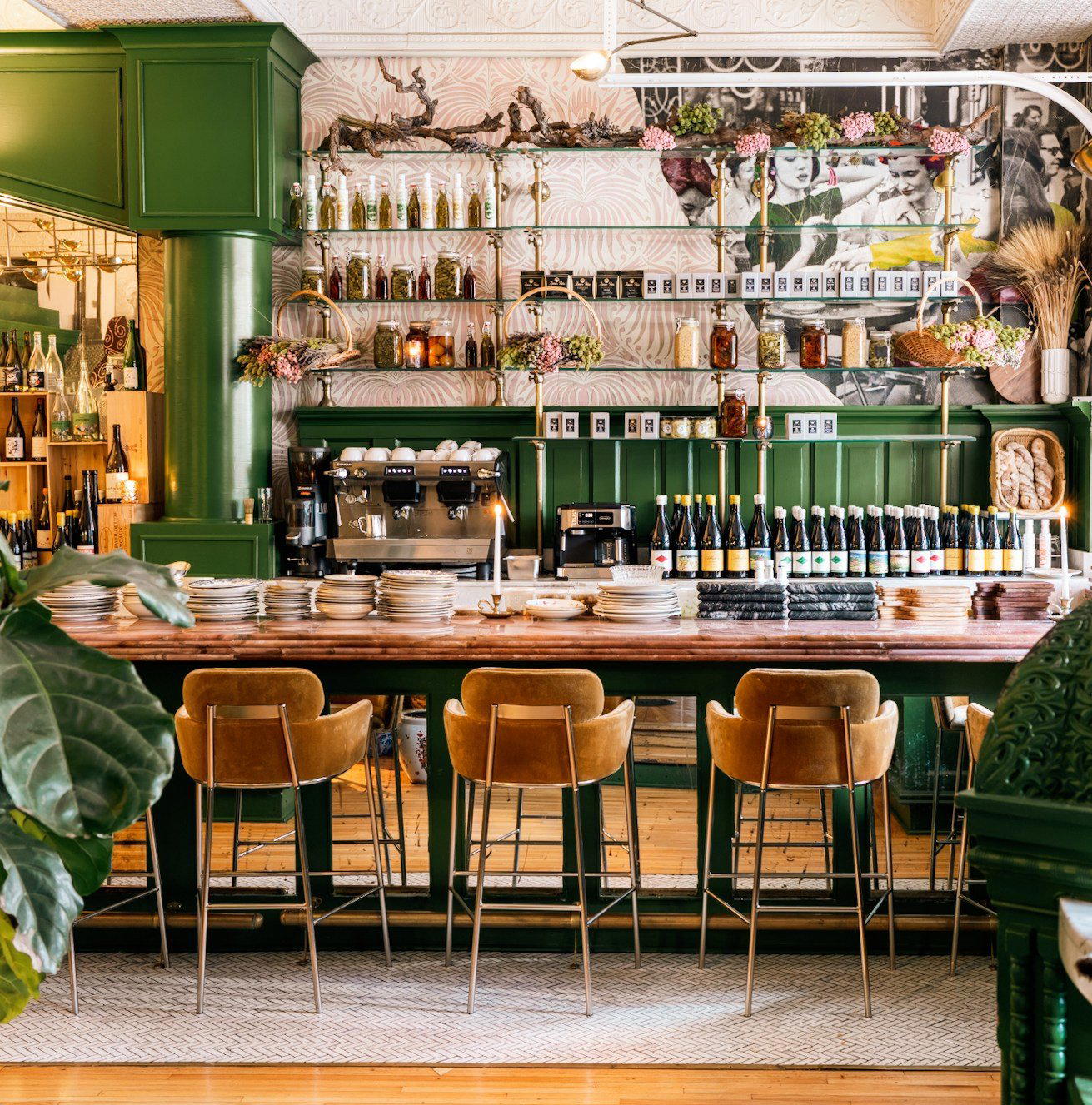
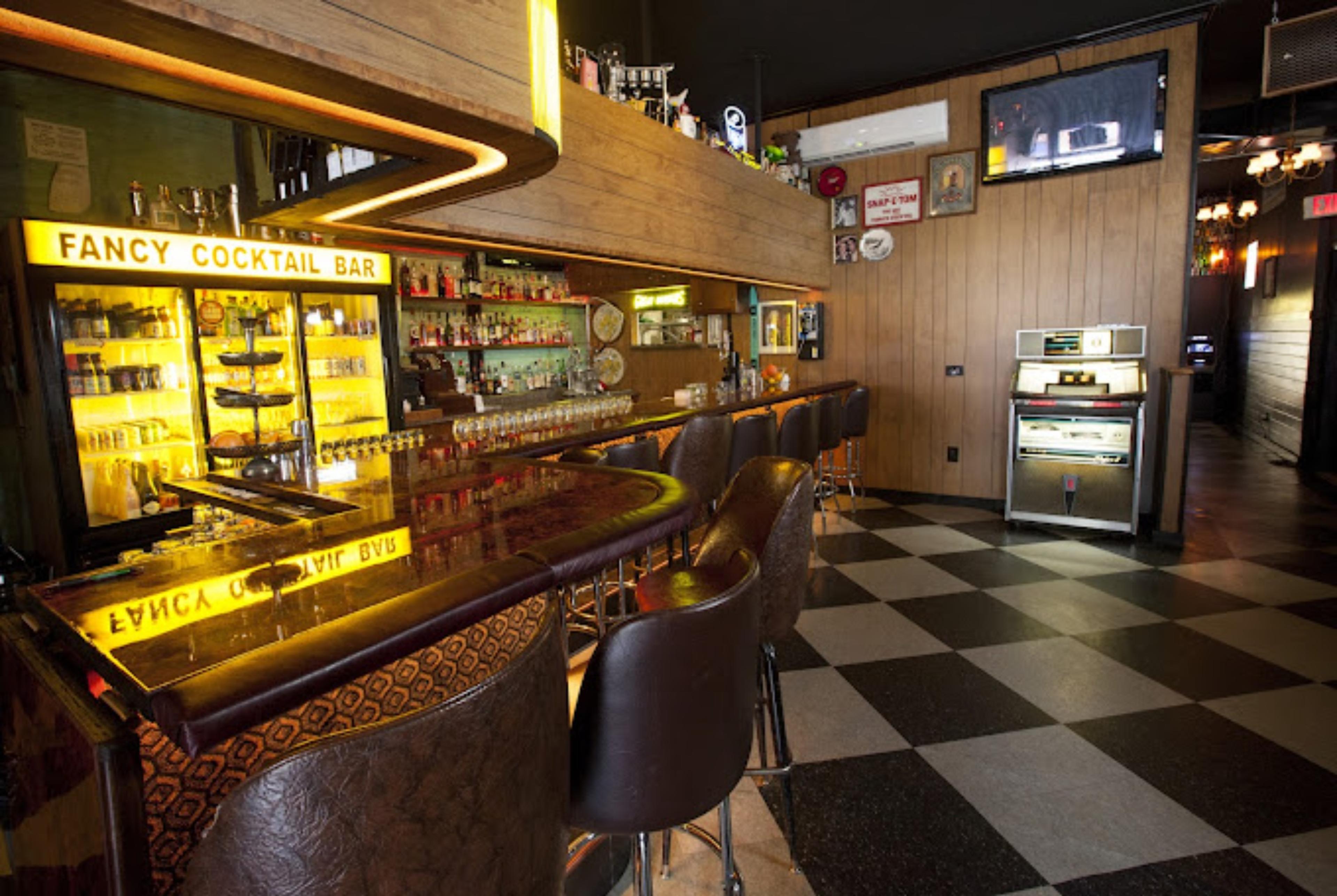
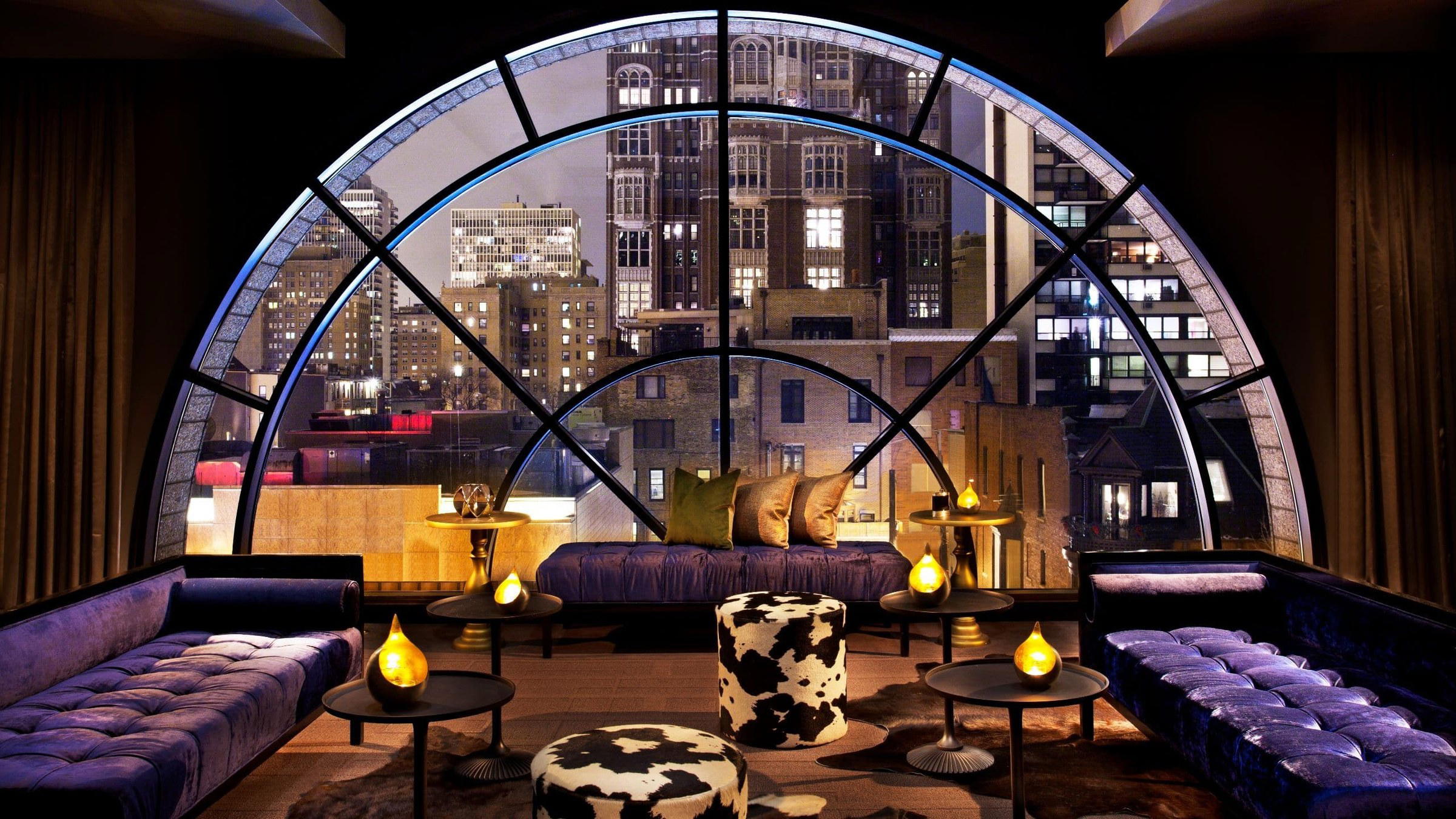
Dim, clean lighting with royal blue velvet banquettes, vintage chairs, and art deco romance creating a sexy-supper club feel.