Texas Spice
Texas Spice at 555 S Lamar St occupies a specific niche in Dallas dining where Southern comfort traditions meet considered menu architecture. Compared to Fearing's high-end Southwestern showmanship or the austerity of Tei-An's soba counter, Texas Spice positions itself as a broader-canvas American kitchen with regional character. Visitors booking downtown Dallas should factor it into the same planning window as 360 Brunch House and 3Eleven Kitchen and Cocktails.
 Discover on Pearl
Pearl is the En Primeur Club membership app — saves, bookings, and concierge access live there. Same editors, same standards.
- Address
- 555 S Lamar St, Dallas, TX 75202
- Phone
- +12146524810
- Website
- omnihotels.com
Reading the Room on South Lamar
The address at 555 S Lamar St places Texas Spice squarely in Dallas's downtown corridor, a stretch where the dining options split between hotel-adjacent formality and independently driven kitchens built around a strong regional point of view. That location matters because it shapes the room's energy: downtown Dallas diners trend toward business travelers, pre-theater tables, and hotel guests making a deliberate choice to eat somewhere other than room service. A restaurant operating in that context either plays it safe with a legible international menu or commits to a specific culinary argument. The name Texas Spice signals the latter, at least in intent.
How that intent translates to the plate is where Dallas's broader dining scene becomes useful as a reference frame. The city's higher-end American kitchens have moved in two directions over the last decade. One camp, anchored by Fearing's with its four-dollar-sign Southwestern positioning, leans into provenance theater: local ranches named on the menu, dry-aged beef programs, and Southwestern spice profiles treated as fine-dining material. The other camp, represented by Italian-leaning rooms like Mamani, imports a European framework and adjusts for local tastes. Texas Spice, at least by name and address, suggests a third path: a genuinely regional American kitchen that treats the flavors of Texas as a serious culinary vocabulary rather than a marketing backdrop.
Menu Architecture as Argument
The most revealing thing about any restaurant operating in a category like "American with regional character" is not what it puts on the menu, but how it organizes what it puts there. Menu architecture, the sequencing of courses, the balance between familiar anchors and more ambitious compositions, tells you more about a kitchen's confidence and self-awareness than any single dish. A menu that leads with accessible comfort and builds toward technical complexity signals one kind of kitchen; a menu that front-loads its most challenging preparations signals another.
Dallas has a useful range of reference points for this. 12 Cuts Brazilian Steakhouse operates on the rodizio model, where abundance and sequence are the architecture, every cut arriving on a skewer in an order determined by fat content and cut weight. Tatsu Dallas runs a Japanese framework where the omakase structure does the editorial work, leaving the diner to simply receive. Texas Spice operates in neither of those modes. An American kitchen with regional ambition typically presents a la carte, which means the architecture is a suggestion rather than a directive, and the reader, the diner choosing between a starter and a main, does as much structuring work as the kitchen. That format rewards menus with strong internal logic: dishes that cohere as a set even when ordered individually.
At the national level, the restaurants that have solved this problem most convincingly tend to pair a la carte flexibility with a short, tightly edited list. Le Bernardin in New York City and Providence in Los Angeles both demonstrate how restraint in menu length forces the kitchen to commit fully to every item rather than hedging with volume. Lazy Bear in San Francisco and Alinea in Chicago take the opposite approach, using fixed progression as the organizing principle. Texas Spice sits somewhere in the American mainstream between those poles, where the regional identity of the food does some of the structural work that format does elsewhere.
Where Texas Spice Sits in the Dallas Tier
Across the city's restaurant spectrum, the tier below Fearing's four-dollar-sign pricing and above the casual barbecue counters like 3Eleven Kitchen and Cocktails is where American kitchens with regional ambition tend to operate. Cattleack Barbeque occupies the two-dollar-sign barbecue category with a devoted local following; Tei-An's izakaya format at four dollar signs draws a different kind of diner entirely. Texas Spice's South Lamar address suggests it is aimed at the middle of that range, accessible enough to serve as a reliable downtown option but with enough culinary specificity to hold the attention of diners who have a choice.
That positioning is worth taking seriously because Dallas has, over the past several years, developed a more sophisticated dining culture than its national reputation sometimes reflects. The city that once exported steakhouse culture as its primary culinary identity now sustains Japanese counters running at Tatsu Dallas price points, European-influenced rooms, and a barbecue scene with genuine depth. A restaurant called Texas Spice operating in 2024 inherits that expanded context, which means the "Texas" in the name has to carry more weight than it would have a decade ago. Diners who have eaten at The French Laundry in Napa, Blue Hill at Stone Barns in Tarrytown, or Addison in San Diego bring those reference points to the table.
The Regional American Kitchen in National Context
The restaurants that have done most to define what serious American regional cooking looks like at the upper end of the market share a few structural features. They source with specificity, naming producers rather than just regions. They treat local ingredient seasonality as a menu constraint rather than a marketing point. And they build beverage programs that complement rather than overshadow the food. Single Thread Farm in Healdsburg, Emeril's in New Orleans, and The Inn at Little Washington in Washington all operate within that framework. The question for any regional American kitchen is how much of that discipline it can sustain while remaining genuinely accessible to a broad downtown audience. Atomix in New York City and 8½ Otto e Mezzo Bombana in Hong Kong demonstrate that format discipline and accessibility are not mutually exclusive, though both operate at price points and with kitchen resources that are difficult to replicate at a broader-appeal downtown address.
Texas Spice's name plants a flag in regional identity. Whether the menu delivers on that signal is the central question for any first-time visitor.
Planning Your Visit
How Texas Spice Compares to Nearby Options
| Venue | Category | Price Tier | Leading For |
|---|---|---|---|
| Texas Spice | American Regional | Not confirmed | Downtown dining with regional character |
| Fearing's | Southwestern, American | $$$$ | High-end Southwestern with full production |
| Mamani | Italian-influenced | Not confirmed | European-leaning, locally grounded |
| 360 Brunch House | Brunch/All-day | Not confirmed | Daytime, casual format |
| 3Eleven Kitchen and Cocktails | American, Cocktails | Not confirmed | Drinks-forward with kitchen support |
The Quick Read
Comparable venues nearby, for context on price, style, and recognition.
| Venue | Cuisine | Price | Notes |
|---|---|---|---|
| Texas SpiceThis venue — the venue you are viewing | $$ | ||
| Buzzbrews Kitchen | $$ | Deep Ellum, American Diner with Breakfast All Day | |
| Lockhart Smokehouse BBQ | Bishop Arts District, Central Texas BBQ | $$ | |
| The Market Cafe at Bonton Farms | Bonton, Farm-to-Table American Cafe | $$ | |
| Black Tap - Dallas | Victory Park, Craft Burgers & Beer | $$ | |
| Oddfellows | $$ | Bishop Arts District, Classic American Cafe |
Continue exploring
More in Dallas
Restaurants in Dallas
Browse all →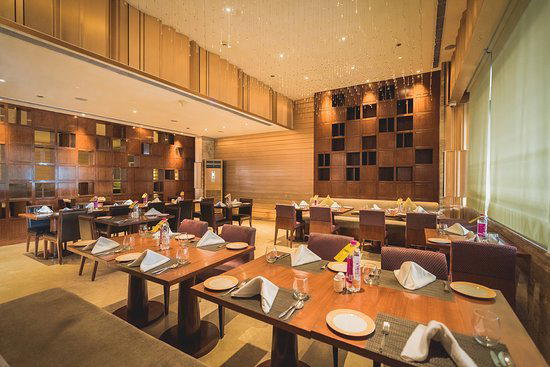
Bars in Dallas
Browse all →
Hotels in Dallas
Browse all →
At a Glance
- Rustic
- Casual
- Cozy
- Brunch
- Casual Hangout
- Business Dinner
- Family
- Celebration
- Hotel Restaurant
- Private Dining
- Beer Program
- Farm To Table
- Local Sourcing
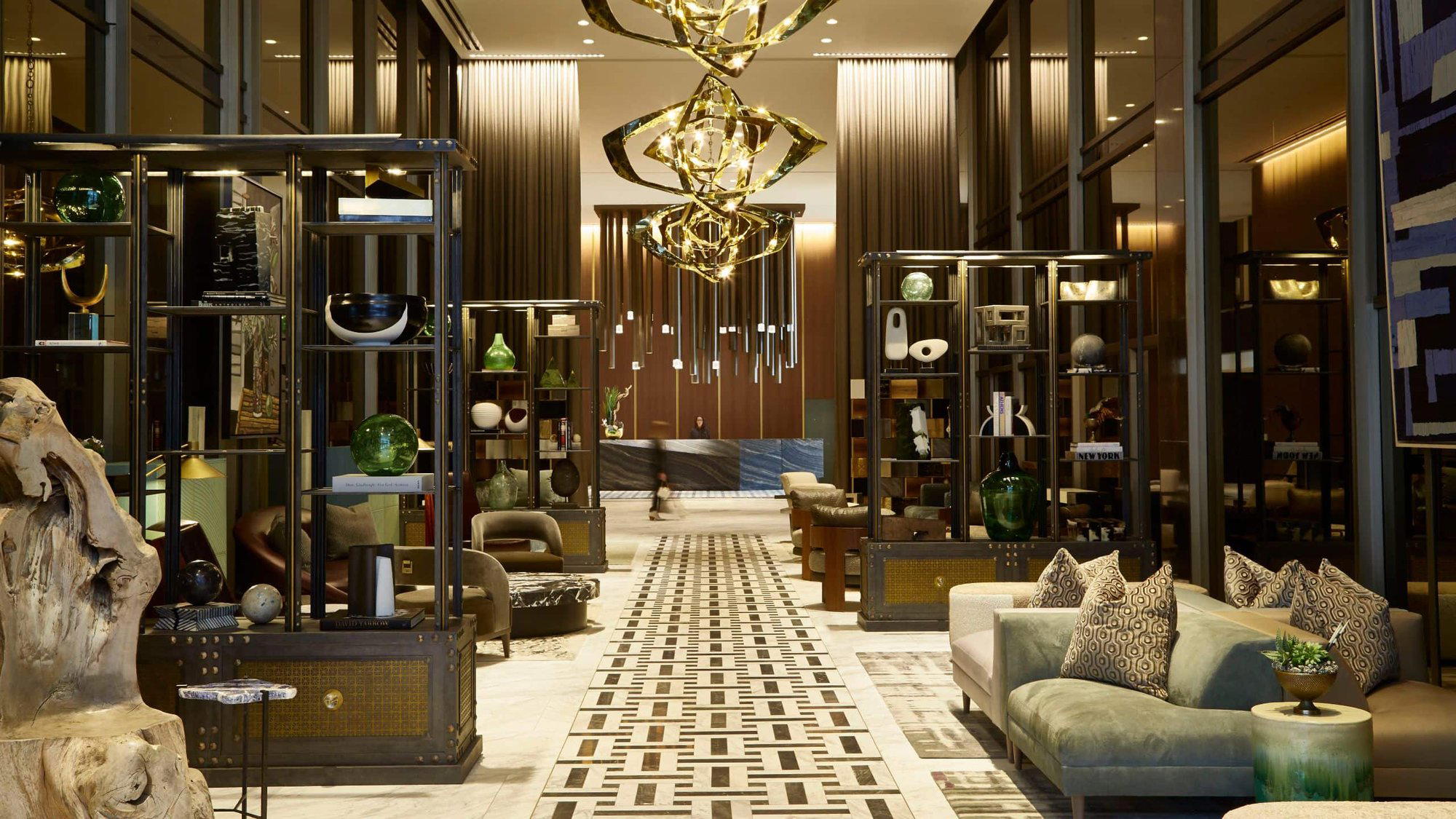
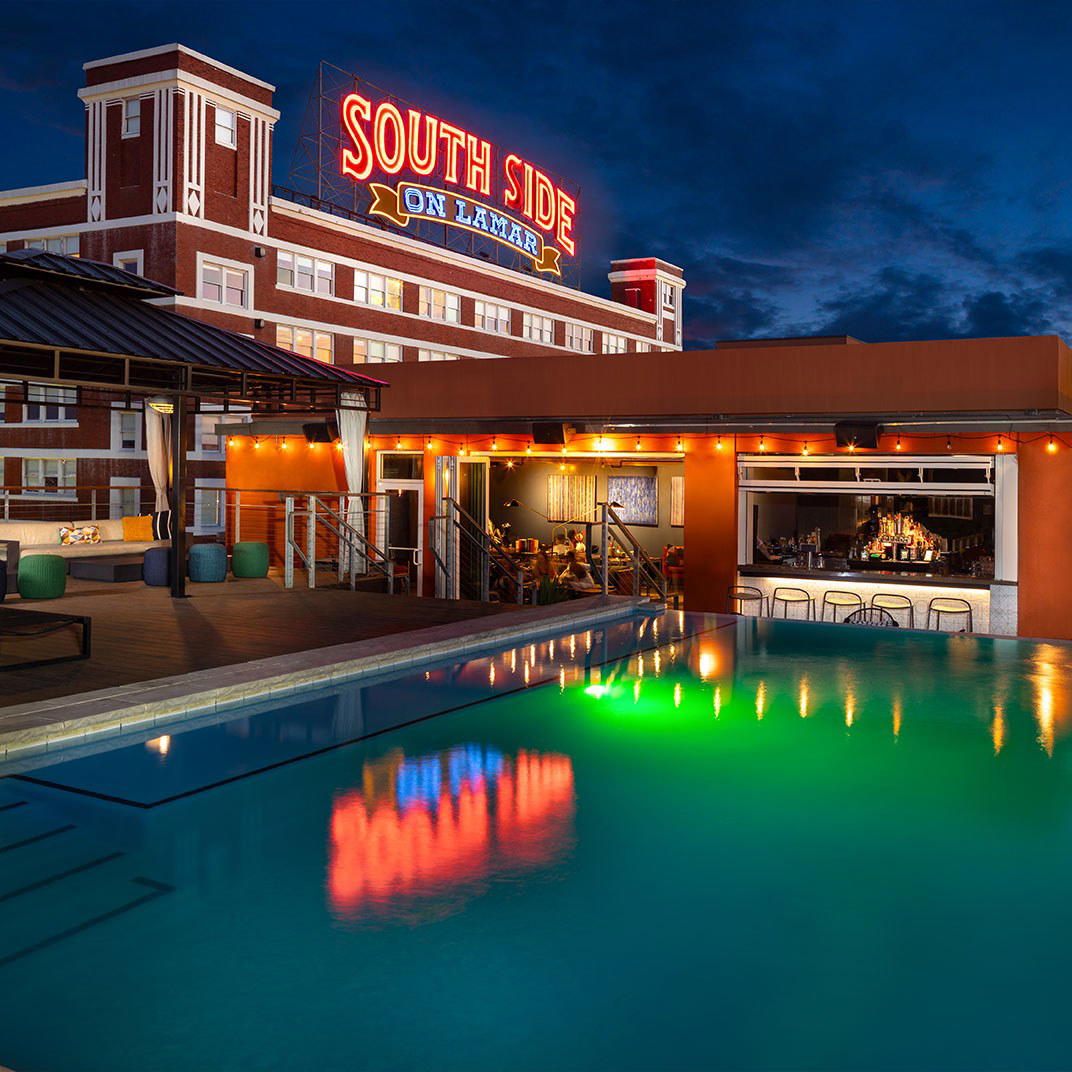
Rustic and casual with warm, home-cooked atmosphere; red brick walls and wood details create an inviting, comfortable dining environment.