Lockhart Smokehouse BBQ
Lockhart Smokehouse BBQ on West Davis Street plants Central Texas pit tradition firmly inside Dallas's Bishop Arts District. The menu is organized around the logic of the smokehouse counter, brisket, ribs, and sausage sold by the pound, with sides as supporting structure rather than afterthought. For Dallas diners moving between price tiers from neighborhood spots to destinations like Tei-An or Fearing's, this is where the city's BBQ identity gets its clearest statement.
Pearl is the En Primeur Club membership app — saves, bookings, and concierge access live there. Same editors, same standards.
- Address
- 400 W Davis St, Dallas, TX 75208
- Phone
- +1 214 944 5521
- Website
- lockhartsmokehouse.com
- Directions
- Get directions
 Saves & bookings on Pearl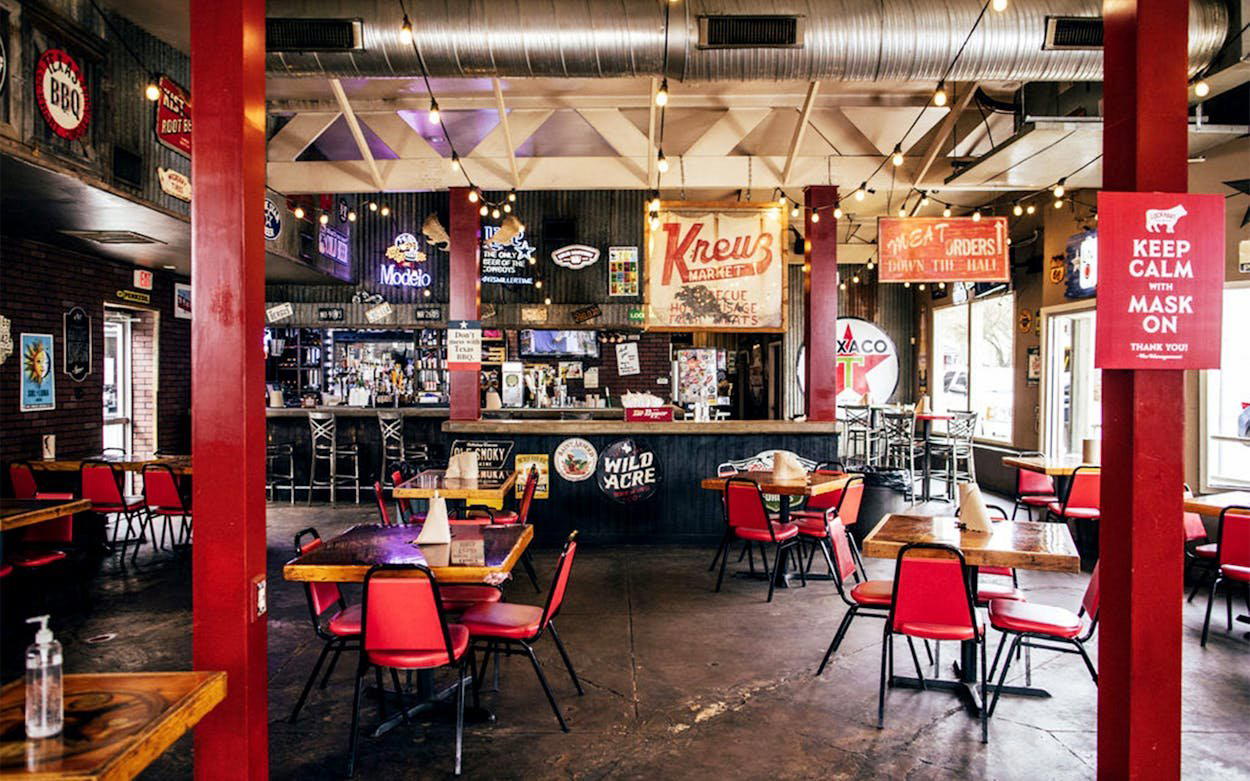
Where Smoke Meets Street: The Bishop Arts Setting
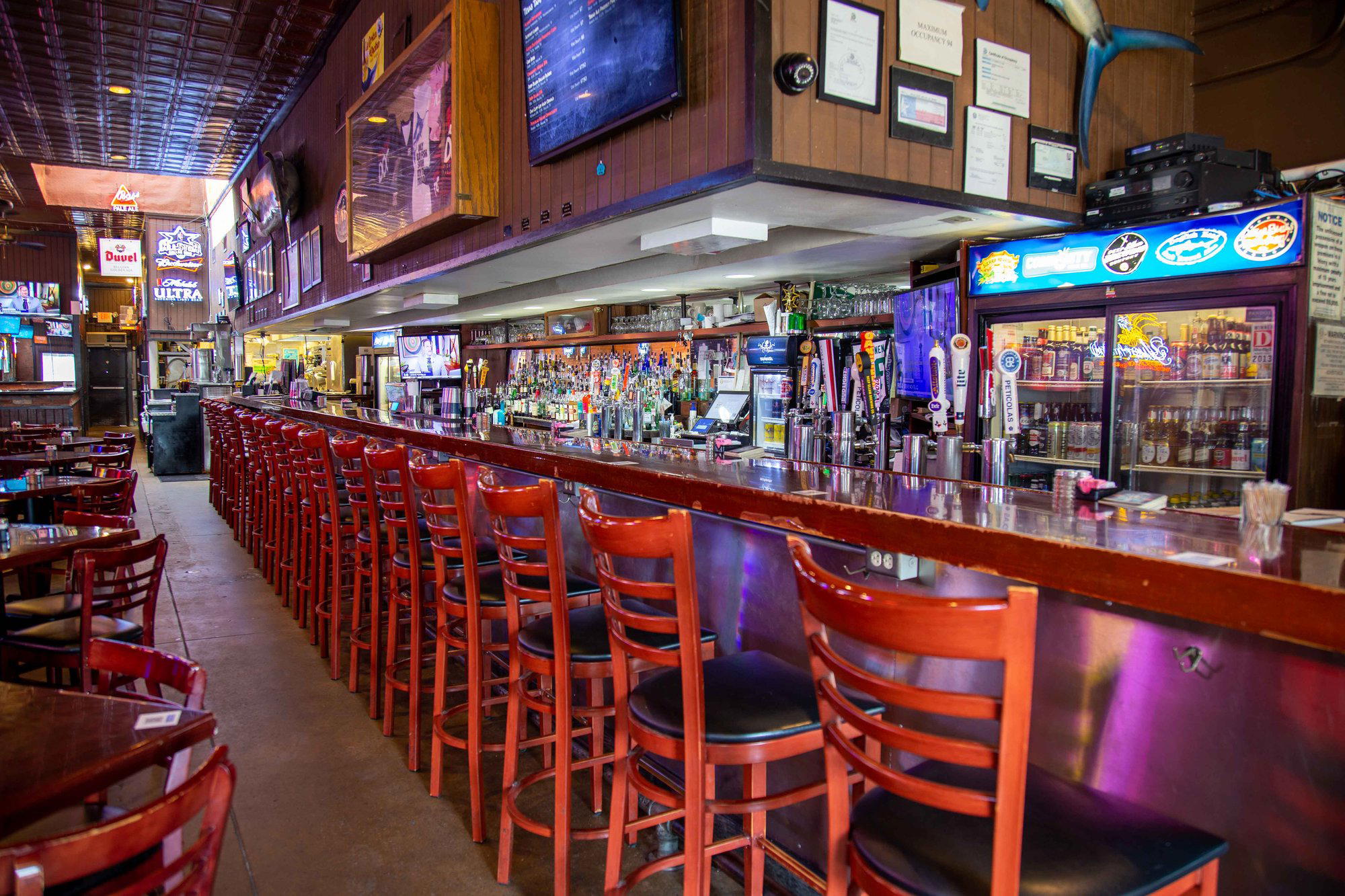
West Davis Street in the Bishop Arts District runs at a different register than Uptown or the Design District. The storefronts are smaller, the foot traffic moves slower, and the businesses that last tend to carry a point of view rather than a concept. At 400 W Davis St, Lockhart Smokehouse BBQ occupies that neighborhood logic completely. Approaching from the street, the cues are olfactory before they are visual: oak smoke carries from the pits before you read the signage. Inside, the format is spare and deliberate, a counter, a board, the kind of room that signals the food has nothing to prove beyond what arrives on the tray.
The Bishop Arts District has become one of Dallas's more reliable corridors for independent restaurants. It sits alongside venues like Mamani and 360 Brunch House, which collectively give the neighborhood a range that runs from weekend brunch formats through to dinner destinations. Lockhart occupies the daytime and early-evening end of that range, structured around service hours that track the smokehouse tradition rather than a conventional dinner-service model.
The Anatomy of a Smokehouse Menu
The editorial angle here is the menu architecture itself, because in Central Texas BBQ tradition, how a menu is organized tells you exactly what the kitchen believes. Lockhart Smokehouse takes the Lockhart, Texas model, the small city south of Austin that gave rise to Black's, Kreuz Market, and Smitty's, as its structural template. That means the counter is the transaction point, meats are sold by the pound, and the sides occupy a secondary tier that serves the meat rather than competing with it.
This architecture carries real information. A menu that sells by the pound is a confidence statement: the kitchen is not obscuring portion size inside a plated presentation, and the pricing is transparent by weight rather than by dish. It also implies a specific pit discipline. Brisket sold by the pound only works if the product is consistent across the whole cut, which requires time management at the smoker that plated service does not demand in the same way. The choice to organize a menu this way is a technical commitment as much as a stylistic one.
Central Texas pit tradition in this format places the brisket, specifically the fatty end, at the apex of the menu hierarchy. Ribs and sausage (often house-made in the Lockhart, Texas style, which runs toward coarse grind and high black pepper) function as lateral moves rather than upgrades or downgrades. Sides like beans, coleslaw, and potato salad are present not as filler but as acid and fat counterweights to the smoke and protein concentration of the main cuts. Dallas diners who arrive from a dinner-service mindset and expect sides to anchor the meal are reading the menu backward.
For context, Pecan Lodge, operating in the same city, has built a national profile and consistent weekend lines. The two venues share a similar pit-forward philosophy, though they serve different neighborhoods and have developed different followings. Within the broader Dallas dining spectrum, both sit well below the price points of Tatsu Dallas or 3Eleven Kitchen and Cocktails, and they operate by entirely different hospitality logic.
Dallas BBQ in National Context
Texas BBQ as a category has undergone significant critical reappraisal over the past decade. What was once treated as regional comfort food now draws the kind of analytical attention that fine-dining formats receive, discussions of wood selection, smoke ring depth, rest times, and fat rendering technique that would feel at home in conversations about kitchens like Smyth in Chicago or Lazy Bear in San Francisco, even if the dining contexts are entirely different. That shift matters for how a visitor should approach Lockhart Smokehouse: not as casual eating in contrast to serious dining, but as a format with its own technical depth and evaluative criteria.
The venues in the Central Texas tradition are distinct from the sauced, competition-circuit BBQ that dominates other regions. The absence of sauce as the primary flavor vehicle is itself a structural choice. When a kitchen removes sauce from the equation, the smoke, the salt, and the fat carry all the weight. That is a harder technical standard to meet consistently than formats where sauce can compensate for variation in the meat.
Dallas sits at an interesting intersection in this context. It is close enough to Austin and the Hill Country to have absorbed Central Texas pit influence, but large enough as a city to support a broader restaurant culture that runs from neighborhood smokehouse counters through to the kind of technically ambitious tasting menus you would compare to Le Bernardin in New York City or The French Laundry in Napa. Within that range, a venue like Lockhart Smokehouse occupies a position that is accessible by price but demanding by format: you need to arrive at the right time, understand the counter system, and make decisions before you see a plate.
Planning Your Visit
The smokehouse format at Lockhart dictates its own logistics. Service runs from late morning until the meat sells out, which means the selection narrows and quality can shift later in the afternoon. Arriving earlier in the day on weekends gives access to the full cut range and avoids the lines that build through the lunch hour. The Bishop Arts District is walkable from DART's Dallas streetcar line, and street parking along Davis and the adjacent residential streets is available. The ordering format is counter service, with seating inside and additional outdoor capacity that makes the format workable for groups who want to split a pound across multiple cuts. For visitors building a broader Dallas itinerary, pairing Lockhart Smokehouse with an evening reservation at a neighborhood dinner spot such as Mamani gives a clean arc across the district's range. See our full Dallas restaurants guide for the broader picture across neighborhoods and price tiers.
The Essentials
Comparable venues nearby, for context on price, style, and recognition.
| Venue | Cuisine | Price | Notes |
|---|---|---|---|
| Lockhart Smokehouse BBQThis venue — the venue you are viewing | Bishop Arts District, Central Texas BBQ | $$ | Not listed |
| Derby Dallas | Not listed | $$ | Stemmons Corridor, Modern Southern Comfort American |
| Origin Kitchen + Bar | Not listed | $$ | Knox-Henderson, Seasonal American Healthy |
| Smoky Rose | Not listed | $$ | East Dallas, Texas BBQ with Chef-Driven Refinement |
| City Cafe | Devonshire, American Comfort Food | $$ | Not listed |
| Dream Cafe Lakewood | Caruth Terrace, American Eclectic Cafe | $$ | Not listed |
At a Glance
- Rustic
- Lively
- Classic
- Casual Hangout
- Group Dining
- Family
- Late Night
- Open Kitchen
- Beer Program
Current opening hours
- Monday
- 11 AM–9 PM
- Tuesday
- 11 AM–9 PM
- Wednesday
- 11 AM–9 PM
- Thursday
- 11 AM–9 PM
- Friday
- 11 AM–10 PM
- Saturday
- 11 AM–10 PM
- Sunday
- 11 AM–9 PM
Hours can change for holidays and private events. Last verified .
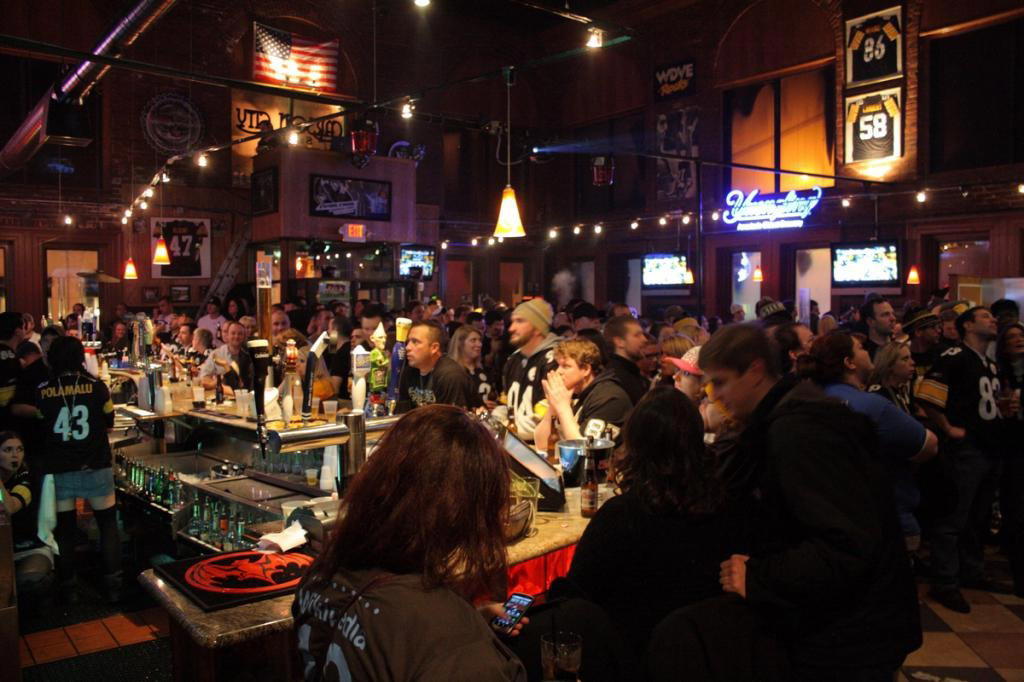
Casual, energetic atmosphere with big-city buzz and the smoky aroma of traditional Texas BBQ pits.