
Teuchi Soba Noda places hand-cut buckwheat noodles inside Osaka’s quieter specialist dining tier, away from the city’s louder takoyaki-and-kushikatsu shorthand. Its Tabelog 100 Soba WEST 2025 selection, compact counter-and-table format, and low JPY price band make it a precise pick for diners who care about craft without building a whole night around ceremony.
Pearl is the En Primeur Club membership app — saves, bookings, and concierge access live there. Same editors, same standards.
- Address
- 14-5 Matsuzuka, Katano, Osaka 576-0043, Japan
- Phone
- +81 72-892-2301
- Website
- tabelog.com
 Saves & bookings on Pearl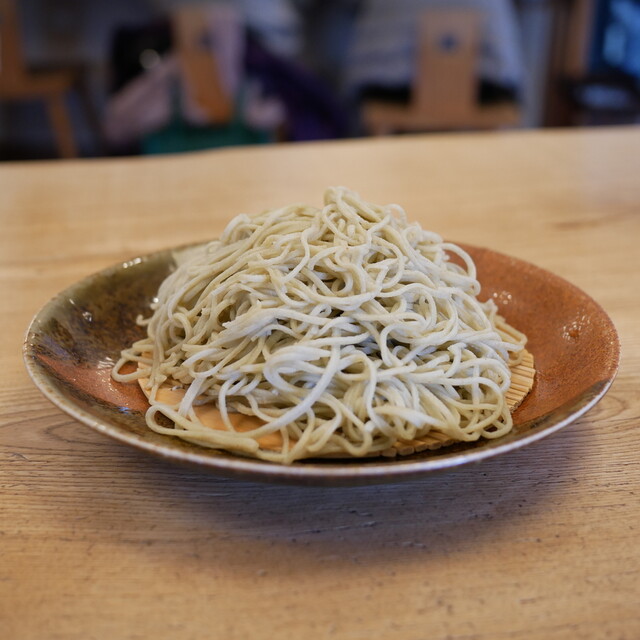
The room reads small before the meal begins: counter seats, a few tables, and the quiet concentration typical of serious soba shops rather than Osaka’s neon-fed food corridors. That scale matters. Hand-cut soba is not a cuisine of spectacle; it rewards attention to pacing, temperature, texture, and the shift from noodles to broth to the final pour of soba-yu. Teuchi Soba Noda belongs to that disciplined side of Kansai dining, where the experience is closer to a measured sequence than a parade of dishes.
Osaka is often flattened into street-food shorthand, but the city’s noodle culture has several registers. Udon houses tend to dominate the conversation because Kansai broth is part of the region’s daily vocabulary. Soba, with its stronger association to eastern Japan and mountain buckwheat regions, occupies a narrower lane here. That makes a serious soba counter in Katano more interesting: it asks the diner to leave the central-city grazing circuit and consider a quieter, craft-led format on its own terms.
A soba meal built on progression, not excess
The appeal of this style is cumulative. A soba meal usually begins with the simplest reading of the noodle, then moves through dipping sauce, condiments, side dishes, and warm broth or hot-pot formats when offered. The point is not abundance. It is calibration: how the noodle carries fragrance, how the dipping sauce frames salinity, how the end of the meal changes once the cooking water softens the remaining tsuyu. In that sense, the tasting progression is understated but complete.
Teuchi Soba Noda’s public details support that reading. The restaurant is listed as soba, with attention also given to sake and shochu, so the meal can sit either as a solo noodle stop or a more extended evening. Dinner courses are part of the format when arranged in advance, including soba paired with hot-pot styles such as duck, anago, and a seasonal oyster version from November to March. Those courses point to a broader Japanese pattern: soba shops often function as casual lunch rooms by day and slower drinking-and-noodle rooms by night.
The 2025 Tabelog 100 Soba WEST selection gives the shop a clear trust signal within western Japan’s soba category. It is not an imported luxury frame or a chef-driven tasting-menu claim; it is category recognition for a specific craft. The selection history also reaches back through multiple years, including 2024, 2022, 2021, 2018, and 2017, which matters in a genre where consistency carries more weight than novelty.
Why Katano changes the read
Location shapes expectations. Central Osaka dining often compresses decisions: a train station basement, a department-store floor, a Dotonbori queue, a late-night counter. Katano sits outside that pressure, and the setting changes the value equation. A small soba room here competes less with tourist momentum and more with local repeatability, which is often the better test for a noodle specialist.
The price band also separates this address from the premium omakase logic that now defines much of Japanese dining for visitors. Menroku menroku, Soba Kiri Tensho, and Ue o Muite sit in a similar JPY 1,000 to JPY 1,999 bracket, showing how serious noodle work in Osaka can remain financially modest while still earning category attention. That bracket is part of the pleasure: the money is not buying theatrical service or rare ingredients so much as a focused bowl, a restrained room, and a format that does not need to announce itself.
There is a useful distinction between soba as lunch and soba as evening structure. At lunch, the meal can be direct: noodles, sauce, exit. At night, the same craft can stretch around sake, shochu, hot pot, and small-group pacing. Teuchi Soba Noda’s 16-seat scale, with counter seating among the layout, keeps both modes intimate. It also means the room is not built for large-party sprawl, even though private use is possible for larger groups within the stated format.
Where it fits in a broader Osaka itinerary
This is not the Osaka meal to choose for noise, speed, or maximal variety. It is the one to choose when the day needs a quieter anchor, especially after several meals built around frying, grilling, or department-store grazing. The stronger comparison is with other craft specialists rather than with full-service destination dining: a bakery like 52CHO-ME BAKERY, a cafe stop such as .cafe, or a casual Osaka staple like 551 Horai (551蓬莱) each answers a different part of the city’s eating rhythm.
For travelers building a wider food map, the contrast is useful. 99 Pizza Napoletana Gourmet and a canto (Italian) show Osaka’s appetite for imported formats handled with Japanese precision, while soba remains rooted in a domestic craft language. Broader planning belongs in Our full Osaka restaurants guide, with parallel context from Our full Osaka hotels guide, Our full Osaka bars guide, Our full Osaka wineries guide, and Our full Osaka experiences guide.
Seen nationally, the appeal also sits within Japan’s broader specialist-casual tier: narrow formats, modest checks, and high repeat value. For contrast across the country and beyond, compare it with -Grilled beef Sukiyaki- KAMAKURA TANUKIAN 鎌倉 たぬき庵 in Kamakura. 鮪と炭火焼き うお炭 秋葉原店 in Tokyo.know in Kumamoto, (Shoku) Vietnam in Kawasaki, [Curry Senmon Ten] Maruyama Kyoju. in Sapporo, [ki:] in Kyoto, Jōdo Saké Bar in Los Angeles, and Onigiri Time in Pasadena. The thread is not cuisine similarity; it is the modern diner’s preference for focused formats that do one thing with conviction.
The critical case for the restaurant is therefore simple: it gives Osaka visitors a low-drama way into hand-cut soba, backed by repeated Tabelog category recognition and a room small enough for the craft to remain visible. It is better treated as a precise meal in a wider Kansai itinerary than as a trophy reservation. That is exactly why it works.
- 100% buckwheat soba
- duck tsuke soba
- soba and duck hot pot course
- soba and anago hot pot course
- soba and oyster hot pot course
- wakame rice
Pricing, Compared
Comparable venues in the metro at similar price points.
| Venue | Cuisine | Price | Notes |
|---|---|---|---|
| Teuchi Soba NodaThis venue — the venue you are viewing | Katano City, Traditional Hand-made Soba | $$ | Not listed |
| Datedachi | Chūō, Stand-up Yakitori & Izakaya | $$ | Not listed |
| Fukutarou Honten | Chūō, Osaka okonomiyaki & teppanyaki | $$ | Not listed |
| Konamon Dokoro Mitsukuni Ura nanba ten | Not listed | $$ | Chūō, Premium Okonomiyaki & Creative Monjayaki |
| curry condor | Nishi, Modern Japanese spice curry | $$ | Not listed |
| Soba Kiri Kamonohashi | Not listed | $$ | Higashisumiyoshi, Traditional Japanese Soba |
Recognition history
Dated appearances from independent guides and award organizations, with the underlying list record or original source where available.
Tabelog 100 #32 · No. 32
Tabelog · Tabelog 100 - Soba - WEST - 2025
Continue exploring
More in Osaka
Restaurants in Osaka
Browse all →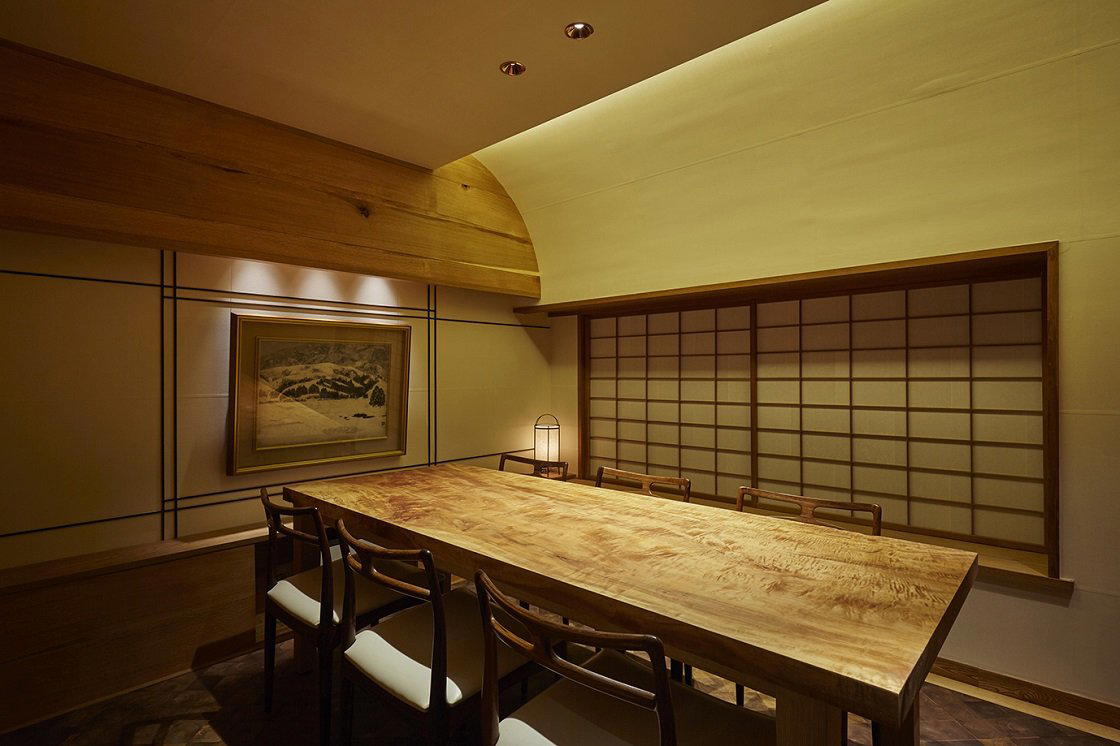


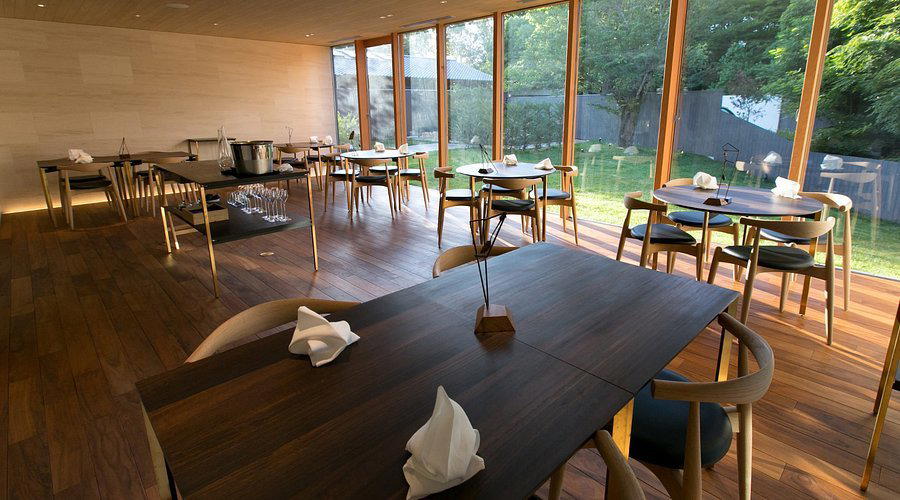

Bars in Osaka
Browse all →


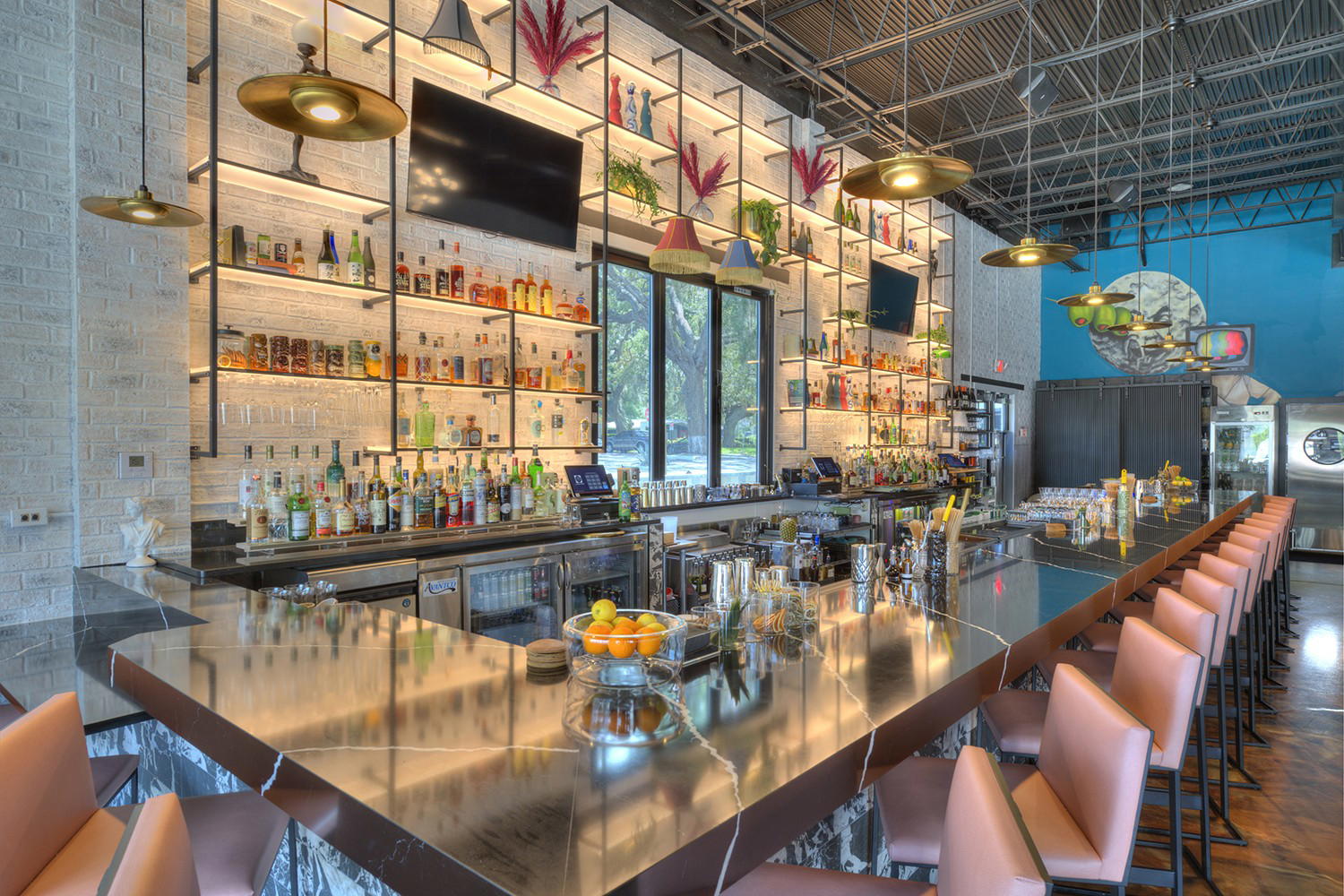

Hotels in Osaka
Browse all →



Wineries in Osaka
Browse all →
At a Glance
- Cozy
- Classic
- Intimate
- Solo
- Casual Hangout
- Group Dining
- Standalone
- Sake Program
Current opening hours
- Monday
- Closed
- Tuesday
- Closed
- Wednesday
- 11:30 AM–2:30 PM, 5:30–8 PM
- Thursday
- 11:30 AM–2:30 PM, 5:30–8 PM
- Friday
- 11:30 AM–2:30 PM, 5:30–8 PM
- Saturday
- 11:30 AM–2:30 PM, 5:30–8 PM
- Sunday
- 11:30 AM–2:30 PM, 5:30–8 PM
Hours can change for holidays and private events. Last verified .
Small, 16-seat non-smoking soba shop with counter and communal tables, giving a cozy, classic neighborhood feel where guests enjoy quiet to conversational meals built around soba and seasonal hot pot courses.