
Osaka’s curry culture rewards small rooms with clear formats, and curry condor fits that pattern with an eight-seat counter, take-out service, and repeat selection in Tabelog’s Curry WEST 100. The Kitahorie setting matters: this is a compact Nishi Ward stop for diners who value tight execution over ceremony, with counter seating shaping the whole experience.
Pearl is the En Primeur Club membership app — saves, bookings, and concierge access live there. Same editors, same standards.
- Address
- Japan, 〒550-0014 Osaka, Nishi Ward, Kitahorie, 1 Chome−16−16 BM北堀江
- Phone
- +81 6-6648-8893
- Website
- tabelog.com
 Saves & bookings on Pearl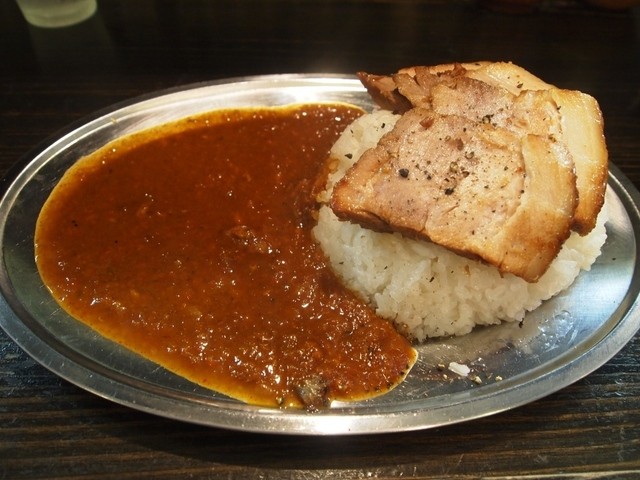
Kitahorie shifts the tempo of Osaka dining. Close to the city’s fashion and design orbit, the district’s small cafés, bakeries, patisseries, and counter restaurants often feel edited rather than theatrical. In that setting, curry condor reads as compression: eight counter seats, no private rooms, no large-table apparatus, and a curry format suited to solo dining or a quick meal with one companion.
That container matters in Osaka curry. The city’s curry scene is not only spice blends or rice plates; it is scale. Many serious curry rooms work by keeping the dining unit small, turning lunch or dinner into a focused counter exchange rather than a drawn-out performance. The useful comparison is not a high-ceremony Japanese room such as Ajikitcho Horieten, nor the broader sit-down rhythm of CHEDI LUANG Kitahorie honten or milpa. It is the compact urban food stop, where room, payment rhythm, and seating format push the meal toward speed, clarity, and repeatability.
An eight-seat counter in Osaka's compact curry tier
Counter-only dining has a particular logic in Japan. It removes distance between kitchen and guest, and also removes flexibility. Parties must fit the room, pacing depends on turnover, and the experience is closer to a workshop than a lounge. At curry condor, the eight-seat count places the restaurant in the small-format category where the counter is not decorative; it is the operating system.
The recognition supports that reading. Selection for Tabelog’s Curry WEST 100 in 2019, 2020, 2023, and 2024 places the restaurant within a regional curry conversation rather than a general Osaka dining list. Tabelog’s category-specific Hyakumeiten selections separate curry from the city’s better-known takoyaki, okonomiyaki, sushi, and kaiseki circuits. A score of 3.61 also signals established local traction, especially in a category where repeat diners and neighborhood regulars shape reputation more than destination tasting menus.
The design angle is constraint, not luxury. No private use, no private rooms, non-smoking, take-out available, and counter seating only create a narrow promise. The restaurant is built for diners who accept a small-room curry experience on its own terms. That makes it more specific than a casual fallback and less ceremonial than a formal reservation dinner. It belongs to the tier where value comes from focus, not breadth.
Kitahorie's design district gives the curry room its context
Kitahorie is a useful base for reading this kind of restaurant because the neighborhood favors compact, design-aware food spaces. A curry counter here shares the street-level grammar of coffee shops, bakeries, dessert rooms, and small independent dining rooms: limited footprint, strong identity, and guests moving between shopping, galleries, offices, or another stop nearby. That is why the area can support a room like this without making it a novelty.
For a broader Osaka day, the surrounding food map can bend casual or polished. Nearby-style planning might pair curry with coffee at .cafe, bread at 52CHO-ME BAKERY, or a citywide comfort-food reference such as 551 Horai (551蓬莱). For a longer itinerary, Osaka also stretches toward Italian at a canto (Italian) or pizza at 99 Pizza Napoletana Gourmet. The point is range: Osaka’s casual dining strength is the density of sharply defined rooms across neighborhoods, not a single dish category.
Within that density, curry condor occupies a narrow lane. It is not competing with dessert counters such as patisserie accueil or sub-¥999 stops such as GUFO on price alone, and it does not share the larger meal arc of CHEDI LUANG Kitahorie honten. Its competitive set is the small Osaka counter where reputation is earned through a repeated, category-specific format. The Tabelog Curry WEST 100 selections make that positioning legible for travelers who cannot read local queues, language cues, or neighborhood chatter from outside.
How to fold it into an Osaka food itinerary
Use a room like this as a focused curry stop, not the anchor for a long evening. Reservations are unavailable, the seating count is tight, and the format favors smaller parties. That does not make it difficult in the luxury-dining sense; it makes it timing-dependent and compact. Solo diners and pairs fit better than groups, and take-out gives the restaurant another practical lane when the counter is full.
Payment is part of the experience. Cash-only dining remains common at small Japanese restaurants, and here cards, electronic money, and QR payments are not accepted. For visitors moving through Osaka with transit cards and international credit cards, that is not incidental. It changes the planning threshold: carry yen, expect a compact counter, and treat the meal as a precise stop rather than a lingering reservation.
Travelers building a wider city plan can use Our full Osaka restaurants guide for dining context, then cross-check the trip with Our full Osaka hotels guide, Our full Osaka bars guide, Our full Osaka wineries guide, and Our full Osaka experiences guide. For national contrast, Japan’s small-format dining culture runs through different categories, from [Curry Senmon Ten] Maruyama Kyoju. in Sapporo to [ki:] in Kyoto.know in Kumamoto, (Shoku) Vietnam in Kawasaki, -Grilled beef Sukiyaki- KAMAKURA TANUKIAN 鎌倉 たぬき庵 in Kamakura, and. 鮪と炭火焼き うお炭 秋葉原店 in Tokyo. Across the Pacific, the same appetite for concise Japanese food formats appears differently at Jōdo Saké Bar in Los Angeles and Onigiri Time in Pasadena.
The editorial case is simple: Osaka has many casual meals, but not every casual room has a defined point of view. A counter-only curry shop with repeat Tabelog Curry WEST 100 selection offers a clean read on the city’s small-format dining culture. Go for the discipline of the format, the Kitahorie context, and the way an eight-seat room can make curry feel less like convenience and more like a local specialty with its own rules.
Fast Comparison
Comparable venues for orientation by cuisine and category.
| Venue | Cuisine | Price | Notes |
|---|---|---|---|
| curry condorThis venue — the venue you are viewing | Modern Japanese spice curry | $$ | Not listed |
| Mizuno (美津の) | Traditional Osaka Okonomiyaki | $$ | Dotonbori |
| Haraiso Sparkle | Modern Japanese curry & katsu chazuke | $$ | Nishi |
| Kitahama Choji | Donburi-style Japanese curry | $$ | Chūō |
| Nomiba Umeda Umeda | Modern Japanese Lamb & Soba | $$ | Yodogawa |
| Menroku menroku | Duck Ramen | $$ | Omine Motomachi |
Recognition history
Dated appearances from independent guides and award organizations, with the underlying list record or original source where available.
Tabelog 100 #18 · No. 18
Tabelog · Tabelog 100 - Curry - WEST - 2024
Continue exploring
More in Osaka
Restaurants in Osaka
Browse all →




Bars in Osaka
Browse all →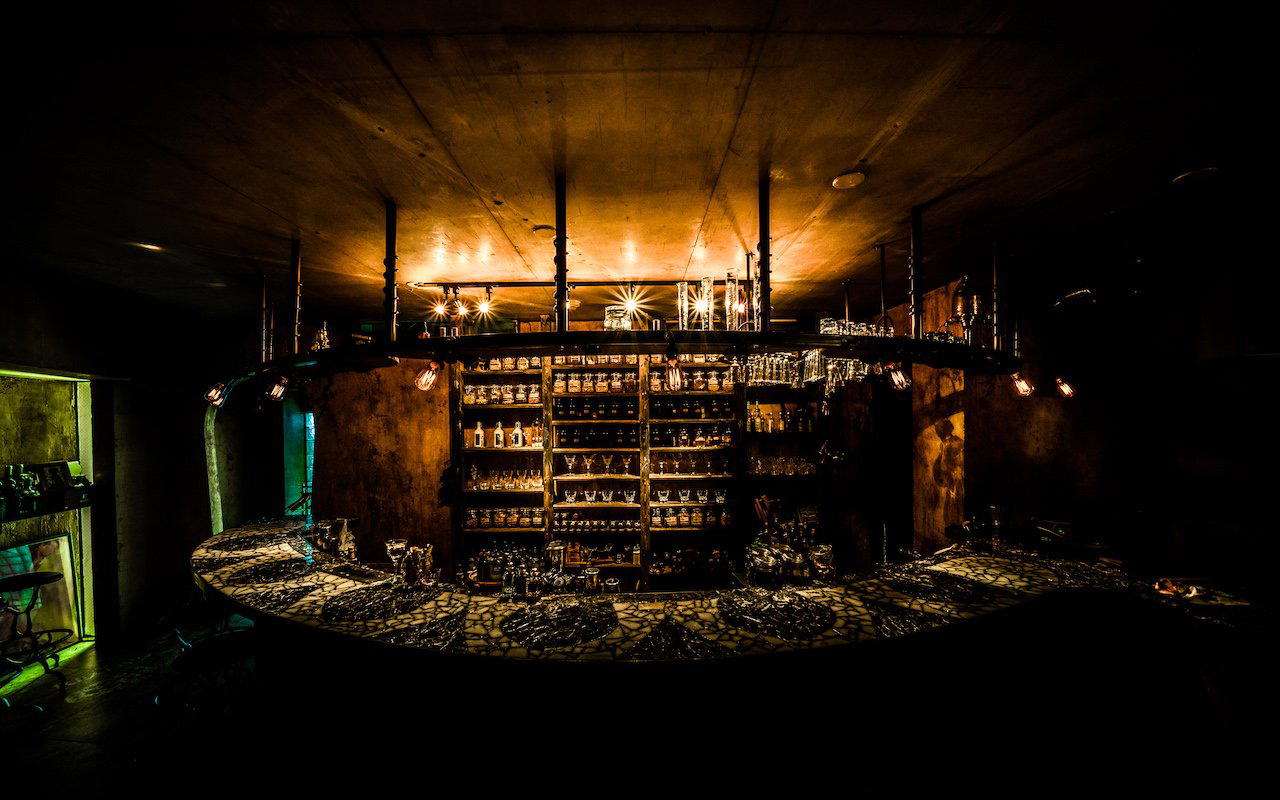
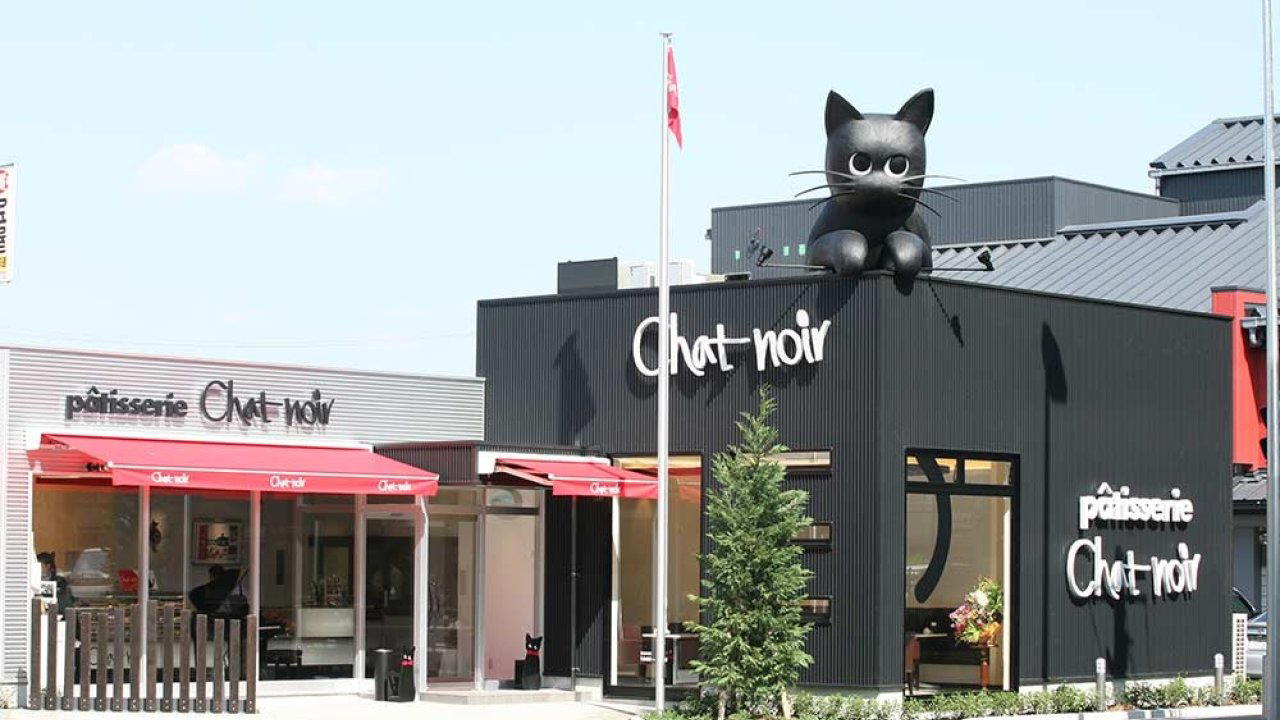

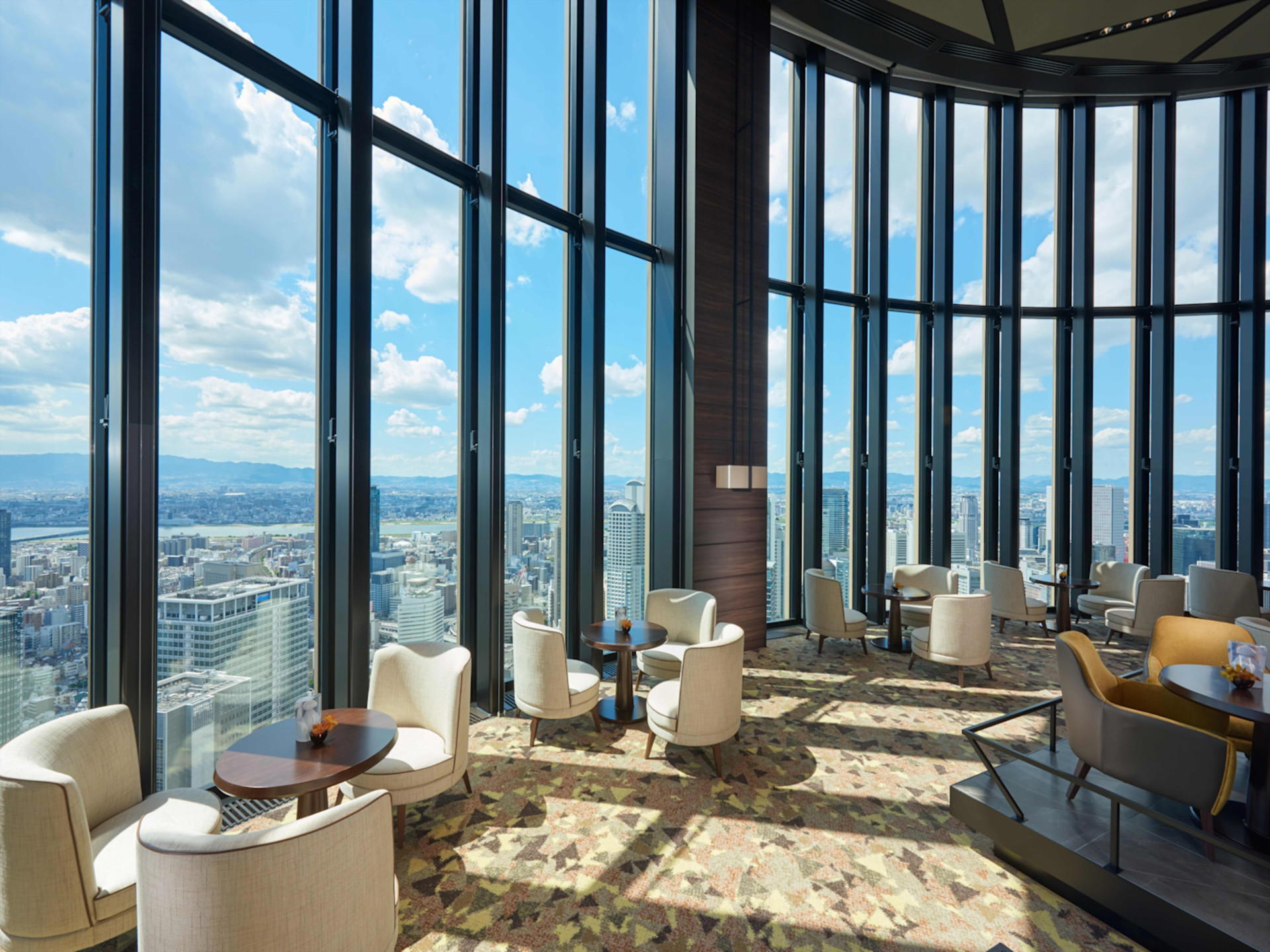
Hotels in Osaka
Browse all →



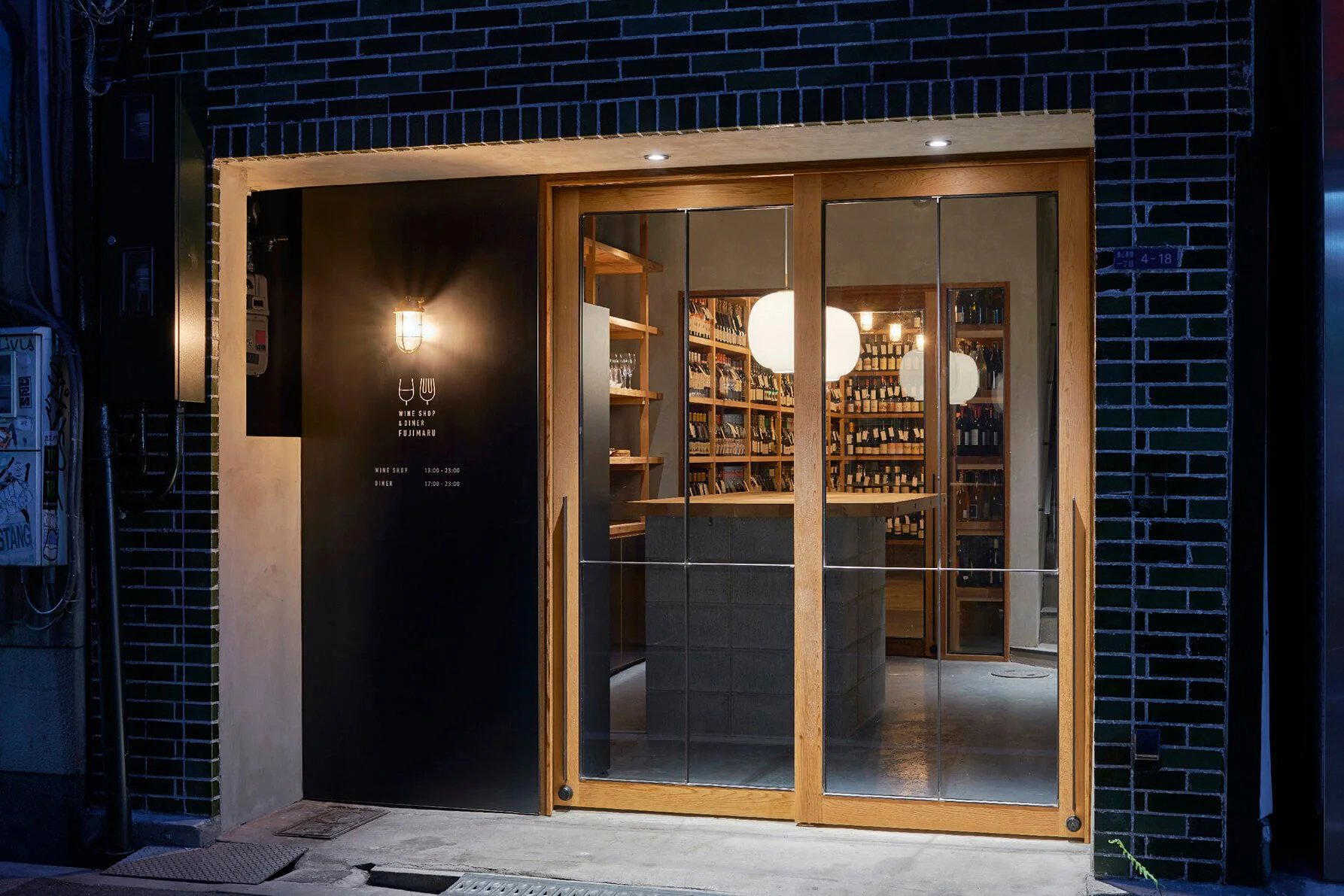
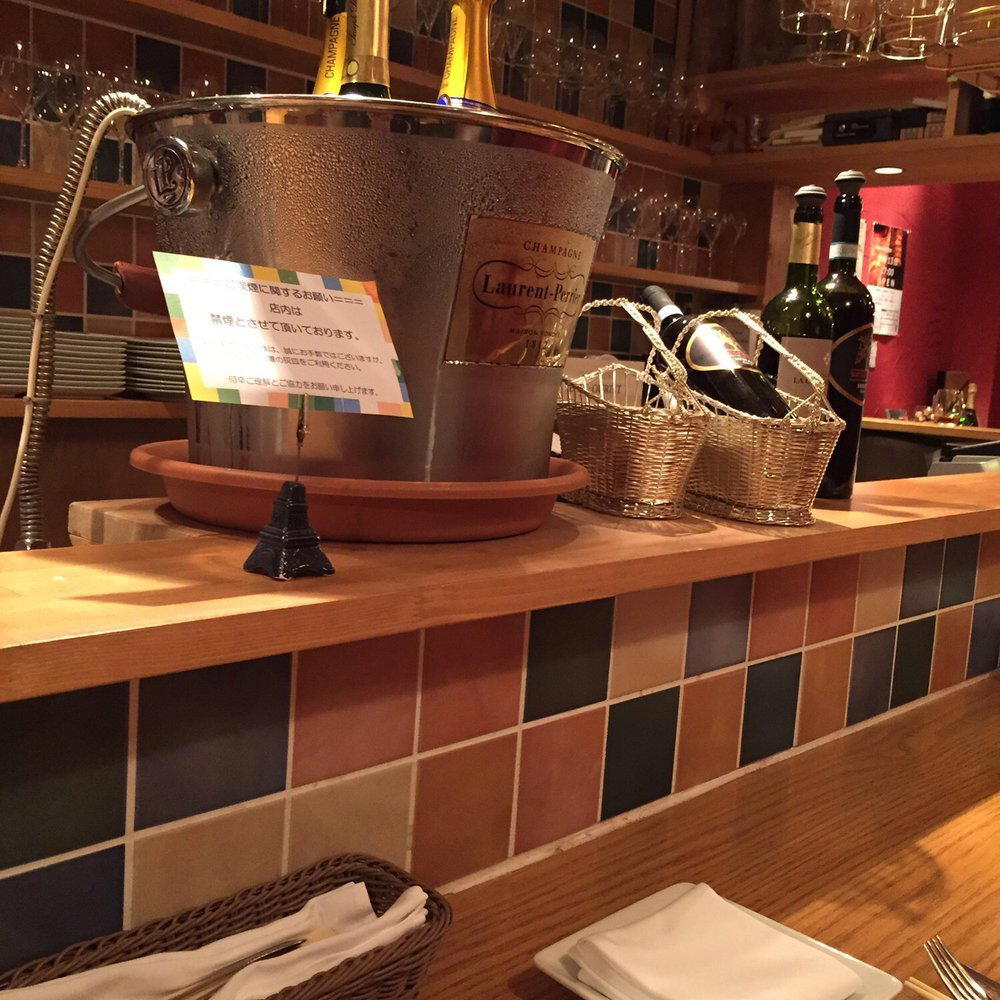
Wineries in Osaka
Browse all →
At a Glance
- Trendy
- Cozy
- Modern
- Solo
- Casual Hangout
- After Work
- Standalone
- Design Destination
Current opening hours
- Monday
- Closed
- Tuesday
- 11:30 AM–4 PM, 6–10 PM
- Wednesday
- 11:30 AM–4 PM, 6–10 PM
- Thursday
- 11:30 AM–4 PM, 6–10 PM
- Friday
- 11:30 AM–4 PM, 6–10 PM
- Saturday
- 11:30 AM–4 PM, 6–10 PM
- Sunday
- 11:30 AM–8 PM
Hours can change for holidays and private events. Last verified .
A small, stylish counter-only curry bar with a casual, modern feel; guests sit at a simple counter in a non‑smoking space that feels cozy and buzzy but not overly loud, suited to solo diners and friends dropping in for a quick, satisfying meal.