
Osaka’s konamon culture rewards places that treat batter, heat and pacing with the seriousness other cities reserve for tasting menus. Konamon Dokoro Mitsukuni Ura nanba ten sits in that register, pairing okonomiyaki and monjayaki with a broader drinks program and 2025 Tabelog 100 recognition for okonomiyaki.
Pearl is the En Primeur Club membership app — saves, bookings, and concierge access live there. Same editors, same standards.
- Address
- Japan, 〒542-0075 Osaka, Chuo Ward, Nanbasennichimae, 3−18 中村ビル 2F
- Phone
- +81 6-6710-9390
- Website
- konamondokoro-mitsukuni.com
 Saves & bookings on Pearl
Ura Namba is built for appetite rather than ceremony: narrow approaches, second-floor rooms, grill smoke drifting between bars, and a dining rhythm that moves from quick snacks to late plates without changing neighbourhoods. In that setting, okonomiyaki is not a novelty for visitors; it is one of Osaka’s core forms of social eating, closer to a shared sequence than a single dish. Konamon Dokoro Mitsukuni Ura nanba ten belongs to the more deliberate end of that tradition, where the meal can move through batter, noodles, griddle dishes and drinks rather than stop at one pancake.
The useful way to read this room is through progression. Osaka’s flour-based cooking, konamon, is often treated casually because it is democratic and filling, but the stronger kitchens turn the griddle into a pacing device. A meal can begin with lighter shared plates, shift into monjayaki or okonomiyaki, then finish with yakisoba or another starch-heavy closer. That arc matters: the cooking is direct, but the structure gives the table control over tempo, portioning and appetite. It is a different pleasure from counter sushi or kaiseki, and it asks for a different measure of seriousness.
Okonomiyaki as a paced Osaka meal, not a single order
Konamon Dokoro Mitsukuni Ura nanba ten was selected for Tabelog 100 Okonomiyaki 2025, a useful signal in a category where the casual format can blur quality distinctions. The recognition places it inside a national conversation about okonomiyaki rather than only a tourist map of Namba. That matters because Osaka has many competent griddle rooms; the sharper question is which ones can sustain a full meal without the table tiring of batter and sauce.
The listed categories, okonomiyaki and monjayaki, point to a meal built around texture and timing. Okonomiyaki brings structure and browning; monjayaki, more associated with Tokyo, is looser and more communal, cooked and eaten in smaller movements around the hotplate. In Osaka, that pairing creates a useful contrast: one dish anchors the meal, the other stretches it. Add yakisoba to the sequence and the table moves from shareable griddle work toward a fuller finish. This is where the tasting-progression lens fits better than the usual “order the famous dish” approach.
Compared with lower-priced Osaka peers such as Takada Noageage and Fukutarou Honten, the spend here sits in a higher bracket, while casual-adjacent rooms such as Stand Aida and Ankera So occupy a different drinking-and-small-plates lane. THE BUTCHER is another reminder that Namba can feed almost any mood, but konamon has a specific gravitational pull in this city: it is filling, informal, and technically unforgiving when the heat management is poor. The higher spend only makes sense if the table treats the meal as a longer progression, not a snack before the next stop.
Ura Namba's after-dark dining logic
Ura Namba works because it compresses choices. Within a short walk, the city moves from department-store food halls and station traffic into smaller rooms where beer, sake, shochu, wine and cocktails can sit beside griddle cooking without feeling forced. That breadth of drinking matters for okonomiyaki. Sauce-heavy, wheat-based dishes can flatten a meal if paired only with one note; a broader drinks list gives the table more ways to reset between courses.
The room’s format also suits mixed groups. Forty seats, tatami and sunken seating give it more flexibility than the tiny counter model that dominates many high-demand Japanese dining genres. Private rooms are not part of the setup, so the appeal is not seclusion. It is the communal side of Osaka eating: shared plates, visible cooking, and a table that can stretch beyond a quick turnover when the room allows. Children are welcomed, which also places it closer to civic food culture than to destination dining theatre.
For travellers mapping Osaka through food rather than landmarks, this is the kind of address that clarifies the city’s middle register: not luxury dining, not street food cosplay, but a serious version of an everyday form. It pairs naturally with a wider Namba and Nipponbashi crawl, especially for readers cross-referencing Our full Osaka restaurants guide, Our full Osaka bars guide, Our full Osaka hotels guide, Our full Osaka wineries guide, and Our full Osaka experiences guide. Nearby dining research often leads from casual staples such as 551 Horai (551蓬莱) to bakery and café stops like 52CHO-ME BAKERY and.cafe, or toward non-Japanese meals such as 99 Pizza Napoletana Gourmet and a canto (Italian).
Where it fits in a Japan-wide eating itinerary
Okonomiyaki has a habit of being flattened into shorthand: Osaka equals pancake, Hiroshima equals layered version, Tokyo equals monja. The better reading is regional technique plus social format. Osaka’s version rewards tables that share, compare heat levels and pace starch carefully. Konamon Dokoro Mitsukuni Ura nanba ten is a useful stop for that reason: it shows how a category associated with informality can carry award recognition without losing its group-dining function.
That makes it a sharper choice for travellers who already have sushi, tempura or tasting-menu reservations elsewhere and want Osaka on its own terms. Japan’s food map is broad enough to move from beef-focused dining such as -Grilled beef Sukiyaki- KAMAKURA TANUKIAN 鎌倉 たぬき庵 in Kamakura to izakaya-style seafood such as. 鮪と炭火焼き うお炭 秋葉原店 in Tokyo, regional modern rooms like.know in Kumamoto, Vietnamese cooking at (Shoku) Vietnam in Kawasaki, curry at [Curry Senmon Ten] Maruyama Kyoju. in Sapporo, and Kyoto dining at [ki:] in Kyoto. Even outside Japan, the same traveller might connect the pleasure of rice, sake and casual precision through Jōdo Saké Bar in Los Angeles or Onigiri Time in Pasadena.
The editorial case is clear: come for Osaka’s flour-culture grammar, not for a chef-driven narrative. The award signal helps separate it from the mass of Namba griddle rooms, but the stronger reason to care is the meal’s sequence. Order as a table, build gradually, leave room for noodles, and treat the hotplate as the structure of the evening.
Quick Comparison
Comparable venues at similar price and category levels.
| Venue | Cuisine | Price | Notes |
|---|---|---|---|
| Konamon Dokoro Mitsukuni Ura nanba tenThis venue — the venue you are viewing | Premium Okonomiyaki & Creative Monjayaki | $$ | Not listed |
| Sobabito Aki | Traditional Soba & Japanese Small Plates | $$ | Chūō |
| Satsuma | Traditional Yakiniku (Japanese BBQ) | $$ | Kita |
| AT THE 21 | Osaka okonomiyaki & teppan-yaki | $$ | Toyonaka |
| Grill Baranoki | Japanese-style Western (Yoshoku) | $$ | Chūō |
| Kyu Yam Tei Karahori ten | Spice Curry & Café in a Retro Townhouse | $$ | Chūō |
Recognition history
Dated appearances from independent guides and award organizations, with the underlying list record or original source where available.
Tabelog 100 #28 · No. 28
Tabelog · Tabelog 100 - Okonomiyaki - 2025
Continue exploring
More in Osaka
Restaurants in Osaka
Browse all →




Bars in Osaka
Browse all →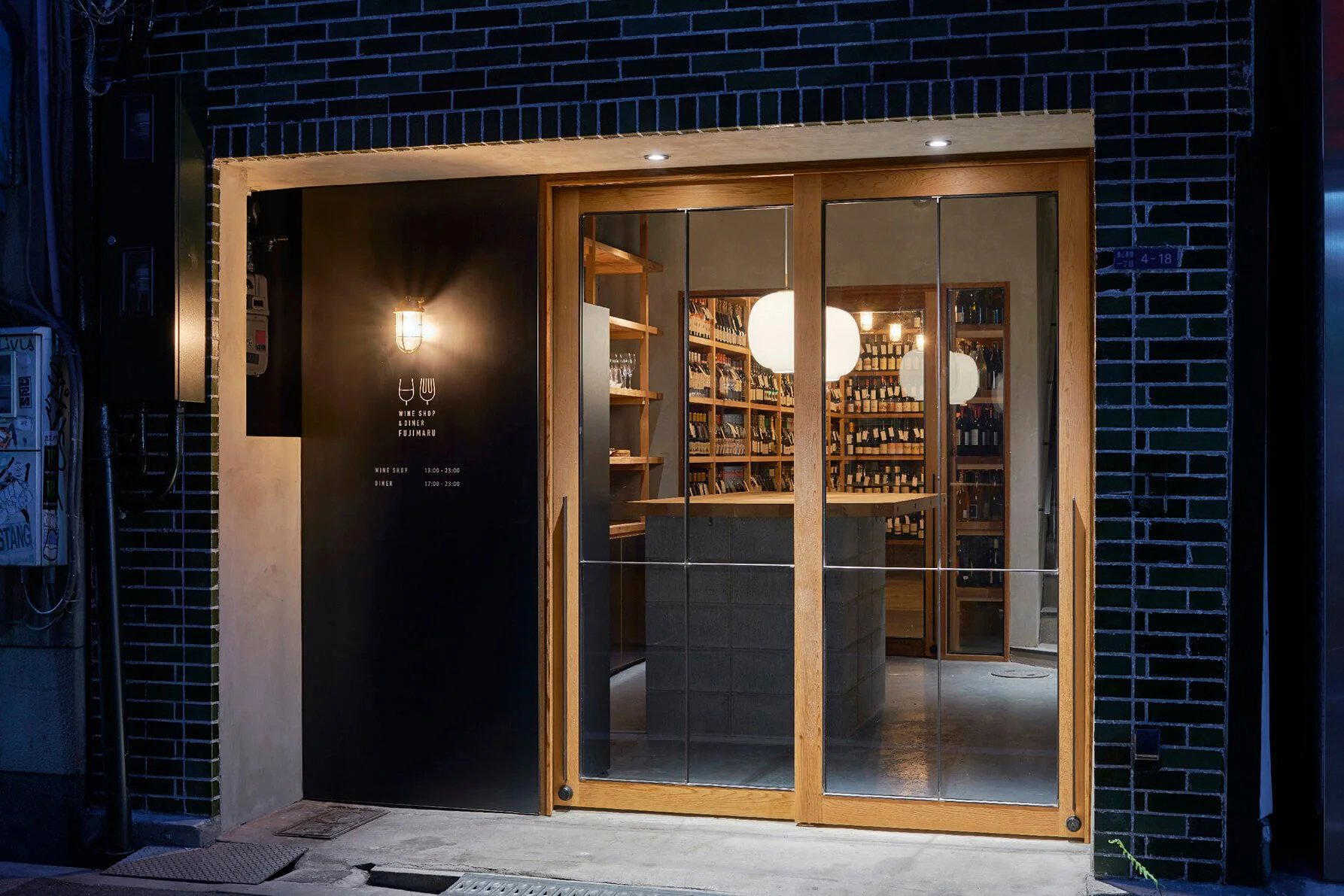
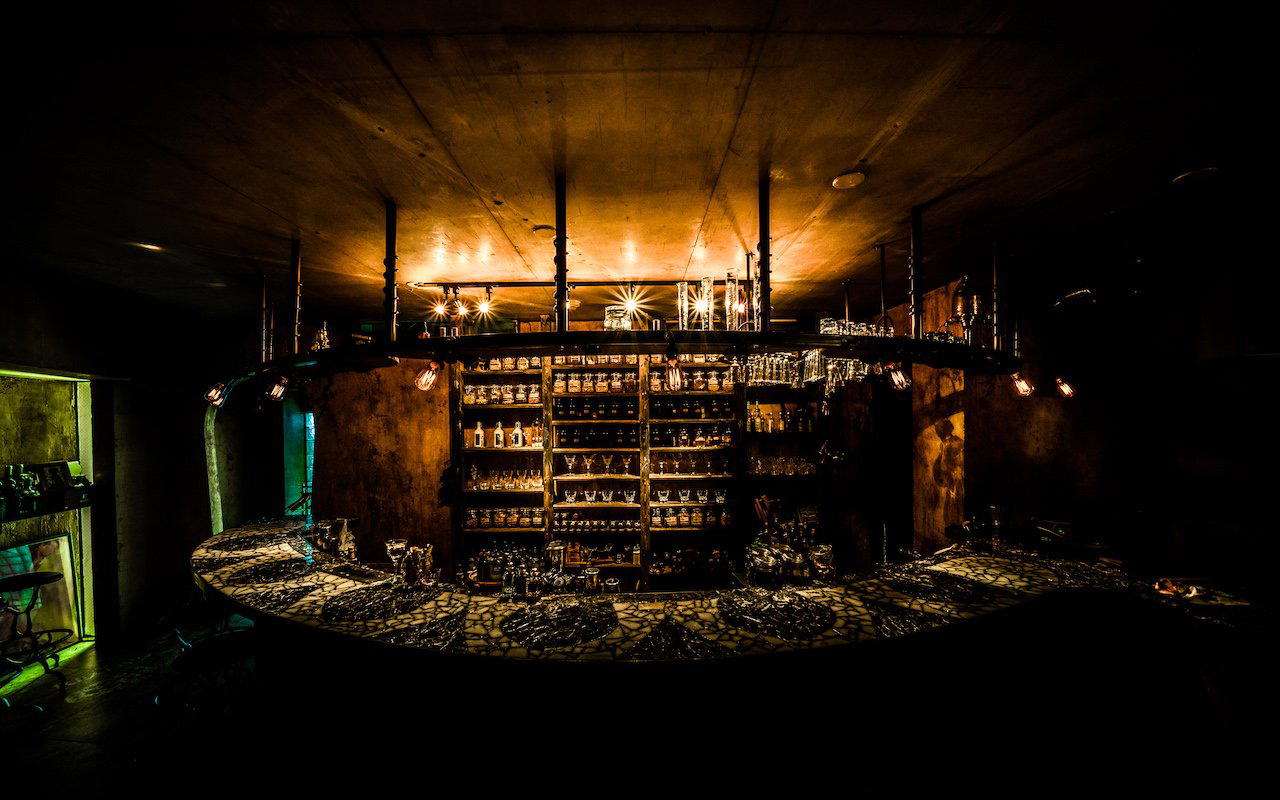


Hotels in Osaka
Browse all →



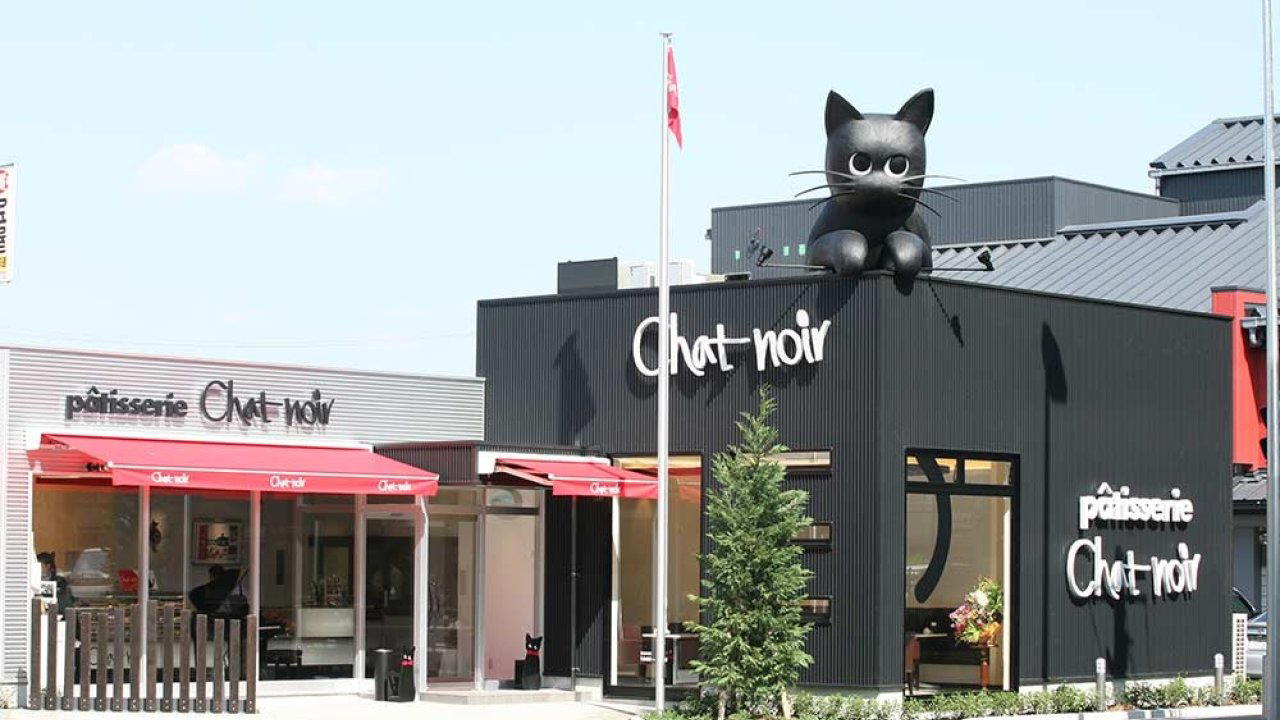
Wineries in Osaka
Browse all →
At a Glance
- Cozy
- Elegant
- Intimate
- Date Night
- Group Dining
- Family
- Casual Hangout
- Special Occasion
- After Work
- Standalone
- Private Dining
- Extensive Wine List
- Local Sourcing
Current opening hours
- Monday
- 5–11 PM
- Tuesday
- 5–11 PM
- Wednesday
- 5–11 PM
- Thursday
- 5–11 PM
- Friday
- 5–11 PM
- Saturday
- 11 AM–3 PM, 5–11 PM
- Sunday
- 11 AM–3 PM, 5–11 PM
Hours can change for holidays and private events. Last verified .
A calm, adult-friendly Japanese-style hideaway above the street, with warm lighting, horigotatsu table seating, and a relaxed atmosphere that feels quieter than the busy Namba neighborhood outside.