A rooftop terrace in Old Montreal's Saint-Amable corridor, Terrasse Perché sits within a city that has made outdoor dining a seasonal institution rather than an afterthought. The address places it steps from the historic courthouse square, where al fresco culture runs deep and the competition for refined open-air tables is real. For context on Montreal's broader dining scene, see our full Montreal restaurants guide.
Pearl is the En Primeur Club membership app — saves, bookings, and concierge access live there. Same editors, same standards.
- Address
- 153 Rue Saint-Amable, Montréal, QC H2Y 3B3, Canada
- Phone
- +15143792010
- Website
- perchemtl.com
- Directions
- Get directions
 Saves & bookings on Pearl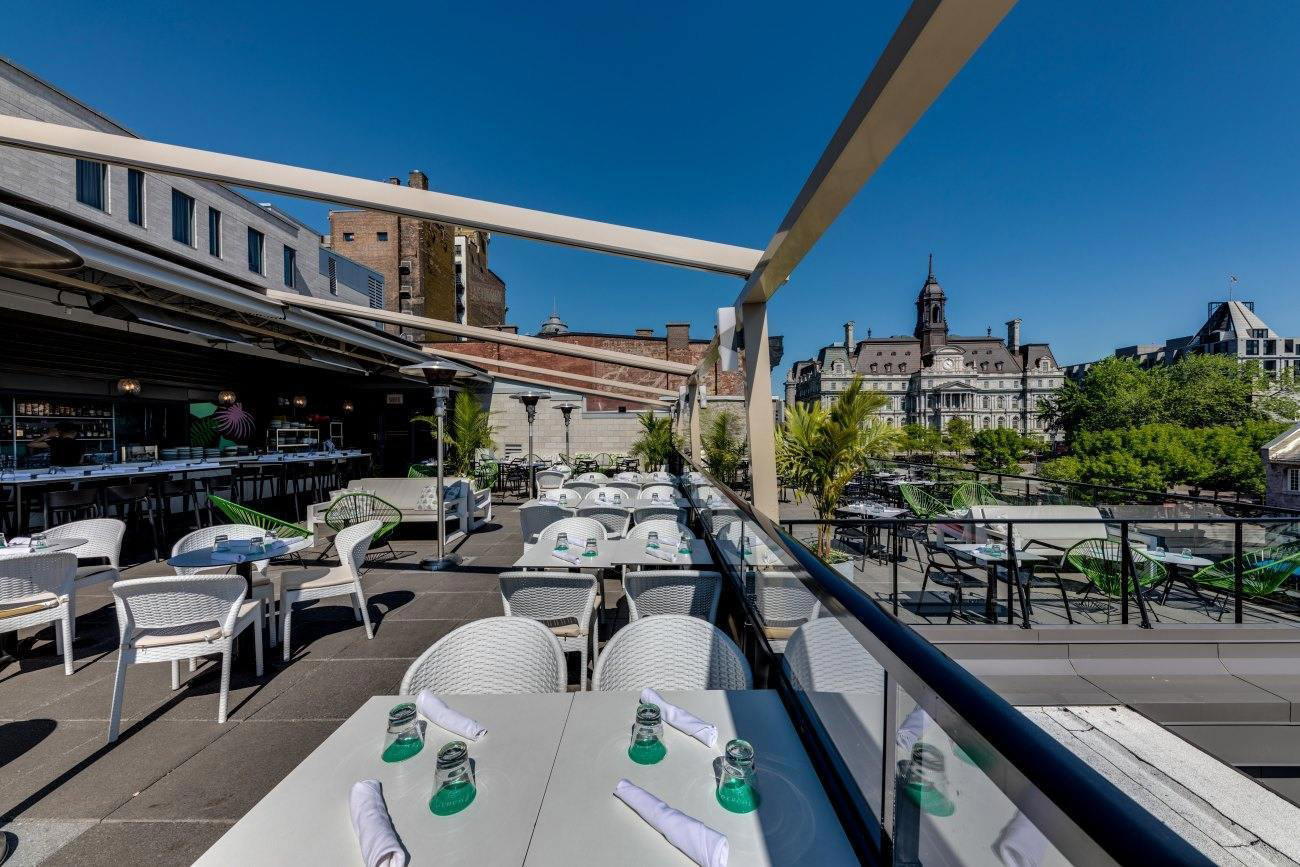
Above the Cobblestones: Montreal's Rooftop Dining Tradition and Where Terrasse Perché Fits
Old Montreal has a specific relationship with outdoor space that most North American cities have never quite replicated. The neighbourhood's narrow stone corridors and interior courtyards were built for a different climate logic, which makes refined terraces, those that clear the rooflines and catch the St. Lawrence breeze, a genuine category of their own. Rue Saint-Amable, a pedestrian lane that runs between Rue Notre-Dame and Place Jacques-Cartier, concentrates that impulse: it is one of the few streets in the quarter where outdoor dining feels embedded in the architecture rather than bolted onto it.
Terrasse Perché occupies this address at 153 Rue Saint-Amable, Montréal, and the positioning matters more than any single menu detail. To arrive here is to pass through one of Montreal's most photographed corridors, where the stone walls carry two centuries of weathering and the summer light drops at a particular angle that makes early evening meals feel deliberately staged. That quality of light, and the terrace's vertical relationship to the street below, places it in a comparable set that competes less on cuisine category and more on experience format: refined outdoor dining in a city that treats the short warm season as a reason to concentrate pleasure outdoors rather than spread it across months.
The Sustainability Frame: How Montreal's Leading Outdoor Tables Are Rethinking Their Footprint
Across Quebec's restaurant sector, the past several years have seen a meaningful shift toward sourcing accountability, particularly among venues that position themselves in the upper registers of the market. The province's geography makes this easier to argue credibly: the Laurentian farms, St. Lawrence fisheries, and Quebec's own wine and cider producers give kitchens genuine alternatives to imported supply chains. Restaurants like Tanière³ in Quebec City have built entire identities around hyper-local sourcing and foraged ingredients, setting a benchmark that influences how dining rooms across the province think about their relationship to the land.
Within Montreal specifically, the push toward ethical sourcing has filtered into the terrace and casual-refined segment, not only the tasting-menu tier. Venues at this price point now face reader and critic expectations around seasonal menus, reduced food waste, and supplier transparency that would have been rare a decade ago. Mastard and Sabayon both operate in Montreal's modern cuisine tier with sourcing consciousness embedded in their editorial positioning. The question for any outdoor terrace format is whether environmental consciousness can survive the commercial pressures of a short tourist season in a high-traffic neighbourhood, or whether the cobblestone setting becomes the product and the kitchen becomes secondary.
At Terrasse Perché, the Saint-Amable address generates foot traffic from Place Jacques-Cartier, one of Montreal's primary summer gathering points. That proximity is both a commercial advantage and a design constraint: a venue that wants to hold a sustainability or craft-sourcing position has to resist the gravitational pull toward volume-first operations that high-traffic tourist corridors tend to produce. The venues in Canadian dining that have managed this tension successfully, among them Restaurant Pearl Morissette in Lincoln and Eigensinn Farm in Singhampton, have done so largely by controlling capacity and anchoring the experience in provenance storytelling rather than throughput.
Old Montreal's Dining Tiers: Reading the Competitive Set
The neighbourhood runs a wide spectrum. At the lower end, tourist-volume brasseries around Place Jacques-Cartier cycle through covers at a pace that makes sourcing accountability harder to maintain. At the upper end, the quarter now supports serious fine-dining operations: Jérôme Ferrer's Europea has long anchored the modern French-influenced tier at the four-dollar-sign price point, and newer arrivals have pushed the neighbourhood's ambitions higher. Between those poles sits a middle category of terrace-led, seasonal operations where the physical setting does meaningful work and the kitchen has to be good enough not to undermine it.
Terrasse Perché sits within that middle tier by address logic if not necessarily by aspiration. Comparable models elsewhere in Canada suggest that the format works well when the menu has enough specificity to create return visits rather than relying entirely on the terrace draw. AnnaLena in Vancouver and Alo in Toronto occupy higher price points with tighter menus and formal booking systems, but they illustrate the broader principle: outdoor-adjacent dining in Canadian cities has moved toward program depth rather than view-as-selling-point alone.
For visitors calibrating expectations, the immediate comparison set in Old Montreal includes venues like 3 Pierres 1 Feu and Abu el zulof, both operating in the neighbourhood with distinct cuisine identities. The terrace category competes across all of these on warm-weather evenings, which means the decision for a visitor is less about cuisine type and more about what kind of outdoor experience they want: pedestrian-level animation, refined quietude, or something in between.
Seasonal Timing and the Logic of the Short Montreal Summer
Montreal's outdoor dining window runs roughly from mid-May through late September, with July and August representing the peak demand period across the city's terraces. Old Montreal concentrates tourist volume in those months, which means venues like Terrasse Perché face their highest demand precisely when walk-in competition from other terraces is also most intense. The practical implication is that advance planning pays off for July or August evening slots.
The off-peak shoulder months, May, early June, and September, offer a different read on the same space. Thinner crowds, cooler temperatures (often requiring a jacket after 7pm), and a more local clientele shift the atmosphere meaningfully. Venues across Quebec's seasonal restaurant sector often produce their most considered cooking during these periods, when kitchen teams are not managing cover pressure at the same intensity. Comparable terrace operations in the province, including those in Quebec City's historic quarter, tend to book more smoothly and serve more deliberately during shoulder season for exactly this reason.
For a broader map of where the restaurant sits relative to Montreal's full dining picture, compare it by neighbourhood and price tier. Visitors building a multi-city Canadian itinerary might also weigh it against Narval in Rimouski or, further afield, against farm-to-table formats like The Pine in Creemore. At the higher end of the price spectrum internationally, Le Bernardin in New York City and Atomix set a different kind of benchmark.
Know Before You Go
- Address: 153 Rue Saint-Amable, Old Montreal, QC H2Y 3B3
- Neighbourhood: Old Montreal, steps from Place Jacques-Cartier
- Season: Primarily a warm-weather operation; peak season mid-May through September
- Booking: Advance reservations recommended for July and August evening tables
- Getting there: Accessible via the Champ-de-Mars metro station (Orange Line), a short walk through Old Montreal's historic core
- Context: Compare with other modern Montreal options including Mastard and Sabayon for indoor alternatives during cooler months
- Also nearby: Aux Anciens Canadiens in Quebec City for a contrast in traditional Québécois heritage dining
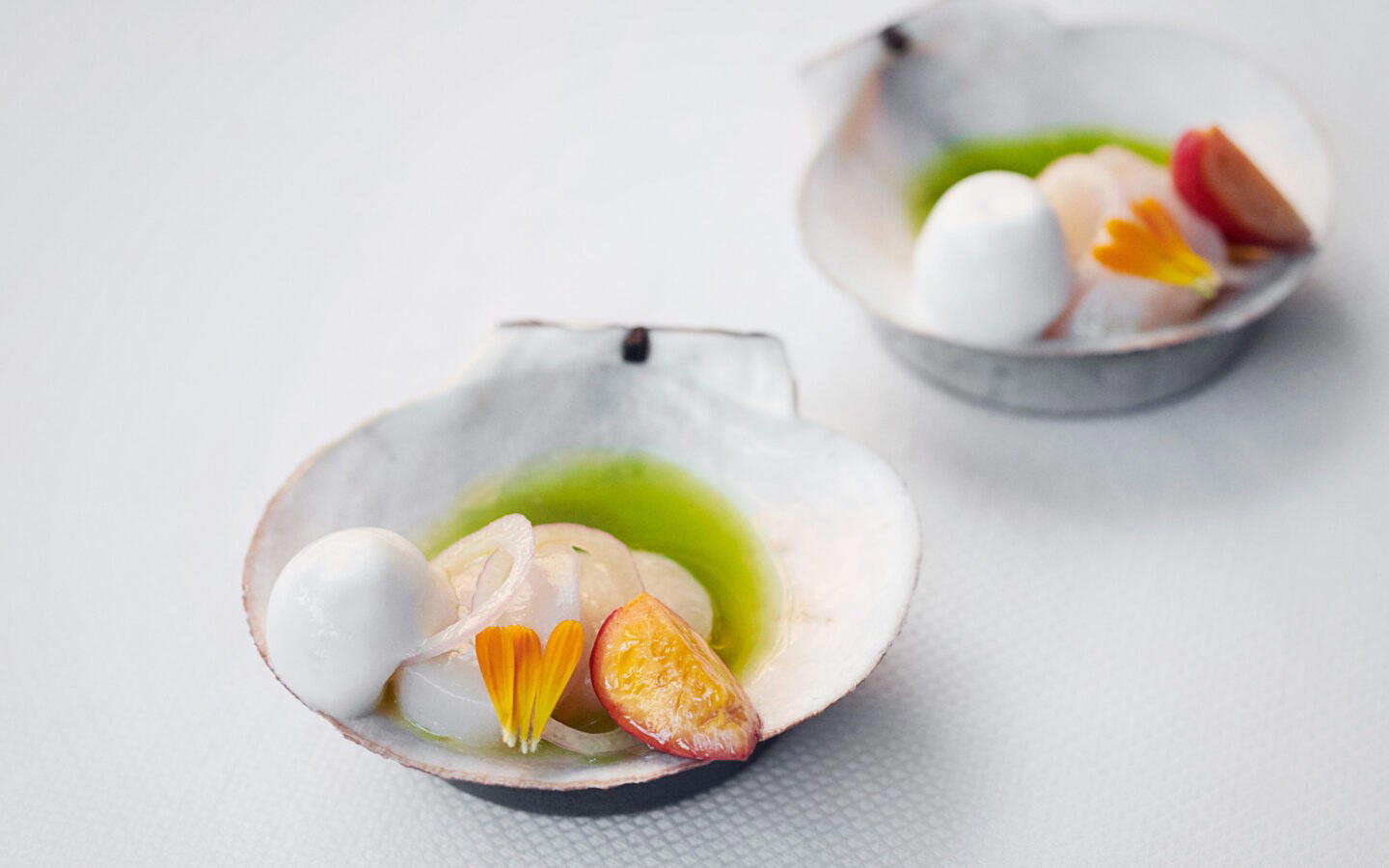
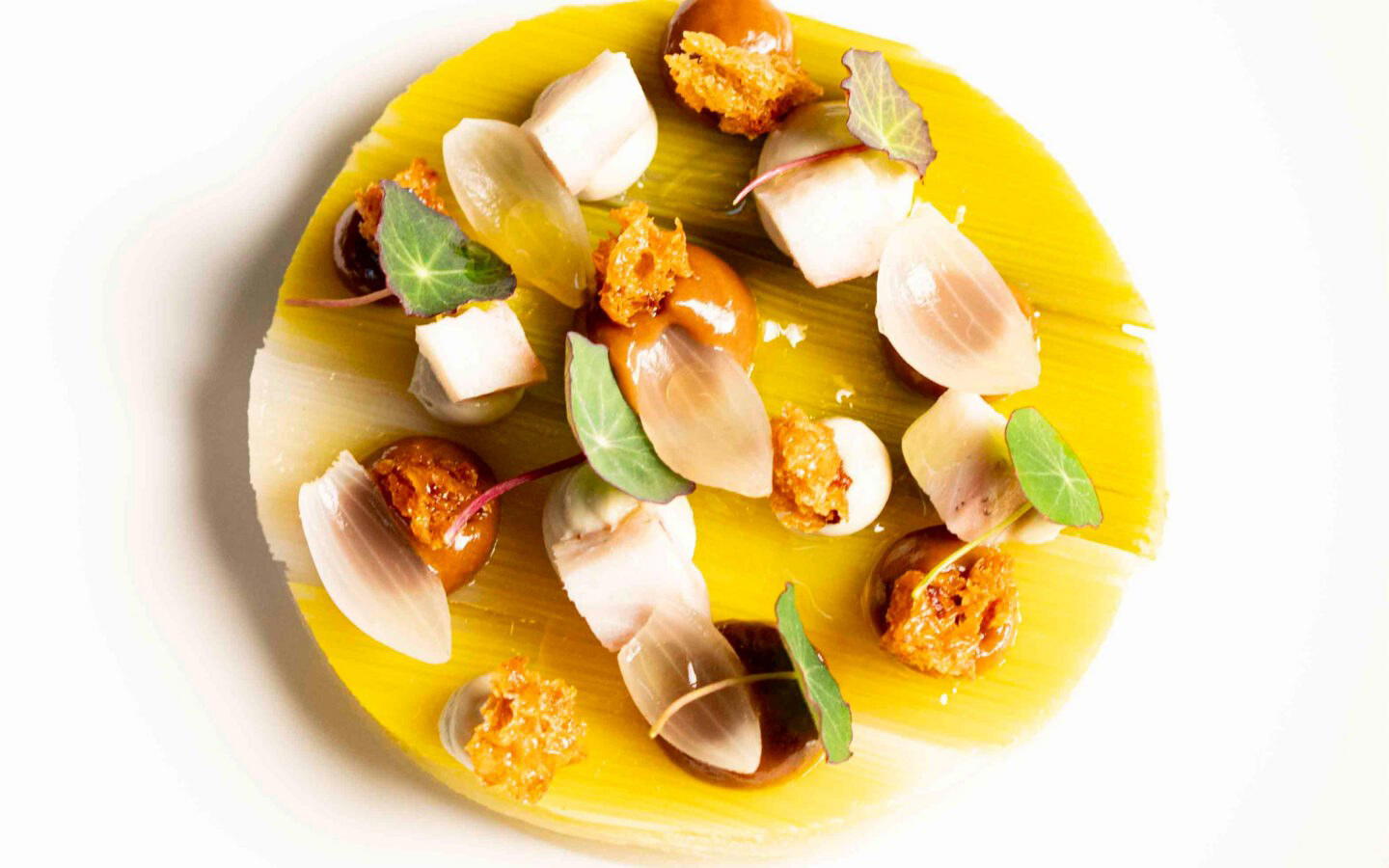
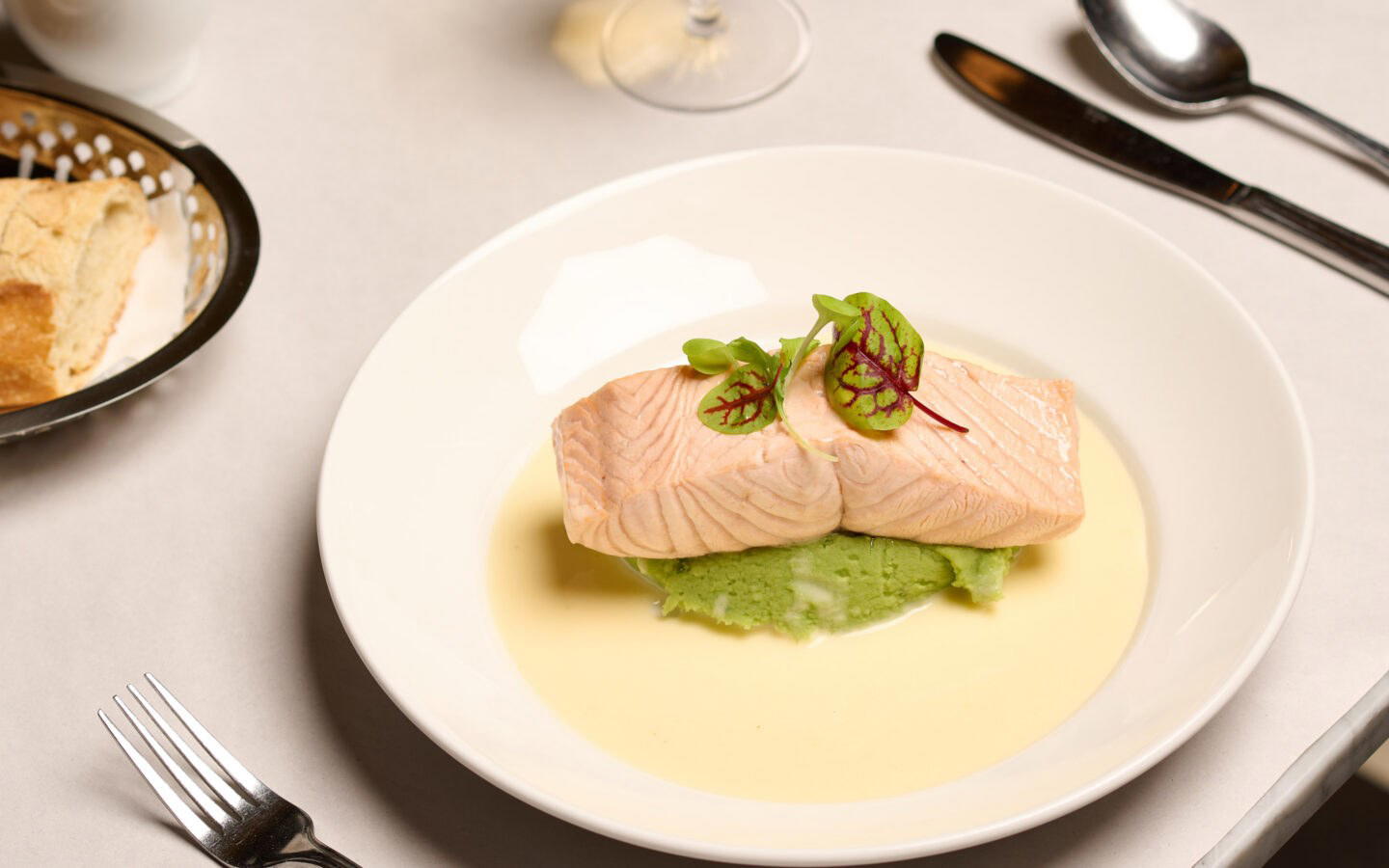
- Saumon Teriyaki Sake
- Bavette de bœuf 7 oz
- Carbonara de Udon
- Burger Wagyu Perché
- Poké bowls
- Duck and pork dumplings
Recognition, Side-by-Side
Comparable venues nearby, for context on price, style, and recognition.
| Venue | Cuisine | Price | Notes |
|---|---|---|---|
| Terrasse PerchéThis venue — the venue you are viewing | Mediterranean & Asian Fusion | $$$ | Not listed |
| Lumi | Contemporary Seasonal Fine Dining | $$$ | Vieux Montréal |
| Mauvais Garçons | Modern Fusion Tapas | $$ | Petit Bourgogne |
| Brasserie T! - Quartier des spectacles | Modern French Brasserie | $$$ | Quartier des Spectacles |
| Sea Me | Modern Italian Coastal Cuisine | $$$ | Golden Square Mile |
| Gaspar French Brasserie | French Brasserie with Montreal Flair | $$$ | Vieux Montréal |
At a Glance
- Scenic
- Sophisticated
- Lively
- Trendy
- Elegant
- Casual Hangout
- Group Dining
- After Work
- Brunch
- Rooftop
- Terrace
- Panoramic View
- Hotel Restaurant
- Extensive Wine List
- Craft Cocktails
- Zero Proof
- Local Sourcing
- Street Scene
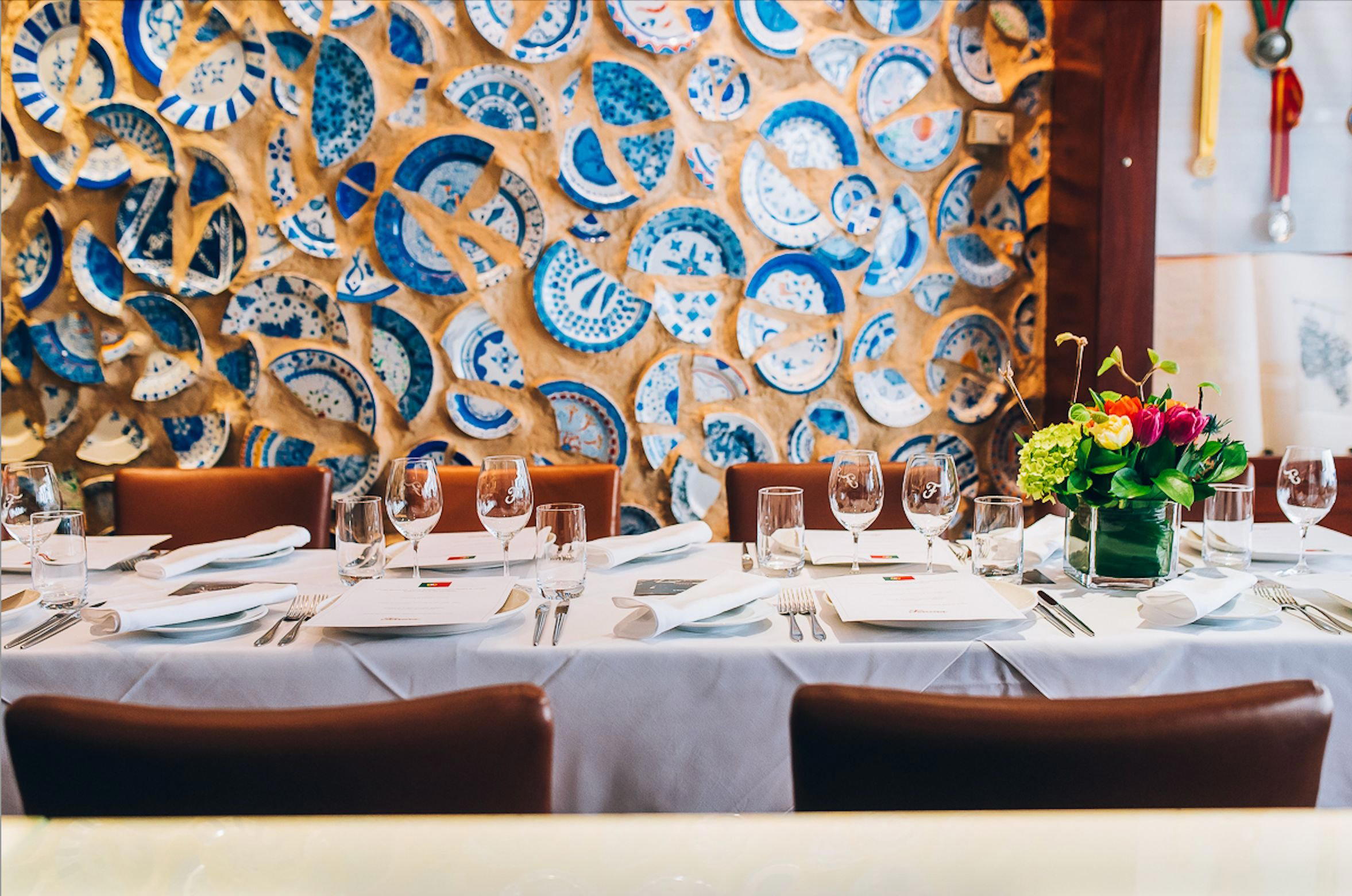
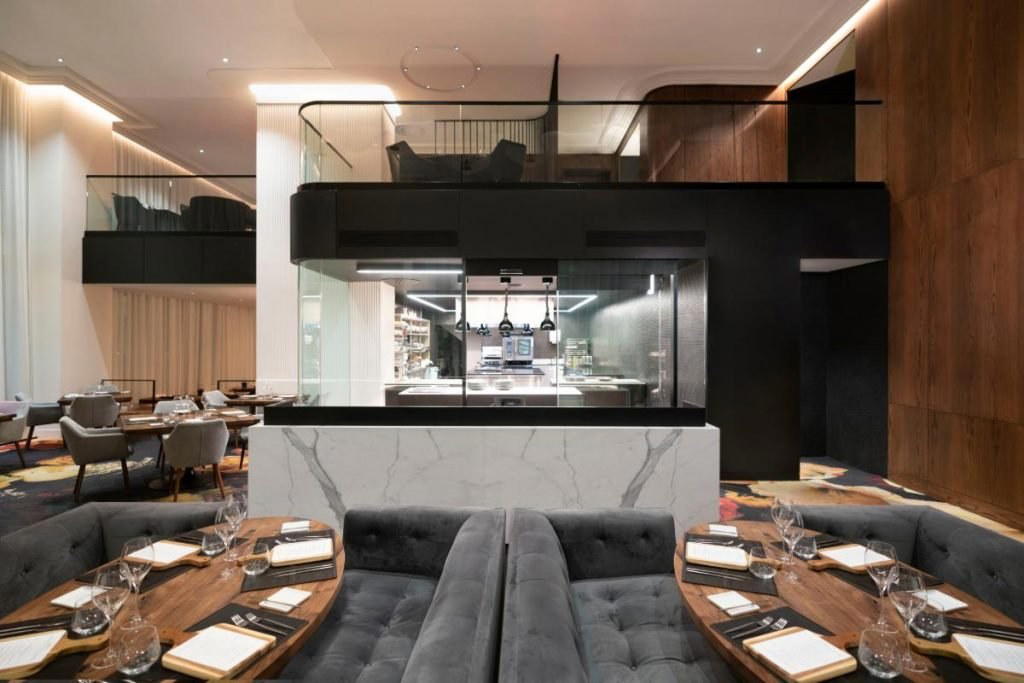
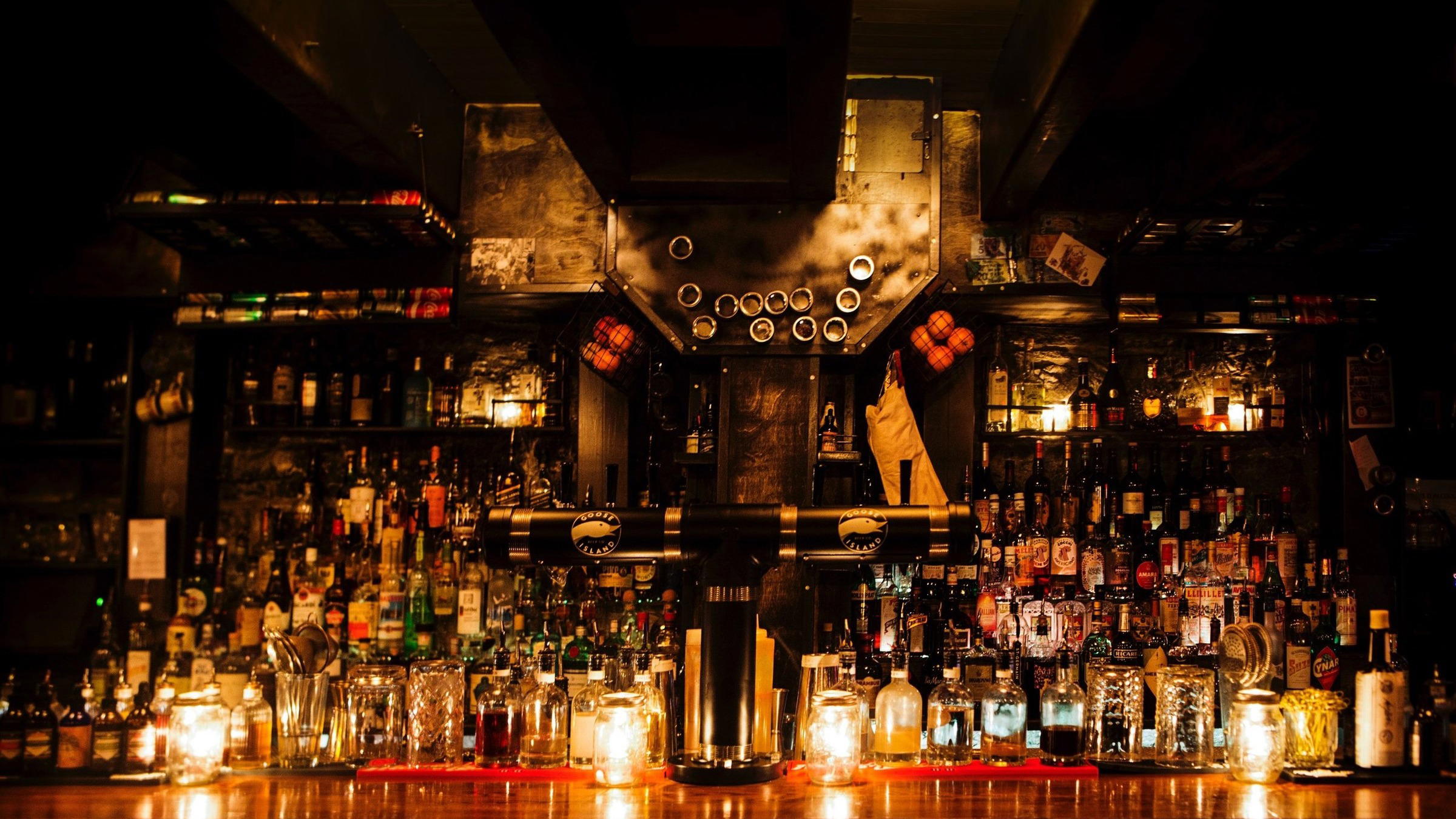
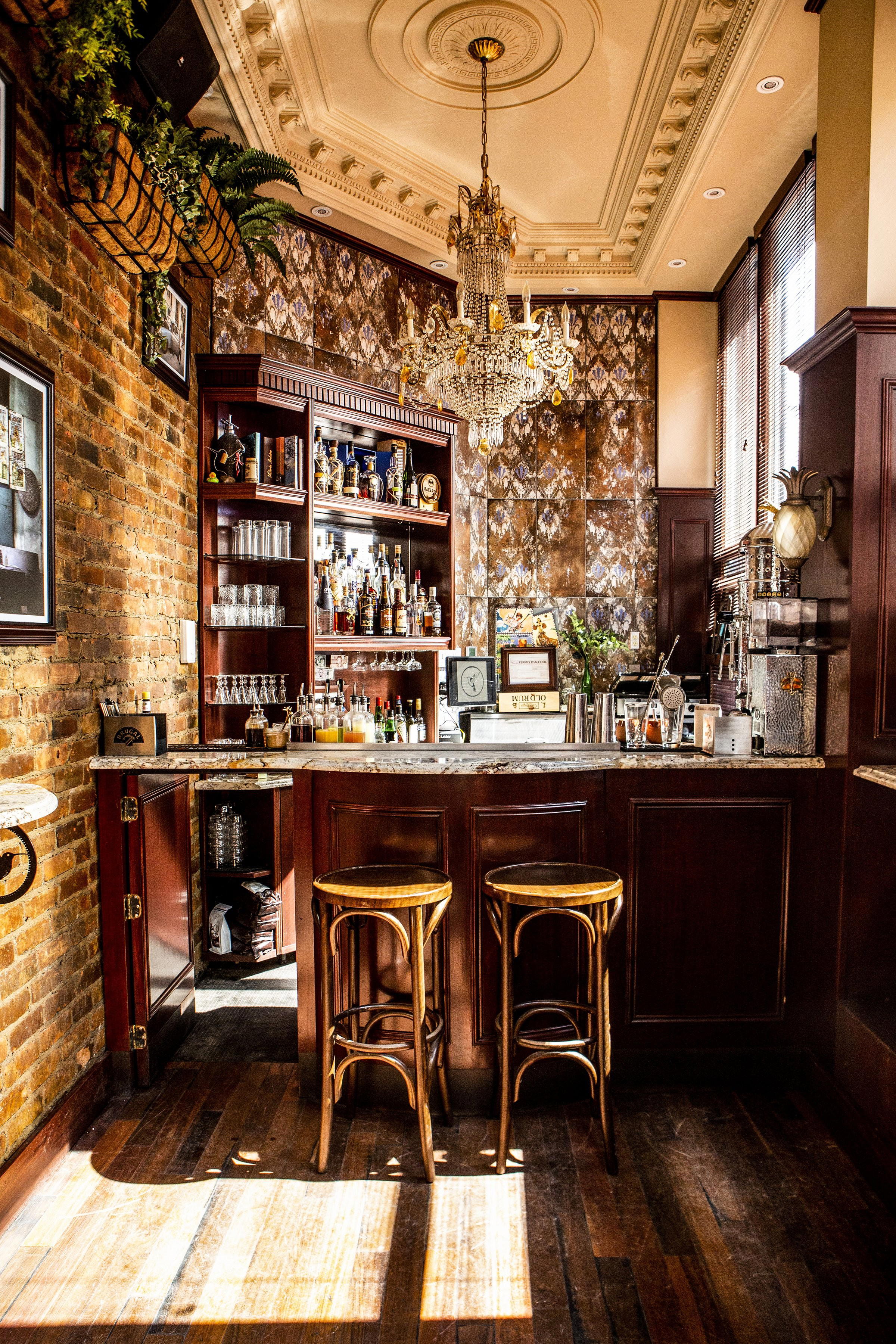
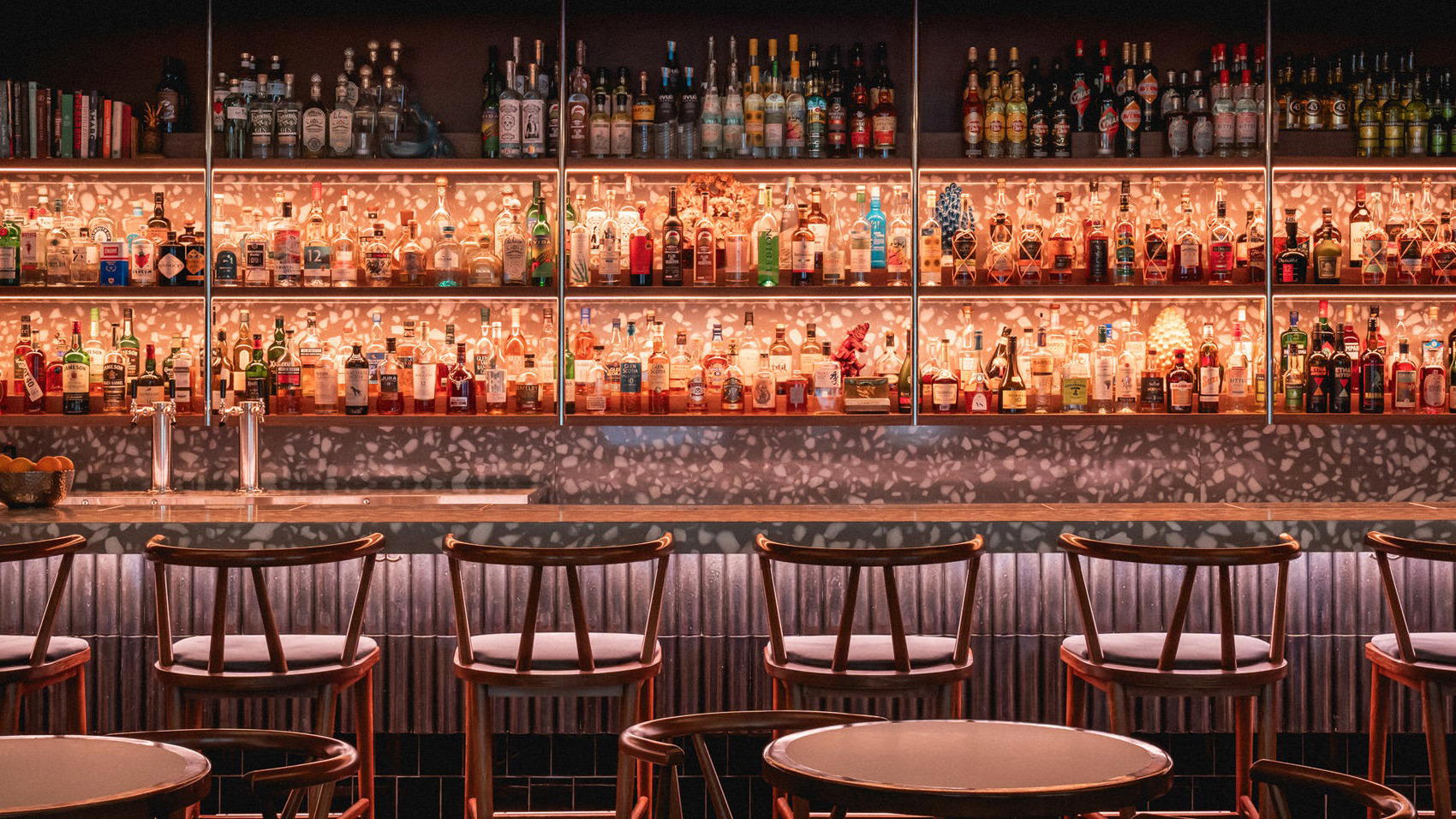
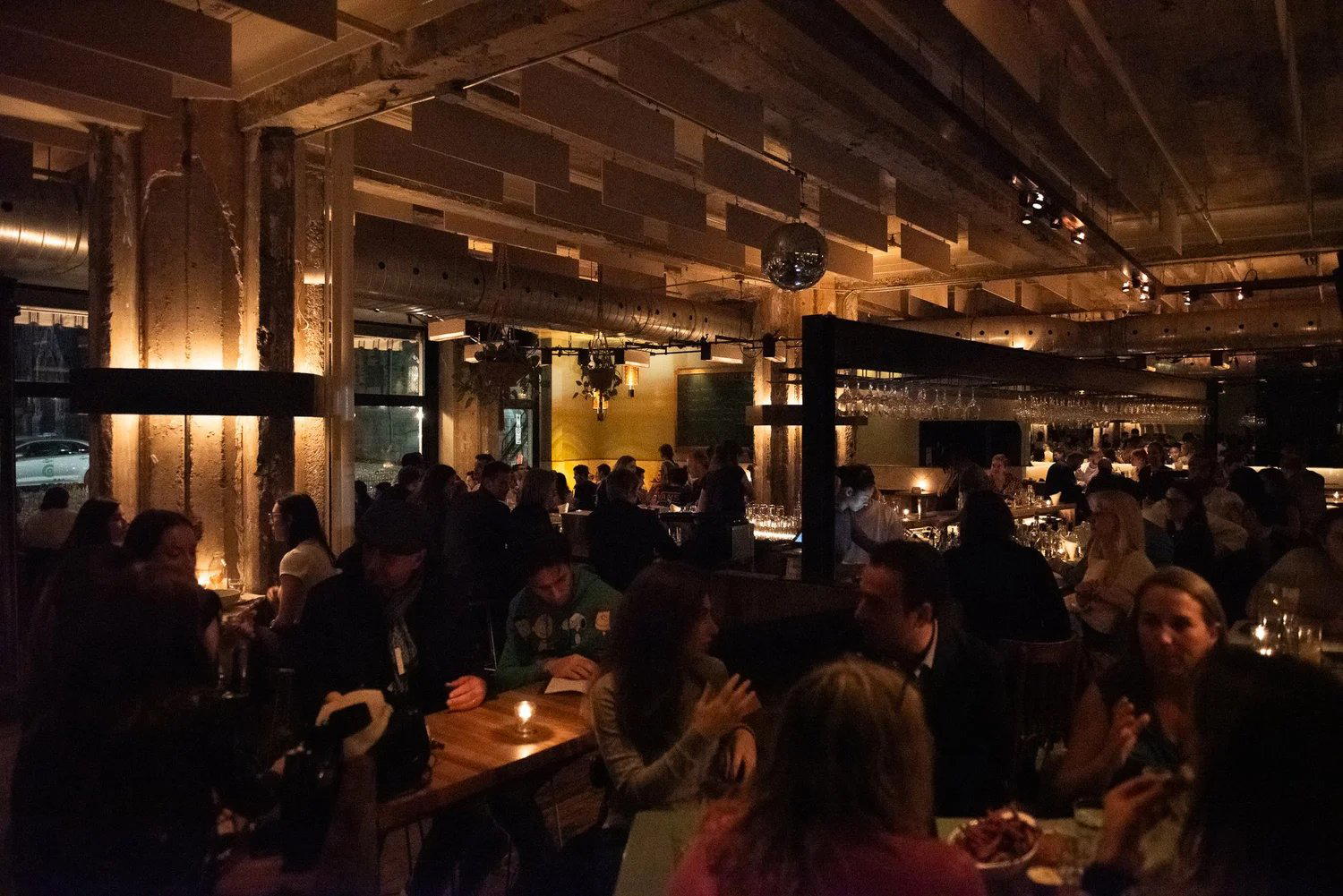
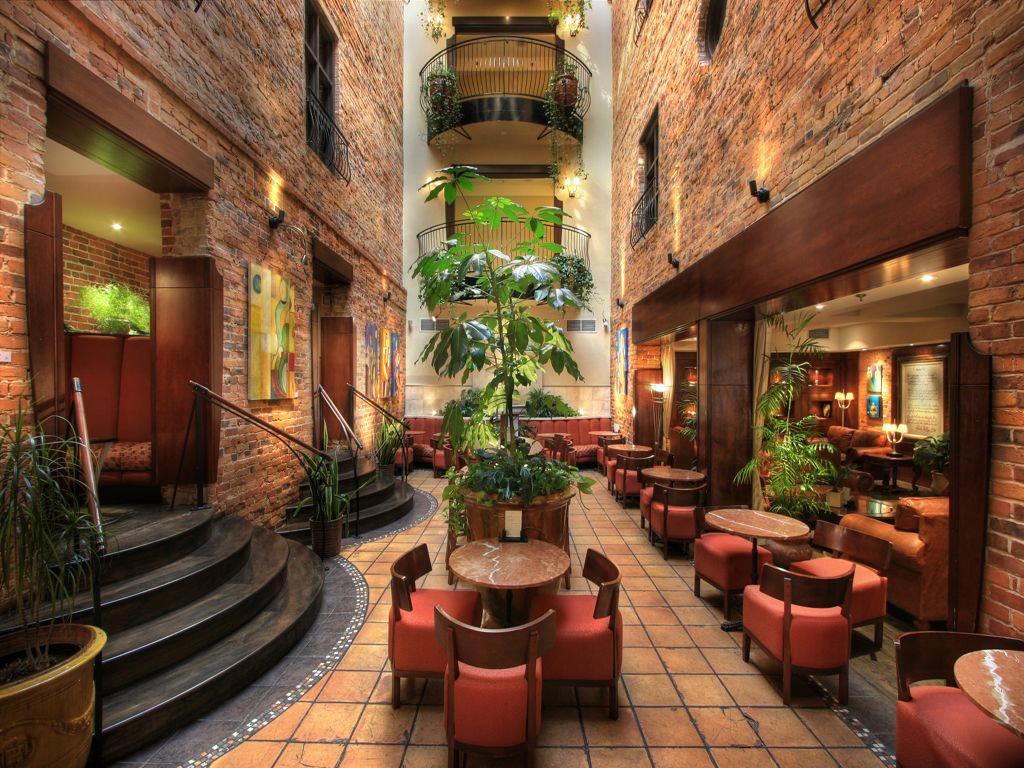
Warm, welcoming, and lively with tropical-inspired décor, abundant greenery, colorful lounge spots, and a bustling cocktail bar creating a vacation-like atmosphere.