Sea Me occupies a prominent address on Peel Street in downtown Montreal, placing it at the intersection of the city's financial district and its more energetic evening corridor. The restaurant draws on seafood as its primary register, operating in a category where Montreal's dining scene has historically leaned toward French bistro traditions and land-based proteins. Verify current hours and booking availability directly before visiting.
Pearl is the En Primeur Club membership app — saves, bookings, and concierge access live there. Same editors, same standards.
- Address
- 1455 Peel St, Montreal, Quebec H3A 1T5, Canada
- Phone
- +14383811122
- Website
- sea-me-montreal.com
- Directions
- Get directions
 Saves & bookings on Pearl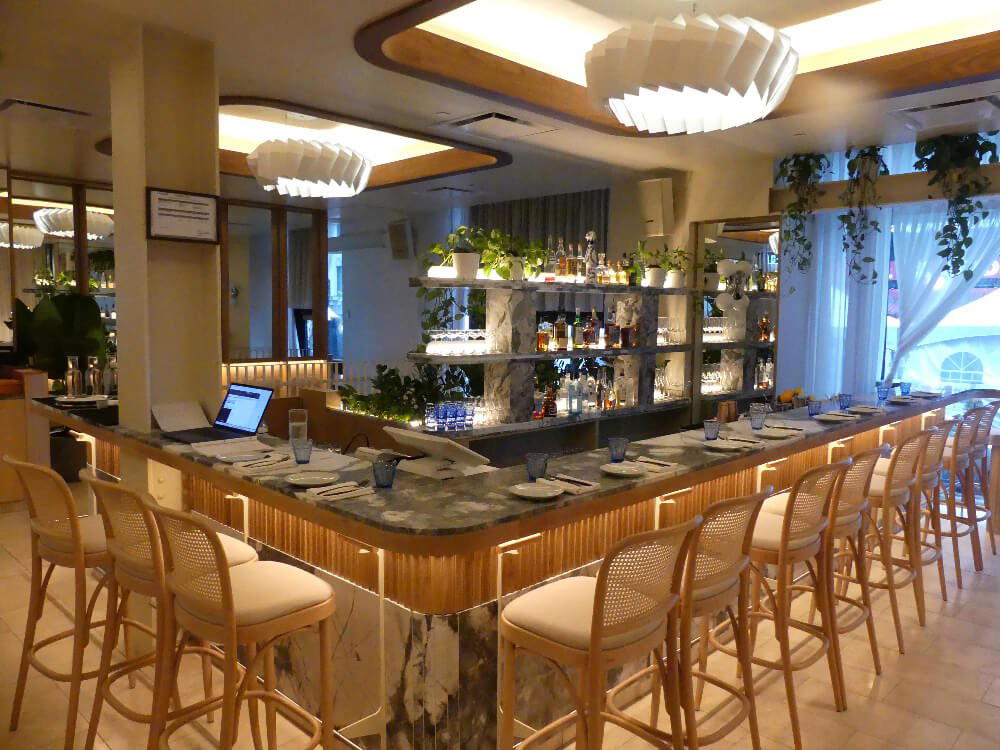
Peel Street and the Seafood Register in Downtown Montreal
Downtown Montreal's dining corridor along Peel Street sits between two distinct gravitational pulls: the polished expense-account rooms that serve the financial district's lunch trade, and the looser, more ambitious kitchens that have redefined the city's reputation over the past decade. Sea Me occupies that address at 1455 Peel, which places it in a part of the city where foot traffic is dense, competition from established names is real, and diners arrive with a reasonably high baseline of expectation.
Seafood-focused restaurants in Montreal operate in a narrower lane than their counterparts in coastal cities. The province's supply lines run north toward the Gulf of St. Lawrence and east toward the Atlantic, giving Quebec kitchens access to lobster, scallops, crab, and fish stocks that are among the more carefully regulated in Canada. That supply context matters because it shapes what a seafood-led menu can credibly promise. Restaurants in this tier either work closely with those eastern supply chains or rely on broader distributors, and the difference tends to show in the detail of what arrives at the table. For comparison, Narval in Rimouski builds its entire identity around proximity to Gulf of St. Lawrence product, while Montreal kitchens must make that same connection across greater geographic distance.
How the Meal Unfolds: The Tasting Arc at a Seafood Table
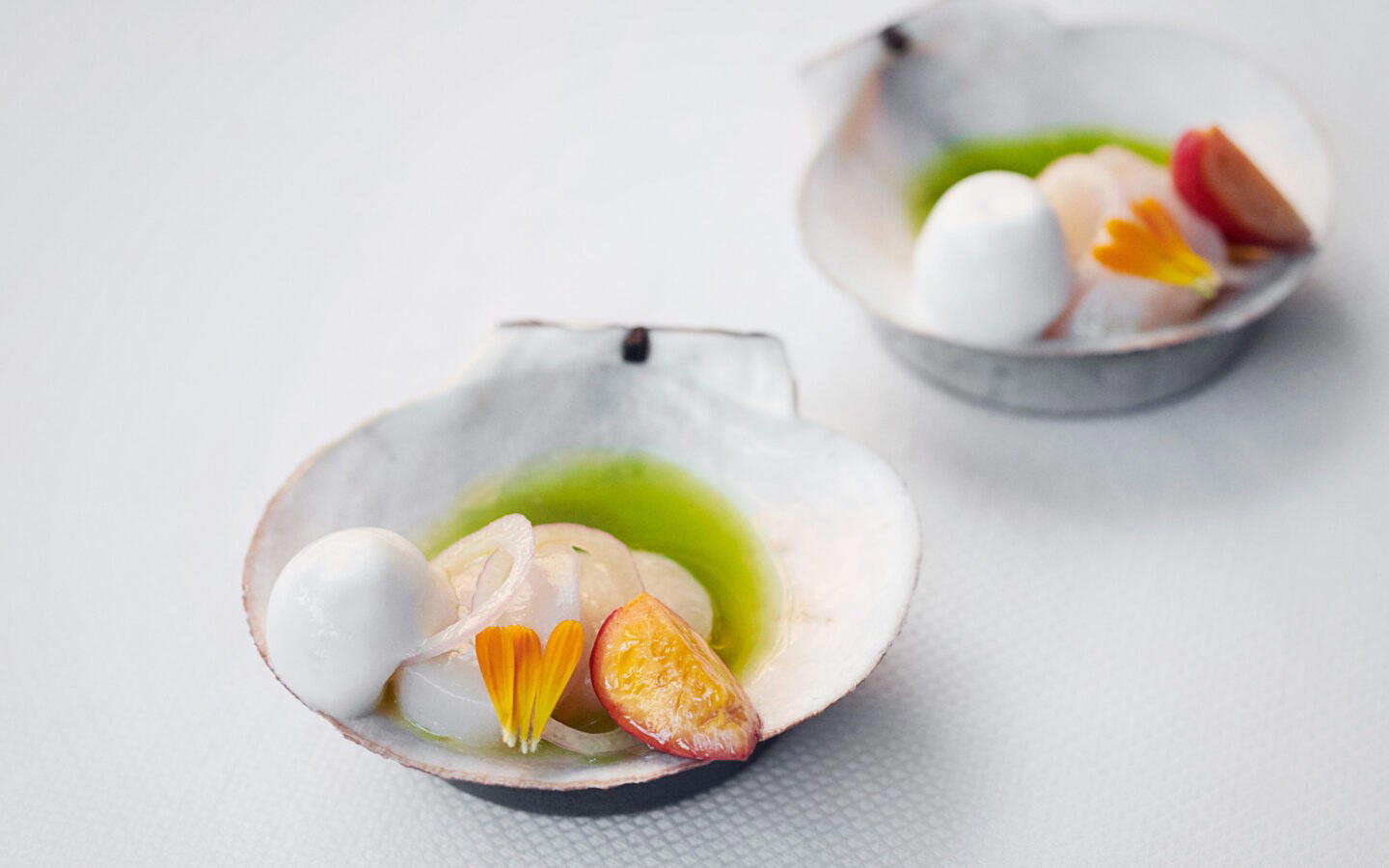
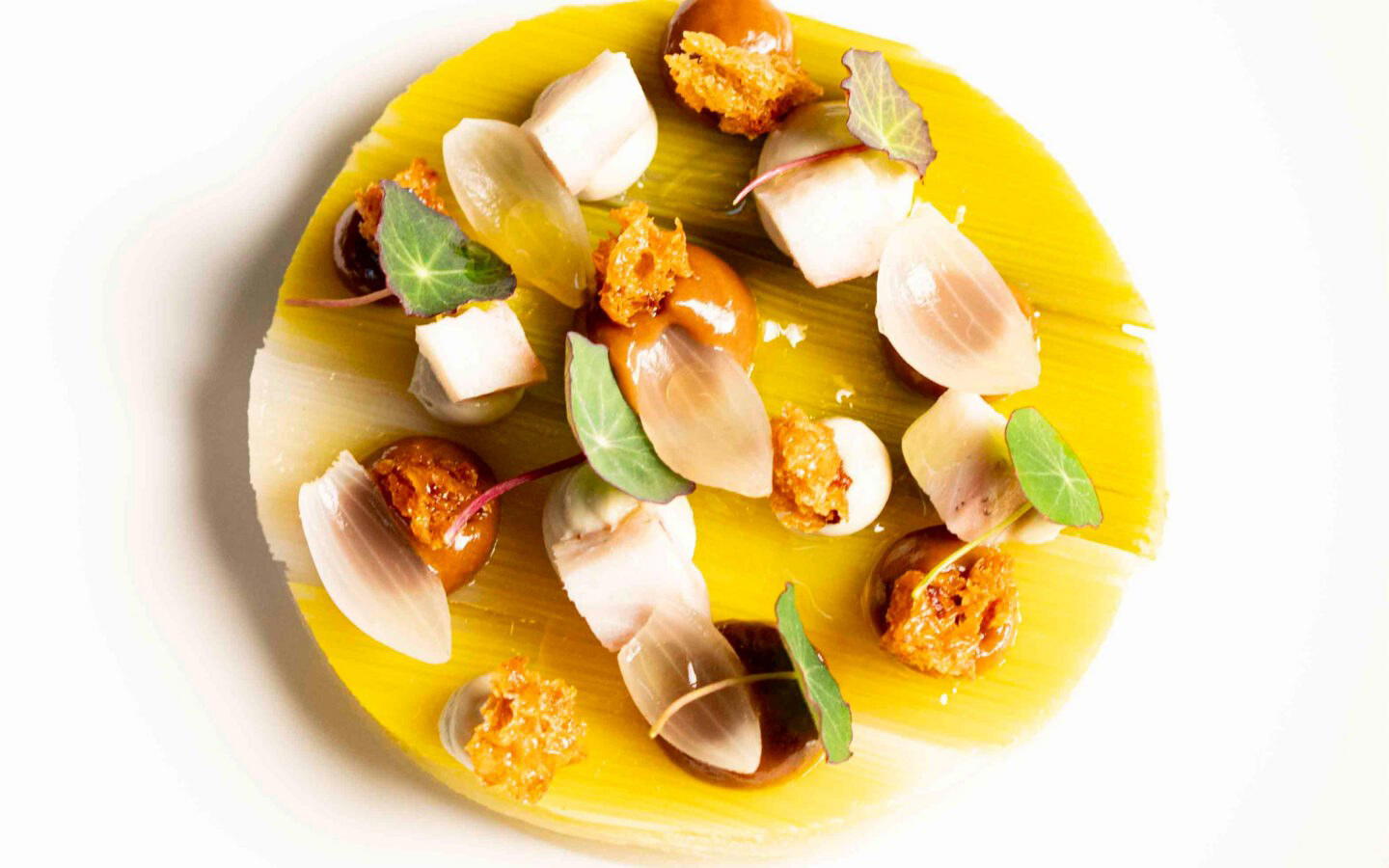
Seafood menus that take their format seriously tend to follow a particular progression. The early courses do the argumentative work: something raw or lightly cured that announces the kitchen's sourcing confidence, followed by a cold preparation that allows texture and temperature to carry more weight than seasoning. The middle of the meal is where cooking technique becomes the point, heat applied to fish or shellfish in ways that preserve moisture while adding complexity. Late courses at seafood-led tables increasingly include a meat or offal element, a structural choice borrowed from the French dégustation tradition that gives the meal a resting point before dessert.
That arc has become the operating template for ambitious seafood restaurants across North America. Le Bernardin in New York City codified much of it, and the influence has filtered down through kitchens at every price point. What separates the rooms that execute it well from those that don't is pacing, specifically, whether the kitchen controls the tempo of arrival or surrenders that control to floor staff managing too many covers at once.
Montreal's more formally structured kitchens, including Jérôme Ferrer's Europea and Mastard, have built their reputations in part on that pacing discipline. Both operate at the upper end of the city's modern cuisine tier, where multi-course sequencing is understood as a compositional choice rather than a sales mechanism.
Where Sea Me Sits in Montreal's Current Dining Order
Montreal's restaurant scene in 2024 operates across a wider range of price points and formats than it did a decade ago. Stronger examples from the market is anchored by tasting-menu rooms that compete with destinations like Tanière³ in Quebec City and Alo in Toronto for the attention of travelling diners. Below that, a dense middle tier covers everything from prix-fixe formats at Sabayon to neighbourhood-anchored rooms like 3 Pierres 1 Feu and Abu el zulof, each operating with distinct culinary registers and clienteles.
Sea Me's Peel Street address positions it squarely in the downtown catchment, which means it competes primarily for the business-dinner and pre-event segments rather than the destination-dining audience that plans visits months in advance. That is not a lesser category, the downtown dinner trade in Montreal is substantial and consistent, but it implies a different set of operating pressures than the rooms drawing international attention. The full Montreal restaurant guide maps this distribution across neighbourhoods and price tiers in more detail.
The Canadian Seafood Context
Any seafood-focused restaurant in Canada's interior cities is implicitly making a claim about logistics. The country's most geographically embedded seafood programs are typically found closer to the coasts: AnnaLena in Vancouver works with Pacific product, while eastern Quebec kitchens draw on Gulf and Atlantic supply. Montreal sits at a remove from both coastlines, which means the freshness question is always mediated by cold-chain management and the kitchen's relationships with its suppliers.
Quebec's regulated fisheries produce scallops from the Îles-de-la-Madeleine and snow crab from the Gulf that are distributed across the province with reasonable speed and consistency. A Montreal seafood kitchen that commits to those specific supply lines is working with high-quality raw material. The question a diner should bring to any such restaurant is whether the menu signals that specificity, through seasonal availability, regional naming, or the simple discipline of serving fewer things at their peak rather than more things throughout the year.
For comparison, destination dining experiences in more rural or small-market settings, like Eigensinn Farm in Singhampton or Restaurant Pearl Morissette in Lincoln, have built reputations on precisely that kind of seasonal discipline applied to local supply. The urban seafood table faces a harder version of the same test, because the supply chain is longer and the pressure to maintain a consistent menu year-round is greater.
Arriving on Peel Street
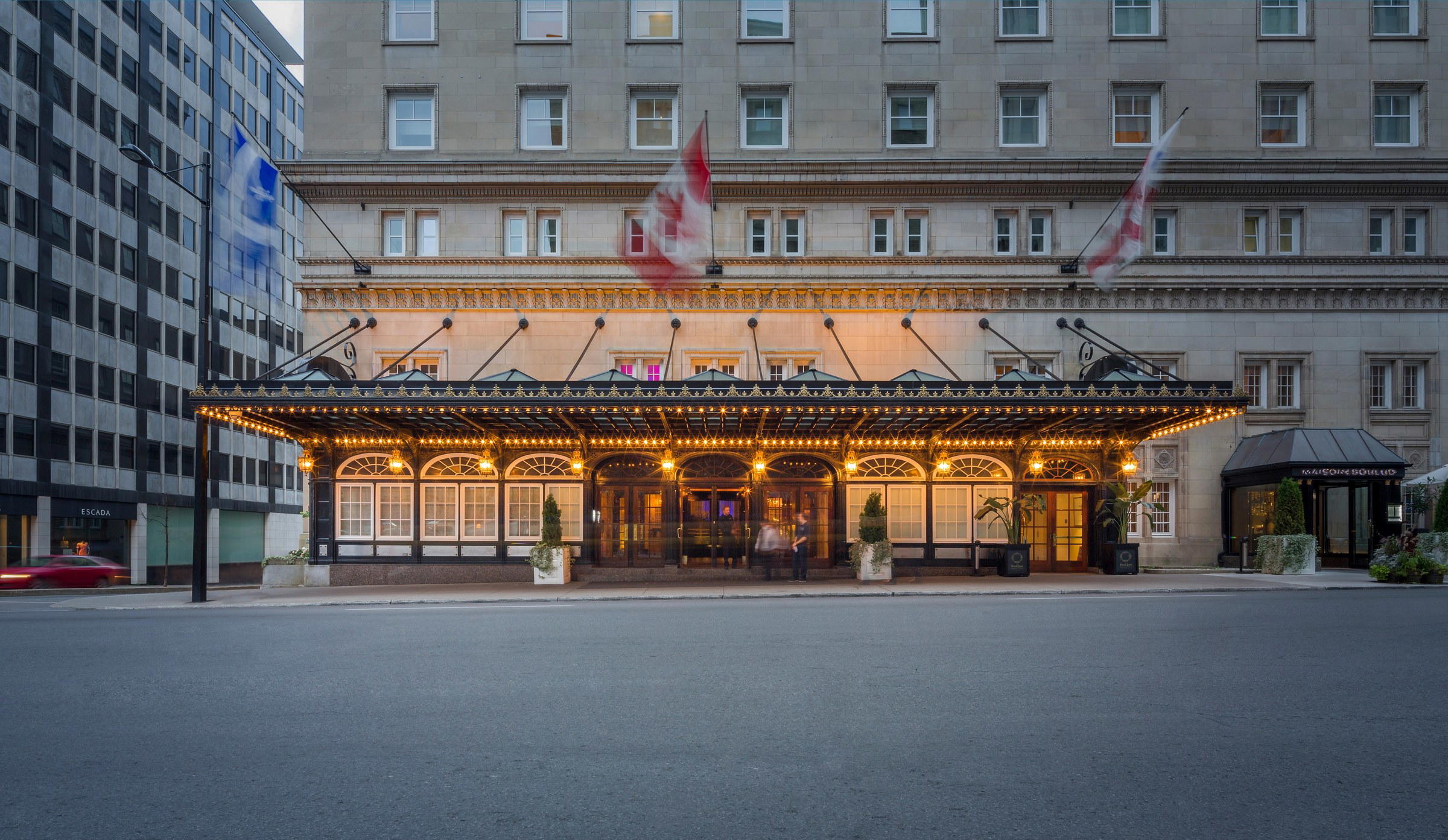
The stretch of Peel between Sainte-Catherine and René-Lévesque is a working commercial block by day and a different animal in the early evening, when the financial district empties and dinner-bound foot traffic takes over.
Know Before You Go
- Address: 1455 Peel St, Montreal, Quebec H3A 1T5
- Getting There: Peel Metro station (green line) is the closest transit stop
- Booking: Confirm current reservation availability directly with the venue, walk-in policy not publicly documented
- Hours: not confirmed at time of publication, verify before visiting
- Price Range: not listed, consult the venue directly for current menu pricing
- Dress Code: Not specified, downtown dinner standards apply
- Bluefin tuna crudo
- Sea bass
- Branzino
- Mushroom risotto
- Lobster-infused gnocchetti
- Spaghetti with clams
Similar Picks
Comparable venues nearby, for context on price, style, and recognition.
| Venue | Cuisine | Price | Notes |
|---|---|---|---|
| Sea MeThis venue — the venue you are viewing | Modern Italian Coastal Cuisine | $$$ | Not listed |
| Bis Ristorante | Classic Italian Fine Dining | $$$ | Golden Square Mile |
| Restaurant Elena | Contemporary Italian Pizza & Wine Bar | $$$ | Saint-Henri |
| La Medusa | Authentic Italian Trattoria | $$$ | Golden Square Mile |
| Tiamo | Traditional Italian with Wood-Fired Pizza | $$$ | Milton-Parc |
| Lucca | Authentic Italian | $$$ | La Petite-Italie |
At a Glance
- Elegant
- Modern
- Sophisticated
- Trendy
- Date Night
- Business Dinner
- Group Dining
- Special Occasion
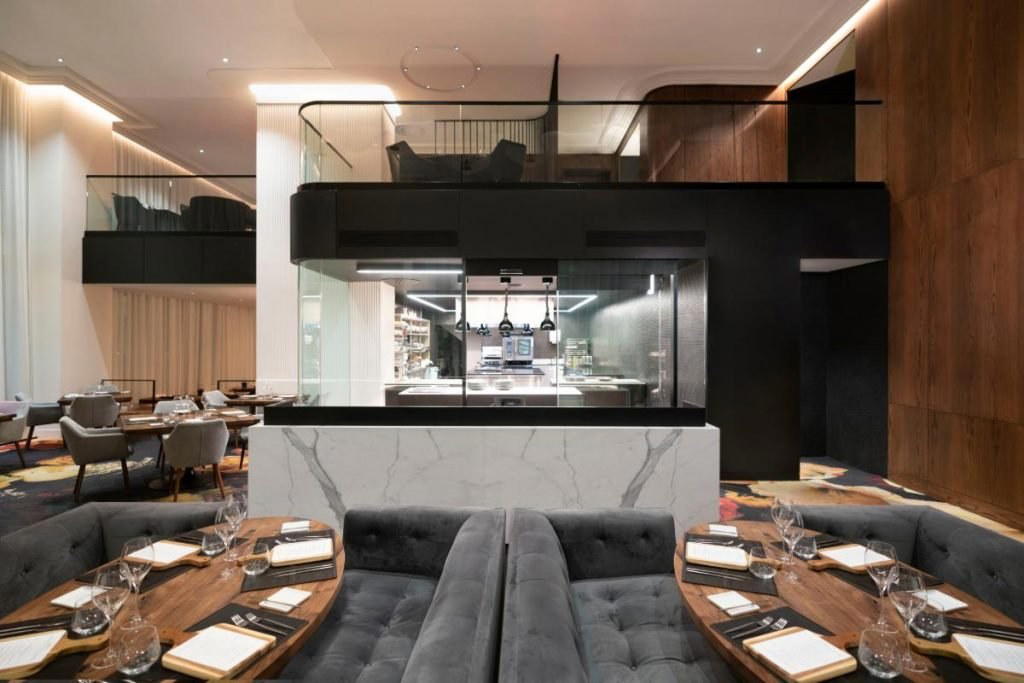
- Open Kitchen
- Terrace
- Extensive Wine List
- Local Sourcing
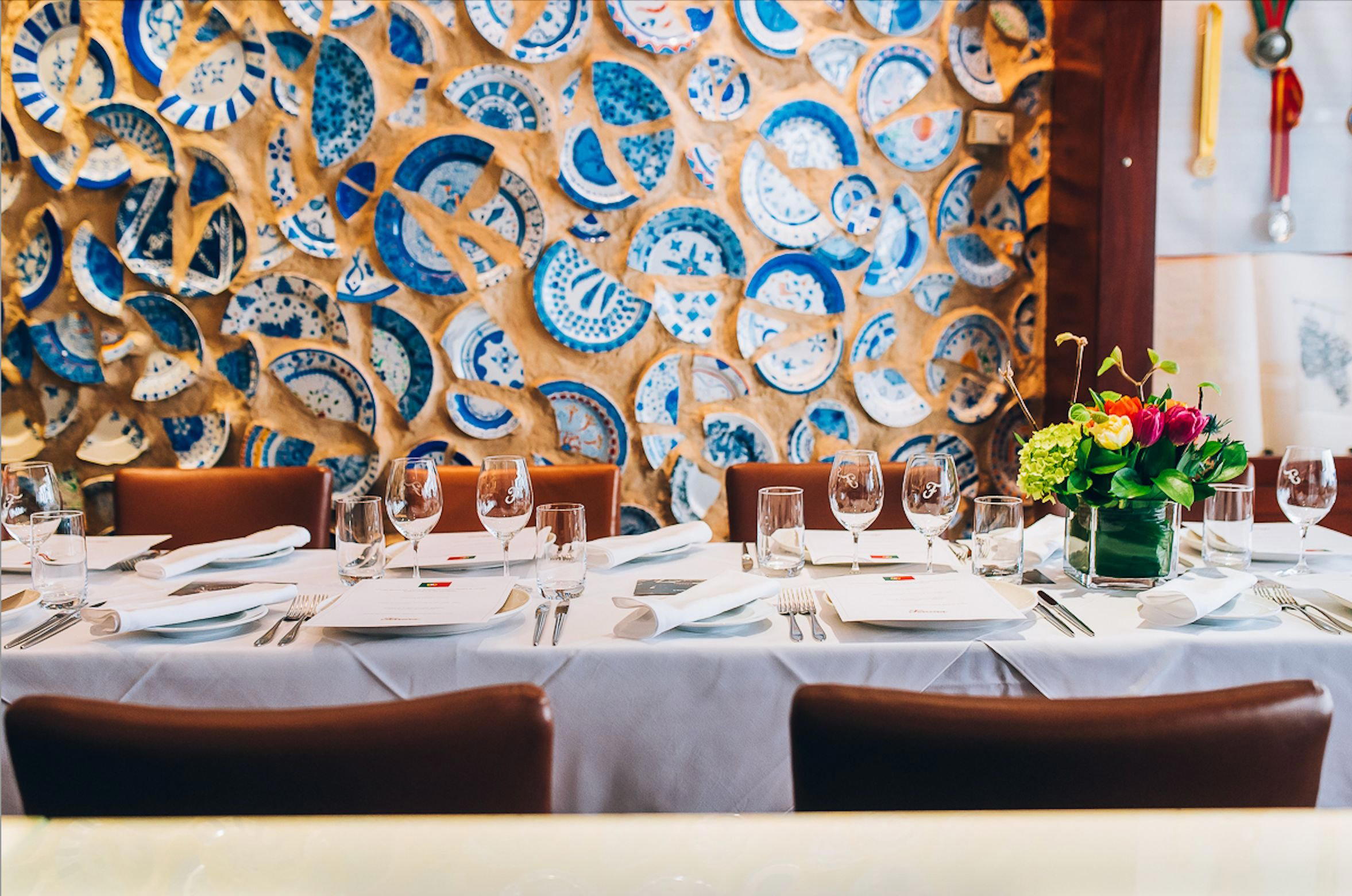
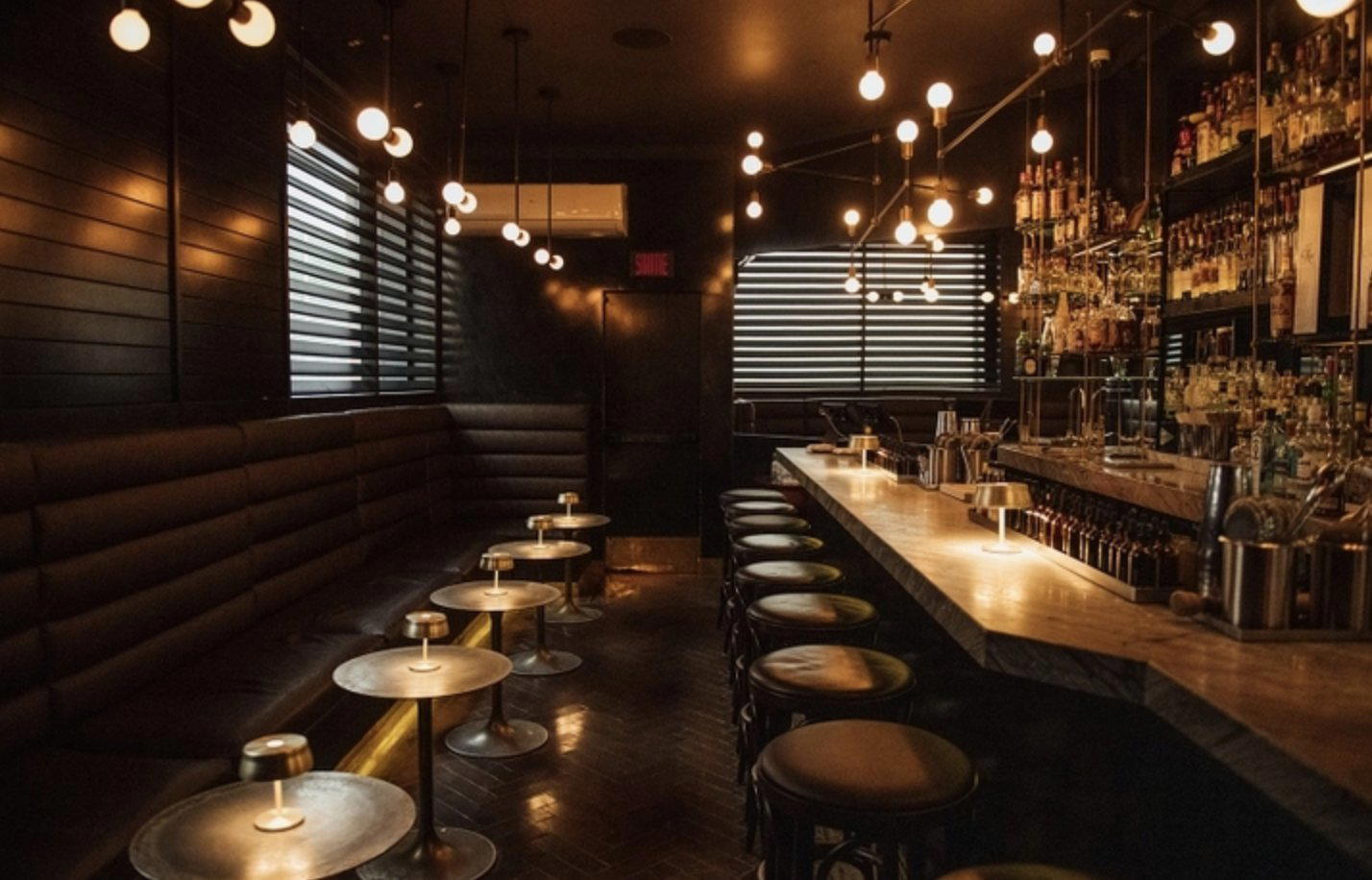
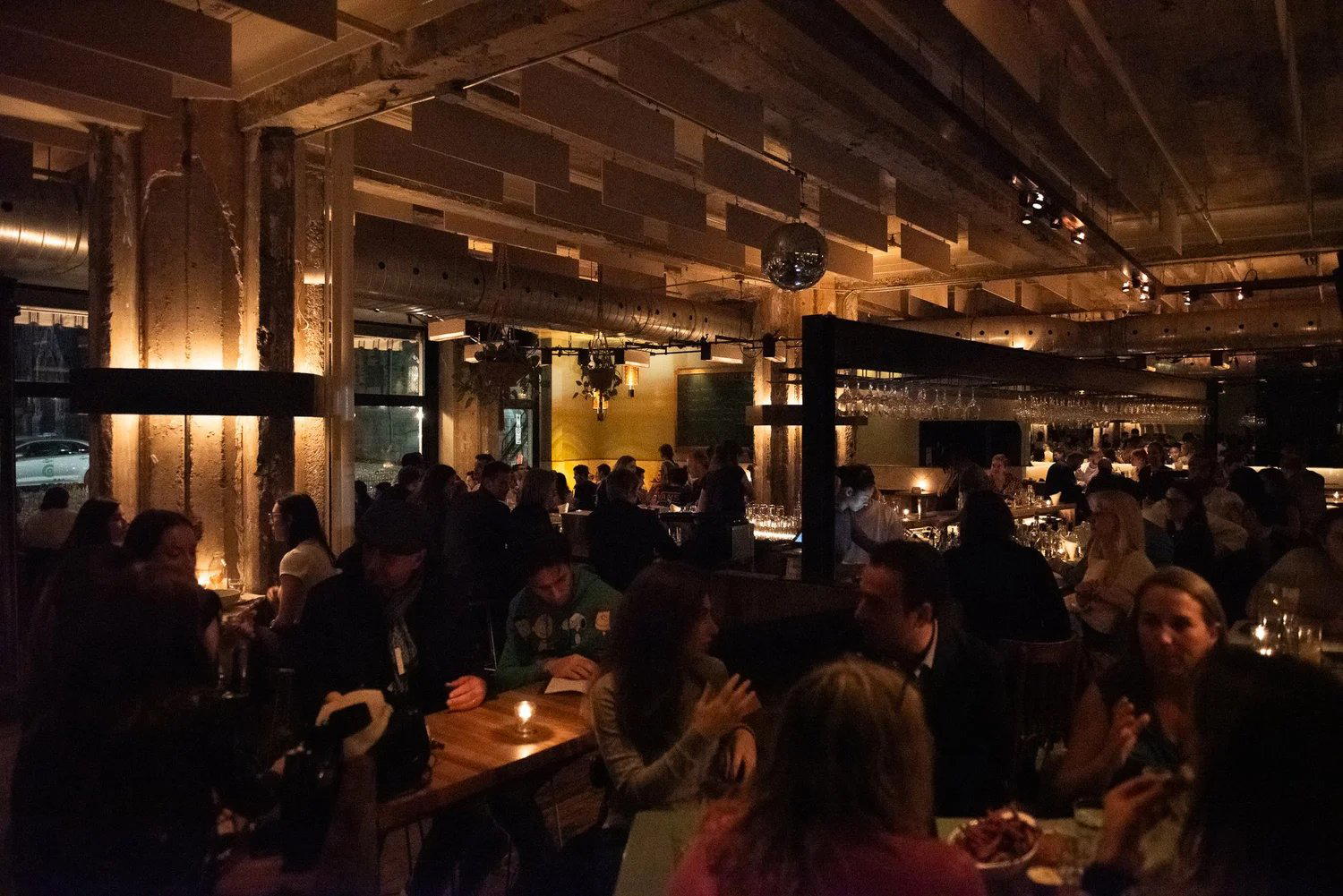
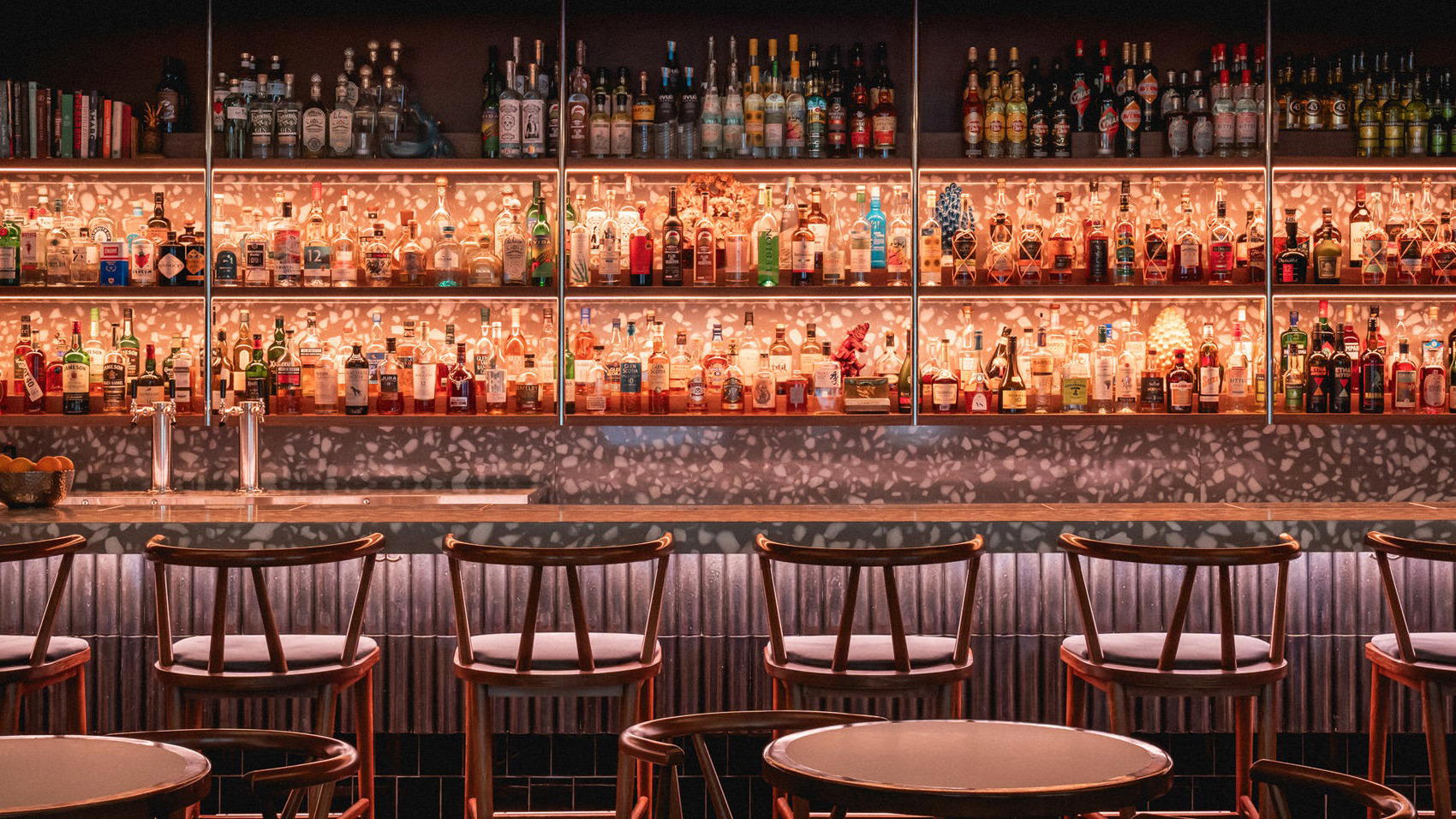
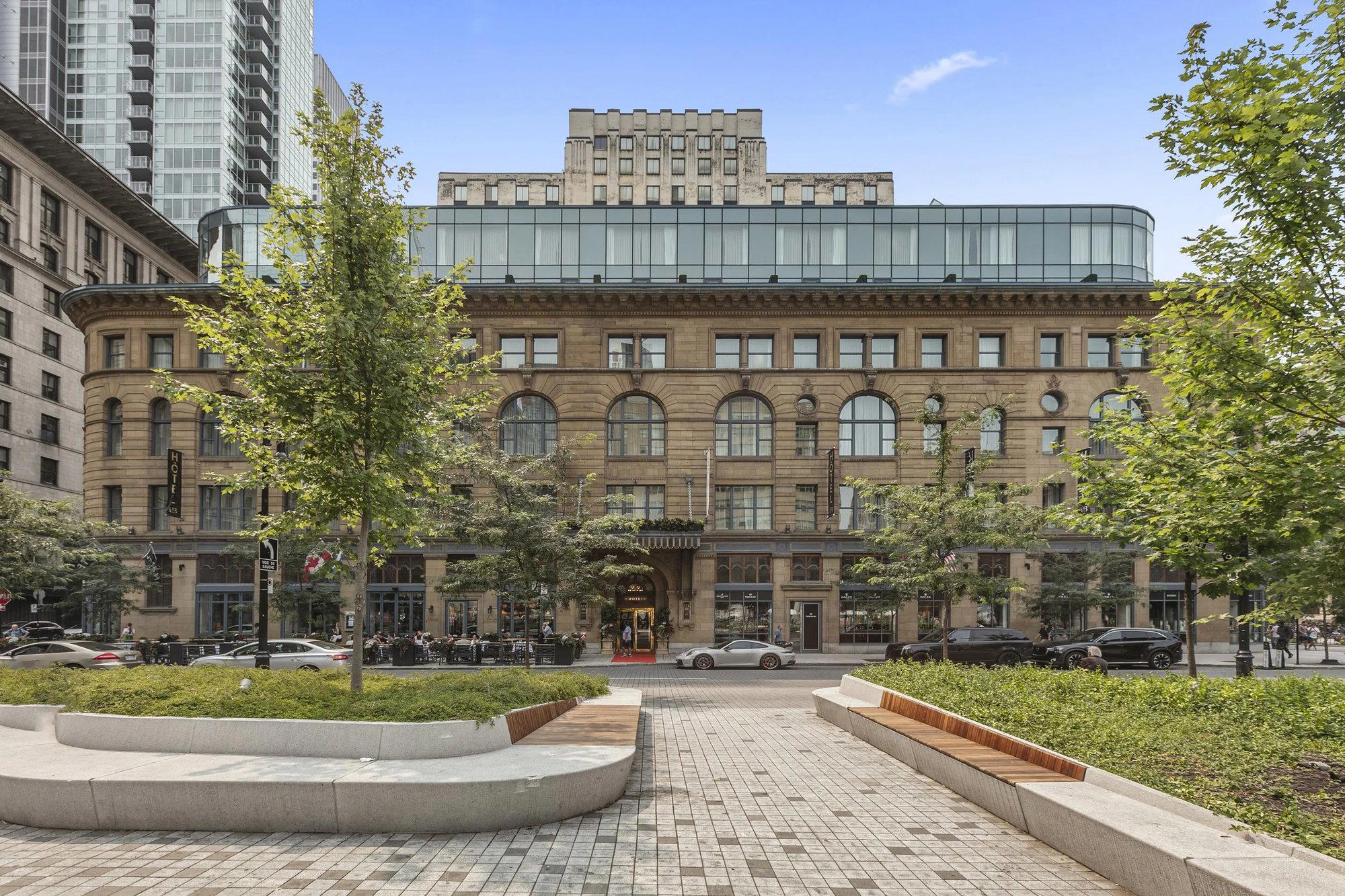
Airy, chic, and trendy contemporary setting with refined yet relaxed atmosphere and modern design that complements the sophisticated dining experience.