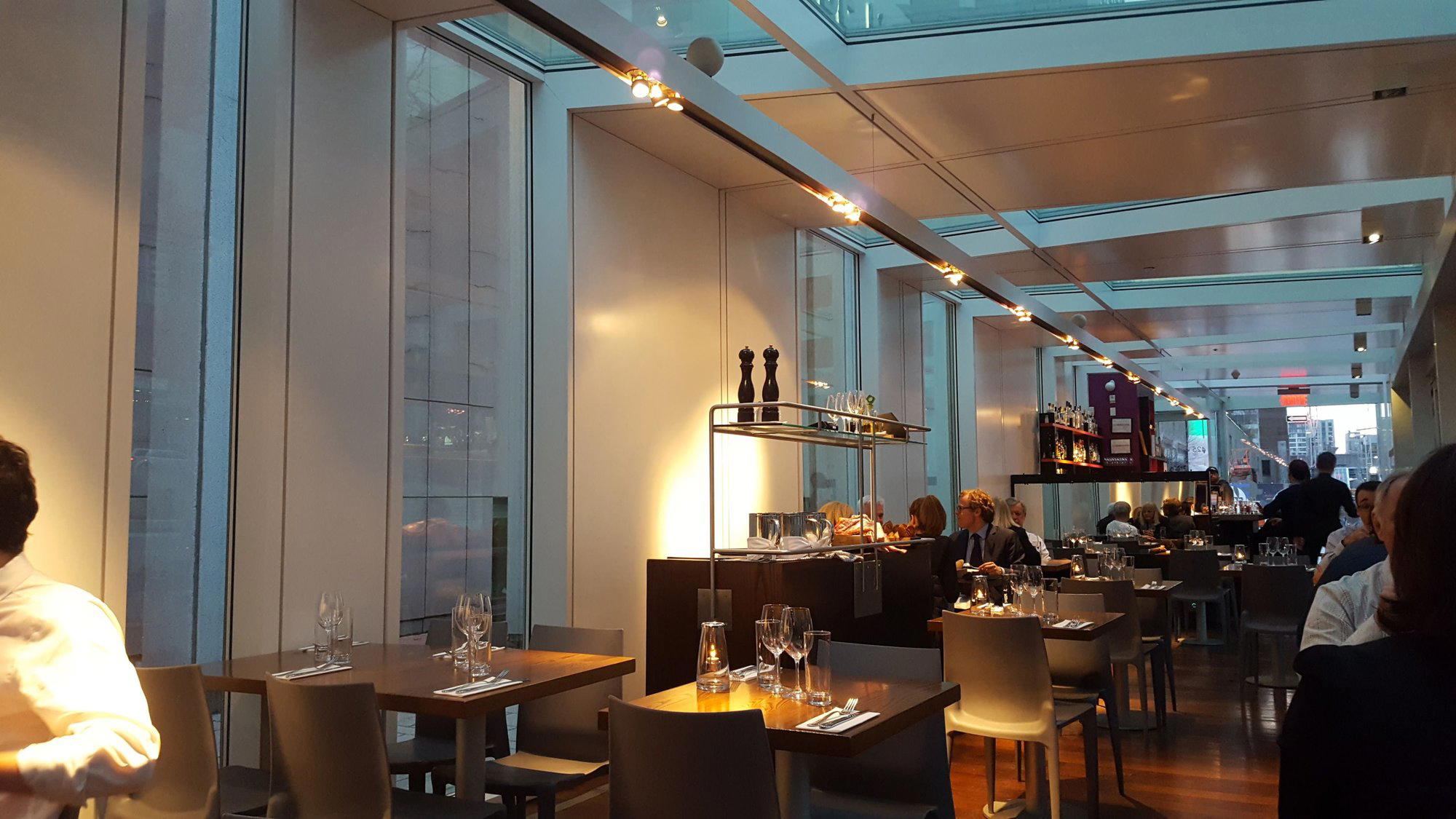
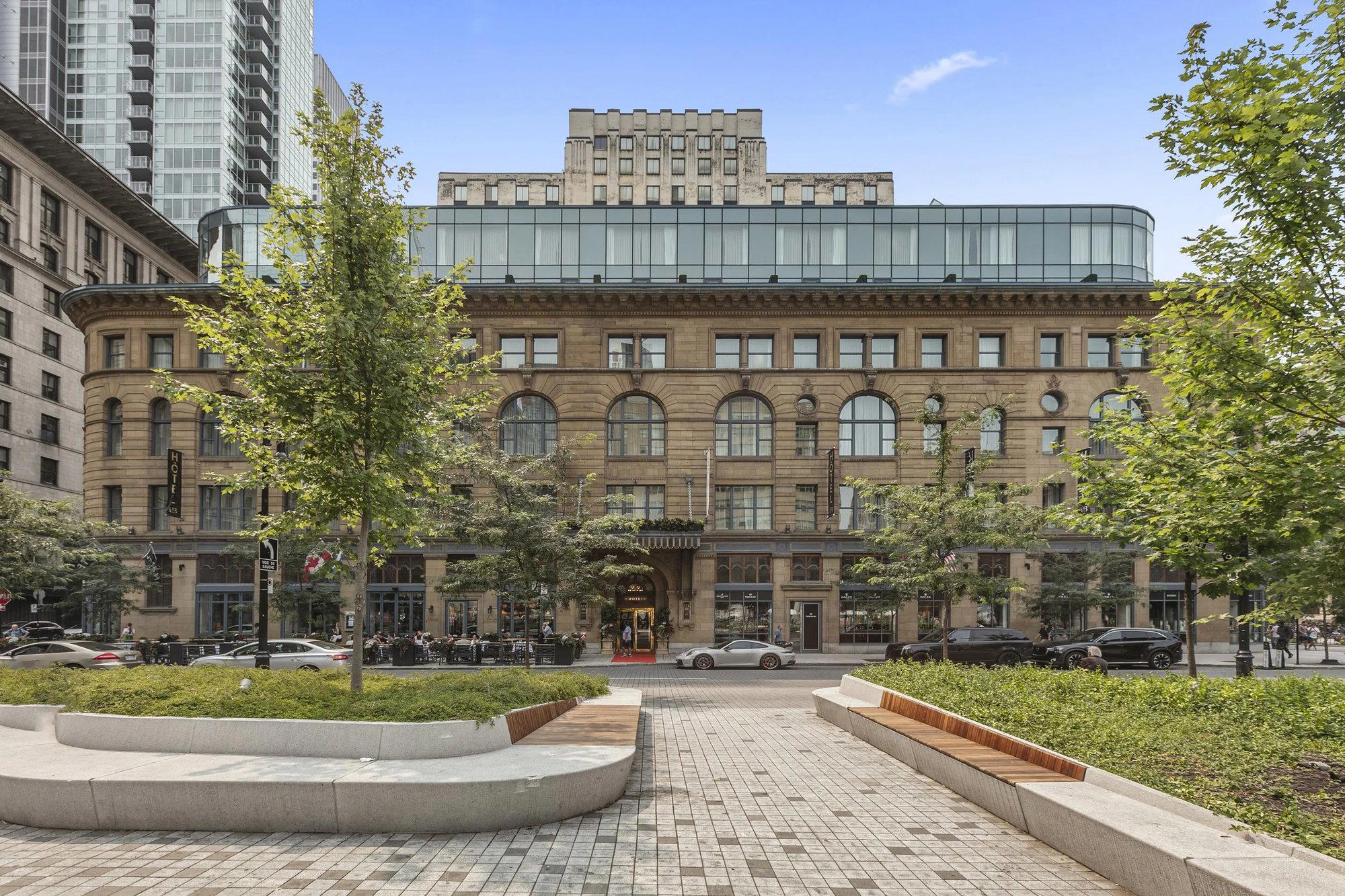
Brasserie T! sits on Rue Jeanne-Mance at the heart of Montreal's Quartier des spectacles, positioning it squarely within the city's arts-district dining scene. The brasserie format here draws on French tradition adapted for a Montreal crowd that arrives pre-show and stays well past curtain. It occupies a middle ground between the casual end of the market and the formal French kitchens that define the city's upper tier.
- Address
- 1425 Rue Jeanne-Mance, Montréal, QC H2X 2J4, Canada
- Website
- brasserie-t.com
- Directions
- Get directions
Dining in the Quartier des Spectacles: What the Neighbourhood Shapes
Montreal's Quartier des spectacles is an entertainment district where the dining scene has developed real credibility rather than defaulting to tourist-volume turnover. The neighbourhood anchors the city's performing arts infrastructure, Place des Arts sits at its centre, surrounded by concert halls, festivals, and event venues that generate foot traffic on a scale few Montreal streets match outside of summer festival season. That context shapes what a restaurant here needs to do: absorb pre-theatre crowds efficiently, hold a room through a full evening, and keep quality consistent across service windows that rarely slow down on performance nights.
Brasserie T! at 1425 Rue Jeanne-Mance operates inside that reality. The brasserie format, rooted in French urban tradition, is well-suited to it. The French brasserie emerged as a format precisely because it could handle volume without sacrificing a baseline of craft, reliable sauces, a broad menu, a bar program that supports both aperitif culture and extended dining. In Montreal, that tradition has filtered through the city's particular culinary identity: French in foundation, but shaped by Quebec's ingredient culture, its bilingual urban character, and a dining public that holds casual and ambitious in the same expectation.
The Brasserie Format in Montreal's Price Tier
Montreal's restaurant market runs a relatively compressed price range compared to Toronto or Vancouver, but it stratifies clearly. At the formal end, places like Jérôme Ferrer - Europea and Mastard represent the city's modern cuisine ambitions at the $$$-$$$$ tier. Below that, the brasserie sits in a democratic middle space, accessible enough for a weeknight before a show, considered enough for a visitor seeking something beyond pub fare.
The brasserie as a category has a specific cultural logic in the French tradition. It is not a bistro, which tends toward tight menus and close quarters. It is not a restaurant gastronomique, which implies ceremony and singular focus. A brasserie serves steak frites and oysters and a decent Burgundy at a table you can share noisily with four people you just met at the bar. That social architecture suits the Quartier des spectacles precisely. The neighbourhood draws a mixed crowd: locals heading to Place des Arts, festival visitors during Montreal's summer season, tourists whose hotel recommended somewhere in the arts district. A brasserie can seat all of them simultaneously without the room feeling incoherent.
The comparison to Sabayon or 3 Pierres 1 Feu is instructive. Both operate in Montreal's mid-to-upper modern tier. A brasserie like this one is calibrated differently, it is less about the arc of a chef's cooking and more about the reliability of a format that has served French cities for over a century. That is not a lesser ambition; it is a different one.
The Cultural Weight of the French Brasserie in Quebec
Quebec's relationship with French culinary tradition is not direct imitation. The province has spent decades developing a regional cuisine rooted in local producers, maple, wild game, Saint-Lawrence seafood, heritage grains, while maintaining French technique as a structural backbone. Montreal sits at the intersection of those two forces more visibly than anywhere else in the country. The city's French-language culture gives the brasserie an authenticity it might lack in, say, an anglophone city replicating the format for style points.
A brasserie in Montreal is, in cultural terms, a closer relative of its Parisian equivalent than most international borrowings. The language on the menu, the rhythm of service, the expectation of a long lunch or a late dinner, these align with the French model in ways that make the format feel native rather than borrowed. That matters when you are eating in a neighbourhood designed around cultural output. The Quartier des spectacles asks its restaurants to contribute to a sense of place, and a well-run brasserie carries that freight in a way that a generic international bistro cannot.
For readers building a wider picture of Canada's serious dining culture, the Montreal brasserie tier represents something many cities lack in comparable form: a French-rooted casual dining tradition that predates the current farm-to-table wave and does not need to reference it to justify itself.
Placing Brasserie T! Among Montreal's Options
The Quartier des spectacles dining corridor includes a range of formats. Some skew toward quick service for festival crowds. Others, including spots like Abu el Zulof, bring distinct cultural signatures to the neighbourhood. Brasserie T! holds its position as a French-format option with arts-district adjacency, which means it draws a more considered diner than a purely tourist-facing address would attract.
Against Montreal's broader dining market, which runs from the smoked-meat institution of Schwartz's through the mid-tier bistro density of L'Express to the formal French ambitions of Toqué at the leading, the brasserie occupies a specific and useful slot. It is the format that handles the pre-theatre constraint (a set departure time, a group that may include non-specialists) without sacrificing the quality expectation that Montreal's dining public applies even to casual meals. That is a harder brief than it sounds. Few formats execute it as reliably as the brasserie, when the kitchen holds discipline.
For context across Canada's broader dining spectrum, the contrast with more remote or destination-oriented addresses is clarifying. Those are pilgrimage addresses where the journey is part of the proposition. Brasserie T! is the opposite: a restaurant whose value is partly its position, its accessibility, and its ability to fit into an evening already structured around something else.
Planning Your Visit
The address at 1425 Rue Jeanne-Mance places the restaurant within walking distance of Place des Arts and the main festival infrastructure of the Quartier des spectacles. For those building a broader Montreal dining itinerary, our full Montreal restaurants guide maps the city's options across price tier and neighbourhood. Pre-theatre timing will compress your window, so arriving with a clear departure time is standard practice for this part of the city. The neighbourhood is accessible by metro, Place-des-Arts station is the closest stop, which matters during festivals when street parking becomes impractical.
A Pricing-First Comparison
Comparable venues nearby, for context on price, style, and recognition.
| Venue | Cuisine | Price | Notes |
|---|---|---|---|
| Brasserie T! - Quartier des spectaclesThis venue — the venue you are viewing | Not listed | $$$ | Not listed |
| Bonaparte | Vieux Montréal, Classic French Bistro | $$$ | Not listed |
| Monème | Not listed | $$$ | Quartier Chinois, Modern French-Quebecois Bistro |
| Chez Alexandre | Not listed | $$$ | Golden Square Mile, Classic French Brasserie |
| Brasserie Milton | Not listed | $$$ | Quartier des Spectacles, Quebec-Inspired French Brasserie |
| Gaspar French Brasserie | Not listed | $$$ | Vieux Montréal, French Brasserie with Montreal Flair |
At a Glance
- Lively
- Elegant
- Sophisticated
- Date Night
- Special Occasion
- After Work
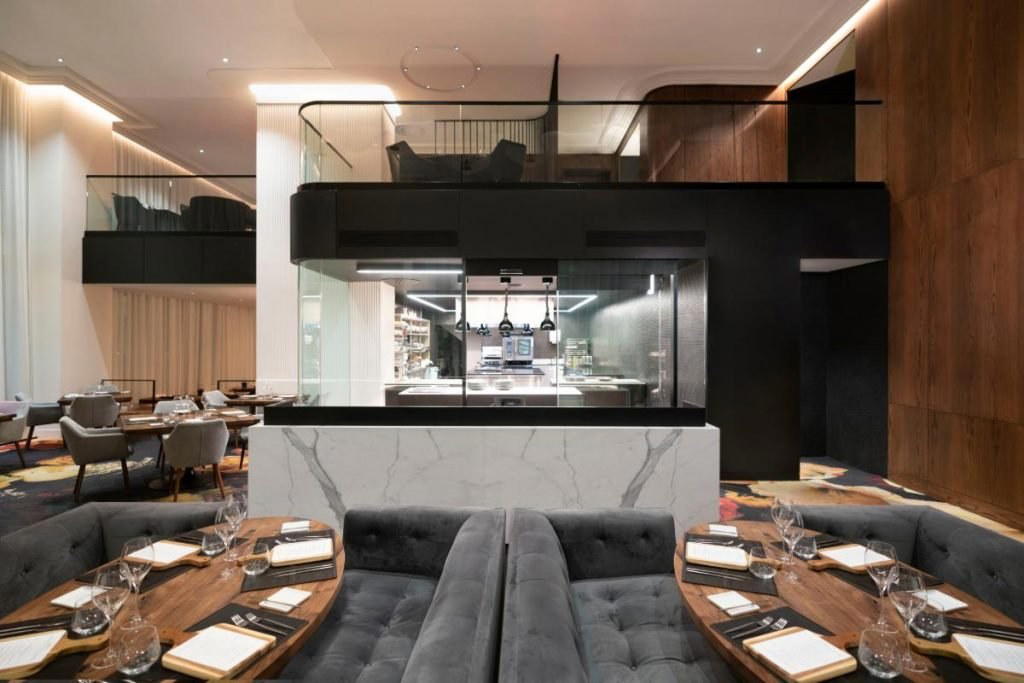
- Open Kitchen
- Extensive Wine List
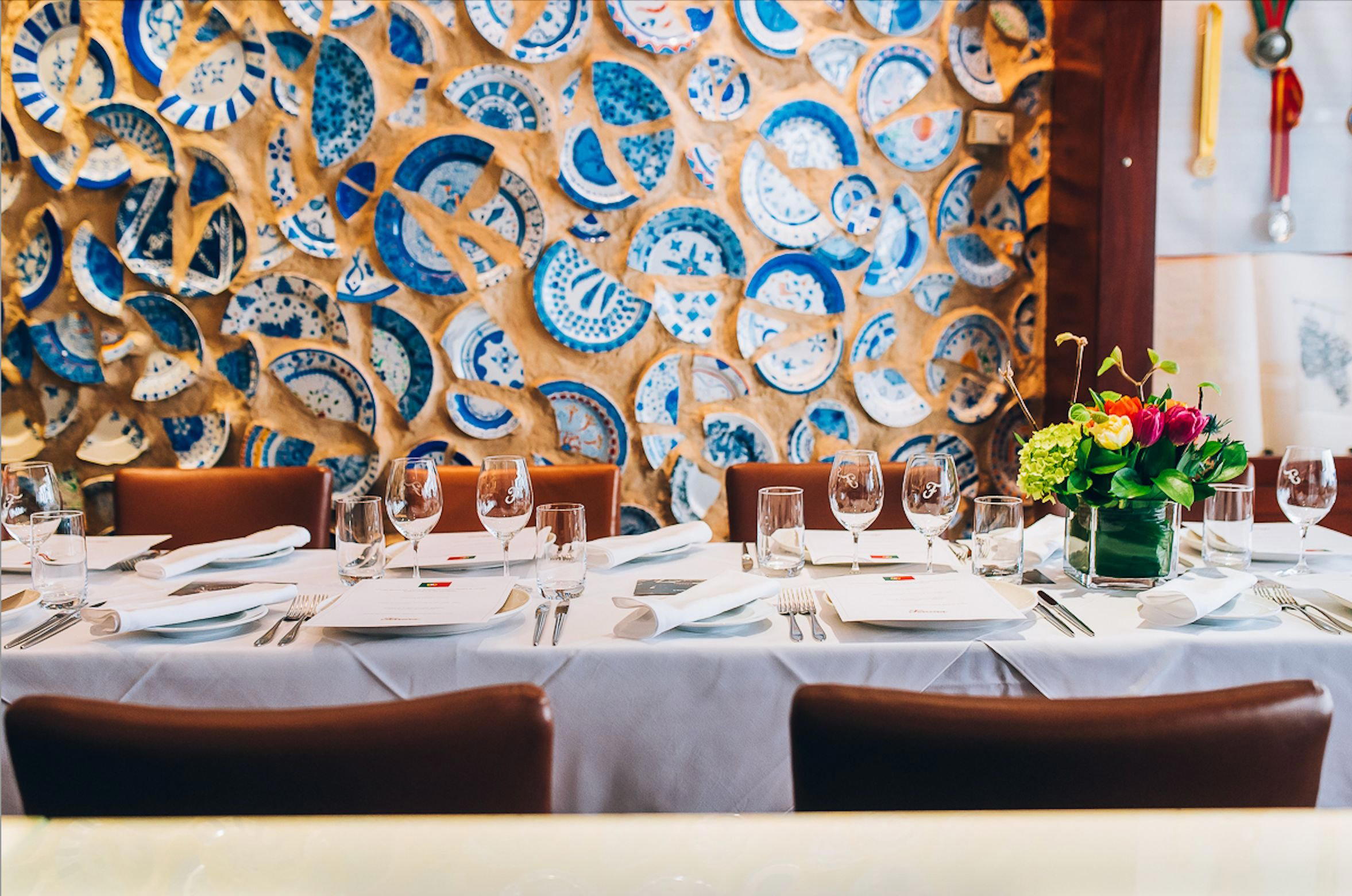
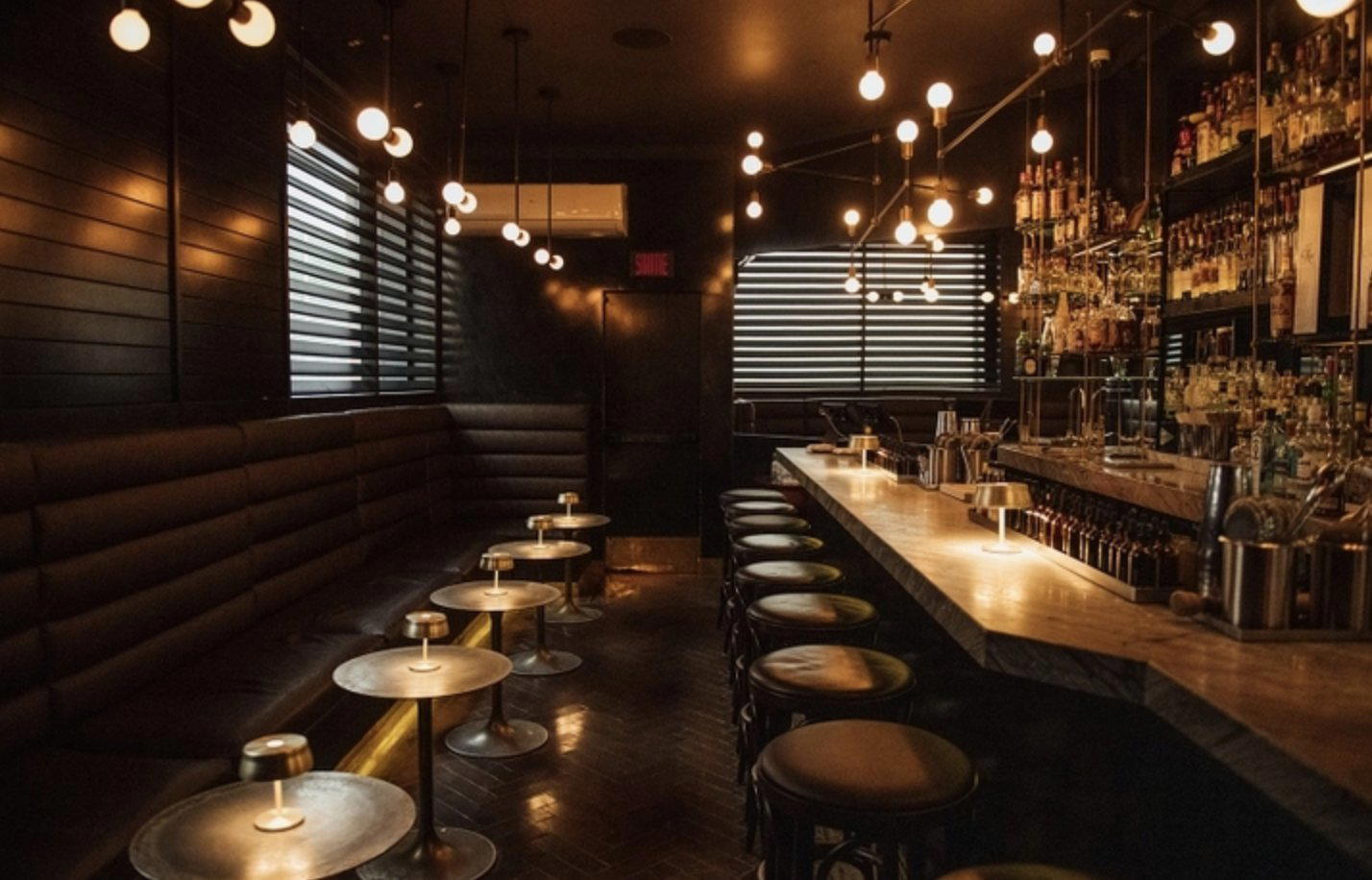
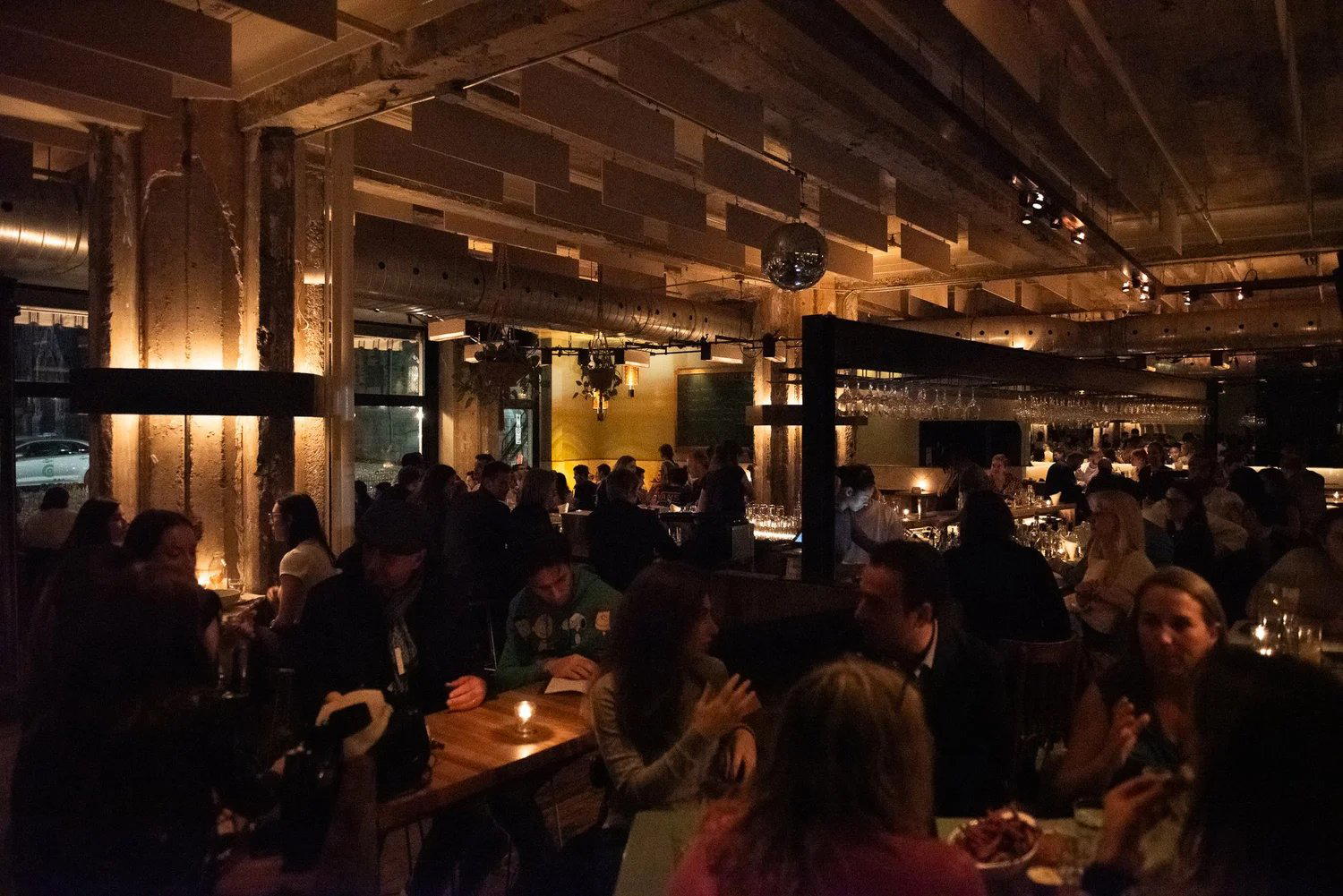
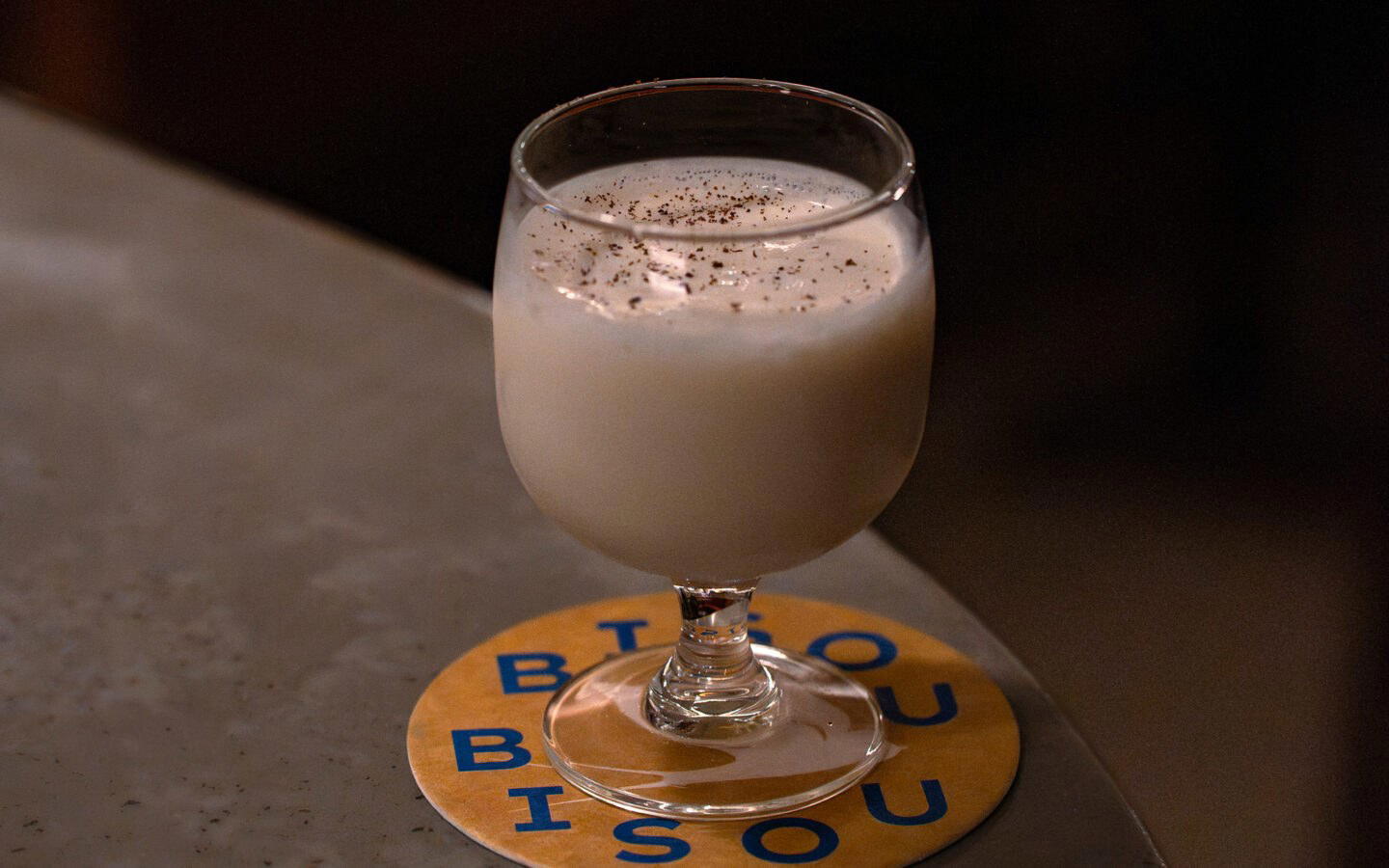
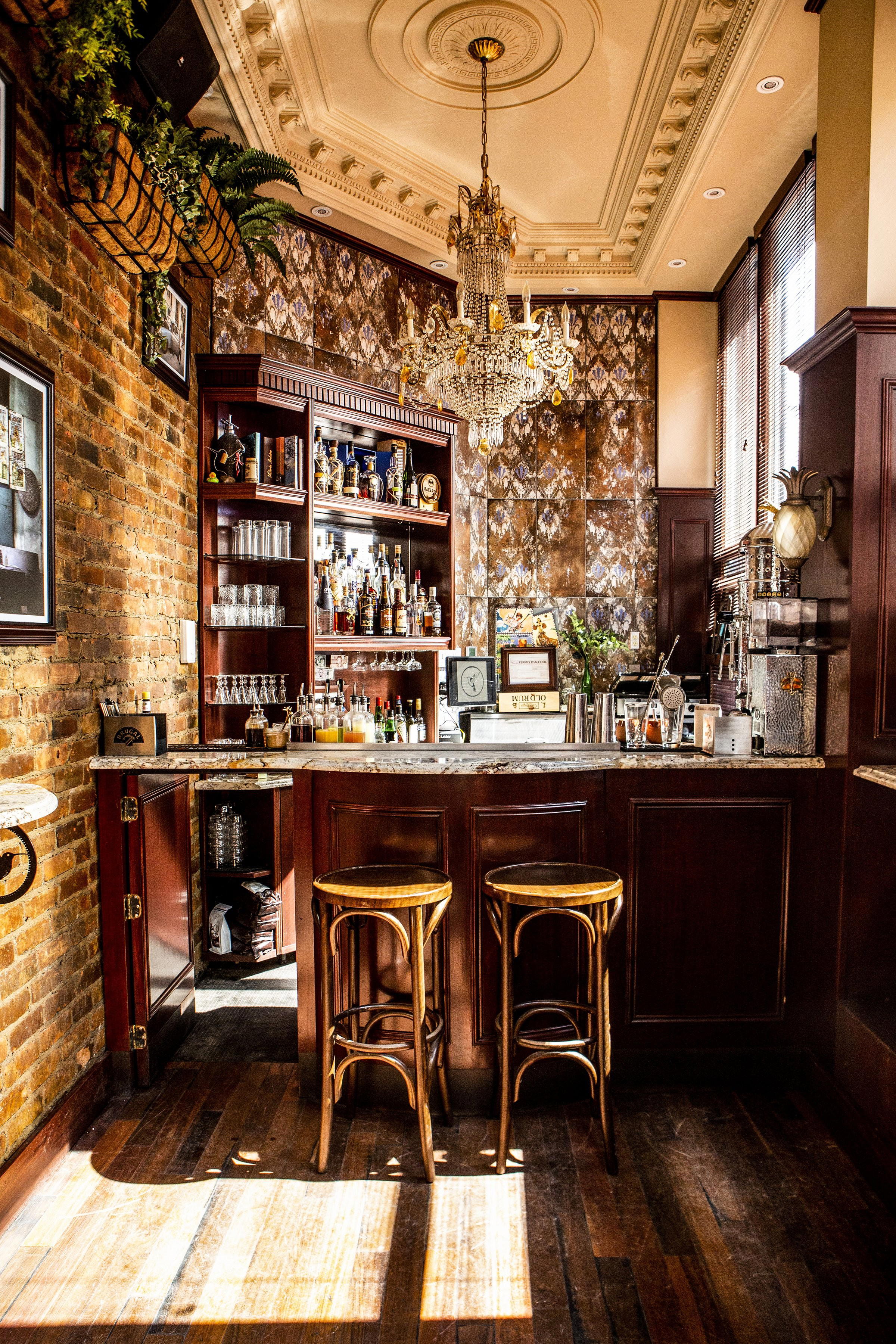
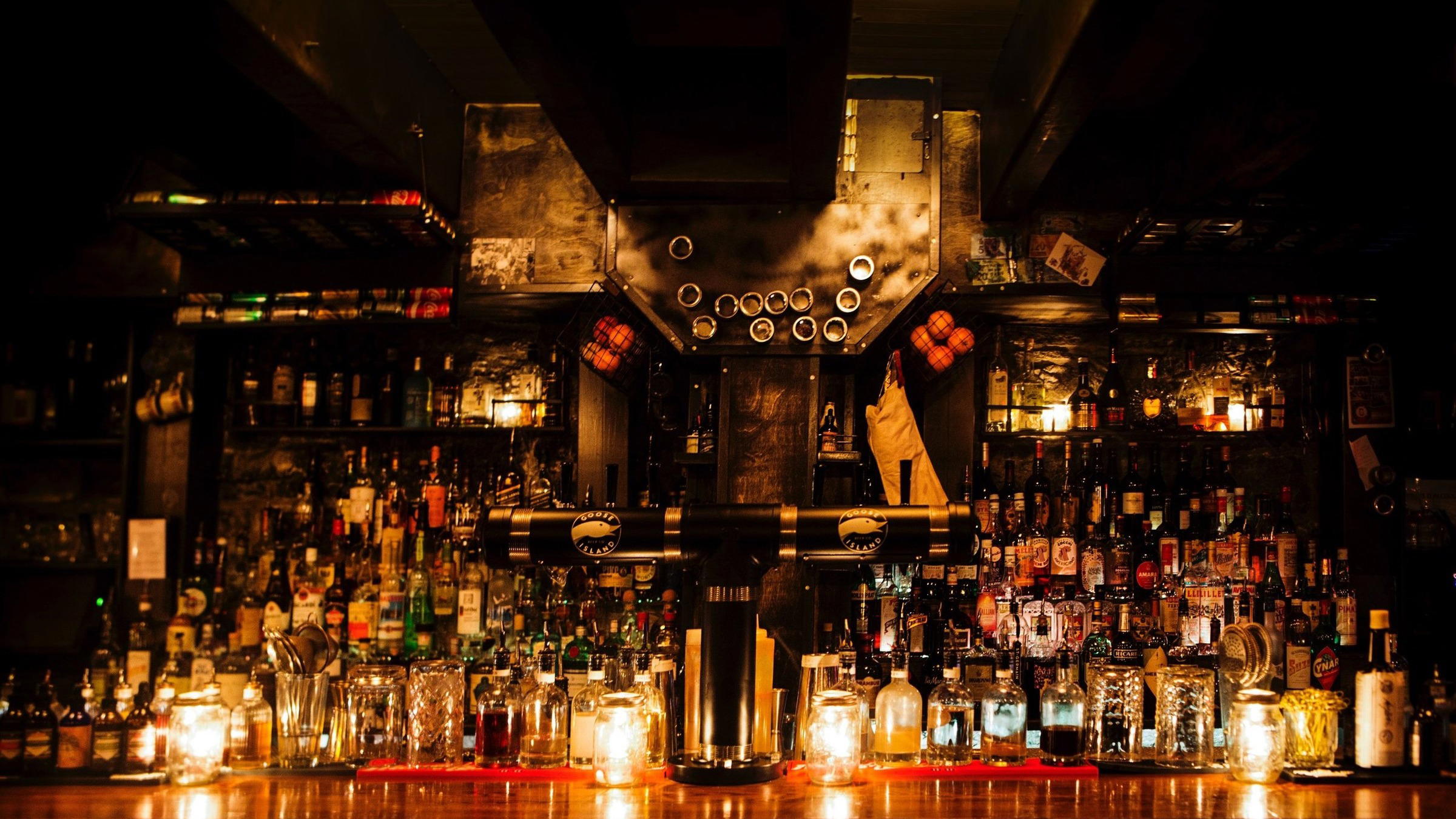
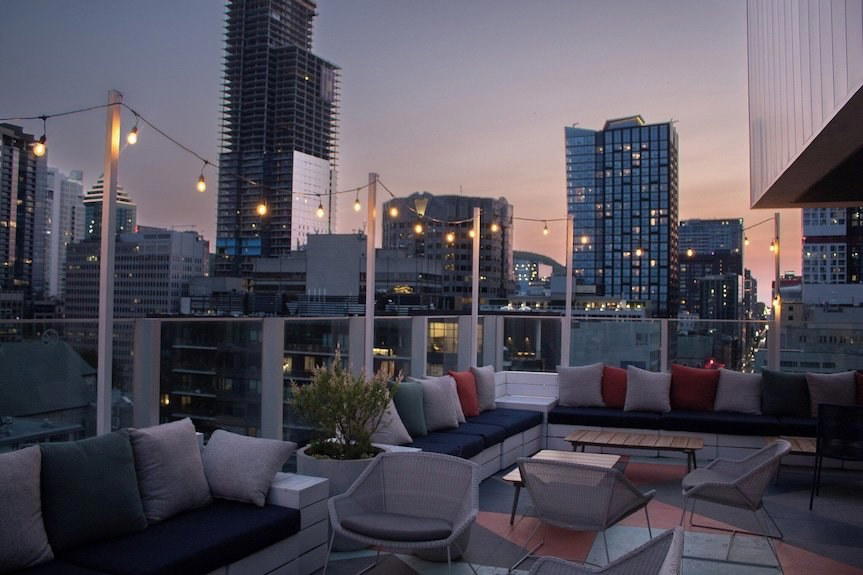
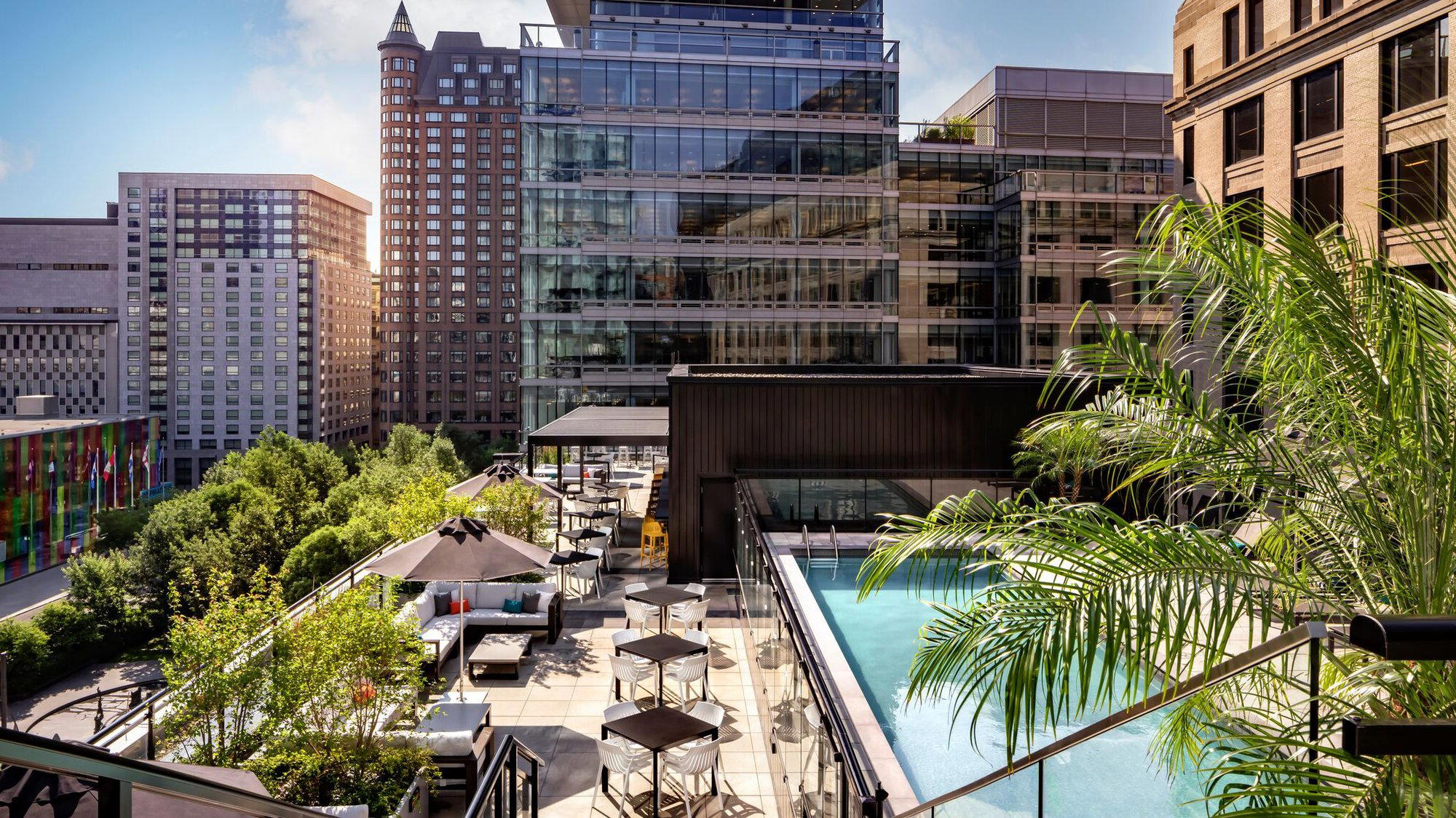
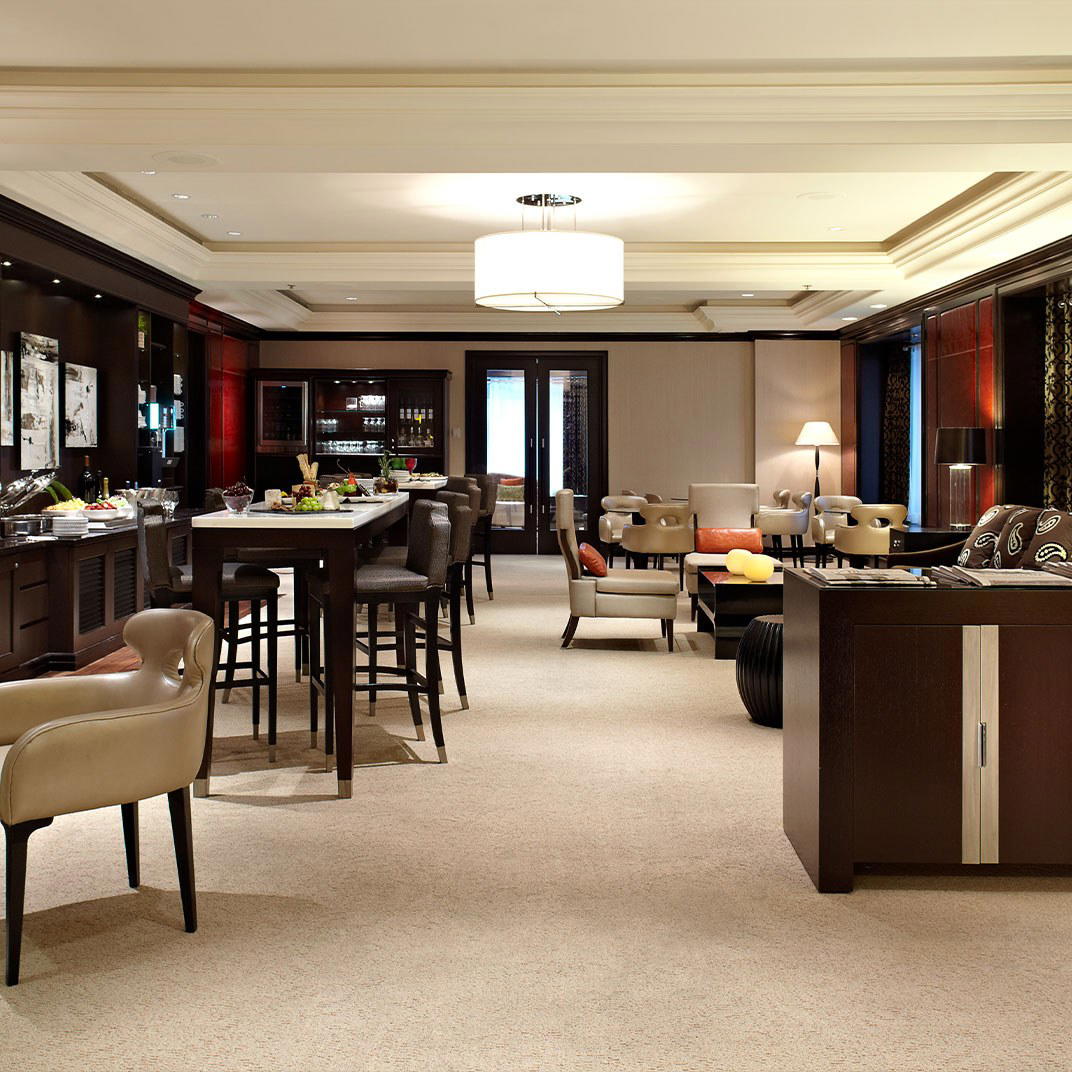
Lively and chic atmosphere with a lively buzz, ideal for pre- or post-event dining.