
Okayama’s eel tradition rewards restaurants that treat sourcing and grilling as the meal’s central argument rather than background craft. Ujo Tei belongs in that conversation through its Tabelog 100 - Unagi - 2024 selection, a compact counter-and-sunken-seating format, and a price tier that places it above casual unagi lunches without pushing into formal kaiseki territory.
Pearl is the En Primeur Club membership app — saves, bookings, and concierge access live there. Same editors, same standards.
- Address
- 岡山県岡山市北区内山下1-8-18
- Phone
- +81862341139
- Website
- tabelog.com
 Saves & bookings on Pearl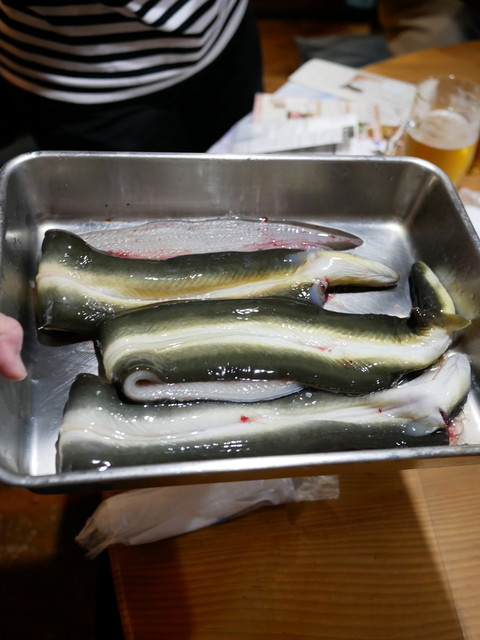
A serious unagi meal in Okayama is quieter than the theatre of sushi counters or beef rooms. The cues are practical: a compact room, counter seats close enough to see the cooking, and a pace built around a single ingredient whose quality can be lost in seconds if the grill is mishandled. In a city many travellers know for Korakuen Garden, Okayama Castle, and fruit country, eel sits in a different register: less photogenic, more dependent on trust.
That trust matters because unagi does not forgive weak sourcing. The Japanese eel table rests on decisions made before the rice bowl arrives: fish size, fat, handling, steaming or grilling style, sauce concentration, and how the kitchen keeps the skin from turning slack. Ujo Tei enters as an unagi specialist rather than a broad Japanese restaurant, with recognition in Tabelog 100 - Unagi - 2024 and earlier selections in 2018 and 2019. Those signals place it in a national category where narrow focus matters more than menu range.
Okayama eel, judged by sourcing discipline rather than spectacle
Unagi in Japan carries a midsummer association, especially around Doyo no Ushi no Hi, when eel is eaten for stamina in heavy heat. Serious eel restaurants, however, cannot rely on seasonal mythology. The category depends on repeatable procurement and controlled preparation year-round. In regional cities, that sharpens the distinction between specialist houses and general-purpose washoku restaurants: the former are judged by consistency in fish handling, the latter by breadth.
Ujo Tei’s value is clearest in that specialist frame. The listing category is unagi, the food note emphasizes attention to fish, and takeout is available, a useful clue in Japan’s eel culture, where kabayaki and rice-box formats have long travelled beyond the dining room. This is not the same decision as booking a multi-course counter in Tokyo or Kyoto. It is narrower: go for eel, assess how the kitchen treats eel, and do not expect the meal to behave like a general tasting menu.
Okayama’s restaurant scene has a split personality. Around the station and central shopping streets, the city feels practical and workaday; closer to civic and castle-side districts, dining slows into older rhythms. Uchisange, in Kita-ku, fits that second pattern better than the nightlife shorthand visitors often attach to Japanese regional cities. For food itineraries, the useful contrast is between formats as much as cuisines. Pizza-led rooms such as 400℃ Mori No Machi and 400℃ Pizza answer a different appetite; French-leaning or Western rooms such as Cozzýs and Duomo show the city’s imported vocabulary. Eel sits apart because the meal is about repetition, procurement, and fire more than range.
A compact room suits a fish that needs close control
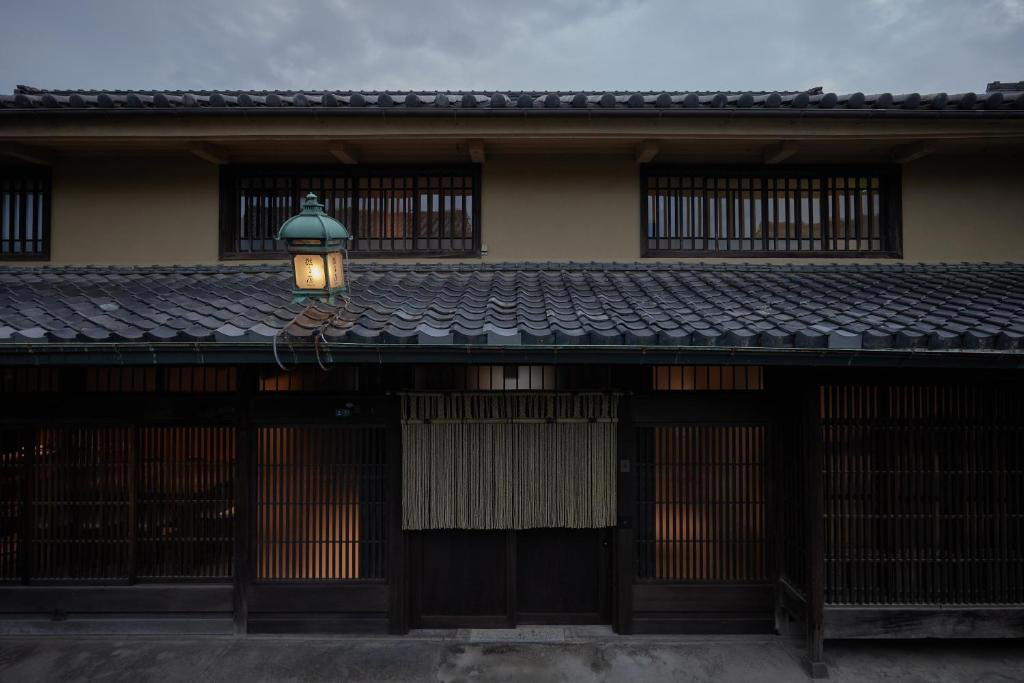
The format reinforces the point. With 17 seats, including 7 counter seats, the room belongs to the small scale that suits eel cookery. Counter seating is not just a status cue; it shortens the distance between preparation and service, important for a category whose texture changes quickly. Sunken seating adds a traditional register, giving the restaurant two modes without turning it into a large dining room.
The dining decision should be made with category expectations. A Tabelog score of 3.56 is not a casual number to read like a hotel rating; on Japanese restaurant platforms, specialist genres often reward repeat local approval and category credibility rather than international name recognition. Selection for Tabelog’s unagi list is the stronger trust signal because it compares eel restaurants against eel restaurants. In Okayama, that matters more than chasing the city’s louder rooms.
There is also a cultural point: eel meals can be formal in price without being ceremonious in mood. A restaurant can serve expensive fish, maintain a compact room, and suit solo diners or friends rather than anniversary-only dining. That middle position is useful for visitors wanting a serious regional meal without the choreography of a long counter menu. Compared with Okayama peers such as 楽旬菜 佐とう, Waraku, カラパン, Souris La Seine, and Ichome, the distinction is category clarity. Those names occupy different corners of the city’s dining map; unagi gives Ujo Tei a narrower test and clearer reason to choose it.
Where it fits in an Okayama itinerary
The strongest use case is a meal built around one Japanese staple rather than a regional survey. Okayama has enough variety for a full dining weekend, but unagi plays a specific role: filling, tradition-bound, and technically exposed. Travellers should treat it as a focused lunch or dinner anchor, then build lighter eating around it. For broader planning, Our full Okayama restaurants guide gives the wider dining context, while Our full Okayama hotels guide, Our full Okayama bars guide, Our full Okayama wineries guide, and Our full Okayama experiences guide help place the meal inside a tighter city plan.
The better comparison outside Okayama is not another famous eel shop but Japan’s broader habit of specialists doing one thing with high accountability. A beef sukiyaki address such as -Grilled beef Sukiyaki- KAMAKURA TANUKIAN 鎌倉 たぬき庵 in Kamakura, a tuna-and-charcoal room such as. 鮪と炭火焼き うお炭 秋葉原店 in Tokyo, or a regional curry counter such as [Curry Senmon Ten] Maruyama Kyoju. in Sapporo all ask the diner to value depth over breadth. The same logic can apply far from Japan, from sake-led dining at Jōdo Saké Bar in Los Angeles to rice-focused comfort at Onigiri Time in Pasadena. For lighter city-hopping contrasts,.cafe in Osaka,.know in Kumamoto, (Shoku) Vietnam in Kawasaki, and Hasunomi show how sharply a Japanese itinerary can shift when format, not fame, drives the choice.
Ujo Tei is for diners who understand that eel is a sourcing cuisine before it is a sauce cuisine. The appeal lies in choosing a specialist room in a regional city, reading the award signal as category recognition, and letting one ingredient carry the meal without extra theatre.
How It Stacks Up
Comparable venues by cuisine and price in the same metro.
| Venue | Cuisine | Price | Awards | Notes |
|---|---|---|---|---|
| Ujo TeiThis venue — the venue you are viewing | Traditional Unagi (eel) restaurant | $$$ | , | |
| 鮨 ç¸ | Traditional Okayama Kibi Dango | , | , | Okayama City |
| Tempura Sen no Tane | Japanese tempura restaurant | $$$ | , | Okayama |
| Kisetsu Ryori Katayama | Seasonal Japanese Izakaya | $$$ | , | Heiwacho, Kita Ward, Okayama |
| Okonomiyaki Mori | Okayama-style okonomiyaki & izakaya | $$ | , | Hokancho, Kita-ku |
| カラパン | 岡山食材の独創イタリアン | $$$ | , | 表町 |
Continue exploring
More in Okayama
Restaurants in Okayama
Browse all →

At a Glance
- Classic
- Cozy
- Intimate
- Solo
- Business Dinner
- Group Dining
- Special Occasion
- Chefs Counter
- Standalone
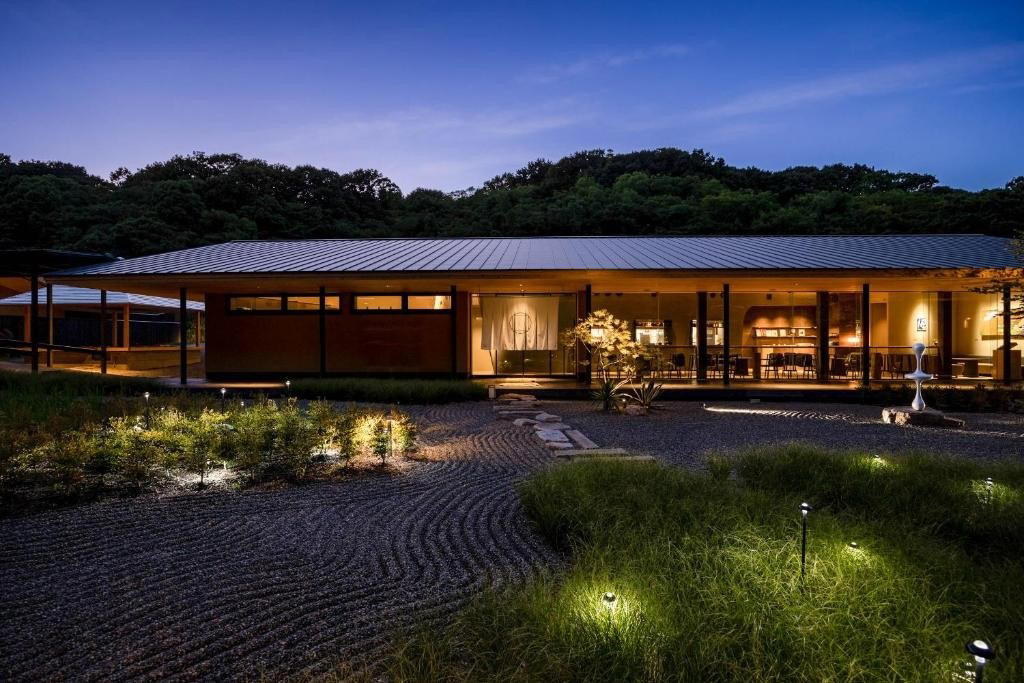
Small and traditional with counter and sunken seating, creating an intimate, quietly bustling atmosphere focused on eel prepared to order.