
Toyohashi’s serious dining scene is often read through ramen, bistro cooking, and station-area drinking, but tempura gives the city a quieter measure of precision. Tengen Tempura Senmon Ten belongs to that specialist lane, with Tabelog Tempura 100 selections in 2022, 2023, and 2025, a compact counter-and-table format, and a sourcing-led cuisine where timing matters as much as batter.
Pearl is the En Primeur Club membership app — saves, bookings, and concierge access live there. Same editors, same standards.
- Address
- 愛知県豊橋市広小路1-42
- Phone
- +81532549002
- Website
- tabelog.com
 Saves & bookings on Pearl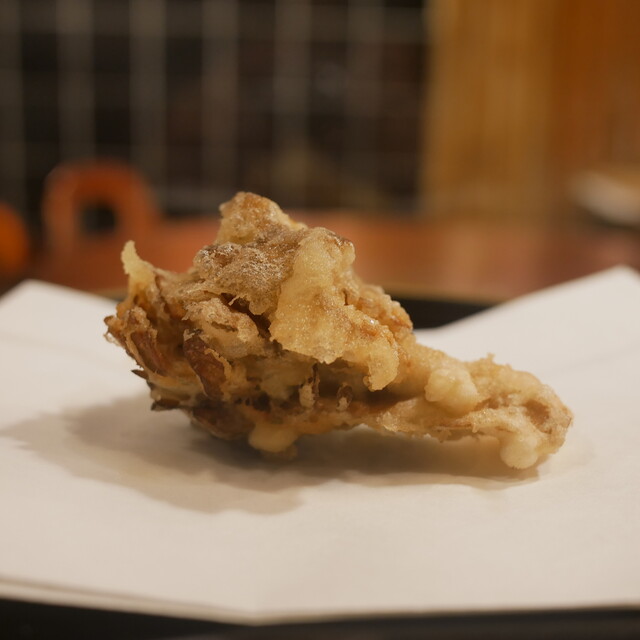
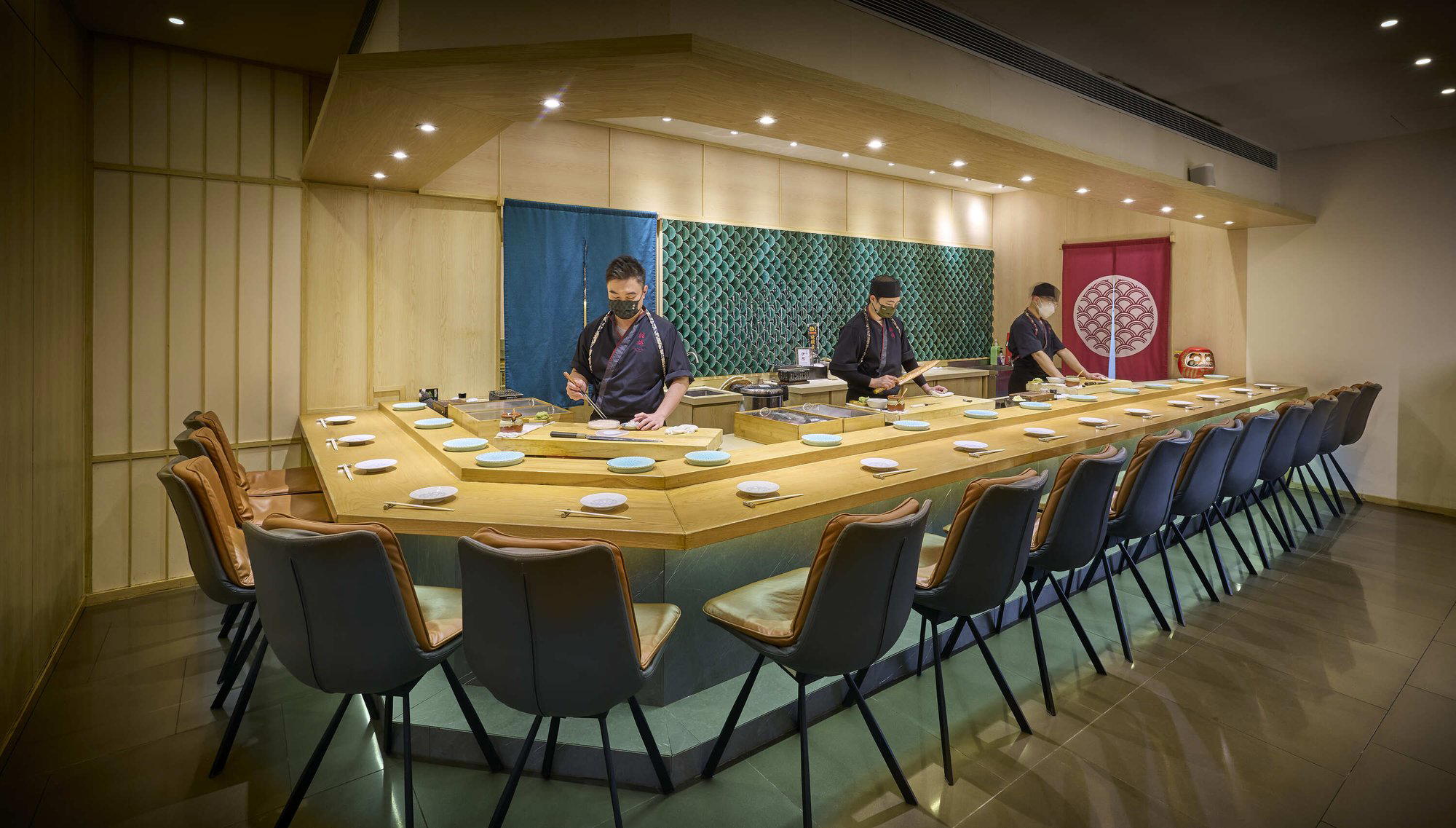
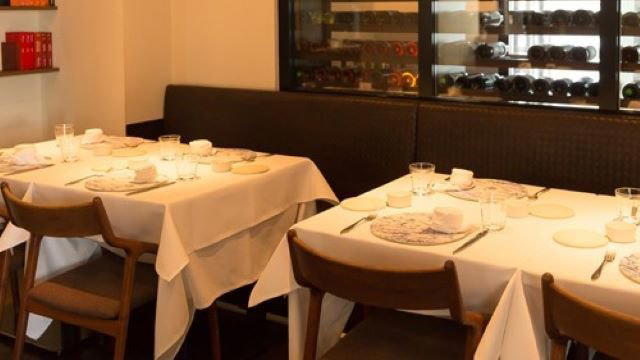
The room belongs to the small-scale Japanese specialist tradition: counter seats close enough to make frying live, tables for a slower meal with friends, and the muted rhythm of oil, chopsticks, and sake glasses rather than spectacle. In Toyohashi, where station-area dining ranges from quick bowls to polished bistro cooking, tempura occupies a narrower register. It asks the kitchen to align produce, seafood, oil temperature, and pacing without hiding behind sauce or ceremony.
Tengen Tempura Senmon Ten sits in that register. Its place on Tabelog’s Tempura 100 list in 2022, 2023, and 2025 matters because the category is unforgiving: tempura specialists are judged less by novelty than by consistency across ingredients that change with season and supply. The point is not that an award turns dinner into a trophy meal, but that repeat selection places the restaurant in a national conversation about specialist frying, not merely among local station-side options.
Tempura as sourcing discipline, not batter theatre
Good tempura depends on restraint. Batter is a frame, not the subject; the ingredient must carry its own sweetness, moisture, and texture. That makes sourcing central. A tempura counter reveals priorities quickly: vegetables need freshness and clean water content, seafood needs precise handling, and oil must stay clean enough for multiple courses to read separately. The style rewards restaurants that buy with intention and fry with discipline.
Toyohashi gives the format useful context. Aichi sits between coast, agricultural land, and central Japan’s dense food culture, supporting restaurants that treat produce and seafood as more than supporting material. The city is not chasing Tokyo or Kyoto’s grand dining theatre; its sharper tables tend to be compact, practical, and ingredient-led. That scale suits tempura, where a small room and close cooking format serve sequence and timing rather than abundance.
The comparison inside Toyohashi is revealing. Raa Men Sachihane works in the direct language of broth and noodles, while Mugi no Sora GACHI SOBA DOJO shows the city’s appetite for specialist noodle craft. Bistro Ange and ORIBE broaden the map beyond washoku, and Riiron adds another reason to treat Toyohashi as more than a transit stop. Tempura, though, is less forgiving than many formats: the kitchen’s ingredient choices are exposed piece by piece.
A compact specialist room in a city that rewards precision
The restaurant is small, with counter and table seating rather than a large dining room. That matters because proximity changes tempura. At a counter, frying sequence becomes part of the experience: each piece should arrive before steam and crispness fade. At tables, the meal reads more socially, but pacing remains crucial. This is not a cuisine that improves by waiting.
Recognition also changes how to read the room. Tabelog’s Tempura 100 is not a general popularity badge; it narrows attention to a single craft. Repeated selection signals durability. Many restaurants can deliver a compelling first impression; fewer keep a specialist category’s attention across multiple list cycles. For travelers building an Aichi itinerary, Tengen Tempura Senmon Ten is more than a convenient Toyohashi dinner. It is a reason to take the city’s food scene on its own terms.
There is also a price-tier implication, without turning the meal into a luxury contest. Toyohashi has cheaper everyday options and higher-ticket dining nearby; Tamgawa sits in a lower casual bracket, Raa Men Sachihane stays in the ramen range, and TamY occupies a more expensive bracket. Tempura here lands in the serious-specialist middle, where value is not quantity but ingredient handling, pacing, and clarity across the meal.
For wider planning, Toyohashi rewards a mixed itinerary rather than one grand reservation. Use Our full Toyohashi restaurants guide to pair specialist meals with casual stops, then map the city through Our full Toyohashi hotels guide, Our full Toyohashi bars guide, Our full Toyohashi wineries guide, and Our full Toyohashi experiences guide. The strongest Toyohashi trip does not treat the city as a pause between Nagoya and Hamamatsu; it uses its smaller scale to stack focused meals close together.
How to read it against Japan's specialist dining map
Japan’s specialist restaurants often look modest because ambition sits inside repetition. Sushi counters refine rice temperature and fish handling, soba shops refine water, milling, and cutting, and tempura houses refine the relationship between ingredient and oil. Tengen Tempura Senmon Ten belongs to this lineage of narrow craft. The lack of a chef-driven public narrative is almost beside the point; the format itself provides the standard.
That standard separates tempura from generic fried food. The kitchen must respect sequence: lighter items, denser items, seafood, vegetables, and accompaniments all need to progress logically. Sake and shochu fit naturally because tempura’s salt, oil, and heat ask for drinks that refresh rather than dominate. Pleasure is cumulative, built through small decisions rather than a single named dish.
Readers tracing Japanese dining beyond Aichi can use this page as a reference point for specialist formats across regions. The same narrow focus appears in destination-specific restaurants such as -Grilled beef Sukiyaki- KAMAKURA TANUKIAN 鎌倉 たぬき庵 in Kamakura,. 鮪と炭火焼き うお炭 秋葉原店 in Tokyo,.cafe in Osaka,.know in Kumamoto, (Shoku) Vietnam in Kawasaki, and [Curry Senmon Ten] Maruyama Kyoju. in Sapporo. Outside Japan, the comparison becomes about format translation more than cuisine itself, as seen at Jōdo Saké Bar in Los Angeles and Onigiri Time in Pasadena, where Japanese food culture is reframed for a different dining rhythm.
The editorial case is simple: Toyohashi’s serious restaurants are strongest when they commit to a lane. Tengen Tempura Senmon Ten commits to tempura with the scale, recognition, and category focus to justify attention from travelers who care where ingredients come from and how little a kitchen needs to do when the buying and frying are right.
In Context: Similar Options
Comparable venues by cuisine and price in the same metro.
| Venue | Cuisine | Price | Awards | Notes |
|---|---|---|---|---|
| Tengen Tempura Senmon TenThis venue — the venue you are viewing | Tempura specialist | $$$ | , | |
| Tamgawa | Traditional Toyohashi curry udon & Japanese set meals | $$ | , | Toyohashi |
| ORIBE | Farm‑to‑table Ramen | $ | , | / |
| TamY | Modern Italian | $$$ | , | Toyohashi |
| Mugi no Sora GACHI SOBA DOJO | Dining | , | , | Toyohashi |
| Bistro Ange | French Bistro | $$$ | , | Ogida Murocho |
Continue exploring
More in Toyohashi
Restaurants in Toyohashi
Browse all →

At a Glance
- Cozy
- Classic
- Hidden Gem
- Casual Hangout
- Group Dining
- Solo
- After Work
- Chefs Counter
- Standalone
- Sake Program
An intimate, non-smoking basement hideout with a relaxed, traditional feel, centered on counter seating and simple table and tatami spaces rather than design spectacle.