
Raa Men Sachihane belongs to Toyohashi’s serious ramen tier: small-format, lunch-focused, and recognised in the Tabelog 100 Ramen Aichi 2025 selection. The appeal is not luxury theatre but ingredient-led concentration, where a compact room and counter service put attention on broth, noodles, and timing rather than ceremony.
Pearl is the En Primeur Club membership app — saves, bookings, and concierge access live there. Same editors, same standards.
- Address
- Japan, 〒441-8083 Aichi, Toyohashi, Higashiwaki, 3 Chome−9−5
- Phone
- +81 532-39-4632
- Website
- ameblo.jp
- Directions
- Get directions
 Saves & bookings on Pearl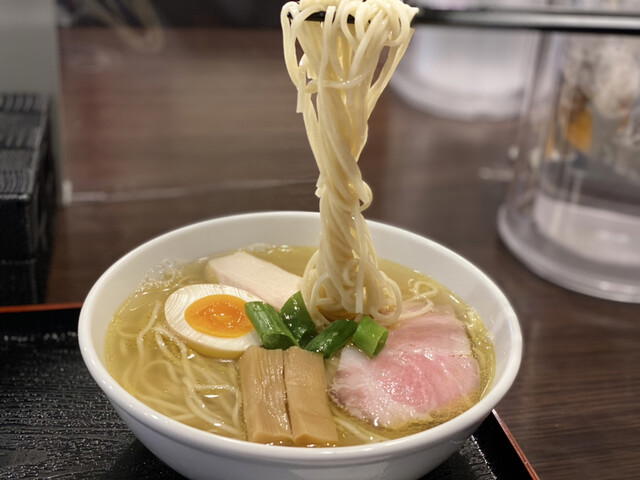
Approaching a serious regional ramen shop in Japan is rarely about spectacle. The cues are smaller: a short service window, a room built around the counter, and the quiet arithmetic of how many bowls can be made before the day’s supply runs out. In Toyohashi, that format matters. The city sits outside the Tokyo-Kyoto dining corridor, so recognition has to travel through craft rather than address value. Raa Men Sachihane fits that pattern: a compact ramen house with 6 counter seats and one 4-seat table, selected for Tabelog 100 Ramen Aichi 2025, and operating in a price tier that keeps the experience closer to daily food culture than destination dining theatre.
Aichi ramen judged by broth discipline, not dining-room polish
Ramen in Aichi rewards precision more than luxury. The region has long been comfortable with strong seasoning, wheat-based comfort, and local eating rituals that are judged by repeatability rather than ceremony. In that context, the shop’s Hyakumeiten selection is the relevant trust signal. Tabelog’s ramen lists tend to surface places where regulars, regional specialists, and travelling noodle obsessives overlap; the result is a map of depth rather than a simple ranking of famous names.
That distinction is useful in Toyohashi. A bowl at this level competes less with formal Japanese restaurants than with other low-seat, ingredient-sensitive noodle rooms where the margin for error is narrow. Broth extraction, noodle condition, tare balance, and service rhythm carry the experience. No chef biography is needed to understand the appeal. The format itself tells the reader what is being prioritised: a small number of seats, a narrow operating rhythm, and a kitchen built for concentration.
Ingredient sourcing is the quiet subject here. Ramen shops that reach this tier usually depend on decisions the diner may not see directly: how stock is layered, how seasoning is calibrated, how noodles are matched to soup weight, and how many portions the kitchen is willing to serve before quality slips. The public details do not name farms, mills, or producers, so the editorial point is broader: this is the kind of ramen address where sourcing shows through structure. Limited capacity and a short lunch service signal a kitchen more concerned with batch control than volume.
The small-room ramen experience Toyohashi does well
Counter ramen has a different social contract from a tasting menu. It is fast, exacting, and public. Diners watch pacing, not performance; they hear orders, bowls, water, and the scrape of stools rather than a sommelier’s explanation. Raa Men Sachihane’s 10-seat layout places it in that category. The room is not designed to absorb indecision. It suits diners who know that ramen culture treats timing as part of the craft: noodles continue changing after they leave the pot, and a small counter compresses the distance between kitchen and customer.
The useful comparison in Toyohashi is not with high-spend dining. TamY sits in a different bracket, while Tengen Tempura Senmon Ten belongs to a more formal ingredient-and-fryer tradition. A closer local comparison is Mugi no Sora GACHI SOBA DOJO, another Toyohashi noodle address in the same approachable price band. Tamgawa also overlaps at lunch-level accessibility, though its category and rhythm are different. For travellers building a Toyohashi food day, this is the ramen stop that makes sense when the plan is flavour concentration rather than a long seated meal.
That regional positioning also explains why Toyohashi deserves more attention than it often gets from visitors passing through Aichi. Nagoya absorbs much of the prefecture’s culinary spotlight, but smaller cities can be better for seeing how everyday genres are refined. Ramen, soba, tempura, bistro cooking, and local casual dining sit close together here, and the scale keeps the differences visible. For a wider view, compare the ramen track with Mugi no Sora GACHI SOBA DOJO, the bistro register at Bistro Ange, the local dining style at Tamgawa, and the broader city edit in Our full Toyohashi restaurants guide.
How to place it in a Toyohashi itinerary
The smart way to read this address is as a specialist lunch counter, not an all-purpose restaurant. The dining room is small, reservations are unavailable, and the setup rewards flexibility. Travellers who treat it like a casual drop-in risk misunderstanding the format; ramen shops with this profile often run on supply, rhythm, and queue logic. The better move is to plan around the shop rather than squeeze it between fixed appointments.
Payment and seating also shape the decision. Cash-only, small-capacity ramen remains common in Japan, but it matters more when the room has only a handful of seats. Solo diners and pairs will generally fit the rhythm better than large groups. Families can make it work if the group is small and comfortable with a compact, quick meal, but this is not the setting for a slow multi-course lunch or a table spread.
For a fuller Toyohashi stay, the restaurant sits within a useful local circuit rather than a single-purpose detour. Pair the ramen plan with nearby dining research such as ORIBE and Riiron, then round out the trip through Our full Toyohashi hotels guide, Our full Toyohashi bars guide, Our full Toyohashi wineries guide, and Our full Toyohashi experiences guide.
Readers comparing Japanese casual dining across cities can also place this Toyohashi ramen model against other focused formats: -Grilled beef Sukiyaki- KAMAKURA TANUKIAN 鎌倉 たぬき庵 in Kamakura. 鮪と炭火焼き うお炭 秋葉原店 in Tokyo.cafe in Osaka.know in Kumamoto, (Shoku) Vietnam in Kawasaki, [Curry Senmon Ten] Maruyama Kyoju. in Sapporo, Jōdo Saké Bar in Los Angeles, and Onigiri Time in Pasadena. The common thread is not category but discipline: narrow formats reveal how much a kitchen can say through a small menu, a tight room, and a clear sense of purpose.
How It Stacks Up
Comparable venues by cuisine and price in the same metro.
| Venue | Cuisine | Price | Notes |
|---|---|---|---|
| Raa Men Sachihane | Japanese Ramen | $ | Higashiwaki |
| ORIBE | Farm‑to‑table Ramen | $ | Not listed |
| Tengen Tempura Senmon Ten | Tempura specialist | $$$ | Ekimae |
| Tamgawa | Traditional Toyohashi curry udon & Japanese set meals | $$ | Toyohashi |
| Riiron | Chinese restaurant | $$ | Toyohashi |
| Mugi no Sora GACHI SOBA DOJO | Dining | Not listed | Toyohashi |
Recognition history
Dated appearances from independent guides and award organizations, with the underlying list record or original source where available.
Tabelog 100 #55 · No. 55
Tabelog · Tabelog 100 - Ramen - AICHI - 2025
Continue exploring
More in Toyohashi
Restaurants in Toyohashi
Browse all →
Bars in Toyohashi
Browse all →
At a Glance
- Cozy
- Classic
- Solo
- Casual Hangout
- Standalone
- Local Sourcing
Current opening hours
- Monday
- 11 AM–2 PM
- Tuesday
- 11 AM–2 PM
- Wednesday
- 11 AM–2 PM
- Thursday
- Closed
- Friday
- Closed
- Saturday
- 11 AM–2 PM
- Sunday
- 11 AM–2 PM
Hours can change for holidays and private events. Last verified .
A direct, ramen-first atmosphere centered on handmade noodles and a compact daytime service setup.