
Riiron gives Toyohashi’s Chinese dining scene a serious local address rather than a big-city detour. Its Tabelog Chinese EAST 100 selection in 2026 and approachable lunch and dinner pricing place it in the useful middle ground: recognized cooking, counter-facing informality, and a neighbourhood setting that rewards travellers already eating across eastern Aichi.
Pearl is the En Primeur Club membership app — saves, bookings, and concierge access live there. Same editors, same standards.
- Address
- 87-6 Iharacho, Toyohashi, Aichi 440-0025, Japan
- Phone
- +81 532-63-6025
- Website
- facebook.com
- Directions
- Get directions
 Saves & bookings on Pearl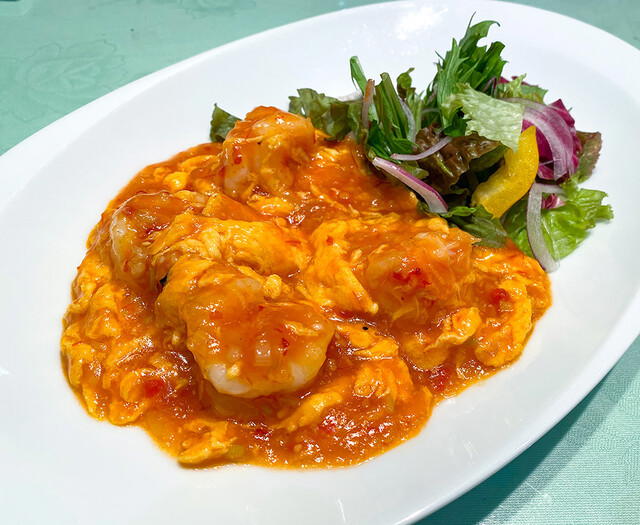
The approach is residential rather than theatrical: a house-restaurant in Iharacho, closer to Toyohashi’s local rhythm than to hotel-lobby destination dining. That matters for Chinese cooking in provincial Japan. Outside Tokyo and Yokohama, strong rooms often trade spectacle for repeat custom, short service windows, and kitchens calibrated to families, regulars, and diners who know the difference between convenient Chinese food and cooking with a tighter hand.
Riiron belongs to the latter category. Its selection for Tabelog Chinese EAST 100 in 2026 gives it a credential beyond neighbourhood affection, and the same recognition in 2023 suggests continuity rather than a single-season spike. In a city travelling diners often know for ramen, soba, yoshoku, and everyday local restaurants, Chinese cuisine with this external recognition changes the map: Toyohashi is not just a pass-through between Nagoya and Hamamatsu, but a city that can support specialist cooking at an accessible scale.
Chinese cooking in Toyohashi works well when it keeps close to local demand
Regional Japanese Chinese restaurants, especially outside major metropolitan centres, succeed by narrowing the gap between craft and daily usability. The genre is broad: banquet rooms, gyoza counters, Sichuan-leaning specialists, family Chinese, and chef-led houses all share the label. Riiron’s useful signal is not a named chef narrative or luxury format, but Chinese category recognition, counter seating, take-out service, and a family-friendly setting. That mix suggests a restaurant built for regular life, then judged highly enough to matter beyond it.
The ingredient story is less public manifesto than the way smaller Japanese cities eat. Toyohashi sits in eastern Aichi, with a strong agricultural hinterland, fishing access through Mikawa Bay, and a dining culture that rewards freshness without turning every menu into a lecture. Here, Chinese technique is a clear lens: heat control, texture, stock, aromatics, and timing show whether the kitchen is merely feeding a neighbourhood or working with sharper intent. Riiron’s award placement says the latter without requiring a metropolitan tasting-menu model.
Price is central. Lunch is listed at JPY 2,000 to JPY 2,999 and dinner at JPY 3,000 to JPY 3,999, placing the restaurant below Toyohashi’s higher-ticket destination dining while carrying stronger recognition than many casual rooms. This middle tier is where regional Japan can be especially persuasive for travellers: controlled spend, grounded format, and cooking that must justify loyalty rather than rely on ceremony.
Where it sits among Toyohashi's serious casual dining
Toyohashi’s restaurant scene does not move like Tokyo’s, where status can be compressed into counter count, resale anxiety, and months-ahead reservations. Here, value often appears in smaller specializations. Mugi no Sora GACHI SOBA DOJO gives the city a noodle specialist reference point, while Raa Men Sachihane speaks to the ramen side of focused bowls and repeatable craft. ORIBE sits at a lower price band, and Tamgawa occupies an approachable local tier. Against that field, Riiron is the Chinese address with a broader award signal.
The comparison keeps expectations honest. This is not a luxury dining room competing with the high spend of places such as TamY in Toyohashi, nor a quick-stop budget counter. Its appeal is more specific: Chinese cooking with enough recognition to plan around, in a city where stronger meals often hide in residential or neighbourhood formats. For travellers building a day around Toyohashi, pairing this meal with other local specialists gives a truer reading than chasing one grand dinner.
That reading should include the city’s non-restaurant context. Toyohashi is a working regional city, not a resort dining circuit, so better meals feel embedded in routine. For planning, Our full Toyohashi restaurants guide is the natural starting point, with adjacent context in Our full Toyohashi hotels guide, Our full Toyohashi bars guide, Our full Toyohashi wineries guide, and Our full Toyohashi experiences guide. The point is not to overbuild the itinerary, but to see how this restaurant fits a city of modest distances and specific local meals.
The case for seeking out a house-restaurant Chinese room
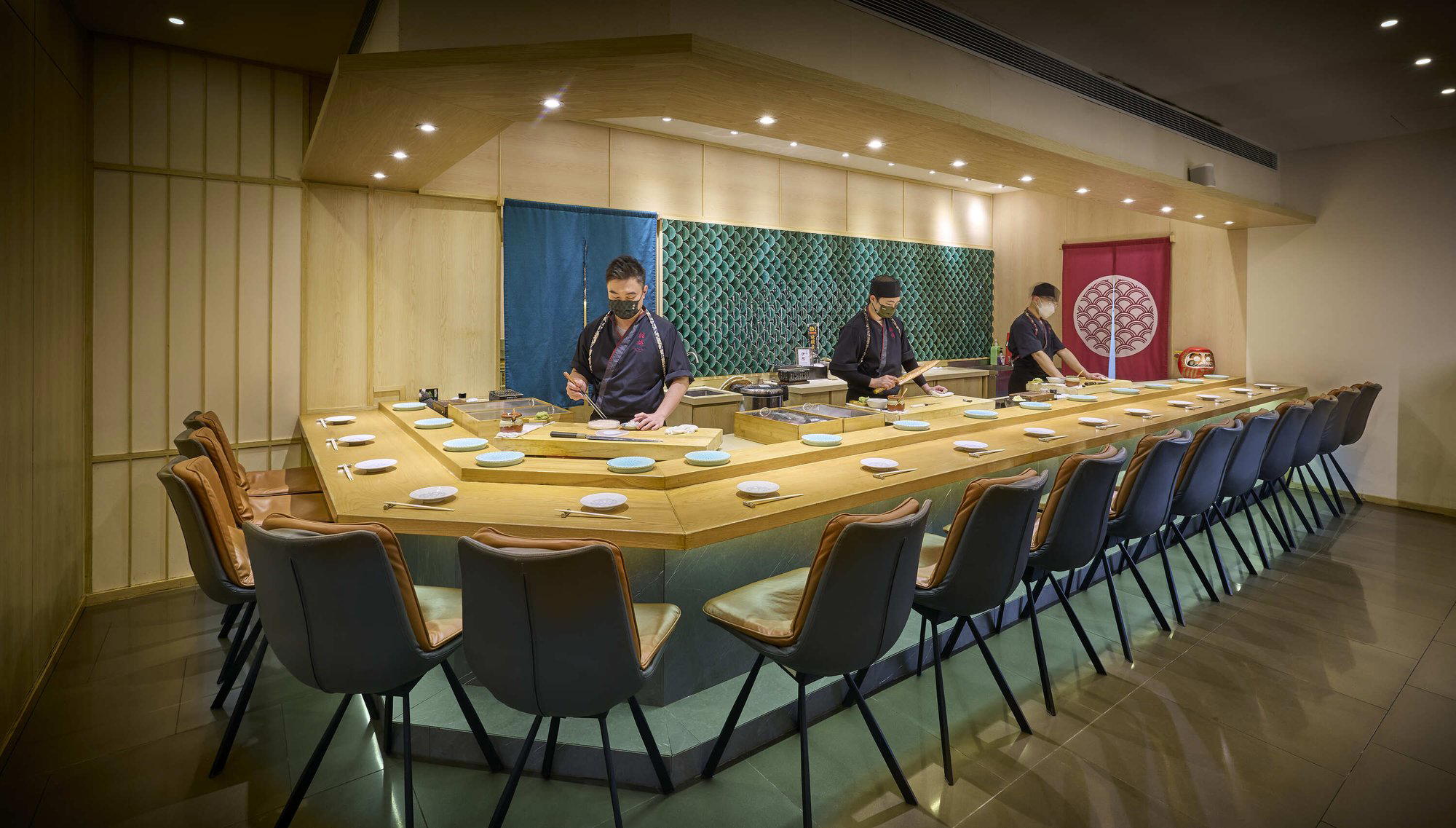
Riiron’s setting does editorial work before the first order. A house restaurant in Iharacho carries a different contract from a central-city dining room: less performance, more focus on the meal, and a customer base of families, friends, and award-chasing diners. Counter seating adds another clue. In Japan, counters can bring the kitchen into sharper focus even when the cuisine is not omakase or tasting-menu only. For Chinese food, that proximity makes technique less abstract, especially where wok timing and finishing matter.
Practical signals are worth reading. The room is non-smoking, private rooms are not part of the setup, and take-out is available. Credit cards are accepted; electronic money and QR code payment are not. Reservations are available, suiting a place with recognized status and limited service periods. These details point to a restaurant still local in function while attracting diners who plan with intent.
The recommendation is strongest for travellers already eating seriously in Toyohashi, or Aichi-based diners wanting Chinese cooking with third-party recognition without a high-cost city-centre production. The award matters, but it is not the whole story. The stronger reason to go is the category fit: Chinese technique, regional Japanese sourcing logic, accessible pricing, and a neighbourhood room disciplined enough to appear on a 2026 EAST list.
For broader comparisons across Japan and beyond, the contrast is instructive. A specialist beef format such as -Grilled beef Sukiyaki- KAMAKURA TANUKIAN 鎌倉 たぬき庵 in Kamakura, a Tokyo charcoal-and-tuna address like. 鮪と炭火焼き うお炭 秋葉原店 in Tokyo, and compact city concepts such as.cafe in Osaka or.know in Kumamoto show how Japanese dining rewards narrow focus. The same logic applies internationally, from (Shoku) Vietnam in Kawasaki and [Curry Senmon Ten] Maruyama Kyoju. in Sapporo to Jōdo Saké Bar in Los Angeles and Onigiri Time in Pasadena. Within Toyohashi, Bistro Ange adds another local counterpoint: different cuisine, same value in reading the city through focused independent rooms.
In Context: Similar Options
Comparable venues by cuisine and price in the same metro.
| Venue | Cuisine | Price | Notes |
|---|---|---|---|
| Riiron | Chinese restaurant | $$ | Toyohashi |
| ORIBE | Farm‑to‑table Ramen | $ | Not listed |
| Tamgawa | Traditional Toyohashi curry udon & Japanese set meals | $$ | Toyohashi |
| TamY | Modern Italian | $$$ | Toyohashi |
| Tengen Tempura Senmon Ten | Tempura specialist | $$$ | Ekimae |
| Raa Men Sachihane | Japanese Ramen | $ | Higashiwaki |
Recognition history
Dated appearances from independent guides and award organizations, with the underlying list record or original source where available.
Tabelog 100 #5 · No. 5
Tabelog · Tabelog 100 - Chinese cuisine - EAST - 2026
Continue exploring
More in Toyohashi
Restaurants in Toyohashi
Browse all →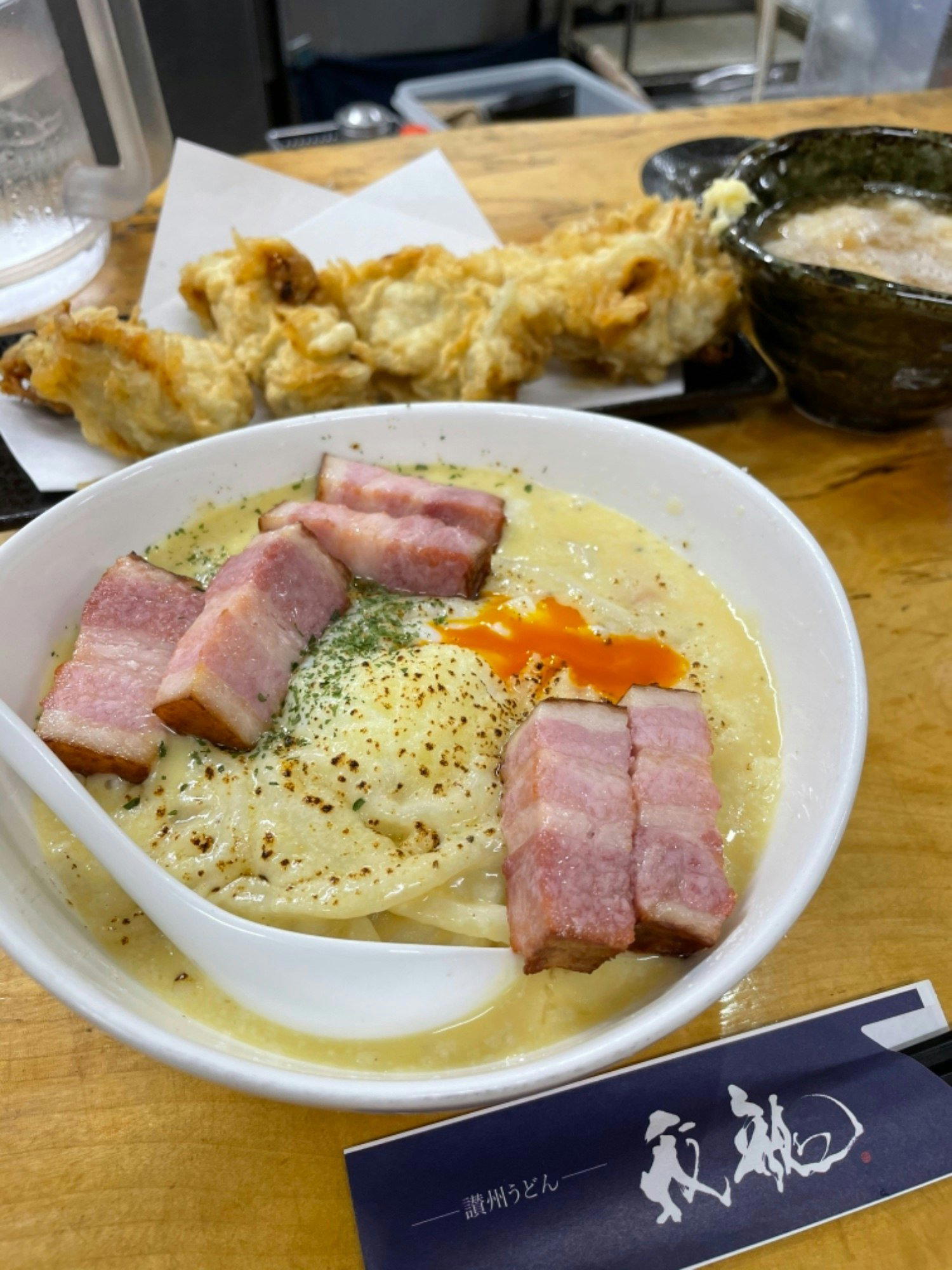
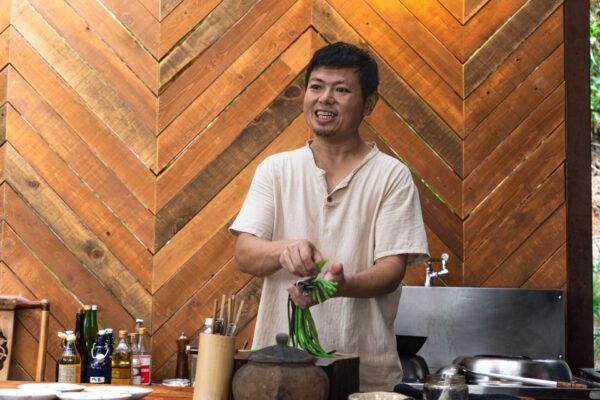

At a Glance
- Standalone
Current opening hours
- Monday
- 12–2 PM, 5:30–9 PM
- Tuesday
- 12–2 PM, 5:30–9 PM
- Wednesday
- Closed
- Thursday
- 12–2 PM, 5:30–9 PM
- Friday
- 12–2 PM, 5:30–9 PM
- Saturday
- 12–2 PM, 5:30–9 PM
- Sunday
- 12–2 PM, 5:30–9 PM
Hours can change for holidays and private events. Last verified .