
Tabelog 100 #33
Our verdict
ORIBE belongs to Toyohashi’s serious ramen circuit rather than its occasion-dining tier: compact, counter-led, and recognised in the Tabelog 100 Ramen AICHI 2025 selection. The appeal is format discipline, low-friction solo dining, and a price band that keeps the focus on the bowl rather than ceremony.

Pearl is the En Primeur Club membership app, where members save venues, book tables and use the concierge.
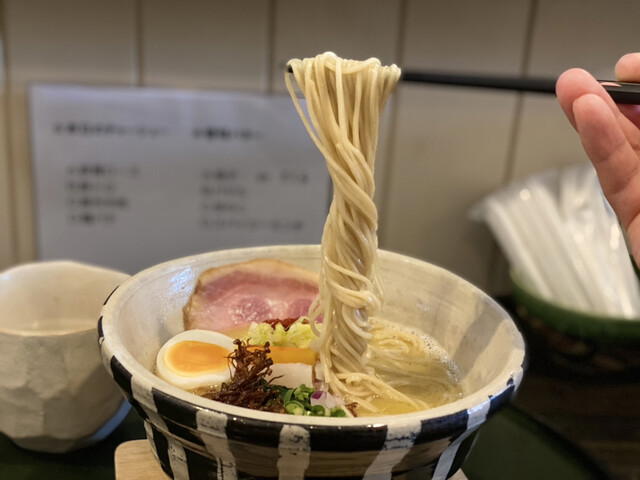
The menu
What to order
- Chicken and seafood ramen
- Chicken paitan ramen
- Homemade ramen noodles
The approach to a serious ramen shop in regional Japan is rarely theatrical. The signal is usually focus: a short category promise, a clear rhythm, and a meal built around the bowl rather than the room. ORIBE fits that Toyohashi context. It is not presented here as a tasting-menu restaurant or hotel dining room; it belongs to the more functional world where ramen itself carries the argument.
That matters in Aichi, where ramen is not a single style but a set of local decisions shaped by stock, noodles, seasoning, and regional taste. A low-priced bowl can still be a serious piece of cooking when the shop treats each component with care: noodle texture, broth depth, seasoning balance, and the way the bowl comes together. The Tabelog 100 Ramen AICHI 2025 selection places ORIBE inside that conversation, not as a luxury detour but as a ramen specialist with enough local recognition to merit planning around.
A compact ramen counter in Toyohashi's specialist tier
Toyohashi dining splits neatly between everyday regional eating and destination restaurants with broader formats. For a visitor mapping the city, our full Toyohashi restaurants guide gives the wider field, from bistros to noodle shops. Within that field, ORIBE sits closer to focused ramen dining than to the city’s slower European-leaning rooms such as Bistro Ange. The comparison is useful because ramen here is not a fallback meal; it is a category with its own hierarchy, its own regulars, and its own standards for repeatability.
The format implied by the listing reinforces that point. Ramen tends to put the cooking and the diner’s judgement very close together. In larger restaurants, flaws can hide behind pacing, wine service, and room management. With ramen, the bowl arrives as the central event, and the judgement is immediate. That format rewards precision and punishes drift: noodles cannot sit too long, broth temperature matters, and seasoning has little margin for correction once assembled.
The city context also keeps ORIBE from feeling precious. Toyohashi is not Tokyo, Kyoto, or Osaka, and that is part of the appeal. A shop selected for a prefectural ramen list in Aichi has to speak to local repeat diners as much as visiting obsessives. It needs enough identity to draw attention, but enough practicality to function as lunch or dinner rather than a pilgrimage meal. That balance is where regional ramen can be more revealing than capital-city hype.
Ingredient logic matters more than spectacle
Ramen’s sourcing story is often less visible than sushi or kaiseki because the components are transformed before they reach the bowl. That does not make the underlying choices less important. Noodle texture depends on flour, hydration, and cut. Broth structure depends on the treatment of stock foundations. Tare brings seasoning into balance. Aromatic oil, where used, can decide how the first impression carries. When a shop earns recognition in a competitive prefectural ramen category, the implication is not decoration; it is control across interlocking parts.
ORIBE’s category listing is simply ramen, and that restraint is useful. Without relying on a public chef biography or a long menu narrative here, the editorial read stays where it should: on the bowl as a craft format. In ramen, seriousness often appears as repetition, tightness, and refusal to overextend the offer. A focused shop can buy, prep, and serve with a narrower margin of error than a broad-menu restaurant, provided the kitchen keeps its ingredient logic coherent.
For travellers building a Toyohashi itinerary, the category contrast helps. Riiron and Tamgawa operate in different price and pacing territory, while ORIBE is a sharper ramen-specific stop. Beyond restaurants, the city’s other rails are thinner but still useful for planning: our full Toyohashi hotels guide, our full Toyohashi bars guide, our full Toyohashi wineries guide, and our full Toyohashi experiences guide place the meal inside the city rather than treating it as an isolated pin.
How to read the award signal
The Tabelog 100 Ramen AICHI 2025 recognition is the key trust marker here. It is not the same signal as Michelin stars, and it should not be read that way. For ramen, especially outside the largest tourist corridors, a prefectural specialist list often tells a more relevant story: which shops have enough category credibility to sit among serious local contenders. ORIBE’s Tabelog score of 3.59 adds another useful data point, not because decimal ratings settle taste, but because ramen culture in Japan is unusually review-literate and repeat-visit driven.
The better comparison set is not grand dining but focused Japanese casual formats where a narrow product is executed with care. That might mean another noodle shop in Aichi, a specialist casual room elsewhere in Japan, or a similarly concise overseas Japanese dining format. The common thread is not cuisine type but compression: fewer moving parts, little room for disguise, and a diner expectation that the signature idea is expressed through technique rather than table theatre.
That frame also explains why ORIBE is a stronger fit for diners seeking a concise ramen stop than for those planning a long social meal. The ramen category and local award recognition point toward a focused, ingredient-led visit. Travellers looking for a longer sit-down comparison can weigh other Toyohashi dining rooms or broader Japanese restaurants in unrelated cities, but those are different propositions. ORIBE’s lane is narrower, faster, and more revealing of how regional ramen earns attention without luxury signals.
Frequently asked questions
Is ORIBE good for families?
ORIBE is best framed as a focused ramen stop in Toyohashi. The Tabelog 100 Ramen AICHI 2025 selection reinforces that this is a specialist ramen listing rather than a broad-format dining room.
How would you describe the vibe at ORIBE?
ORIBE is listed in the ramen category, so the appeal is direct and bowl-focused. In Toyohashi, that reads as a specialist ramen visit rather than an all-purpose restaurant choice.
Is ORIBE expensive?
Pricing at ORIBE is listed as - JPY 999 - JPY 999.
Is ORIBE open every day?
Current opening days and hours are not provided here; check directly with ORIBE before planning a visit.
What's ORIBE's location?
Toyohashi.
What's the defining dish or idea at ORIBE?
ORIBE’s defining idea is ramen, backed by its Tabelog 100 Ramen AICHI 2025 selection. The appeal is a focused ramen stop in Toyohashi rather than a broad-menu restaurant.
Snapshot
Comparable venues by cuisine and price in the same metro.
| Venue | Cuisine | Price | Awards | Notes |
|---|---|---|---|---|
| ORIBEThis venue (the venue you are viewing) | Farm‑to‑table Ramen | $10–20 | Tabelog 100 #33 | Not listed |
| Tamgawa | Traditional Toyohashi curry udon & Japanese set meals | $10–20 | Tabelog 100 #73 | Toyohashi |
| Riiron | Chinese restaurant | Not listed | Tabelog 100 #5 | Toyohashi |
| Tengen Tempura Senmon Ten | Tempura specialist | $50–100 | Tabelog 100 #75 | Ekimae |
| Raa Men Sachihane | Japanese Ramen | $10–20 | Tabelog 100 #55 | Higashiwaki |
| Bistro Ange | French Bistro | Not listed | Not listed | Ogida Murocho |
Recognition history
Dated appearances from independent guides and award organizations, with the underlying list record or original source where available.
Tabelog 100 #33 · No. 33
Tabelog · Tabelog 100 - Ramen - AICHI - 2025
Continue exploring
More in Toyohashi
Restaurants in Toyohashi
All restaurants in Toyohashi →

Hotels in Toyohashi
Browse all →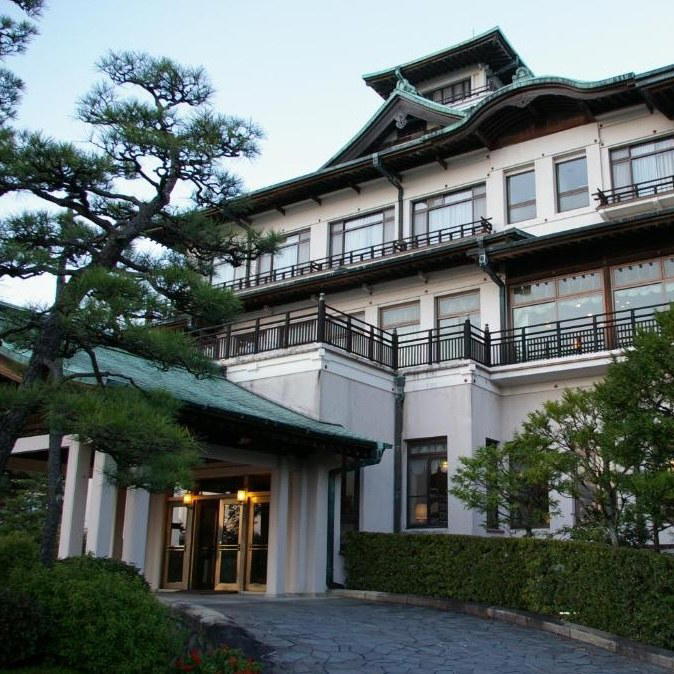

Details
- Modern
- Cozy
- Trendy
- Solo
- Casual Hangout
- Late Night
- Family
- Standalone
- Farm To Table
- A La Carte
- Counter Dining
- Vegetarian Friendly
Current opening hours
- Monday
- 11 AM–2 PM, 6–9 PM
- Tuesday
- Closed
- Wednesday
- Closed
- Thursday
- Closed
- Friday
- 11 AM–2 PM, 6–9 PM
- Saturday
- 11 AM–2 PM, 6–9 PM
- Sunday
- 11 AM–2 PM, 6–9 PM
Hours can change for holidays and private events. Last verified .
A compact, modern ramen shop with an intimate counter-focused layout where guests enjoy artistically plated bowls in a casual, energetic atmosphere.