
Smalls occupies a quiet lane off Suan Phlu in Sathorn, placing it at some distance from Bangkok's more conspicuous dining corridor. With Bangkok's upper tier of contemporary restaurants increasingly defined by sourcing transparency and format discipline, Smalls represents a quieter node in that conversation, worth tracking for anyone building a serious itinerary through the city's dining scene.
Pearl is the En Primeur Club membership app — saves, bookings, and concierge access live there. Same editors, same standards.
- Address
- 186/3-4 Suan Phlu 1 Alley, Thung Maha Mek, Sathon, Bangkok 10120, Thailand
- Phone
- +66896665429
- Website
- smalls.bookingx.in.th
- Directions
- Get directions
 Saves & bookings on Pearl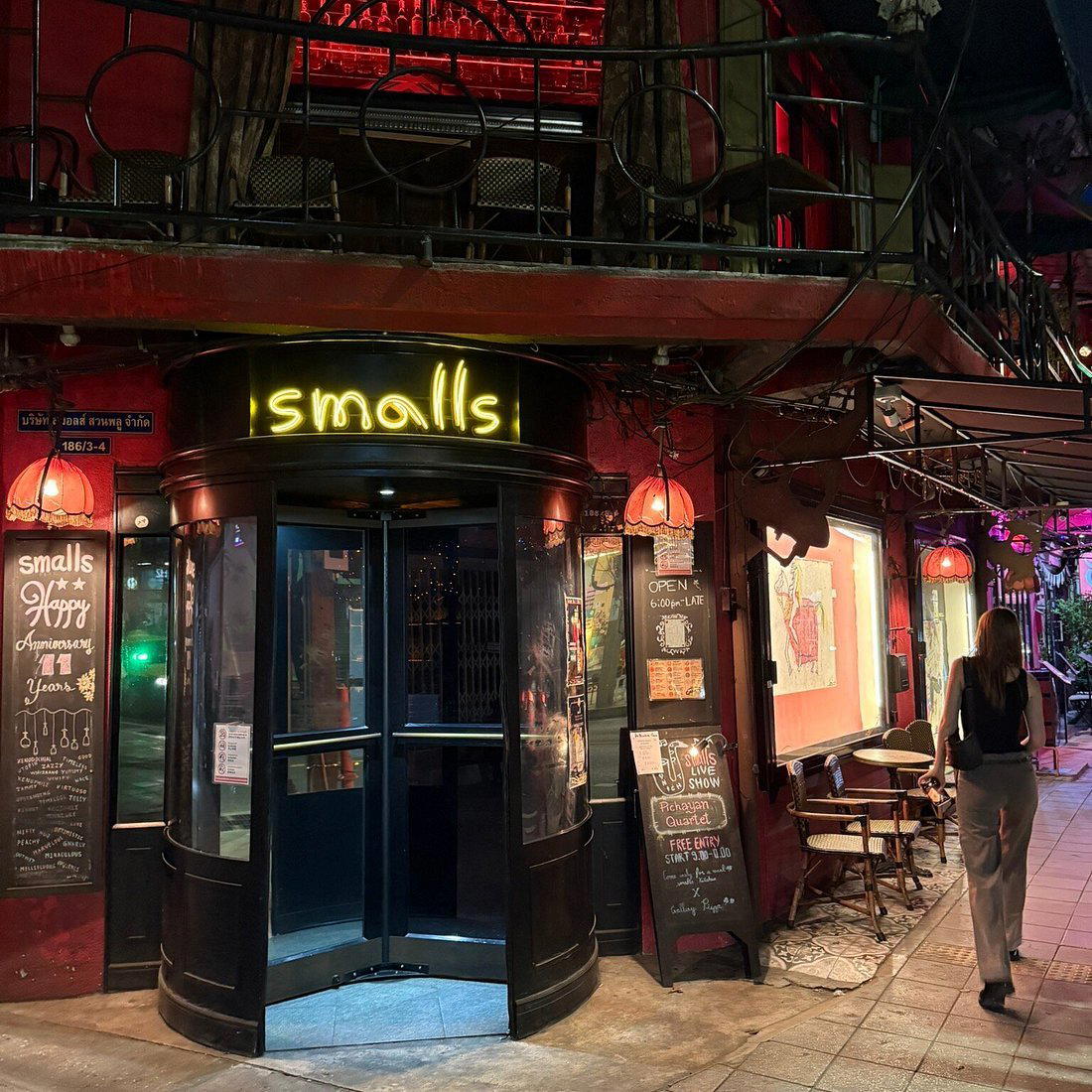
Sathorn's Quieter Side: Where Bangkok Dines Without Announcement
The sois that branch off Suan Phlu in Sathorn move at a different pace from the main road. Residential gates, parked motorcycles, and the occasional street cart give the area a settled, neighbourhood quality that feels at odds with Sathorn's reputation as Bangkok's diplomatic and financial core. It is precisely in pockets like this that the city's less-publicised dining addresses tend to anchor. Smalls, at 186/3-4 Suan Phlu 1 Alley, sits within that context: physically removed from the main hospitality drag, and less legible to visitors navigating by headline recognition alone.
Bangkok's premium dining tier has fractured noticeably over the past decade. A cluster of restaurants defined by Michelin recognition and international press coverage, Sorn (Southern Thai), Baan Tepa (Thai contemporary), Sühring (German), and Gaa (Modern Indian) among them, occupies one end of the spectrum. Further along sit addresses with smaller footprints and quieter promotional profiles, places where the experience is shaped by consistency of execution rather than institutional endorsement. Smalls belongs to the latter category, which requires a different framework for evaluation.
The Sourcing Question in Bangkok's Contemporary Scene
Across Bangkok's serious dining addresses, ingredient sourcing has moved from backstory to central argument. At Sorn, the provenance of Southern Thai produce, specific growing regions, named suppliers, is as much a part of the proposition as the cooking technique. Baan Tepa similarly frames its menus around organic and heritage ingredients sourced within Thailand. This shift reflects a broader regional pattern: as dining culture matures in Southeast Asian cities, the kitchen's relationship to supply chains becomes a marker of seriousness, separating restaurants that perform contemporary from those that practice it.
In Thailand specifically, this conversation is grounded in geography. The country's agricultural diversity, the rice varieties of the Central Plains, the herbs and chillies of the North, the seafood of the Gulf and Andaman coasts, gives kitchens access to a sourcing argument that few cuisines can match in depth. PRU in Phuket has built an entire format around farm-to-table sourcing tied to a specific property. AKKEE in Pak Kret draws from the fruit and vegetable culture of Nonthaburi's orchards. The pattern holds across the country: particularly deliberate kitchens are those that treat ingredient geography as part of the editorial content of a meal.
For Smalls, the relevant question is how the address fits into this sourcing conversation. Its Sathorn location places it within reach of Bangkok's wholesale and specialty ingredient networks, the same city infrastructure that allows restaurants like Côte by Mauro Colagreco to sustain Mediterranean-leaning menus using locally sourced produce as a bridge.
Reading the Sathorn Address
Sathorn as a dining district carries a specific character. The neighbourhood's core, running along Sathorn Road and its primary sois, holds a mix of long-standing hotel restaurants, expense-account staples, and newer independent addresses. The Suan Phlu pocket, by contrast, has historically been quieter and more residential, which means that restaurants here either draw a local repeat clientele or operate with word-of-mouth as their primary engine. Neither dynamic is a weakness. Some of Bangkok's most consistent kitchens run on exactly this model, with little need for visibility beyond the circle of guests who have already found them.
The comparison point here is worth making: at the summit end of Bangkok's dining spectrum, where addresses like Sühring and Gaa operate with tasting menus at ฿฿฿฿ price points and booking windows that extend weeks ahead, the lower-profile address in a residential soi represents a different value proposition. Not necessarily cheaper, but less mediated by the machinery of international recognition.
Elsewhere in Thailand, this pattern of serious cooking in low-visibility locations repeats. Cherng Doi Roast Chicken in Chiang Mai and Loet Rot in Mueang Chiang Mai demonstrate that regional Thai cooking of real depth doesn't require a Silom address or a publicist. The same logic applies in Bangkok, where the city's scale means that credible kitchens can exist for years without ever appearing on a listicle.
Placing Smalls in the Broader Conversation
Bangkok's dining scene now sustains enough volume that international comparisons are legitimate. The format discipline and sourcing rigour visible at the summit of the market here is comparable to what you'd find in the serious independent tier of cities like New York, where addresses like Le Bernardin and Atomix have established that ingredient sourcing and supplier transparency are non-negotiable at a certain level of ambition. Bangkok's version of that conversation is younger but accelerating, and it spans the full geography of the country, from DEVASOM BEACH GRILL in Takua Pa to Little Edo Suratthani on the southern peninsula.
Within Bangkok specifically, the soi-level address in Sathorn is a recurring format for restaurants that operate with quiet conviction. Hoy Tord Chao Lay and Hinata both illustrate that the city rewards lateral exploration beyond the main dining corridors. Smalls, on Suan Phlu 1 Alley, asks for the same navigational commitment.
Know Before You Go
- Address: 186/3-4 Suan Phlu 1 Alley, Thung Maha Mek, Sathon, Bangkok 10120, Thailand
- Neighbourhood: Sathorn, Suan Phlu pocket, residential soi, leading approached by taxi or motorcycle taxi from Sathorn Road
- Hours: Mon: 6 PM-2 AM; Tue: Closed; Wed: 6 PM-2 AM; Thu: 6 PM-2 AM; Fri: 6 PM-2 AM; Sat: 6 PM-2 AM; Sun: 6 PM-2 AM
- Price range: About $25 per person
- Access note:
The Essentials
Comparable venues nearby, for context on price, style, and recognition.
| Venue | Cuisine | Price | Notes |
|---|---|---|---|
| SmallsThis venue — the venue you are viewing | Si Lom, French Bistro with Bar Bites | $$ | Not listed |
| Yoong Khao Hom | Wang Mai, Authentic Southern Thai | $$ | Not listed |
| Nara | Siam Square, Authentic Thai Cuisine | $$ | Not listed |
| Choy | Bang Khae, Cantonese Roast Duck | $$ | Not listed |
| Bangkok Bold Kitchen | Not listed | $$ | Pathum Wan, Bold, regional Thai comfort food |
| #FindTheLockerRoom | Not listed | $$$ | Watthana Khwaeng, Cocktail Bar with Dim Sum |
Recognition history
Dated appearances from independent guides and award organizations, with the underlying list record or original source where available.
World's 50 Best Asia's Best Bars #42
World's 50 Best
World's 50 Best Asia's Best Bars #29
World's 50 Best
At a Glance
- Retro
- Cozy
- Intimate
- Trendy
- Late Night
- Casual Hangout
- Date Night
- Live Music
- Rooftop
- Open Kitchen
- Craft Cocktails
- Beer Program
Current opening hours
- Monday
- 6 PM–2 AM
- Tuesday
- Closed
- Wednesday
- 6 PM–2 AM
- Thursday
- 6 PM–2 AM
- Friday
- 6 PM–2 AM
- Saturday
- 6 PM–2 AM
- Sunday
- 6 PM–2 AM
Hours can change for holidays and private events. Last verified .
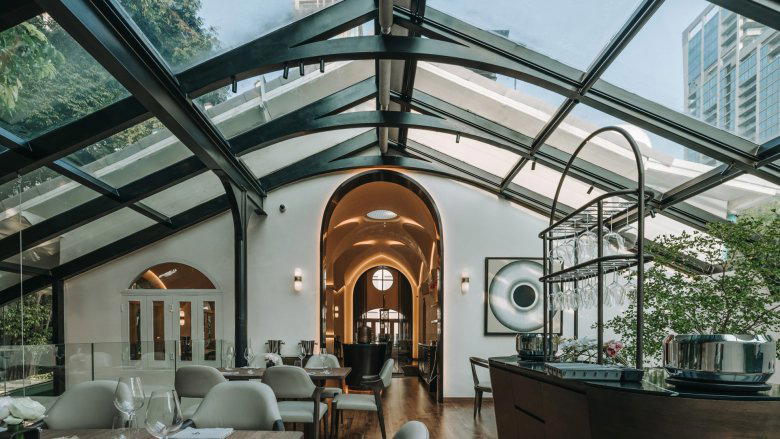
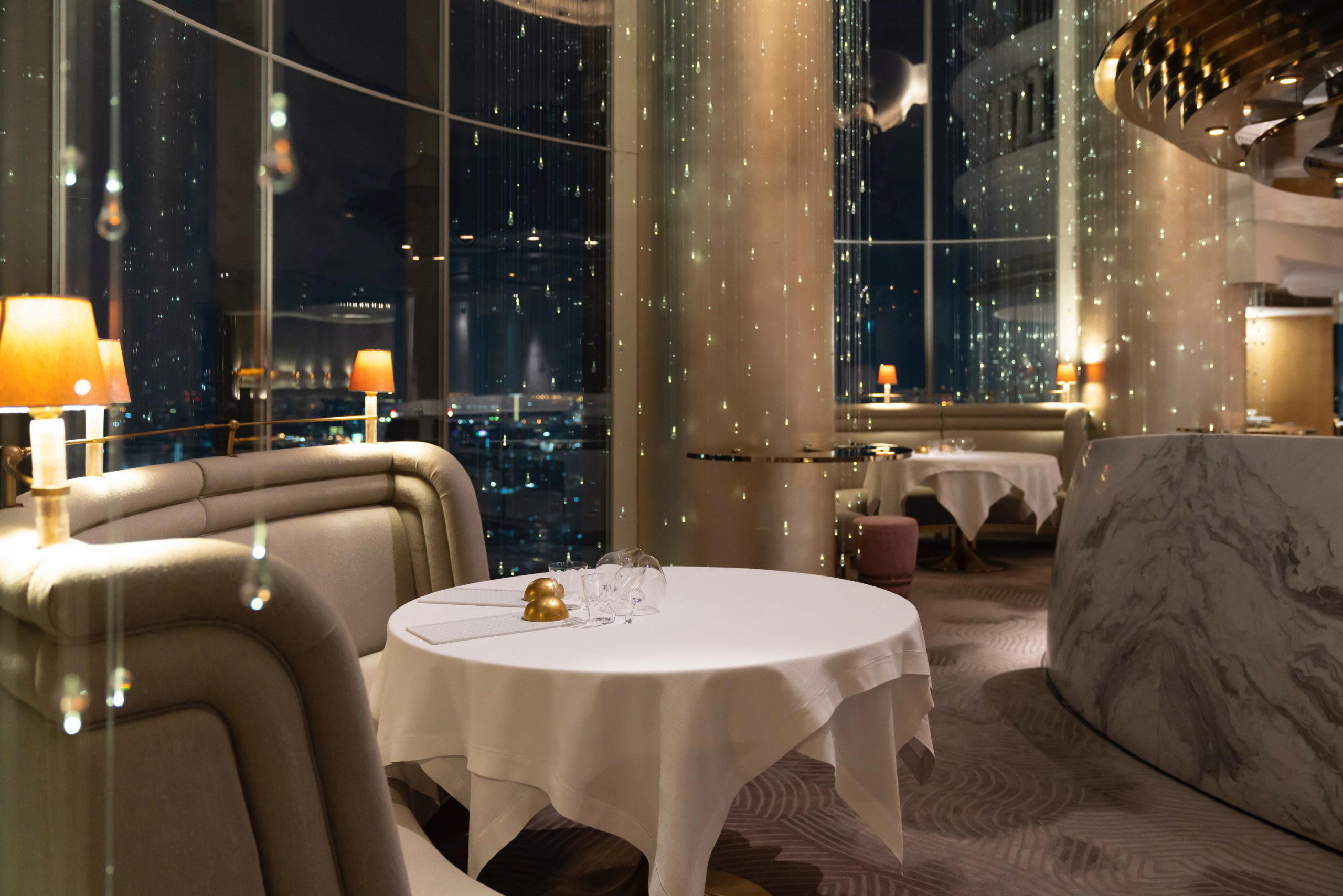
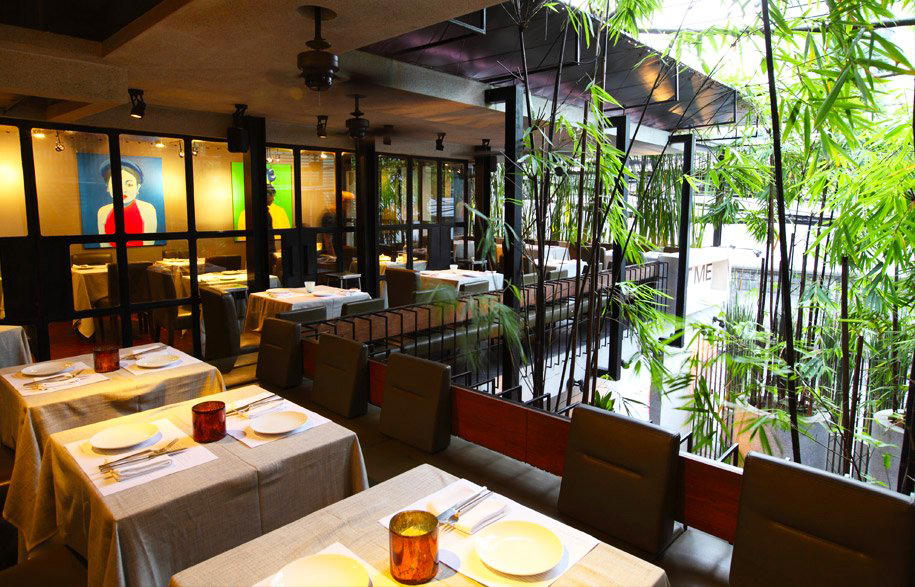
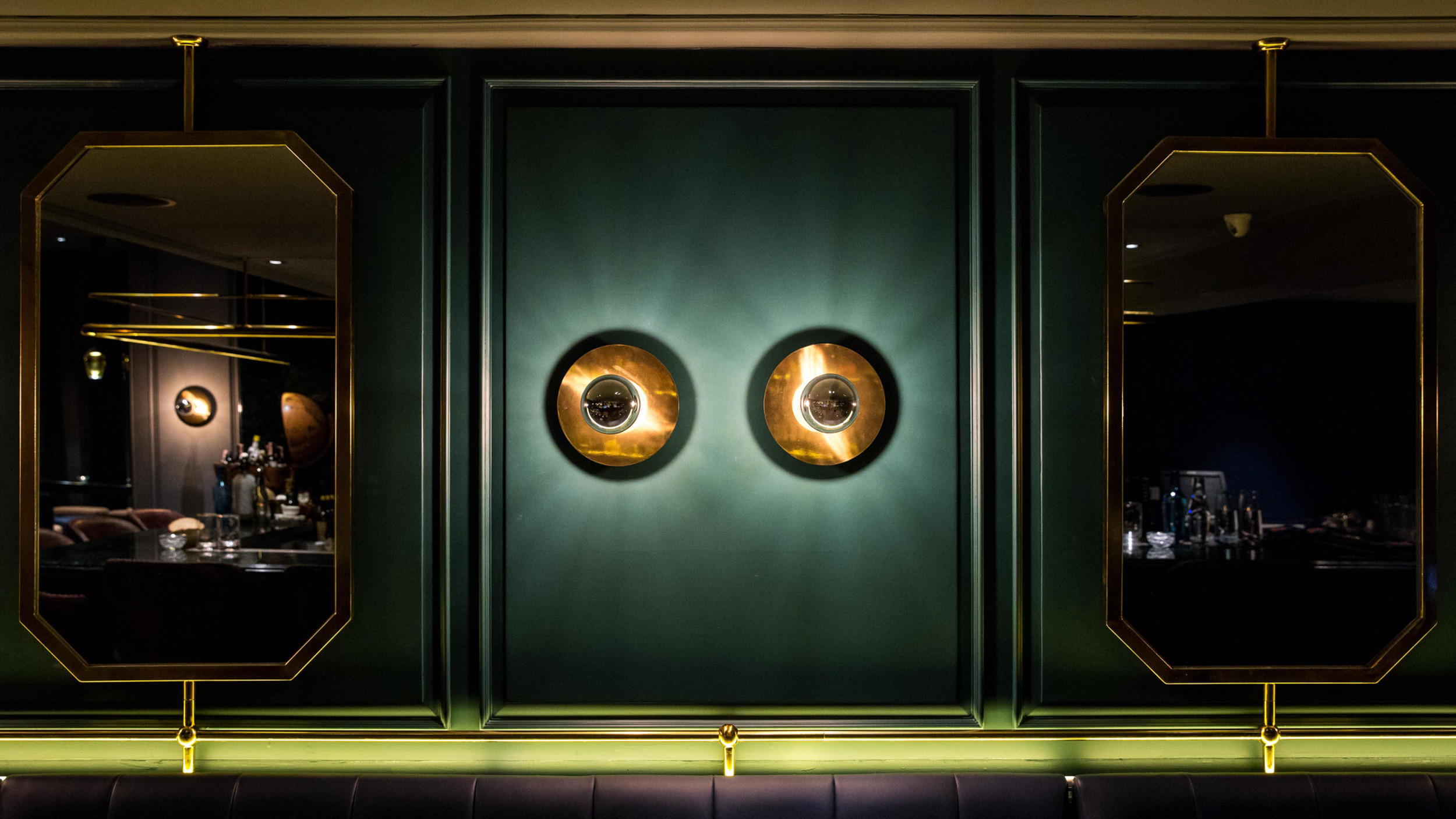
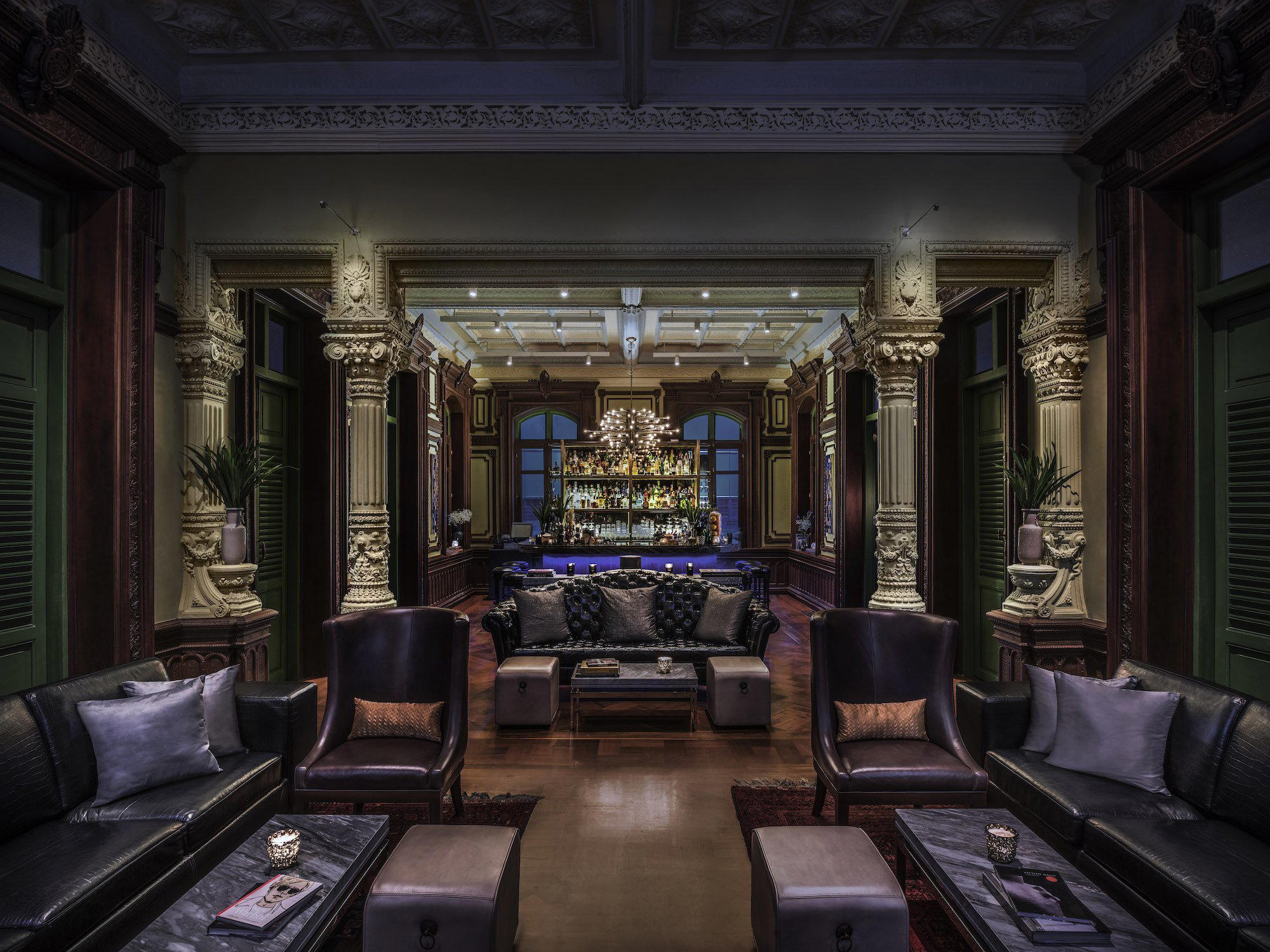
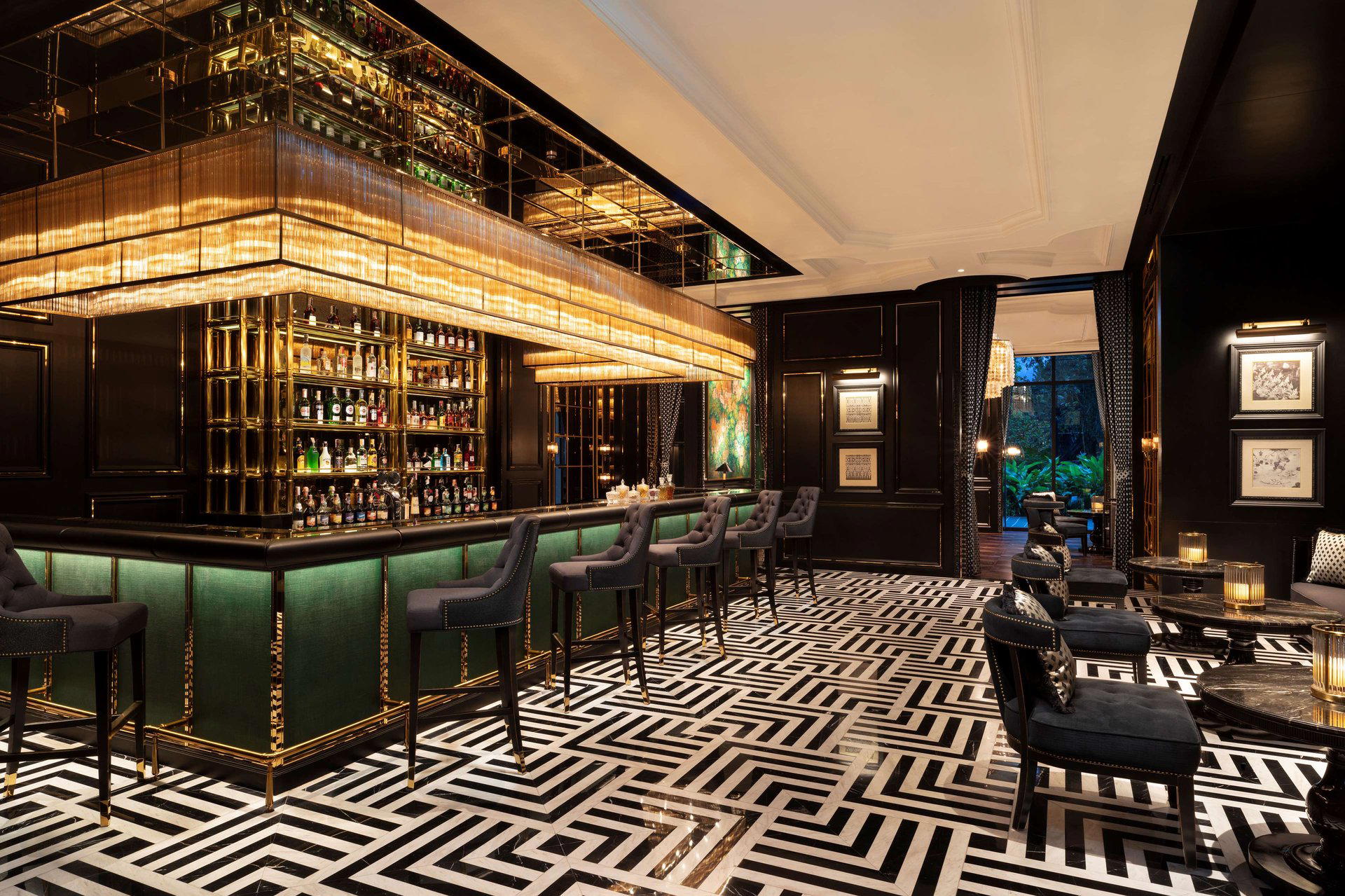
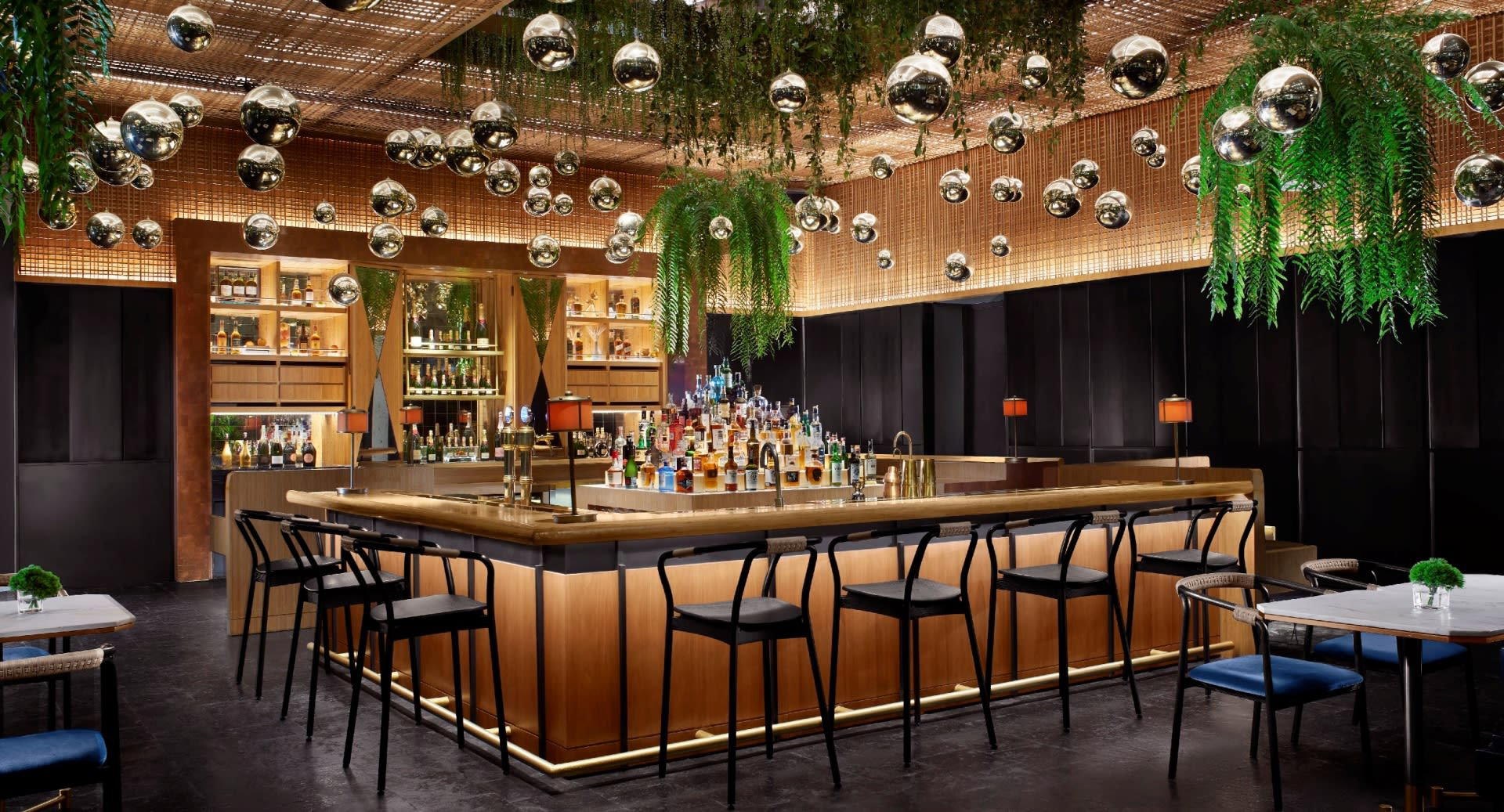
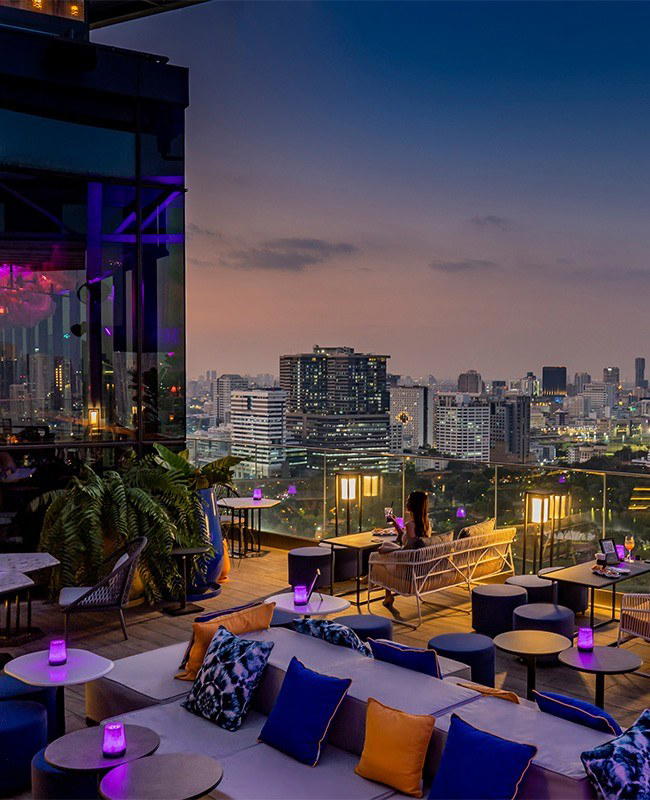
Dimly lit with a moody retro Parisian feel, exposed brickwork, contemporary art, and relaxed laid-back atmosphere across three levels.