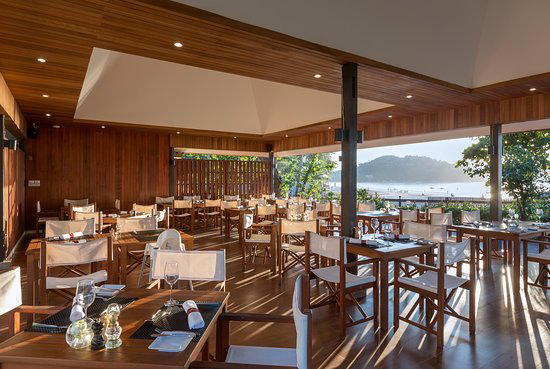
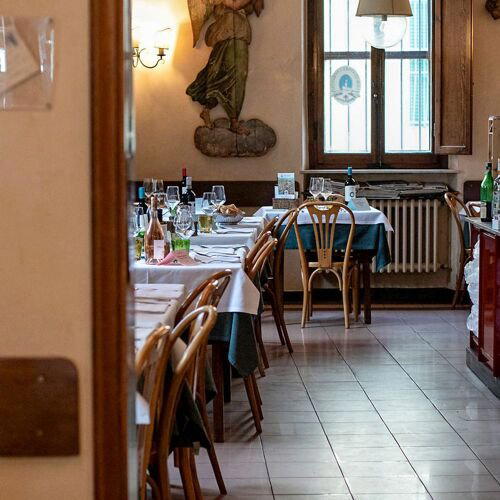
Tawerna Pod Łososiem serves traditional Polish & seafood in a historic building, with pierogi and salmon tartar, plus a beer program for lunch or dinner.
Pearl is the En Primeur Club membership app — saves, bookings, and concierge access live there. Same editors, same standards.
- Address
- Trałowa 20, 80-690 Gdańsk, Poland
- Phone
- +48502451645
- Website
- tawernapodlososiem.pl
- Directions
- Get directions
 Saves & bookings on Pearl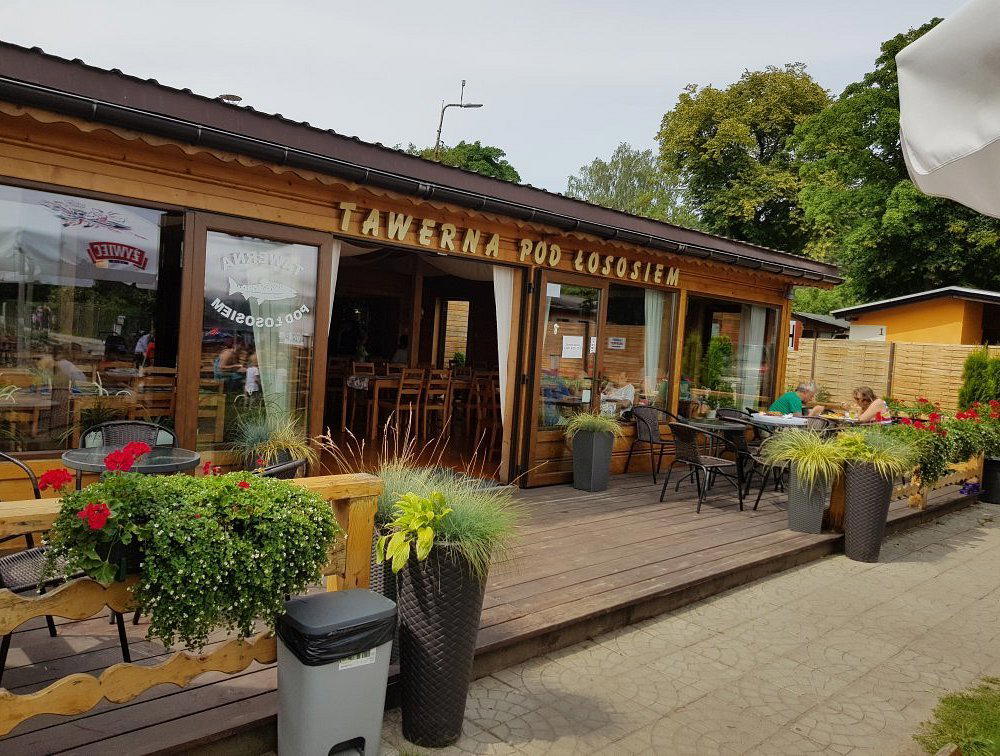
Old Town Gdańsk and the Tradition of the Tavern Table
Gdańsk's older quarters carry atmospheric weight that newer Baltic cities rarely replicate. Brick facades from the Hanseatic era, narrow lanes leading toward the Motława river, and the persistent smell of amber and smoked fish create a sensory backdrop that shapes how dining feels here long before a menu arrives. Tawerna Pod Łososiem sits within this context, its address on Trałowa placing it in the fabric of a city where the tavern tradition dates back centuries and where the salmon, łosoś in Polish, has long been a marker of the Baltic table's identity.
In Gdańsk, the distinction between a restaurant that uses its historic setting as wallpaper and one that genuinely connects its offer to the culinary tradition of the city is meaningful. The tavern format, as a category, carries expectations: a certain weight of hospitality, dishes rooted in regional produce, and a front-of-house culture that leans toward warmth over formality. These expectations define the comparable set against which a place like Tawerna Pod Łososiem is measured, not against the contemporary fine-dining rooms you will find elsewhere in the city.
The Dining Scene Tawerna Pod Łososiem Operates Within
Gdańsk's restaurant offer has broadened considerably over the past decade. The city now holds a range of formats, from neighbourhood stalwarts to more ambitious modern Polish kitchens. For a sense of where contemporary Polish fine dining sits, Arco by Paco Pérez in Gdańsk occupies the technically ambitious end of the spectrum, while Canis has built a strong reputation for produce-led cooking. Flisak '76 and Durga represent the kind of character-driven rooms that have become reference points for visitors navigating the city's more independent dining culture.
Tawerna Pod Łososiem operates in a different register from all of these. The tavern format sits closer to the ground in terms of ceremony, and that is precisely its appeal in a city where the heavy tourist season can make the more polished rooms feel pressurised. Across Poland, similarly positioned restaurants, from Bottiglieria 1881 Restaurant in Kraków to hub.praga in Warsaw, demonstrate that the middle tier of serious, character-led dining is where many of particularly compelling experiences in Polish cities now reside.
The Team Dynamic: How the Room Runs
In any well-functioning tavern, the collaboration between kitchen and floor is more visible than in a tightly choreographed fine-dining room. The front-of-house in the tavern format carries more weight: it is the hospitality team that translates what the kitchen is doing into the language of an unhurried evening. When that alignment between kitchen intent and floor delivery works, the result is a room that feels looked after rather than managed.
Gdańsk's dining rooms that have sustained a reputation over time tend to share this quality. The sommelier and front-of-house relationship, where it functions well, means that guests move through a meal guided by knowledgeable recommendation rather than menu-navigation anxiety. In a city with a strong beer culture and a growing interest in Polish wine and spirit production, the drinks offer in a room like this carries real editorial interest. The pairing of regional produce with Baltic-influenced cooking is a conversation that the leading Gdańsk front-of-house teams are now equipped to lead.
For broader context, the kind of rigorous team discipline that defines rooms at the level of Le Bernardin in New York City or Atomix in New York City represents one end of a global spectrum. The restaurant sits at a different point on that spectrum, where the hospitality register is warmer and less codified, but where the underlying principle, that kitchen and floor must speak the same language, applies equally.
Baltic Produce and the Logic of the Menu
The name alone signals the culinary orientation. Salmon from Baltic waters has featured on Gdańsk tables for as long as the city has been a trading port, and the tavern tradition here has always leaned on the sea's proximity. The broader regional tradition includes herring, Baltic cod, freshwater fish from Pomeranian lakes, and a range of preserved and smoked preparations that reflect both the climate and the city's mercantile history.
In Polish cities further from the coast, the focus shifts accordingly. Muga in Poznań and Kwestia Czasu in Białystok draw on inland traditions, while mountain-adjacent restaurants like Giewont in Kościelisko work with highland produce. Gdańsk's distinct advantage is that proximity to the Baltic, combined with centuries of trade through its port, gives its kitchens access to a produce story that is genuinely place-specific.
Gdańsk's Broader Dining Context
For visitors spending more than a single day in Gdańsk, the restaurant offer rewards a structured approach. The city's Old Town concentration means that many of the rooms worth knowing are within walking distance of each other, which makes evening planning more flexible than in sprawling cities. Billy's American Restaurant. and Billy's American Restaurants Chmielna serve the casual end of the market, while the more serious Polish kitchens require more planning and, in some cases, advance booking.
Across Poland more broadly, the regional dining picture has become considerably more interesting in recent years. Górnik in Krakow, Cudne Manowce in Olsztyn, Hattori Hanzo in Czestochowa, and Włoska Restauracja Bellanuna in Rzeszow each represent the kind of place-specific, locally-rooted cooking that is emerging across secondary Polish cities. Gdańsk sits alongside this broader national shift, with the restaurant occupying a position in the city's offer that connects to historical dining traditions rather than current culinary trends. For our full Gdansk restaurants guide, the city's range from historic tavern formats to contemporary Polish kitchens makes it one of the more genuinely varied dining destinations in the country.
Planning Your Visit
The restaurant is located at Trałowa 20 in Gdańsk, placing it within the older part of the city accessible on foot from the main tourist and hotel zones. For a guaranteed table, especially in summer, contact the restaurant directly or arrive outside peak service windows. The summer months of July and August represent the city's busiest period; visiting in May, June, or early September offers the same Old Town atmosphere with more comfortable logistics around both accommodation and dining reservations.
A Pricing-First Comparison
Comparable venues nearby, for context on price, style, and recognition.
| Venue | Cuisine | Price |
|---|---|---|
| Tawerna Pod ŁososiemThis venue — the venue you are viewing | Not listed | $$ |
| Motlava Restaurant | Brabank, Modern Polish | $$ |
| Pierogarnia Mandu Gdańsk Śródmieście | Śródmieście, Traditional Polish Pierogi | $$ |
| Flisak '76 | Old Town, Themed Cocktail Bar | $$ |
| Restauracja Pueblo | Old Town, Authentic Mexican & Tex-Mex | $$ |
| Billy's American Restaurants Chmielna | Wyspa Spichrzów, American Grill | $$ |
Continue exploring
More in Gdańsk
Restaurants in Gdańsk
Browse all →
At a Glance
- Cozy
- Rustic
- Classic
- Family
- Casual Hangout
- Historic Building
- Beer Program
Current opening hours
- Monday
- Closed
- Tuesday
- 11 AM–8 PM
- Wednesday
- 11 AM–8 PM
- Thursday
- 11 AM–8 PM
- Friday
- 11 AM–8 PM
- Saturday
- 11 AM–8 PM
- Sunday
- 11 AM–8 PM
Hours can change for holidays and private events. Last verified .
Cozy and family-friendly atmosphere ideal after beach visits.